


Moving to Durango, CO: 1,936 Questions Answered
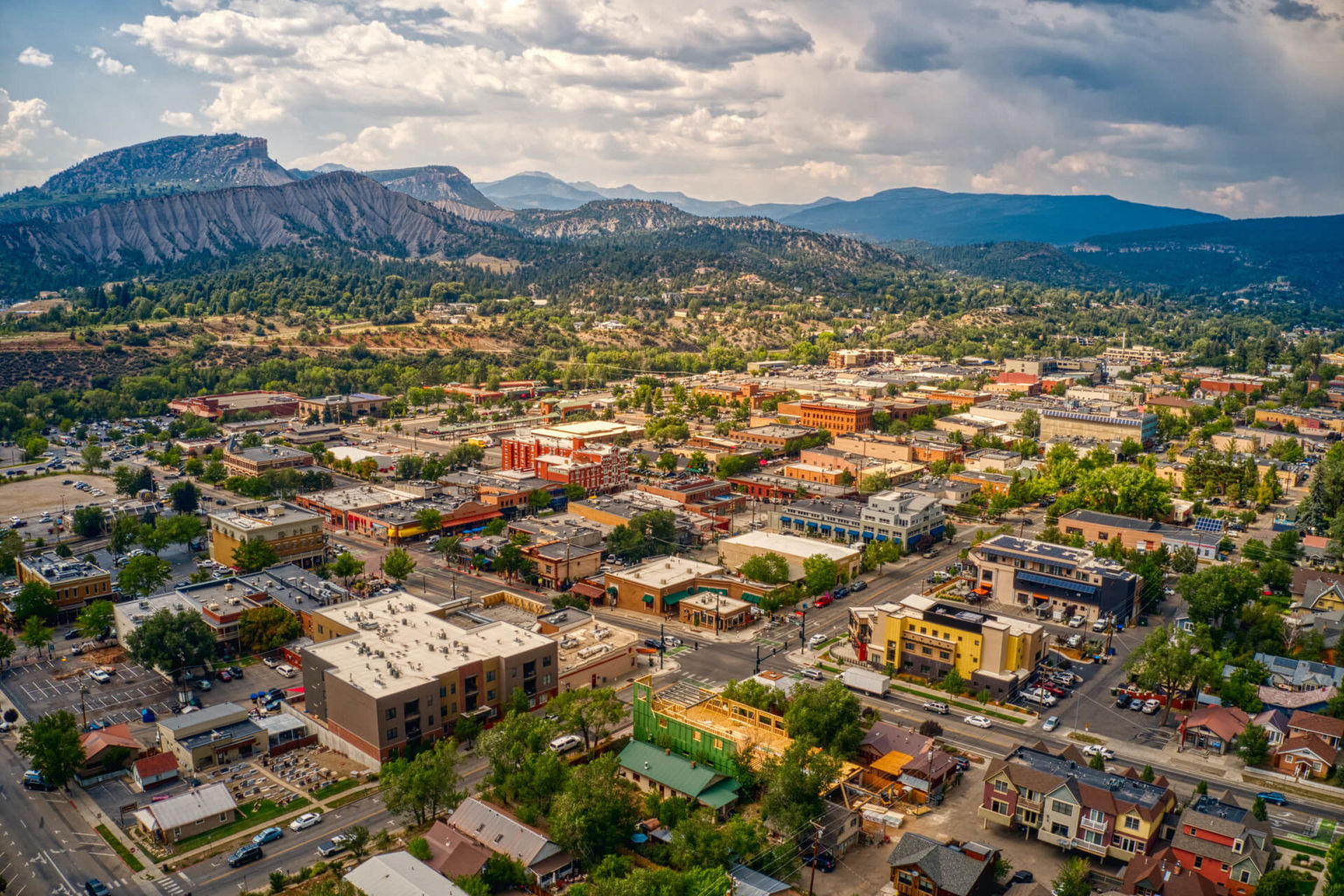
What this is
This is every question we get asked about moving to Durango, Colorado, answered on camera and broken into 1,936 short, timestamped answers drawn from 139 videos. Rather than scrubbing through an hour-long neighborhood tour to find the two minutes about well permits, you can search for the thing you actually want to know and land on the exact second it gets answered.
Who is behind it
The videos are made by Jon Burden, a licensed realtor working in Durango, Bayfield, Hesperus, Pagosa Springs and the rest of Southwest Colorado with Woosa Properties. They are filmed on location -- standing in the neighborhoods, on the trails, at the trailheads and outside the homes being discussed -- rather than in an office. A lot of the material comes directly from questions asked on relocation calls, which is why the library leans heavily toward the practical and the unglamorous: driveway grades, septic transfer inspections, insurance quotes that come back at three different numbers.
Who it is for
Mostly people who are seriously considering the move and have got past the postcard stage. If you are weighing Durango against Bayfield or Pagosa Springs, trying to work out whether you can live with a well and a septic system, wondering how much more snow a neighborhood ten minutes east of town really gets, or figuring out whether your budget reaches the Animas Valley, this is built for you. It is also useful if you are already under contract and want to know what you have signed up for.
What it covers
Durango sits at 6,512 feet and averages roughly 65 inches of snow a year, but drive ten or twelve minutes east or west and you are above 7,000 feet getting fifty to a hundred percent more. That single fact shapes a surprising amount of what follows, and the library covers it from several directions: elevation and acclimation, microclimates, which driveways turn to ice and what plowing costs. On money, there are breakdowns of median prices by area, what a million dollars actually buys in each part of town, property taxes, propane, and why insurance quotes on a forested lot can range from three thousand to over ten. On land and utilities, there is a lot on wells, cisterns, water rights and the difference between a household-use-only permit and a domestic livestock well, plus septic inspections and what site development costs before you pour a foundation. Neighborhoods are covered subdivision by subdivision, with the honest drawbacks included: the ones with no walkable road, the ones where trails run behind your fence, the ones where the trees are so dense the house never gets light. There is also schools and daycare waitlists, healthcare and what Mercy can and cannot handle, the airport and where you can actually fly, skiing and the fact that Purgatory is under thirty minutes with no bumper-to-bumper approach, and a large amount on the outdoors.
How to use it
Start with the search box. It looks through all 1,936 answers at once, so plain questions work well: try well permit, ice dams, septic inspection, Bayfield schools, or property taxes. If you would rather browse, the topic buttons underneath narrow everything to one subject. Below that, Start Here collects the videos most people watch first, Newest shows what has just gone up, and the full library is laid out underneath. Opening any video lists its answers with timestamps -- click one and YouTube starts at that moment. Nothing here is gated and there is no form to fill in first.
A note on what it is not
These are opinions and observations from someone who lives and works here, not professional advice. Figures quoted in the videos were accurate when filmed and move over time, particularly prices, insurance premiums and interest rates. Nothing here is legal, tax, financial or investment advice, and it is not a substitute for a home inspection, a survey, a title search or a conversation with your own lender. If a specific property matters to you, go and look at it.
Nothing matches that. Show everything
Start Here
12 videosNewest
12 videosBrowse all 139 videos
1936 answers13 answers
12 answers
13 answers
10 answers
15 answers
8 answers
17 answers
16 answers
8 answers
23 answers
13 answers
12 answers
17 answers
17 answers
17 answers
16 answers
9 answers
9 answers
5 answers
15 answers
28 answers
16 answers
27 answers
12 answers
20 answers
16 answers
18 answers
17 answers
9 answers
10 answers
10 answers
12 answers
7 answers
13 answers
14 answers
19 answers
22 answers
14 answers
12 answers
7 answers
12 answers
7 answers
18 answers
23 answers
21 answers
8 answers
13 answers
11 answers
13 answers
12 answers
20 answers
7 answers
19 answers
17 answers
17 answers
19 answers
12 answers
12 answers
14 answers
9 answers
16 answers
24 answers
13 answers
18 answers
12 answers
14 answers
19 answers
10 answers
12 answers
18 answers
10 answers
13 answers
9 answers
21 answers
18 answers
14 answers
9 answers
24 answers
5 answers
10 answers
17 answers
4 answers
17 answers
29 answers
15 answers
15 answers
32 answers
13 answers
11 answers
21 answers
11 answers
16 answers
13 answers
12 answers
13 answers
12 answers
18 answers
20 answers
13 answers
9 answers
22 answers
9 answers
15 answers
12 answers
11 answers
13 answers
22 answers
14 answers
10 answers
9 answers
12 answers
12 answers
13 answers
12 answers
12 answers
8 answers
16 answers
26 answers
18 answers
11 answers
12 answers
6 answers
13 answers
14 answers
11 answers
12 answers
9 answers
12 answers
11 answers
11 answers
12 answers
8 answers
11 answers
10 answers
10 answers
12 answers
12 answers
13 answers
8 answers
Every answer, by video
All 1936 answers from all 139 videos, grouped by video and listed in the order they are spoken. Open a video to read its answers, or use the search box above to jump straight to one.

Moving to Durango, Colorado: Everything You Need to Know
13 answers
- 0:00Starting South: The New Mexico FeelThe agent walks through Durango's quadrants to help viewers narrow or eliminate areas before diving into his detailed neighborhood videos. Starting south, where you enter from New Mexico less than an hour from the border, it feels genuinely like New Mexico: drier, with pinyon and smaller trees rather than pines and aspens, because the elevation is lower.
- 1:04Animas Riverfront and Acreage in the SouthWest of Highway 550 the Animas River runs through, with notable acreage properties on green grass looking straight over the water; he points to a property tour on his channel showing what riverfront or river-view living is like. East of the highway is mostly acreage property, and what distinguishes it from comparable land elsewhere is mountain views in every direction. It's drier with fewer large trees around the house, but the land is flatter, the parcels larger, and prices meaningfully lower.
- 2:11East to Edgemont, and Over to the West SideEast across Highway 160, the Edgemont Meadows and Edgemont Ranch area has private fishing with the Florida River running behind the subdivision and about 10 miles of wood chip trails throughout, and sits closer to Vallecito Lake and Lemon Reservoir, with higher elevation as the trade-off. The west quadrant also climbs, so snowfall is broadly similar to Edgemont depending on the subdivision; it's more forested in places and more high-desert in others, with better views in some spots and water issues in others.
- 3:14Twin Buttes, Horse Gulch, and Living In TownTwin Buttes is a newer west-side subdivision with tennis courts, a pond kids can play in during summer, and the Twin Buttes biking system right behind it. Back east, the Horse Gulch trail system is another excellent network. In town, a lot of people want to live downtown for the amenities: you can walk to the center, the Animas River Trail runs right through, and Animas Mountain sits at the edge of town with hiking and biking trails in the middle of everything.
- 4:34The Animas Valley: Green, Low, and Close to SkiingNorth into the Animas Valley feels like another world, so green that he half-jokes it resembles Hawaii, with fewer pines but plenty of aspens and cottonwoods and ridges on both sides; one side is known as the Golden Coast Highway. You're still at low elevation, around 6,700 feet, while getting closer to Purgatory Ski Resort, with Hermosa Creek running through and its 30-plus mile trail system climbing all the way toward Purgatory. His stated purpose for this overview is helping viewers eliminate areas or pick one to focus on and wait for a listing.
- 5:54Unlit Highways: Great Stars, Serious DeerA small thing people don't anticipate is that the highways here have essentially no lighting. It's superb for stargazing, but it's one of the real downsides people cite about living farther south or east, because deer and other wildlife run into the road constantly; he's seen friends' cars smashed after swerving to avoid a large deer and hitting another vehicle. It gets dark around 5 p.m. in winter, so if you're commuting from Bayfield to Durango on two-lane roads, or driving north past Hermosa toward Purgatory, factor that in.
- 7:13Why Someone Flashes Their Headlights, and River DaysA friend living up near Purgatory sees deer constantly on that drive. A local convention worth knowing: if someone flashes their headlights at you, it's usually not warning of police but of wildlife, so slow down and look around, because one deer you already saw is often followed by seven more waiting to cross. Turning to the outdoors, which is why most people move here, he's filming beside a high river ahead of River Days, an event with kayaking clinics and professional kayakers competing.
- 8:33Skiing, and the Valley Subdivisions Closest to ItPurgatory Ski Resort is the main hill, with Wolf Creek about an hour and a half away depending on conditions. If you want to ski two or three days a week, the Animas Valley is the place, specifically County Roads 203 and 250 and their subdivisions: Dalton Ranch and The Ranch, then Celadon farther up, and closer to Purgatory, Tamarron and Glacier, which he calls stunning with a golf course running right through it and abundant wildlife. Trails abound, including Stevens Creek and other routes up Missionary Ridge on the valley's east side, with good hiking on Animas Mountain at the edge of town.
- 10:13Raising Kids Outdoors, and Lake NighthorseValley mountain biking is excellent though rarely flat, since you're between two ridges, and there are good ski and snowboard clinics for kids. He and his wife moved here specifically to raise their children around skiing, sledding, snowshoeing, rafting, kayaking, paddle boarding, hikes, and lakes. Lake Nighthorse sits west just as you come into town, with subdivisions like Trappers Crossing and Shenandoah within about five minutes. It has good swimming with buoys marking the area, a lifeguard on duty, and outstanding fishing; he was hooked on one fish for over an hour and saw eagles overhead.
- 11:50What Locals Say, and the Rec Center PoolSnowshoeing is everywhere, including Animas Mountain right in town. He relays two local quotes: that Durango is one of the last mountain towns not commercialized like Breckenridge, Steamboat Springs, or Vail, and that if you don't do the outdoor thing you'll get bored fast, but if you do, there's everything year round. Local favorites include Trimble Hot Springs, the Strater Hotel, which locals stay at, the Durango train museum, and restaurants including Gianna's Italian. The rec center has an excellent indoor pool with a slide and rope swing that he's taken his one-year-old to, plus lap lanes and lifeguards.
- 13:14The Rest of the Rec Center, and Limited NightlifeUpstairs the rec center has a gym with everything you need, though not the equipment range of a big-city facility, plus roughly a 130-yard track circling the basketball courts, pickleball, two or three racquetball courts, many classes, and an outdoor splash pad, all located off the river trail as you come into town from the north. On nightlife and shopping, he's direct: if you want a city feel, don't move here. It's decent compared with very small mountain towns, with restaurants open later than in Pagosa or Bayfield, but nothing like Denver, Houston, or San Diego, where he's lived.
- 14:34No Target, but a Lot for KidsThere's no Target or comparable big-box selection, the mall has only a few stores, and there are a couple of movie theaters. What's missing for families, like trampoline parks, exists in Farmington an hour south. What Durango does have is an unusual density of clinics and classes: biking clinics, ski classes, kayaking lessons, outdoor lessons, and a small outdoor school for kids. There are also plenty of races, including a triathlon and an event called Valkyrie in mid-September covering roughly 112 miles.
- 15:54Valkyrie, Imogene, and the Contractor ShortageValkyrie combines kayaking, paddle boarding, mountain biking, road biking, trail running, and road running, and he plans to enter it. There's also the Imogene Pass Run over a pass people four-wheel in summer, with extraordinary views on a punishing roughly 13 or 14 mile course with heavy climbing. On the downside, good contractors and plumbers are hard to come by, with everyone stretched thin by new construction, and several of his clients have struggled to get responses and good service. On the plus side, the city is excellent at clearing roads, with crews out at midnight after the first snow.

Things to Do in Durango, Colorado in Winter
12 answers
- 0:00Frozen Waterfalls at Cascade Canyon and the Best Snowshoe TrailsCascade Canyon, about 33 minutes from downtown and a few minutes past Purgatory, holds frozen waterfalls reachable by a steep quarter-mile walk up Lime Creek Road, requiring micro spikes or crampons, with mixed climbing available for ice and rock climbers. For snowshoeing he recommends Lime Creek Road continuing to Spud Lake, the Meadow Loop in the Horse Gulch system a short walk from downtown, and the shores of Vallecito Reservoir, which also has cross-country trails but fills its parking early.
- 1:37More Snowshoe Routes and an Avalanche WarningChurch Camp Trail outside Falls Creek Ranch is only 10 to 15 minutes from downtown, and Hermosa Trail is among his favorites since he can reach it from his own house. He also names County Road 124 in La Plata Canyon, where people have triggered avalanches; his advice is not to avoid it but to stay strictly on the trail or road. He offers to map subdivisions against specific trails for buyers who want to live near them.
- 2:59Snowmobiling, Three Ski Areas, and Heli-Skiing SilvertonGood snowmobiling spots sit behind Lemon Reservoir, east of Vallecito Reservoir, and past Purgatory. For downhill there's Purgatory, Wolf Creek, which is among his favorites, and the very small Hesperus ski mountain. Heli-skiing runs out of Telluride to Silverton Mountain, with a 90-day booking deadline, roughly $1,950 per person, a four-person minimum, and six runs included.
- 4:07Where to Cross-Country Ski Around DurangoA groomed trail runs halfway around Vallecito Reservoir, and La Plata Canyon 15 to 20 minutes west is another option. Missionary Ridge in the Animas Valley, about 15 minutes north, delivers stunning valley views. Hillcrest Golf Course sits right in town, putting residents on snow within 10 to 20 minutes of leaving home. Several private subdivisions including Dalton Ranch, The Ranch, and Edgemont maintain their own trails.
- 5:10Durango Nordic Center, Twilight Lake, and Avalanche ClassesThe Durango Nordic Ski Center across from Purgatory has groomed cross-country and snowshoe trails, including about a mile of flat terrain before climbing into forest, making it easy to join friends skiing at the resort. They offer guided twilight snowshoe outings through the forest. Adjacent Twilight Lake works for paddle boarding and swimming in summer and has a playground, and the groomed trail doubles as a summer walking and running loop. For backcountry skiing, he urges taking one of the local avalanche courses.
- 6:46The Polar Express and the Silverton Train in WinterDurango runs a Polar Express, a short themed ride with costumed characters reading the book, singing, dancing, and handing out hot chocolate, which the agent's nearly two-year-old loved though it ran slightly long for that age. The full Silverton run takes seven hours to a full day with a lunch stop in town, while the Cascade route is four to five hours with about an hour to get out by the river. Passengers can move to the open-air car, and winter tickets cost less with snow-covered trees making a different scene entirely.
- 8:19Durango Hot Springs: 32 Pools and Private Cedar TubsAbout 14 minutes from downtown in the Animas Valley across from Dalton Ranch and Trimble Crossing, the hot springs has 32 mineral pools and two cold plunges, plus private Japanese-style ofuro cedar tubs bookable for one or two people with adjustable temperature. There's a spa offering massages, a food truck with good food, and alcohol service. The agent warns it gets packed on weekends and after big Purgatory snow days, so arrive early and book ahead.
- 9:23The Durango Rec Center: An Indoor Track and a Pool With a Rope SwingOn the north side of town, the rec center has a roughly 130-yard indoor track upstairs so runners aren't stuck on treadmills all winter, plus free weights, dumbbells, machines, treadmills, ellipticals, and stair climbers. There's a rock wall, basketball courts that convert to volleyball and pickleball, and two racquetball courts. The pool side has lap lanes, diving boards, and a rope swing, with a recently renovated shallow area and small slides for young kids, a big slide, and a hot tub. It sits directly on the Animas River Trail.
- 11:18Sleigh Rides, a Ranch Tour, and Hockey at Chapman HillBear's Ranch at the entrance to Haviland Lake offers 45-minute sleigh and carriage rides with hot chocolate and blankets, facing Haviland Lake, Needles Mountain, Engineer Mountain, and the Hermosa Cliffs; a VIP tiki sleigh departs at 5 p.m. for the alpenglow, with torches lighting the return. James Ranch lets visitors walk down to see the grazing cattle, with guided cheese-making tours in summer and a homestead school running a couple of days a week. Chapman Hill's ice rink has public skating, drop-in hockey, adult leagues, a Fort Lewis club program, a competitive youth program, and disco nights.
- 12:53Night Skiing at Chapman Hill and Indoor Options for KidsChapman Hill's ski area has 500 feet of vertical, two rope tows, a bump course, and lights for night skiing and snowboarding. Cafe al Play at Christ the King Lutheran Church is one of the few genuine indoor play spaces, open for drop-in Monday through Friday 10 a.m. to 1 p.m. in a bright upstairs room overlooking the outdoor playground, which in summer has three fenced themed areas by age. With January highs around 31 degrees, the agent says this matters for families with toddlers. Downtown also has a monthly gallery walk, theater productions from Fort Lewis College, Durango Aerial Arts and Acrobatics, and Stillwater Music for kids' classes.
- 15:00Hot Chocolate, Sledding, and Knowing Your Snow Before You BuyHe recommends Seasons for lunch, specifically the green chili pork sub with braised pork shoulder, and Animas Chocolate and Coffee Company for hot chocolate. Buckley Park just north of downtown is the sledding spot, and hosts concerts every Tuesday afternoon in summer. On buying, he stresses knowing a property's elevation: heading west on Highway 160 the climb begins about five minutes out, and the Edgemont subdivisions east on Florida Road sit roughly 1,000 feet higher at 7,300 to 7,400 feet, getting 30 to 100 percent more snow than town.
- 16:53Driveway Orientation, Winter Gear, and Cutting Your Own TreeHe advises checking which way a driveway faces and whether trees shade it, since his own stays iced over, plus its grade and length when budgeting for plowing; one client just asked a seller to include their UTV and snow plow in the offer. His clothing picks are a midweight down jacket as a base layer under a good Gore-Tex shell with a solid hood. Permits sold at certain local stores allow cutting your own Christmas tree in designated national forest areas, with Lemon Reservoir and Missionary Ridge among his favorites. For driving he recommends four-wheel drive, chains you probably won't need, and an emergency kit with water, blankets, and a sleeping bag, especially heading toward Ouray and Silverton.

Durango Commute Reality: Traffic, Winter Roads and Drive Times
13 answers
- 0:00The Drive He Wasn't Sure About, and the MapWhen the agent and his wife bought 15 minutes north of downtown, they weren't certain whether the commute would wear on them; it turned out to be a scenic drive they don't mind at all. Other parts of the area are trickier, especially in winter. Orienting on a map: Highway 550 runs north-south and Highway 160 east-west, with Pagosa Springs east and Cortez, Mancos, Hesperus, and Dolores west. North leads up through the Animas Valley to the resort area, south toward Farmington and Aztec through the flatter, Santa Fe-feeling Mesa, and east also reaches Bayfield.
- 1:55Neighborhoods on the Highways, and Few Alternate RoutesMany desirable neighborhoods sit directly off busy highways: Twin Buttes and Durango West off Highway 160 west, Three Springs east though set well back, and Dalton Ranch and The Ranch off Highway 550 and County Road 203. Up in the resort area, even homes above $2 million sit close to the highway because the Hermosa Cliffs leave nowhere else to build. His main structural complaint about driving here is the lack of alternate routes: reaching Dalton Ranch offers Highway 550 or County Road 250 via Trimble, but off Highway 160 you're simply on Highway 160.
- 4:03In Town Is Measured in Bike Minutes, but People Are Spread OutFor an in-town video he's producing covering about 15 neighborhoods, he gave biking rather than driving distances, typically 7 to 10 minutes to downtown, with the caveat that homes near Fort Lewis College require climbing 50 to 100 feet. Driving, you cross all of city limits in 5 to 10 minutes, or 15 at worst during school release. The real friction is how spread out people are: friends in Durango Ridge Ranch 10 minutes west and a home 15 minutes north in the Animas Valley can be a 30-minute drive, 30 to 40 in winter, plus up to 10 minutes to reach the back of a neighborhood, because mountain ranges sit between places that look close on a map.
- 6:13Rush Hour Isn't Rush Hour, and Summer TourismTraffic here stops for deer crossing, elk on the shoulder that everyone slows to look at, or a bike race through town, rather than for cars. From his home 15 minutes north, leaving at 8 a.m. costs about two minutes versus 7 a.m., and the 3 to 3:30 school rush adds two or three. On summer tourism, with over a million visitors a year he doesn't find traffic noticeably more congested, though there are more people on trails and in the river, which he thinks adds to the fun; trailhead parking remains available since there are so many trails and many people simply bike to them.
- 7:47Deer on the Road, and Where Cell Signal DisappearsHe's swerved for deer into potential oncoming traffic and seen crashes near his house from cars avoiding or hitting them, which is why he recommends an SUV or larger vehicle and constant awareness; when someone flashes their headlights there's a 90 percent chance it's deer or elk rather than police. He was told the county sees roughly 15 to 17 deer struck every day. On cell coverage, Wildcat Canyon, also County Road 141, running west past Shenandoah has very limited service despite being a great area to live.
- 9:23Starlink, Avalanche Roads, and Downtown ParkingAbove Vallecito Lake service is good, but from roughly the Edgemont subdivisions onward and below the lake it's very spotty, so he recommends a WeBoost or a Starlink Mini at about $50 a month for emergencies. North of Purgatory also loses signal, on a road that carries avalanche risk and gets sketchy in winter. Downtown parking he finds genuinely easy, usually within a two or three minute walk and often right in front; Main Avenue gets trickier midwinter, but free parking is straightforward five minutes out if you'll walk.
- 11:00Durango Hills' Road, and What Plowed Doesn't MeanDurango Hills, about 12 minutes east off Florida Road, is a neighborhood he likes and has friends in and recently sold a home in, with excellent trail access and Animas Valley views from the top. His caution is that the road is more rutted and less maintained than most, winding up for 10 to 20 minutes to the top and collecting far more snow at elevation, with the lower portion much easier. Asked whether roads get maintained without an HOA, he says the vast majority are plowed, but plowed doesn't mean easy: you may be driving in tracks other cars made, and more snow can fall before or after the plow, so weigh elevation, dirt road length, and how many cars use it daily.
- 13:10Driving in Snow, Emergency Supplies, and Waiting Out a StormHe's seen perhaps five or six situations countywide where a road was plowed by a single neighbor, which becomes a problem if that person moves. Winter driving is genuinely more dangerous if you're not used to it, even in town, and cars slide in the Animas Valley despite being only 200 feet higher. He recommends snow tires, watching videos on ice driving, and keeping food, water, a sleeping bag, and a first aid kit in the car, since even 10 or 15 minutes out you can be remote enough that nobody passes for a while. For higher, more remote homes, be prepared to simply wait a day after a 12 to 18 inch night.
- 15:16School Drop-off, Train Crossings, and Florida Road in WinterSchools sit in residential areas, and on the first day at Miller Middle School the car line stretched to Main Avenue requiring four officers; for anyone just passing through it adds three or four minutes. The train crosses roads occasionally for a 30-second to one-minute wait, and his kids love it. On Florida Road, his parents preferred not to drive out until afternoon after a snowstorm, once the plow had been through and sun hit the road; he's driven it extensively without problems but understands, since the forested road holds ice. County Road 141 through Wildcat Canyon is similar, with ridges on both sides keeping it darker.
- 17:22Sand Instead of Salt, Studded Tires, and Steep In-Town StreetsPlowing is good but doesn't produce bone-dry pavement; expect hardpacked snow or patchy ice. The city avoids salt to prevent vehicle corrosion, spreading a sand and gravel mix or chemical deicer instead, so roads stay slick with some traction. Studded tires are legal and, in a review he read, worth their weight in gold; he's never used chains but thinks they're worth owning. His emphasis is not rushing: seeing others drive fast doesn't mean the road is fine, and winter costs him about two extra minutes to work. Locally steep areas include Junction Street near Hillcrest and Skyridge, plus the homes above town near the college with long uphill driveways, though about 90 percent of in-town Durango is flat and manageable.
- 19:31Snowfall by Neighborhood, and the In-Town RoadsHe recommends the Durango Weather Guy, who publishes expected snowfall by neighborhood for every storm, which makes clear that somewhere like Durango Ridge Ranch, only 10 to 15 minutes out, gets far more snow than town. He cites a $17.5 million La Plata County home he toured that gets considerably more snow but has a flat road and flat driveway, which he argues offsets the elevation and makes it far more drivable. In-town neighborhoods sit at about the lowest elevation in the county with mostly flat roads, apart from a couple west of town that climb and the cluster near the college.
- 21:39Three Springs, Bayfield's Two Routes, and the ValleyThree Springs is the standout for easy roads: among the least snow anywhere in Durango, very flat within the neighborhood and on the approach. For Bayfield, County Road 240 is the sketchier route at higher elevation with signal gaps, while Highway 160 is far easier; both carry heavy deer traffic. Bayfield's homes cost considerably less, with the trade-off being gas if you commute to Durango. Hermosa north of town is largely flat with nice driveways apart from homes climbing Missionary Ridge. The Animas Valley runs flat for 15 to 20 minutes north before climbing sharply toward Purgatory, where driveways are paved but some are steep and prices run $1.5 million to over $10 million.
- 23:30Edgemont, Pagosa, and Wrapping UpCounty Road 240 toward Edgemont climbs in elevation, loses cell reception past the subdivision, and stays forested and shaded enough to hold ice. Pagosa Springs sits around 7,300 to 7,400 feet with considerably more snow, though it varies by neighborhood: many are flat and easy in winter while others have very steep driveways and roads. He closes offering to talk through the nuances of specific neighborhoods for anyone with particular requirements.

7 Reasons Not to Move to Pagosa Springs, Colorado
10 answers
- 0:00Under 2,000 People, and Everyone Knows Your BusinessA local's blunt assessment opens the video: if you're used to options for shopping, dining, and entertainment, Pagosa isn't the place. The town has under 2,000 residents, Archuleta County holds only 13,000 to 14,000, and La Plata County where Durango sits has just under 60,000, which limits services, businesses, and restaurants. Other local quotes: you have to be okay with knowing everyone and everyone knowing your business, and it's beautiful but a tiny bubble where not much happens. He notes the flip side is real, since many buyers specifically want remoteness and 35 to 50 acres or at least a couple of acres of breathing room.
- 1:35No Airport, and Wolf Creek Pass Between You and OneThere's no commercial airport in Pagosa; the closest is Durango over an hour away, then Albuquerque just under four hours and Denver about five and a half. Cortez west of Durango is another small option, and most of these flights connect through Denver anyway. Durango flies seasonally to Dallas and Houston in summer plus Denver and Phoenix. Mountain routes like Wolf Creek Pass complicate everything: even in a light snow year the pass gets substantial snow and can turn icy and dangerous with storms there while it's blue skies and 40 or 50 degrees in Pagosa or Durango.
- 3:11Checking the Pass, and What Groceries Look LikeHe recommends a road conditions app with pass cameras as more reliable than checking the weather online, and notes delays from avalanche control work. Local quotes capture it: you don't just run to the airport from Pagosa, flying anywhere takes planning, and Wolf Creek Pass will eventually wreck your plans. On shopping, Pagosa has a small Walmart and two small grocery stores, though Natural Grocers is excellent and he shops there often, and City Market is comparable to an Albertsons with decent selection but without the organic and specialty range of a Whole Foods. There's also a good farmers market and the East Side Market food court.
- 4:48The Missing Stores, and Amazon in Two to Four DaysCity Market carries Boar's Head deli meats and cheese and has some organic options with produce that's decent by mountain standards. The limitations buyers don't anticipate are inconsistent specialty items, a smaller bulk section, and meat quality that varies week to week. Walmart covers basic groceries and household goods but nothing like a Costco or Sam's Club, neither of which exists here. Pagosa Baking Company is a good local spot for breads, pastries, coffee, and breakfast and lunch. Missing entirely: Target, Costco, Sam's Club, Trader Joe's, Whole Foods, HomeGoods, and any mall, so the nearest big-box run is Farmington. Amazon Prime typically takes two to four days, so his advice is to stock up before you run out.
- 6:25Dining, Community, and Dirt RoadsThe dining options are few but good: a couple of small bars, Riff Raff Brewing, a couple of strong restaurants at the hot springs, Pagosa Street Bistro, and for pizza both Mountain Pizza and Taproom and Rosie's Pizzeria, which he can't choose between. His framing is that Pagosa trades convenience for environment: quiet, nature access, a slower pace, and a genuinely tight-knit community where people meet for dinner and gather in each other's homes far more than in bigger towns. On infrastructure, the first thing you'll notice is dirt roads, and something snow newcomers don't anticipate is that winter plowing leaves berms along your driveway, which a client found frustrating after moving in. He recommends a Starlink Mini, about $50 a month, kept in a protective case in the car.
- 8:02Cell Dead Zones, Trades, and Medical CareThere's a long stretch on Highway 160 between Durango and Pagosa with no signal at all, ridges on both sides, and he lost service for four or five miles heading to a neighborhood north of downtown Pagosa; coverage is generally spotty throughout given how forested it is. Trades are limited but there are very dependable people, so plan ahead and expect a big remodel to take longer than in a city. Medically there's a small local hospital but no maternity ward, and people go to Durango for specialists, with some heading to Albuquerque or Denver. That doesn't mean the care here is poor, just more limited.
- 9:37Pagosa Time: Short Hours and Booked-Out ContractorsBusinesses keep shorter and seasonal hours, and he gives examples: East Side Markets closed Wednesday and Thursday, open Friday through Sunday 9 to 3; Tangled open 10 to 4 seven days; Lazy One Pagosa open 11:30 to 4 Wednesday through Saturday and noon to 3 Sunday. Restaurants close much earlier than in bigger cities, and there's little weeknight live music, though some on weekends, which is a real difference from Durango. Contractors are booked further out because there are only so many, and there's less urgency generally, though he's found genuinely professional people and got quick quotes on a home currently under contract. Local quotes: we run on Pagosa time, and you either learn to slow down or stay frustrated.
- 11:00The Hot Springs, and What Tourism Does to the TownPagosa Hot Springs, which he visited with his wife for their anniversary and highly recommends, recently completed a massive renovation adding many pools and rooms, plus a casual restaurant overlooking the pools and an excellent fine dining option. Tourism is heavy enough that the population can double in summer, with peaks over summer holidays and ski season causing grocery shortages, some traffic on the single main road through town, and restaurant waits, though nothing like a big city. Tourism also brings many vacation homes and rentals, which inflates housing costs and makes long-term rentals hard to find, a pattern common across small Colorado towns.
- 12:38Crowds on Trails, and How High You Actually AreLocals say tourist season changes the whole feel, the grocery store gets wiped out on holiday weekends, and housing is expensive relative to local wages because so many homes are rentals. His own view is that tourism's impact is limited and supports the economy, and that unlike Denver, where there are plenty of trails but far more people, here there are few people and an enormous number of trails, so escaping crowds is easy. Pagosa sits at about 7,100 feet against Durango's 6,512, and homes higher up, especially toward Wolf Creek, get far more snow. He suggests checking a listing's elevation by entering its address in Google Earth and reading the corner display. Wolf Creek gets considerably more snow than Purgatory, which is a plus for skiers.
- 14:14Long Winters, Mud Season, and Daily Snow RemovalWinter runs roughly November to April or May with the first snow usually near Thanksgiving, though it varies. It doesn't get as cold as places further north; sub-zero happens but often nights don't drop below zero. Mud season is genuinely real when snow melts, and with so many dirt roads here it affects your choice of vehicle, tires, and drive times. His recurring advice applies doubly: snow removal is a daily fact of life, so when shopping ask whether long dirt roads lead to the property or neighborhood and whether your driveway is long or steep. Local quotes: winter is long, mud season is miserable if you're unprepared, and you have to be okay with snow as part of everyday life, which means keeping extra food, a full tank, and topped-off propane.

The Best and Worst Things About Living in Durango, Colorado
15 answers
- 0:00From Minneapolis: Why the Outdoors Here Is DifferentA local resident who grew up in Minneapolis says Durango initially felt like a stretch, remote and far from things, but she fell in love with it for the immediacy of the outdoors. Unlike Denver, where getting to the mountains means hours in the car, here she hikes a trailhead across the street from her house almost daily, bikes, fly fishes, and rafts. What her family wanted was memories built around shared experiences rather than spending: Durango doesn't offer concerts and shopping, but it offers a simple way of living centered on being outside and on time together.
- 2:11Starting a Church and a Business in a Town That Roots for YouWhat sold them was a simpler, more purposeful life in a smaller community where they could put down roots. She's found Durango incredibly welcoming to small business, describing local ownership as a point of civic pride, with people favoring the small operator over the big-box store. When they started a church from scratch, moving from their living room to the rec center to around town and eventually buying a building, community support and buy-in was crucial, and it mattered to people that they were local and invested. She found the same support for her photography business.
- 3:48Twenty People Showing Up, and the Limits of a Small TownCompetition here is healthy rather than cutthroat, with people genuinely wanting each other to succeed, lending a hand, and organizing workdays. The flip side she names honestly: if you want to build something with a global competitive advantage, that's harder here, though remote possibilities exist. The agent adds that he regularly sees 20 friends show up to help someone move, something he never saw in bigger cities. She contrasts it with their previous town of eight years, where everyone already had family, community, and roots, and they never quite broke in.
- 5:26Easy to Make Friends, Harder to Buy AnythingBecause so many Durango residents came from elsewhere, people actively want to build family and relationships here; invite someone on a hike or to dinner and they say yes. She and her husband felt part of the fabric of the community far faster than in the place they'd spent eight years. The downsides are access to shopping, concerts, sporting events, and big things generally. She notes wryly that they'd all lived in cities and rarely did those things, but the perception matters: her sister-in-law, a serious shopper, clusters her shopping around road trips. Amazon offers no same-day or next-day delivery here.
- 7:06Planning Ahead, and Why Being Hard to Reach Is the PointHer example of the adjustment: her daughters needed leotards for an end-of-year aerial silks performance and told her only a week out, which here may or may not be enough time, so you learn to think further ahead and get more creative. Travel is similar; there's a regional airport but fewer options and higher fares than flying from a major city. She then reframes all of it as the reason she loves the place: Durango isn't on the way to Denver or on an interstate, and being genuinely hard to reach is what preserves it, surrounded by millions of acres of national forest so it feels like an undiscovered corner of the world, with the obvious flip side for a city person.
- 8:44Why Living In Town Matters More HereLiving in town has been important to their family for connection and access, which she notes is a completely different mindset from living 20 minutes outside Minneapolis, where that was nothing. The agent agrees and sharpens it: clients say they're comfortable with a 20-minute drive without registering that 20 minutes from town means 20 minutes from everything. She describes doing exactly that 12 years ago, browsing Zillow and seeing cheaper homes in Bayfield or Forest Lakes and thinking distance was no big deal, then moving here and discovering it was a huge one.
- 10:20Durango Is the Hub, and Nobody Drives Out to YouDurango's culture is centralized around being close to town, which matters especially if you're social or want friends dropping by; as pastors with two kids in junior high, their home has become a hub where people stop by on bike rides, stay for dinner, and play lawn games. The oddity she points out is that Durango residents will say they don't want to drive out that far for what is literally a 20-minute drive. Unlike a city with many neighborhoods each having their own small downtown, Durango has exactly one center, so everyone converges downtown. For her as a mother of school-age kids, their freedom to move around town on their own has been a game changer.
- 11:57Not Spending the Whole Day in the CarShe isn't shuttling children from soccer practice to a concert to friends and back all day. Friends living about 25 minutes up the road are building a home in town precisely because they're spending too much time carting kids and want them to bike in on the river trail. Her own example: her girls recently loaded backpacks with art supplies, biked into town to the Smiley Building coffee shop, and spent the afternoon making art together, which felt good to her because it's a safe place for them to get around. Living in town, she says, has genuinely changed their experience of Durango.
- 13:32A Saturday That Doesn't Require a Road TripLast Saturday her family biked a couple of miles into town on the river trail to the farmers market, picked up pastries, hung around downtown, biked home, and went river rafting the next day. What's changed for her is that the activities are simpler and local, and while big adventures are close by, so are ordinary ones. Coming from near a big city, she's traded sitting in traffic for accessibility and a slower pace: instead of one big Colorado trip a year for hiking and biking, she does those things routinely. She's also grown to love running into people at the grocery store or coffee shop.
- 15:08A Hundred Miles of Trails Without the CrowdsShe spends 30 minutes to an hour most days on the trails across from her house and typically passes one or two people, never back-to-back traffic. The agent notes the same about coffee shops: often enough to feel a sense of community, not so often that it's claustrophobic. She contrasts it with the Front Range, where friends report full parking lots and a sense that everyone is competing for the same piece of nature, while here there are miles of trails from her door and nearly endless options within an hour's drive, roughly 100 miles of hiking and biking trails within about 10 miles of her house, with a whole new bike park being built.
- 16:42What Living Here Actually CostsShe took up biking after moving here despite having been terrified of it, and says it's never too late to start. On cost of living, food costs feel similar to what she sees traveling the country and gas is perhaps slightly higher but not significantly, so day-to-day expenses haven't jumped. What is different is housing, which costs more per square foot than where they moved from, making the barrier to entry harder, and the cost of travel, since regional airport tickets run well above big-city fares, which can be limiting when family lives far away.
- 18:23Snow Removal, and How Elevation Changes EverythingThey handle their own snow removal, and her daughters shovel and plow neighbors' driveways for money, so there are always local kids willing to work if you'd rather not. The agent uses his wheel-and-spokes model: in town is lower elevation, and as you move out along the spokes into different neighborhoods you climb, so a few inches downtown can be considerably more higher up, sometimes up to double, with Purgatory getting far more still. That means planning for a snow blower or a service, and occasionally shoveling snow off a roof a couple of times a winter because of the weight. If you're not here year-round, you need someone maintaining it, or you simply won't get into your home in February through three feet of snow.
- 20:04Ouray, Telluride, Moab: What's Within a Few HoursAsked what's best about Durango, she names outdoor access plus the extraordinary range of what sits within a couple of hours: Ouray, which she calls the Switzerland of America, Telluride, Moab, desert and mountains, and Antelope Canyon within three or four hours, making weekend getaways to some of the most beautiful places in the West easy. What matters equally is that daily in-town life incorporates the same things, with walks, bike rides, river time, and fly fishing as part of a normal week rather than a once-a-year vacation. She also returns to the community and how easily people integrate here.
- 21:43A Craigslist Chair, and a Very Dog-Friendly TownShe describes selling a rocking glider on Craigslist when her girls outgrew it, inviting the woman who came to pick it up to dinner, and still being friends today. Because many people here lack family or a built-in support system, they want to create it for each other, which happens faster than in other places. On dogs, she calls Durango a great place to have one: trails where they can run free, businesses that set out food and water bowls, spots to clip a dog outside a coffee shop where passersby stop to say hello, and a huge dog park right by the river.
- 23:20The One Thing to Be Ready For: WinterHer main caution is winter, and being ready for years when substantial snow falls. Having grown up in Minnesota and gone to college in Indiana, where winter meant gray skies and staying indoors for months, she finds Durango's winters wonderful because of the sunshine. Snow is still here, but people are out hiking in it, cross-country skiing, and downhill skiing, so there are real ways to enjoy it. What you do need is a snow removal plan.

10 Things We Wish We Knew Before Moving to Durango, CO
8 answers
- 0:00Summer Competition Versus Winter MotivationFive years after moving here, the agent shares the mistakes he and his wife made. He starts with the market's seasonality: over a million tourists a year come in summer, which drives prices up and brings more bidding wars, but inventory is also far higher then. He still recommends visiting and looking in summer, but if nothing fits your timeline, winter is worth considering. Inventory is thinner, but he can pull MLS lists of homes that came off the market heading into winter, since many of those sellers remain willing, and the sellers who stay listed through winter tend to be considerably more motivated.
- 1:52Second Quarter 2025 Median Prices by Micro MarketBecause Durango has distinct micro markets, he breaks the second-quarter 2025 medians out by area. All of La Plata County, from Hesperus to Bayfield to past Purgatory, was $679,000. Durango in-town homes inside city limits were $795,000, while Durango county homes with a Durango address outside city limits were $899,000. Durango condos and townhomes were $525,000. In-town Bayfield was $530,000 and Bayfield county homes $547,500.
- 3:15The Perfect Summer Cabin Can Be a January NightmareHe splits buyers into two types. Year-round residents typically want to be 15 to 20 minutes from downtown, which makes elevation the central conversation, because going east or west just 10 or 12 minutes puts you high enough to get roughly double the in-town snowfall. Plowing is handled well, but he wants that group watching road steepness and the length and grade of their own driveway. Vacation buyers who will mostly be here in summer are a different case entirely, and can reasonably consider Purgatory or somewhere near Lemon or Vallecito where a creek or river runs by the home despite winter access being hard.
- 4:51North Stays Low, and How Much HOAs Actually RestrictIf you're only coming for summer, he suggests opening your criteria to a home on the Florida River near Lemon or Vallecito or a breathtaking spot near Purgatory. He adds an important caveat: going north of Durango 15 to 18 minutes keeps you close to downtown's elevation with little change in snowfall. On HOAs, buyers split between wanting rules and wanting freedom, but 60 to 70 percent of neighborhoods sit in between, with covenants and bylaws that mostly cover road maintenance and snow removal. He describes one buyer installing a rideable train circling the property plus outbuildings and shops, which the HOA accepted because their role is essentially plowing roads.
- 6:29Short-Term Rental Rules, and the Only Real Traffic JamOther HOAs are strict down to the trim color, so read everything. Inside city limits, short-term rentals require a permit with a waiting list that could run two or three years or far longer, effectively forever if those owners never sell. Outside city limits it comes down to whether the HOA prohibits them, with county rules to verify. On traffic, he half-jokes that the only jam in Durango is deer crossing the road; his 7:30 or 8:00 commute is perhaps a minute slower than off-peak.
- 8:02Construction, Parking, and Flying Out of DurangoThe real delays come from road construction projects, which are frequent because heavy snow chews up the pavement. He also warns that a 23-minute drive that feels borderline in summer can become 30 minutes on snowy or icy winter roads. Downtown parking runs about a dollar to a dollar fifty an hour on Main Street and is rarely a problem beyond walking 200 yards. The La Plata County airport southeast of town recently added a terminal, but friends who travel monthly tell him that if they need to be at work in Texas by 10 a.m., they fly out the night before, since lightning in summer and snow in winter cause enough delays to make that worthwhile.
- 9:37What Durango Doesn't Have, and What the Weather DemandsHe's blunt that clients sometimes visit, like Durango, and then don't buy because prices are high and the shopping isn't there: no Costco, Target, Trader Joe's, or Whole Foods, and effectively no mall, though an REI recently opened and there are good sporting goods stores. Farmington, 50 to 55 minutes away, has a Sam's Club, Target, and a larger mall, though even that falls short of Dallas, Houston, or Denver. On weather, late summer brings frequent thunderstorms and spring brings a lot of wind, so the climate isn't flawless; hikers need to be off exposed terrain before the afternoon storms that roll in from noon to two.
- 11:15Sunshine, Ice, and What to Keep in Your CarJanuary midday averages run in the low 30s, much warmer than most of Colorado and much of the East Coast, and the day after a snowfall is typically sunny but colder, which is exactly when roads get icy. He'd put a client under contract that morning who had traveled the country for over 13 months and chose Durango specifically for the sunshine, over 250 days a year. On preparedness, he recommends keeping a sleeping bag, pad, extra water and food, a small backpack, tourniquets, and first aid supplies in the car year-round, plus taking a Stop the Bleed course, CPR, and avalanche safety training. He uses the Hiking Project app with offline maps and onX, and recommends a Garmin inReach or SPOT device to signal for help.

6 Worst Things About Living in Durango, Colorado
17 answers
- 0:00Con One: What It Costs to Buy HereThe first con is price. La Plata County's average home price, which includes lower-priced subdivisions, sits just above $650,000; in-town Durango just below $800,000; and Durango County homes at a median of $850,000, a figure that includes subdivisions like Falls Creek Ranch with its private lake. The mountain area, running from about 15 minutes south of Purgatory and 30 to 40 minutes from downtown, had a median of $2.13 million and was one of the only local markets that actually rose in 2023. Bayfield runs considerably lower at $524,000 for the county and $477,000 in town.
- 1:35Property Taxes, and What HOAs Actually CoverProperty taxes here are considerably lower than buyers expect: a property he recently sold around $520,000 in the county carried roughly $2,500 in taxes, and even at $800,000 you're generally still under $3,000. On unexpected expenses, HOAs are common and most cover road maintenance and snow removal, ensuring snow actually gets cleared without owners having to negotiate among themselves. Some cover far more; The Ranch in the Animas Valley, 12 to 15 minutes from downtown, has about 26 ponds with half stocked with rainbow trout, a tennis court, a half-court basketball court, Animas River access, and a 31-acre nature preserve.
- 3:10What You Take On Without an HOAIf you want the freedom of no HOA, consider septic systems and wells, and note that some homes further out can't have a well at all and need water hauled in, so look into both cost and logistics. Other items are whether the property is on propane or city gas and whether it has irrigation rights, which can reduce costs. He describes showing a property recently on a road nobody was plowing because there was no HOA, so the owner was simply paying a neighbor to do it, exactly the kind of arrangement to watch for when buying outside an association.
- 4:45No Beaches, and a Lot of Funky Custom HomesHe jokes that there are no beaches or snorkeling here, though he admits that was a genuine hesitation after three years living in Maui, and offers to talk anyone through Hawaii trip planning if they're torn. The real next con is the limited diversity of land, paired with a lot of unusual custom homes: because buyers commission exactly what they want, you encounter strange layouts, like a home he showed recently with a guest house arrangement that didn't work, two kitchens, and a living room that didn't flow, leaving you wondering what could even be done with it.
- 6:20Forty Acres, Five of Them UsableHe describes showing land to a couple from Texas looking for 30 to 40 acres, where parcel after parcel was genuinely that size but only five or six acres were usable: beautiful, with great views, then dropping off. The alternative is a lower price without the mountains or the views, further south of town. His summary of the local pattern is that you're generally either on a cliff edge, on genuinely flat ground, or deep in the pines. That's why the first question he asks on a call is what you actually prefer, since that determines which subdivisions or parts of the county to point you toward.
- 7:55Con Three: Isolation and Getting Out of TownDurango isn't off any main highway, so you can't simply hop on an interstate to reach Denver. He'd just driven up for a networking conference, taking seven and a half hours because six inches of snow had fallen and Wolf Creek Pass had much more, leaving roads so snow-covered you couldn't see the lines. On flights, checking for the next day he found six flights to Denver spaced every couple of hours at about $244 for a roughly hour-and-a-half flight, with most Durango flights going either to Denver or Phoenix and connecting from there.
- 9:30Monsoon Delays, and the Drive Times EverywhereSummer brings its own problem: a friend visiting for business found his flight delayed over three hours by monsoon lightning, and airlines sometimes send passengers home to return the next day, which isn't common but does happen. The last time his parents flew out they used the Cortez airport because those flights felt more punctual and got them to Denver faster. On driving, Albuquerque is about three and a half hours on generally better roads since elevation drops toward Farmington and the border, Phoenix about six to six and a half hours, and Dallas 12 to 13.
- 11:05Why His Parents Chose Durango: Airport and HospitalHis parents narrowed their search to Colorado mountain towns but insisted on both a dependable airport and a genuinely good hospital, which Durango provides. Mercy is a level three trauma center with 83 beds and a number of strong specialists; a client recently told him about excellent specialists relocating here from Denver, and Denver itself is only an hour-and-a-half flight if you want to see someone there. The hospital sits about 15 minutes from downtown near Three Springs heading east on Highway 160. Most small Colorado mountain towns have something, but with far more limited care, partly because Mercy serves an enormous area of towns with only one or two thousand people each.
- 12:40Moderate Trails, and What His Mom ValuesHis dad wanted not just good mountain biking but moderate, flowy green-to-blue trails on rolling terrain, which Horse Gulch provides along with the Mesa Bike Park system then under construction, which will have more greens and blues, and Three Springs, which the family loves and near which his parents ultimately settled. He adds a useful note for anyone considering homes south of Highway 160: despite the flatter terrain you're still genuinely close to the Three Springs trails. His mom values the accessibility of meeting people for coffee and talking face to face in town, helped by snow in town staying manageable and the roads being plowed well.
- 14:15Con Four: The Amenities Just Aren't HereHaving just driven to Denver, he contrasts choosing among gyms there with free weights, studios, a pool, a hot tub, a track, and a climbing wall against Durango's equivalent on a much smaller scale at the rec center, which does have a pool, a small track, and free weights but nothing like the scale available in Denver, Phoenix, Houston, or Dallas. The trade-off is that most people are here for the outdoors, the scenery, and the river rather than those amenities.
- 15:50No Big Resorts, but No Traffic EitherThere's Purgatory and Pagosa Hot Springs about an hour away, but nothing like the large resorts of Breckenridge. He tells a story about a client in the $2 to $3 million range moving here from Breckenridge, whose own buyer flew in privately to see his property and told the driver to turn around and go back to the airport because of the traffic. His point is that the absence of exclusive resort-level amenities comes paired with the absence of congestion and crowds. Restaurants follow the same pattern: genuinely good ones, and he'll share a list, but nothing approaching the options in Denver, Phoenix, or Houston.
- 17:25Con Five: Winter Driving Out of TownOn winters he focuses on something he hasn't covered much: driving out of town. Heading to Denver means Wolf Creek Pass, and he'd just done that drive after six inches fell in Durango and considerably more in the mountains; it wasn't bad until near Wolf Creek where elevation approaches 10,000 feet, and while it wasn't icy, the roads were snow-covered enough that he couldn't see the lane lines. He recommends the COTrip planner app while noting it stays vague, reporting snow and icy spots at waypoints without being precise. With a good four-wheel drive vehicle and real snow driving experience it's fine, but it's a risk worth acknowledging, whereas driving toward Albuquerque or Phoenix mostly drops in elevation.
- 19:00How Snowfall Changes Within Five MinutesDowntown Durango sits at 6,512 feet and gets about 67 inches of snow a year. Go about five minutes east or west and you climb roughly 1,000 feet, bringing 30 to 100 percent more snow; a client who recently moved west of town got roughly double what town received. Heading north past James Ranch the elevation climbs quickly on the way toward Purgatory, while the valley itself stays similar to town. He offers to visit any property east, west, or north to explain the snowfall difference, road maintenance, whether the roads get plowed, and the driveway incline, which is genuinely hard to judge online; he'd just shown a property with a long but flat driveway that neither GPS nor photos conveyed.
- 20:35A Plowed River Trail, and the Hot SpringsThe city does an excellent job plowing the roughly nine-mile Animas River Trail; walking it after six inches fell a week and a half earlier, he found almost no ice or snow. That same commitment to plowing is why nearly every subdivision here has an HOA or at least covenants with a road maintenance agreement, with rare exceptions like the property he mentioned where one stretch of street went unmaintained. On the plus side, Durango Hot Springs recently put about $10 million into renovations and he thinks it would rival any big city spa, with tubs facing expansive views, bookable Japanese soaking tubs for two where you control the water temperature, two cold plunges, a food truck, alcohol service, a larger pool, adult-only and family areas, and live music a couple of days a week.
- 22:10Skijoring in Silverton, and Why His Parents Moved TwiceDurango also has summer concerts in the park and many small-town events where people show up and support each other. One genuinely unusual example is skijoring up in Silverton, he believes in January, where skiers are pulled by riders on horseback through a course of jumps like an obstacle course, the sort of thing you'd never find in Denver or Phoenix. He then tells his parents' story: they built in the Edgemont subdivisions about 15 minutes east of downtown, which gets 30 to 100 percent more snow than town, and after a few years grew tired of managing it and clearing the roof, compounded by moving in around 2018 when an exceptionally heavy winter hit. They also found the trails running behind homes cut into their privacy, with lots close together and little yard.
- 23:45Chasing a Milder Climate, and Why Homes Lack ACHis parents also wanted a milder climate. Having lived in Santa Fe until he was about 12, then south of Albuquerque around Bosque Farms, Los Lunas, and Peralta, plus California and originally Nebraska, they were used to humidity and hard winters and didn't want to return to either. Durango delivers mid-70s through most of summer with maybe a couple of weeks in the mid-80s and occasionally 90, which is why so many clients call asking why a property has no air conditioning. Even $1 or $2 million homes often use split AC units, which he says work efficiently and cool a home well, and many properties have radiant floor heating that makes conventional AC very difficult to retrofit.
- 25:20Milder Winters Than Any Comparable Mountain TownCompared with other Colorado mountain towns, most get double the snow or more, and their January highs run in the low 20s against Durango's roughly 30 or 31 degrees at midday. Summers are broadly similar, so the real difference is milder winters. Yet you still get plenty of snow and can drive 30 to 35 minutes to Purgatory for skiing and snowshoeing, plus ice climbing, including Ouray, which hosts ice climbing competitions and is, as he understands it, one of the only places in North America that actually creates its ice walls.

10 Reasons to Move to Durango, Colorado
16 answers
- 0:00Why He, His Parents, and His Clients All Moved HereThe agent frames the video around the reasons he and his wife moved to Durango, along with his parents, clients, and friends. He previews the ground he'll cover: the diversity of housing from heavy-snow areas to condos, townhomes, and manufactured homes; fishing opportunities; wildlife you'll want to see and wildlife you won't; how the climate differs from other Colorado resort towns; and proximity and flights to Phoenix, Albuquerque, and Dallas, including reasons the flight situation might put you off.
- 1:09Small, but Not Too Small: Comparing Pagosa SpringsSince most buyers are comparing mountain towns, he starts by measuring Durango against its neighbors. Bayfield is 30 minutes east and Pagosa Springs roughly another 30, about an hour out, and both are far smaller than Durango even though Durango itself is small. Pagosa has a cool downtown with good shops and restaurants, unusual in that Highway 160 runs through it with downtown on either side, plus phenomenal hot springs currently being expanded, riverfront amenities, and enormous national forest access. He keeps Pagosa on the list while noting its restaurant scene is much thinner than Durango's.
- 2:29Bayfield's Tiny Grocery Store, and What Durango Has More OfBayfield is smaller still, with a grocery store so limited that locals joke it isn't really one, so many residents drive to Walmart or City Market in Durango weekly. In its favor, Bayfield backs onto extensive national forest, sits closer to Vallecito and Lemon Reservoirs, and has many trails. Durango simply offers more restaurants and shopping and a river trail of roughly nine miles, much longer than Pagosa's. He also argues Durango's weather is better and its altitude lower than comparable mountain towns, meaning much less snow.
- 3:51Staying Under 8,000 Feet, and Checking Terrain on Google EarthDowntown Durango sits at 6,512 feet, and a client who called recently needed to stay under 8,000 feet, which is achievable if you remain roughly within 15 minutes of downtown, though it varies since some directions climb quickly. He offers to shoot video at a property to convey terrain, which is very hard to judge online, and recommends typing an address into Google Earth to study the topography. He's had clients wanting 10 or 15 usable acres discover the property sits on a ridge with only about an acre of usable ground around the house.
- 5:12The Restaurant Scene: Zia Taqueria, Home Slice, Cream Bean BerryElaborating on small-but-not-too-small, he works down a written list of favorites. Zia Taqueria is a casual spot his family frequents with north and south locations, comparable to Chipotle but much better and local, with house-made salsas, outdoor seating, and a nice bar at the north location. Across from it is Home Slice for pizza, and next door a mobile ice cream setup from Cream Bean Berry, which also has a brick-and-mortar shop downtown near Buckley Park that he recommends highly.
- 6:33Carver's, Eolus, Chang Thai, El Moro, and 11th Street StationCarver Brewing Company is the sit-down hangout with good beer, a big American menu, solid burgers and fries, and a good happy hour. For fine dining, Eolus Bar and Dining has a heated rooftop bar overlooking the Animas River. Chang Thai is a tiny hole-in-the-wall near the movie theater where he and his dad go for pad thai. El Moro Spirits has a historic saloon feel with good steak and mixed drinks. Eleventh Street Station is where he takes clients after showings, a centrally located collection of food trucks with drinks, beer, wine, and good pizza, where one owner came up from the Albuquerque area to start a truck.
- 7:53James Ranch, and the Dalton Ranch Golf CourseHe adds Pepita bars at Eleventh Street Station and James Ranch, up north in the Animas Valley about 15 or 16 minutes from downtown, which he thinks has the best views of any restaurant here, serving grass-fed, regeneratively raised beef from their own property with a great deck facing the valley and the red cliffs. Turning to golf, Dalton Ranch is a 27-acre, 18-hole course in the Animas Valley where water comes into play on 16 of the 18 holes, which sets it apart locally. It doesn't play long but it plays narrow, so longer hitters often use an iron off the tee, and the greens are elevated; a golfer who's played around the country called it fair and challenging.
- 9:15Hillcrest: The Public Course Overlooking DowntownHillcrest sits on a mesa in the middle of town overlooking downtown Durango, with ridges and mountains in every direction. Because it's public, its prices are considerably more affordable than the semi-private and private courses in the area. It was built in 1969, started at nine holes before expanding to 18, and has a bar cart. The staff work hard at keeping the grounds green, and visitors who've golfed nationally have told them it's among the nicest courses they've played for amenities and staff.
- 10:34Hillcrest Details: Tournaments, Tough Greens, and Course RatingsHillcrest runs plenty of tournaments and demo days and has an active women's association that plays Tuesdays among other days. All the staff golf, down to high schoolers on the golf team. It's a park-style course with fast greens that the staff say are genuinely tough to putt, and bathrooms every three holes, which they consider a real differentiator. Course ratings run from 71.4 at black down through 70.1, 69.3, 67.6, 65.8, and 63.9 to 61.7 at white, with the full black tees playing 6,727 yards.
- 12:09Mild Summers, and Why Many Homes Have No Air ConditioningCompared with Albuquerque, Phoenix, and Dallas, Durango runs roughly 10 to 15 degrees cooler; he was in Albuquerque at 95 or 96 the weekend before while Durango sat under 75, and a recent 88-degree day here was 101 there. June averages 86, July 89, and August dips to 85, with mornings often in the 60s. Many homes, including his, have no air conditioning, relying on fans and open doors, because there are really only two to four weeks a year you'd want it. Split wall units are common and work well, similar to what's widespread in Europe.
- 13:30Elevation Cooling, Monsoon Season, and Fall ColorSwamp coolers exist here but are uncommon. Elevation matters a lot: past 8,000 or 9,000 feet it can run 10 degrees cooler than town, and even 1,000 feet above town around 7,500 feet is 2 to 4 degrees cooler, a difference you can reach within 10 or 15 minutes of downtown. Monsoon season hits in August and into fall with one or two hours of heavy rain, hail, and lightning storms that can genuinely disrupt flights, sometimes pushing them to the next day. September drops to the mid-70s and October keeps falling, ahead of fall foliage that draws visitors from New Mexico, Texas, and Arizona.
- 14:53When the Leaves Actually Turn, and Where to RunFoliage timing varies by elevation, with online guides tracking it; in town it peaks closer to mid or late October, while higher elevations change earlier, so despite everyone picturing September the leaves aren't doing much in early to mid-September except up high, and it shifts year to year. On hiking and running, which he loves most, he and his wife had just signed up for the Imogene Pass Run, which filled roughly 800 spots within ten minutes of opening. He points to Hermosa Creek Trail, areas around Silverton, and many in-town systems, plus subdivisions that back onto trails or national forest, including off-grid properties.
- 16:13Snowfall: 67 Inches in Town Versus 184 in SteamboatSnowfall varies enormously with the elevation of the specific home: a 10-minute drive can put you at 7,500 feet getting double what town gets. In-town Durango averages 67 inches, usually starting around Thanksgiving, sometimes a week or two before and sometimes into early December, with most falling in January and February plus a heavy March last year. For comparison he lists Aspen at 170, Breckenridge 184, Crested Butte 203, Telluride 130, Silverton 172, Leadville 156, Ouray 126, and Steamboat Springs 184, against lower spots like Alamosa 30, Cortez 33, Glenwood Springs 38, Grand Junction 17, Gunnison 45, and Mesa Verde National Park 65.
- 17:34How One Storm Fell Across Different SubdivisionsSome of those comparison towns aren't mountain towns at all, like Cortez about an hour away, and Purgatory obviously gets far more than town. To show how much snowfall varies within the county, he uses data from the local Durango Weather Guy website, where residents report their own totals by subdivision. Taking a single storm from last winter that dropped 5 inches in downtown Durango as the baseline, Durango Hills about 12 minutes east recorded 19 inches from that same storm.
- 18:59One Storm, Every Neighborhood: The Full NumbersFrom that same 5-inch downtown storm: Enchanted Forest 15 inches, Hesperus 13 at lower elevation and 16 higher up, Durango West 15 about 10 minutes west, Upper and Lower Forest Lakes 14 and 12 near Bayfield, Glacier 13 up north of the Animas Valley above 7,000 feet, Falls Creek Ranch 14, Pine River Ranches 17 in the Bayfield area, Cortez 5.75, and Gem Village 8. Around the region: Wolf Creek 45, Purgatory 39, Telluride 30, Silverton 18, Lemon Reservoir 21, Mancos 8, and Dolores 7.
- 20:20Winter Temperatures Compared, and a Word on Backcountry SafetyDurango's January averages a high of 41 and a low of 13. Against that, Denver runs 44 and 17, Montrose 39 and 16, Grand Junction 38 and 17, Aspen 36 and 7, Steamboat Springs 27 and 3, Crested Butte 26 and minus 8, Telluride 27 and 7, and Ouray 26 and 7, so every comparison except Denver is substantially colder, often by 10 degrees or more. He closes with safety: almost every year someone dies in an outdoor accident here, often heli or backcountry skiing, so he urges taking an avalanche course and carrying water, a tent, a sleeping bag, and food in the car even for a single-day backcountry trip.

Durango, CO vs Montrose, CO: Which Colorado Mountain Town Is Better for You?
8 answers
- 0:00A Friend Who Chose Montrose Over DurangoA friend moved to the area, rented while looking, and weighed Pagosa Springs, Bayfield, Mancos, and Montrose before narrowing to Montrose versus Durango. Despite having friends, community, and a love of Durango's outdoor amenities, they chose Montrose. The clients in question were married couples with kids in their 30s to 50s wanting a decent backyard, some space, and outdoor access, and both towns have similar populations.
- 1:34Montrose's Character and the Deciding Factor: PriceMontrose is historically agricultural, sits just north of Ouray, and has good access to Telluride skiing, ranking among Colorado's more affordable mountain towns alongside Durango. The actual deciding factor was home cost: the clients found a move-in-ready home over 2,000 square feet on more than 2 flat acres with water rights for under $700,000, where the Durango equivalent within 15 minutes of downtown would run closer to a million.
- 3:09It Wasn't Right or Wrong, Just Right for ThemPrices drop sharply as you move south or 30-plus minutes east or west of Durango, so accepting a drive gets you closer to Montrose pricing. Asked whether he was happy with the choice, the friend framed it not as right or wrong but as the best decision for his family given what was on the market, with things he misses about Durango and things he enjoys in Montrose. The agent adds that some clients tour Durango and end up in Ohio or Nebraska, and warns that if you don't genuinely love the outdoors, you're paying a premium for nothing.
- 4:43Two Comparable Listings, Side by SideIn Montrose, a beautifully updated 2,861 square foot four-bed, three-bath home on a flat usable acre inside city limits lists just under a million. In Durango's Animas Valley off County Road 203, six or seven minutes from downtown, a 2,841 square foot four-bed, three-bath on just over an acre lists at $929,000 but is dated, has an odd floor plan, and catches traffic from both County Road 203 and Highway 550 behind it.
- 6:06Shopping, Groceries, and Which Bigger Town Is BetterMontrose has a Target, Sportsman's Warehouse, and more shopping generally, while Durango residents drive nearly an hour to Farmington for Target and Sam's Club. The agent's friend rates Grand Junction, Montrose's bigger neighbor, as a stronger option than Farmington. Both towns have solid groceries; Durango offers Nature's Oasis, Natural Grocers, a co-op, an Albertsons, and two City Markets.
- 7:09Hospitals, Contractors, Restaurants, and JobsDurango has Mercy Hospital and Montrose has Montrose Regional Health, but Montrose gains from proximity to Grand Junction, the Western Slope's largest medical hub with more specialists. Finding contractors is harder in Montrose because many prefer higher-paying work in Telluride. Durango's restaurant scene is a genuine advantage given its tourism and college base, while Montrose is quieter. Neither town feels crowded; Montrose sees winter tourism tied to Telluride and Durango summer tourism tied to the Silverton train. Montrose's jobs lean agricultural, Durango's toward the college, outdoor recreation, and the hospital.
- 8:44Rodeos Versus Rafting, and Fly Fishing in BothCulturally, Montrose life runs toward fairgrounds and rodeos while Durango centers on mountain biking, rafting, and paddle boarding. Montrose still offers plenty outdoors: Ouray's ice climbing and the Imogene Run trail race, a river through town with a surf spot, and the Gunnison River nearby, which the agent rates among the best fly fishing in the West. On community, Durango's larger transplant population may make it easier to meet people, while Montrose skews toward multi-generational families.
- 10:37Snow, Lift Ticket Costs, and How to Compare for YourselfMontrose typically gets considerably less snow than Durango. For fly fishing, Durango has the Animas, alpine lakes, Hermosa Creek, and the world-renowned San Juan River to the south, while Montrose has its own river and the Gunnison. Biking favors Durango, which the agent calls a biking mecca. The key question is whether you'd rather drive to Telluride for skiing and absorb lift tickets costing double or more, versus the home price difference, and he points to his site's community pages with neighborhood videos and HOA details for comparison.

Durango, Colorado's Best Kept Secret: Mancos, Colorado
23 answers
- 0:00Mancos: Twenty-Nine Minutes West, and Much CheaperFor buyers unsure which part of Durango suits them, the agent tours Mancos, about 29 minutes west, which he calls one of the area's best kept secrets. He's specifically answering clients who call after watching his channel saying Durango's price points concern them and asking whether they can get more by living slightly outside. The video covers proximity to lakes, fishing, biking, and grocery stores, walks inside the grocery store since it's notably smaller, and compares Mancos to both Bayfield and Durango.
- 1:38Between Forest and Desert, at the Gate of Mesa VerdeFrom Mancos it's 29 minutes to Durango, 21 to Dolores, and 20 to Cortez, the latter two sitting northwest while Durango is straight east. Mancos is known as the gateway to Mesa Verde National Park, only about 9 minutes away. Geographically it sits right between forest and desert, with the San Juan Mountains to the north and desert to the west and south. As elevation rises heading north from town, snowfall increases; heading east toward Cortez and Dolores elevation drops and so does the snow.
- 3:17A Small, Genuinely Friendly DowntownMancos has a small downtown where people are notably friendly; within the first 30 seconds of walking with a camera, people waved and said hello, which he finds similar to Durango but more pronounced in a town this small. It has an artsy character and good restaurants, though nothing approaching Durango's number. Fence Line Cidery sits right downtown and is well known across the Southwest, with its cider stocked in liquor stores and restaurants throughout Durango and Bayfield. On the drive in, a local described Highway 160 as relatively benign with no pass to cross and not much winter snow.
- 4:53No Avalanches, and Where to Get Medical CareHe notes the road does get some snow, but the comparison locals are drawing is with the higher-elevation routes north of Durango, where a snowplow once went off the road because of an avalanche; the Mancos corridor doesn't have those issues and is considerably flatter and safer. For medical care beyond the local rural clinic, Cortez is 20 minutes away with a bigger clinic plus Walmart and Safeway, and Durango is 29 minutes with Mercy Regional another 10 minutes east. Mancos sits at 7,028 feet with a population just over 1,200.
- 6:28The Price Gap: $660,000 Versus $366,000Many residents commute to Durango since it's only 29 minutes, and many move here for the outdoors, with trails out the back door into the San Juans plus some in town. The central reason people call him about Mancos is price: the 2023 median home price in La Plata County, where Durango sits, was about $660,000, against $366,000 in Montezuma County covering Mancos, Cortez, and Dolores, a gap of nearly $300,000.
- 8:08Bayfield as the Alternative, and What Mancos Inventory Looks LikeThe other lower-priced option is Bayfield, roughly 20 to 25 minutes out if you're on the Durango side, with a similarly flat road and similar weather. Both routes share the same significant hazard, abundant deer and elk on the road, which friends living in Mancos and Bayfield name as a real con. Mancos home prices range from about $400,000 up to $2.75 million, with very few homes on the market at any time. He promises a map tour comparing specific listings at the end.
- 9:48Inside the One Grocery StoreOther than a well-stocked health food store, Mancos has essentially one grocery store, fairly small, rated 4.6 stars across 125 Google reviews with locals saying good things, though it meets basic needs rather than offering what you'd find at a Whole Foods or Natural Grocers. Cortez is only 20 minutes west with a Safeway, a Walmart Supercenter, and a City Market, the same chain Durango has. By comparison, Bayfield east of Durango has a similarly small store, but Mancos has the advantage of being close to a town with a Supercenter. There's also a Family Dollar up the road with a decent food selection.
- 11:27Zuma Natural Foods, Fahrenheit Coffee, and Fence LineZuma Natural Foods means you don't have to drive to Durango for health foods, rated 4.6 stars across 151 reviews, and Fahrenheit Coffee Roasters holds 4.6 across 204. Fence Line Cidery, which he visited with his parents and wife a couple of summers ago, is a fun spot with darts and games, sitting right on the river with a small park area beside it, and across the street another park with swings and a large grass field for soccer or baseball, which he finds impressive for a town this small.
- 13:07The Cortez Airport, and Mancos State ParkOther amenities include Outlier Cellars, a winery and cidery. On flying, the Cortez airport is 28 minutes from Mancos, and he points to an earlier interview where his parents explain they've had considerably better luck flying out of Cortez than out of the La Plata County airport. Mesa Verde is about 9 minutes away. Mancos State Park has 32 campsites plus two yurts, and unusually keeps roughly six campsites plowed and available through winter.
- 14:47Telluride, Canyonlands, and the Darkest SkiesTelluride is about an hour and 35 minutes away and Purgatory 58 minutes, without crossing any major passes, though one stretch warrants watching road cameras and trip planner apps. Canyonlands in Utah is only 2 hours and 11 minutes, which he recommends visiting in spring rather than the brutal summer heat. Being further west puts you closer to the desert and the Four Corners. He describes driving back from California and stopping in the Four Corners area around midnight, where the sky was so dark and full of stars, the Milky Way, and shooting stars that it reminded him of being mid-ocean in the Navy, which he counts as a real value of living somewhere without light pollution.
- 16:27Drinking on the River, Which Durango Barely OffersStanding outside Fence Line Cidery on the river, he shows the food truck with a good menu they ate from last summer and outdoor seating over the water. Happy hour runs from about 2 to 4 p.m. when they open. His comparison point is that in Durango there's essentially only one place you can have a beer and a meal on the Animas, the River Cafe at the DoubleTree by Hilton, which opens its beer garden on the river trail in spring, summer, and fall, so if riverside dining matters to you, Mancos delivers something Durango mostly doesn't.
- 18:07Almost Identical Snowfall to DurangoWinter snow starts in earnest around mid to late December, though it may snow lightly before. The numbers are nearly identical to Durango: 66.9 inches of annual snowfall in the town of Mancos against about 67 in Durango. The important caveat is that heading north from town it climbs in elevation and gets more snow, so he urges buyers to check a specific home's elevation unless it's clearly near town, and offers property tours showing exactly how much plowing and maintenance a given property would involve.
- 19:47Winter Temperatures Against Other Mountain TownsJanuary in Mancos averages a high of 40 and a low of 14, against Durango's high of 39, so again nearly identical. It dips just below zero for only a few weeks and only at night, nothing like Montana, South Dakota, or Canada. Since many callers are comparing mountain towns, he stresses that almost every other Colorado mountain town runs colder with considerably more snow, so if you want access to excellent skiing at Telluride or Purgatory plus cross-country, backcountry, and snowshoeing without the extreme cold and snow depth, this is a strong option.
- 21:27A Shorter Mud Season, and Summer TemperaturesA benefit most people don't consider is a shorter spring mud season than other mountain towns, since less snowmelt means you're back on the trails mountain biking considerably earlier. February, March, and some of April are the muddy stretch here. April averages a high of 61 and a low of 28, and July a high of 85 and a low of 52, against Durango's 87, so the higher elevation runs about two degrees cooler, which also applies to the many Durango subdivisions sitting at Mancos's just-over-7,000-foot elevation.
- 23:07Why Luxury Homes Here Often Have No Air ConditioningOctober averages a high of 64, and summer reaches the mid to high 80s for about two weeks. He addresses a recurring client question about why a $1.5 million home has no air conditioning: at these temperatures many homes simply never needed it, and crucially, homes with radiant floor heating have no ductwork, making AC very difficult to add. His practical advice is that if you want the option, look for homes with central forced air, where adding AC isn't especially expensive. Southwest Colorado gets roughly 300 days of sunshine, with Mancos itself around 250.
- 24:47Mancos State Park, McPhee, and the Dolores RiverMancos State Park has a beautiful lake, iced over at filming, that supports canoeing, kayaking, and wakeless power boating spring through fall. McPhee Reservoir is the second largest lake in Colorado, holding walleye, smallmouth and largemouth bass, rainbow trout, crappie, northern pike, perch, and kokanee salmon. The Dolores River offers excellent fishing, which he and his dad enjoy, alongside Bear Creek and Summit Reservoir, plus others a bit further out.
- 26:27Getting Skunked on the San Juan, and Hiring a GuideA friend of his believes this southwest corner of Colorado is the best fishing area in the country given the density of tributaries, rivers, and alpine lakes. The San Juan is within an hour, drawing anglers worldwide, full of fish 20 inches and over. He tells the story of going at 13 or 14 with his dad, staying three days and catching nothing across ten-hour days, then returning the next season with a hired guide and catching 15 or 20 fish each day, which is why he recommends booking a guided trip through Duranglers.
- 28:07The Animas, Alpine Lakes, and the Pine RiverThe Animas runs right through Durango and is a strong fishery, stocked last fall when he and friends fished it successfully, and good for floating and paddle boarding in several sections. North of Durango are numerous alpine lakes, many hike-in. The Pine River just north of Vallecito Lake is one of his favorites, requiring a short hike down since the trail sits above the water, running a long way and connecting to trails reaching fourteeners, so you can combine a hike and a fishing trip.
- 29:47Phil's World, Rated Third in ColoradoPhil's World is 14 minutes from Mancos and he calls it one of the biggest benefits of living here, with 46 miles of intermediate trails, rated number three in Colorado and number nine overall on MTB Project, drawing riders from Durango constantly, though e-bikes and dogs aren't allowed. Mancos State Park has good trails too, one review describing a fun rolling route through ponderosa pine forest. Other options include Even Flow, a spur trail, Silver Mountain, Extravaganza, and the popular Boggy Draw, plus good trails down in Farmington. He recommends MTB Project partly because you can see your position on a trail offline without reception.
- 31:27The Gym, and What the Lots Look LikeFor winter training, Momentum 24/7 in Mancos, which also has a Bayfield location, gives round-the-clock access at 4.8 stars across 15 reviews; it isn't large and lacks serious powerlifting equipment but has power racks, good barbells, good dumbbells, and decent space. On land, Mancos suits buyers wanting bigger acreage and more of their money's worth, particularly flatter land, which is much harder to find north of Durango where mountains dominate. Of 16 single-family homes on the market at filming, all but one sat on half an acre or more and all but four on an acre or more.
- 33:07The Durango Comparison: $950,000 on Half an AcreFor a like-for-like comparison he pulls up 29010 Highway 160 in Durango, just south of town across the highway from Three Springs. The first negative is some traffic noise, though it's set back somewhat. The terrain is fairly flat, which is partly why he chose it. It's listed at $950,000 for four beds and three baths, just under 2,500 square feet on just over half an acre, nicely updated with gorgeous La Plata Mountain views from the decks and a wraparound deck, an updated kitchen with granite and newer appliances, an open concept, updated bathrooms and living areas, plus a bonus room with a small kitchen functioning as in-law quarters. It sold after about 41 days at $384 per square foot.
- 34:47The Mancos Comparison: Double the House on Seven AcresThe Mancos property he chose at a comparable price is listed at $998,000 after 11 days on market: 4,456 square feet, nearly double the Durango home, with six beds and four and a half baths on seven acres. The views are genuinely comparable and so is the flatter terrain, and while slightly more dated it still has good counters and cabinets, an open concept, and updated bathrooms and bedrooms. He uses the moment to note that the southeastern Mesa area of Durango near Three Springs gets excellent sunsets with big open skies, while east of town you're tucked into forest and see little, and the Animas Valley where he lives sees limited sunset too.
- 36:27Horses, Easier Permits, and a Lake You Can Live OnFor about $48,000 more you get nearly double the square footage, 6.5 more acres, and two more bedrooms, in exchange for being 49 minutes from Durango instead of 11 and further from amenities. Mancos is genuinely horse country with few restrictive HOAs; people ride downtown to go shopping, which you don't see in Durango, and chickens and goats are easy. Building costs less and permitting is considerably less stringent and faster than in Durango. He argues you sacrifice little on the outdoors, and notes something rare: lakefront homes are actually attainable here at reasonable prices, whereas Durango has essentially none on Lake Nighthorse and the Vallecito lakefront homes sit much higher with far more snow and difficult roads. He closes by mentioning the outdoor pool with a roughly 124-foot slide in Cortez, 20 minutes away.

Retiring in Durango, Colorado: Everything You Need to Know
13 answers
- 0:00Why His Father Chose DurangoPrompted by a couple who called with specific retirement questions, the agent puts them to his parents line by line. His father's draws were the climate with genuinely distinct seasons and activities in each, plenty of amenities, a small community, a downtown that's comfortable to spend time in with good restaurants, an airport reaching major cities directly or by connection, and a regional medical center.
- 1:35What the College Adds, and the Honest Read on the HospitalFort Lewis College matters partly for continuing education and degree programs, but mostly as a venue for cultural exchange bringing in artists, music, and shows that make the town feel larger than it is. On healthcare, his father says the community has a number of genuinely excellent specialists and gaps in other areas, so anyone with a specific ongoing need should investigate before moving; they have had to leave Durango for specialty care, but rate basic medical care and both their primary providers highly.
- 3:25Trails for People in Their Sixties, Year-RoundMany subdivisions have community trail systems already in place, and the city's river walk runs 8 to 12 miles depending on construction; living near the hospital, they hope a connecting trail into town finishes within a year or two so they could bike from anywhere in Durango to anywhere else. Those trails link to the Horse Gulch singletrack system, with good systems on the west and north sides too. Everything is usable year-round: biking, running, and walking in summer, cross-country skiing and snowshoeing in winter, downhill at Purgatory and Wolf Creek, plus tubing with grandchildren.
- 5:37Trail Difficulty, Biking Clubs, and Why an E-Bike HelpsHis father characterizes the hiking trails as straightforward uphill and downhill without heavy technical terrain, while mountain biking spans real difficulty levels, with plenty of beginner and intermediate options for people who don't have decades of experience and, in his words, don't like to fall and break things. He suggests connecting with local biking clubs to improve, and hopes more trails open to e-bikes, since an e-bike lets him keep up with his son. For the adventurous, you can carry a fly rod in a backpack and ride or hike into excellent backcountry fishing.
- 7:27The Retirement Checklist They Actually UsedPreparing for retirement, they sat down and listed the five to ten highest-ranking things they wanted in a community and scored candidates against it. Healthcare relatively close by came first given their age. Second was an airport they could get in and out of, since no children lived here at the time and extended family was out of state. Third was somewhere that felt like a real town rather than just a small place, ideally walkable enough to barely need a car, though he admits housing availability makes landing exactly where you want harder.
- 8:48Groomed Nordic Trails and a Seniors Activity GroupFourth on the list were amenities: mountain biking, trout and fly fishing, and winter sports. Having lived where snow was unreliable, he values that Durango maintains groomed classic cross-country trails in town and at Vallecito Reservoir with wide lanes for skate skiers, kept up by several clubs across two or three venues, plus abundant backcountry terrain. He also highlights an organization running group outings for seniors so people can go out with others at their own fitness level, whether biking, backcountry skiing, or something easier.
- 10:56The Celtic Festival, Day Trips, and Manageable SnowEvening and weekday activities are plentiful, with the Celtic Festival bringing top musicians from Ireland and Scotland. Being four hours from Albuquerque lets them catch cheaper flights for trips to Hawaii. Within reach are Chaco Canyon, Mesa Verde about an hour away, Moab a couple of hours, Pagosa, skiing and fishing up by Creede, and Wolf Creek Pass about an hour and a half. He calls the winter climate manageable rather than brutal, while warning that snow clearing gets harder with age, and the agent adds that Durango gets the least snow of any Colorado mountain town he compared.
- 12:47Where to Volunteer in DurangoAsked about getting involved, his father calls the opportunities endless, naming Manna, a soup kitchen that bridges the gap between local organizations linking food supply and housing to residents who lack the income to cover daily needs. He also points to volunteer programs at the hospital, the senior center, and the library.
- 14:08Selling the House They Built, and Winter on the River TrailHis father explains they had bought land and built a beautiful home in a gorgeous setting that simply wasn't working for them, wanting more space and more light, and describes himself as a meticulous buyer who kept looking until they found the right thing, with the agent handling both the sale and purchase. The video then answers a caller's question about whether the Animas River Trail is usable in winter or too icy.
- 16:01They Plow the River Trail; Hospital Distances Versus Other Ski TownsFilming just after a snowfall, the agent shows the roughly 9.3-mile Animas River Trail plowed and essentially clear with only a little ice, with an extension to Three Springs planned. Durango High School's track is usable when school isn't in session, and the rec center has a roughly 120-meter indoor track above the basketball and pickleball courts. On healthcare, Mercy is a full regional medical center, whereas Telluride, Steamboat, and Breckenridge have small hospitals within 20 minutes, Crested Butte is 45 to 60 minutes to Gunnison, and Ouray is 60 to 75 to Montrose, on drives that get genuinely difficult in winter.
- 17:40Why Good Doctors Come Here, and His Mother's ReasonsThe agent argues Durango attracts strong physicians precisely because doctors want to live here, and friends and locals report good specialists they like. His mother's reasons for choosing Durango five years ago were the airport, since family lives out of state, the hospital, and hearing there was less crime than in Albuquerque where they came from. They moved to a second house last summer because the first sat higher with more snow than her husband's back and shoulders could handle, though she notes plenty of people will plow your driveway for pay.
- 19:46Downtown Shopping and Food; Airline FrustrationsHis mother enjoys downtown for shopping, noting it isn't only tourist shops but real clothing stores, good restaurants, and a number of lesser-known delis and small spots to meet a friend; she names East Side Cafe and Dough Works. On flying, she is blunt that United has a bad reputation for lateness, delays, and cancellations; getting to family in Nebraska means about an hour fifteen to Denver then changing planes, and she once missed connections and spent a night on a cot at the Denver airport.
- 21:20The Cortez Workaround, and ChurchesHer solution is Denver Air Connection, which flies directly to her Nebraska town and also serves Cortez, an hour's drive away; since it uses a single Denver gate, she arrives and departs from the same gate, making the extra driving worthwhile. She also praises the churches here and particularly Bible Study Fellowship, which runs separate men's and women's groups, closing simply that it's a beautiful place to live.

5 Cons of Living in Bayfield, Colorado
12 answers
- 0:00Why Elevation Is the First Thing He DiscussesWhen a client moving to Bayfield or Durango isn't sure what they want, the first subject he raises is elevation, which unlike Albuquerque, Dallas, or Phoenix genuinely matters here. He sits down with a map and shows where it starts climbing, for instance past the County Road 250 area beyond James Ranch and Honeyville. It's genuinely hard to read from a map without someone local telling you how much a given home climbs above town, so for out-of-area clients he'll fly a drone and film the driveway and road. Driveways are the first hurdle, because as you climb they get steep, and a listing with great views often conspicuously omits photos of the driveway.
- 1:54The 12 Percent Grade That Scared Off Eighty ShowingsHe once sold a property with a 12 percent grade and a switchback up to the home; it was priced well and had roughly 80 showings, but everyone was put off by the driveway. Rather than just avoiding steep driveways, look into the details: how much snow that specific area gets compared with town, and what you'll need to clear it. Some clients manage with a snowblower on a smaller drive, though he warns the carburetor on many snowblowers isn't jetted for this elevation. Something most buyers don't anticipate is that plows clear your road but push berms two to four feet deep across your driveway entrance.
- 3:48Hilly Roads, Sharp Turns, and Whether You AcclimateFor a steeper driveway, research ATV prices, maintenance costs, and talk to owners, then add a plow blade. Higher up, roads themselves are hilly rather than flat, which matters if you have knee, hip, or back problems or simply don't do well on inclines. Drone footage of a home often shows its own road but not the sharp turn or steep drop-off a mile down, which can be genuinely sketchy when icy, and something you'd face every morning. He also raises altitude sickness directly.
- 5:40Test Your Altitude, and Bayfield's Shorter Growing SeasonHe recommends coming out for at least a weekend and preferably a week, and if you're considering a home at 7,500 or 8,000 feet, renting an Airbnb near that elevation rather than in town, because he's had clients make offers from sea level and then discover they didn't adjust well to the altitude or the snow. On amenities, Bayfield has no major hospital; yours is in Durango, though it's on the Bayfield side of town. Elevation also shortens the growing season: Bayfield runs about 3 to 4 degrees colder than Durango, which affects gardening more than snowfall does, and it gets considerably more snow than Durango's roughly 60 to 70 inches.
- 7:37Winter Activities Near Bayfield, and the Drive to SkiingFor winter recreation the positives are real: he snowmobiled at Lemon Reservoir with his brother this past winter, roughly 20 to 25 minutes from Bayfield, with gorgeous views and good groomed trails, and Vallecito has a groomed cross-country trail looking out at the lake that he skis with his father, plus plenty of snowshoeing. The con is that there's less here than in Durango, which has cross-country at Hillcrest Golf Course in town, at the Glacier Club for members, and at the Nordic Center by Purgatory, which is an hour and four minutes from Bayfield. That's also the drive to Purgatory for downhill, with Wolf Creek an hour and fifteen, so you sit between them; Wolf Creek is incredible but its pass can be difficult and dangerous in heavy snow, while the Purgatory drive he considers safer.
- 9:31Heated Wipers, Starlink, and Dead Zones on Florida RoadAn odd but useful find: heated windshield wiper elements that fit your existing wipers, worth it when the car ahead is throwing slush or it's snowing hard on the way to the slopes. On connectivity, more options exist now, notably Starlink, which finally services most of these areas; the installers at one client's home told him they were jealous of the speeds. For cell service he suggests Spectrum Mobile or Verizon, noting his own T-Mobile had no signal even in town Durango several years back.
- 11:25Where the Signal Drops Between Durango and VallecitoHighway 160 between Durango and Bayfield, the busier route, has given him no connection problems. Florida Road toward Vallecito is a different story: he gets essentially no signal the whole way and doesn't regain it until reaching Vallecito, where a home he showed about a mile from the reservoir had solid reception. Signal boosters mounted on a home help significantly, which was working for that client. His own approach, even at his house in the Animas Valley north of Durango where cell service is poor, is to connect the phone to home internet.
- 12:47Con: Limited Parks, and What Bayfield Does HaveComing from Albuquerque, and before that Hawaii and San Diego, where there were many parks and amenities for children, he notes Bayfield's parks are more natural than developed. Pine River Park is a couple of acres beside the Bayfield welcome sign as you drive in, with the river flowing through and a pond-like spot where the water slows enough for kids to play. Mesa Park is a small playground in the Mesa Meadows subdivision just south of Highway 160 at the edge of town.
- 14:22Stephenson Park: Fields, a River, and a Gravel LoopStephenson Park has a playground, swing sets, soccer fields, and a couple of baseball fields, with a creek running through and the Pine River along the far side, plus a skate park and fairgrounds. It sits right on Mill Street downtown near a good Mexican spot and other restaurants. A detail he appreciates as a runner who prefers dirt to pavement is the quarter-mile gravel trail looping around the soccer fields, a flat option when you don't want pavement.
- 16:00Fishing the Los Pinos in the Middle of TownAcross the street is another park with picnic tables, a covered pavilion, a playground with a small rock wall, a big grass area, and horseshoe pits, and his favorite feature is the river running alongside with a trail to run on. A short trail leads down to the Los Pinos River, where in mid-September the flow looked good with plenty of pockets, shade under a bridge likely holding bigger fish, a small area for kids to play, and a picnic bench. Having a good-sized river running through the middle of town is one of his favorite things about Bayfield. There's also Gosney Park in the Yucca Estates subdivision with small trails and a nice view over Bayfield, near the middle and intermediate schools.
- 17:57Vallecito Reservoir, Thirty Minutes OutAbout 30 minutes away, Vallecito Reservoir has an excellent trail east of the lake, he believes 18-plus miles, in the national forest with incredible views, which he did last year with his wife. As a distance runner he loves that the far side of the reservoir is all dirt with very light traffic. There's abundant camping, good fishing for salmon, bass, and pike among other species, boat access, a marina, a restaurant on the lake, and plenty of Airbnb options nearby.
- 19:00The National Forest Is the ParkWhen you ask a local where the parks are compared with where you came from, the honest answer is that the national forest is the park. Durango has more parks and playgrounds, and Farmington, New Mexico, about an hour and 20 minutes away, has a trampoline park his friends' older children use for birthdays. There's also a good rock climbing gym on the way into Durango from Bayfield, near Mercy hospital, where a friend's daughter has been getting seriously good.

Top 6 Reasons People Move to Durango, CO Over Other Mountain Towns
17 answers
- 0:00Comparing Durango to Colorado's Other Mountain TownsFor buyers torn between Durango and other Colorado mountain towns, the agent walks through the criteria he normally discusses on a call: weather and snowfall, mountain biking, fly fishing quality, trail running and hiking, and access to the hospital and airport. He promises to include what people dislike about living here, not just the selling points, and to address the amenities a small mountain town lacks.
- 1:51Durango Has the Warmest January of Any of ThemComparing Durango against Telluride, Aspen, Crested Butte, Breckenridge, Pagosa Springs, Ouray, Silverton, Denver, Grand Junction, Montrose, and Steamboat Springs, Durango's January high beats every one except Montrose and Grand Junction at 39 degrees and Denver at 45. Telluride sits at 36, Aspen 34, Crested Butte 30, Breckenridge 31, Pagosa Springs 38, Ouray 38, Silverton 29, and Steamboat 31, meaning Steamboat runs 8 degrees colder and Crested Butte 9.
- 4:00January Lows, and Why Homes Here Have No ACDurango's January low is 11 degrees, with only Breckenridge at 15, Grand Junction at 18, Denver at 15, and Montrose at 18 running warmer; Telluride and Aspen sit at 4, Crested Butte and Silverton at -2, Pagosa at 4, Ouray at 8, and Steamboat at 7. In summer every town stays in the 70s and 80s. The agent explains that few local homes have air conditioning, partly because luxury homes often use radiant floor heating that makes adding central air difficult, so he steers clients toward split AC units, common in $2 to $5 million properties here and widespread in Europe.
- 5:58July Temperatures and Two Ski Resorts Without the TrafficDurango's July high of 85 is exceeded only by Montrose at 88, Grand Junction at 95, and Denver at 89, since all the other towns sit higher; Telluride is 71, Aspen 79, Crested Butte 75, Breckenridge 72, Pagosa 83, Ouray 77, Silverton 71, and Steamboat 82. Durango's July low is 54. On skiing, Purgatory is just over 30 minutes from downtown and Wolf Creek just under an hour 45, and the agent notes clients move here specifically to escape the two to four hour traffic crawls to resorts near Denver.
- 7:54Snowfall Totals and the Driveway WarningDurango averages 67 inches of snow, and only Denver, Grand Junction, and Montrose get less; Telluride gets 167, Aspen 179, Crested Butte 216, Breckenridge 300, Pagosa 107, Ouray 140, Silverton 150, and Steamboat 184. He also rates the local backcountry skiing among the country's best, with heli-skiing from Telluride into the Silverton mountains. Plowing is excellent, with crews out at midnight, so his real caution is about the specific property: steep driveways mean either paying for plowing or buying an ATV with a plow, plus four-wheel drive and possibly a snowblower.
- 10:16Ice, Preparedness, and How the Prices Actually CompareHe advises putting the car in four-wheel drive after a snowfall even when roads look fine, since people slide into ditches, and keeping a shovel and traction boards in the car; chains are rarely necessary. On price, he's reluctant to call Durango affordable with an in-town median of $670,000 and a countywide median of $932,000, but relative to these towns it compares well. Zillow figures put Telluride above $2 million, Aspen above $3 million, Crested Butte above $900,000, Breckenridge above $1.2 million, Pagosa near $530,000, Ouray above $700,000, Silverton about $400,000, Denver $650,000, Grand Junction $425,000, Montrose $450,000, and Steamboat $1 million.
- 12:24Why Those Price Figures Deserve a CaveatThe agent flags that Zillow's medians may not use consistent criteria across markets, suspecting Telluride's figure is understated relative to how Durango's was pulled. Locally, county prices fall well below in-town because manufactured homes south of town and properties farther east and west offset the expensive areas, and prices drop substantially heading toward Bayfield. In-town medians swing wildly because sales volume is low, and the mountain resort area's median fell from $2.2 million to about $1.5 million this year partly on the timing of a single high-end sale.
- 13:59Montrose, Grand Junction, and the Very Small TownsThe three towns cheaper than Durango, Montrose, Grand Junction, and Denver, all lack a nearby ski resort and sit at lower elevation. Montrose is 30 to 40 minutes from Ouray's ice park, hiking, climbing, and fishing, with a river through town; the agent recently sold a friend a home there who got considerably more for his money. Grand Junction he compares to Albuquerque for outdoor character, more desert in feel with better fishing and road biking access and comparable mountain biking. Ouray's $700,000 median reflects an extremely small town with limited inventory, as does Crested Butte, while Aspen at $3 million isn't in the same conversation.
- 16:25Airport Distances and What Flying From Durango Is LikeFrom downtown Durango the airport is about 25 minutes, versus an hour for Pagosa and Silverton, 30 minutes for Denver and Steamboat, and 10 minutes for Grand Junction and Montrose. He notes the drive to the airport drops in elevation, so winter conditions aren't a concern. Durango recently added another terminal and runs seasonal service to Dallas Fort Worth, with delays mostly weather-driven from hail, monsoon season, and winter. Expect to connect through Denver or Phoenix. Cortez is a second option at roughly double the drive, and his parents prefer it for on-time performance and customer service.
- 19:00Hospital Distances and Where to Live If You Work ThereDowntown Durango is roughly 10 to 15 minutes from the hospital, similar to Aspen, Denver, Grand Junction, and Montrose, with Steamboat at 15 and Pagosa at 20, while Telluride and Silverton are about an hour and Crested Butte and Ouray about an hour and a half; he notes Pagosa's hospital is smaller, so size matters alongside distance. For healthcare workers, Three Springs sits within walking distance or a two-minute drive, with ongoing new builds, an apartment complex, a central commercial area with Home Slice, Taco Boy, and a convenience store, a park hosting concerts, and trail access. Within five minutes south and east are acreage options from one acre to 10 or 20, and within ten minutes you can get into pine trees in an established neighborhood.
- 21:58Fly Fishing Here Versus Everywhere ElseThe agent grew up fly fishing from age two on his father's back. Locally there's the Animas, the San Juan in New Mexico where anglers come from around the world, Hermosa Creek, the Dolores River, Lemon and Vallecito Reservoirs, Lake Nighthorse, Lake Pastorius south of town, and Haviland Lake north, plus private lakes and ponds in several resort-area neighborhoods and numerous alpine lakes. Comparing others: Telluride's San Miguel offers solitude with smaller fish, Aspen's Frying Pan is a gold medal water famous for green drake hatches but crowded, Crested Butte has the Gunnison and Taylor with trophy fish, and Steamboat has the Yampa plus creeks and high alpine lakes.
- 24:35Why the Fishing Season Runs Longer HereAndy at Duranglers told the agent the local advantage is diversity of water: high alpine lakes, streams, rivers, and reservoirs like Pastorius and Lemon, plus Navajo Lake and winter fishing on the San Juan and Animas. Critically, water here doesn't stay frozen nearly as long as in the higher towns and there's far less snow, so the milder winters translate directly into a longer fishing season. The agent corrects himself on the San Juan's density, citing about 10,000 fish per mile rather than 20,000, and quotes Orvis calling it a bucket list destination for serious anglers.
- 26:44300 Miles of Trail From Town, and the Ride to TellurideDurango is ranked among Colorado's best mountain biking towns, with over 300 miles of trail accessible directly from town. Horse Gulch connects down toward the hospital and Three Springs area and across to the Ned Overend Bike Park, allowing enormous rides without driving. Twin Buttes is fast and flowy, and the agent's favorite is the new Mesa Bike Park with its recently built downhill section. Phil's World about 45 minutes away ranks among Colorado's top trails, rocky but flowy with good views. The 30-plus mile Hermosa Creek Trail runs north of town and reaches Purgatory, and the trail network even allows riding or backpacking from Durango all the way to Telluride.
- 29:04How the Riding Compares to Telluride, Aspen, and Crested ButteTelluride has alpine trails with great views but fewer accessible miles; Aspen's high-altitude, steep, technical terrain favors advanced riders over beginners. The agent rates Durango decent rather than exceptional for true beginners but excellent from intermediate up, pointing beginners to the flowy loops near Three Springs and the 9-mile Animas River Trail. He rates Crested Butte's lift-served downhill above Purgatory's and calls it the birthplace of mountain biking with iconic trails like 401, though its remoteness and very small size are drawbacks. Steamboat's bike park and Emerald Mountain offer range but don't match Durango's diversity and town-accessibility, while Breckenridge skews recreational.
- 31:26Durango's Biking Pedigree and the Iron HorseDurango hosted the first ever UCI Mountain Bike World Championship in 1990 and is home to world-class athletes including Ned Overend, cementing its reputation. The annual Iron Horse Bicycle Classic draws thousands of cyclists from Durango to Silverton; the agent lives near Highway 550 and takes his kids out to cheer, with a friend who races in the front pack, and hopes to ride it himself. He closes the section with a Singletracks quote calling Durango a mountain biker's mecca spanning high-altitude epics to beginner loops.
- 32:44Recap: Cold Season, Running Trails, and RankingsDurango's cold season runs 3.1 months from about November 23 to February 28 with average highs below 45, and January averages a low of 14 and high of 36. For running he recommends Missionary Ridge, Horse Gulch, Animas Mountain, which is his wife's favorite, the Animas River Trail, Falls Creek, Hermosa Creek, and County Road 203, plus County Roads 301 and 302 for fast dirt-road running. Durango ranked 99th in U.S. News and World Report's healthiest communities, has one of the closest airports to its downtown, sits within 20 minutes of a large hospital, and placed second in USA Today's best destination for outdoor enthusiasts in 2015.
- 35:24A Longer Riding Season, and Winter Dirt in FarmingtonThe agent's final biking point is that lower elevation and less snow mean a longer season with less mud, alongside a more diverse trail network, exceptional in-town accessibility, and a dedicated community that maintains the trails. Terrain spans high alpine, desert mesa, and forest, and in a heavy snow year you can drive an hour south to Farmington and ride dry dirt at lower elevation. He closes citing Outside magazine placing Durango among the 24 best mountain towns in the US.

What Durango, Colorado Locals Know That Newcomers Don't
17 answers
- 0:00Trophy Deer on Main Street, and What Locals KnowOpening with trophy-size deer walking down the middle of Main Street, the agent frames the video around making a move feel manageable. He previews January and summer temperature comparisons against other mountain towns and places within three hours, community events like concerts in the park, local music venues, annual events locals plan around, hikes including one he'd just introduced to a friend of ten years, winter activities beyond skiing at Purgatory, parades and Christmas events, and neighborhoods with amenities that are practically impossible to find online, plus areas to avoid depending on your tolerance for snow or traffic.
- 1:55The Laid-Back Pace, and Finding a ContractorHe and his wife moved here over four years ago after seeing a house on a biking trip through Durango and making an offer, with no regrets, and he now has two kids to draw on for a parent's view. The first thing to know is the laid-back, relaxed feel, and he leads with the downside: getting a handyman or contractor can be harder than in a bigger city, partly because many people moved here for skiing, climbing, running, and hiking, so good weather and good snow can make them harder to book. That said, he's had good luck; a company recently painted the back of his house with a fair quote and the work done within a day.
- 3:32January Temperatures and Snowfall, Town by TownDurango averages a January high of 38 and low of 11, a July high of 87 and low of 53, and about 63 inches of snow annually. In January, Pagosa runs 39 over 8, Bayfield 37 over 10, Mancos around 36, Alamosa 34 over minus 5, Silverton 30, Telluride 30 over 4, and Steamboat 27 over 4, so most comparable mountain towns are considerably colder. On snowfall, against Durango's 63.7 inches, Pagosa gets 93, Bayfield 81, Mancos 65, Alamosa 30, Silverton 172, Telluride 130, and Steamboat 184, which also means those towns have a far worse spring mud season than Durango does.
- 4:57Shopping: The Mall, the Prices, and the Good StoresShopping is genuinely limited. The mall has only a few stores, his wife rarely goes, and he shares a rumor, unverified, that it may close; JCPenney, Kohl's, and Bath & Body Works are among the tenants. Most of their shopping happens on Amazon or online, and clothes in particular are hard to buy here. The outdoor stores are good but pricing varies: he recently found the same knife online for about $100 less. Worth knowing about: Maria's Bookshop, Pine Needle Mountaineering, a two-story outdoor gear shop in one of the smaller malls where he bought maps recently, and Durango Coffee Company, where he likes to work for the high-speed internet, coffee, and pastries.
- 6:33What's Missing, and the January Snowdown FestivalSpecialty stores include Animas Trading Company, Gardenswartz Sporting Goods, where he'd just called about binoculars and a rifle scope, and Big 5. Durango has a Home Depot but no Target, Costco, Best Buy, or Lowe's; Farmington about 50 minutes south has Lowe's, Best Buy, and Sam's Club, though no Costco. He rates the restaurant scene highly for a town this size even if it can't match Los Angeles or Denver, citing an anniversary dinner with a burger topped with lobster and a lobster mac and cheese. On events, Snowdown is a January festival with a light parade, a beard-growing contest, and a full week of unusual contests and festivities.
- 8:09Concerts in the Park, and Where to Hear Live MusicSnowdown brings costumes, floats, plays, and activities all week. Summer concerts run in Buckley Park, he believes every Tuesday. Three Springs east of town and Twin Buttes west, both 10 to 15 minutes out, each function as their own small community with nice parks hosting concerts, gatherings, events, and food trucks; Three Springs skews more toward families and family events and backs onto several trail systems with new builds coming. For live music, Eleventh Street Station hosts bands downtown, the Animas City Theater has indoor shows, and the Office Spiritorium features jazz and acoustic, with many other restaurants doing music too.
- 9:46Fort Lewis Performances, Parades, and Trail EtiquetteFort Lewis College brings in international performers; he saw artists from Ireland and elsewhere there this summer as part of the Celtic Festival. There's a Fourth of July parade and a horse parade with a petting zoo area his kids loved. His point is that Durango has activity all year rather than dying in the off-season, which he contrasts with towns built entirely around skiing that effectively shut down between seasons. Still Water Music teaches kids music, where his two-year-old and three-year-old had just finished their season, and the students perform downtown and in Buckley Park including at the Christmas festival. He also notes local trail etiquette matters, since many trails are single-direction.
- 11:20Trail Culture, and His Favorite HikesPeople on the trails here are genuinely friendly; say hello or need a bike pump and someone will help. To anyone worried about connecting socially, he says it's very easy to find people to ride with at every level, since despite the number of professional cyclists here, plenty of people just cruise the Animas River Trail or the mellower Three Springs trails. Among his favorites, Hermosa Creek Trail in the Animas Valley runs over 30 miles, forested with few views but flowing and moderate, good for trail running or riding. Stevens Creek and Haflin Creek both climb about 3,000 feet straight up Missionary Ridge, one close to four miles and one close to seven.
- 12:55Three Springs, Edgemont, and Durango Hills AccessAnimas Mountain, his wife's favorite, has several trail systems right in town, and his own favorite in-town biking is the Mesa Bike Park in the southeast section. He calls the Three Springs trail systems a gem, still expanding as the subdivision builds out, and you can bike from Three Springs into downtown Durango in two to two and a half hours. The Edgemont subdivisions, 11 or 12 minutes east on Florida Road, don't back directly onto trails, but Durango Hills five or ten minutes up the road does, and from there a 20 or 30 minute hike or ride puts you on top of Missionary Ridge looking into the Animas Valley.
- 14:33Back Doors to Horse Gulch, and Trails Out WestGoing south of Edgemont and taking the first right gets you into the back side of the Horse Gulch trail system without driving into town, a useful shortcut for anyone living east. North toward Purgatory, several gated subdivisions back onto trails and extensive national forest, though they sit around 30 minutes from downtown and get far more snow, with correspondingly higher prices and remarkable views. Ten to fifteen minutes west of downtown, La Plata Canyon has many beautiful trails and hosts a trail race he ran a couple of years ago, along with the most expensive home in the county, a 12,000 square foot property backing onto 175 acres of national forest with the river running behind it.
- 16:09Where to Live If You Want to FishTwin Buttes, the newer subdivision about 10 minutes west, backs onto its own trail system. For fishing access, Falls Creek Ranch has a private lake you can fish, paddle board, boat, and swim. East of town, the Edgemont subdivisions have about a mile of the Florida River behind them, and further up Florida River Estates has the river plus two ponds within the subdivision, with many smaller subdivisions and standalone homes beyond that on the Florida and Pine Rivers. He points to a separate video on the top riverfront neighborhoods in Bayfield, about 30 minutes east, where many homes sit on or have access to the river.
- 17:46Riverfront South, In-Town Fishing, and The RanchSouth of town a few neighborhoods sit right on the Animas River, in more desert-feeling terrain with ridge rather than mountain views. In town, many homes are close to the river, and living downtown means walking or biking to genuinely good water; a friend recently caught big fish in the Animas on tiny midges, and he recommends asking Duranglers or San Juan Anglers what to use or booking a guide to get dialed in on flies and depth. North, anyone in the Animas Valley is close to Haviland Lake, and The Ranch subdivision has 26 ponds with about 13 stocked with rainbow trout plus a 31-acre nature preserve with Hermosa Creek running through it.
- 19:21Winter Without Skiing: Nordic, Snowshoe, Sled, ClimbComing from Hawaii, San Diego, and Albuquerque, where they never saw more than five inches, he worried about the snow and now loves it. For groomed cross-country skiing there's the Nordic Center, Vallecito Lake, and trails around the Hillcrest golf course in town. Good snowshoeing includes Haviland Lake, 20 to 25 minutes from downtown, and a lesser-known spot on County Road 203 with a small parking lot and a gentle climb that opens up pretty Animas Valley views. Sledding options run from Buckley Park in town to Purgatory's own tubing area, which he recommends. For climbing, X Rock and the East Animas climbing area are both good.
- 20:59Why In-Town Durango Gets OverlookedHe notes these winter options are spread out, so where you live shapes which you use. In-town Durango gets overlooked because it lacks the obvious headline amenities of somewhere like Falls Creek Ranch with its private pond and winter ice skating. What it offers instead is a different lifestyle: people with e-bikes carrying kid seats or grocery racks who rarely drive, and the nearly nine-mile Animas River Trail that functions as the town's main artery, connecting to the grocery stores, running right past the rec center, and offering exits into downtown, so you can bike or walk essentially anywhere with trail systems accessible on both sides of the highway.
- 22:34Eagles Downtown, and Where He Takes Clients to EatYou see more wildlife in town than you'd expect: he regularly spots eagles along the Animas River Trail looking down at the water, and three large deer greeted him outside the rec center after a workout recently. The people are similarly notable, with conversations about biking trips to Moab or travel to Alaska and Canada, though he emphasizes there's no elitist mindset and plenty of friends to be made if you don't do any of it. When clients are in town he usually takes them to Eleventh Street Station for a taco bowl, praising its ice cream bars, food truck variety, drinks, heaters for cold weather, and indoor seating.
- 24:08Restaurants Outside Downtown, and Where to ParkEl Moro Tavern is a favorite of his wife's for cocktails and atmosphere, and there are good high-end options and sushi. Outside downtown he recommends Backcountry Grill to the north and the restaurant at Dalton Ranch, about 12 to 15 minutes out, which looks over the golf course and the views. On parking, get slightly outside downtown, for instance up on Second Avenue nearer the Smiley Building, and you'll find free spots; the meters are affordable but he warns from experience that being late means a ticket he believes is $25. The busiest stretch is mid-summer June through August, especially around 3 or 4 p.m. when school pickup and tourists overlap, though nothing like a real city.
- 25:48Construction Detours, and the Overall VerdictFour or five simultaneous construction projects slowed things down this past summer, so he recommends following the city's website or social media to track detours, and notes that September and October usually bring road repaving both citywide and inside neighborhoods before winter. Recapping, his view is that Durango's weather is considerably better than comparable mountain towns, and that the real value of working with someone local is navigating how different each neighborhood is: he has a client needing a specific fence height, which many HOAs won't allow, and the range of properties spans forest, views, closeness to town, skiing, and fishing, each with its own amenities and restrictions.

Top 5 Reasons to Move to Durango, Colorado
17 answers
- 0:00Five Reasons They Moved Here, From the People Who DidThe agent sat down with his wife and close friends to identify the top reasons they moved to Durango. The video covers the pace of life with specific examples from their own household, how the outdoors is woven into everyday life rather than being a weekend trip, and the town's culture including concerts and events compared with other mountain towns.
- 1:35There Is No Rush Hour HereThe average one-way commute in Durango is about 16 minutes against a national average of 26, and what traffic exists adds perhaps two minutes to a fifteen-minute drive. What actually slows you down is deer or elk crossing, which is why people flash their headlights, plus schools letting out, ice during a storm, occasional large events, and construction. The agent says he's rarely had a trip take 30 minutes when he expected 15, and praises how well both streets and neighborhoods get plowed.
- 3:28Early Closing Times, and What You Hear on a Summer NightShops and restaurants close considerably earlier than in larger cities, and in shoulder seasons some close entirely for a month or two as business slows and staffing gets harder. As an illustration of the peace, the agent describes hearing coyotes most summer nights, finding bear tracks through the neighborhood without ever seeing the bear, hearing owls in the trees by the house with his kids, and seeing deer, elk, moose on hikes, turkey vultures, eagles, red-tail hawks, redwing blackbirds, and woodpeckers on a near-weekly rather than yearly basis.
- 5:20Water Everywhere, and Running Into FriendsPublic river access points are plentiful, with Lake Pastorius south of town, Haviland and Electra north, Lake Nighthorse west, the Pine River through Bayfield, and the Animas through Durango, so essentially no part of the area lacks water access. With just over 19,500 people in city limits, chance encounters are routine: his wife took their kids to the Powerhouse museum and ran into two or three mom friends without arranging anything, and he regularly sees friends walk into whichever of the town's five or six coffee shops he's working from.
- 6:38Neighbors Who Show Up Without Being AskedWorking in his open garage on a project that wasn't going well, a neighbor walking past went home, got tools, came back, and helped him fix it without being asked. A friend in Forest Lakes near Bayfield named helpfulness as the single best thing about living there, with neighbors bringing in trash and plowing the driveway during a week away. When the agent's son Oliver was born during a heavy snow year, neighbors plowed their driveway, which at that depth meant far more than ten or twenty minutes of work.
- 7:56Snowdown, Neighborhood Concerts, and Kids Biking to SchoolCommunity events include the Parade of Lights and Snowdown, a week-long festival with games, a parade, and plays across town. Several neighborhoods run their own concerts, including Three Springs and Twin Buttes, and The Ranch in the Animas Valley had a well-known guitarist booked. The agent is careful to say crime exists, but notes that teenagers bike themselves to school from half a mile or more away and kids play in the streets without parents watching, which he reads as genuine community trust.
- 9:34Rotary Park, the River Trail, and 300 Miles of TrailFilming at Rotary Park about a five or six minute walk from downtown, the agent stands on the 8.5-mile paved Animas River Trail, currently being partly rebuilt, with the Animas River behind him, Animas Brewing Company on one side and the fish hatchery on the other. Eagles and red-tail hawks pass overhead almost daily in summer and deer cross the river. There are over 100 miles of trail within city limits and more than 300 within 30 minutes of downtown, with real variety across difficulty levels.
- 11:49Mesa Bike Park, the Colorado Trail, and a Typical DayThe Mesa Bike Park under construction already has beginner, intermediate, and advanced downhill trails with more planned. The 500-mile Colorado Trail runs from Denver down to Durango, and the local section follows a small river. A typical day for the agent might start with a run on the Animas River Trail or a hike-run on Stevens Creek in the Animas Valley, only 10 minutes from downtown and delivering valley views within 10 minutes of climbing; his wife favors Animas Mountain right in town.
- 13:27Paddle Boarding After Work, and Skiing 29 Minutes AwayEvenings in summer mean paddle boarding, putting in at Oxbow and floating to town, or starting near Dalton Ranch for a three to four hour trip; living in or near town, you can be pumped up and in the water within about 15 minutes. Purgatory is exactly 29 minutes from Rotary Park, and kids 12 and under ski free, which he notes doesn't exist at the larger Denver-area resorts. There's also backcountry and cross-country skiing, including groomed trails at Hillcrest golf course. Town gets about 67 inches of snow while Purgatory averages 18 feet, so you get the skiing without shoveling it at home.
- 15:20Ski in the Morning, Ride Dirt That AfternoonYou can ski in the morning and be mountain biking in Farmington within about an hour and a half, roughly 12 degrees warmer with far less snow; Alien Run near Aztec is a family favorite. Spring through fall brings rafting, tubing, kayaking, and surfing at the Whitewater Park. On fly fishing, the agent rates Durango arguably the best in Colorado when you count everything within an hour, including the San Juan River across the border with roughly 20,000 fish per mile, where he grew up fishing. He recommends hiring a guide through San Juan Anglers or Duranglers, and exploring harder-to-reach high alpine lakes like Molas and Haviland.
- 17:12A Healthy County, Shared Hobbies, and Downtown's Split PersonalityAn investor once told the agent that big-box fast food chains avoid investing here partly because this is one of the healthiest counties in the country. He finds it easy to meet people who share your hobbies, whether hiking, easy riding, or bird watching, and mentions people who moved here to work on the train and build model trains. Downtown itself pairs cowboy-era saloons on one side of the street with trendy cafes, coffee shops, art galleries, and tourist shops on the other.
- 19:37Buckley Park Concerts, the Celtic Festival, and Farm to TableSnowdown is a week-long winter festival with over 100 events including outhouse races and beard contests, and the Durango Independent Film Festival runs annually. Buckley Park hosts free concerts every week through summer, packed with 500 to 600 people, pizza sold in the park, and plenty of dancing. Local restaurants and bars book live music, Fort Lewis College brings in international acts, and the Celtic Festival is worth the ticket price. The Iron Horse Bicycle Classic races Durango to Silverton with kids' races and other events alongside. Dining leans farm to table rather than chains, and the agent recommends James Ranch's reservable multi-course private dinner in the Animas Valley.
- 21:48How People Dress, and Why Durango Stays Hard to ReachExpect flannels and puffy jackets in winter and people who look like they just came off a trail, the river, or the ski lift; suits and ties are rare. Part of why Durango stays under the radar is geography: it sits in Colorado's southwest corner, about three and a half hours from Albuquerque and six and a half from Denver, with no interstate running through, which makes both driving and flying in harder and pricier.
- 23:24Prices Near the Bottom, and Trails Out Your Back DoorCompared with any other Colorado mountain town, Durango's home prices sit near the bottom, making it one of the most affordable, alongside milder winter temperatures and less snow in town. The agent recently compared Durango to Montrose for a client and argued the difference is that most Durango neighborhoods have mountain biking and hiking trails a short walk or ride away, and where other towns do have access, they often lack the full beginner-through-advanced range that Durango offers.
- 25:18Hemmed In by Public Land, and Skiing Without the CrawlDurango is constrained by public land and topography: steep mountains on both sides going north leave few vacant lots, east has more developable land but not much, the reservation lies to the south, and west is difficult terrain plus large privately held parcels, so there's limited development compared to areas around Pueblo, Colorado Springs, or Denver. Chain stores and chain restaurants are scarce, which many clients count as a plus. Tourism runs close to a million people a year, mostly in summer, but from downtown you can be parked, geared up, and on the lift at Purgatory within about 40 minutes, against the two to three hour drives clients describe at Aspen, Vail, or Breckenridge.
- 27:43No Traffic, Open Trailheads, and Fitting InBumper-to-bumper traffic effectively doesn't exist; rush hour here means a snowstorm or waiting on deer, elk, or turkeys. Asked whether trailhead parking is a problem as it is in Denver, Colorado Springs, or Salt Lake City, the agent says he's never seen it, with 10 to 20 spots typically open and many people simply walking or biking to the trailhead. On whether newcomers get accepted, his answer is yes with one condition: be respectful of trail rules, leash your dog where required, and don't ride an e-bike where it isn't allowed. Durango ranked third best town in America by Livability for towns under 20,000 and has appeared on numerous mountain biking lists.
- 30:11Still Uncrowded, Still GenuineThe agent's closing argument is that Durango combines a peaceful pace, everyday community, genuine adventure, and the feeling of still being a hidden gem, a combination he says most Colorado towns don't manage. He emphasizes how uncommercialized it remains, with few big-box stores and trails where people greet each other and clean up after themselves.

5 Reasons Not to Move to the Mountain Resort Area in Durango, Colorado
16 answers
- 0:00Bakers Bridge, the South End of the Mountain AreaThis video covers the cons of living in the mountain area north of Durango, drawn partly from what friends who live up there have texted him, without leaving out the reasons people love it. He starts at Bakers Bridge, the southernmost point of the mountain resort area he's discussing, which is also a great spot to visit in summer when people jump off the rocks into the water.
- 1:03Con One: There Is Nowhere to Buy GroceriesThe first con is the location itself, which he considers the most incredible place in Colorado to live but is genuinely secluded. There are no decent stores up there at all for groceries or everyday essentials, just a small convenience store at a gas station, a good pizza spot, a couple of restaurants, and the shops at Purgatory in a pinch. Measuring from Purgatory, close to the northernmost point of the area, it's 26 minutes to North City Market, your nearest grocery store, so nearly an hour round trip. Homes south of Purgatory are of course closer to everything.
- 2:26Distances to Town, the Airport, and MercyFrom Purgatory it's 32 minutes to downtown Durango using the Strater Hotel as the reference, 50 minutes to the airport southeast of downtown, 41 minutes to Mercy Regional Hospital in the same direction but much nearer, and 26 minutes to the rec center. He lifts at the rec center about four days a week and uses the pool; it also has racquetball and basketball courts, organized morning pickleball, a heavy bag, a good assortment of machines and two power racks, though nothing specialized like strongman equipment. Food in the Purgatory area amounts to the pizza shop, Backcountry Grill, the Nugget for beer and hanging out around its outdoor fire pits, and the restaurants at the resort itself.
- 4:02Gas, Winter Roads, and Castle Rock TrailThe downside adds up to more money on gas and roads that aren't always easy to drive in winter, though he asks viewers not to cross it off yet since the plowing is excellent. Turning to what he loves, Castle Rock via Elbert Creek Trail is about a 90-minute hike at a moderate pace to a massive overlook above Electra Lake and the cliff sides framing the highway. There's decent trailhead parking, it's mostly uphill switchbacks with real incline but no bouldering or scrambling, and there's a little cabin about halfway up.
- 5:39Hermosa Creek, and the Trail Into Chicago BasinThe backside of Purgatory has the Hermosa Creek Trail, roughly 38 miles running all the way down above the James Ranch area. There's also an Animas River Trail up here, a different trail from the one in town, relatively flat at about 9.6 miles, leading into Chicago Basin. From there the so-called Grand Slam links four fourteeners, Sunlight, Windom, and the two Eolus peaks, which he's planning to do in September, though you can pick just one.
- 6:43Timing the Monsoon, and Lakes in Your BackyardIf you haven't hiked much, time these around the monsoon season so you aren't caught out in lightning, starting at three or four in the morning; the hike in alone is worth it for the mountain goats and birds, and a friend had a golden eagle fly right over his head on a summit. He also likes snowshoeing in there in winter with the river running through the valley and, to his knowledge, little avalanche risk. Many subdivisions up here back onto their own trail systems or national forest, and many have private lakes or ponds, like Lake Purgatory, while others sit close to Haviland Lake or Electra Lake, which was closed at filming but is being worked toward reopening.
- 8:03Glacier Club: Less Snow, Closer to TownGoing north you're also closer to Silverton and Ouray. He cautions that accidents happen year-round, people get lost, and there are mountain lions and bears, though attacks are rare compared with other parts of the world. Moving to the Glacier Club, 13 inches fell in the most recent storm at about 7,400 feet, and the subdivision backs onto great trails with groomed cross-country ski trails on the golf course. The point he wants to make is that it gets considerably less snow than Purgatory while being much closer to town, so it's the in-between option: still right in the mountains but without being near 10,000 feet.
- 9:38Glacier Club Amenities, and Tamarron RentalsThe Glacier Club has tennis and pickleball courts, the golf course, a fenced grass play area, an outdoor and an indoor pool, and a good gym with treadmills, ellipticals, and bikes facing the view, plus another pool serving the homes being built on the ridge above with stunning views over the area. Alongside those exquisite homes there are good rental properties in the Tamarron condo association, where he's sold recently to investors in the $300,000 to $800,000 range depending on whether it's a studio, one-bedroom, or two-bedroom; one recently went around $650,000. They do well as rentals in summer and especially winter given the proximity to Purgatory, and there's a local management company handling them.
- 11:14Con Two: Thirty-One Inches Here, Five Inches in TownWhen he asked a friend for his top cons of living in the mountain area, the first was snow. Standing at about 9,600 feet across from Purgatory, he gives real numbers from the last big storm: Lake Purgatory, a quarter mile down the road, got 31 inches, while downtown Durango at 6,512 feet got five, and the Glacier Club at the southern end at 7,400 feet got 13. His friend's driveway is only 50 to 100 yards but he still gets stuck waiting on a plow. The alternative is a plow on a truck or ATV, though when two feet falls it's hard to keep up even waking early, so many people combine their own plowing with a service.
- 12:52Con Three: Small Gated Subdivisions With Nowhere to WalkDriveway length and steepness matter enormously and vary by subdivision and acreage, so he'll fly a drone and walk a specific driveway for you; a short driveway where cars just fit is simple to plow or blow. The next con is that these are mostly small gated subdivisions and larger acreage properties rather than the big subdivisions you'd find in a city or in town. That matters for anyone who wants to walk their neighborhood roads for a couple of miles daily, which works in spring, summer, and fall and gets trickier in winter even with micro spikes, because many of these are half-mile loops built into small pockets of 15 or 20 lots.
- 14:43Trails Instead of Pavement, and the Luxury Gated FeelThere are endless trails for hiking, snowshoeing, and skiing, but they're trails rather than pavement, so if you have small children learning to bike you won't find that here, though the dirt and off-road access more than compensates for many people. The flip side of small gated subdivisions is genuine privacy and exclusivity, with striking gates and entrances at places like Two Dogs, Windom, and Castle Rock. Clients paying one to five million for a home who say they don't want trailers just outside the entrance and want that luxury feel will find it here, with some properties double gated at both the subdivision entrance and the driveway.
- 16:18The Plows Do a Great Job, and the County's Priciest Real EstateHe wants to reassure anyone worried about snow that the plows do excellent work, out at five or six in the morning and running all day during big storms, rather than hitting a road once and leaving you stuck. The exceptions are longer driveways and acreage lots the plow doesn't reach, or properties outside an HOA. On real estate, this mountain resort area is the most expensive in the entire county: the in-town Durango median in 2023 was $780,000, up 2.6 percent, La Plata County outside town was $664,500, up 7 percent even as interest rates climbed, and Durango mountain homes were $2.09 million, up 26.7 percent.
- 18:10A $9.975 Million Home Overlooking Electra LakeThe lowest priced home in the mountain area is $1.75 million and the highest currently on the market is $9.975 million, which is why he's standing outside the Windom subdivision. That home is 9,113 square feet on 21 acres, five bedrooms with a seven-car garage, with views he calls nearly impossible to capture on camera, looking over Electra Lake. It borders open space conservation land with private trails to waterfalls, a combination that's genuinely hard to find; there's some national forest frontage out west and toward Bayfield but nothing offering waterfall access plus Electra Lake and Needles Mountain views.
- 19:15Vacation Rentals at Purgatory, and the Cheapest Home Up HereFor buyers wanting a vacation rental there are good properties at Purgatory and at the Glacier Club, where many of his clients ski for part of the year and rent the rest. It's genuinely hands-off because the local property management companies have systems built for that area, unlike a rental further south, west, or east that sits apart from their other properties, and values there keep climbing so you build equity alongside cash flow. The lowest priced home in the area, at $1.75 million, is three bedrooms and three baths, 2,676 square feet on 1.06 acres at 1831 Lake Purgatory Drive, with a log cabin feel and not fully updated, in a subdivision with a private lake you can kayak, boat, and fish.
- 20:56Comparing the Mountains to Edgemont, East of TownTo put those prices in context he compares them with the Edgemont subdivisions about 11 minutes east of Durango. A home there at 516 Iron King listed at $1.795 million is five bedrooms and four and a half baths at 5,593 square feet, built recently with high-end finishes, on 0.97 acres. Against the mountain-area home at the same price point, which was 2,676 square feet and only lightly updated, you're getting roughly double the square footage in a newer build.
- 22:35What You're Actually Paying For Up HereThe takeaway is that moving into town, east of town, west of town, or into subdivisions nearer Durango gets you nearly twice the home for the same money. What you're paying for in the mountain area is the amenities and the setting itself, the stunning scenery, the trail and lake access, and the proximity to skiing. He closes offering drone tours of any subdivision and walkthrough videos of any home.

Luxury Living in Durango, Colorado's Most Stunning Location
9 answers
- 0:00Seventy-Five Acres, Fifteen Minutes From TownThis property has some of the most breathtaking views in the county, possibly the state, about a 15-minute drive from downtown Durango. The home at 935 Mountain Memories Lane is three bedrooms and four and a half baths but could easily function as five bedrooms, with a gym, sauna, office, game room, and wine storage. It sits on 75 acres, 36 holding the home and barn and 39 holding the loafing shed and pasture. He credits the listing agent with The Wells Group for the tour, and explains that what sets the property apart is those views paired with closeness to town, fly fishing, boating, rafting, and skiing.
- 1:31Bordering Perins Peak, and Water Access NearbyRoughly 30 acres of the property are fenced, and the south and west sides border the 13,442-acre Perins Peak wildlife area, right out the back door, where you can ride horses, hunt, mountain bike, and hike. For water, Lake Nighthorse is about 29 minutes from the front door, his personal favorite for its sandy beach, lifeguard on stand, inflatable play area, and swimming buoys, with good fishing on a sizable lake. Vallecito Reservoir, higher in the mountains, is 46 minutes away, and the Animas River is 15 minutes, with the 8.9-mile Animas River Trail running alongside it for running and biking, where you can detour into downtown to eat and rejoin the trail.
- 3:07Oxbow Park and the Lazy River StretchOxbow Park and Preserve is about 16 minutes from the home and is a great paddle boarding spot because that stretch is lazy enough that you can paddle out and come back to the same place, with a nice sandy beach. The preserve behind the parking lot has a one to one and a half mile dirt trail that runs along the river in parts, making it a good place to trail run on dirt, and a convenient base for several activities from one parking spot.
- 4:27Three Golf Courses, and Skiing Without the TrafficGolf nearby includes public Hillcrest Golf Course in town 21 minutes away, semi-private Dalton Ranch in the Animas Valley at 22 minutes, and the private Glacier Club 33 minutes north. On skiing, he'd just shown property to clients moving from Denver whose biggest complaint was that reaching resorts there meant a two to three hour drive, half of it bumper to bumper, which is a major reason they're relocating. From this home Purgatory is 38 minutes and Wolf Creek an hour and 50 minutes east of Pagosa Springs, and you can realistically be on the lift in about 45 minutes on a scenic drive up Highway 550, with traffic at worst slowing by 5 mph.
- 6:18The New Mesa Bike Park, and Flat Usable LandDurango is building out the Mesa Bike Park, which added seven miles of beginner, intermediate, and advanced downhill trails last year with many more in progress, alongside 12 sports fields with cross-country courses on astroturf around them. Turning to the property itself, what stood out to him is that incredible views usually don't come with flat usable land, but here there's a flat grassy yard with horseshoe pits and beyond it the 30-plus fenced acres of fairly flat usable ground with rolling hills and shade trees, which is what really sets this home apart.
- 7:56A Fire Pit Facing Downtown, and the Interior FinishesThe fire pit spot looks straight toward downtown Durango, with peaks and mountains behind and the horse pasture and rolling hills to the other side, plus the barn and guest home. Inside, the same moss rock used on the fireplace wraps the lower portion of the exterior alongside stucco. The first floor has class 5 ceramic Italian tile and slate, the second engineered hand-scraped hickory. There's oak timber frame stained golden pecan, spruce wood ceilings in every room, solid quarter-sawn oak custom cabinetry throughout including the living room built-in, and granite in the kitchen, laundry room, bar, and all bathrooms.
- 9:42The Kitchen, Sound System, and DoorsThe kitchen has a hammered 14-gauge copper farm sink with a pedal valve and a second 14-gauge chef's sink in a five by six and a half foot island, a Wolf propane gas range, a GE Monogram Advantium oven, a GE Monogram baking oven, a Bosch dishwasher, a GE Monogram side-by-side refrigerator, and a U-Line clear icemaker. A home theater system runs through the great room, master bedroom, master bath, and kitchen with independent Denon and Yamaha speakers. The home has eight-foot solid oak exterior doors, seven-foot solid oak doors upstairs, and Eagle aluminum-clad oak casement windows.
- 11:03Built for Snow, and the Wildlife That Passes ThroughTwo commercial swamp coolers handle summer, though at this elevation it's at least a few degrees cooler than in town so you'd likely only need them two to four weeks a year. Six dedicated soffit outlets run roof valley ice melting, and the roof is engineered to a 95-pound-per-square-foot snow load against a code minimum of 60, with a lifetime shingle warranty, plus lightning rods and a surge protector wired into the main panel. The deck is Brazilian teak with hidden stainless fasteners and outdoor speakers. You can hunt on the property with direct access to national forest and the Perins Peak wildlife area, and guests staying in the guest house have taken trophy deer. While filming, swallows circled overhead and a red-tailed hawk flew over.
- 12:41The Barn, the Guest House, and the PriceBelow the home is a 2,688-square-foot barn with a 1,152-square-foot two-bedroom, one-bath guest house above it that the sellers have been renting successfully on Airbnb, with views every bit as good as the main house, granite counters, three fans plus a whole-house fan, an alarm, free high-speed internet, a Hearthstone wood stove, and its own horseshoe pits and fire pit facing downtown and Perins Peak. The barn has two overhead electric doors with keypads, Hardie plank and concrete floors, a metal roof, a tack room with sink and separate bathroom, and a 13 by 16 foot horse area with southern exposure, an automatic water consumption gauge, and two grain feeders. Together the two buildings total 6,860 square feet on 75 acres, looking at Baldy Peak and Silver Mountain, which he considers well priced at under $925 per square foot given the acreage.

3 Things to Know Before Moving to Durango: Noise, Driveways and Elevation
9 answers
- 0:00It's Not as Quiet as You ThinkHis parents moved here seven years ago and he and his wife five, and this list covers what they wish they'd known, including the reasons his parents left their first house. Number one is noise: standing in beautiful scenery with Highway 550 just out of frame, he notes many homes hear traffic. Highway 160 runs east-west with neighborhoods pocketed right along it; heading west, Durango West 1 and 2 rate about seven or eight out of ten for noise even well into the subdivision, and essentially all of Twin Buttes hears some traffic despite its gorgeous newer homes.
- 1:53East of Town, County Road 172, and Highway 550He offers to shoot noise videos and has a Google Maps route with waypoints so buyers can drive the area themselves once they're in town. East of Durango, numerous neighborhoods and larger-acreage homes back onto the highway, a pattern that continues into Bayfield where new neighborhoods are being built right off it. County Road 172 southeast of town looks smaller on a map but carries real traffic. North and south, Highway 550 has homes peppered directly along it, including three, four, five, and thirty-acre properties.
- 3:27Don't Eliminate Roadside Homes AutomaticallyFriends of his are selling a property directly off the road and have never minded it, because trees buffer the noise. His advice is not to cross these homes off from the map alone, since some sit below road grade so the sound passes overhead, or have a genuine buffer. He suggests at least driving by before scheduling a showing. Specific examples: Dalton Ranch hears some traffic depending on placement, County Road 203 runs at 35 mph with homes along it, and properties between Highway 550 and 203 catch both.
- 5:02County Road 250's Lots, and Noise Even at $2 MillionCounty Road 250 on the east side of the valley carries much less traffic and is famous among road bikers, so drivers watch for them; it holds stunning homes including one listed around $10 million, on lots ranging from 2 to 30 acres with most in the 5 to 10 range. Past James Ranch, 15 to 20 minutes out, the resort mountain area toward Purgatory has beautiful subdivisions right off the highway, where you can pay $1.5 to $2 million and still hear traffic, though heavy vegetation muffles it; the steep mountainous terrain simply leaves few other places to put homes.
- 6:20Steep Driveways and Elevation You Can't See OnlineListings frequently fail to reveal a steep driveway, with no drone shots and nothing visible in the photos, so he recommends Google Earth, which shows both the grade and the elevation. Anything above roughly 6,500 feet gets more snow than in-town Durango. Fifteen minutes east or west puts you in the 7,200 to 7,500-plus range and climbing, especially east, and about 20 minutes north it rises significantly. If a home has a normal two-car driveway and no steep approach, he wouldn't worry much, particularly with four-wheel drive.
- 7:59The Animas Valley Barely Climbs; Plowing Long DrivewaysA common assumption is that the Animas Valley north of downtown climbs and gets more snow; in fact it rises only about 200 feet across gentle rolling terrain and typically gets within an inch or so of what town gets, while some pockets right around town do get considerably more. Separately, acreage almost always means a longer driveway even on flat ground, so factor in whether you'll buy an ATV with a plow, a tractor, or pay someone at roughly $120 to $150 per visit, typically triggered at about six inches, and keep it cleared if it's a second home you'll return to in winter.
- 9:35Proximity Drives Value: The Resort Area and the ValleyThe third point is that distance from town largely determines value. The highest-priced area is the mountain resort area 20 to 40 minutes north, with well-maintained gated subdivisions, Haviland, Electra, and Twilight Lakes, Purgatory itself, national forest access, Hermosa Creek, and stunning views. The Animas Valley is second, with Missionary Ridge, some mountain views, strong hiking access, and the river running through. Along County Road 250 prices reach $10 million and higher, with roughly $1.5 million the floor for homes without river access on the east side.
- 11:45Where Prices Drop, and Where They Surprise YouOver on County Road 203 and in smaller subdivisions you can occasionally find homes under $800,000, though rarely. He flags that mobile homes appearing in the Animas Valley at $100,000 to $200,000 usually sit on leased land costing $800 to $900 a month. Prices drop going south, east, or west past roughly 20 minutes out, as amenities thin; heading west toward Hesperus values change sharply, partly because water rights and well access weaken, before reaching Mancos, Dolores, and Cortez. East past Edgemont, elevation and snow climb toward Bayfield and prices ease, though that area still holds homes selling for two or three million, and one was listed above $17 million.
- 13:38The Summary: Distance, Direction, and What to Watch ForSumming up: east, south, and west, prices generally tick down with distance from downtown, while going north they climb from the Animas Valley up to Purgatory. Thirty-plus minutes out at Bayfield or Mancos, the same house can cost about $200,000 less, roughly $500,000 in Bayfield versus $700,000 in town, though at $1.5 to $2 million the gap shows up as resort area versus 25 minutes west. He advises watching Highway 550, County Road 172, and Highway 160 on any listing and texting him for a noise read, notes plane noise near the airport is minor given how few flights operate, and recaps that elevation and driveway length are the other two things to check.

Moving to Durango, Colorado: Did You Miss Your Opportunity?
5 answers
- 0:00Prices Down 12 Percent, but Inventory Is the Real StoryRather than spread fear about whether it's still possible to buy here, the agent lays out the facts. The in-town market has come down about 12.4 percent from this time last year, less than many surrounding markets. What makes that number misleading is that inventory remains extremely low. In a town of about 18,000 or 19,000 people, low inventory means the difference between four homes and eight, not the volumes people picture from larger markets.
- 1:35Still Bidding Wars, and the County Barely MovedMultiple-offer bidding wars continue, with homes selling not just over list but over what the comparables support on paper, so buyers arriving from Dallas, Phoenix, or Denver, where prices genuinely fell, shouldn't assume they can offer far below asking. In the county prices came down only about 2.4 percent against in-town's 12.4. He cites a property he was watching closely that he expected would have sold for less last year, which came on this spring and sold with multiple offers, showing the market remains hot depending on the area and home.
- 3:11A Ute Pass Listing With Offers in 24 HoursHe describes a listing in the Ute Pass subdivision near Edgemont, still within 10 minutes of downtown but in the county, priced at $1.025 million and slightly above market based on his comparables: about 2,343 square feet, three beds and two baths, a unique custom home on roughly half an acre, which drew several offers within the first 24 hours. What isn't moving like it did in summer 2022 are homes needing a full gut, homes priced too high, and homes with something genuinely awkward like a very steep driveway. He then turns to why prices stay high: over 100 miles of biking trails within the in-town area alone, plus exceptional road biking including the Iron Horse race from town up past Purgatory to Silverton.
- 4:48Why the Prices Are What They AreBeyond races there are bike clinics for kids and extensive youth outdoor programming. Views from most in-town properties are striking, and those without them are usually close to a trail that climbs to one. On fly fishing, a friend who fishes avidly has heard people call this the best destination in the country for the sheer proximity of streams and lakes: the world-renowned San Juan River 45 minutes south, stocked with 20-plus inch rainbow trout, the Animas running through town, and numerous alpine lakes, plus three golf courses. He films this from Animas Mountain, whose parking lot sits right off Main Street.
- 6:29Thirty-Six New Builds, and Why to Shop in WinterHis research found roughly 36 new-construction homes in the entire county against over 200 lots for sale, so there's a fair amount of vacant land but not much building. Listings increase through spring and summer as sellers prepare homes for when flowers bloom and grass greens up. His encouragement is to consider looking in winter instead, because competition is dramatically lower; he knows this directly, since he has buyers waiting until summer to move and sellers waiting until spring to list.

The Complete Cost of Living Breakdown in Durango, Colorado
15 answers
- 0:00What Clients Actually Ask About Cost of LivingResponding to the specific questions clients raise, this video goes beyond home prices to cover gas, propane costs, insurance including rising rates and the growing difficulty of getting covered, and how housing here compares with other areas.
- 1:10Septic and Well Costs, Start to FinishFor clients from Houston, Dallas, Denver, or Phoenix buying acreage for the first time, the recurring questions are propane costs, what a septic tank entails, and living on a well. On septic, La Plata County requires the seller to have it permitted before closing, which saves buyers money since problems found then are the seller's to fix. Pumping every one to two years runs $350 to $500. Full replacement averages around $40,000, occasionally up to $60,000 and sometimes considerably less. Well costs vary too much by depth to quote, so he refers people to DAK Drilling.
- 2:48Propane Prices, and In-Town's Thin SupplyHe praises a propane company that filled a client's empty tank on closing day, turned everything on, lit the appliances, and explained the system to him to pass along. Propane is cheaper in summer than winter given demand, running roughly $2.50 to $3.75 per gallon as of May 2025. Well pump replacement runs about $2,000 to $5,000, so have the pump's age assessed during inspection. On homes, in-town Durango has extremely limited supply under $800,000, with essentially one listing below that at filming.
- 4:26In-Town Prices, and Edgemont to the EastIn-town Durango spans widely: he made an offer at $600,000 two days earlier while there's also a roughly $2.5 million listing on about an acre. Acreage inside city limits is very hard to find, though it opens up within 5 or 10 minutes of downtown. East of town is a highly desired area, with Edgemont as a large forested subdivision whose drawback is few views but which offers over 10 miles of trails, private Florida River access with a trail alongside, and an 11-minute drive to town. Prices there have climbed; a roughly 2,500 square foot home recently sold near $1.1 million, with substantial new construction alongside older homes.
- 6:04The Animas Valley and the Resort Area's PricesNorth of town, the Animas Valley is among Durango's most expensive areas, and continuing north 20-plus minutes into the mountain resort area gives you the most expensive of all. He'd just listed a 2,664 square foot property in Lake Purgatory with private access to that lake, about 35 minutes from downtown but only 7 from Purgatory Ski Resort, which is precisely why prices there run high. He describes it as a stunning modern mountain home with phenomenal mountain views where you can hear Little Cascade Creek without seeing it.
- 7:42South Is Cheapest, West Is MixedSouth of town is the most affordable part of Durango because it feels more desert with a lot of farmland, though you get considerably more acreage and still strong views, with properties within 15 or 20 minutes of downtown. His parents moved to that area from the Edgemont area primarily because they got far less snow, and wanted more acreage besides. West of town is a genuine mix of flatter big acreage, more forested lots, and smaller community-feel neighborhoods closer in, plus Durango Ridge Ranch with 35-plus acres. His summary: south is the most affordable, north the most expensive, with the Animas Valley just below the Purgatory area.
- 9:20Durango Against Every Other Mountain TownAgainst Durango's county median of $932,000 and in-town median of $670,000, he pulls Zillow figures with the caveat that their methodology isn't consistent across areas: Telluride over $2 million, Aspen over $3 million, Crested Butte over $900,000, Breckenridge over $1.2 million, Pagosa Springs about $530,000, Ouray over $700,000, Silverton about $400,000, Denver $650,000, Grand Junction $425,000, Montrose $450,000, and Steamboat Springs $1 million. He suspects several including Telluride are understated because those may be county-wide figures rather than in-town, so he treats them as a rough baseline.
- 10:58Why the County Median Is Lower, and Why Medians SwingCounty prices run lower than in-town because as you move south, west, or east toward Bayfield you pick up manufactured homes and properties without water or large acreage, though there are nice neighborhoods sprinkled throughout. He also explains why local medians swing so much: with so few sales, a single $2 million sale moves the in-town number. The same distortion hit the mountain resort area, where the median fell from about $2.2 million to $1.5 million year to date, partly because homes there list as high as $12 to $17 million and whether one sells changes everything.
- 12:36The Cheaper Alternatives: Montrose and Grand JunctionOnly Montrose, Grand Junction, and Denver came in below Durango, and none has a ski resort nearby; Denver is its own market and he wouldn't call it a mountain town, while Grand Junction and Montrose sit at lower elevation. He rates Montrose highly: only 30 to 40 minutes from Ouray with its ice park, climbing, hiking, and fishing, with a river through town, and he recently sold a home there to a close friend who loves it and got far more for his money. Grand Junction he compares to Albuquerque for outdoor amenities, drier with better fishing and reportedly better road biking, with mountain biking and topography broadly similar.
- 14:14Property Taxes Low Enough That Texans Ask If It's MonthlyOuray at $700,000 is close to Durango but he considers it effectively higher given how small the town is and how limited the inventory, with Crested Butte similar and Aspen at $3 million nowhere near comparable. On property taxes, clients moving from Texas hear the figure and ask whether it's annual or monthly, which he takes as a good indication of how low they are. La Plata County's mill levy is 60 mills, and he emphasizes that most other Colorado mountain towns run considerably higher, often double or triple, with Telluride, Breckenridge, Vail, and especially Aspen far above Durango.
- 15:52The Costs of Living Outside TownMost homes on the market sit outside city limits, and most of his clients want more space and quiet, so they typically end up 15-plus minutes from downtown, which means more commuting and more spent on gas, though that varies since Texas and California clients often drove more before. He recommends four-wheel drive, which itself reduces gas mileage when engaged in winter, and notes many clients buy a camper, RV, or van for camping, adding cost and lowering mileage again. HOAs are common here partly because snow makes road maintenance necessary, and many also maintain amenities like the stocked lake he's standing beside.
- 17:30HOAs That Leave You Alone, and Special AssessmentsHe urges buyers not to automatically rule out HOAs, since many are genuinely hands-off; he has a listing about 25 minutes south of town where the HOA president told him outright they don't care what you build as long as you keep the place tidy, on a property with a large home, a big shop, a chicken coop, a she-shed, and La Plata Mountain views. Homes without an HOA still generally get county plowing or have a road agreement between neighbors. The bigger risk he flags is special assessments: a client buying in Pagosa Springs saw the HOA go from $5,000 to $9,000 a year mid-purchase because they planned to redo all the roads, which is why reading the documents matters.
- 19:08A $35,000 Quote, Then $5,000 BundledHe recently showed a client a property with some of the most breathtaking views in the county and could find only two companies willing to insure it, with everyone else declining. His first lesson is to investigate insurance before making the offer, which they did. The first quote came back around $35,000. The second company brought it to close to $5,000 by bundling the home, car, RV, and everything else, on a property just under $3 million on about 50 acres. The drivers are fire risk and how long it would take a fire truck and water to reach the property, which was a long way here. He urges buyers not to write off forested neighborhoods, since coverage is still findable, but to investigate as soon as the shortlist narrows, and notes insurers often require clearing all brush and overhanging trees before binding.
- 20:46Which Grocery Stores Exist, and Which Don'tNo Trader Joe's and no Target, though an REI is coming to town, and his wife points out how much they end up ordering online. Sam's Club is in Farmington, New Mexico, 50 to 60 minutes away, where friends and family do a monthly bulk run. City Market is the most affordable, Albertsons sits mid-range, and Natural Grocers, a nationwide chain, is where his family buys most of their food, mixed with Walmart stops and Nature's Oasis, which is closer to a Whole Foods with a bar doing smoothies and sandwiches, a good deli, specialty items, and an attached liquor store. PJ's Market in the Animas Valley is excellent though noticeably pricier.
- 22:50Plowing, Roof Clearing, and What Recreation CostsHiring snow plowing runs roughly $150 or more per visit depending on driveway length and location, with operators doing an excellent job. How often varies with the winter: his parents plowed maybe once in a mild year and five or six times in a bigger one, with two to ten times as the realistic range, typically triggered automatically around four to six inches so you aren't coordinating at 7 a.m. Other costs include ice dam mitigation or roof clearing in heavier snow areas, and fire mitigation, which neighborhoods often do well but still expect you to handle on your own property. On the upside, kids ski free through age 12 at Purgatory, which he believes no other Colorado mountain resort town offers, plus DEVO, run clubs, and the rec center at roughly $30 a month, with an indoor pool, outdoor splash pad, a young kids area his two and three-year-olds love, a rock wall, a decent gym, racquetball courts, rentable meeting rooms, and childcare you can use while you work there.

Should You Move to Durango, Colorado? 3 Reasons Why
28 answers
- 0:00Starting Downtown at the Strater HotelRather than repeat his recent comparison of Durango to other Colorado mountain towns, this video focuses on community, things to do, and the range of restaurants and amenities a small mountain town actually offers. He starts walking downtown at the Strater Hotel, where most of his clients stay for the historic feel, though being downtown means noise. Open since 1887 with Victorian-era furnishings, it houses three restaurants, the Mahogany Grille, the Diamond Belle Saloon, and the Office Spiritorium, with filet mignon and lobster tail, bacon-wrapped shrimp, and good carrot cake, though his own favorite reason to go is the live music.
- 1:52Pastries, Pad Thai, Italian, and the TrainJean Pierre Bakery is a cafe, bakery, and wine bar he goes to for pastries. Sizzling Siam has excellent pad Thai, but he warns against ordering the extra spicy, which he and his father once did; it's a very small space so most people order to go. Perbacco is a newer Italian restaurant by the train depot with indoor and outdoor seating, where he and his wife recently had spaghetti and lasagna. The train itself has a free museum, and you can bring children to watch it come in and leave in the morning, something his own kids love, plus the Polar Express in winter on a much shorter themed ride.
- 3:28Wine, Tacos, Cider, and the Best Crepes in TownFour Leaves Winery pours good local Four Corners wine. Nini's Taqueria is a casual, well-priced Mexican spot he likes for the quesadilla, with house-made salsas, margaritas, and beer. There's a local cidery downtown with a great atmosphere where he's attended an investor meetup, serving cheese and charcuterie boards. Michel's Corner Crepes, across from Cold Stone Creamery, makes the best crepes in town on limited hours, though the sign says it's closed until April, reopening for spring and summer.
- 4:34Toys, Calzones, Candy, and CoffeeTwilight Toys would get a raving review from his two- and three-year-old sons, who picked out toys there recently. On pizza, where everyone has strong opinions, he stakes out that Father Daughter Pizza makes the best calzone in town, and it's one of only two pizza places right downtown. Fuzzy Wig's Candy Shop is another favorite of his kids, though they don't go often. Old Barrel Tea Company recently moved to a spot across from the Strater and is one of his wife's favorite places for a good cup of tea.
- 5:56Living Downtown: Condos, Noise, and Rental PermitsPointing at a deck above him, he describes a downtown condo over 2,000 square feet with high-end appliances, nice flooring and paint, a secure building, and double-pane windows that keep out almost all street noise, which addresses the two things clients worry about most. He showed these units to several clients where stairs ended up being the obstacle. There are several other condo options downtown, and one property down the road allows short-term rentals on a seven-day minimum, which matters because almost no other downtown or in-town condo or townhome association permits it without a very long waiting list. The river trail runs along the edge of downtown with biking trails all around.
- 7:29Grassburger and James Ranch, One and Two for BurgersGrassburger, one of his absolute favorites, has two Durango locations plus one in Albuquerque where his family moved from, serving 100 percent grass-fed US-raised beef, turkey, and house-made vegan black bean burgers with good sweet potato fries. He orders the green chile Jack burger with New Mexico green chile and melted pepper jack. In the Best of Durango contest it took first for fries and second for best burger. The burger that beat it was James Ranch, up in the Animas Valley past Hermosa toward Purgatory, with a very different and slightly pricier menu, big burgers, beef raised on the property, and striking views.
- 9:04James Ranch Gather DinnersJames Ranch is about 10 miles north of Durango, a 15-minute drive from downtown, focused on sustainable organic meat, cheese, eggs, and produce through regenerative agriculture. It hosts weekly concerts from May through September and sells flowers from its garden. From mid-October through March it runs weekly Gather Dinners on Tuesdays from 5:30 to 7:30 with only 50 reservations, which fill up: a four-course prix fixe by the James Ranch Grill highlighting local purveyors, with an appetizer, choice of soup or salad, entree, and dessert, plus a presentation from the featured bakery, farm, or orchard.
- 10:10Two Coffee Shops and Two Outdoor StoresDurango Coffee Company and Hermosa Cafe are both good for different reasons. Hermosa Cafe suits three or four hours of work with a good assortment of tables plus a hangout and games area, and Grassburger is a short walk away for lunch afterward. Durango Coffee Company has a cool atmosphere with artwork on the walls and nice furniture, good for a first visit. For gear, Gardenswartz Outdoors has two stores, the second focused on hunting with guns and camping equipment, and Pine Needle in the mall is a strong outdoor store with ski and snowboard rentals and good clothing, where he'd just bought his wife a jacket.
- 11:44Chocolate, a Gallery, and DuranglersAnimas Chocolate Company is worth stopping in for very good hot chocolate and handmade fudge, in a building from the 1800s like many downtown retail spaces. There's a local art gallery he enjoys featuring work built around Durango landmarks. Duranglers, the fly fishing shop, he recommends repeatedly; Andy there gets out on the river most days and posts a fishing report on Instagram covering what's working that day, and the shop runs casting clinics and fishing clinics for kids.
- 13:04Eolus and El Moro, Both Best-of-Durango WinnersEolus is among the finest dining in Durango, farm to table and vine to wine, drawing from Southwest Colorado's farms, ranches, vineyards, and breweries, with a rooftop patio looking at the surrounding mountains. He recommends the Scottish salmon, the pork chops, and a James Ranch beef burger topped with lobster, and it took first place for both best dining restaurant and best fine dining. El Moro is probably his favorite downtown bar, in the space that held the original El Moro Saloon in the early 1900s, with bare red brick, tin ceilings, hardwood floors, and heavy wooden tables, serving a modern rustic menu including harissa-roasted pork ribs with North African spiced beluga lentils, fire-roasted corn, and red bell peppers. It won best bar and best bartender and placed second for cocktails.
- 15:12Bike Shop, and a Store Where You Can Drink High TeaDurango is known for mountain biking and while every shop in town is good, he singles out Mountain Bike Specialists for service that went above and beyond when he had bike problems and needed a kids' trailer fixed, and recommends them for renting or buying an e-bike too. Create Art and Tea is something he considers genuinely unique: artists rent space and sell work, about 25 of them featured, and you can also come in for tea to go, sit down, or book high tea. The owner told him a father and daughter were upstairs drinking tea and playing chess, since you can simply hang out and play games there.
- 16:46Ice Cream, and the Food Truck Yard He Sends Clients ToCream Bean Berry is his favorite ice cream in downtown Durango; he likes the vanilla, his wife the salted caramel, everything is made in house with vegan options, and they have a second spot by Homeslice Pizza north of town. Then he arrives at 11th Street Station, the place he always sends clients between showings or on arrival: an assortment of food trucks with 1950s retro gas station decor. Ernie's Bar has a rotating draft list, handcrafted cocktails, and extensive tequila; his and his wife's favorite is Backcountry Gourmet with gourmet sliders, salads, and homemade sides; and The Box makes very good pizza.
- 18:24The Rest of 11th Street Station, and Why Winters Are MildAlso at 11th Street Station: Love and Juice, a smoothie and juice bar rated first place food truck and second for best fries, Avalanche Bowls with assorted rice bowls, Cafe Amore serving organic coffee, tea, pastries, and breakfast, a spot that relocated from Albuquerque a year or two ago with good ice cream bars, and the Cluck Stop doing fried and grilled chicken sandwiches. A practical tip: when downtown restaurants have two-hour waits, you can usually eat here within 5 to 15 minutes. Turning to weather, his earlier comparison video showed Durango's January average temperatures among the highest anywhere in Colorado, with only a few towns equal or slightly warmer.
- 19:59Sixty-Five Inches in Town, and Farmington an Hour SouthPurgatory averages about 260 inches of snow, so there's plenty for skiing, while Durango 39 minutes south averages roughly 65 inches a year. He notes the winter he's filming is unusual with essentially no snow on the ground in late January. Within about a 15-minute radius of downtown, in some directions less, you're near that 65-inch average, while 10 or 12 minutes east or west it climbs considerably, and south of town it stays similar or slightly less. What he really wants newcomers to know is that a 50 to 60 minute drive south puts you in Farmington, New Mexico, where mid-winter temperatures average about 10 degrees warmer, so you can be mountain biking or hiking in a desert climate in under an hour.
- 21:18Summers Without Air ConditioningSummers are pleasant, which is why so many homes here have no air conditioning: July averages sit in the mid 80s with June and May cooler still, warmer than most Colorado mountain towns. As with winter, elevation cools things down, so Durango West, Durango Ridge Ranch, and Edgemont east of town run two to three degrees cooler in summer, and north toward Purgatory five or six degrees cooler or more, though home prices climb up there because people love the area. Comparing with friends considering Montana, the Dakotas, or Wyoming, he points out Durango is far warmer in winter, and while those states have great summers and beautiful ranges, much of their terrain is flatter without towns set directly among mountains.
- 23:24An Outdoor Culture That Isn't Only for ProsBeyond listing activities, he wants to convey that the culture here is built around the outdoors without being narrow. If you don't want to bomb a black diamond at Purgatory, cross-country skiing, hiking, or snowshoeing still make this a great fit, which he contrasts with places like Boulder that center on one sport and where not being a professional can shut you out of social circles. Clients moving from Denver and Boulder also emphasize that they used to drive 10 or 20 minutes just to find trailhead parking, whereas here most neighborhoods let you walk out the back door or bike five or ten minutes to a trail, and even south or east of town it's a five to ten minute drive to a great system.
- 24:56A Genuine Four-Season PlaygroundWhat he means by a four-season playground is that all four seasons work here: ice climbing, downhill and cross-country skiing in winter, and fall and spring that function as far better shoulder seasons than much of the state or country, where winters run longer and harsher and autumns are rainier. The milder weather translates directly into longer seasons for most sports, so simply getting out for a hike or a walk in fall or even winter is far more pleasant than in many other places.
- 26:18What Durango Offers Families with Small KidsThe longer season also makes this an excellent area for kids and families, since with a three- and a two-year-old it's much easier to get them outside than in a colder climate. Amenities include a good ice skating rink, Chapman Hill, a small ski hill right in town that makes snow in lean years like this one, plenty of sledding, and an indoor rec center with a nice pool plus a separate younger-children's area with a big slide and a summer splash pad. There's a strong local biking program, high school and middle school programs, intramural soccer, and gymnastics at a caliber you wouldn't expect in a town this size.
- 27:37The Ten-to-Twenty-Minute Sweet Spot, and Vallecito LakeHe calls it the best of both worlds: most clients who move here choose neighborhoods 10 to 20 minutes from downtown, in the pines or on somewhat flat land with trees and views, with a little breathing room, yet still on a trail within 5 to 10 minutes and fishing the Animas within 10, while downtown itself is only 39 minutes from Purgatory and closer as you move north. The only genuinely detached area is further south toward the border. On lakes specifically, Vallecito Lake northeast of town is a big lake that's great for ice fishing and ice skating in winter and fishing and boating in summer.
- 29:13Andrews Lake, Hesperus, and the Purgatory NumbersAndrews Lake sits north of town a little past Purgatory and he loves it for picnics; there's even a picnic company that sets up private setups for families, plus bathrooms, float tubing, and what he believes is paddle boarding and kayaking but no motorized boats, with stocked fishing and beautiful trails leading from it. On ski areas, Hesperus west of town is tiny at 60 acres with an 8,280-foot base and 8,880-foot summit but still worth knowing. Purgatory is about 40 minutes north with roughly 260 inches of annual snowfall, 1,360 acres, a base of 8,793 feet, a summit of 10,822, six terrain parks, 10 lifts, and 99 trails.
- 30:34Every Ski Area Within Reach, and Fat Tire BikingOther ski areas include Kendall Mountain in Silverton with a 9,300-foot base, 9,540-foot summit, and 35 acres; Silverton Mountain with a base near 10,400 feet; Telluride; Wolf Creek just east of Pagosa Springs, which he personally loves; Monarch Mountain; and Crested Butte Mountain Resort, the furthest drive. For fat tire biking he lists Ned Overend Mountain Park and Skyline Trail in town, Outback near Silverton, the Telluride valley floor, Boggy Draw west of Durango, the Durango Nordic Center north near Purgatory, and Turkey Springs near Pagosa Springs, a deliberately diverse spread.
- 31:54Where to Snowmobile Around DurangoSnowmobiling options include Barlow Creek, roughly eight miles north of Rico on Highway 145, groomed from the Durango side over Bolam Pass, though dog sledders and cross-country skiers use it too. Boggy Draw near Dolores has more than 30 miles of trails. Colorado Basin is ungroomed and recommended for experienced riders, accessed north of Silverton on Highway 110 past Silverton Mountain. Falls Creek Trail, which is near Pagosa Springs rather than the Falls Creek in Durango, runs six and a half miles. Lemon Dam, where he went with his brother, is reached by County Road 240 east to County Road 243, then Forest Road 597 where there's parking.
- 33:27Sleigh Rides, Dog Sledding, and the Ouray Ice ParkMissionary Ridge is close to town via Trimble Lane to County Road 250 then north on Forest Road 682, and other areas include Molas Pass, First Notch, and Echo Basin. For sleigh rides, Bear's Ranch up near Haviland Lake on the way to Purgatory offers old-fashioned carriage and sleigh rides on a 45-minute tour with views of Haviland Lake and the San Juans, while Durango Dog Ranch in Hesperus runs two-hour dog sled adventures from one of three locations at roughly $375 to $450 per sled, with further options in Telluride and Pagosa. His favorite winter activity is ice climbing at the Ouray Ice Park, probably the most famous ice climbing venue in the lower 48, with more than 100 routes across 11 distinct areas mixing low angle and steep terrain.
- 35:05Hot Springs, Axe Throwing, and a New Climbing GymYou can simply park at the Ouray Ice Park and watch climbers from the edge even if you don't climb, and other ice venues include Cascade Canyon past Purgatory, Treasure Falls, South Mineral Creek, and Bear Creek Falls. For lower-intensity options, Durango Hot Springs in the Animas Valley just north of town recently completed about a $10 million renovation with many tubs at different temperatures and a couple of cold plunges. In town there's axe throwing, bowling and arcades over in Ignacio southeast of town, a genuinely new indoor climbing gym, fitness classes, Durango Martial Arts offering boxing and jiu-jitsu, plus pickleball, basketball, volleyball, and gymnastics.
- 36:25Gravity Lab, and a Game Store With a ClubGravity Lab, the indoor climbing gym at 732 County Road 233, charges $20 for a day pass and $16 for children 4 to 17, open 6 a.m. to 10 p.m. weekdays and 9 to 8 weekends, with rock walls also available at the Community Rec Center on a rec pass. Beyond climbing it has a full power rack, dumbbells, rowers, and classes, and he and his wife went on a date there recently. Guild House Games in the downtown mall isn't only a game store; a club meets there to play chess and other games, which a friend of his particularly enjoys, making it a good winter option.
- 37:45Theaters and Concert VenuesClients often worry a town this size won't have theater and concerts, but Fort Lewis College brings in bands from around the world, including a Celtic festival he recently attended with performers from Ireland. Venues include the Animas City Theater on East College Drive, which holds 270 people with a large dance floor for concerts and film festivals; the Community Concert Hall at Fort Lewis College seating 600 for year-round musicals, concerts, and conferences; the Durango Arts Center on East Second Avenue; the Farmington Civic Center and Henderson Fine Arts Center in Farmington; Merely Players, a nonprofit theater company in Durango; and the Pagosa Springs Center for the Arts, seating over 200 for jazz festivals, drama, musicals, choral concerts, children's theater camps, and gallery exhibits.
- 39:23One December of Community EventsTo convey what community life looks like, he reads a list of events from a single December in a previous year: a Christmas art fair, a bazaar, live music by the Blue Moon Ramblers, wreath making, a chamber business after-hours networking gathering, a free Four Corners vendor event with entertainment, food trucks, and local shopping, Alice in Wonderland, a pop-up caroling event, a gingerbread lodge contest a friend of theirs won, cookies and cocoa with Santa, a sip-and-create fused glass happy hour downtown at $40 to $60 including materials, a veterans benefit breakfast, an indoor farmers market, open mic night, the Bar D Wranglers Christmas Jubilee, a solstice bonfire, a free Santa and Mrs. Claus visit at Purgatory, and the Nutcracker ballet.
- 41:00What You Give Up, and What You GetHis conclusion is that this isn't like moving to a town of 23,000 with nothing happening, even though he thinks the smaller bordering towns are worth considering too. What you genuinely won't get are the huge A-list celebrity concerts you'd find in Albuquerque, Las Vegas, or Phoenix, but you do get a great volume of community events, theater, plays, and concerts, partly because of the college and partly because the population is large enough to attract musicians. He closes by offering to walk through criteria on a call, pointing out things buyers may not notice, such as steep driveways, how much snow a specific area gets, and what the drive into town looks like in winter when roads are icy.

Durango, CO vs Bayfield, CO: The Differences Explained
16 answers
- 0:00Vallecito Versus Lake Nighthorse for FamiliesVallecito Reservoir is about 20 minutes from downtown Bayfield while Lake Nighthorse is 10 to 12 from downtown Durango. The agent's honest comparison is that Vallecito is less family-friendly: Lake Nighthorse runs a wibit, an inflatable obstacle course kids jump and slide off, with lifeguards and a sandy beach, hosts a triathlon, and has a mile-and-a-half one-way dirt trail plus good biking around part of the lake.
- 1:40What Vallecito Offers InsteadAs a distance runner, the agent favors Vallecito because the far side is all dirt road with very light traffic. It's also substantially bigger with far more camping options, strong fishing for salmon, bass, and pike among other species, a marina, boat access, the Weminuche Grill on the water, and plenty of Airbnb options. His framing is that these are the details that are hard to discover without living here.
- 3:01Little Pine River Park, and Nature's OasisLittle Pine River Park, just off Highway 160 at the Bayfield sign, has about a mile of walking trails along the river and compares closely to Oxbow Preserve north of Durango. On groceries, Nature's Oasis south of downtown Durango near the Lake Nighthorse turnoff is the closest thing to a Whole Foods, with wide specialty selection, a deli making smoothies and sandwiches, a liquor store, and grass-fed grass-finished beef including James Ranch, which the agent's family buys in bulk; staff will special-order items.
- 4:57Natural Grocers, and What Bayfield's Store Is LikeNatural Grocers sits across from City Market's Town Plaza near downtown and is where the agent shops regularly, because eggs are 100 percent free range, dairy is pasture-based, and produce is entirely USDA organic with no cross-contamination risk; like Nature's Oasis, it's on the river trail, so you can run or walk and shop after. Bayfield's grocery store averages 3.5 stars over 181 Google reviews, with positive ones praising the beef, pork, and bread, prices worth not driving to Durango for a few items, and unusually kind staff.
- 6:51The Critical Reviews, and Pine River RanchIn fairness he reads the negative reviews too, one advising that if you're spending more than $10 and have time it's better to drive to Durango, and another from three years ago criticizing product quality and food storage; notably he found no bad reviews within the past year. The Rocky Mountain General Store up by Vallecito rates 4.5 stars over 135 reviews and carries local products like the elk sausage he bought. His favorite Bayfield subdivision is Pine River Ranch, with the Los Pinos river running through the back and a large community pond, which he compares to a Durango subdivision off County Road 240 at a similar 10 minutes from town.
- 8:30Pine River Ranch: Pond, Utilities, and SnowfallThe subdivision has a substantial pond with picnic seating and kayak access. Homes are on well, septic, and propane, with a $500 annual HOA covering snow removal and road maintenance. Views are of surrounding ridges, similar to Florida River Estates, and residents see deer, the occasional bear, and abundant birds. On snow, Pine River Ranch is comparable to Florida River Estates because both sit around 7,200 feet, meaning considerably more snowfall than in-town Durango.
- 10:09Lake Access, Restaurants, and Home SizesResidents are right on the Pine River, with Vallecito Reservoir about 21 minutes away offering boating, paddle boarding, and fishing for large pike, trout, and carp with Duranglers guiding there, and Lemon Reservoir about 17 minutes. The nearest restaurant is roughly 10 minutes or 6 miles: Brenda's Old West Cafe, rated number one on TripAdvisor. Homes range from 780 to 3,673 square feet.
- 11:46Florida River Estates: Ponds You Can Swim InJust past Edgemont and the fire station off Florida Road, about 16 minutes from downtown using the Strater as reference, Florida River Estates has the Florida River running through plus two ponds. A less-used Horse Gulch entrance is a 3 to 4 minute drive down a dirt road. Residents get private river access and the ponds are stocked, and crucially, unlike The Ranch or Dalton Ranch to the north, you can actually get in the water here to swim, paddle board, or kayak. Vallecito is 23 minutes and Lemon 19.
- 13:55Restaurants, Home Stats, and ElevationThe nearest restaurants are downtown at about 15 minutes or 8.1 miles; the agent recommends Derailed Pour House, the higher-end Primi, and Grassburger. Homes run about 1,120 to 3,865 square feet on lots from just under an acre to three acres. At 7,211 feet, roughly 800 above town, snowfall is considerably heavier than in Durango and comparable to Bayfield. You're in pine forest in a valley, so views are of the surrounding forested ridge rather than mountains.
- 15:48Comparing It to Falls Creek RanchFor buyers drawn to water, Falls Creek Ranch north of Durango, 10 to 12 minutes from downtown, has a much larger pond he'd call a lake, with a dock and paddle board access on one-acre lots, and gets less snow, though no stream runs through it. His case for Florida River Estates is staying under 20 minutes from town while getting more acreage and space, without going out toward Vallecito and Lemon or up near Purgatory where snowfall is far heavier.
- 17:24Forest Lakes Versus Durango WestHaving covered two neighborhoods in the $700,000 to $1.3 million range, the agent shifts to a cheaper pair: Forest Lakes about 15 minutes from downtown Bayfield and Durango West 1 and 2 about 15 minutes from downtown Durango. Both are heavily forested at similar price points, making them a clean comparison. The main difference is Lake Simpatico at Forest Lakes, and considerably more snow there; Durango West gets more than downtown Durango because of elevation, but less than Forest Lakes.
- 19:33The Snowfall Ladder, and Plow BermsHe ranks snowfall from least to most: downtown Durango, then Durango West, then Forest Lakes, noting Forest Lakes varies internally since the roads climb and climb before peaking. A friend living there named a specific frustration that applies everywhere but hits harder on Forest Lakes' dirt roads: plow trucks push snow into your driveway, leaving you to clear it out again.
- 20:54What $500,000 Actually Buys, and BayfieldFor buyers around $500,000 he suggests searching La Plata County broadly, noting the county edge runs 45 minutes to an hour from downtown. A two-bed, one-bath under $550,000 came up off County Road 141, illustrating why prices drop: funky layouts, needed work, and in that case a busy road with poor sightlines pulling out. Bayfield is worth serious consideration if your goal is $500,000 to $600,000 within 30 minutes of Durango, though at about 6,900 feet in town it gets snowfall comparable to higher-elevation Durango areas like Durango West or Edgemont.
- 23:35South Toward Ignacio, and Forest Lakes' Winter WorkloadSouth of town feels much more like New Mexico: flatter, drier, more exposed, without the pines, slightly warmer with less snow. Ignacio sits about 40 minutes from downtown with notably lower prices and more land; he mentions a listing around $500,000 on roughly 40 flat usable acres, though it's dirt rather than forest. Back at Forest Lakes, driveways run longer with more acreage and fewer paved surfaces than Durango West, meaning more winter work, though residents have an active Facebook page and he's heard good stories of neighbors plowing for each other while people are away.
- 25:31Sunlight, Proximity, Lake Simpatico, and Dirt RoadsForest Lakes sits deeper in mature trees than Durango West, which likely means less sunlight indoors depending on placement. Durango West's advantage is simply being closer to Durango's amenities, while Forest Lakes offers lower prices and Lake Simpatico, a genuine lake you can fish with a trail of roughly half a mile around it plus trails through the subdivision. As a distance runner he likes the dirt roads there, but notes they demand more maintenance and turn muddy in spring melt, unlike paved Durango West.
- 27:22Mancos, Town Sizes, and the Mortgage MathPrices also drop toward Mancos, 30 to 40 minutes from downtown Durango and above 7,000 feet so it gets more snow, with a small grocery store, good restaurants including a pizza spot and a cidery, and nearby lakes but nothing like Durango's scale. For context, Durango has about 19,000 people in the city proper while Mancos and Bayfield each have roughly 2,000 to 3,000. He closes with rough mortgage math: at $500,000 with 20 percent down and 7 percent interest, the payment lands around $3,000 to $3,100 a month before taxes and insurance, and he urges talking to a lender.

Living in In-Town Durango, CO: Full Neighborhood Guide, Pros and Cons
27 answers
- 0:00A Complete Guide to Living Inside Durango City LimitsThis guide focuses strictly on in-town Durango, comparing bike commutes downtown, grocery access, and distance to trails, the Animas River Trail, Lake Nighthorse, and the airport. A recurring theme is that areas two or three minutes apart can differ sharply, from street-parking-only blocks with tiny lots to nearby streets with long driveways, big garages, and room for a boat or RV.
- 1:37The Grid: Victorian Homes Three Minutes From DowntownThe Grid encompasses part of downtown itself, full of mature trees and homes dating back to the 1800s. From a Third Avenue reference point it's 3 minutes by bike to mid-downtown and 6 to City Market, with Animas River Trail access via the Powerline Rim Connector and Horse Gulch and the Mesa Bike Park only 2 minutes by bike. Many homes have permitted ADUs. Sales ran $323,000 to $2.34 million on lots from an eighth to a quarter acre.
- 3:49The Grid: Street Parking, Snow Bans, and Historic RulesThird and Main carry steady traffic and side streets see consistent flow, with festival noise depending on location. Winter snow plow bans can push residents to park blocks from home. The upside is a genuinely walkable urban core with restaurants, bars, and shops within a block or two across the seven to eight blocks that make up the area, plus a bus hub and strong rental potential near the college. Renovations on some streets must meet historic standards.
- 5:55The Grid: Budget for the Renovation You'll Actually NeedThe agent recently sold a very dated home here and cautions buyers to expect $100,000 of work even at a high price point, plus older furnaces, roofs, and water heaters and the possibility of knob and tube wiring or lead paint. Flood plain risk is minimal though some homes near the golf course run sump pumps. The ideal buyer wants to bike everywhere, walk downtown for pizza and concerts, and ride the trails out the back door.
- 7:00South College: Best Mountain Bike Access in TownSouth College sits at the Horse Gulch trailhead with the Mesa Bike Park alongside, a downhill system with beginner, intermediate, and advanced trails reached by about a mile of climbing. Downtown and the grocery store are each about 4 minutes by bike. The mix includes lofts and low-maintenance condos alongside homes with ADUs, small lots, and street parking. Sales ran $437,000 to about $1.3 million.
- 9:06South College: Bar Noise, Condos, and 65 Inches of SnowNoise comes from steady low-speed traffic at Second and Main, occasional live music, and people walking home from bars until about 11, far earlier than in a bigger city. Condos offer lock-and-leave convenience but usually lack private outdoor space and carry HOA dues. The agent would live here for the trail access alone, noting the connected systems support three to four hour rides reaching all the way to Three Springs. At 6,512 feet the area gets about 65 inches of snow, roughly half what higher neighborhoods receive.
- 11:33Animas City: Paddle Home From OxbowAnimas City backs onto the Animas River Trail, and while filming the agent met friends who had just kayaked and paddle boarded roughly five miles down from Oxbow, taking out right where the neighborhood begins. It's about 7 minutes by bike to downtown and 6 to City Market, with direct trail entry via Animas City Park about 4 minutes away and walkable access to Riverview Elementary, its large park, and two churches. Sales ran $540,000 to $2.175 million on lots from 0.09 acres to nearly 2, though most sit around a quarter acre.
- 13:59Animas City: Bigger Yards, Radon Tests, and Flood InsuranceNoise comes from moderate Fifth Avenue traffic, early garbage trucks, and occasional park concerts. The draw is stepping out the back door to paddle board or bike, plus larger yards, more garages, and more front and back yard space than the Grid or South College. Cons include rare spring runoff street flooding, older construction, and the need for radon testing, which the agent recommends countywide. Schools are Riverview Elementary, Escalante Middle, and Durango High, and some homes may need flood plain insurance though the river sits well below them.
- 16:12Free Summer Concerts and a Street Overlooking the RiverAnimas City Park hosts free outdoor concerts every July, and the agent's insider tip is biking east on Fifth Avenue to dodge Third Avenue's morning traffic and Main Avenue's backups near 13th Street around school release and 4 to 5 p.m.; otherwise the worst delay is usually deer or elk crossing. Just up the road, one street has homes looking directly over the Animas River, with those opposite getting ridge views, on larger lots with one and two-car garages. A client told him it's the only street inside city limits he'd live on.
- 18:06The River Overlook Street, Then Up to Timberline View EstatesThat street offers half-acre-plus yards, room for a shed, a two-car garage, no HOA, a six-minute bike ride downtown, and city water and sewer, with the trade-off of slight isolation and cautious winter driving though the lots stay fairly flat. Moving east toward the Edgemont subdivisions, Timberline View Estates sits right at the edge of city limits with spectacular views; its one real drawback is roads that climb at a relatively steep grade, which pushes some clients away and makes four-wheel drive advisable.
- 20:11Timberline View Estates: Views, BLM Land, and a Bakery DownhillIt's a 10 to 15 minute bike ride downtown, about 2.9 miles, and 9 minutes to City Market, though the return is a real climb. A quarter mile from the bottom of the hill sit a Mexican restaurant, a sushi spot, Bread bakery, a gas station, pizza, and a liquor store. The neighborhood combines views, pine cover for privacy, and BLM land bordering some lots, with a $575 annual HOA covering snow removal and summer road maintenance on paved roads. Homes have sold from about $1.757 million to $5.624 million.
- 22:23Timberline: What to Check on a Hillside HomeSome homes overlook a busier road on the far side and catch traffic, while others back toward national forest with almost none, so noise runs about a one or two out of ten depending on placement. Lake Nighthorse is 22 minutes, Purgatory 32, the airport just over 20. For due diligence the agent flags retaining walls on steep slopes, settlement cracks in driveways or foundations, and window seals and siding on bluff-facing homes taking harsher sun.
- 24:32Needham: Family Lots Backing Onto the Ned Overend Bike ParkAcross the highway from downtown, Needham has noticeably bigger lots, more two-car garages, and backs onto the Ned Overend bike park, with nearly every home close to the trails. It's about 6 minutes by bike to downtown, 4 to the north City Market, and 2 to the Crest View trailhead off 32nd Street. Most homes date to the mid-60s with mature shade trees on lots of 0.15 to a third of an acre, many with driveways holding three to five cars, and no HOA. Needham Elementary and Miller Middle School, currently being rebuilt with a new track, are both walkable.
- 26:55Needham's Trade-offs, and Crest View Just SouthNoise comes from 32nd Street during school hours, early trash trucks, and neighborhood kids, which fits its family character alongside good parks and trail access. The downsides are older homes needing updates and having to cross the highway to reach downtown. Crest View, bordering Needham to the south, offers similar larger lots and mature trees while staying out of dense forest, which the agent notes directly helps with getting insurance; it's a 4-minute bike ride down to downtown and 3 to City Market, uphill coming home.
- 29:05Crest View: Ranch Homes With Trail Access Out BackThe Ned Overend bike park trail system starts right behind the neighborhood, climbing to views of the city and surrounding mountains. Homes are largely single-story ranches on lots of 0.17 to about 0.4 acres, most closer to a quarter or third, with no HOA. Sales have ranged up to about $1.2 million. Traffic is light except near Main Street, the highway, or the schools, and the agent sees a lot of kids playing, suggesting a family-heavy area.
- 31:14Crest View's Steep Streets, and Hillcrest on the MesaSome Crest View roads climb fairly steeply though all are paved and well maintained, and some homes back directly onto hillside. The agent argues lots are bigger and prices somewhat lower on this side of the highway in exchange for being slightly farther out. Hillcrest, up on a mesa, has more modern updated homes, no HOA, a park, sidewalks, and paved roads, looking over downtown and Hillcrest Golf Course on one side and forested ridges with trails on the other.
- 33:24Hillcrest: An Uphill Ride Home and Fort Lewis Next DoorThe mesa location means a hilly approach worth watching for ice in winter and an ebike worth considering in summer, with downtown about 8 minutes and City Market 9. Horse Gulch is a 2 to 3 minute downhill ride and the Skyline trail system runs along the ridge behind. Hillcrest Golf Course and Fort Lewis College are both within walking distance. Lots run from a tenth of an acre up to nearly 14, though most sit between a quarter and half acre. Some homes catch light traffic on 23rd, golf course noise, or summer events at Fort Lewis.
- 35:32Hillcrest's Fit, and the Skyridge–College Mesa–Jenkins Ranch AreaHillcrest suits someone wanting more space between neighbors, a real driveway and garage, and an established neighborhood rather than downtown street-parking life, accepting the uphill commute and no HOA to handle maintenance. Just east, Skyridge blends into College Mesa and Jenkins Ranch with no real boundary between them, sharing tennis courts, a large grassy park with playgrounds, and views from many homes along one main rolling road with short spurs.
- 37:58Skyridge: Powerline Trail to Horse Gulch, and Split-Level ViewsThe Skyridge and Powerline trails connect down into Horse Gulch and on to the Mesa Bike Park. Single-family homes have no HOA but the condos do, and the mix is hard to tell apart, though dues are low and cover plowing and road maintenance. The park adds tennis courts, a playground, and a dog park with La Plata Mountain views. Single-family prices start around a million with a top sale of $5.6 million; lots near half an acre often don't live like it since homes sit on a ridge, so views frequently come only from the second floor.
- 40:20Skyridge: What You Hear, and What's at the EntranceNoise sources are commuter traffic on Jenkins Ranch Road, kids and dogs in the park, and the tennis courts, with icy winter roads. The main drawback is the uphill return from downtown. At the neighborhood entrance sit a market, liquor store, and gas station, and directly across is Fort Lewis College, so residents can walk or bike to soccer games and other sporting events. Friends of the agent say they'd only leave for substantially more land.
- 42:12Florence Heights: Gates Onto the River TrailThese homes back onto the Animas River Trail with the train tracks and then the river beyond, at a popular put-in where the agent rafted the week before; you can also launch at Oxbow and take out here. It's a couple of minutes by bike to City Market and about 8 to downtown, with Animas Mountain's trails just behind. He cautions that listings advertising riverfront are slightly overstating it, since trees block some windows, though upper floors often do see the water.
- 44:19Florence Heights: No HOA, But Likely Flood InsuranceA park runs parallel to the subdivision. There's no HOA, but being in city limits means a long waitlist for short-term rental approval. Noise comes mildly from 32nd Street, Highway 550, and summer river traffic. Homes have sold from about $960,000 to $1.17 million in a very small neighborhood, so the agent suggests watching the wider riverside vicinity. Most homes on that side have gates directly onto the Animas River Trail, though reaching the water itself means crossing the railroad tracks.
- 46:27Florence's Fit, and Gated Animas Farview EstatesFlood plain insurance will likely be required since the maps were recently redrawn, and there's light traffic on Bennett plus city utilities throughout; the neighborhood suits someone who wants to walk 200 yards to paddle board with the river trail out back. Animas Farview Estates is a gated luxury enclave of homes on 3 to 31 acres with sweeping views of downtown or the Animas Valley, down the road from Hillcrest Golf Course and 2.5 miles from the Skyline Trail, about a 14-minute bike or 9-minute drive to downtown.
- 48:18Animas Farview's Numbers, and Rock Ridge's Big LotsThe HOA runs about $1,300 a year covering road maintenance and snow removal, with homes having sold from roughly $3.5 million to just over $7 million. Lake Nighthorse is just over 15 minutes, Purgatory just over 30, the airport just under 25, and homes near the gate catch some North College Drive traffic. Rock Ridge offers more land with a dirt trail running through the middle of the subdivision, lots from half an acre to 9.93 with most between half and two acres, reached by a steep uphill drive that buys better views.
- 50:28Rock Ridge: The Quietest Neighborhood in City LimitsRock Ridge backs onto Perins Peak State Area with a $295 annual HOA maintaining open space corridors and plowing roads, near the Overend Bike Park and only about 2.2 miles from downtown. The agent rates it the quietest of every neighborhood in this guide, sitting at the top of the area surrounded by state land. Drawbacks are a longer drive to town and the ski resort, challenging winter roads, paved driveways of 50 to 100 yards that are relatively steep, and spotty cell reception, which he handles by connecting his phone to home internet.
- 52:33Recapping the Close-In NeighborhoodsThe Grid and South College sit closest to downtown with the smallest homes and lots, alley garages or none at all, heavy street parking, and older housing stock needing renovation, offset by unbeatable location. Riverview is small but holds very nice homes on a rim above downtown with mountain views from about half of them and fast river and trail access. Timberline and the similar neighboring Songbird have spread-out homes and great views, with Timberline's steep access road its main drawback. Needham and Crest View, west of Highway 550, deliver bigger yards, two-car garages, and RV parking.
- 55:02Recapping the Riverside and Luxury OptionsFlorence's homes gate onto the Animas River Trail with the train tracks and river beyond and a park a stone's throw away, while Escalante Crossing farther south also backs onto the trail with a mix of townhomes, condos, and some beautiful single-family homes. The two luxury standouts are Animas Farview, gated with panoramic views and homes above $3 million, and Rock Ridge, starting closer to a million, with trails through the middle and Perins Peak State Area behind.

Where Should I Live When Moving to Durango, Colorado?
12 answers
- 0:00In Town: Trails Out the Door and the River TrailWalking through Durango's areas, the agent starts in town, where many neighborhoods back onto mountain biking and hiking trails you can reach within five or ten minutes of leaving your door. Even if your particular block doesn't, the Animas River Trail is right there: about seven and a half paved miles with very gentle grade, ideal for walking or for two, three, and four-year-olds on bikes, with occasional dirt alongside that he prefers for running.
- 1:37The River Trail for Kids, Oxbow, and Downtown AccessThe trail runs the length of town from the south end up to Oxbow at the north, which ends in a nature preserve with about another mile of dirt loop right on the Animas River. Living in town means walking or biking to food, shopping, coffee with a friend, church, school, and kids' extracurriculars, most of which are in town anyway, which is why he sees clients move in from outlying areas as their children get more involved. The rec center adds a pool, gym, basketball courts, and a roughly 130-yard track circling them.
- 3:31North Into the Animas Valley: Dalton Ranch and The RanchNorth of town the Animas Valley opens with red cliffs on the east side, abundant cottonwoods, and the river running through, which is where the agent lives in the Hermosa area. About five miles out, Dalton Ranch has a well-known golf course with housing built around it and the river running through the subdivision. The Ranch nearby has private stocked ponds, good fishing, and a nature preserve leading to the river.
- 5:08County Roads 250 and 203, and Why the Valley Suits RunnersCounty Road 250 on the valley's east side holds stunning homes mostly on an acre or more and often five to ten. County Road 203 on the west side leads up to County Road 201 and the 30-plus mile Hermosa Creek trail, which he'd ridden weeks earlier and rates as one of the more moderate local trails without brutal grades. Being a valley, the terrain is flat compared with most of Durango, which makes County Roads 203 and 250 excellent for running and riding, and almost any home here gets cliff views and far more greenery than the south or east.
- 6:47The Valley's One Real Con, and Its Ski and Lake AccessThe drawback is three roads running through the valley, Highway 550 down the middle plus County Roads 203 and 250, so you won't find total silence and will hear some traffic, with more motorcycles in summer. He lives there and finds it genuinely mild compared with a real highway. The compensating advantages are being closer to skiing, with Purgatory about 20 to 25 minutes from the Hermosa and Dalton Ranch area, plus Haviland and Electra Lakes and hiking like the Elbert Creek trail.
- 8:24East: More Pines, More Snow, and the Florida RiverEast of town brings noticeably more pine and, for anyone who wants winter, more snow as you climb toward Edgemont and beyond. Florida River Estates has ponds with the river running through the subdivision, and the Edgemont subdivisions, Highlands, Ranch, and Meadows, share private access to about a mile of the Florida River with a trail alongside. Elevation here passes 7,000 feet, sitting around 7,200 to 7,300 and continuing to climb.
- 9:29Why Edgemont Is So Coveted, and Scouting Areas on AirbnbEdgemont and its surrounding subdivisions are highly coveted; the agent had clients offer well above asking to stay in the area, and another family moved from Edgemont Ranch to a subdivision barely a quarter mile away. It's about 10 minutes from downtown with enough homes that several are usually listed, and well-built wood chip trails throughout. The area also sits closer to Lemon Reservoir and Vallecito Lake, where many owners have vacation homes and tell him they'll never sell. His scouting hack: browse Airbnb listings in an area you're curious about, since hosts photograph both the home and the surroundings heavily.
- 11:23South: Highway Noise, Flat Land, and the Best View RoadsSouth of town, Highway 550 carries real traffic since it's the route from New Mexico into Durango, and several subdivisions sit right off it, so he offers to go out and assess noise on any specific one. Going south the land flattens considerably with few rolling hills, though Mesa Linda has some that he personally considered buying into for running. The best combination is properties off County Roads 301 and 302, still close to Highway 550, which capture strong mountain views across the valley while hearing little traffic.
- 13:33Crops, Horses, Riverfront Fishing, and the Drier FeelThe flat land suits growing crops or keeping horses, and this southeast area has noticeably more horses than elsewhere. A major draw is properties directly on the Animas River, which price higher but bring fishing; he has a friend who fly fishes the river south of Durango extensively and can advise which stretches fish well. The trade-offs are a longer drive to town depending how close you get to the border, and a drier, dirtier, flatter, less green environment as elevation drops, much like New Mexico, though the big open views remain.
- 15:07West: Shenandoah, Durango West, and Twin ButtesGoing west through a small mountain range, Shenandoah offers larger acreage with big green pasture-type lots lower down and more forested lots higher in the hills, about 12 minutes from town off County Road 141. Durango West 1 and 2 are popular for their internal running and biking trails, playground, tennis courts, and basketball courts, which he calls friendly for everyone. Twin Buttes pairs an excellent biking trail system with an up-and-coming neighborhood roughly 11 or 12 minutes from downtown.
- 16:46Lake Nighthorse, and the Mountain Area's LakesThe west runs drier but sits closer to Lake Nighthorse, one of his favorite places to swim, paddle board, kayak, and fish, where he's hooked browns large enough to tow him around the lake. Twin Buttes has also added a pond and a large community garden. Up in the mountain area near Purgatory, Lake Purgatory has homes ringing the lake and climbing into the hills, sometimes perched on cliff edges; he recently spoke with an owner whose home overlooks a creek feeding the lake. Homes there run larger and are often second or vacation properties, though some are reasonably priced. Twilight Lake, stocked and directly across from Purgatory, has homes around it.
- 19:11The Weminuche Trail, Gated Subdivisions, and 8,700 Feet of SnowA trail from Twilight Lake descends to the Animas river trail and into the Weminuche Wilderness. The area holds numerous exclusive gated subdivisions with incredible hiking trails and national forest access, including Lakewood Estates bordering Electra Lake and others with homes directly on the water. The cons are dirt roads in some subdivisions, though essentially all get plowed, and elevation around 8,700 feet, meaning enormous snowfall that buyers need to take seriously.

Moving to Durango, Colorado: 5 More Frequently Asked Questions
20 answers
- 0:00The Questions Buyers Keep AskingSeveral buyers reached out recently with overlapping questions, so he tackles them together: where to find a home on the Animas River, the Florida River, or any water; how to stay at the lowest possible elevation, which in town is 6,512 feet and drops slightly south; which areas start climbing and which have longer driveways; crime statistics compared to other mountain towns and nearby cities; and distances to the hospital and airport measured against other places.
- 1:15Crime Rates, and What They Mean in ContextBecause raw crime numbers are hard to interpret, he compares them. From the city's own website, Durango's total crime rate across all categories is 33.2 incidents per 1,000 residents. Against nearby towns: Cortez about an hour west runs 41.6 per 1,000, Pagosa Springs a bit over an hour east runs 20, and Farmington about an hour south runs 35. So Durango is the lowest except Pagosa, which he notes is considerably smaller, a pattern he generally sees with smaller towns.
- 2:47Half the State Average for Violent Crime, and No Rush HourDurango's violent crime rate, covering assault, robbery, and rape, is about 2.6 per 1,000 residents against a Colorado average of 4.92, so roughly half. Cortez runs 4.5, Pagosa 2, and Farmington 5. He notes he can't legally characterize one area as better to live in without pointing to data, but says personally he and his family would feel safe living anywhere with a Durango address. Turning to traffic, he calls it surprisingly good with no real rush hour.
- 4:22A Million Summer Tourists, and Distances That MatterTraffic slows modestly around 5 p.m., but the difference between downtown and the west or east side is only two to four minutes. The bigger factor is summer, when roughly a million tourists arrive, making midday around noon to 2 p.m. genuinely busier as people come from Arizona, New Mexico, and Texas to escape the heat, given how centrally located Durango is relative to those hotter climates. Road construction adds to it. On key distances, Mercy Hospital is 13 minutes from downtown and the airport 22.
- 5:57Airport Comparisons, and Deer on Unlit HighwaysComparing airports: Aspen's is about 16 minutes from downtown, Vail 39, Breckenridge an hour and 18 to Eagle County, and Steamboat 8, while Telluride connects through Denver. He lists Telluride's destinations, Alamosa, Chicago, Clovis, Cortez, Dallas, Denver, Kearney, Phoenix, Thief River Falls, and Watertown, to make the point that small mountain towns generally fly only to a few larger hubs or smaller towns. Durango flies to Dallas in summer plus Phoenix and Denver year-round. On driving, he stresses deer and elk crossing: his wife nearly hit one recently and so did he, and a large deer can total a car, with highways poorly lit and tourists distracted by the scenery.
- 7:32Why Winter Changes Every DistanceThat 22-minute airport drive changes substantially in winter, especially from higher elevation: you may have to plow your own driveway or wait for someone to, plus wait for the subdivision plow, and even at lower elevation in town there's ice and snow if you need to leave early. He notes Durango gets roughly three times less snow than most other mountain towns because they sit so much higher. Clients in town the day before were weighing Breckenridge, where the home they'd rented while exploring sat above 9,000 feet against Durango's 6,512, and even 15 minutes out here you're only around 7,500.
- 9:07Riverfront In Town, and Falls Creek Ranch's DriveIn town there are homes directly on the river, including several looking right over both the Animas River Trail and the water, though the bank can be steep; 32nd Street offers easier access. More broadly, living anywhere in town puts you a one to five minute walk or a five minute bike ride from the river. Moving north, he groups Falls Creek Ranch with the Animas Valley even though it sits over the ridge to the west. It's a 15 to 20 minute drive from downtown, and the distance was the first thing recent clients disliked, falling just outside that 15-minute bubble.
- 10:42Falls Creek Ranch's Lake, Stables, and Circular LotsWhat he loves is a good-sized lake with a dock you can swim from, a place for paddle boards, and two small sandy beaches, all forested around it, which he contrasts with Pastorius south of town, flatter and more desert-feeling with little shade. Here you can swim, fish, paddle board, and kayak, unlike many local ponds and lakes. All lots are one acre and circular by design to create a communal feel, with trails running throughout and horse stables at the entrance since horses can't be kept on individual lots. Views are limited and most homes sit in forest, though one listing perched above the Animas Valley on a near-cliff edge has remarkable views. Prices generally run $1.2 to $1.5 million and up.
- 12:17County Road 250's Views and Water RightsCounty Road 250 sits far enough from Highway 550 that you hear little traffic, and the area is well shaded with phenomenal views from nearly every home. He sold a home last fall on the east side which has no Animas access but excellent water rights, and which backs onto one of the hiking trails, with Stevens Creek and Haflin Creek both climbing Missionary Ridge for what he considers some of the best views of any trails here. On the west side, most homes have Animas River access plus strong irrigation rights, with prices currently in the $4 to $10 million range, though a few recently sold closer to $1.2 or $1.5 million depending on condition and size.
- 13:52The Ranch's Ponds, and a 25-Minute PaddleWest of County Road 250 the land opens up and flattens with more acreage, typically 5 to 20 acres with one or two lots at 35. Turning to The Ranch, it's a compact subdivision with about a mile of looping road, 26 ponds with roughly half stocked with rainbow trout annually, and Hermosa Creek flowing through or alongside into the Animas River. Residents have Animas access to launch a paddle board and float to Dalton Ranch, which at current flows takes only about 25 minutes, leaving a car there. It also has a 31-acre nature preserve with Hermosa Creek running through it and strong views, with most homes on ponds.
- 15:27The Cove, Dalton Ranch, and Lake PurgatoryThe Cove has only 15 or 20 homes, many backing onto another nature preserve with the Animas River beyond, so residents either see or hear the river. Dalton Ranch has no homes directly on the river, but many sit on the golf course, which is itself on the Animas, so it's an honorable mention with river views from some homes. Moving to the mountain area, his second favorite after the valley only because of the snow, several subdivisions have their own lakes in gorgeous forested settings. Lake Purgatory is the larger one; a home at 559 Beaver Circle recently sold for $1.95 million.
- 17:02An $80,000 Driveway, and the Road Toward LemonLake Purgatory sits above 9,000 feet, practically across from the ski resort, with dirt roads and heavy snow but exquisite homes, some overlooking the lake and others set back without a view; the road climbs without much twisting or cliff edge, so it's not intimidating in summer. He then covers a listing at 14111 County Road 240 on the Florida River heading toward Lemon, with good fishing and nice river structure. As an aside, he got a paving quote for that property's roughly 300-yard driveway: between $80,000 and $100,000, which he offers as a ballpark for anyone evaluating a long driveway.
- 18:37South of Town's Riverfront, and Florida River RanchHe suggests dropping a pin in Google Earth to measure a driveway's length and estimate cost. The corridor toward Lemon and Vallecito is genuinely beautiful but fairly forested, so you won't get nearly the sunlight of somewhere like the Animas Valley, though it varies by home. Going south, there are quite a few Animas riverfront homes not in any HOA, some currently listed. Florida River Ranch, also south, offers free propane and excellent irrigation rights; he cites 200 Thoroughbred, sitting on good acreage overlooking the Florida River, in a valley-like setting that's neither flat nor forested.
- 20:12Adobe Cliffs, and El Rancho Florida's PondAdobe Cliffs, with an example at 478 Kea Road listed at $3.15 million, is fairly flat and feels more like New Mexico, Santa Fe, or Phoenix and Sedona than what people picture for Durango. El Rancho Florida southeast of town has similar drier, rolling terrain without forest, but he rates it highly: you cross the Florida River driving in, and on the right is a pond with a covered picnic area where you can fish, swim, and paddle board. Most lots sit around three acres, the HOA is relaxed enough to allow chickens, animals, and horses, and prices are considerably lower, with a listing near $750,000 at roughly 2,000 square feet.
- 21:47Edgemont's River Claim, and Florida River EstatesHe corrects a common listing error: no Edgemont homes are on the river, though the subdivision has private access to a mile of the Florida River. Just up the road, Florida River Estates is one he loves for two reasons: the river runs through it behind many homes, and it has two ponds you can paddle board and fish, though they're fairly shallow. The other drawback is that many homes are tucked in, so he offers to film sun exposure and window sizes for out-of-town buyers. At roughly 7,500 feet you'll get 50 to 100 percent more snow per the Durango Weather Guy and his own review of past storms. River Valley Estates southeast is another worth listing.
- 23:22Great Views Without a Well or Septic Is Genuinely HardA recurring request is a home with real views and low maintenance that isn't on a well and septic, which he says is tricky. Plenty of subdivisions offer low maintenance while still having well and septic; a property he sold last year was wooded enough to need thinning and fire mitigation but had almost no grass to maintain. For the specific combination, the Animas Valley subdivisions check some boxes: Dalton Ranch, a semi-private golf course community though close enough to the highway that some homes hear noise, plus The Ranch, The Cove, and the Cottonwoods on the east side of Highway 550. The larger acreage along County Roads 203 and 250, running from one acre to 35, is essentially all well and septic.
- 24:57Where the Big Views Actually AreFor views plus central utilities, his top answer is north toward Purgatory, where prices run $1.5 million and up toward $2 million, most homes have phenomenal views, and a good number avoid well and septic. The Animas Valley is second, though ridges on both sides mean valley views rather than big mountain views. East of town, Three Springs has decent views but not grand ones, and in the Edgemont subdivisions perhaps 5 percent of homes have ridge-type views. Further east it stays forested, so he'd cross off roughly 90 percent of that area for view seekers, with a few exceptions peppered in.
- 26:32The Cliffs, Twin Buttes, and Where the Least Snow FallsThe Cliffs, all 35-acre lots on well and septic, has phenomenal views and deserves mention in the east. West, Twin Buttes offers pretty ridge views though not grand mountain ones. On the least-snow question, in-town Durango sits at roughly the lowest elevation and gets the least, with south of town dropping slightly lower still, so anywhere south is safe. North into the Animas Valley it runs plus or minus an inch compared with town, which he knows firsthand from living there. Bakers Bridge is the boundary where it begins climbing meaningfully.
- 28:07East Climbs Fast, and Edgemont's Shaded DrivewaysGoing east, elevation starts climbing about five minutes from downtown, and by Edgemont at 11 or 12 minutes out you're roughly 1,000 feet higher. He checked with the Durango Weather Guy: Edgemont gets about 50 to 100 percent more snow, and because it's forested, getting sunlight onto your driveway is harder, which frustrates some owners. Continuing up County Road 240, which becomes Florida Road, it climbs steadily and snowfall keeps increasing, so the property he referenced earlier will get a great deal, and on larger acreage you'll want a plow, tractor, or ATV.
- 29:42West Climbs Too, and Why Roads Matter More Than TotalsHeading west, Twin Buttes marks roughly where elevation starts climbing, again about five minutes from downtown; you can feel it once you're on the road. By Durango Ridge Ranch with its 35-acre lots you're comparable to the Edgemont subdivisions at 50 to 100 percent more snow. His closing emphasis, which he repeats often, is to factor in what the roads themselves are like: how much they climb, how steep they get, and whether there are cliff edges on one or both sides. He offers to drive and film any subdivision by car or drone, which is what most clients do after finding a listing online and asking what the area is really like.

5 Reasons I Love Living in the Animas Valley, Durango, Colorado
16 answers
- 0:00Scenery and Road Biking Loops in the Animas ValleyStanding on Haflin Creek Trail mid-valley, the agent opens with scenery as his first reason for loving the area. County Road 203 across the valley is flat, lower-traffic, and passes a waterfall, making it popular for running and road biking. His wife's regular loop runs out 203 toward town and returns on County Road 250 to avoid repeating the same road.
- 1:36Wildlife on a Daily Run and James RanchOn routine runs along County Road 203 he has stopped for crossing turkeys and counted seven deer, which appear most around dawn and dusk. He once saw 40 to 80 elk in a field near James Ranch, which also serves burgers and has a goat pen for kids.
- 3:44The Durango Train, Traffic Noise, and the Balloon RallyPhotographers line the highway waiting for the Durango train to pass through the valley, and his son loves watching it go by their house. He is candid that train and highway noise carry nearly everywhere in the valley, even pressed against Missionary Ridge. Each year a balloon rally sends 20 to 30 hot air balloons up over the valley from Friday through Sunday.
- 5:20Valley Views Versus the Forested East and WestHe rates the stretch from Purgatory down to Durango as the most scenic in the area. East and west of town are far more forested with good but different views, including subdivisions perched on Missionary Ridge. Winter brings snow on the ridge, ice-rimmed ponds, and deer and rabbit tracks crossing the ice.
- 6:43What Wildlife You Actually See Living HereFrom his own property he lists hawks, eagles fishing the pond behind the house in spring, deer, owls heard nightly through summer, and coyotes howling in short bursts from the back deck. He also regularly sees woodpeckers, blue herons, finches, turkey vultures, and elk throughout the valley.
- 8:08Why Valley Homes Get More SunlightCompared with the heavily forested Edgemont area to the east, valley homes take in noticeably more sunlight through their windows. The trade-off is that you give up the forest setting, though some valley homes still have pines around them plus Missionary Ridge views.
- 9:13Highway Noise and Which Subdivisions Touch the RiverBecause Highway 550 runs straight down a confined valley, some traffic noise reaches nearly every property. Numerous acreage homes have Animas River access, and several subdivisions offer ponds plus river frontage where residents can launch paddle boards or boats.
- 10:19Paddle Boarding Safety, Golf, and Fishing AccessThis stretch of the Animas is mellow enough that you don't need advanced kayaking skills, but he recommends a flotation device, a knife, a dry bag, weather awareness, and advice from a local shop or guide. Dalton Ranch golf course sits in the valley, and fishing access includes Hermosa Creek up County Road 203 plus private access in some subdivisions.
- 11:22Less Snow Than Edgemont, Closer to PurgatoryThe Animas Valley gets roughly 20 to 30 percent less snow than Edgemont, which sits nearly 1,000 feet higher, a gap his parents confirmed by comparing photos when they lived there. West-side areas like Durango West and Twin Buttes also get more. Valley snowfall is similar to in-town Durango, but residents are about 15 minutes closer to Purgatory.
- 12:28Snowshoeing, Flat Lots, and What Really Drives Road NoiseCounty Road 201 is a short drive to good cross-country skiing and snowshoeing with valley views, and subdivisions like The Ranch and Dalton Ranch have their own trails. Because valley lots are mostly flat, owners can ski or snowshoe on their own acreage, unlike the steeper properties north, east, and west. Noise depends heavily on wind direction, fencing, and whether the property sits below highway grade.
- 14:36The Ranch: 26 Ponds and a Private Route to the RiverThe Ranch has 26 ponds with 13 stocked with rainbow trout each spring, plus a 31-acre nature preserve whose trails lead about a mile and a half to the Animas River. Residents can put in paddle boards there and float roughly an hour to the Dalton Ranch takeout. Homes run 1,316 to 5,144 square feet on lots from a tenth of an acre to over three.
- 16:44The Ranch HOA Dues and Haviland Lake NearbyAt about 6,700 feet The Ranch gets roughly the same snow as in-town Durango. HOA dues are $2,600 covering landscaping, snow removal, fishing rights, road maintenance, and irrigation, which keeps water bills low since the ponds supply it. Amenities include tennis and basketball courts and two miles of trails; Haviland Lake is 17 to 18 minutes from Dalton Ranch and Purgatory about 21.
- 18:20Where to Eat in the Animas ValleyHermosa Creek Grill serves breakfast and lunch four minutes from Dalton Ranch, and a fine-dining restaurant at Dalton Ranch overlooks the golf course. Durango Hot Springs is three minutes away and recently completed a $10 million renovation. James Ranch makes what he considers the best burger in Durango and sells organic produce and grass-fed beef in bulk.
- 19:24Valley Hikes and Snowshoe Trails by the NumbersHaflin Creek is 3 minutes from Dalton Ranch, 3.9 miles one way with a 2,871-foot ascent; Stevens Creek runs 7.3 miles one way climbing 3,300 feet; Hermosa Creek stretches 18.6 miles and loops near Purgatory. For winter, he favors snowshoeing Hermosa Creek Trail for its length and low avalanche risk, with Elbert Creek another good option.
- 21:18River Access at Baker's Bridge and OxbowThe Cove, The Ranch, Dalton Ranch, Celadon, and many County Road 250 properties have private Animas River access, though he cautions that some stretches require four hours of paddling before a takeout. Oxbow is the public option, with picnic benches, changing rooms, bathrooms, and parking on slow, lazy-river water. It also sits at the end of the Animas River Trail, making it a good base for running, biking, or a cold plunge.
- 23:46Dalton Ranch: Golf Course Living and Room to WalkDalton Ranch is 13 to 15 minutes from downtown with a semi-private course where 16 of 18 holes play on water, and about half of its 162 home sites sit on the course. Unlike most valley subdivisions of 18 to 50 homes, it has enough pavement for real walking. Homes run 1,720 to 3,863 square feet on lots just under an acre, at about 6,700 feet with Animas River access for paddle boarding down to Oxbow.

50 Things to Know Before Moving to Durango, Colorado
18 answers
- 0:00Elevation Can Double Your SnowfallHe built this overview from more than 70 previous videos plus the questions clients ask most, touching briefly on everything from climate to housing. Item one is that elevation drastically affects your life here. In-town Durango sits at 6,512 feet, and heading 10 to 15 minutes east or west on Highway 160 you climb up to 1,000 feet, more once you get into the neighborhoods themselves. That means Edgemont, Durango Hills, and The Cliffs can get double the snow of town: four to six inches downtown on an average snow day and over a foot up there.
- 1:38One of Colorado's Mildest Climates, and No Air ConditioningItem two: Durango has one of the mildest climates in the state compared with most Colorado mountain towns, which sit much higher, get far more snow, and have longer winters, so their trails open later for mountain biking. Summers are similar across those towns, but here you can drive 10 or 15 minutes east or west, or 20 north, and drop 3 to 5 degrees or more. Item three: most homes have no air conditioning, including most he recently showed in the $1 to $2 million range. Many luxury homes have radiant floor heating and therefore no ducts, so retrofitting usually means wall-mounted mini-splits. July highs run 83 to 88 for only two or three weeks, and most people just open doors and run fans.
- 3:16Altitude Sickness, and Long Steep DrivewaysItem four is altitude sickness, with clients genuinely concerned about buying above 7,500 feet; he has a map showing which homes sit at which elevation and will walk through it on a Zoom call. Item five is that steep and long driveways are common. His parents recently moved to a three-acre property with a driveway around 100 yards, which was a concern for them. Consider the grade, and note that Zillow and Realtor.com listings often don't show the driveway at all, so check Google Earth or ask him to film it. Budget $120 to $150 a time to have it plowed, or buy an ATV with a plow.
- 4:50Wildfire History, and Homes That Can't Be InsuredItem six: four-wheel drive and winter tires are close to essential unless you're in town with a small flat driveway, since even town gets ice and lying snow. Item seven: snow closes roads, and conditions change dramatically as you climb toward Purgatory or out toward Edgemont or Hesperus. Item eight: Durango has a serious wildfire history, with the 2002 Missionary Ridge fire burning 73,000 acres and 46 homes, the 2018 416 fire burning 54,000 acres near Purgatory, and the 2024 Spruce Creek fire at 5,700 acres, so smoke fills the valley even when nothing is close. Item nine: some homes are effectively uninsurable, which is where the Firewise program comes in, with neighborhoods trimming and thinning trees to earn insurance discounts.
- 6:27Insurance Quotes, Sub-$600K Homes, and RadonItem ten: call several insurance brokers from his vendor list, because one may decline the property while quotes from others range wildly; he's seen $8,000, $5,000, and $3,500 on the same home. Put insurance near the top of your due diligence, or before going under contract on a forested property. Item eleven: very few homes sell under $600,000 in Durango, and prices drop as you go 20-plus minutes east, west, or south, though those areas have fewer amenities, while heading north into the mountain resort area prices rise sharply. Item twelve: many homes under about $700,000, especially in town, are older and need renovation, some built in the 1800s. Item thirteen: radon is common, so get a radon inspection; mitigation runs around $2,500 for either a basement or a crawl space.
- 8:06Wells, Septics, and What a Listing Can't Show YouItem fourteen: wells and septics are the norm outside in-town Durango, and clients who refuse both while also wanting acreage severely limit their search, so he recommends staying open, knowing inspections will happen and you can walk away, though they've usually negotiated repairs successfully before closing. Item fifteen: you can't learn everything from an online listing. Clients have pulled up to a home, seen the driveway, and walked. Road noise is the other recurring one, with Highway 160 east-west, Highway 550 north-south, and County Roads 203 and 250 in the Animas Valley all carrying homes close by, so he'll drive past and tell you this home is a four out of ten for noise.
- 9:58Downtown Neighborhoods, and the Hillcrest Golf AreaItem sixteen is the downtown area. West of Highway 550 are Crestview, Needham, and other pockets; on the downtown side are the West Avenues, South of College, the Grid, and Riverview overlooking the river. The key difference is that the Crestview and Needham side has bigger lots with room for a truck or RV and usually a one or two-car garage, while the downtown side has smaller lots, on-street parking, small garages or none, and smaller older homes. Item seventeen is the Hillcrest Golf area with Sky Ridge and neighboring pockets, including a neighborhood with homes between $3 and $7 million and stunning views; it's less bikeable because of the hill up, which is exactly what buys the views.
- 11:32The Animas Valley and the Mountain Resort AreaItem eighteen is the Animas Valley, a 5 to 15 minute drive north with breathtaking views and flatter lots, the second most expensive area, where nearly every home hears some Highway 550, County Road 203, or County Road 250 traffic, though many rate only a two out of ten and buyers don't mind. Item nineteen is the mountain resort area past James Ranch, where elevation climbs steeply toward Purgatory. On the way are Haviland Lake, where he'd just taken his family and watched ospreys dive, with camping and good fishing, and beyond it the private Electra Lake. It's the most expensive area with far more snow, bought for its beauty and proximity to skiing.
- 13:11Forested East and West, and How Schools WorkItem twenty covers east and west Durango together, both heavily forested so insurance is harder or costlier: Edgemont, Durango Hills, and The Cliffs up on the ridge overlooking the Animas Valley. The Edgemont subdivisions have private Florida River access, 10-plus miles of wood chip trails, and the Meadow Market at the entrance, a convenience store and excellent coffee shop. Item twenty-one: a teacher told him zoned school attendance is getting considerably harder to work around if you're outside the district, though that's subject to change. Item twenty-two: charter schools exist, including Mountain Middle School and Animas High School.
- 14:48Private and Homeschool Options, and the Shopping GapItem twenty-three: private school options are fairly limited compared with Denver, Dallas, or San Diego, though one recently opened. Item twenty-four: homeschool communities do exist, including a forest school program, meetups in Durango and Bayfield, and a shared school program where children attend a couple days a week and homeschool the rest; he's interested personally with children aged two and three. Item twenty-five, probably the biggest con on his list: no Trader Joe's, no Target, no big mall. Target is under an hour away in Farmington, New Mexico, which also has Sam's Club though no Costco, while Trader Joe's is three and a half hours in Albuquerque and Denver is about six.
- 16:23Food, Healthcare, Stores, and a Hundred Miles of TrailsItem twenty-six: for a town this size the food scene is genuinely strong, from fine dining to coffee shops to burgers. Item twenty-seven: Mercy Hospital is fairly small, and clients and family have gone to Albuquerque or Denver for larger procedures and specialists. Item twenty-eight: pet supply, furniture, and hardware are limited, with Ace Hardware and Home Depot but no Lowe's, which is in Farmington, and most clients buying furniture online or traveling to Denver or Albuquerque. Item twenty-nine: there are 100-plus miles of trails in a fairly small town, including the new Mesa Bike Park, Horse Gulch, and the Ned Overend Bike Park, fun flowy intermediate systems that put Durango on the map, with a large number of Olympian mountain and road cyclists training here.
- 18:16The Colorado Trail Starts Here, and the River Trail Gets PlowedItem thirty: 300-plus miles of trails within 30 minutes, including the 30-plus mile Hermosa Creek Trail running from the Animas Valley to Purgatory, forested and not sun-exposed, plus routes climbing to 13,000-foot peaks around Silverton and trails toward Mancos and Dolores rated among the top 10 or 20 in the state. Item thirty-one: Durango is the southern terminus of the 500-plus mile Colorado Trail to Denver. Item thirty-two: the Animas River Trail connects north Durango to the south end along the river, with eagles overhead and deer alongside; it was one of the reasons he moved here, because you can hop off for a beer or lunch and ride home, and remarkably the city plows it in winter so people commute on it at 6 a.m.
- 19:55Purgatory, the Hot Springs, and Cell Dead ZonesItem thirty-three: Purgatory is family-friendly and, unlike resorts near Denver, easy to reach without bumper-to-bumper traffic even on a powder day, with easy parking. Item thirty-four: Durango Hot Springs, a few minutes north in the Animas Valley, completed a $14 million renovation in 2022 and has 32 mineral pools, two cold plunges, spa amenities, massage therapists, live music, a good food truck, and beer and wine, with some areas open to children and some not. Item thirty-five: cell service is spotty in places, notably Wildcat Canyon on County Road 141 west of town, and going east on Florida Road past Edgemont, which becomes County Road 240, for the 10 or 15 minutes up toward Vallecito and Lemon Reservoir.
- 21:33Starlink, Fiber Gaps, and the Regional AirportItem thirty-six: many homeowners use Starlink, which can be 5 to 10 times faster than CenturyLink or Spectrum in some areas, and you can test expected speeds by address on their website. Item thirty-seven: fiber and cable are limited, with only about 37 percent of Durango having cable internet, though they're expanding. Item thirty-eight: peak-hour slowdowns between 5 and 9 p.m. can hurt streaming and Zoom calls, another argument for Starlink. Item thirty-nine: the La Plata County Airport south of town serves Denver, Phoenix, Houston, and Dallas, some routes seasonal, with roughly three or four departures a day; he suggests FlyDurango.com.
- 23:10Farmington, Denver, Propane, and the MailItem forty: Farmington, New Mexico is 45 to 55 minutes away for big box stores, car dealerships, some healthcare, and good biking trails near Aztec, where winter temperatures run 10 or 11 degrees warmer, a bonus few mountain towns have. Item forty-one: Albuquerque is about three and a half hours and Denver about six, making Durango a hub with Phoenix, Denver, Albuquerque, and parts of Utah all within three to six hours. Item forty-two: public transportation is very limited. Item forty-three: propane heating is common in rural homes, priced higher heading into and through winter and lower in summer, so factor it into annual costs; he suggests calling Arrowhead Propane with questions.
- 24:48A Town of Nineteen Thousand With a CollegeItem forty-four: mail and deliveries can be delayed, particularly in snow, with Amazon typically taking three to four days rather than one, though he hasn't found it a real problem. Item forty-five: the population is over 19,000, so while it's a small town it isn't tiny next to surrounding towns of two to four thousand, and Fort Lewis College, a Division II school, brings diverse events, including a Celtic festival two years ago with bands flying in from Ireland, along with plays and live music across restaurants and bars.
- 26:12A Million Tourists, a Bustling Downtown, and the TrainItem forty-six: about a million tourists come each summer, which in his view adds some traffic but doesn't meaningfully change daily life, and visitors are generally respectful. Item forty-seven: the historic downtown is bustling and notably not built solely around tourism, with fishing shops, art galleries, diverse stores, restaurants, bars, and coffee shops, a short walk from the Animas River. Item forty-eight: the Durango and Silverton Railroad is a major draw, and his son's favorite. Clients ask how loud it is for homes backing onto it; friends selling a townhome in Trimble in the Animas Valley love it, since it isn't a freight train and the whistle isn't frequent, and plenty of expensive homes sit near the tracks.
- 28:05Western Slope Culture, and the Affordability CaseItem forty-nine: this is the western slope rather than Denver's front range, which in his view and his friends' means a markedly more laid-back, outdoorsy culture built around rafting, backpacking, and other activities that are genuinely in your backyard, instead of driving 30 minutes after work and hunting for trailhead parking as in Denver. Item fifty: Durango is the most affordable mountain town in Colorado, with homes in the $500,000 to $700,000 range where comparable mountain towns start at a million or more.

14 Things You Must Know Before Moving to Durango, Colorado
17 answers
- 0:00Median Prices and Thin InventoryFilming in August 2022, the agent shares numbers he says will change over time: the median price for a single-family home in the county, which is where you look for acreage outside town, is about $702,000, while in town it runs about $790,000. Inventory is quite low despite increasing through the summer, which matters most if you're selective about being strictly in town, since there simply aren't many homes there.
- 1:46Wildlife: Bear Spray, Coyotes, and Deer on the HighwayBeing blunt about wildlife, he mentions someone was attacked by a bear off County Road 203 the previous year, so carry bear spray on hikes out of town or in the mountains near town and go with someone. Coyotes are plentiful, so bring pets in and watch dogs in the yard. Deer crossings are a genuine driving hazard: he'd recently passed a totaled car on Highway 550 north that hit a large buck, with a second car that struck it, both spun to the far side of the road. These are big animals and hitting one can injure you seriously.
- 3:22Elk Along the Highway, and Eagles Over the WaterLarge elk graze along the highway shoulders both in and out of town, so stay alert driving, especially north toward Silverton, Ouray, and Ridgway. He balances that against how remarkable the wildlife is: deer walking through his backyard, eagles over the river, a spot near Hermosa where eagles nest on a ridge, eagles fishing at Pastorius Reservoir, and a pair of bald eagles flying over Lake Nighthorse while he was kayaking, one of which dove for a fish and missed.
- 4:46Snow: Who Plows Your Driveway, and What It TakesWhen considering a home, find out whether the city plows the roads, and remember that even when it does, a long private driveway is yours to handle. That may mean buying an ATV with a plow and asking yourself whether you want to be out there on cold snowy mornings; plenty of his clients decide they don't. The alternative is hiring it done, and he praises local plow operators, who are out at 5 a.m. on the roads and still going at 10 or 11 at night. A practical tip is to ask whoever plows your neighborhood to add your driveway and get a price.
- 6:23Snow Tires, and the Rodent and Pest RealityHe doesn't want anyone talked out of a mountain home over plowing, but does recommend snow tires, especially for winter trips to Ouray or Silverton; four-wheel drive isn't a necessity in his view, though it does open up more access. On pests, he was showing a home covered in flies with traps everywhere and learned from a professional how difficult they are to eliminate in log cabins, so he advises calling a pest company about any specific wood or log home rather than generalizing. His own house had mice in the attic chewing things up while the family was traveling, so he suggests an annual inspection.
- 7:45Woodpeckers, Bear-Proof Trash, and RattlesnakesA pileated woodpecker drilled a hole in his home's wood paneling, another thing to expect rather than panic about. With bears, the rule is keeping trash in the garage and only putting it out the morning of pickup, never overnight, so you don't draw them into the neighborhood. There are also snakes and scorpions; garter snakes tuck into the inside corner of his garage door for shade, and he found a shed skin there recently. Rattlesnakes are present at this elevation too and don't disappear as you go up.
- 9:17Be Prepared: No Cell Signal Ten Minutes From TownThe dog park across from the DoubleTree has posted rattlesnake warnings, and they turn up more as terrain gets desert-like. On preparedness, he stresses this isn't Los Angeles or Phoenix where you call for help and you're fine. He lives north of Durango only 10 or 12 minutes from the edge of town and has very little signal, apparently from an overloaded tower, and up toward Hermosa Creek Trail it's tougher still. He suggests a satellite messenger device and keeping a couple of gallons of water, a sleeping bag, and food in the car year-round, especially in winter.
- 10:55Pick the Area Before the HomeHe recommends wilderness survival and medical first aid classes, both useful and genuinely fun. His bigger advice is to choose your area before falling for a specific house, because the county varies so much: some areas have great water rights and others have very little or none. Photos hide a lot, too. He sold a home last summer with a 12 percent grade up the driveway, which he disclosed carefully with photos, but often you won't see that; in summer such a road drives fine with plenty of parking at the top, and winter is another matter entirely.
- 12:32Elevation, Snow, and Homes on Hauled WaterTwenty minutes north of town can put you 2,000 feet higher and getting buried in snow, while south of town gets considerably less, so you can genuinely choose your snowfall within the county. That's also why prices vary: a notably cheaper home may be on hauled water. He has a friend whose well isn't deep enough, and while hauling sounds daunting, companies will deliver it for you; a recent client had a tank up top and one down low, with the company connecting at the road and pumping uphill. So check whether a property sits higher than town or lower and more desert-like, which often comes with weaker water rights.
- 14:10Vallecito: Lower Prices, More Snow, Great FishingThe Vallecito Lake area has lower home prices along with gorgeous forested property on the lake and the Pine River. He digresses happily about fishing the Pine: a 15 to 20 minute hike in from the campground reaches beautiful pools where fish hit an attractor pattern or a hopper with good presentation, on a hike that runs about 12 miles in total. The trade-off is considerably more snow than town and harder access in a big storm, plus being 30 to 40 minutes from downtown Durango in what's considered the Bayfield area. In summer, though, he calls it a mecca, ideal with a boat or paddle board.
- 15:43HOAs, Short-Term Rental Rules, and EasementsEven buyers familiar with HOAs from Denver or Texas hit local nuances. If you'll only be here half the year, check whether short-term rentals are allowed: some prohibit them, others impose a 30-day minimum, as at The Ranch, and Dalton Ranch permits them though possibly with a minimum. Out in the county you're generally freer, but covenants still apply even without an HOA. The other item city buyers rarely encounter is easements, which here often means the only road to a neighbor's house crosses land you own.
- 17:20Why Easements Lower Prices, and Why Winter Is the Time to BuySometimes a road runs straight through the middle of your property to reach someone else's land, which the title company will surface but which also explains some unexpectedly low prices, since buyers on 20 acres generally don't want traffic through their yard. On timing, setting aside rates and market conditions, winter is the better time to buy: fewer visitors falling in love and making impulsive offers, more serious buyers, and fewer listings. He admits his own purchase was exactly that summer scenario, on a biking trip through Colorado and Moab visiting his parents who live here, when they saw a house and made an offer.
- 18:57Which Way Your Driveway Faces, and What Trees Do to ConcreteCheck whether a home faces north or south and whether large trees shade the driveway, because snow that doesn't melt has to be scraped off far more often than a neighbor's that clears itself. Over time, he says candidly from his own experience, that repeated freezing and scraping damages the concrete and makes it peel up. It isn't a dealbreaker on a house you love, but if it lands on top of ten other issues, it may be what tips you toward looking elsewhere.
- 20:19Durango Is Genuinely Dog FriendlyThere aren't many dog parks, but there's a big one right on the Animas River, just to the left as you come into town from New Mexico past the welcome sign. The caveats are that it isn't fully fenced on the west side and runs down to the river, and there are posted rattlesnake warnings. Downtown is very dog friendly, with businesses putting out water bowls and treats, and the Animas River Trail is full of people running and walking with dogs, with many other trails allowing them.
- 21:36Unpredictable Weather and Afternoon LightningSummer afternoon thunderstorms bring a lot of lightning, which matters enormously if you're on top of a fourteener and haven't hiked much. On a recent El Diente climb with the traverse to Mount Wilson, he and his party were up at 4:30, hiking by five, back down the trail around noon, and completely off by three, precisely to beat the storms. Friends of friends have been struck by lightning, so he treats it seriously. Backcountry snow is similarly unpredictable and can start dumping without warning, which is why he keeps returning to preparation and what you carry in the car.
- 23:14Limited Shopping, and the Farmington RunShopping is genuinely limited: no Costco, Sam's Club, or Target, and effectively no mall, nothing resembling what you'd find in Albuquerque, Denver, Phoenix, Amarillo, or Houston where you'd go to walk around and get a drink. There are good movie theaters with solid options, though no IMAX. An hour south, Farmington has a Sam's Club, a Target, and a Chick-fil-A, plus other stores and banks Durango lacks and good mountain biking, making the drive worth it.
- 24:36Research Your Hike Before You GoHe recommends downloading AllTrails or REI's Hiking Project and actually reading the route description to judge whether it's above your level. On the El Diente to Mount Wilson traverse there's extensive scree, essentially walking on loose shale, very steep climbing, and moves that are nearly rock climbing, so build up rather than starting there. The trails are well rated, marked blue through double black diamond with descriptions. Finally, ask locals and the outdoor stores in town, who will tell you which trails are clear, because a gorgeous day in Durango can mean deep snow 5,000 feet higher.

7 Things to Be Ready For Before Moving to Durango, CO
9 answers
- 0:00Cost of Living Shock: Prices, Insurance, UtilitiesThe first thing that shocks newcomers is cost of living, mostly home prices. He pulls market stats for in-town Durango, for La Plata County as a whole including Bayfield, Hesperus, and north to Purgatory, and for rural Durango specifically. The prices are high, though against other mountain towns Durango is among the lowest of the well-known resort towns with a river and solid amenities. Home insurance is the next factor: with high fire risk areas, typical premiums run $5,500 to $6,500 a year, though a client just got a quote near $7,700 on a rural forested property in Bayfield, while open non-forested properties come in much lower. Propane, well, and septic properties also carry higher utility and maintenance costs.
- 1:53Ninety Days to Adjust, and What Else Elevation ChangesHe explained to a Texas client that red blood cells take a full 90 days to turn over for complete adjustment; some people never fully adjust coming from sea level, though his family did, and most feel considerably better within two to three weeks, especially if they're climbing, skiing, or running. Within 30 minutes of Durango elevation ranges from 6,000 to about 9,000 feet, and he has maps showing exactly where those bands fall. The less obvious effects: caffeine hits harder, sleep gets lighter while adjusting, alcohol tolerance drops, and the dryness warps guitars, dries rubber seals, adds dust-related wear to cars, and leaves you with dry skin, chapped lips, and the occasional nosebleed.
- 3:46Microclimates Nobody Warns You AboutDurango has genuinely distinct microclimates. Town is 6,512 feet, and elevation climbs going east, west, and more gradually north: heading north it rises only about 200 feet over the first 15 minutes, then climbs 2,000 to 3,000 feet over the next 20 minutes. Going east, just 11 minutes from downtown it jumps about 800 feet, where the Edgemont subdivisions sit. That area is a good neighborhood but gets considerably more snow, is heavily forested with ridges on both sides, and has many subdivisions perched on ridge edges with relatively steep terrain, while homes not on the ridge sit low in the valley, so a lot of houses there don't get much sun.
- 5:20Which Way Your Driveway FacesWith a steep driveway you want four-wheel drive and to understand the grade; he'd just filmed one for a client with a drone and while driving up it, so they could judge the length and slope and decide whether they wanted to take on plowing it. The piece people miss is orientation: a south-facing driveway gets sun and fares far better, while a north-facing one becomes an ice rink from December through March or April. The caveat on south-facing is whether trees hang over it in a forested neighborhood. On plowing, the city and county do a phenomenal job; he's seen crews out at 1 or 2 a.m. and again at 5.
- 6:55Wildlife Sets Your Daily RhythmsWildlife here isn't just scenery; it dictates habits like keeping trash cans in the garage or locked for bear safety, skipping bird and hummingbird feeders or bringing them in at night, and keeping bear spray by the deck door. Weather demands the same preparedness: summer thunderstorms make lightning a real risk, so a 14er hike means starting very early and being back near noon. And deer do more damage than snow. He passes a collision almost weekly, and the statistic he cites is 17 deer or elk struck every day in La Plata County. If you want chickens, plan for coyotes and foxes with a solid coop and possibly guardian dogs, and watch for porcupines and skunks when dogs are loose.
- 8:28Bears in the Apple Trees, and Only 299 Homes for SaleApple trees are wonderful but attract bears; he watched a neighbor's bear shake the tree, nap above it all day, come down for snacks, and leave at dusk, and friends with 10 or 15 trees lose every apple. He adds reassurance: these are black bears, not grizzlies, genuinely afraid of humans, and hunters often go a whole season without finding one. The next con is inventory. La Plata County has only about 299 homes on the market, and once you subtract those too big or too small, then filter for acreage, short-term rental ability, no steep driveway, being within 15 minutes of downtown, single story, views, riverfront, or lakefront, the list shrinks fast, which is why understanding the area matters so much.
- 10:20Limited Shopping, and Waiting on ContractorsThere's no Sam's Club, Costco, Target, Trader Joe's, or Whole Foods, though there is Natural Grocers, Nature's Oasis, City Market, Albertsons, a recently arrived REI, good local stores, and strong restaurants. Farmington about an hour south has Sam's Club, and Albuquerque is the nearest town with the full set. He frames it as the trade-off: shopping in exchange for national forest, fishing, hiking, hunting, and biking, with most of their own shopping done online at two to three day Amazon delivery rather than one. On medical services, Mercy is a real hospital with good specialists, but you may still go to Phoenix, Albuquerque, or Denver for some.
- 11:58Home Services Booked Out, and Daycare WaitlistsRoofing, HVAC, plumbing, and handyman services are often booked one to two months out, because there simply aren't many reliable providers; good ones exist and he has referrals, but expect to wait and do your due diligence. Child-related services fill up fast too, with very long daycare waitlists, which he covered in a dedicated video. The last item is that this is a much smaller community, about 20,000 in town and around 50,000 in the county, so the mountain lifestyle is simpler, which is itself sometimes the challenge.
- 13:19Life Starts at Six in the Morning HereComing from Dallas or Houston you won't find every club and activity you're used to, but it's genuinely tight-knit: join a mountain biking group, a run club, or a hiking club and you'll actually know those people, and plenty happens at the rec center with pickleball, workouts, and masters swimming. Most of it revolves around the outdoors, so a non-outdoorsy person will still find friends but fewer groups to plug into. You also won't see people out at 10, 11, or midnight; you'll see them at 6 a.m. running, biking, hiking, and fishing. Weather sets the schedule too, so in winter you plan around midday when it reaches the high 30s or low 40s.

Top 5 Pros and Cons of Bayfield, Colorado, Near Durango
10 answers
- 0:00Bayfield's Medians Are $300,000 LowerFilming in Bayfield about 25 minutes east of downtown Durango, he makes the core case: if you like Durango and its amenities but want considerably lower prices, Bayfield's medians run over $300,000 below Durango's. Breaking it out by how the local MLS categorizes it, third-quarter median sale prices were $899,000 for Durango country homes outside of town against $547,500 for Bayfield country homes, and $804,000 for in-town Durango against $524,000 for in-town Bayfield.
- 1:37The Pine River, Vallecito, and Chicago BasinThe trade-off is distance from Durango's mountain biking scene, but Bayfield offers outstanding hunting and fishing; standing on the Pine River in town he'd just spoken with someone who ran errands, fished for 30 minutes, then carried on. Bayfield also has lakes Durango simply doesn't: Vallecito Reservoir, large and popular for boating, with the Pine River above it and a stunning hiking trail down to it offering excellent fly fishing, hiking, and backpacking. That's also the trail leading to Chicago Basin and its four fourteeners, which he calls a bucket-list backpacking trip.
- 3:14A Genuinely Small Town, With High Owner OccupancyPro number two, which some read as a con, is that Bayfield is a quiet small town of roughly 2,800 to 2,900 people against Durango's nearly 20,000. Owner occupancy runs above 80 percent, whereas Durango has far more part-time residents, vacationers, and vacation rentals. Traffic is minimal since it's mostly locals rather than tourists, though some tourism exists. Based on friends and family plus published ratings, he reports a strong youth sports program and a good school system.
- 4:51Outdoor Access Without the CrowdsBayfield has direct San Juan National Forest access that hunters and fly fishers will appreciate, with the Pine River through town, Vallecito, and Lemon Reservoir a bit further. Pagosa Springs is less than an hour east, so you sit between the two towns, slightly closer to Durango. Trail congestion is lower than Durango, though he notes Durango isn't congested compared with Denver. Dark skies are exceptional given minimal light pollution, and Purgatory is just under an hour. When clients say they want trails out the back door, he generally steers them toward Bayfield, where far more homes back onto or sit near national forest, even though Durango has more mapped trails overall.
- 6:28Space, Animals, and No HOA Telling You OtherwiseThe rural lifestyle pro is that acreage without an HOA is considerably easier to find here, so horses, chickens, goats, pigs, and animals generally are workable without someone dictating terms, at substantially lower cost than Durango. Workshops and barns are easier to find, as is genuinely usable flat land. The terrain varies by direction: south of Highway 160 is largely farmland though with national forest mixed in, north climbs into forested, steeper ground as at Forest Lakes where he's standing, east becomes rolling and mountainous toward Pagosa, and west flattens with a Santa Fe feel and more pinyon.
- 8:05The Job Market, and the One Grocery StoreThe first con is a limited job market: most of his Bayfield clients work remotely, or one spouse works remotely while the other commutes to Durango, where the hospital and college provide many of the jobs. Remote work is what genuinely makes this part of Colorado viable for many. The second con is limited dining, shopping, and entertainment in a town of 2,800 to 2,900. There's essentially one real grocery store, though an excellent farmers market runs through the warmer months, and it lacks the range of an Albertsons, City Market, Whole Foods, or Natural Grocers, so you'll drive 25 minutes into Durango, which also has the Walmart and Home Depot Bayfield doesn't.
- 9:42Fifteen Restaurants, and No HospitalBayfield has roughly 15 to 20 restaurants depending on whether you count food trucks, including a good pizza and ice cream spot under new ownership where he's eaten with clients, plus a solid brewery, so there are real options, just far fewer. The third con is that there's no hospital: Mercy Medical is under 30 minutes away straight down Highway 160, an easy drive even in winter, but local clinics are limited and specialists are in Durango, with some Durango patients traveling to Albuquerque, Denver, or Phoenix anyway. His summary is that healthcare here is adequate but not immediate, and emergency response takes longer than in Durango.
- 11:19Eighty-Four Inches of Snow, and the Driveway QuestionThe fourth con is the winter reality for anyone coming from Texas, Arizona, or even Denver. Bayfield sits at 6,900 feet against Durango's 6,512 and averages about 84 inches of snow to Durango's 65. He adds an important qualifier: that Durango figure is city limits only, and going 15 minutes east or west from downtown Durango puts you at roughly Bayfield's snowfall anyway. Given how much acreage Bayfield offers, he stresses evaluating both the steepness and the length of a driveway, which listing photos rarely show, since both mean more plowing cost or buying an ATV with a plow. Also consider whether the neighborhood has dirt or paved roads and their grade, as in Forest Lakes which climbs considerably on dirt toward the back.
- 12:56Call an Insurer With a Random AddressOn fire risk and insurance, his concrete advice is to call your current insurer now, before you're deep into a search, give them a random address you like in the area, and ask whether they'd cover it. He estimates roughly a 50-50 chance they decline, at which point his vendor list of other companies gives you a realistic sense of whether you're looking at $4,000, $6,000, or $8,000 a year, with neighborhoods like Forest Lakes typically landing in the $4,000 to $6,000 range depending on the home and claims history. His personal position is that he wouldn't hesitate to buy in Bayfield and wouldn't be overly afraid of the snow or fire risk, just informed about what each will cost.
- 14:33Still Expensive by National StandardsThe fifth con is that Bayfield remains expensive against the US average, and he's had clients after seeing five or ten homes conclude they could buy a brand-new house double the size on far more land for half the price in the Midwest. His answer is that you're moving here for the outdoors, the fishing, hunting, paddle boarding, kayaking, and rafting, and that's what people trade the bigger house for. Other added costs include higher insurance, propane, and well and septic, which aren't much more than city utilities but aren't free. This is a strong appreciation market compared with much of the country, which is part of the price. His final framing: the biggest pro is cost against Durango, with the second being that unlike going further south or west you keep excellent access to water and outdoor amenities, while the biggest con clients cite is simply wanting Durango's restaurants, shopping, and grocery stores.

Living in Durango, Colorado: Pros, Cons and Area Breakdown
10 answers
- 0:00Durango on a Map: Two Highways, Four DirectionsThis compilation opens with a map overview. Highway 550 runs north and south, Highway 160 east and west, with 160 east heading toward Pagosa Springs and west toward Cortez, Mancos, Hesperus, and Dolores. North takes you up through the Animas Valley to Purgatory and the resort area. South leads toward Farmington and Aztec, New Mexico, and the Mesa, a flatter, more Santa Fe-feeling area. East also leads toward Bayfield. Later clips include an interview with Vanessa Jurgensson, a local business owner and mother of two, and a segment on areas with good views that avoid well and septic.
- 1:20Neighborhoods Sitting Right on the HighwaysOne of his standing cautions is how many communities sit directly off the busier highways. Going west on Highway 160 you have Twin Buttes, Durango West, and others; going east, Three Springs, though it's set back far enough that you won't hear traffic; going north, Dalton Ranch, The Ranch, and many neighborhoods and individual homes right off Highway 550 and County Road 203. Even in the resort area there are homes over $2 million fairly close to the highway, not staring at it but near it, because the Hermosa Cliffs rise immediately on the west side as you climb toward Purgatory.
- 3:12Few Alternate Routes, but Short Scenic DrivesThe con he lists for driving here is the lack of alternate routes. To reach Dalton Ranch in the middle of the Animas Valley you have Highway 550 or County Road 250 coming in on Trimble, and that's about it; off Highway 160 there's essentially no alternative. The pros are short distances and genuinely scenic drives. In his forthcoming video covering about 15 in-town neighborhoods, he gives biking distances rather than driving ones, typically 7 to 10 minutes by bike to downtown, the main exception being neighborhoods near Fort Lewis College where you climb 50 to 100 feet on the way home.
- 4:51Ten Minutes Across Town, Thirty to a Friend's HouseDriving across in-town Durango takes 5 to 10 minutes, and even in school release traffic 15 minutes end to end, setting aside Three Springs as an outlier. Where the real con shows up is how spread out people are: friends in Durango Ridge Ranch 10 minutes west and a home in the Animas Valley 15 minutes north can be a 30-minute drive apart, 30 to 40 in winter, plus up to 10 minutes just to reach the back of a subdivision. Neighborhoods that look close on a map often have a whole mountain range between them; Edgemont is 11 minutes to town but reaching the valley means going through town even though it's five minutes as the crow flies.
- 6:10An Interview: What's Genuinely Harder HereAsked what's challenging about Durango from a city perspective, Vanessa names access to shopping, big stores, concerts, and sporting events, while noting the irony that most people did those things rarely even when they lived in a city. Still, the perception that you'd drive an hour to reach a Target or Chick-fil-A is real, and day-to-day access is limited, which matters if shopping is your thing. Amazon has no same-day or next-day delivery here. It's a simpler way of living but requires thinking ahead: when her daughters needed leotards for an aerial silks performance with a week's notice, getting them in time was genuinely uncertain.
- 7:46Hard to Get To, Which Is the PointTravel is the same story: you can't grab a $50 Southwest ticket from a major city here. There's a regional airport but it's limited in timing, routing, and cost. She frames the difficulty of reaching Durango as one of the reasons she loves it: it isn't on the way to Denver, isn't on I-70 or any big interstate, and that's precisely what preserves it, surrounded by millions of acres of national forest so it feels like an undiscovered corner of the world, with the flip side being that for a city person it can feel like a big shift. She also found that living in town matters here for feeling connected, a different mindset than living 20 minutes outside Minneapolis, because it means jumping on the river trail, biking into town, and reaching school events.
- 9:25Ouray, Telluride, and Moab Within a Few HoursAsked what advice she'd give someone considering the move, she starts with outdoor access and what's within a couple hours: Ouray, which she calls the Switzerland of America, Telluride, Moab, desert and mountains and Antelope Canyon, so within three or four hours you can reach some of the most diverse and beautiful places in the West for a Saturday trip or a weekend. What she values equally is that this isn't just vacation activity; daily in-town life incorporates walks, bike rides, the river, and fly fishing in town as a normal weekly routine.
- 11:05How Quickly You Make Friends HereShe describes the community as unusually easy to integrate into. When they moved, she sold a rocking glider on Craigslist, invited the woman who picked it up over for dinner, and they're still friends today. People are welcoming, you recognize each other around town, you meet someone at the park with your kids and end up walking together that Saturday. Her theory is that because so many people here lack family or a built-in support system, everyone wants to create that for each other, so it forms faster than elsewhere.
- 12:26Good Views Without a Well and SepticA frequent question is where you can buy a home with genuinely good views and avoid a well and septic, which he says is honestly fairly tricky. Plenty of subdivisions offer low maintenance while still having well and septic; he sold a forested property last year needing tree thinning and fire mitigation but almost no other upkeep. The problem is that views usually come with more acreage. In the Animas Valley, Dalton Ranch is one option, a golf course subdivision with a semi-private course though close enough to the highway to hear noise, along with The Ranch, the Cove, and the Cottonwoods on the east side of Highway 550, plus others on County Road 203, while County Road 250 with its bigger acreage is all well and septic.
- 13:48Where the Grand Views Actually AreHis answer is that the mountain area north toward Purgatory is your best bet, where prices run $1.5 million and up toward $2 million, most homes have phenomenal views, and a good number avoid well and septic; the Animas Valley is second, though ridges on both sides mean no big mountain views. East of town Three Springs has some good views but not grand ones, and only about 5 percent of Edgemont homes have ridge views rather than mountain views, with most of the area east being forested, so roughly 90 percent of the east side comes off the list, apart from places like the Cliffs, whose 35-acre lots have phenomenal views despite being on well and septic. West of town, Twin Buttes is worth listing for pretty ridge views. Overall he'd rank the stretch from about 16 minutes to 40 minutes north of downtown highest.
7 Unexpected Things About Living in Durango, Colorado
12 answers
- 0:00Perks Buyers Don't Expect, Starting With Private AccessThe agent frames the video around perks people don't anticipate before moving, tied to which neighborhoods actually have access to them. His own neighborhood has private Animas River access where he can paddle board and take out about an hour downstream, with good fishing and hiking within five minutes of the house. He also covers what the community is like and what store access looks like in a smaller town.
- 1:07Over 100 Miles of Trails Inside City LimitsDurango has more than 100 miles of natural-surface trails just inside city limits, ringing the town. East of downtown, the Three Springs subdivision has its own community feel with concerts, gatherings, and several parks, and backs onto a large trail system whose gradual grades make it the one local system he recommends for two to five-year-olds learning to ride. That trail network connects all the way into Durango, so you can ride two hours in, get a beer and a sandwich, and ride back or drive the 10 minutes. In town proper you're surrounded by trails on every side, with Horse Gulch among his favorites and the newer Mesa Bike Park, which he's amazed is free.
- 2:27The Grid Versus the West Side of Highway 550In-town Durango splits into two distinct areas. The grid sits right around downtown within walking or biking distance without crossing Highway 550, but has much smaller lots and homes that often lack garages or have a single small one off a back alley, with street parking. Cross to the west side of the highway and homes spread out on bigger lots, occasionally a third or half acre though most are nearer a quarter acre, with real yards, one or two-car garages, and enough road space that a friend of his parks multiple trucks and a trailer without issue. That side backs onto the Ned Overend bike park.
- 3:47What a Property Tour Shows That Listings Don'tHe offers Zoom calls to go over criteria and narrow buyers toward areas they may not know exist, plus property tours for people who don't live here, which he'd done days earlier and was doing again the next day. The point of a tour is conveying what listings can't: the topography, what the views are actually like, how close the neighbors are, the feel of the neighborhood, and what the drive to the home is like. Recapping the trail numbers, there are over 100 miles of natural surface trails in town, more than 300 miles across La Plata County reaching 30 to 45 minutes out in every direction, and a little under 10 miles of paved trail in town.
- 5:08Mesa Bike Park, Fort Lewis, and Hermosa CreekNew trails keep going in, including the Mesa Bike Park with flowy downhill runs from beginner to advanced and views over town, and systems around Fort Lewis College with similar views. Animas Mountain backs onto homes, and quite a few in-town properties sit within a one or two minute bike ride of trails, so if biking access tops your list nothing quite matches living in town. Three Springs also has good trail access and is still city limits at about 10 minutes out. Up the map, the Animas Valley has good access but you're still driving 5 to 10 minutes, including to the Hermosa Creek Trail about 15 minutes north, a 30-plus mile biking and hiking trail running all the way to Purgatory Ski Resort.
- 6:27Lake Life Starts South: The Mesa and Pastorius ReservoirDurango is genuinely on the map for lakes, with good proximity from almost anywhere you live. He starts south in an area called the Mesa, often overlooked, where you get considerably more house for the money; it stretches out toward the airport at 30-plus minutes but you can also be 5 to 10 minutes from downtown with beautiful views and flat usable land with irrigation water. Pastorius Reservoir is the lake here, good for paddle boarding, boating, swimming, and fishing, which he did last summer with his kids, surrounded by mountain views. The cons are flat terrain, mostly dirt roads, fewer trees, and a farmland character some clients don't want.
- 7:47Lake Nighthorse, the Local FavoriteWest and southwest of town sits Lake Nighthorse, with few homes around it; Trappers Crossing backs onto the lake but you still can't walk over and it's over a 10-minute drive, though that's close compared to most of town. Ask a local their favorite lake and they'll likely say Nighthorse. It has a beach area, a great space for kids, lifeguards which he believes no other local lake has, buoyed swimming areas, and paddle board and kayak rentals.
- 9:04Electra, Haviland, and the High Mountain LakesNorth of the Animas Valley are Electra Lake and Haviland Lake, and continuing up the road Andrews Lake plus Little and Big Molas Lake, all high in the mountains near Purgatory Ski Resort and the place to go to escape summer heat. Electra is stunning and ringed by trees, a private lake you pay to enter, where a friend had just posted a photo of a huge fish. It's also one of the very few local lakes with homes directly on the water, and a client had just sent him a lakefront listing there.
- 10:07Lemon, Vallecito, and Twilight LakeNortheast of town are Lemon and Vallecito Reservoirs, with Vallecito considered Bayfield and sitting straight north of it. Many homes sit right above the lake, but they get much more snow and can be hard to access or leave after a big storm, and they're detached from amenities beyond a convenience store and a restaurant, at 40-plus minutes from downtown Durango; that's why many of his clients gravitate toward the town of Bayfield instead, though Vallecito is excellent for a vacation home or for buyers fine with that winter. Twilight Lake, right across from Purgatory, is a fun small lake stocked with fish, good for paddle boarding, with a great hiking trail across the street.
- 11:26Hot Springs, Small-Town Vibes, and the Food SceneDurango Hot Springs, about eight miles north of downtown, recently completed roughly a $10 million renovation with 32 pools from 99 to 112 degrees, cold plunges, a food truck, live music some nights, and Missionary Ridge views from every pool. Beyond that, the fourth item is big-town amenities with small-town feel: a river through town with a trail alongside, and a mountain and road biking scene with views he rates against anywhere in the state. He argues Durango punches above its size on food, attracting very good chefs; the quantity isn't there compared to Texas or Denver, but the quality and variety are, with strong sushi, American cuisine, and ice cream at Cream Bean Berry.
- 13:03A Prime Location, and Recreation Beyond BikingDurango sits within two to three hours of an unusual range of destinations, from Albuquerque to Moab, with Flagstaff closer to six hours, plus Telluride north and Aspen, Vail, and Breckenridge beyond, and desert to the south, so in midwinter you can reach 50 or 60-degree desert weather in a three to four hour drive. Beyond mountain biking, he and his wife had been rafting the day before and rock climbing in Silverton the day before that with their kids, and the area offers tubing, paddle boarding, and other water sports.
- 14:24The Colorado Trail, and the People Who Invite You AlongRounding out the outdoor list: the via ferrata and ice climbing over in Ouray, music festivals, gravel biking, and the 486-mile Colorado Trail. His seventh and most personal item is the people and community, noting both of those recent outings happened because friends invited them, something he says you don't see in other towns. His direct answer to buyers worried about being outsiders coming from Texas or California is that you will be accepted, because the local culture genuinely revolves around meeting people and getting outside together.

Top Things You Need to Know About Moving to Pagosa Springs, CO
7 answers
- 0:00The Snowiest Town in Colorado, and Mild AnywayPagosa Springs has around 2,000 people but is firmly on the map for outdoor amenities, led by Wolf Creek Ski Area, which gets over 430 inches of snow a year, the most of any town in Colorado. It also averages 287 days of sunshine and has a milder winter than most of the state despite all that snow. Filming at 2 p.m. on December 11th it was 56 degrees in Pagosa and also 56 in Durango, while Aztec, New Mexico, at under 5,500 feet against Pagosa's 7,100, was two degrees cooler, so January temperatures in Pagosa actually run slightly warmer than Durango's.
- 1:00Pagosa Versus Durango, Season by SeasonWinter lasts about 3.5 months in Pagosa and 3.1 in Durango, both running from late November to early March, with Pagosa averaging a high of 39 and a low of 15 against Durango's 36 and 14. Summers are very close, with July highs of 81 in Pagosa and 83 in Durango and lows of 52 and 53. Snowfall is the real difference: 93-plus inches in Pagosa against 65-plus in Durango, though both figures assume you're at the same elevation as the town itself and climb as you go higher.
- 2:09The San Juan River, Public Land, and Waterfall HikesThe San Juan River runs right through town with good fly fishing, tubing, kayaking, paddle boarding, and rafting, plus plenty more water nearby. Wolf Creek is about 30 minutes away, and 65 percent of Archuleta County is public land with hundreds of miles of trails through the Weminuche Wilderness, along with excellent hunting given the national forest all around. For hiking, the Piedra River Trail is one of his favorites since it follows the Piedra River and has good fly fishing, Opal Lake Trail is an easy 1.2 miles, and there are many others like Treasure Falls and Fish Lake, all worth checking on AllTrails or MTB Project.
- 3:13Nordic Skiing and Snowmobiling Around PagosaPurgatory north of Durango is the other resort worth knowing. Wolf Creek has a good green cross-country trail at its base. For snowmobiling there's the East Fork Trail System with over 40 miles of scenic and meadow riding, plus Jackson Mountain and Turkey Creek with 25-plus miles, and the Wolf Creek Trailblazers Snowmobile Club does a lot of the grooming and is a good way to meet people. Pagosa is also a regional Nordic skiing destination thanks to volunteer grooming, with over 31 miles of groomed trails: Alberta Lake grooms about 10 kilometers, Coyote Hill is tougher with two 3-kilometer loops and an 8-kilometer loop, West Fork is around 15 kilometers, and Cloman Park about 7, with many allowing fat tire biking and snowshoeing.
- 4:48A Town of Two Thousand, and What Homes CostPagosa is tight-knit at roughly 1,800 to 2,000 people, spread out enough not to feel claustrophobic, with a strong seasonal population who come for summer or ski season and keep another home in Phoenix or Texas. Durango is about ten times larger with far more tourism and a college. Here most stores and many restaurants shut by 9 or 10 p.m., which you can read either way. On housing, Pagosa runs about 20 percent below Durango prices depending heavily on acreage and location, property taxes are relatively low as in Durango, and inventory can be tight. The two things buyers underestimate are driveway steepness and grade, and elevation, so he offers to go out and show you what a listing's driveway actually looks like and whether it gets south-facing sun.
- 6:39Medians Side by Side, and Why Clients Chose PagosaThe year-to-date median sale price for single family homes across Archuleta County was $563,500, against $690,000 for La Plata County and $899,000 for Durango country homes outside city limits. Having sold several homes in Pagosa recently, he relays why clients chose it. First, better views: as much as Durango has amazing views, he'd say far more homes in Archuleta County have genuine mountain views than in La Plata County. Second, cost of living, where half a million buys a really nice townhome here with excellent views and amenities, well beyond what the same money gets in Durango.
- 8:13What Pagosa Doesn't HaveThe potential con is amenities. Pagosa has Walmart, Natural Grocers, and City Market, while Durango adds Nature's Oasis, Albertsons, Home Depot, REI, more sporting goods, and far more restaurants. Neither has a Target, Whole Foods, Trader Joe's, or Costco; Durango has a very small mall and the nearest real one is in Farmington, about an hour and a half south. Restaurants here close around 8 or 9 p.m., earlier than Durango's already early closings. His summary: Durango is ten times bigger with more amenities and more mountain bike terrain variety, while Pagosa offers outstanding outdoor access, a river through town, Wolf Creek, great hunting, birding, hiking, and backpacking, but no big regional hospital like Mercy in Durango, so you travel further for care.
Top 8 Reasons Not to Move to Durango, Colorado
13 answers
- 0:00Why People Tour Durango and Then Don't Move HereThe agent has helped people relocate from Dallas, Houston, and Phoenix, but also watched many look and decide against it, not because the area isn't beautiful. On price, he argues that compared with other Colorado mountain towns that have a river, real amenities, and a population over 5,000, Durango is among the lowest priced, though anyone coming from Texas or the Midwest will still feel it.
- 1:04The Costs That Actually Wear People DownHome prices aren't what breaks people; the accumulating small costs are. Homeowner's and fire insurance runs $5,000 to $7,000 for most clients, with one recent Forest Lakes buyer paying closer to $9,000 or $10,000, and forested lots with steep driveways and difficult access land at the top of that range. Utilities cost more when you're on propane, well, and septic on acreage outside city services. Longer commutes from Bayfield, Mancos, or north of town add up in gas, and winter brings plowing costs plus HOA fees covering road maintenance.
- 2:56The Elevation Will Humble YouOne client who bought at about 7,400 feet west of town was affected enough to question whether they should have bought lower, and turned to homeopathic remedies to adjust. The agent's guidance is that you start adapting in 14 to 21 days, especially if you're active, but red blood cells take a full 90 days to turn over. He urges anyone whose doctor advises against high elevation to get a second opinion from a specialist in the field. Side effects include caffeine hitting twice as hard, lower alcohol tolerance, lighter sleep, dry skin, chapped lips, and nosebleeds, plus warped guitars, cracking rubber seals, and extra dust wear on cars.
- 4:48Mapping the Elevation Around DurangoSouth Durango drops lower before rising slightly into the flatter, farmland-feeling Mesa. In-town sits at 6,512 feet, among the lowest. County Road 240 turning into Florida Road climbs steadily northeast, putting Edgemont at about 7,400 feet only 11 or 12 minutes from town and Vallecito above 8,000 at roughly 33 minutes out. Going west it climbs similarly but less: Hesperus is already close to 1,000 feet above town with areas above 8,000, and La Plata Canyon climbs considerably while holding some of the area's most expensive listings and extensive trails.
- 6:26Winter Microclimates Two Minutes ApartTwo houses a few minutes apart, sometimes on the same street, can have completely different winters, and driveways are what people miss. At Durango Hills past Edgemont, a dirt road climbs steadily to the top; a gorgeous home he recently showed sits 5 to 8 minutes up it, fine now but heavy with snow in winter, with spots where a car can slide off and driveways too tight to turn around in. He also urges checking whether the driveway faces south or north, since south-facing melts far better, with the caveat that big pines overhead keep even a south-facing driveway iced.
- 8:33Lake Durango's Road, and Checking a Driveway on Google EarthNorth of town the Animas Valley itself only rises about 200 feet, but past Baker's Bridge the climb to Purgatory begins in earnest. Lake Durango is a striking subdivision with a lake permitting canoeing, paddle boarding, swimming, and fishing, but the dirt road climbing behind it carries posted four-wheel-drive and chain requirements in winter, and some homes add their own steep driveway on top of that. West of town few neighborhoods have genuinely steep roads and south of Highway 160 almost none. His recommendation is to type the address into Google Earth and use the 3D view to judge driveway grade.
- 9:51Bears Will Run Your Daily ScheduleA local Facebook page documents bears getting into trash bins, walking up to doors, and raiding bird and hummingbird feeders and pet food; once they learn there's food, they return. Trash cans need to live in the garage or be locked and bear-safe, and feeders should come in at night. About a month before filming, a bear walked within 20 feet of the agent's wife and son as they got out of the car in their own driveway. He recommends keeping bear spray accessible, including out on the deck, while noting these are black bears rather than grizzlies and that hunters can go a whole season without seeing one.
- 11:43Chicken Coops, Woodpecker Holes, and Elk on the RoadChickens need a genuinely secure coop because coyotes and foxes get in, as friends have learned. Porcupines and skunks are around, and woodpeckers drill holes in siding; he recently sold a $2 million home with woodpecker damage and suggests a squirt gun as deterrent. Apple trees draw bears into the yard at 2 or 3 a.m., worth a camera. He recounts watching a bear sleep on a branch across from his house all day, warning that they descend in seconds so you shouldn't stand under the tree filming. On the road, flashing headlights usually mean deer or elk crossing, and where one or two cross, five or ten more may follow.
- 13:16Wells, Septic, and the Water Rights Nobody MentionsA well isn't free water, it's a system you own and maintain, so he recommends a well inspection under contract focused on the pump, which is expensive to replace. Septic needs pumping and care. Water rights carry specific legal limits: in a water-critical area you can't build a large two or three-acre pond, and you generally need water rights to run livestock off your well. The Animas Valley north of town has good water rights, while areas south of downtown toward the airport can be more water-critical.
- 14:35Thin Inventory and the Trade-offs It ForcesLa Plata County currently has 841 properties listed across homes, townhomes, condos, farms, and vacant land, which sounds like plenty until criteria start stacking. A $1 million to $1.2 million budget cuts it, wanting acreage cuts it, requiring 15 minutes from downtown cuts it, and ruling out full gut renovations cuts it again. He describes a recent client at $1.1 million who wanted proximity to town, real land, and no strict HOA, a combination that proved very difficult since larger parcels rarely come with loose covenants. The work becomes deciding which trade-off you'll accept: two stories instead of single level, a steeper driveway, or an HOA you didn't want.
- 16:10Slow Deliveries and the Stores That Don't Exist HereA client who moved recently complained that Amazon takes a week for what used to arrive next day; two-day delivery is common but same-day essentially never happens. Durango has no Sam's Club, Trader Joe's, Whole Foods, Costco, Target, or real mall. What it does have is Nature's Oasis, Natural Grocers, Albertsons, City Market, a recently opened REI, and Home Depot, with Farmington an hour south adding Dillard's, a larger mall, Target, and Sam's Club, though Trader Joe's and Whole Foods require Albuquerque. He notes Durango still has far more than Bayfield, Mancos, or Pagosa Springs.
- 18:16Finding Contractors, Daycare Waitlists, and Small-Town LifeGood handymen, flooring companies, remodelers, and sprinkler services exist but are harder to line up than in a market like Dallas with dozens of competing plumbers; the agent maintains a vendor list to shortcut that. Childcare carries long waitlists. The final reason people pass is simply town size: about 20,000 in town and 50,000 countywide means you see people you know at the grocery store and on the river trail. He counts that a plus, citing how his family connected through River Church and Durango Vineyard, and points to mountain biking groups, run and hike clubs, a masters swim team at the rec center, and CrossFit gyms as ways to plug in.
- 20:06These Are Trade-offs, Not DealbreakersRecapping, the eight issues are hidden cost-of-living items, hard-to-gauge elevation, snowfall microclimates, wildlife shaping daily habits, wells and water rights, thin inventory that narrows fast under real criteria, limited shopping, and small-town scale. The agent's position is that none are dealbreakers, they're trade-offs worth understanding before you make an offer, so you aren't blindsided later by things like a well inspection running about $1,000.

50 Realities of Living in Durango, Colorado
14 answers
- 0:00Altitude, Dry Air, and Sun That Wears Things OutDurango sits at 6,512 feet and it takes about 90 days for red blood cells to adjust, so newcomers from sea level feel it, and alcohol hits harder. The constant dry air causes dry skin and nosebleeds, making a humidifier and heavy hydration worthwhile. The high-altitude sun burns faster and also degrades cars parked outside and wooden decks.
- 1:06One of Colorado's Warmest Mountain Towns, But the Weather Flips FastWinters are cold but inconsistent, with 43 degrees in town on the day of filming and Purgatory having picked up five inches weeks earlier. Durango averages 65 inches of snow, among the lowest of Colorado's mountain towns. Swings of 20 to 30 degrees in a day are normal, it can snow in May, and summer hikers on 14ers need early starts to beat afternoon lightning.
- 2:42Mud Season and Why Half the Homes Have No ACMud season is real once snow starts melting, though it runs shorter here than in other Colorado mountain towns because there's less snow and it warms faster. Roughly half or more of local homes have no air conditioning, since only three to four weeks a year reach the low 80s. Homes with radiant floor heating usually need split AC units rather than central air.
- 3:46Drought, Wildfire, Bears, and Real IsolationThis is drought-prone country where water rights vary by area and season, so wells need testing. Wildfire risk is genuine and directly affects insurance, making tree thinning and canopy lifting important. Bears regularly flip trash cans and have ripped open doors. With no interstate, Durango sits six hours from Denver, three and a half from Albuquerque, and offers direct flights only to Houston, Dallas, Phoenix, and Denver.
- 5:08You Need a Car, Winter Tires, and a Trip to FarmingtonPublic transit is thin and rideshares unreliable, especially late at night. Expect to drive on ice and snow yearly, and treat the Million Dollar Highway to Ouray with respect since accidents happen nearly every year. There's no Target, Trader Joe's, Costco, or Lowe's, so big-box runs mean Farmington just under an hour away. Specialists are limited, sending many residents to Phoenix, Denver, or Albuquerque, though Mercy Hospital east of downtown is one of the region's largest.
- 6:45The Mountain Tax: Costs, Prices, and Bidding WarsOverall cost of living runs about 30 percent above the national average, what the agent calls a mountain tax. The Purgatory resort area is priciest, the Animas Valley second, with prices falling as you move south or toward Bayfield and Mancos. With about 19,000 people in town and 55,000 countywide, inventory is tight and well-priced desirable homes still draw bidding wars. Rentals are expensive and scarce too.
- 8:19Building Here Is Complicated and Rural Means RuralEverything moves slower, from haircuts to contractors to Amazon deliveries that take two to three days. Many lots are steep and tricky to build on, and propane plus septic for a rural build averages $80,000 to $100,000 combined. Rural living also means long dirt roads that rut out, higher propane costs, and sometimes hauling your own trash. Insurance in forested areas like Edgemont runs $5,000 to $6,000 a year, and the agent warns Zillow's estimates run far too low.
- 9:57How to Actually Get a Home Insured in DurangoThe agent's method is to work down a vendor list, expecting a couple of declines, a couple of quotes within $1,000 to $2,000 of each other, and at least one conditional yes contingent on trimming trees. He advises calling your existing carrier first about a specific property, then getting two or three yeses to compare, and asking upfront what work they'll require. Some clients have spent $5,000 to $10,000 on tree mitigation, and carriers have demanded a 10-foot canopy clearance and even no grass or flowers against the house.
- 11:52A Tourism Economy Where Wages Lag HousingMost of the agent's clients either work at the hospital, work remotely, or are retiring, because buying at the median price on local wages is genuinely hard and often takes two incomes or several jobs. The economy is service-dominated and pay doesn't track housing costs. For weather, he recommends following the Durango Weather Guy since there's no other real local source. Businesses close early, and some shut for a week or more during shoulder seasons.
- 13:26Breweries Not Clubs: Nightlife, Dining, and Small-Town LifeNightlife is minimal, built around breweries rather than clubs, and dining variety is limited enough that you'll repeat your favorite spots; he names Zia Taqueria, Eolus, and Avalanche Bowls at 11th Street Station. With under 20,000 in town, you'll get recognized at the grocery store, which cuts both ways. The international community is smaller than in bigger cities, while Fort Lewis College brings music and sports energy the agent counts as a plus.
- 15:02A Million Tourists and a Town Where Everyone RecreatesDurango draws over a million tourists a year, though the agent finds summer traffic mild compared with Denver, Houston, or Phoenix. Short-term rental caps in town limit their neighborhood impact, and many HOAs ban them outright. Life here centers on hiking, biking, and skiing, so non-recreators may feel outside the current, and nearly everyone you meet does something outdoors even if trails rarely feel crowded. Casual dress is the default.
- 17:11Spotty Cell Service and How Elevation Changes Around TownCell reception drops out on the way to Lemon and Vallecito Reservoir and in Wildcat Canyon on County Road 141, so the agent keeps Starlink in his car. Altitude also slows boiling and forces baking adjustments. Downtown sits at 6,512 feet; going 10 to 13 minutes east or west climbs nearly 1,000 feet, the Animas Valley 15 minutes north is only about 200 feet higher, and from roughly 16 minutes north the road climbs to just under 9,000 feet at Purgatory.
- 19:07Cabin Fever, School Options, and Local PoliticsHis wife felt cabin fever most acutely after their second child during a heavy snow stretch, which is worth weighing when choosing how far out and how difficult the road home is. Indoor options are limited beyond the rec center, plays, and downtown live music. School choice is narrower than in a bigger town, and local politics, especially debates over whether Durango should grow, affect residents far more directly than in a large city.
- 20:59A Slower Pace, Making Friends, and Why Durango Spoils YouThe pace is genuinely slower; a contractor may call off on a powder day to go skiing. Friendships take intention, and the agent's family plugged in through church, ice climbing, investor meetups, and a new moms group, with hiking and running groups also available. His closing point is that after living here, other places stop measuring up, which he frames as both the final drawback and the real selling point.

Weather and Climate in Durango, Colorado: What It's Really Like
19 answers
- 0:00Escaping 105-Degree SummersPrompted by a buyer comparing Durango against Crested Butte, Telluride, Vail, and Aspen, the agent sets out to compare weather and snowfall across those towns. He starts with summers, one of his own reasons for moving: coming from Albuquerque where it ran 101 to 105 degrees with most of the day in triple digits, going outside was hard. As a distance runner and mountain biker, planning a 5K effort or a ride around the heat, getting up at 6 a.m. just to survive a run, was a constant frustration.
- 1:37Why So Many Homes Have No Air ConditioningDurango's summer highs are 86 in June, 89 in July, and 85 in August, reached around 1 to 3 p.m., with mornings genuinely in the 60s before climbing through the 70s and 80s midday. Many homes here have no air conditioning, no swamp cooler, and nothing but fans. When shopping, check whether the home has radiant floor heating or central heating, because radiant floor systems have no duct system, making retrofitting AC far more expensive and complicated. He notes many luxury homes from $1 to $3 million and above use split wall units, which are done nicely and work well.
- 3:16Cooler Up High, and the August MonsoonsHe encourages buyers not to rule out homes without ductwork, since doing so eliminates a large share of the market; consider a split unit, live through a summer, and add AC later if needed. Counterintuitively, higher-elevation subdivisions like Edgemont and Durango Ridge Ranch run 2 to 3 degrees cooler than town's 6,512 feet and sit tucked in pines, so the sun isn't baking the house all day. Come August, monsoons bring afternoon rain and a great deal of lightning, which he treats seriously: his parents had a neighbor struck by lightning while walking their dog.
- 4:54Summer Flight Cancellations, and the Fall ArrivingLiving at 6,500 feet and climbing, you get mountain weather, which also makes summer travel trickier; a friend's 2 p.m. flight had him sitting at the airport all afternoon and evening before being canceled outright over lightning and thunderstorms, with the airline suggesting the next day. Cortez is an alternate airport worth trying, but flexibility matters in summer. By September temperatures settle into the mid-70s for highs, which he finds close to perfect, before October begins dropping.
- 6:32The Million Dollar Highway in AutumnPeople drive three, four, or five hours to see the leaves change here. Highway 550, the Million Dollar Highway, delivers it without hiking or four-wheeling. For those who want more, Old Lime Creek Road needs little more than clearance, though it gets bumpy and rutted and narrows to essentially one lane with cliff-edge driving where meeting an oncoming car requires care. The Hermosa Creek Trail runs over 30 miles closer to town, and he recommends almost any trail up toward Silverton, particularly those around Molas and Andrews Lakes, where you can bring or rent paddle boards and spend the day among the color.
- 8:10Chicago Basin's Grand Slam, and Hiking in TownFor multi-day trips he points to Chicago Basin with its four fourteeners, known as the Grand Slam, about a 9 or 10 mile hike in and worth doing for the scenery alone even if you skip the peaks. His wife loves Animas Mountain right in town, where you can head out 10, 15, or 20 minutes, turn around, and already have beautiful views over town. He mentions planning a Chicago Basin trip for September specifically, noting these trips are tricky to schedule around the thunderstorm season, so you want to be out early.
- 9:48La Plata Canyon's Colors, and Riding the TrainHe ran a race in La Plata Canyon in early August, then returned in September with his wife and two sons for the changing leaves, flying the drone for photography while his son played by the river. The canyon also holds extraordinary properties, including one around 15,000 square feet. He recommends taking the train to Silverton, though it's a long ride, so with younger children he'd consider the Cascade Canyon halfway option or simply driving up with a bit of four-wheeling instead.
- 11:26Molas Pass, and Not Missing the Color Up HighOn the drive to Silverton, Molas Pass has a parking lot with restrooms and good trails, topping out near 11,000 feet. He raises a timing point: leaves turn earlier at higher elevation, so if they're already changing in town they may have fallen up high, and it's easy to miss the window in that direction. His other fall recommendation is a pumpkin patch about 20 minutes southeast of downtown toward Ignacio that his son refused to leave, with food trucks, music, and plenty going on even without kids.
- 13:04Fly Fishing Since Age TwoHis dad carried him in a backpack while fishing from age two, and at 11 or 12 brought him on the annual San Juan River trip, staying at places like Soaring Eagle Lodge, fishing sunup to sundown for three days. That's why he emphasizes the fishing here: winter is best on the San Juan and the Animas, summer and fall bring the alpine lakes, and smaller streams like Hermosa Creek fish well too. A friend of his believes Durango is the best base in Colorado for fishing, not for any single water but for how much is close by.
- 14:42Chairlifts, Horseback Riding, and the Mountain CoasterHe offers to talk through specific waterfront properties, homes on the Animas, and which private subdivisions have stocked ponds, since he tracks that out of personal interest. Continuing the fall list: ride the chairlift at Purgatory and spend time at the top where there's food and remarkable views, go horseback riding in the Animas Valley where several companies operate and his wife has a friend to ride with, and ride Purgatory's mountain coaster, the local roller coaster, with excellent scenery. Fall temperatures settle into the 50s and 60s as winter approaches.
- 16:20When the Snow Actually Comes, and How MuchSnow generally starts around or slightly before Thanksgiving, usually not a foot at a time, then continues through January and into March; filming on March 2nd there was still some on the ground, with another storm forecast, and he notes January and February often bring considerably more than December. For the statewide comparison, in-town Durango averages 67 inches at 6,512 feet, climbing as you go five or ten minutes out in most directions except south. Against that: Alamosa 30 inches, Aspen 170, Breckenridge 184, Colorado National Monument 21, and Cortez 33 about an hour away.
- 17:58The Rest of Colorado Gets Far More SnowContinuing: Crested Butte 203 inches, Glenwood Springs 38, Grand Junction 17, Gunnison 45, Leadville 156, Mesa Verde National Park 65 which is about the same as Durango, Ouray 126 where the ice park is, Silverton 172, Steamboat Springs 184, and Telluride 130 about two hours away. His summary is that most Colorado mountain towns get dramatically more snow than Durango, while Purgatory only 30 minutes from downtown gets plenty, so you can live in far less snow and still reach the skiing.
- 19:36January Highs and Lows Across ColoradoUsing January as the coldest month: Denver averages a high of 44 and low of 17, Durango 41 and 13, Bayfield 35 and 13, and Mancos 36 and 16, both running colder than Durango because they sit higher, which matters if you're drawn to Bayfield's lower prices. Continuing: Montrose 39 and 16, Grand Junction 38 and 17, Aspen 36 and 9, Steamboat Springs 27 and 3, Crested Butte 26 and minus 8, Telluride 27 and 7 despite being only two hours away, and Ouray 26 and 7.
- 21:14One Storm, Measured Neighborhood by NeighborhoodHe recommends bookmarking the Durango Weather Guy, which locals use to track storms and see how much their specific subdivision will get. From the most recent storm he pulled totals by area, noting that homes above roughly 7,200 feet get considerably more. Starting with towns: Wolf Creek 45 inches, Purgatory 39, Telluride 30, Silverton 18, the Lemon Reservoir area 21, Mancos 8, and Dolores 7. Within the county, Durango Hills got 19 and Enchanted Forest 15.
- 22:52Five Inches Downtown, Nineteen Up the RoadContinuing that same storm: Hesperus got about 16 inches at higher elevation and 13 lower down, Durango West 15, Upper Forest Lakes 14 and Lower Forest Lakes 12 since the subdivision climbs enough that reports are split, Glacier 13, Falls Creek Ranch 14, Pine River Ranches in Bayfield 7.5, South Cortez 5.75, and Gem Village 8. Downtown Durango got 5 inches and the fairgrounds about 6, meaning in-town receives roughly the least of anywhere in the county, with south of downtown getting less still.
- 24:30The Mesa Gets the Least, and What to WearIf minimal snow is your priority, the area south of downtown known as the Mesa gets the least, with in-town similar and the Animas Valley usually within an inch or two either way. He also flags that evenings and nights are always cooler here, even in summer, which surprises people from milder climates. On gear, he recommends a good waterproof winter boot with real traction for everyday use, which many towns don't require, plus good hiking boots for other seasons, mentioning Salomon, and closed-toe water shoes you can wade or cross a river in.
- 26:08Winter Driving Kit, and Mud SeasonFor winter he recommends snowshoes, insulated gloves, a hat, a good waterproof Gore-Tex shell, a down jacket, and sunglasses. For driving, don't skimp on snow tires, and he strongly recommends four-wheel drive since it's tricky without, plus an emergency kit with first aid, a sleeping bag, and extra water, because getting stuck overnight just north of town gets genuinely cold. In summer carry extra water and a filter, and he recommends traction boards in the car especially in winter. He also flags mud season right after the snow starts melting, when hiking and biking get slow and messy and four-wheeling can leave you stuck.
- 27:46Checking Forecasts, and Avalanche RiskOther essentials are sunscreen, waterproof gear, and a good dry bag for paddle boarding or kayaking. For forecasts he especially likes 14ers.com, since it carries condition updates for specific peaks where ordinary weather services can't help. On avalanches, a friend told him local risk rarely drops below moderate; there are excellent courses teaching how to assess danger and stay safe, and airbag backpacks that inflate can save your life.
- 29:24The Densest Avalanche Terrain in the Lower 48Every year he's lived here, someone has died in an avalanche. His friend described this as the densest avalanche area in the lower 48 given how the San Juans are formed and how roads run straight through the mountains, so the danger extends to driving, not just backcountry travel, even when it hasn't snowed recently. He closes on altitude: coming from Texas, Phoenix, or similar, acclimate before attempting anything big, because heading straight out to hike a fourteener can make you genuinely sick no matter how fit you are.

Living in Durango, Colorado Update: New Subdivisions and Trails
22 answers
- 0:00What's New in Durango: Parks, Subdivisions, and TrailsThis update video covers new development rather than events: a major bike park, several new and expanding subdivisions with lots coming available, new pickleball courts, and a market built inside a subdivision. The agent notes Durango rarely has neighborhood markets the way larger towns do.
- 1:56The Mesa Bike Park Is Much More Than BikingStanding at the Horse Gulch parking lot minutes from downtown, the agent outlines the plan for the Mesa area: a music and special event pavilion perched above the city, a city campground, disc golf course, dog park, BMX track, community base area, and an athletics and sports field complex. The fairgrounds are also slated to move up there.
- 3:16Seven Miles of New Trails and the HubRoughly seven miles of new trail are already built, including three directional downhill-only flow trails and three multi-use trails. Six trails were completed: Mesa Connector, Meadow Beginner Downhill, Meadow Intermediate Downhill, Mesa Intermediate Downhill, Telegraph, and Meadow Knob Connector. The newly finished Hub is a gathering point where trails converge, with boulder seating, shade structures, and a map kiosk.
- 4:52Cross Country Racing, 12 Sports Fields, and a Boulder-Style Bike ParkPlanners intend to build looped cross country courses along the edges of 12 planned turf sports fields with the goal of hosting high-level races, then groom those same areas for nordic skiing and fat biking in winter. Also planned are 875 acres of backcountry open space, a 5-to-7-acre turf dog park split by breed size, a running track, an ADA-accessible overlook trail, and a cycling training center modeled on Boulder's Valmont Bike Park. The biking build-out includes dirt jumps, pump tracks, slope style courses, a covered BMX area, a climbing and fitness fieldhouse, and an 18-hole disc golf course.
- 6:47Six New Pickleball Courts on the River TrailSix pickleball courts opened on the west side of downtown, just across the Animas River and directly on the Animas River Trail. They run 7:30 a.m. to sunset at $2 per hour with online booking, though walk-ins are allowed from 7:30 to 11 a.m. Several Durango subdivisions also have their own courts.
- 8:07Edgemont Meadows: 18 Lots Still AvailableFive lots remain in this immediate section of Edgemont Meadows priced around $200,000 to $250,000, with 18 available across all of Edgemont Meadows ranging from about $110,000 to $370,000 plus one two-acre lot at $819,000. Edgemont as a whole is short on views but carries more than 10 miles of trails, a mile of private Florida River fishing access, and sits 8 minutes from the edge of town.
- 9:26The Meadow Market: Tapas, Brunch, and the Best Breakfast BurritoTucked inside Edgemont Meadows, the Meadow Market runs tapas every other Friday and a Sunday brunch alongside paninis, soups, and what the agent calls the best breakfast burrito in Durango. It also stocks beer, wine, and James Ranch beef. Because this part of east Durango gets noticeably more snow and has nothing else nearby until Vallecito or Bayfield, having coffee and groceries in the neighborhood matters in winter.
- 11:37Twin Buttes: A Pond, Pickleball, and Filing FourTwin Buttes sits about 10 minutes west of downtown on Highway 160 and is still building out, currently on filing four. Thirteen lots are listed from $179,000 to $1.59 million, though 11 of them fall between $179,000 and $495,000. The subdivision has a swimmable pond, pickleball courts, internal trails, and backs directly onto the well-known Twin Buttes trail system. Unlike Edgemont, which sits roughly 1,000 feet higher, Twin Buttes is close to town elevation but does catch some Highway 160 noise.
- 13:47How Twin Buttes Lot Reservations WorkFiling four's 29 lots are expected to average around $340,000, ranging from just under $300,000 into the $400,000s, with listings targeted to go live June 1. A $10,000 refundable deposit reserves a lot, but reservations are not contracts and closing can't happen until utilities reach the lot line or a building permit can be pulled. Contracts cannot exceed 180 days.
- 14:52Twin Buttes: City Utilities Inside City LimitsAlthough it's ten minutes outside the core, Twin Buttes remains within Durango city limits and runs on city utilities rather than well and septic. The agent highlights its community feel, with a shared field, farm stand, pond, pickleball courts, and direct trail access, which few local subdivisions offer.
- 15:58Market Update: Bayfield, the Mountain Area, and In-Town DurangoBayfield's median single-family price was $527,500, down 7 percent year over year, with essentially no townhome or condo activity. The Durango Mountain area near Purgatory saw six homes sell at a $1.5 million median, while 15 townhomes and condos sold at $1.06 million, up 170 percent. Rural Durango sat at $832,500 down 2 percent, and in-town Durango reached $875,000, up 15.9 percent.
- 17:38La Plata County Numbers and Why Days-on-Market MisleadsCountywide new listings fell 10.3 percent and the median sales price dropped 12.2 percent to $667,510, with sellers receiving 98.7 percent of list price over an average 89 days. The agent cautions that the 89-day figure averages homes that sit a year with homes that sell in a day; well-priced, move-in-ready listings often go in two to three weeks. Townhome and condo medians rose 8.5 percent.
- 19:01Vista Pacifica: Bigger Lots, Lower PricesFour or five lots remain in Vista Pacifica, about 19 minutes from downtown, 12 to the airport, 22 to Durango High School, and 23 to City Market. Lots run $211,500 to $285,000 on parcels from 4.49 to 6.88 acres.
- 20:09Vista Pacifica: Flat, Treeless, and Far More Land per DollarThe land is genuinely flat with essentially no trees, so buyers should budget to plant for shade, but it delivers La Plata Mountain views and sits at 6,594 feet with lighter snow than most of Durango. Utilities are well, septic, and propane, meaning drilling your own well. The agent's pitch is value: six to eight acres here costs about what a quarter-acre lot runs in the Animas Valley.
- 21:29Vista Pacifica: Livestock, Gravel Riding, and Highway NoiseThe $600 annual HOA covers road maintenance and snow removal, and livestock including cattle, horses, sheep, swine, and chickens are permitted. Deer, elk, and wild turkey move through regularly. Town trailheads are 18 to 19 minutes out, but the rolling dirt roads nearby suit gravel biking and distance running. Pastorius Reservoir is 9 minutes away, though Highway 550 behind the lots and County Road 302 to the north both carry some noise; the subdivision is gated.
- 23:24Mesa Ridge: Small Flat Lots With Water TapsMesa Ridge sits just east of Three Springs, where Mercy Hospital is located, on flatter ground with mountain views and good biking trail access. Lots run $145,500 to $157,000 on 0.18 to 0.25 acres, and water taps are available so there's no well and septic. At 6,952 feet it still gets about the least snow in the area, and the HOA covers snow removal and road maintenance.
- 24:28Mesa Ridge: Six Minutes to the Airport, Thirty Miles of TrailsThe subdivision fronts Highway 172, which the agent says produces only a faint hum even from the closest lot. Downtown is 13 to 14 minutes, the airport just 6, Durango High School and City Market about 19 each, Purgatory 44 minutes, and Wolf Creek an hour and 25. Roughly 30-plus miles of interconnected trails including Horse Gulch Road and Lower Haflin Ridge sit about 5 minutes away.
- 25:50Mesa Ridge: Fishing Nearby and a Well-Planned LayoutPastorius Reservoir is 6 minutes away, Lake Nighthorse 20, and the Animas River about 14 depending on access point. The agent praises the design: flat lots on a single loop, decent-sized parcels backing the homes, trees and rolling terrain around the edges, and nothing problematic backing onto it.
- 26:53Three Springs May Get Its Own SchoolThree Springs sold the school district 40 acres and Durango reserved the right to build a school there, with the district and city negotiating whether part of the land might instead go to housing. The city has already paid for the design of a road that would serve it. Separately, 10 lots remain available from $124,000 to $150,000 on parcels of roughly 6,000 to 10,000 square feet, with more expected.
- 28:13Marcato Market's Remodel and Summer ConcertsThe Marcato Market at the center of Three Springs, across from the Home Slice pizza spot, is expanding to add coffee, sandwiches, a grab-and-go section, and local Cream Bean Berry ice cream. The park in the middle of the subdivision hosts concerts every July, and Twin Buttes runs a similar series in its own park.
- 29:17The Animas River Trail Is Getting 2.6 More MilesA 2.6-mile extension will connect central Durango to Three Springs via a proposed underpass at Highway 550 and 160 near the Sale Barn trailhead. Combined with the mile and a half already inside Three Springs, the finished trail would run close to 11 miles one way, giving Three Springs residents a car-free route into town. Timing remains uncertain.
- 30:40Chapman Hill: Affordable In-Town Skiing Gets New Tow RopesChapman Hill in town Durango is replacing its tow ropes, serving a 500-foot vertical climb. It's an inexpensive way to ski or snowboard without leaving town, with a bumps course, park features, snowmaking, and expert grooming, plus an ice rink on site.

Moms Moving to Durango, CO: Everything You Need to Know
14 answers
- 0:00Why the Moms in Her Group Moved HereThe agent sits down with his wife Sherea, who recently joined a Durango mom's group where several members moved here within the last couple of years, and they work through the group's reasons. The first is proximity to completely different climates: a friend summed it up as if it's too cold go south, if it's too hot go north, with destinations close enough for a weekend rather than a week-long trip. Thirty minutes north puts you at Purgatory or toward Telluride above 10,000 feet against Durango's 6,512, roughly 10 degrees cooler, while a couple of hours south is Moab, considerably warmer in winter.
- 1:22Trails in Every Direction, and Each Neighborhood's Own PerkAcross the highway from their home is the Hermosa Creek Trail running up to a campground, usable for biking, running, and hiking. Purgatory is about 20 minutes from them and 30 from town, offering summer biking and winter skiing, cross-country, and snowshoeing. Heading into town there's the Animas Mountain Trail, Horse Gulch, Twin Buttes, and the rim trail up by the college, all with good views from different perspectives on the city, plus walking trails through subdivisions like Edgemont behind the ridge. What she appreciates is that each neighborhood has built around its own outdoor perk depending on where it sits.
- 3:00Gymnastics Starting at Eight MonthsAs an example of a neighborhood perk, Edgemont has over 10 miles of wood chip trails and private access to the Florida River. He then raises a question two moms who found his channel asked: whether a town this size can support extracurriculars like gymnastics and dance for their kids. Sherea points to Durango Gymnastics, where friends' children participate, which starts at eight months and she believes runs through adults. What she values is that it's available for infants and toddlers for both summer and winter activity and motor skill development, and she describes meeting the owner as someone with a genuine heart for kids.
- 4:20The Library, and Nine Miles of River TrailThe library runs story time at least twice a week and has a good kids area with hands-on activities beyond books, and it sits right on the river so you can look down at the trail and go for a walk afterward, which is also where she's met people. The Animas River Trail starts at the beginning of the valley north of town and runs through and south to around Home Depot, roughly nine miles, with plans to extend it a couple of miles east toward the Three Springs subdivision.
- 5:53Cafe Au Play, and Why She Prefers a Small TownNumerous parking spots along the trail mean you can join it near wherever you live and go as far as you want; they've ridden the whole thing. Asked whether raising kids here feels limited compared with Albuquerque, she says she genuinely prefers the smaller town where you don't get lost in the city. Cafe Au Play is her example, serving babies through about age five, with a good outdoor area divided into age-appropriate sections and indoor space for younger babies and winter. It also has a dedicated infant and mother time led by someone who is both a lactation consultant and a midwife, who has answered her own questions, alongside staff who genuinely care about that community.
- 7:33People Here Create What Doesn't ExistCafe Au Play operates out of Christ the King Lutheran Church off Florida Road, right in town and easy to reach. What she's noticed about raising children here is that people step in and create something when they see a need, which is exactly how Cafe Au Play started, filling a gap for young families with pre-school-age children. The same applies to For Love Babes, the moms' group she joined when their youngest was two or three months old, where all the babies were within about three months of each other; they still meet, including for each child's birthday, sharing the highs and lows of motherhood as a genuine postpartum support group.
- 9:06The Rec Center Pool, and Tiny TuesdaysThey took their oldest to the rec center pool for his second birthday: a good kids area, a lap pool, high and low dives, a rope swing, and a big slide that works for adults and older kids, all indoors. Attached is the rec center with a nice gym, basketball courts, racquetball courts, and a 120-yard track circling above the courts, which makes it a strong winter option. Her other winter pick for kids is the Powerhouse science center, geared toward young children, with Tiny Tuesdays suiting their two-year-old and almost one-year-old, offering age-appropriate hands-on experiments and another place to meet other moms and let kids learn to play together.
- 10:44The Powerhouse's Neighborhood, and the Region's DiversityThe Powerhouse sits right on the river trail with a good food truck beside it and a small bookstore about 100 yards down the trail, with restaurants and downtown directly across the street, so there's plenty within that area. Turning to the region's diversity of desert, mountains, river, and the La Plata Mountains within an hour, she recalls the trip they took just before moving: Moab, then Phil's World, one of the highest-rated mountain biking spots in Colorado about an hour west, and back to Durango where they found abundant biking, hiking, and good food, small but with enough to offer that it doesn't feel like a town you blink and miss.
- 12:21Recreation You Don't Have to Plan a Weekend AroundHer favorite trail is Animas Mountain, a ten-minute drive from their home in the valley, which can be a full-day outing or a twenty-minute walk depending on the day, with uphill and downhill options, riders on it, and dogs allowed. What she loves most is that recreation here is accessible enough that you don't have to plan a whole day or weekend to get outside. The agent adds that Animas Mountain is close enough that in-town residents can simply bike to it, and that many of these trails deliver genuinely good views from only a ten or fifteen minute climb because they rise quickly and look back over town or out toward the Mesa.
- 14:00The Mesa Bike Park, and a Wolfgang Puck-Trained ChefThe first phase of the Mesa Bike Park is finished, connected to in-town Durango, with plans for a pavilion and walking trails; he compares the concept to Buffalo Park in Flagstaff, with flatter dirt trails that Durango genuinely lacks since the Animas River Trail is paved. On restaurants, he cites a local spot whose chef trained with Wolfgang Puck, and reviews from a New York City diner who rated it equal to or better than much of what he'd eaten there. They then turn to young families and networking, which several moms in the group named as their reason for moving.
- 15:40Camps, DEVO, and the Range of School OptionsSummer brings week-long camps including biking and aerial gymnastics, with options across both seasons, and DEVO, the local bike group, starts children as young as about four. What she values is that from a very young age kids can be outside enjoying mountain life, with things families do together and things each person can pursue individually. On schooling, there's an outdoor school focused on learning about the outdoors even for younger children, a homestead school at James Ranch north in the Animas Valley meeting two days a week in spring, co-op schools toward Bayfield, and a Montessori school whose parents she knows are grateful to have that option in a town this small.
- 17:20Homeschooling, and Being Welcomed as a BeginnerDurango has about 20,000 people in town and 40,000 countywide. Reading testimonials from her group, one homeschooling friend praised the strong network of homeschool families here and the sheer range of hands-on learning available on trails, at different lakes and rivers, and across different climates. Another described Durango as a magical place, less for the mountains themselves than for the people, since you can plug into essentially any hobby and find your group. Sherea adds that she's never once encountered someone looking down on her for being a beginner mountain biker; whatever your level, you're welcomed and encouraged.
- 19:00The Post Office StoryTo illustrate the local culture, she describes arriving at the post office with four boxes while carrying her baby. A man walking in with his own large box told her to stack hers on top. As they reached the doors, someone coming out held the first door, then someone else held the inner door. At the counter, the person behind her carried her boxes up while she held the baby. From the moment she left her car to reaching the counter, strangers looked out for her, and both she and her husband note the same happens routinely at the grocery store, where people strike up conversation easily rather than keeping to themselves.
- 20:40Why They Wouldn't Live Anywhere ElseHer friends' criteria came down to easy outdoor access plus having a four-year university, which brings plays, orchestra performances, and events, with soccer especially popular and well supported locally, and continued learning opportunities both through the college and places like Still Water Music. Add community, four real seasons, and roughly 300 days of sunshine, which he contrasts with Montana and Wyoming, gorgeous mountain areas that don't get the sun or the warmth; it was about 45 degrees while filming in winter. One friend visiting for two days biked around town, rafted the Animas, rock climbed at the edge of town, ate well, visited a brewery with live music, and met a lot of people, and doesn't regret moving. Another, from Northern Colorado, was struck by events like River Days where the whole town turns out to support competitors on the Animas.

11 Things You Don't Know About Living in Durango, CO
12 answers
- 0:00You Can Reach Almost Everything by BikeCovering what's hard to find online about living in Durango, the first thing he'd have wanted to know is that you can access nearly everything by bike. Even if you don't live downtown, the Animas River Trail runs through town and north past the last stoplight to Oxbow, a great spot to put in boats or paddle boards, swim, and let kids play. The trail passes downtown so you can hop off for food and get back on, jump in the water, then ride home, all connected.
- 1:54Hogsback, Horse Gulch, and the Trails Around TownBeyond the river trail there's abundant mountain biking with connectors between areas and small bike parks. Hogsback, also known as the Ned Overend Bike Park, has a double black at the top with plenty of blues below it, and he loves it because you climb for 10 or 20 minutes in the trees on quick tight turns and get rewarded with excellent downhill. Across town there's the Spur Line trail system, trails around Fort Lewis College, and Horse Gulch, one of his favorites, which you can also reach from Edgemont Ranch or Edgemont Meadows by about a mile of driving plus a short ride.
- 3:31Mike's and Stacy's, Cuchillo, and Three SpringsHorse Gulch has a bit of everything. Mike's and Stacy's climbs then rewards you with sweet downhill that doesn't require expert-level riding, just some experience. Cuchillo is his personal favorite, a flowy mix with plenty of rock but nothing demanding technical rock-hopping; he doesn't consider himself a strong mountain biker and has a blast on it without feeling sketched out. A related point is that many neighborhoods have their own trail access: Three Springs has a system behind it that's great for kids, with a roughly 1.8-mile loop and no severe drop-offs, while going the other direction offers real climbing and blue-rated descents for adults.
- 5:22Twin Buttes, and Road Biking the Gold CoastTwin Buttes has about 13 miles of trails, some more technical but others good for kids, including one roughly 1.8-mile trail paralleling the highway, so you're not riding the same loop every time. On road biking, a great option is the Animas Valley about 15 minutes north: take the Animas River Trail to Oxbow then hook onto County Road 203, which is almost pancake flat compared with most of Durango, or ride County Road 250, known as the Gold Coast, which is stunning, lined with gorgeous properties, and gives you ridge views on both sides.
- 7:01Bakers Bridge, Then a Climb Up Highway 550County Road 250 is popular partly because it takes you to Bakers Bridge, where the river runs slow enough that people jump in to cool off. As you approach the bridge the corridor turns forested, so you go from open green pastures, homes with grass and ponds and flowing water, into trees along the same road, before it spits you out onto Highway 550 where you can do real climbing up toward Purgatory.
- 8:41Lake Nighthorse, and Dark Skies at Chaco CanyonLake Nighthorse has a sandy beach with lifeguards on duty rather than swim-at-your-own-risk, buoys marking a no-wake area during morning hours, boating later, paddle board and kayak rentals, and an inflatable play area for kids and adults. He and his father swim there regularly. You're also within an hour of remarkable ancient sites: Mesa Verde and Chaco Canyon, the latter known as a dark sky site with essentially no light pollution, where driving back from California he looked up at an extraordinary sky.
- 10:04How the Schools RateChecking niche.com in mid-July 2022, the local schools rated well and friends and family like the system, though he advises doing your own research since ratings change. Mountain Middle School was rated A, Animas High School A minus, Park Elementary B plus, Miller Middle School B with a 15 to 1 student-teacher ratio, Riverview Elementary B also at 15 to 1, and Durango High School A minus at 16 to 1. A new school was under construction. On private options there's St. Columba, a K through 8 school, and Children's House of Durango for preschool and kindergarten.
- 11:25Fort Lewis College and Its Outdoor ProgramEven if you're not attending, Fort Lewis College offers interesting classes; he'd personally like to take their outdoor program, which includes something like a 10-day backpacking trip teaching outdoor skills, and few schools offer coursework aimed at outdoor leadership and guiding. The campus half a mile from where he's filming has incredible views, a dirt track that he believes is 400 yards rather than meters so it looks odd on a GPS, and sports worth supporting, particularly soccer and basketball, with Hillcrest Golf Course directly below the campus.
- 13:01The Hot Springs and Its Cold PlungeThe hot springs sit about 10 minutes north of downtown on Highway 550: at the Trimble Crossing stoplight with the hardware store and grocery store, where you also turn for Dalton Ranch, you turn left and you're there. After a renovation he calls it stunning, and they added a cold plunge he'd asked about repeatedly, built as half of a divided tub sharing a wall with one of the hottest pools, so you can go from something in the low 50s straight into 108 or 109 degrees.
- 14:21Hot Springs Details, and Phil's WorldThe hot springs has season passes and day passes, new outdoor changing rooms, many added pools, events, and a food truck with very good food, plus a small warm waterfall feature near the truck where you can put your feet in, all with views out at the Missionary Ridge cliffs east of the highway. On biking again, you're about an hour from Phil's World, which he calls epic and one of the top-rated mountain biking spots in the state, with rolling hills and a stretch of rapid up-and-down whoop-de-doos that might be much for younger kids but is enormous fun. He recommends the MTB Project app for research.
- 15:55River Days, and Where to Watch It FromDurango has enough professional kayakers living here to tell you what the kayaking is like. River Days is a highlight, with pros competing and flipping through rapids, alongside plenty of people floating down in costumes. His viewing tip: cross the river by the DoubleTree into the dog park, hike up the trail toward its top edge for an elevated view, with small paths leading back down to the water.
- 17:21Paddle Boarding Routes, and Where to RentLocal shops sell maps marking the put-in points for paddle boarding, with route times attached, one common run being about an hour and a half. A longer option is putting in near Dalton Ranch and floating all the way to town, which he estimates at five or six hours; some boards take a seat for comfort, or you can kayak it, and plenty of people simply tube from town or Oxbow for a couple of hours. He recommends a dry bag for your phone and a leash, since he regularly jumps off to cool down. You don't need to spend $200 on a board: rentals are available at Lake Nighthorse and Twilight Lake as well as at shops, and Mild to Wild does rentals and guided trips.

My Wife's Ideal Week While Living in Durango, Colorado
7 answers
- 0:00A Summer Morning Ten Minutes From DowntownTo convey what daily life here actually feels like compared with a bigger town, the agent brings his wife Sherea on. Living about 10 minutes from downtown, her summer mornings often started with an early hike since the trailhead is only 10 or 12 minutes away, followed by picking up a grocery order she'd placed ahead, and being home in time to feed their son and start the day.
- 1:04How the Community Shaped What They DoShe takes yoga with a woman from their church, part of a Wednesday community where they've made most of their connections, many with people who've lived here far longer and have shown them around. Both of them describe these as stronger connections than they made in bigger towns. Because so many of those friends are outdoor fanatics, the friendships turn into long hikes, backpacking trips, the El Diente to Mount Wilson traverse, several fourteeners in a single day, and multi-day fly fishing trips, all from church connections, which he says would be much harder to find in a larger city.
- 2:43Weekends, Lakes, and What Fits After WorkA couple of lakes sit 15 to 25 minutes away depending which one, so they load inflatable paddle boards and go out for a morning or the whole day. In winter one of those same lakes offers snowshoeing about 15 minutes out, a multi-use spot that works in both seasons. For an easy family outing, the river trail is accessible from town and lets them walk as far or as little as they want with a stroller.
- 4:19The Sky Steps, and Riding From Your DoorOne of the most popular after-work options is the Sky Steps right off 10th Street in town, roughly 526 steps climbing up to the college, easy to reach and a real workout. There are also in-town hikes you can drive to straight from work. For riding, if you live in town you can go out your door, and even living outside town you can link county roads that connect into the river trail; in town you can park by the north City Market, which has a good river access point for rafting or paddle boarding as well as the trail for biking and walking.
- 5:57His Own Midday RoutineHe can work through the morning and go into town at noon for the community center on the north edge of town, with its gym, the track above the basketball courts, and the recently renovated pool, which is a strong winter option for kids with reasonable family pass pricing. From there he'll run the Animas River Trail, 7.4 miles one way, and there are a couple of tracks in town for speed work plus extensive in-town biking trails. Lake Nighthorse is 10 to 20 minutes away for a morning swim, and a new rock climbing gym opened near Three Springs southeast of town.
- 7:35Weekend Trips to Silverton and OurayFor a longer weekend or even a single day, Sherea's picks are Silverton and Ouray, both within an hour and a half to two hours, where they walk the downtown streets, use Ouray's own river trail, and find good casual restaurants. She's mountain biked Silverton and loved it particularly in fall, since the higher elevation brings out more color. What she likes most is the historic character of both downtowns, the local shops and restaurants, and the small mountain town feel of meeting people who live nearby.
- 9:13Her Favorite Places, and the One Real DrawbackHer regular spots: Durango Coffee Company among several excellent coffee shops, Soul Yoga taught by her friend from church, Sage as a restaurant, and Zia Taqueria's two locations, which she calls affordable and delicious, plus good pizza places and Taste, another coffee shop with two locations. She also likes the Smiley Cafe for working or studying, with a local artists' area you can walk through and coffee, treats, or lunch. Asked about downsides compared with Albuquerque, she names smaller stores and less selection, so they often order online when looking for something specific, though she considers the in-town hikes and rides they never had in Albuquerque a good trade.

Largest Neighborhood in Bayfield, Colorado: Forest Lakes
12 answers
- 0:00Forest Lakes: A Private Lake and Better Prices Than DurangoFor buyers frustrated by Durango prices, Forest Lakes offers a private lake open to every resident for kayaking, paddle boarding, and fishing, backing onto national forest with trail access. The agent promises an unvarnished look, drawing on a client who recently moved in and friends who live there for both the reasons they like it and the reasons they don't.
- 1:19Why Forest Lakes Feels Like ColoradoMany homes here land in the $400,000 to $600,000 range with nicer ones at $800,000 to $900,000, and unlike other properties at those price points around Bayfield and Durango, this one doesn't feel like flat farmland reminiscent of Texas or Oklahoma. Homes sit tucked in forest with ridge views and trails out the back door reaching into national forest. The terrain climbs enough that the Durango Weather Guy forecasts upper and lower Forest Lakes separately, since snowfall increases substantially higher up.
- 3:12Forest Lakes: Dirt Roads, Steep Driveways, and Who Lives HereAll roads are dirt with some tight turns, and four-wheel drive is advisable regardless of where you buy. Roughly 20 to 30 percent of lots have long steep driveways requiring a plow truck or ATV, and some clients have ruled out homes over the access road itself rather than the driveway. The agent observes many families with elementary-aged children as well as childless buyers drawn by the outdoors. Parts of the neighborhood run on natural gas and parts on propane, with central water and sewer throughout.
- 5:06It's a Metro District, Not an HOA, and That Affects Your LoanForest Lakes has no HOA but does have covenants and operates as a Metro District, with fees covering roads, water, sewer, and common ground including the lake, entrance, and mailbox area. Those fees reduce what buyers qualify for, something a lender recently had to explain to one of his clients. Elevation runs from about 7,300 feet up, with roughly 7,600 in the middle of the subdivision. Downtown Durango, the airport, the high school, and City Market all sit around 30 to 35 minutes away.
- 6:44Bayfield's Town Amenities and the Range of HomesTwo or three minutes away, Eagle Park sits on the Pine River with a skate park, rodeo grounds, baseball fields, and open field, connecting to Bayfield's small downtown where you can catch a game then walk to Taco Boy. The grocery store has a Subway, pizza and ice cream spot, and other restaurants nearby. Homes in Forest Lakes range from 732 to 5,470 square feet, from under $400,000 to a top sale of $1.27 million, including large homes with lake views.
- 8:19Watch the Sunlight, the Spacing, and the Road NoiseA trap buyers from Oklahoma or Texas miss is how little natural light some forested homes get, which is hard to judge on a single walkthrough; the agent has had clients sell and move specifically over this. Home spacing runs roughly 50/50 between tightly clustered and genuinely separated, with larger lots around a third of an acre offering real privacy from the back deck. Around 90 percent of homes hear no road noise at all, though a few near the entrance road do.
- 10:27Forest Lakes: Closer to Wolf Creek, With Skiing on the LakePurgatory is 55 minutes away but Wolf Creek only an hour 24, meaningfully closer than from Durango. Residents can cross-country ski around the lake itself, and the agent and his father favor Vallecito Lake for nordic skiing. For fishing, Vallecito Reservoir is under 20 minutes, Lemon Reservoir about 20, and the Los Pinos or Pine River runs through Bayfield.
- 12:03A Resident's Honest List of Pros and ConsThe Pine River is shallow enough that families tube it in summer right in town, an amenity Durango lacks. A friend who has lived here three or four years, whose wife commutes to Durango, listed his cons as heavy winter snow, the 25-minute drive to Durango, centralized mailboxes at the main entrance, and hauling your own trash across County Road 501. His pros were good road maintenance, great neighbors, and more spacing between homes higher up, which also means more snow.
- 14:10The Neighborhood Facebook Group and Two Routes to TownThe same resident credits a neighborhood Facebook group where a question gets an answer or a neighbor at the door within five minutes, and says he and his wife would stay in Forest Lakes even if they moved. He notes lots of kids, hiking trails with killer views, and that the Florida route reaches downtown about five minutes faster, so there are two ways in. Crews grade out the washboards and plow reliably, leaving a berm to dig out at the driveway. The lake trail runs roughly half a mile around, and there are playgrounds and basketball courts throughout.
- 16:18Hot Springs, Community Events, and the Lake's RulesResidents are closer to Pagosa Springs' hot springs than Durango's, though Durango Hot Springs is under 45 minutes after its $10 million renovation. Bayfield runs a parade, a fair, and a market selling local produce, ranch beef, and honey. On the lake, guests must be accompanied by a resident, gas motors and motorized vehicles are prohibited, there's a two-fish-per-person daily limit, and swimming is not allowed, which the agent calls the only real negative since kayaking and paddle boarding are fine.
- 18:30Lakefront Homes, Riverfront Alternatives, and the PlaygroundParking, a bathroom, and picnic tables sit at the lake, with a second entrance near the playgrounds. Roughly 10 homes are within walking distance of the water and rarely come to market, though the agent will approach owners directly. For bigger budgets, riverfront homes with private access exist just around the corner from Forest Lakes. The playground area has swing sets, a half-court basketball court, a handball wall, a covered picnic area, and a porta potty.
- 20:36What the Metro District Actually Charges Each MonthA rentable community center sits beside the swing sets with its own parking, and homes nearby can walk to both the playground and the lake. Reading from the Metro District rate sheet, water for 0 to 3,000 gallons runs $45 a month for full-time residents and $36 for part-time, sewer is $46 in-district and $36 part-time, and trash runs roughly $4.50 full-time. The agent stresses these monthly charges are structured differently from most neighborhoods and should be built into a buyer's budget.

What $5 Million Buys You in Durango, Colorado
7 answers
- 0:00Two $5 Million Homes, Both North of TownHe tours two properties: one on the Animas River with its own private pond on over 35 acres, and one in the exclusive gated Glacier community overlooking the golf course and mountains, built right on a cliff edge. Both sit in the Animas Valley, which spans from about 5 minutes to 20 or 25 minutes north of downtown Durango. The first is 728 Celadon Drive in the Celadon subdivision, which he calls exceptionally beautiful for its mix of forested lots and flat usable ones, with many homes backing onto or overlooking the Animas; on this one the river runs 20 or 30 feet below the driveway on the left as you come up.
- 1:37Windows on Three Sides, Framing River and PondThe Celadon home is listed at $4.995 million, with five bedrooms and five baths across 7,717 square feet on 35.3 acres. A bright tile entryway gives way to wood floors, with about five steps up into a living room he considers exceptional: wall-to-wall windows on three sides framing the Animas River and the ridges and mountains to the right, and the pond ringed by ponderosa pines to the left. The living room has granite floors and flows seamlessly onto an outdoor seating patio overlooking the pond.
- 3:14The Kitchen, the Library Room, and the DeckThe dining room also opens onto expansive pond views and shares sight lines with both the kitchen and the outdoor seating area. The kitchen is oversized with abundant prep and cooking space and a sink looking out over the pond, opening into a family room and office space with remarkable ceilings and an old-school library feel, a cozy place to read in winter. That room opens onto what he calls one of his favorite areas in the entire home: a large deck overlooking the pond, the Animas River, and the mountains beyond. A custom wood staircase with matching railing leads upstairs.
- 4:51The Primary Suite, and In-Law Quarters BelowUpstairs the hallway leads to the primary suite, where opening the windows lets you see and hear both the pond and the man-made stream running into it, alongside a large walk-in closet with good natural light and custom wood cabinets. Of the five bedrooms total, some overlook the Animas, some the pond, and some have mountain views, with several large enough to double as an office, a game room, or to take a Murphy bed. The bottom floor sits level with the garage and works as in-law or guest quarters, with a living area and bedroom both facing the pond through large windows, a three-quarter bath, and a hallway leading into the garage.
- 6:28Summing Up Celadon, and Other $4-5 Million ListingsHis summary: 35.3 private acres in the Animas Valley, the most coveted area in Durango, not far from downtown and close to James Ranch for burgers with good views, off County Road 250 which is excellent for road biking or running, as demonstrated by the cyclists passing while he filmed in September. The home has three levels with an elevator serving all of them, an oversized kitchen, and the office and family room with fireplace opening onto the deck. Standing between the house and the river, he points out you could build stairs down to the water. He then previews other current listings between $4 and $5 million, starting with 490 Glacier Cliff Drive at $4.75 million, three beds and three baths across 3,500 square feet on 1.09 acres.
- 8:05Renegade Trail, County Road 253, and the Cliffside HomeAlso in Glacier, 42 Renegade Trail offers 3,500 square feet with four beds and four and a half baths. At 729 County Road 253, listed at $4.195 million, you get four beds and four baths across 4,847 square feet on 54.05 acres in the heart of the Animas Valley on one of the most coveted roads off County Road 250, with breathtaking views, phenomenal irrigation rights, and genuinely flat usable land you could play baseball on. That brings him to the Glacier property he's standing at, built in 1997 on 1.23 acres, constructed literally into the cliffside looking over the golf course and its ponds, with the Animas Valley visible toward town on the south side, and a three-tier Trex deck partly covered from the sun.
- 9:42Inside the Cliffside Home at GlacierThe Glacier home is 5,439 square feet with four bedrooms and five bathrooms of varying full and partial configurations. The primary suite occupies the entire third level, reachable by elevator or stairs, with high ceilings, an oversized walk-in closet, floor-to-ceiling glass opposite the bed, and an en suite with a jetted tub, walk-in shower, and double vanities. The main second level has an open-concept great room, dining room, and kitchen with very tall ceilings and floor-to-ceiling windows, custom walnut flooring, an elevator serving all three levels, fire sprinklers throughout, a heated two-car garage and driveway, and two bedrooms each opening onto their own deck facing a small forested area. His favorite interior feature beyond the windows is floor-to-ceiling river rock in four locations. The property sits in the Estates at Tamarron at Glacier, which has several restaurants plus a club with indoor and outdoor pools available with a membership purchase.

Retiring in Durango: My Parents Answer Common Questions
18 answers
- 0:00Adjusting to Altitude in RetirementThe agent polls current clients for questions and brings his parents back on camera to answer them. On altitude, his father explains the challenge is underlying lung or heart conditions that limit activity when you're getting less oxygen, compounded by lung capacity slowly diminishing with age. Acclimatizing through gradual exercise builds hemoglobin and hematocrit levels. He recalls doing a quadrathlon while working at sea level in the Navy and finding 11,000 feet a huge shock even then.
- 2:09Fitness, Lower-Elevation Options, and Seeing Your Doctor FirstA fit person acclimatizes faster than someone out of shape, and anyone using supplemental oxygen may find this elevation genuinely difficult, though lower-elevation areas exist within the Durango area. The transition was easy for them because they'd lived in Santa Fe at 7,200 feet and Albuquerque at roughly Denver's elevation, with Edgemont around 7,000 and town lower still. Their advice is to consult your doctor, particularly about sleep apnea, get clearance, and spend time here before moving to see how it affects you.
- 3:43Flying From Cortez Costs Half as MuchDurango flights route through Denver or Phoenix on United and Phoenix or Dallas on American. They found the Cortez to Denver connection runs almost 50 percent cheaper than flying from Durango, and Cortez parking is free while Durango charges. They consider Cortez safe, having left their car there repeatedly, and describe the roughly 12-seat plane to Phoenix as feeling like a private jet with enormous legroom. The Denver Air Connection also links to smaller carriers serving places like Nebraska.
- 5:37Airline Reliability and Winter DelaysFor their first few years United gave them repeated trouble with lost luggage, delays, and cancellations, though they attribute that to the airline rather than to Durango; the Denver Air Connection from Cortez has been far more reliable, with occasional delays at the Denver stopover. His mother once slept on a cot at the Denver airport. Weather affects flights here about as much as at any winter town. The upside is being only an hour to an hour and a half from Denver or Phoenix rather than a seven or eight hour drive, with Cortez about an hour away by car. Friends who travel often simply fly out the night before.
- 7:47Stores, Farmington Runs, and Empty ShelvesDurango has Walmart, TJ Maxx and Ross at the mall, and pricier downtown clothing shops. For crafts they drive to Farmington, under an hour away, for Hobby Lobby and Michaels, and once went there to buy a washing machine they couldn't find locally. Maintenance supplies are available given how much building happens here, but shelves at Home Depot and Walmart are often empty, so his father became an Amazon shopper, noting that online stock indicators frequently don't match what's actually on the shelf.
- 9:24Staffing Shortages, and a New City Market by the HospitalThey attribute the stocking problems partly to chronic difficulty filling retail positions, with Help Wanted signs constant around town, which surprised them since they'd assumed college students would fill those jobs. The good news is a new City Market breaking ground near the hospital, which would cover the east side through mid-town and north. They favor the area near the hospital because physician visits matter more with age, and it's also closer to the airport, Home Depot, and Walmart. Durango already has two City Markets, an Albertsons, Walmart, plus Nature's Oasis and Natural Grocers.
- 11:17Remodeling: Unreliable Crews and $25-a-Foot GuttersHaving just remodeled their entire home, his father names two problems. Contractors will bid, but the crews working for them don't reliably show up, whether landscapers, plumbers, or carpenters. And costs are extreme: gutters run about $25 a foot in Durango versus $7 a foot in Nebraska for identical installation, more than triple, with building now well over $500 per square foot. One person told him gutter installers charge what they can get away with, so roofers are now entering the gutter business too. He also heard from a contractor that those who don't buy locally get blacklisted and cut off from products.
- 13:42Shipping Costs, and Why Gutters Are Worth It AnywayShipping drives up nearly everything: the same bottle of wine costs nine dollars at Walmart, eleven or twelve at a liquor store, and two to three dollars more than in Albuquerque, with limited competition keeping prices high. On gutters, when they built six years ago their builder insisted on installing them to protect the foundation even though surrounding homes had none, and his mother notes those neighboring houses ended up with water problems in their crawl spaces.
- 15:02Internet Speeds and the Starlink OptionAs Edgemont's neighborhood watch coordinator, his mother polled neighbors on internet service and found most were on Spectrum, which wasn't fast though a few who rewired things themselves got better speeds. A few miles away they now have a different provider with similar problems: fast enough when working but dropping out periodically. The agent has Spectrum in the Animas Valley with the same issue, and points to Starlink, which dropped to a $299 startup fee and about $150 a month for roughly five times the speed. The town has 5G coverage.
- 16:40Cell Dead Zones, and Learning to Drive on IceThey've used Verizon throughout with Wi-Fi calling enabled, but had no service at all a few blocks up in Edgemont Highlands going north from Highway 240, and dropped calls regularly even in Edgemont Meadows, which stopped once they moved closer to town. On snow, both parents grew up in Nebraska, and their first piece of advice for newcomers from Arizona or Texas is to learn to drive on ice, practicing in an empty parking lot if necessary, because you will encounter it.
- 18:15Ice Technique, and the Winter They Got Nine FeetHis mother's technique: when the back end slides one direction, steer the wheel that same direction to straighten out, and never slam the brakes, pumping them slowly instead. On snow removal, his father stresses that higher elevation and greater distance from town both mean more snow, with places like Lemon Reservoir and Vallecito Lake getting far more. Their first year, it snowed nearly every day for three or four months; he measured every snowfall and counted nine feet total over the winter of 2018-19, which they were told happens roughly once a decade, only to see it repeat a few years later.
- 20:42A Snowblower That Works at Altitude, and Plow BermsExpect to buy a snowblower, since finding someone to clear your driveway is difficult. His father's first machine had the wrong carburetor for this altitude and the replacement part couldn't be sourced, so he bought a two-stage blower capable of handling ice and crusted snow; lighter rubber-bladed machines only manage fresh powder. The other recurring problem is the berm the HOA or city plow leaves across the end of your driveway, which can freeze solid overnight into an ice berm, and clearing that gets harder with age unless you have an ATV with a plow.
- 22:37Raking Snow Off the Roof, and What a Mild Winter Looks LikeThey bought a roof rake with about five feet of tarp attached to a pole system that cuts the snow and slides it down the tarp, depositing it five feet out rather than against the foundation; that same heavy winter, residents were told to clear roofs if the load got too heavy. The agent points viewers to the Durango Weather Guy, who forecasts snowfall by neighborhood and publishes residents' actual reported totals. Last winter by contrast they used the snowblower three or four times and hired a plow once, on a standing arrangement that he'd come whenever accumulation topped six inches, which only happened three times.
- 25:02The Physical Reality of Snow, and Why Winter Is Still GoodHis father emphasizes the physicality: their first year, snow thrown by the blower piled higher than they could reach, and clearing the roof and deck is real work. They clear their deck because they use it year-round, and he describes one of Durango's best features as being able to sit outside in winter sun that feels like 50 or 60 degrees in a sheltered spot, then put on skis or snowshoes and get out. With grandchildren aged one to three, they tube on a hill right on their property.
- 26:51Churches and the Political Mix of a Small Mountain TownThey describe Durango as generally liberal but with a substantial conservative population, so people across the spectrum can feel comfortable, with good-sized churches and Bible studies available. There are no mega churches; his father estimates congregations run 300 to 600 at most, with maybe a dozen Christian churches plus a hodgepodge of other faiths. He frames it as the usual pattern where rural areas trend more conservative and urban ones more progressive, meaning Durango offers a smorgasbord but a small one, with perhaps one or two options in each category.
- 29:20Primary Care Is Good; Specialists Are Where It Thins OutBoth have good primary care providers, though they note provider turnover is a nationwide issue as people leave over salaries or reduce hours with age. Beyond primary care it gets harder: his father saw a urologist, needed further treatment, went to the Mayo Clinic, and then found his local urologist had left, leaving him without follow-up care he needed.
- 30:39The Specialist Gap, and One Bad ExperienceFor years the community had no permanent urologist, relying on what he calls drive-bys from Colorado Springs before finally filling the position, and they're now recruiting another. There's a gastroenterologist he rates highly who left and returned, and a good orthopedic hand surgeon. His view is that even capable specialists here lack the volume of experience you'd find at a Mayo Clinic, and quality varies sharply. His mother, a retired nurse, describes one specialist who performed no physical exam whatsoever, then charted a full examination he hadn't done, which she obtained the records for and reported.
- 33:19How to Vet a Doctor Before You MoveHis mother's advice is to Google a physician's name directly for reviews rather than reading reviews of the clinic they work at, looking for patient reviews and occasionally peer reviews from colleagues. As a nurse she was asked constantly who the best doctor was in a given specialty; ethically she could never give a single name, so she'd give several, leading with her own top choice. Beyond that, she recommends simply asking people around town who they see.

West Durango, Colorado's Best Riverfront Neighborhoods Tour
23 answers
- 0:00Riverfront Neighborhoods South of DurangoFilming beside the Animas River after watching a bald eagle pass overhead, the agent sets up a tour of riverfront subdivisions. He uses Home Depot and Sunnyside Market as his reference point for measuring distances, and plans to cover home prices, lot sizes, drive times to town, the airport and schools, plus each neighborhood's pros and cons.
- 1:24Riverview Ranches: Ridge Views and a Road Below the HighwayRiverview Ranches offers ridge views with distant glimpses of the La Plata Mountains rather than big mountain panoramas. Although it looks close to Highway 550 on a map, the access road drops below highway grade, so the agent rates road noise about a one out of ten. Not every home here has river access.
- 2:27Riverview Ranches: Drive Times and Lot StatsDowntown is about 14 minutes, the airport 15, and Durango High School 17. The top sale was $810,000, with homes from 1,911 to 2,937 square feet on 3 to 4 acres, all on well, septic, and propane. At 6,404 feet it sits below in-town Durango's elevation, so it gets among the least snow in the county.
- 4:07Riverview Ranches: No Water Rights and Sloped DrivewaysBayfield is 21 minutes away, Purgatory about 41, and Wolf Creek an hour and a half. There are no water rights in the subdivision despite its river proximity, and most homes are perched on gradually inclined lots. The agent urges buyers to check driveway steepness anywhere in the county, since a slope that's fine in summer can turn icy and difficult in winter.
- 5:58Riverview Ranches: Split-Level Layouts and No HOAGraded lots tend to produce split-level or three-story homes where you enter the garage and climb stairs to the main living level, which cost the agent a sale with clients wanting single-level living. Those same clients found the yard open and short on privacy. The subdivision has no HOA and no covenants, unlike most others in this tour.
- 7:16Animas View Estates: River Access, But a Steep Climb DownEvery owner here has river access, though reaching it means hiking down a steep cliffside to roughly a quarter mile of fishable water. The HOA recently rose to $600 a year and covers only road maintenance. Lots above the road are steep, and one owner explained that a key hurdle is permitting a driveway the fire department can actually climb.
- 8:34Animas View Estates: Quiet Lots and Acreage StatsDespite sitting near Highway 550, residents report almost no traffic noise except when summer motorcycle traffic comes through. Downtown is about 22 minutes. Lots run 3.45 to 4.89 acres with homes from 1,742 to 3,564 square feet; the top sale was $825,000 with one listed just under a million. At 6,364 feet it gets minimal snow.
- 9:41Animas View Estates: 17 Homes and Catch-and-Release FishingWith only 17 homes total, listings here are rare, making it a neighborhood to watch rather than shop. Fly fishers do a lot of catch and release, short-term rentals are barred with a 30-day minimum, and some homes have ponds thanks to water access. The agent describes the feel as high desert, close to Santa Fe living, with ridge and river views from most homes.
- 10:47Animas View Estates: Distances to Schools, Lakes, and SkiingDurango High School is about 29 minutes and City Market roughly 28, with the Strater Hotel downtown at 22. Purgatory is just under an hour. Lake Nighthorse is 34 minutes and Pastorius Reservoir only 14, while Vallecito and Lemon Reservoir sit farther east.
- 11:51Animas View Estates: Weighing the Views Against the DriveThe standout is that every home has a strong view, either riverfront or perched on the ridge looking out, which sets it apart from neighborhoods where only river-adjacent homes get one. Combined with a low HOA and light snowfall, the main drawback is the distance to town and limited nearby hiking and biking trails. Durango averages about 65 inches of snow a year overall.
- 12:53Deer Island Preserve: Close to Town on Big AcreageDeer Island Preserve is about 8 minutes from Sunnyside Market, Home Depot, and Walmart, 12 to City Market, and 15 to Durango High School. The top sale here was $2.65 million, with homes from 2,535 to 5,245 square feet. It sits under 7,000 feet, around 6,500, so snowfall is on the lighter end.
- 13:58Deer Island Preserve: Ten Acres Within Fifteen Minutes of DowntownLots run 9.78 to 13.6 acres on well, septic, and propane, at 6,453 feet just below in-town Durango's 6,512. The agent argues the combination of flat usable land, ten-plus acres, light snow, and a sub-15-minute drive to downtown makes this genuinely hard to find anywhere else in the area.
- 15:04Deer Island Preserve: Airpark Noise, Pinyon Country, and a $250 HOAMost homes sit on the river. Small planes from Animas Airpark pass overhead, though the agent says the noise is minor. The landscape is Santa Fe style high desert full of pinyon. HOA dues are just $250 a year covering snow removal, fishing rights, and road maintenance, and the roads are flat dirt.
- 16:07The Animas River Trail and Lake NighthorseThe 8.9-mile Animas River Trail ends about 8 minutes away at Home Depot, and riders can stop mid-route for a beer or lunch before continuing. The city recently bought land to extend the north end past the mile-and-a-half Oxbow Preserve dirt trail. Lake Nighthorse is 17 minutes out with lifeguards, a beach, an inflatable play area, swim buoys, and boat access.
- 17:42Deer Island Preserve: Gold Medal Fishing and a Gas Company Road DealA past listing advertised irrigation rights, a large pond, and access to three-quarters of a mile of the Animas River's most coveted trout water, plus snowshoeing and cross-country skiing. Horses and short-term rentals are prohibited. Dues stay low because the gas company maintains the road in exchange for access to its well. Expect deer, eagles, red-tail hawks, and rabbits.
- 18:46Adobe Cliffs: A Prime Stretch of River Close to TownAdobe Cliffs sits on a well-structured, good-fishing section of the river and is among the closest of these subdivisions to Home Depot, Sunnyside Market, and the end of the Animas River Trail. The character is Southwest and desert-like with pinyon and dirt roads rather than the grass and cottonwoods found north of town. Fewer than 20 homes sit on lots of 7.85 to 13.36 acres.
- 20:09Adobe Cliffs: Community Wells, Elevation, and HOA CoverageSome lots draw from a community well and others have their own, all with septic, propane, and La Plata Electric. At 6,414 feet it gets among the least snow anywhere in Durango. The top sale was $2.245 million, and the HOA covers water, snow removal, fishing rights, and road maintenance. Views are ridge views rather than big mountain panoramas.
- 21:29Adobe Cliffs: Drive Times and Which Homes Front the RiverSlightly under half the homes are not riverfront, a pattern that repeats across these subdivisions. Downtown is about 11 minutes, the airport 18, Durango High School 14, Purgatory roughly 40 minutes, and Wolf Creek about an hour and 35. Lake Nighthorse is 17 minutes and Pastorius Reservoir 15.
- 22:48Adobe Cliffs: Gold Medal Riverfront and Nearby FoodThe nearest food is Sunnyside Market near Home Depot, with the higher-end restaurants downtown about 11 minutes out. A community trail leads to roughly 400 feet of Gold Medal Animas riverfront, with another listing citing 900 feet. That access matters because south of town the river is almost entirely private water.
- 24:07Adobe Cliffs: Insurance Odds and the Dirt Road QuestionThe agent expects insurance to be workable here given the location and fire risk, but repeats his standard advice: call three or four agents before going under contract, because much of Durango carries elevated fire risk and some carriers will decline. The downsides are thin inventory under 20 homes, dirt roads, and the fact that not every home fronts the river.
- 25:27Animas River Ranch: No Covenants, But You'll Hear the RoadAnimas River Ranch sits directly off a busier road, so traffic noise is unavoidable and won't vary much between lots. In exchange there's no HOA and no covenants, plus larger acreage. Wildlife includes bald eagles, red-tail hawks, deer, and the occasional elk.
- 26:46Animas River Ranch: Ten-Acre Lots Facing the WaterEvery home in this small subdivision has river access and faces the water from the back deck, though the road noise comes from a secondary road rather than Highway 550. Lots run around 10 acres with homes from 960 to 4,490 square feet on well, septic, and propane. At 6,082 feet it sits lower than almost anywhere else in the county, so snowfall is minimal.
- 28:06Animas River Ranch: Livestock Allowed and Farmington NearbyWith no HOA, owners can keep cattle, horses, poultry, sheep, and swine, making this one of the least restrictive areas around. It's also among the farthest from downtown at about 27 minutes, with the airport 28 and groceries around 30. The trade-off is closer access to Farmington's bigger stores and Sam's Club, plus well-known trails like Alien Run.

5 Reasons Not to Move to North Durango, Colorado
21 answers
- 0:00The Valley's Boundaries, and What It Costs to Live HereHis family loves living in the Animas Valley just north of downtown, but this video covers the cons, broken out with numbers on price ranges, past sales by band, and lot sizes. For orientation: Bakers Bridge marks the northernmost point of the valley, 15 minutes to Purgatory and 21 to downtown Durango. The southernmost point is roughly Oxbow Park, a good spot to paddle, swim, and hang out on a small sandy area beside a lazy stretch of river, sitting 25 minutes to Purgatory and about 10 to downtown.
- 1:44The Best Views in the Valley Are From Two TrailsBefore the cons he covers the positives, noting he has a separate video devoted entirely to why he loves the valley. First are the trails: Haflin Creek and Stevens Creek both climb the ridge directly behind him to what he rates as the best views of any trails in the valley. If a visitor has time for one hike, he'd pick Haflin Creek since it's less steep with better parking. He did it this winter in snowshoes with snow on it, which was fun though genuinely a little sketchy and required care.
- 3:20Church Camp Trail, and the Route to Hermosa CreekOn the other side of the valley, a connecting trail leads onto Church Camp Trail, which crosses into the valley where Falls Creek Ranch sits, a private subdivision of one-acre lots with a good-sized private pond you can boat, fish, and swim in. Other hikes run off County Road 201: Hermosa Creek Trail and Jones Creek Trail, reached by following the north end of that road up to a campground, with roughly 36 miles of trail. He points viewers to his separate video on the cons of the mountain area north of the valley for more detail on those trails and subdivisions.
- 4:56River Access, and the Water Advantage Up NorthThe Animas River runs through the valley, and while many homes hold private access so the public can't reach much of it, there are public points at Bakers Bridge to the north and Oxbow to the south, the latter a lazy stretch with a beach-like area that's easy with children. Hermosa Creek also flows into the Animas here, so there's a great deal of water and strong fishing. You're also closer to Purgatory and to lakes like Haviland, about 10 minutes north of mid-valley. He contrasts this with South or West Durango, which have Lake Nighthorse and Pastorius but nothing like the river.
- 6:32Why the Valley Barely Gets More Snow Than TownThe valley is green because of the river, with abundant cottonwoods and some aspens though fewer than higher up. National forest access is excellent toward the northern end via County Road 201 up to the Hermosa Creek campground and trail system. A point that surprises clients: the valley is at about 6,700 feet mid-valley against town's 6,512, so snowfall is very similar, sometimes more in town and sometimes more here, varying only slightly. It's north of Bakers Bridge that elevation genuinely starts climbing, which he considers one of the most important things for buyers to understand.
- 8:08Sixteen Minutes to Purgatory, and Kids Ski FreeThe main reason people want the Animas Valley is proximity to Purgatory and to extensive backcountry skiing; he'd just had clients touring neighborhoods who specifically wanted to be closer to backcountry terrain, and he can connect buyers with a shop for detailed route information, generally around Silverton and Purgatory north of town. From mid-valley you're about 16 minutes to Purgatory and roughly 18 to downtown, almost equidistant. He also notes that children 12 and under ski free at Purgatory, something he doesn't see at many resorts.
- 9:44Inside Durango Hot SpringsDurango Hot Springs sits mid-valley directly across from Trimble Hardware plus a convenience and grocery store and a liquor store, so you can stop for groceries, ice cream, or drinks, and it backs onto the Dalton Ranch golf course. It has 32 mineral pools, 19 family-friendly and 13 adult-only, two cold plunges, a 25-meter resort-style pool, and five optional private Japanese-inspired ofuro cedar soaking tubs you should call ahead to book, plus a reflexology walking path and a popular mineral rainwater tower. It's about a 10-minute drive from downtown.
- 11:20A Golf Course a World Traveler Moved Here ForAt Dalton Ranch he spoke with a golfer who has played courses around the world and called this one of his all-time favorites, and who moved to the Animas Valley partly because of it. He described it as playing fair but challenging, with the key difference being that 16 of the 18 holes are on water and the Animas River runs right past, so you have river views while playing. The subdivision surrounding it is one of the largest in the valley with many homes directly on the course, and the club offers a fitness center, pickleball and tennis courts, a driving range, the semi-private 18 holes, and a restaurant with a deck overlooking the valley.
- 12:56The Valley's Two Restaurants and One Food TruckThere aren't many restaurants in the Animas Valley, but one of the best-known open secrets is a taco food truck he lives just across from and highly recommends. On the other side sits the Hermosa Creek Grill beside the Speedway gas station, open for breakfast and lunch with good breakfast burritos and solid lunch options, closing at 2 p.m. The food truck only operates when the weather is good, opening in spring, running through fall, and closing around December once the snow gets heavy.
- 14:32Kingfishers, an Owl, and a Bald Eagle Taking a TroutHe turns enthusiastically to the birds and wildlife. The Ranch subdivision's roughly 26 ponds bring kingfishers, along with swallows, bats, geese, and numerous duck species. Biking with his son recently, the boy spotted an owl before he did and identified it from his bird books before it flew onto a barn at dusk. Turkey vultures circle over the valley. Most memorably, he filmed a bald eagle on the pond behind his house breaking through thin ice to pull out a roughly 20-inch trout, which it ate before flying off, leaving magpies to finish it.
- 16:08A Hundred Elk, and the Deer That Total CarsRed-tailed hawks are common, and a herd of roughly a hundred elk had come through the valley recently, which his son was thrilled to see. Deer are everywhere, which is why he cautions about Highway 550: unlike bigger cities where flashing headlights mean a police car ahead, here about 90 percent of the time it means elk or deer on or near the road, and collisions do total vehicles. Other wildlife includes beaver, raccoon his son recently watched run across a park, bighorn sheep in the backcountry, and abundant chipmunks and squirrels.
- 17:44In-Town Deer, Eagles by the Library, and Mountain LionsA friend explained the difference between in-town deer, which seem to know they're safe and will stand right beside you on the Animas River Trail, and mountain deer; either way they remain wild animals to respect rather than approach. He also suggests watching the trees while riding or walking the river trail, having recently seen a bald eagle near the library. Bears are rare but present, so carry bear spray in the backcountry. On mountain lions, a friend living in the valley told him at a birthday party that one jumped out of a tree while his dogs were in the yard, and he scared it off.
- 19:20Con One: Animas Valley Home PricesFilming in April 2024 from the Cottonwoods, a Dalton Ranch subdivision on the north end where most homes sit on larger lots facing the golf course, he gets to the first con. For context, La Plata County's median home price was $664,500, up 7 percent from 2022, notable because much of the country was falling. Within the valley itself, home prices ranged from $545,000 up to $10.2 million, though that top sale sat on a very large acreage property unlike most homes here.
- 20:56Three Years of Sales, Band by BandPulling three years of Animas Valley sales: four homes sold under $600,000, two between $600,000 and $700,000, three between $700,000 and $800,000, eight between $800,000 and a million, ten between a million and $1.3 million, fourteen between $1.3 and $1.7 million, plus the single $10.2 million outlier. Square footage ranged from 1,152 to 8,903 feet, with only three over 5,000, so the great majority sit below that. Of 52 homes, most were on under half an acre with only five above it.
- 22:32County Road 250's Thin Inventory, and the Acreage QuestionOn County Road 250 specifically, only 18 homes sold in three years and seven in the last two, so inventory is genuinely thin. Many of those sit on larger acreage lots, and prices ran from $495,000 to $3,495,000 with most above a million. That leads into the next con, which may sound odd: there isn't much large acreage in the Animas Valley, meaning properties of 5 to 10 acres or more.
- 24:08Where the Bigger Lots Actually AreBreaking the acreage down: one 35-acre property sold last year at $10.2 million, a few homes sold on 1 to 4 acres, a good number on quarter-acre lots and under, and the bulk on 1 to 3 acre lots. Geographically, the larger acreage sits off County Road 250, while most of the 1 to 3 acre lots are off County Road 203 and up County Road 201, where some three-acre lots have striking views of the valley and some half-acre to one-acre lots further south also have views.
- 25:44Acreage Here Doesn't Buy SilenceAn important caveat he raises: when clients say they want acreage, what they usually want is peace and quiet, and in the Animas Valley acreage doesn't deliver that. Standing well back from the highway he can still hear its hum, so buyers should weigh what they're actually getting for the price. The counterweight is that a property like the 35-acre one that sold for $10.2 million has genuinely stunning views, and while you get more land per dollar going further south, west, or east, you'd be giving up the valley itself, which is why he recommends walking these properties or having him fly a drone over them.
- 27:20Con Three: Traffic, and the Berm That Fixes ItFilming in Estancia off County Road 203 on the valley's west side, he explains the three main roads: County Road 203, County Road 250, and Highway 550 down the middle. Estancia has a berm along the highway that noticeably cuts noise, which many subdivisions lack, leaving homes staring straight at Highway 550. County Road 203 carries some traffic but nothing comparable. Many subdivisions here are small and pushed right up against the highway simply because there's little room, while large acreage properties back onto it with homes set far off. Estancia also has small fences permitting dogs, and a private trail for residents only that climbs a couple of miles with a picnic bench.
- 28:56Waterfall Village, Right on the HighwayHe walks to Waterfall Village, which sits directly on Highway 550, having shown one of its townhomes that morning: 1,424 square feet, three beds and two baths, listed at $550,000, priced better than much of the valley. Filming around 2 p.m. on a Monday he shows how close the homes sit to the highway, noting most subdivisions at this distance at least have a berm or barrier or don't face the road directly. Down the road the neighborhood has a private pond you can paddle board and swim in, and on the ridge above is the waterfall that gives it its name, where Church Camp Trail climbs over toward Falls Creek Ranch, with Hermosa Creek and Jones Creek a couple of miles up the road.
- 30:32Con Four: There's Nowhere to WalkThe next con sounds unusual: almost no subdivision in the Animas Valley has even a mile of road, so there's nowhere to take a 20 or 30 minute walk within your neighborhood. Estancia and Waterfall Village are each essentially one small loop or out-and-back of maybe 300 or 400 yards, at most half a mile. The exceptions are The Ranch, which adds a 31-acre nature preserve with roughly a mile and a half to two miles of trail out and back, and Dalton Ranch with about two miles counting both the north and south sections. Beyond that, the chain of Dalton Ranch into the Cottonwoods into the Cove into Red Rock Ranch is the best option for stringing together private roads.
- 32:10Con Five: No Mountain Views, and No SunsetsFor buyers wanting bigger walkable neighborhoods he suggests Three Springs southeast with extensive trails, El Rancho Florida which is all dirt and gets muddy in shoulder season, Durango West with paved roads plus dirt trails, and the Edgemont subdivisions with over 10 miles of wood chip trails. The final con is the lack of mountain views and sunsets. Ridges flank the valley, Missionary Ridge east and another west, both beautiful, but unless a home perches high on a cliffside you're looking into the valley or at the red cliffs rather than at mountains. He estimates perhaps 5 percent of valley homes get real mountain views, in places like Elkhorn or the cliff-edge homes at Falls Creek Ranch, and you pay for them. For sunsets, the Mesa south of town is far better with its flatter, drier, more open sky, while the valley and the Edgemont area east both sit too tucked in, so choosing forest and mountains means sacrificing sunsets.

Durango, CO Mountain and Road Biking: Trails, E-Bikes and Elevation
8 answers
- 0:00Is Durango Beginner-Friendly for Riders From Flat States?Interviewing Heath from Mountain Bike Specialists, the agent asks whether someone from Texas or another flat place can ride here. The answer is yes: the paved Animas River Trail runs about 10 miles end to end and suits anyone, while beginner dirt singletrack exists in the Falls Creek area and around Three Springs. The Falls Creek meadow trails have long clear sight lines, making it easy to share the trail with others.
- 1:53The Spurline Trail, Easy Parking, and Rides for FamiliesThe Spurline Trail at Three Springs offers small and large loops plus a pump track for skills work, so groups can split up and regroup for a picnic. Both Falls Creek and Three Springs have easy parking, unlike the Front Range where lots fill and riders get turned away. For families, the shop recommends the recently opened Aqueduct Trails in Mancos about 30 minutes out, and a developing skills area in Farmington with an active trails group.
- 3:49Escaping to the Desert, and Where Intermediates RideBecause Durango sits on the edge of both desert and mountains, riders can drop down to Farmington for dry dirt on a snowy day, something impossible from a town like Crested Butte. Intermediate riders have Horse Gulch and Overend Mountain Park in town, Phil's World 45 minutes away as an IMBA Epic, and Hermosa Creek and Jones Creek to the north.
- 5:25Mesa Bike Park Views, Above-Treeline Riding, and BikepackingThe Mesa Bike Park at Twin Buttes opens more singletrack each summer with skills sections even experienced riders can work on, all open to e-bikes, and delivers La Plata Mountain views from the mesa. For advanced riders the draw is variety: year-round riding if you'll drive half an hour south, plus above-treeline terrain an hour up the road that's rare in the US, with the longest climbs and technical descents. Bikepacking routes run hundreds of miles, including rides from Durango to Moab or Telluride.
- 7:16Where E-Bikes Are Allowed and How to Pick OneTwin Buttes and Ewing Mesa are fully open to e-bikes, as are the multi-use trails north of town at Hermosa Creek and Jones Creek, where an e-bike may be the preferred way to cover the terrain and reach backcountry fishing. When shopping, the shop first asks whether you'll ride around town or on singletrack, then how much assistance you want; lighter bikes handle better while heavier ones give more help, and price doesn't simply track assistance. All e-mountain bikes are class one, capped at 20 mph with pedal assist and no throttle, so they're permitted on local trails.
- 9:25Respecting the Altitude and Choosing Your First Real BikeFor newcomers from lower elevations, the advice is to start with shorter rides, drink plenty of water, bring snacks, and keep expectations modest for the first few trips; the agent adds that red blood cells take about 90 days to fully turn over. On equipment, a hardtail works for town errands and the bike path, but singletrack calls for full suspension for comfort and control. Good full-suspension bikes start around $2,500 and hold up to riding several times a week. Carbon is nice for weight but not essential.
- 11:14Road and Gravel Routes: The Valley Loop and the Gravel QuadrantThe best road ride is the Valley Loop, two frontage roads flanking the highway going north, where drivers are notably aware of cyclists; the highway north also has a wide shoulder, and there are sustained climbs east toward Lemon and Bayfield. For gravel, Heath lives in Three Springs and describes a gravel quadrant reaching Bayfield on low-traffic dirt roads with one-, two-, and three-hour loop options. County Roads 220, 301, and 302 around Pastorius Reservoir and both sides of 172 all connect into customizable loops.
- 13:22Mistakes Newcomers Make and How to StartRiding here is more primitive than established Front Range systems, so research the trail's difficulty and the forecast beforehand. Above 10,000 feet, afternoon storms roll in fast; you can leave town at 90 degrees and hit a 42-degree hailstorm. The agent adds his own lesson after a flat tire on a family ride near Dalton Ranch with no working pump, recommending a repair kit in the car. The shop's advice for starting out is simply to come in, since staff know which trails are dry or sandy after snowmelt and can tune up your bike.

Lake Life Near Durango, CO: Vallecito and Lemon Reservoir Pros and Cons
13 answers
- 0:00Vallecito and Lemon: The Setting, and Why Buyers Cross It OffThe agent calls this one of the most beautiful areas in Southwest Colorado: pines, mountains, lakes, rivers, national forest, boating and fishing on Vallecito Reservoir, homes with the Pine River running through the backyard, and the Weminuche Wilderness backing onto the neighborhoods. Yet a number of buyers who wanted to live here ended up ruling it out. Most homes sit at the northern end of the lake, with a smaller cluster around Lemon Reservoir to the west. It's just over 30 minutes to Durango's city limits where the homes start, and 40-plus from the back sections to downtown.
- 1:34The Outdoor Lifestyle: Trails Running to Chicago BasinDurango has over 19,000 people in city limits while Bayfield, though closer, has far fewer amenities. The first advantage here is an outdoor lifestyle the agent considers hard to beat: excellent hiking just beyond the lake, a trail at the north end leading down to the Pine River with strong fly fishing, and continuing all the way into Chicago Basin where four 14ers sit, a genuine bucket-list trip that some people shortcut by taking the train.
- 2:52Everything Genuinely Out Your Back DoorClients often picture trails right out the back door, and the agent notes that while some Durango neighborhoods deliver that, over half don't. Here you can bike to the lake and to trailheads. Hunting access is essentially out the back door, with national forest 5 to 10 minutes away; fishing is minutes away; ATV riding is in the mountains directly behind; and hiking is a 5 to 10 minute drive or ride. It's also one of the best local spots for snowshoeing and cross-country skiing, with groomed trails the agent and his father use on the far side of the lake.
- 4:14Fishing the Lake and the Pine River, on a BudgetWildlife viewing here spans elk, deer, and striking bird species. As a fly fisher, the agent notes the lake holds big pike, plenty of trout, and carp, and he also fishes the Pine River, a 30 to 45 minute hike down to the water. The second major advantage is water access at prices Durango can't match: buyers wanting a creek or river who don't want to spend $3 to $5 million can find riverfront here well under $1.5 million and often far less.
- 5:17Actual Listings, Plus Privacy and Dark SkiesHe walks through three listings to illustrate the market: 746 West Vallecito Creek at just over half an acre and 1,877 square feet; 462 Mountain River Road at $462,500 for 1,232 square feet on half an acre; and 148 Black Bear Lane at $775,000. The third advantage is privacy, wildlife, and dark skies, with most lots around half an acre and heavily forested, which does cut indoor sunlight. Residents see wild turkeys, mule deer, elk, eagles, hawks, and ospreys diving for fish, plus fox, bear, raccoon, and coyotes, alongside far less traffic, light pollution, and development.
- 7:23Cooler Temperatures and Four Real SeasonsAt about 7,670 feet versus town's 6,512, this area runs cooler, which some clients count against it as autumn cold arrives early. The upside is cooler summer afternoons and nights, less need for air conditioning, strong fall color, and a longer snow season. Clients relocating from Texas and Arizona often find the summers close to perfect here compared with the lower, warmer elevations in and around town. The agent's fifth pro is simply that Vallecito functions as a genuine mountain lake community.
- 8:41Con One: Winters Are More Serious Than Buyers ExpectVallecito sits around 7,700 to 8,000 feet and Lemon Reservoir higher still at 8,100 up past 9,000, with homes on the east side of Lemon reached by climbing a dirt road. Most rely on Starlink for internet. That elevation means more snow, more ice, longer winters, and more plowing: a storm giving Durango 10 to 12 inches may drop 20 to 24 here. The county plows main roads well, but a steep driveway or approach road can leave you waiting out a day or two, so he recommends extra food on hand and suggests a backup generator given how far out you are.
- 10:32Con Two: The Convenience Trade-offHe points to the Durango Weather Guy as a resource and notes Jeff responds quickly to emailed questions about local snowfall. On distance, it's about 32 minutes from the edge of the Vallecito area to the edge of Bayfield, so realistically 35 to 40 to downtown Durango and 40-plus in winter, with the Bayfield grocery store about 25 minutes. From the first Lemon Reservoir neighborhoods, downtown is 32 to 35 minutes in summer. His suggested exercise is to map out where you'd actually go each week, and to be honest about how you'd feel staying closer to home most of the time.
- 11:53Con Three: Two Homes, Two Completely Different WintersTwo houses in the same subdivision can have entirely different winters depending on whether the driveway faces south or north, how steep and long it is, and whether the approach road stays shaded. Your plan matters too: whether you'll hire a plowing service, which he can recommend, or handle it yourself with the right equipment and experience. He strongly recommends a four-wheel drive vehicle with good clearance plus emergency provisions, food, a sleeping bag, and a Starlink Mini, which he keeps in his own car, since there's no cell signal for a solid 10 to 15 minutes on the drive toward Durango.
- 13:10Con Four: Utilities Need More Due DiligenceMost homes here run on well, septic, and propane, with the propane tank usually owned so you simply set up an account with a provider; he keeps a list of ones he'd recommend and a few he wouldn't. He always advises a well inspection at around $1,000, notes La Plata County has the seller handle the septic inspection and transfer of title before closing, worth about $1,000 saved, and recommends getting the water tested for quality. He also suggests asking the current owner what internet speeds they actually get, and reading the HOA documents carefully for road maintenance agreements.
- 14:28Con Five: Sharing the Forest With Bears and Mountain LionsThe one he saved for last is that mountain living carries extra responsibility. Just days earlier a bear walked 20 or 30 feet behind his house while his wife and son ran inside, and their neighborhood had a mountain lion sighting; last fall a bear slept in a tree near their home. He recommends keeping bear spray within reach outside and inspecting for mice and other small animals. The Pine River running between homes means checking the flood plain, and insurance will require defensible space and fire mitigation, which is why you see trees limbed up about 20 feet. Expect septic maintenance, longer emergency response times, and serious winter preparedness.
- 16:21The Community, and What Amenities Exist Up ThereThere's an established year-round community here, with only a handful of vacation rentals though they are permitted. He recommends finding the Vallecito Facebook page for a local perspective. On amenities: the Weminuche Wood Fired Grill is a casual mountain lake restaurant with indoor and outdoor seating and deck views, known for wood-fired pizza, burgers, sandwiches, and comfort food, with summer live music and a 4.3 rating over 200-plus Google reviews. The Vallecito Lake County Market carries groceries, gas, propane, liquor, ice cream, espresso, and homemade fudge with a Mexican restaurant attached, and the family-owned Rocky Mountain General Store offers custom meats, sausages, meat processing, beer, liquor, and deli sandwiches.
- 17:58Lemon Reservoir Versus VallecitoLemon Reservoir suits buyers comfortable being considerably more remote, with far fewer homes and what the agent calls more rugged mountain living. Properties sit on steeper terrain, so a three to five acre parcel might have only half an acre to an acre flat and usable for the house. It still offers excellent river access feeding into the reservoir, good camping, and strong hiking. His summary: Vallecito feels like a mountain lake community while Lemon feels like living deep in the mountains, and the right choice depends entirely on your own criteria.

Durango, CO vs Pagosa Springs, CO: Which Southwest Town Is Better for You?
11 answers
- 0:00Twenty Thousand People Versus Two ThousandDurango has about 20,000 people in town and 50,000 countywide, while Pagosa Springs has just under 2,000, making Pagosa much quieter, more remote, and far thinner on amenities. Durango functions as the regional hub for Southwest Colorado and is the largest town within roughly three hours unless you cross into New Mexico. Its advantages over Pagosa are the airport, healthcare, restaurants, events, and shopping. Many Pagosa residents drive to Mercy Hospital in Durango for specialists or acute care, and since Pagosa has no public airport, most travel to the La Plata County Airport, though Pagosa does have some excellent restaurants of its own.
- 1:37Ease and Access, or Quiet and SimplicityThe framing question he wants buyers holding is whether they want ease plus access or quiet plus simplicity, with Pagosa leaning toward the latter, though both exist in Durango. On the outdoors, Durango has over 100 miles of biking and hiking trails within town itself, so a home on the grid within walking distance of downtown puts you on a biking trail in about five minutes or a hiking trail in ten to fifteen on foot, plus over 300 miles countywide. Pagosa is no joke for trails either, with many systems, though fewer specifically built for mountain biking since Durango tailors itself to that, and it has a river trail that's considerably shorter than Durango's.
- 3:10Pagosa's National Forest, and the Hour to the HospitalPagosa has far more access to snowmobiling, ATV riding, and off-roading generally, plus national forest essentially out the back door from downtown, whereas in Durango you have to drive north toward Purgatory or east toward Vallecito for the same. On fly fishing, which he's done since age two, he calls it a genuine toss-up: both have a river running through town, the Animas in Durango and the San Juan in Pagosa. He then raises the practical cost, describing a client considering leaving Pagosa for Denver partly because of the drive to the hospital in Durango, which runs just over an hour each way.
- 4:48Airport Delays, Grocery Stores, and Finding a ContractorClients who work remotely and fly out regularly face a long drive to the airport from Pagosa, plus the reality that a smaller airport brings delays from winter weather and summer thunderstorms. On groceries, Durango has Walmart, Natural Grocers, Nature's Oasis as a more local Whole Foods equivalent, two City Markets, Albertsons, and PJ's Gourmet Market in the Animas Valley, while Pagosa has City Market, Walmart, and Natural Grocers. Durango has more contractors and service providers, though he's candid that even here it's limited enough that a good snow day may mean your contractor goes skiing.
- 6:26Can You Actually Renovate Here? And What Homes CostAsked frequently whether it's realistic to buy and renovate a whole house on a reasonable timeline, his answer is yes in either town, provided you interview carefully and accept that a contractor or plumber may be booked out three or six months. On prices he compares whole counties rather than city limits, since most retiring clients don't want to be in town: year to date through February 2026, the median sale price for single-family homes in Archuleta County, where Pagosa sits, was $715,000, up 11 percent from 2025.
- 8:06Chama, Elevation, and Wolf Creek's 430 InchesOne client chose Pagosa partly because he works in Denver often and Pagosa is about an hour closer by car, though further from an airport. Another under-considered factor is Chama, New Mexico, considerably closer from Pagosa, where the river fishes beautifully and there are cabins by the water with a private pond his family loves. On weather, Pagosa sits around 7,100 feet against Durango's 6,512. Durango averages about 65 inches of snow and Pagosa about 93, while Wolf Creek north of Pagosa averages 430 inches, far beyond what Purgatory gets.
- 9:46Which Town Is Actually Colder?Purgatory is about 31 minutes from downtown Durango, so the trade is a smaller population and fewer amenities in exchange for what he'd argue is better skiing. Pagosa gets roughly 20 to 25 more days of sunshine than Durango. On one specific December 11th morning while filming there, Pagosa was 29 degrees while Durango was 41. But the averages tell a different story: Durango's coldest month, January, averages a low of 14 and a high of 36, while Pagosa averages a low of 15 and a high of 39, so Pagosa's average high is actually higher.
- 11:26Durango's Basin, the Weather Guy, and the Driveway WarningHe suspects the discrepancy comes from Pagosa's topography versus Durango sitting in a basin ringed by ridges, which can trap cold. He recommends the Durango Weather Guy's blog, which posts whenever there's weather worth reporting and gives snowfall totals by neighborhood, even publishing separate figures for the upper and lower portions of Forest Lakes in Bayfield. Durango averages 18.3 inches of rain a year and Pagosa 22.9. His most practical warning for retirees is that listing photos frequently don't show the driveway, and a longer driveway often means a steeper one.
- 13:06Pagosa's Big Advantages: Public Land and Wolf CreekHe's fair to agents on the photo issue, noting the local MLS limits how many can be posted, so it isn't necessarily deliberate. Either way, know whether you're getting a long driveway, a steep one, or both, since long-and-steep means four-wheel drive and a real ongoing question of whether you want to deal with it. Turning to Pagosa's strengths: 65 percent of Archuleta County is public land, with outstanding national forest, fly fishing, backpacking, and hunting, whereas La Plata County's forest is concentrated north or east toward Lemon and Vallecito. Pagosa is about 30 minutes from Wolf Creek against Durango's 31 to Purgatory, but Wolf Creek is far better known for powder and terrain.
- 14:46Hot Springs, River Access, and the Biggest Retirement MistakesPagosa's hot springs are world-class, and while Durango's had an $11 million renovation with live music, a food truck, and alcohol service, he thinks most people would give Pagosa the edge on scenery and amenities. Pagosa also makes tubing and fly fishing right through downtown easier than Durango, where you'd head to somewhere like Oxbow. On retirement mistakes, the first is not genuinely loving something about the outdoors; clients who don't often conclude the prices aren't worth it. The second is elevation, which some find too high after arriving; Durango's in-town elevation runs roughly 600 feet lower than Pagosa's.
- 16:40Views Versus Livability, and the Final VerdictThe third mistake is prioritizing views over livability, since a half-mile steep driveway is genuinely hard in winter or an emergency, though flatter lots with good views do exist. The fourth is not considering single-story living when falling for a home with dramatic views, since inventory is thin and a primary bedroom on the main level matters as you age. The fifth is not checking road conditions, internet, and snow removal, with Starlink his usual recommendation for remote homes and dirt-versus-paved mileage worth confirming, since some Pagosa properties sit five or six miles up dirt. His verdict: Durango if you want more restaurants, amenities, airport and healthcare access, and in-town mountain biking; Pagosa if you don't need those and want remoteness, public land, an hour less to Denver, and what he considers better mountain views from most homes at any budget.

Buying Land in Durango, CO: Good or Bad Idea?
13 answers
- 0:00The Risk With Cheap Land, and Whether a Well Can Be DrilledMany appealing lots around Durango sit on a cliff edge or run straight up a mountainside, costing you most of the acreage. The first check is utilities: ask the county what wells have been drilled nearby or whether neighboring properties rely on cisterns, and find the gallons-per-minute in the surrounding area. Two gallons or more supports a conventional well; below that you'll need a cistern that the well pumps into before water is drawn to the house.
- 1:52Cisterns as the Fallback, and Hauling WaterSome properties can't support a well at all, often because they sit on a mountainside. The agent recently sold a property on County Road 141 where the land was cheap but required two cisterns: a tank in the garage and one lower down, with piping letting the water company pull up, connect a hose, and pump to the lower tank before it's drawn up to the house. You don't necessarily need your own truck, since companies will deliver, though many owners do haul it themselves.
- 2:59A Septic Installer on Flat Land Versus House SitesAaron from Mountain Septic explains the classic dilemma: on a three-acre parcel where only a quarter acre is genuinely flat and buildable, you have to decide whether that ground goes to the septic system or the house. His position is that almost any property can take a septic system. His firm quarterbacks the whole job, coordinating with an engineer who digs two-foot test pits for soil analysis, which also reveals how difficult the digging will be; sometimes a mountainside digs easily and sometimes flat ground is full of rock.
- 4:20What a Septic System Actually CostsAaron puts a full system between $20,000 and $50,000 based on what he's seen this year. One recent install hit $48,000 because the water table sat 10 inches below grade, requiring a pressurized system and roughly $10,000 of washed concrete sand. At the other end, a three-bedroom system on good soil came in around the low $20,000s. He stresses that no honest installer can quote exactly without engineered plans, so the first step is getting an engineer on the property to dig holes and design a system you can then bid out.
- 5:43Getting Real Estimates, and HOA Building RestrictionsThe agent's takeaway is to bring well and septic professionals a specific lot rather than asking hypothetically, since soil type and terrain change quickly even between neighboring properties. On HOAs, read the building restrictions line by line: many set a minimum home size, many prohibit a mobile home or camper on site during construction, and manufactured homes are often barred. Covenants also govern animals in detail, from chickens and cattle down to exactly how many dogs or a dog-plus-cat combination is permitted.
- 7:36Building Envelopes, and What One Lot's Covenants AllowShowing clients a lot in Durango Ridge Ranch, they asked whether a neighbor could build right at their boundary; that subdivision uses defined building envelopes, which both protects you from a neighbor building on your edge and tells you exactly where your own house must sit, so you know whether the lot actually suits you. As an example of covenants, a four-acre listing allowed two horses, no swine, no cattle, and no dog breeding, required stick-built construction, and mandated HOA approval of building plans, which is hard to secure before going under contract.
- 9:15Checking Google Earth, and Walking the Property LineBefore anything else, pull the lot up in Google Earth to see whether it's on a massive hill or mountainside, gauge elevation change, and spot a neglected neighboring property you'd otherwise never notice; street view coverage is spotty here but worth trying. The agent offers to shoot drone footage and walk a lot on camera, and uses a phone app that displays property lines, which isn't a substitute for a survey but gives a solid sense of where you can and can't build.
- 10:51Easements, and an App for Identifying BirdsongWalking a property line with a client recently, he found easements, which appear on a survey or plat map and typically allow a road for a neighbor behind or beside you to reach their land, or utility company access to power lines. Utility easements are routine and not alarming, but some allow a road straight through the middle of your property, which buyers should understand before closing. He also mentions the Merlin Bird ID app, which records ambient sound and identifies which birds are present, useful for a client who wondered why they weren't hearing many.
- 12:24Driveway Grade, Plowing Quotes, and Paving CostsYou don't need the exact grade, but you do need to know whether a driveway is steep and what elevation it sits at, which determines whether a snowblower suffices or you need a plow. Aaron at Mountain Septic quoted snow plowing starting at $120 for the first hour, with the clock running from when the truck leaves its previous location, and said even a quarter-mile driveway usually takes under two hours and often closer to one. Knowing grade and length also lets you price paving, worth considering since dirt driveways turn to mud in spring.
- 14:17Testing the View and the Noise, and Why Others Are SellingWalk the actual building envelope to confirm you'd get the view, whether trees would need removing, and which side of the house the sun hits; he suggests bringing a lawn chair, sitting down, and listening for road or town noise, since a road can look busier on a map than it is. He also urges asking why the current owner is selling, so you don't buy into a problem they already identified. As a positive example, he describes a lot south of town with less snow, strong water rights, mountain views, and still inside the 20-minute bubble to downtown.
- 16:25Meeting Builders, and What Shovel-Ready CostsHe recommends meeting several builders early, including the one his parents used five years ago, since good builders will walk the property and explain the process to someone who has never built. Then price what it takes to get the lot shovel ready: many lots need extensive driveway work just to reach the building envelope, especially the ones with great views, plus clearing boulders, rock, and trees. Removing trees may cost you the shade you expected, or deliver sun you wanted. Some lots are priced low precisely because getting them buildable might run $200,000.
- 18:32Connecting Utilities, Water Rights, and Usable AcreageLots near the city or inside a new subdivision may have city utilities available but not connected, so price that connection. Water rights vary enormously: properties near the airport may get very little while the Animas Valley has abundant water, and rights can be seasonal with scheduled shutoffs. The biggest surprise for buyers is usable acreage; a client coming from 70 acres in Texas expected to ride ATVs across 30 acres here, but they toured a beautiful lot where the ground simply dropped off a cliff past the building site, leaving perhaps five or six genuinely usable acres.
- 20:56The Summary: Elevation Drives EverythingHis checklist comes down to utilities, land access, driveways, and above all elevation, which he offers to pull for any specific lot. A property at 7,500 feet will get far more snow than town, Bayfield, or Mancos. The sharpest example is the Purgatory resort area, where he considers some lakefront lots the best in the county, but which get more than double the snow of in-town Durango at 6,512 feet. His closing point is that these are the considerations that never occur to buyers coming from flat country.

Top 5 Reasons to Move to Durango's Mountain Resort Area
12 answers
- 0:00The Case for the Purgatory Resort AreaFilming at Haviland Lake, 20 to 25 minutes north of downtown, the agent frames this video as purely the positives of the mountain resort area, having already made a separate video on its downsides. He previews upcoming tours of gated and high-end subdivisions here, some of the most expensive in Durango, and says this one will cover the area broadly plus two neighborhoods built around ponds and lakes.
- 1:55Haviland Lake: Camping, Trout, and Better Views Than the RestAbout 10 minutes up from the Animas Valley, Haviland is by far the largest drive-up lake in the area, with RV and tent camping, trails circling it, and cross-country skiing and snowshoeing the agent and his wife favor. It's heavily stocked with rainbow trout, and on the day of filming five or six people were fishing while others kayaked and paddle boarded. He rates its views well above Lake Nighthorse, Lemon, or Vallecito, and notes swimming is allowed with only hand-powered or electric-motor boats permitted. Any home in this area sits within a 5 to 10 minute drive.
- 4:04Reason One: The Best Views in the CountyA client who found the channel and came to town asked specifically where to find the most breathtaking views off a deck, without caring much about land, and this is the area the agent showed him. Homes here look out at Twilight Lake, Electra Lake, national forest, or the terrain around Purgatory. The valley here has ridges on both sides, and homes perched along their edges get genuinely dramatic views, with numerous gated subdivisions taking advantage of that geography.
- 5:23How the Views Compare to South, In-Town, East, and WestSouth of Durango, the Mesa is flatter with a farmland feel and La Plata views but doesn't feel like Colorado to many callers. In-town Durango is tucked among mountains but lacks big expansive views. East and west are heavily forested; the agent recently showed a $1.5 to $1.8 million riverfront property east of Edgemont where clients disliked being so buried in trees with no view. Scattered homes in those areas do climb enough for a view, but few whole neighborhoods deliver it; Durango Ridge Ranch west of town is one exception.
- 7:15National Forest Backing, and Almost No Flat LandWith the Animas Valley as an honorable mention, this area wins largely because so many homes back onto national forest. The trade-off is that flat usable land essentially doesn't exist here: buyers wanting 5 to 10 acres of level ground for running or yard games won't find it, since the terrain climbs with forest on both sides. That also brings the first drawbacks, being 30 to 40 minutes from downtown with limited dining, though Schoolhouse pizza, the Backcountry Grill, and a few restaurants at Purgatory and Glacier exist.
- 9:09The Honest Downsides: Distance, Snow, and PriceYou're 30 to 40 minutes from restaurants, groceries, shopping, and the in-town trail networks. Dining is limited to Schoolhouse, the Nugget, the Backcountry Grill, a few options at Purgatory, and a couple at Glacier 10 to 15 minutes down, with no grocery store beyond a small convenience store. Purgatory sits just under 9,000 feet against town's 6,512, so snowfall is far heavier, tapering steadily southward until the James Ranch area matches town. Land parcels are small and prices are the highest in the county, which the agent attributes to this being exactly what people picture when they picture Colorado.
- 11:50Summers Ten Degrees Cooler, and Aspens That Actually ThriveClients who own at Glacier confirmed summer temperatures here run about 8 to 10 degrees cooler than in town. Fall brings spectacular aspen color with good driving roads to see it, and living here means being able to ride among them any time. A practical bonus: aspens grow far better at this elevation, so planting them in your own yard actually works.
- 13:13Skiing Without the Traffic, and a Full-Moon SnowshoePurgatory's advantage is no two-hour traffic crawl like the resorts near Denver, with skiing essentially at your back door. Twilight Lake has a cross-country course the agent and his father both love, with a flat section and climbing trails on the far side. Last winter he and his wife joined a guided twilight snowshoe under a full moon for about an hour and a half, followed by a fire, hot chocolate, and beer. He also notes the flat dirt loop around the pond is a rare place to run fast, which in-town Durango lacks; he was training for a 17-mile trail race in Ouray.
- 15:18Trails to Telluride, Four 14ers, and Secret Forest AccessThe area offers peak hikes including Engineer Mountain, ATV roads running alongside rivers, the 30-plus mile Hermosa Creek Trail, and trails reaching all the way to Telluride. A roughly 10-mile trail leads to the base camp for the Grand Slam of four 14ers including Windom and Sunlight. Many subdivisions back onto national forest with private trail connections the public can't reach from anywhere else. For fishing there are subdivision lakes and ponds plus nearby streams; a friend caught 30-plus trout in four hours on Hermosa Creek, only 5 to 10 minutes from the resort.
- 17:29E-Bikes Are Allowed Here, and Lake Purgatory's Winter WarningsUnlike most in-town trails, e-bikes are permitted on national forest trails in the Purgatory area, which mattered to a client who bought in town and found few legal options. The agent drives up from the Animas Valley just to trail run on the subdivision roads here. Arriving at Lake Purgatory, he points out posted signs demanding four-wheel drive and chains in winter, warning that many homes sit up steep driveways. His recommendation is to either hire a plowing service or keep an ATV with a plow and clear repeatedly rather than let a foot accumulate.
- 19:52Lake Purgatory: Rules, Views, and What Homes CostThe lake permits canoeing, kayaking, paddle boarding, swimming, and fishing under specific rules, with motorized boats prohibited. Roads are well-maintained gravel through spruce and aspen, homes are on well, septic, and propane, and views take in the Hermosa Cliffs, Spud Mountain, the Western Needles, and for some homes Electra Lake. The top sale was $3.5 million, homes range from 784 square feet to 6,690, spanning small A-frames to mansions, and lots run 0.5 to 20.22 acres at 8,793 feet.
- 22:16Homes Actually on the Water, and Drive TimesHOA dues are $700 annually covering trash, snow removal, and road maintenance, with reliable plowing. City Market is 32 minutes, Durango High School 34, the airport 51, Purgatory about 6, and Wolf Creek 2 hours 9. Nearby trails include Elbert Creek and Dutch Creek, with Electra and Haviland Lakes around 17 minutes. What sets this neighborhood apart is that very few Durango homes sit directly on a lake, and a couple here let you walk straight down to the water, with the lake winding up through a small valley.

Guide to Rural Living in Durango, Colorado: Roads, Wells, Septic and Snow
20 answers
- 0:00Everything a Long-Time Rural Resident Already KnowsThe agent's goal with this guide is to make a buyer as prepared and knowledgeable as someone who has lived in rural Southwest Colorado for years, covering roads, weather, and utilities in detail, with examples from recent clients including reasons they passed on specific properties. He also wants to contrast rural living with being within 10 minutes of downtown, making the point that it isn't simply that one is harder: some rural areas get far more snow and some get less, and some neighborhoods much closer to town sit at higher elevation and get more snow than remote ones.
- 1:39Which Direction Gets How Much SnowIn-town Durango gets close to the least snow, followed by southern Durango, which dips a couple hundred feet lower in elevation and generally gets slightly less, though it varies by storm. Heading east or west about 15 minutes from town you reach roughly 7,500 feet, about 1,000 above town, which typically means 50 to 100 percent more snow in either direction. Going north it climbs too, with Purgatory Ski Resort at 31 minutes sitting roughly 3,000 feet above downtown and getting far more still, though for this video he focuses east, west, and south as the more genuinely rural directions.
- 3:15Plowing Your Own Driveway, and Losing PowerBigger acreage means longer driveways, so he wants buyers planning for either a plow on the front of a truck or SUV or an ATV or Polaris with a plow. Paying someone is an option, but he still recommends owning something so you can clear your way out in an emergency with two feet on the ground. On power, he thinks a generator is worth having even though not everyone rural owns one; his own power went out for about six hours recently living only 12 minutes from town, and outages get more likely the further out you are.
- 4:51Who Plows Your Road, and WhenDistance from emergency services matters, as does distance from the hospital and the fire station, which also feeds into insurance. On road access, he praises how well Durango and the surrounding county plow even 10, 20, or 30 minutes out, but urges buyers to know their specific situation: confirm the HOA covers plowing, which it nearly always does, and ask what time the plow comes through so you can plan around work. A detail most people don't anticipate is that the plow pushes snow into your driveway, so if you've already cleared it you'll be clearing it again.
- 6:26Ice After the Storm, and Where You Have No SignalThe day after a snowfall can be sunny and still freeze, so roads get icier as temperatures drop below 30. He recommends carrying chains, water, and a sleeping bag in case you slide off the road, which does happen. Calling AAA sounds simple until you're somewhere without signal, and the stretch between Durango and Vallecito Lake is one of those places. He's considered a cell booster but has been told they only extend an existing bar or two rather than creating signal where there is none, and invites correction on that.
- 8:02Two Routes, Four-Wheel Drive, and Mud SeasonHe suggests thinking through worst cases, like whether you'd live between a dead zone and somewhere you travel often, and whether there's an alternate route. Forest Lakes in Bayfield is his example: driving to downtown Durango, the Highway 160 route has far better signal than County Road 240. He recommends four-wheel drive almost anywhere around Durango. He then describes walking with his three-year-old looking for deer at the end of February, in mud the whole way, to illustrate mud season, when trails close to prevent rutting and back roads develop deep ruts you can get stuck in, so traction boards are worth having.
- 9:38Shared Road Agreements, and What Dirt Does to Your CarNot all rural roads are county-maintained, so check whether a road is private. Some homes involve shared private road maintenance, meaning you and your neighbors handle plowing; he frequently sees agreements between two homes at the end of a mile-long road, sometimes splitting cost, sometimes alternating, sometimes just one neighbor who gets up at six and plows on a verbal understanding, and those arrangements pass from the seller to you. He advises asking for it in writing. The other dirt road reality is a permanently dirty car, plus gravel meaning windshield rock chips, which he's experienced on both his FJ Cruiser and his wife's 4Runner, and flat tires.
- 11:14Practical Gear, and the Cell Dead ZonesHe recommends mud flaps, rock-resistant windshields, always carrying a spare tire and a roadside repair kit, and being prepared yourself even with AAA, since you never know whether you'll have signal or whether weather will slow a response. Mapping the dead zones: the biggest are the corridor east toward Vallecito and County Road 141, Wildcat Canyon, heading west. There are numerous smaller dead spots out toward Hesperus and south of town, and the Animas Valley is spotty throughout because ridges flank it on both sides.
- 12:50Starlink, Backup Power, and Bears in the TrashHe recommends considering Starlink: a client's install measured three or four times their previous speed, and his own test at home came in ten times faster than his existing internet. An important consequence of a well is that no power means no water, so he suggests looking into solar and battery backups, a wood stove as a heat source, or an electric stove designed for off-grid use. Turning to wildlife, black bears are drawn to human food, so keep trash cans in the garage or use a locking bear-proof can, as his parents do, and put them out only on the morning of pickup.
- 14:26Mountain Lions, Coyotes, and a Bear on the DeckBird feeders, especially hummingbird feeders, and pet food left outside are also attractants. He's never seen a mountain lion in almost five years here, and he and his wife have seen only a few bears in that time, so neither is a major concern, though he recommends carrying bear spray on walks, going with someone, and making noise, which prevents most encounters. For mountain lions, tall secure fencing and outdoor lighting that reduces hiding spots help, and pets should be supervised and never left out at night, which applies equally to coyotes, which are highly adaptable and will target smaller dogs and cats. He closes with a friend living in town who came home around 7 or 8 at night to find a black bear on their back deck.
- 16:02How Insurers Map Fire Risk House by HouseInsurance companies use mapping systems showing where fire is likely to climb and reach a given home, which is why in a neighborhood like Edgemont with hundreds of homes they might insure three or four hundred and decline another hundred, sometimes declining one house while covering the one beside it. His recommendation is to talk to your insurance company about a specific property before you even go see it if you're serious. If they decline, he refers several companies, and the spread is dramatic: he's had a quote as high as $35,000 on a property over $2 million, and another company come in around $4,000 with a bundle, sometimes conditioned on cutting trees within 10 feet of the home.
- 17:38The 416 Fire, Missionary Ridge, and Defensible SpaceHe makes the risk concrete with two fires. The 416 Fire in June 2018 burned 54,000 acres in the Animas Valley where he's standing, evacuated more than 1,300 people, evacuated Purgatory, damaged the Durango and Silverton Narrow Gauge Railroad, and cost over $43 million to contain. The Missionary Ridge Fire burned 73,000 acres on the ridge behind him and destroyed 46 homes and cabins, moving fast across dry steep terrain. On mitigation, insurers look at zones: zero to 30 feet and 30 to 100 feet, where you keep the inner zone irrigated, remove dead vegetation, space out trees and shrubs, and lift the canopy so there's less low vegetation. His parents recently had this done and it also made their land far more usable.
- 19:14Go Bags, and Hunting on Your Own LandHe recommends a prepared go bag with food, medication, and important documents you can grab and throw in the car, plus general readiness with a sleeping bag, water, and food in the vehicle, a family communication plan, and following the Durango Weather Guy's blog. A client looking at roughly 200 acres asked about hunting their own land: owning rural property in Colorado doesn't grant unrestricted hunting rights, so you still need the proper license and tag for the species and must complete hunter education if it's your first time, which he just did himself and notes veterans can complete online rather than in person.
- 20:50Easements, Forest Access, and Whether You'll Find CommunityLimitations on hunting your own land include conservation easements crossing the property, which he can check with map overlays, and HOA covenants. He also urges confirming you have proper legal access to any adjacent national forest, which usually holds but is worth verifying. On the common question of whether you can find community on large acreage, his answer is generally yes, at least under about 100 acres, through local clubs, events, the gym, and the rec center. Clients who recently moved to Durango Ridge Ranch on 35-acre parcels told him they've plugged in well and have regular gatherings with neighbors.
- 22:26Propane, and How Wells Actually WorkA reason some clients avoid rural properties is propane instead of natural gas, with tanks above or below ground refilled every six months to a year depending on size; he recommends checking whether the tank is owned or leased and deciding whether you're comfortable with it, though he doesn't consider it a big deal. On wells, a well is drilled to reach an underground aquifer with a pump bringing water to the house. Depths around Durango and the surrounding mountains range from 100 feet or less to over 1,000. Flow rate matters most: 5 gallons per minute or more is ideal, though he's seen a good number of wells at 3-plus that the drilling company he uses for inspections still calls strong.
- 24:02Low-Yield Wells, Water Testing, and What It CostsA low yield in the 1 to 3 gallon per minute range typically requires storage; he was showing a property that day with two cisterns in the garage as backup, which fill slowly from the well or by delivery and then pump into the house. Annual testing for bacteria, nitrates, arsenic, and other contaminants is recommended, and parts of Colorado have high mineral content, iron, manganese, and hardness that may need filtration or a softener, which many local properties already have installed. Radon and uranium can be concerns given Durango's mountainous geology. He puts a well test at roughly $1,000 and says he wouldn't avoid a home with a well at all, since it largely comes down to filtration and proper testing.
- 25:38Well Permits, Drought Cisterns, and Equipment LifespansSome wells are permitted for household use only, meaning no outdoor irrigation or livestock watering, so always request the well permit and past water test records before purchasing. Cisterns aren't only for low-producing wells; they also serve drought years when lower water tables reduce what you can pull, which matters more in drier areas closer to Hesperus or toward the airport, and further south and southeast. On equipment, a pressure tank inside the home regulating water pressure lasts 7 to 10 years, and a submersible pump in the well lasts 10 to 15, while sediment buildup or bacterial contamination over time may require shock chlorination or filtration upgrades.
- 27:14Cistern Basics, and a Tank Chewed Up by a BearA cistern is a large underground or above-ground storage tank, ranging from 500 to over 5,000 gallons though typically 500 to 1,000, filled either slowly by a low-producing well or by truck from local water hauling companies, of which there are good ones here. Rainwater collection is uncommon in Colorado because of legal restrictions. Hauled water runs roughly $100 to $200 per delivery for 1,000 to 2,000 gallons, and tanks, usually plastic locally though also concrete or fiberglass, need periodic cleaning to prevent bacteria or algae. He tells the story of a Destination Ranch property he showed where part of the holding tank had been chewed by a bear, leading the owners to move a cistern into a room inside the house.
- 28:50Filtration, From a Berkey to a Whole-Home SystemEven homes with strong wells sometimes install cisterns for emergency storage, and a gravity-fed cistern still delivers water during a power outage while an electric well pump won't without a generator. On filtration, he starts with a sediment filter for dirt, sand, and debris if the well produces cloudy water, then a carbon filter for chlorine, taste, and some organic chemicals, then a water softener for hard minerals like calcium and manganese, common here. Beyond that are UV purification for bacteria and viruses, reverse osmosis for heavy metals, arsenic, fluoride, and uranium, and dedicated radon or uranium filtration. He uses a Berkey countertop filter as the cheap option but recommends a whole-home system at roughly $1,000 to $2,000, after which you only replace small filters for 20 or 30 years.
- 30:30Septic Systems, From the InstallerHe interviews Aaron from Mountain Septic. A common problem is a three-acre parcel where only a quarter acre is genuinely flat and buildable, forcing a choice between the house and the leach field, though Aaron says almost any property can take a system. Their process is to quarterback the job: coordinate with an engineer, dig two-foot test pits for soil analysis, and assess how the digging looks, since conditions range from excellent to extremely rocky. Full systems have run from $20,000 to $50,000 this year; one recent install came to $48,000 because the water table sat 10 inches below grade and the pressurized system required about $10,000 of washed concrete sand, while a three-bedroom system on good soil came in in the low $20,000s. No honest installer can quote exactly without engineered plans.

Biggest Mistakes I Made When Moving to Durango, Colorado
7 answers
- 0:00Furniture: What Fits, and What You Can't Buy HereHaving moved eight times, the agent and his wife compiled the mistakes they made. First is furniture: it often doesn't fit the next house, though in Durango sellers frequently make furniture negotiable with the sale, and buyers regularly write the table or couch into the offer. Otherwise plan to shop out of town or online, since there's decent local selection but no IKEA or large chains, making it harder than they expected.
- 1:41Measuring Remotely, and a Thousand-Pound TreadmillHe offers to go into a home to measure, or to show buyers how to measure walls inside a listing's 3D tour if one exists. Furniture also costs noticeably more here, so they'd sometimes buy in Albuquerque and haul it up. His cautionary tale is ordering a high-end treadmill as a distance runner: it weighed around a thousand pounds, couldn't be broken down, rolled out of his car onto the road on the way home, and ended up permanently in the garage. The lesson is to price out professional movers, which is often worth it for large items.
- 3:51Free Boxes, and Negotiating AppliancesFor boxes, he recommends Craigslist and Facebook, where people who just moved give them away; he checked before filming and found plenty listed. On appliances, stove, microwave, washer, and dryer all need attention in the offer, since sellers sometimes intend to take the refrigerator, so be explicit about what conveys. He also offers to visit properties to measure appliances, film them, note their ages, and check locally on box availability or equipment rentals.
- 5:27Movers, Monthly Rentals, and Daycare WaitlistsHe recommends the moving company Jack Campbell, who measure everything and will even set up beds, and urges pricing the move from your origin rather than relying on friends, especially for a two-story home where large furniture has to go upstairs. For interim housing, Airbnb now emphasizes monthly rentals with discounts that aren't obvious from the nightly rate, and Furnished Finder focuses on furnished 30 to 90 day corporate stays that usually run cheaper. He flags daycare as potentially the hardest piece, given long waiting lists.
- 7:20Garages, ADUs, and Checking With City PlanningIn-town garages are often small, detached, or converted into living space; he recently sold a home where the garage had become a living room. Many houses have single-car driveways with street parking, which matters given the snow. Alley access sometimes allows adding a garage, but he stresses checking with city planning about setbacks and height restrictions, and offers to make that call on a specific property. For accessory dwelling units in town, one quirk is that you often can't use the front of the property and must build toward the other side.
- 9:13Which Way the Driveway Faces, and Train NoiseEast-facing driveways melt faster, though big pines overhead can block the sun regardless; his own faces west, so it ices over and he's out shoveling or running the snowblower. He notes this simply doesn't matter in Albuquerque, Houston, or Arizona. On the train, it will wake you if you're close; the affected areas are in town and north of town. He also offers to drive a specific road with a camera and microphone so buyers can hear the actual traffic, since a road can look busier on a map than it is.
- 11:04Landscaping Costs, and the Details You Can't See OnlineBuyers coming from xeriscaped yards will likely face more maintenance here, since local properties tend toward either natural habitat or grass and flowers; he recommends getting a landscaping company's quote before buying. His final point is the value of someone locally checking the nuances: how steep a driveway really is, how far a property truly is from town, whether motorcycles or the train are audible, all things you can't determine from a listing.

Top 5 Cons of Living in Durango, Colorado
19 answers
- 0:00Consolidating Every Complaint His Clients Have RaisedThe agent set out to gather in one place the negatives that are hard to find scattered across the internet: the concerns, comments, and questions his clients raise when moving here. The video covers the lack of amenities, healthcare including a clipped interview with his parents who retired here and worked in healthcare themselves, weather with snowfall and temperature comparisons to the rest of Colorado, what's missing for kids, and the housing market including things most buyers don't consider.
- 1:34How Far You Are From EverythingDurango sits about 40 minutes from the New Mexico border, with Farmington the nearest larger town at roughly 50 minutes, Albuquerque about three and a half hours, Grand Junction three and a half to four, and Denver around six. Farmington has a much bigger mall, far more big-box retail including Target, and many more restaurants and fast food options. Durango's own mall currently holds TJ Maxx, Boot Barn, Ross, Zumiez, Bath & Body Works, a shoe department, a seasonal Halloween store, and Old Navy, and that's essentially it, plus two movie theaters.
- 3:08Outdoor Stores, and Nature's OasisShopping for clothes downtown means more expensive, custom, and local options rather than big-box stores. Outdoor gear is the exception, with a strong selection of clothing, camping gear, and tents, plus Backcountry Experience, which rents camping gear. On groceries he thinks Durango does well because the town is health-conscious. Nature's Oasis is the Whole Foods equivalent, with a juice and sandwich bar, strong local and grass-fed beef selection, fresh breads and pastries, a seafood section, and an attached liquor store, sitting just south of downtown where the Animas River Trail connects, so you can hop off a walk for a smoothie.
- 4:47Natural Grocers, City Market, and What's MissingNatural Grocers sits in town across from City Market, which he and his family use for its produce, organic selection, cage-free and organic eggs, and beef, though with less range than Nature's Oasis. City Market is the Albertsons or Smith's equivalent with two locations, and he's heard a rumor of a third going in near Three Springs about 10 minutes east. There's also an Albertsons as you come into the downtown area. What's absent: no Target, with the closest about 50 minutes away in Farmington, and no Trader Joe's, with the closest three and a half hours away in Albuquerque.
- 6:23The Rec Center: Track, Pool, and a New Climbing GymOn the positive side, Durango just got a rock climbing gym, and the community center has good-sized basketball courts with roughly a 130-yard walking track above them, useful on cold mornings. The gym isn't amazing but has everything you need: several power racks, flat and incline benches, machines, ellipticals, and treadmills, plus a studio for yoga, Zumba, and classes. The pool has diving boards including a high dive, a rope swing for kids, and hosts swim meets, with a separate pool for younger children and an outdoor splash pad in summer.
- 7:57Pickleball, Gyms, and the Restaurant SceneThe rec center sits right off the Animas River Trail with a grass park and playground outside, so he works out there three or four days a week then runs the trail, and his wife brings the kids to play while she walks. Other options include CrossFit gyms and a combined MMA and CrossFit gym with a Ninja Warrior course. Durango recently added pickleball courts off the river trail, and there are plenty of tennis courts downtown. On food, he thinks Durango punches above its weight, recommending the downtown area generally and Eolus specifically, a higher-end fine dining spot where he celebrated his birthday, with the caveat that restaurants turn over.
- 9:31Fly Fishing, and the Jiu-Jitsu GymEleventh Street Station is where he takes clients, having just had an ahi poke bowl and a Mexican bowl there. On fly fishing, he argues Durango is the best location in the entire state, with access to the San Juan River, the Animas running through town, numerous alpine lakes, the Dolores River up the road, and many neighborhoods with private ponds, lakes, or river frontage. A client who moved here last year and competes in jiu-jitsu asked about the local scene; he trains there himself and rates the coaches highly for how much they genuinely invest in what each student is working on, at a gym that also offers kickboxing, boxing, and a small weight room.
- 11:08Con Two: The Winters, Starting With TownIn-town Durango gets about 67 inches of snow a year, with storms of six to eight inches and excellent street plowing, so he doesn't think anyone within about a 10-minute radius of downtown will be disappointed. Whether you want a snowblower there depends mostly on driveway length. Moving north, everything from downtown up to about County Road 250 or Bakers Bridge gets snowfall similar to town; beyond that it climbs steadily toward Purgatory with far more snow.
- 12:42Thirty-Five Inches at Purgatory When Town Gets FiveFrom a recent storm analysis, the Purgatory area near 9,000 feet got roughly 30 to 35 inches when in-town Durango got about 5. He notes that vacation buyers up there needn't worry much, since driveways are generally small and those neighborhoods get plowed well, though you'd want someone checking the home. East of town, Edgemont is the largest neighborhood at about 12 minutes out and gets 50 to 100 percent more snow than town, so roughly 10 inches to town's 5, well short of Purgatory's 30. Florida Road curves and climbs a bit with slightly more ice, but he told a client that day not to let snow deter them, since the plowing is excellent and the driveways are short and flat.
- 14:16East Toward Vallecito, West Through Wildcat Canyon, and SouthContinuing east toward Lemon and Vallecito brings considerably more snow. West behaves similarly to east: about 10 minutes out it climbs into Wildcat Canyon on County Road 141, getting steeper and windier, with more ice because the surrounding ridges shade the road. Durango Ridge Ranch out that direction has 35-plus acre lots with winding roads and long driveways, so plan for a tractor, plow, or a service. South of town gets the least snow of anywhere, sitting closer to 6,200 or 6,300 feet, so it's only a concern if you're on substantial acreage.
- 15:50What to Actually Focus On: DrivewaysHis recap boils the snow question down to three things beyond which direction you go: the length of the driveway, the steepness of the driveway, and whether the neighborhood roads themselves get steep. Clients have told him this framing helped them more than anything else. He points out that drone and listing photos often fail to show a driveway or its full length, so he offers to visit the property or simply tell buyers from memory, since he sees many homes each week. He then introduces the healthcare interview with his parents.
- 17:30Why Mercy Hospital Matters Compared to Other Ski TownsA major reason people choose Durango over Steamboat, Breckenridge, Ouray, or Telluride is having a regional medical center here in Mercy. Telluride, Steamboat, and Breckenridge each have a small hospital within 20 minutes; Crested Butte is 45 to 60 minutes to Gunnison, and Ouray is 60 to 75 minutes to Montrose, and those aren't easy drives in winter, sometimes not possible at all. He also argues Durango attracts strong doctors because they want to live here, so there are good specialists despite not being Denver or Houston.
- 19:10His Parents on What Actually Goes WrongHis parents, one a retired nurse, say they both have good primary care providers but call it a gamble anywhere in the country, since you never know how long a primary will stay before moving, leaving over salary, or cutting hours. Beyond primary care it gets harder. His father saw a urologist here, needed further care, went to the Mayo Clinic for procedures, and then found his local urologist had left, so there was no follow-up. They also describe running around for supplies. Their framing is that the real issue isn't quality so much as having fewer options when someone leaves.
- 20:50Specialists Who Come and Go, and One Who Charted a Fake ExamThey describe several years of trying to fill a urologist position, with physicians flying in from Colorado Springs temporarily rather than living here, before finally hiring one while still looking for another. A gastroenterologist they liked left and then returned, and they rate the orthopedic hand surgeon highly, believing most specialties are covered, though they've never dealt with oncology so can't speak to it. Their honest caveat is that even a good local specialist lacks the volume of experience you'd find at Mayo. His mother, a retired nurse, describes seeing a specialist who never physically examined her, then obtaining his charting and finding he had documented an exam he never performed, which she reported.
- 22:30A Retired Nurse's Advice on Choosing a DoctorHer advice for anyone moving somewhere new or looking for a different doctor is to Google the physician's name specifically, looking for reviews of that doctor rather than the clinic where they work, since patient reviews and occasionally peer reviews from colleagues surface that way. She adds that when people used to call her at the hospital asking who the best OB-GYN was, professional ethics meant she couldn't name just one, so she'd give several names with her own top choice first. Beyond that, ask around town and find out who people actually see.
- 24:10What Durango Doesn't Have for KidsThere are no trampoline parks, with the nearest in Farmington under an hour away, no zoo or aquarium, though there's a small pet shop with fish, snakes, and lizards his kids enjoyed, a wolf refuge where you can learn about rescued wolves, and the Durango Fish Hatchery where kids can feed fish. There are no theme parks or indoor water parks. The closest substitute is Tico Time about 30 minutes south, with a 25-foot water slide jump, a 130-foot slide, beach volleyball, stand-up paddle boarding, two ponds built off the Animas, 74 acres of riverfront with fishing access, disc golf, a 60-foot challenge course with ziplining, tiny homes and RV sites, and summer concerts.
- 25:50The Indoor Gap, and What Fills ItPurgatory adds summer downhill mountain biking and an alpine coaster. Missing are large entertainment centers with bumper cars, mini golf, or go-karts, and big science centers, though the Powerhouse offers a small version his wife loves taking their kids to. Chapman Hill has a roller rink in summer that becomes an ice rink in winter, but there's no public outdoor ice skating beyond a few private subdivisions. On the plus side there's a pump track, enormous mountain biking including the new Mesa Bike Park with beginner and intermediate downhill courses and more being built, and the 8.9-mile Animas River Trail, which the city plows clear all winter. Other winter options include Cafe Au Play's indoor play space, the rec center, sledding and tubing, and the Polar Express.
- 28:10The Final Con: What Homes Actually CostDurango is one of the higher-priced areas in the country, for good reason. Using second-quarter 2024 numbers: La Plata County overall $643,937, Durango in-town homes $865,000 which had risen substantially, Durango county homes $895,000, and condos and townhomes $515,000. In Bayfield, in-town homes were $520,000 and Bayfield county homes $545,000. The Durango Mountain homes in the resort area came in at $1.525 million.
- 29:50Which Segments Moved, and by How MuchBreaking down quarter-over-quarter movement, condos and townhomes in the Purgatory resort area rose by roughly $300,000, while Durango Mountain homes in that same resort area dropped by about half a million. In-town Durango median prices climbed about 13.8 percent, which he flags as another con for buyers, while county prices held fairly steady without moving much. Residential land countywide came down as well.

Living in Durango, Colorado: Tips and Local Know-How
17 answers
- 0:04Tips and Hacks From Clients Who Already Moved HereThe agent splits this video in two: first, specific things clients told him they wished they'd known about particular subdivisions before buying, such as one neighborhood so densely treed that homes got almost no sunlight through the windows; then a set of practical hacks for winter and summer covering differences newcomers from Texas, Oklahoma, or even Denver wouldn't anticipate.
- 2:09The E-Bike Trap, and Riding to the Grocery StoreA client bought a $2,000 to $3,000 e-bike for a Three Springs home with trails out the back door, only to learn that most trails in and around Durango prohibit certain e-bikes; the Animas River Trail does allow them. Many in-town residents buy e-bikes fitted with child seats and grocery baskets and ride the river trail to the store, library, or park, which even works if you live uphill in Hillcrest. Given the cost, he recommends renting one for a day or two first.
- 4:17Beginner Trails for Kids, and Fat Tire BikingFor families, he points to the most beginner-friendly trail in the Three Springs area plus the 8.9-mile Animas River Trail running from Oxbow north down to Home Depot in the south, and offers to recommend trails matched to skill level. He also suggests trying a fat tire bike for riding on snow in winter, noting there are competitive fat tire races locally.
- 5:22South of Town: Less Snow, More Sun, and the RiverSouth of city limits is the Mesa, flatter and drier with a feel closer to Arizona or New Mexico, which puts off clients wanting a classic Colorado mountain setting. Its advantages are snowfall similar to in-town rather than heavier, no genuinely steep driveways, and far more sunlight in homes since there's less forest. The Animas River runs through the southern area all the way to the New Mexico border, with excellent fly fishing and some striking riverfront properties.
- 6:43Highway 160 Noise, and the Forested West SideThe drawback south of town is that many subdivisions sit close to Highway 160, though whether you hear it depends on distance, wind, and tree cover; a home 800 yards back on five acres may hear almost nothing. Homes near the highway are also close to Three Springs with Home Slice pizza, Taco Boy, and excellent biking and hiking trails. West of town, neighborhoods are more forested with 1 to 3 acre lots, and Durango Ridge Ranch offers 35-plus acres with exceptional views, big open sky, strong sunrises and sunsets, and closer access to Lake Nighthorse.
- 8:36The Green Animas Valley and the Forested East SideNorth of town the Animas Valley is unusually green and lush with cottonwoods and some aspen rather than pines, mostly flat with the river through the middle and cliffs on both sides; one client disliked it for lacking grand mountain views, though it delivers Missionary Ridge, good hiking, and proximity to Purgatory. East of town on Florida Road is heavily forested and reads most like the mountain setting people leave Texas, Oklahoma, or California for, at the cost of higher fire risk and potentially higher insurance. That area includes a subdivision that climbs to overlook the Animas Valley from the east, plus Edgemont with 10-plus miles of trails, a private mile of Florida River fishing, and the Meadow Market with game nights.
- 11:17Short-Term Rental Rules, In Town and OutThe agent maintains a list of every subdivision permitting short-term rentals. In-town Durango caps the number with a very long waiting list, and critically the permit does not transfer to you if you buy a house that already has one, making it very difficult. A few condo associations including Fairway do allow them. Outside city limits the county rules are far easier, so the binding constraint becomes the HOA's covenants; outside an HOA entirely it's straightforward.
- 12:38Steep Driveways, and Fencing Limits for WildlifeWatch for steep driveways and steep subdivision roads even inside city limits, because elevation climbs going east and west and again about 10 miles north, bringing more snow and ice. Separately, a good number of subdivisions limit how much fencing you can install, specifically so deer and other wildlife can move through and to preserve an open community feel. Some subdivisions permit fences yet most homes in them don't have any, so the agent offers to pull a list for buyers with dogs who need a fenced yard.
- 13:55Amenities Agents Don't List, and Flaws Hidden in PhotosThe Ranch, about 12 minutes north, has 26 ponds with roughly 13 stocked with rainbow trout, a 31-acre nature preserve of cottonwoods with about a mile and a half of trails, and Hermosa Creek running through into the Animas, with paddle board access down to Dalton Ranch; most listings never mention any of it. The reverse happens too: he recently showed a property whose listing photos showed only the house, quietly omitting a very steep driveway.
- 16:03Downtown Parking Limits, and What HOAs Are Actually ForDowntown homes rarely have a decent garage or shop; expect street parking with maybe a single-car garage off the alley, plus a lot of older, dated housing stock needing renovation. On HOAs, he urges buyers not to rule out neighborhoods over them, since most exist purely to maintain and plow the roads and wouldn't exist otherwise, though some are genuinely restrictive. Neighborhoods without an HOA typically still get plowed through an owner agreement costing perhaps $100 to $300 a winter.
- 17:40Snowfall by Neighborhood, and Noise in the Animas ValleyRoughly 15 minutes east or west of town the elevation and snowfall both climb noticeably, and he recommends the Durango Weather Guy site for neighborhood-level totals compared with in-town. On the Animas Valley, a client who wanted neither traffic nor train noise raises a real issue, but it varies sharply by property: his own home sits 200 yards from the road yet 10 to 20 feet below grade, which kills the noise. Even $10 million valley homes hear a little. Most clients find the train's sound nostalgic rather than intrusive because it doesn't sound like a commercial train.
- 19:34Twin Buttes and Building Costs; the CDOT AppTwin Buttes is opening new sections you can still build in, and he warns that builders increasingly require you to sign agreeing to pay above the quote as construction costs change. The subdivision's less-advertised amenities are pickleball courts, a pond, and direct access to the Twin Buttes trail system behind it. His top app recommendation is CDOT's, for road closures, snowplow routes, and winter weather, but especially for the highway cameras letting you see conditions yourself; he singles out Red Mountain Pass south of Ouray as among the country's most dangerous roads, partly because sections lack guardrails so plow drivers can clear it.
- 21:43Nextdoor, Marketplace, Weather Apps, and LightningHe recommends Hiking Project over AllTrails for seeing your position, elevation, and distance on a trail; Nextdoor for finding a handyman or yard help; Facebook Marketplace for used skis and sporting goods; and MyRadar for real-time storms. On safety, he stresses mountain thunderstorms are directly overhead rather than distant, recounting a story of someone struck by lightning while walking beside a friend in their neighborhood. As a distance runner he sees bear scat on the roadside nearly every morning run and tipped-over garbage cans, and recommends carrying bear spray on hikes.
- 23:37Apps for Peaks and Sun Angle; Fishing and Running RoutesHe recommends 14ers.com for peak hiking, PeakFinder for holding your phone up from a deck to identify which peaks you're seeing, and SunSeeker, which a client used yesterday to find out whether afternoon sun would hit his deck. For fly fishing he suggests an easily transported boat like a Flycraft for the Animas and San Juan, and hiring a guide through Duranglers or San Juan Anglers. For running, the fast flat dirt roads of the County Road 300s south of town suit distance runners, while Haflin Creek and trails toward Purgatory offer real climbing.
- 25:31Snowshoeing as a Way Into WinterFor people coming mainly for the summers or unsure about winter, his advice is to stay through a couple of snowfalls and rent snowshoes, which he considers the gentlest entry into a winter sport, asking a local shop about avalanche danger first. For those who do want winter, he points to heli-skiing, excellent backcountry skiing around Silverton and the Vallecito area's national forest, and groomed cross-country trails at Hillcrest Golf Course in town, the Nordic Center across from Purgatory, and Vallecito Reservoir.
- 27:05Winter Gear, Car Kits, and Avalanche ClassesHis gear recommendations are a good Gore-Tex shell plus a mid-weight down jacket rather than something bulky, gloves kept in the jacket pocket, ski pants, and a warm hat. In the car he keeps water, food, a sleeping bag, and blankets, because people do slide off the road even five miles from town. He also suggests a SPOT device that alerts family or search and rescue at the push of a button, and heated windshield wipers after having his ice over driving up to Purgatory. For avalanche awareness and gear questions he recommends calling Backcountry Experience.
- 29:32Two Last Apps, and Wrapping UpHis final app recommendations are onX Backcountry and FATMAP for skiing and snowboarding insights. He points viewers to his pros and cons videos on living in Durango and Bayfield for deeper treatment of the downsides touched on here.

Lowest Priced Subdivisions in Durango, Colorado: Video Tour
17 answers
- 0:00Sunnyside: The Cheapest Durango AddressesThe agent pulled the least expensive active listings with a Durango address, meaning in La Plata County rather than city limits, and tours three subdivisions, acknowledging it isn't perfect science since comparable neighborhoods without current listings got left out. He starts in Sunnyside, about 22 minutes south of downtown measured from the Strater Hotel. The highest-priced home sold here was $1.1 million at 3,156 square feet, with homes ranging from about 1,000 to 3,159 square feet, and what he likes most is the lot sizes, which run 3 to 9.2 acres.
- 1:36A Listing Under Contract, and Why South Means Less SnowHe walks a property he listed that just went under contract, a manufactured home though many here are stick-built. What his client loved were the La Plata Mountain views directly behind it, ridges on the other sides, and proximity to the Animas River. Being south of town matters: this area gets considerably less snow than the next subdivision he'll show, than east Durango, and than anywhere further north, so it suits buyers who don't want to plow much but are happy to drive 40 or 50 minutes to ski.
- 3:12Sunnyside Utilities, Trails, and the Nearest FoodSunnyside sits below downtown's 6,512-foot elevation, on well and septic with La Plata Electric, and HOA dues are $50 a month. The closest food is Home Slice Pizza in the Three Springs area, a couple of minutes nearer than downtown. For trails you're roughly equidistant between the Horse Gulch system in town and the Three Springs system east, with Twin Buttes only a few minutes further west, so three major trail networks are in reach. The closest fishing is about 15 or 16 minutes away, parking in the Home Depot lot and hiking down to the Animas River.
- 4:48No Restrictions: Horses, Chickens, and Irrigation RightsA major draw at Sunnyside beyond the 3 to 9.2 acre lots is that there are no restrictions, so horses, livestock, and chickens are all fine; the property across the street had chickens wandering loose. The properties also carry irrigation rights, and he offers to provide the irrigation and covenant documents. He also offers personalized drone tours of any subdivision or specific property for buyers who want angles the videos don't cover, before heading to Durango West 1 and 2.
- 6:23Durango West: Four Inches Versus Nine From the Same StormDurango West sits about 16 minutes from downtown off Highway 160 heading west, and what he likes most compared with other subdivisions is trails running throughout it rather than merely adjacent. The snow difference is striking: from the same storm a couple of weeks earlier, Sunnyside got about 4 inches and Durango West about 9, because Durango West sits at 7,470 feet against Sunnyside's sub-6,500, nearly a thousand feet of difference at a similar distance from town. Both halves of the subdivision, split by the highway, have playgrounds, tennis courts, basketball courts, open play areas, picnic tables, and walking trails.
- 8:01Snowshoeing Inside the Subdivision, and the Climb WestHe shows a trail running through the forest inside Durango West that people were snowshoeing on that day, passable in good boots and perfect for cross-country skiing right after a storm, which climbs to some good views further along. The accumulated snow is significant despite this not being a heavy year compared with the last. His broader point is that the whole vicinity gets much more snow because elevation starts climbing just five or six minutes west of Durango and keeps going.
- 9:37Why Prices Stay Low Here, and the Ranch Next DoorJust outside this subdivision, prices jump: Durango Ridge Ranch has 35-plus acre properties where he recently sold one for $2.1 million. Inside Durango West, prices stay low because lots are much smaller and there are manufactured homes mixed in, which brings entry costs down considerably, especially for buyers open to manufactured housing or to renovating. The highest home sold in Durango West was $849,000 at 3,480 square feet in May 2022, a nice property that still needed some work.
- 11:12Highway Noise, and What Durango West OffersHe deliberately stands where traffic is audible: he'd recently done a virtual walkthrough for an out-of-town client who crossed the property off the list purely because of the noise. A meaningful number of Durango West homes sit maybe 100 to 200 yards from the highway, though other parts of the subdivision are genuinely quiet. The closest fishing is about 18 minutes to Lake Nighthorse or 15 to the Animas River in town. Home sizes span 700 to 5,922 square feet given the manufactured homes, downtown is 12 minutes or about 8 miles away, and he recommends Derailed Pour House, rated the number one restaurant in Durango.
- 12:51City Utilities, the $160 HOA, and What You SeeDurango West is on city water, sewer, and gas rather than well and septic, which eliminates a cost he estimates at roughly $30,000 apiece to install, though it varies enough that you need a company on site to quote it. Elevation is 7,407 feet, notably high for being only about 15 minutes from town. The HOA is $160 a month, which he urges buyers to include when a lender calculates their payment; it covers the tennis and basketball courts, playgrounds, and trails, and through the metro district also 6,000 gallons of water, sewer, and road maintenance. Views are limited to some ridge outlooks, since this is a forested, pine-heavy subdivision.
- 14:30A $575,000 House Half a Mile From DowntownAfter offering walkthroughs and Zoom map tours, he drives to East 2nd Street at the corner of East 6th Avenue, about half a mile from downtown, to show the lowest-priced home in the in-town Durango area: $575,000 for just over 1,000 square feet, apparently move-in ready from the listing and photos but definitely dated. He notes he's filming in early February 2024 and the market could look different even six months later.
- 16:08What the Bottom Twenty In-Town Sales Looked LikeWalking down 6th Avenue, he points out that most homes here have no garage, and the ones that do access it from a back alley, so parking is largely on the street. For context, of 120 in-town homes sold in the last 12 months, the lowest 20 ranged from $399,000 to $625,000. A home he sold that summer just up this street went for just over $600,000 at about 1,100 square feet with three beds and two baths, and the buyer is doing a full renovation keeping only the floors, planning to redo the kitchen, bathrooms, windows, doors, and floor plan for perhaps $100,000.
- 17:48Twenty-Two Listings, and How Fast the Good Ones GoThose bottom-20 sales ran 910 to 1,632 square feet, with the cheapest closer to 1,100 or 1,200 feet and some being two bed, one bath. At filming there were only 22 homes on the market in all of in-town Durango, so under $600,000 there are only a couple, and lots are mostly under a quarter acre with most homes needing work or at least dated. At this price point the market stays genuinely competitive because inventory is so thin, so a move-in-ready home without a strange floor plan or roof and foundation problems moves quickly if priced properly. He describes a 10-minute walkthrough video he made for clients recently, opening every cabinet, door, the fridge, and the washer and dryer, plus drone footage and a video of the road up to the property.
- 19:25The Two Camps of Buyers, and Why In-Town Wins for SomeRight now there's exactly one property below $600,000, two below $700,000, and five below $800,000 in town; the two under $700,000 look move-in ready though dated, and the under-$800,000 group runs 1,000 to 2,200 square feet. He observes buyers generally fall into two camps: those who will only live in town, and those who want to be in the county within a 15 or 20 minute drive. The case for in town starts with biking access to downtown and effectively everything, to the point that you barely need a car if you want to live that way.
- 21:02E-Bikes, Horse Gulch, and the River Out Your DoorE-bikes are common here, often with one or two kid seats on the back, and people ride them to the grocery store and load up, managing the uphill home even near the golf course. The other major advantage is trail access: Horse Gulch, the Ned Overend bike park on the other side of Main Street, and so many in-town trails that people from outside town drive in specifically to ride or run them. You also get the river, with stretches slow enough to paddle board, and the Animas River Trail's nine-plus miles that let you reach other places without sharing road with cars, plus summer concerts in the park and a constant stream of events.
- 22:39Hermosa Vista: Red Cliff Views at a Valley Entry PriceBecause the town is small, you can reach anywhere by bike in roughly 20 minutes, which is why his friends prioritized living in town, and he's had clients move in from 15 or 20 minutes out once their kids got into sports and the driving added up. Acreage in town does exist, just at a considerably higher price. He then cuts to summer footage of Hermosa Vista, a subdivision about 14 minutes north in the Animas Valley, whose standout feature is the views from nearly every home, sitting close enough to the red cliffs on both sides that they open right up.
- 24:19Hermosa Vista's HOA, Nearby Shops, and TrafficHomes at Hermosa Vista are almost all single story with one or two car garages, and the HOA is $318 a year. The location is strong, near PJ's Gourmet Market, Trimble Hardware, Animas Liquor, and the Hermosa Grill, which he rates highly though it's only open until 2 p.m. for breakfast and lunch. Because these homes sit on less acreage than most valley properties, the subdivision offers a considerably lower entry price into the Animas Valley. Walking toward the end of the road, traffic becomes more audible, while being further from Highway 550 quiets it down.
- 25:59The Valley's Only Playground, and Its Consistent ElevationHis honest note is that in a valley you'll hear at least a little traffic almost anywhere, so the answer depends on the specific home's placement. A couple of minutes from Hermosa Vista, Animas Valley Elementary has a playground available outside school hours, on weekends, and over breaks, which matters because there's no other public park in the valley; town is about 14 minutes away. It also has a small walking trail and a soccer field with nets. County Road 203, which the subdivision sits on, is excellent for road biking and running, something he does often. Elevation is 6,615 feet, essentially the same across the whole valley since it barely climbs, and homes here run about 1,232 to 1,314 square feet.

Durango, Colorado Uncovered: A Newcomer to Local Guide
19 answers
- 0:00Seven Areas, Mapped by ElevationHe plans to cover seven areas, northeast, southwest, downtown, the lake area east, and the mountain area around Purgatory, breaking them out by elevation and showing snowfall relative to downtown, plus amenities, distances to town and fishing, trail access, and what local HOAs cover or where to find acreage without one. On regional context from Durango.org: Albuquerque is about three and a half hours, Flagstaff six, Colorado Springs six, Las Vegas nine, Phoenix eight, and Salt Lake City seven.
- 1:23No Interstate, and Why South Is the Low-Snow RouteDurango sits in the corner of Colorado with no interstate running through it, which makes it harder to reach; getting to Colorado Springs or Santa Fe means slower roads like Highway 160, or Highway 550 south to Albuquerque. Heading toward Pagosa means crossing Wolf Creek Pass near 10,000 feet. With much higher elevation west, east, and north, south is effectively the only direction with less snow, though he notes that driving to family in Albuquerque over Christmas, going through Cuba, New Mexico climbs past 7,000 feet and had substantial snow on the road while the stretch from Aztec down had none.
- 2:58The County's Borders, and Reading the Elevation MapThe county runs just past Bayfield, to the line between Mancos and Hesperus, and just past Purgatory where the road starts winding toward Silverton. Pulling up an elevation map, he explains the key: in-town Durango at 6,512 feet shows blue, with blue-green similar, and true green marking anything above 7,000 feet. The Animas Valley north of town stays low, and Falls Creek Ranch sits in a corner you can't actually reach from Highway 550.
- 4:33Why Living Here Lets Him Tailor a SearchHe points out The Ranch as a well-known valley subdivision and notes he lives in this north area himself, so he knows it in detail and can tailor a search around whether you want views without pine trees, lower elevation and less snow, no steep driveway, or the opposite, plus proximity to shopping or golf. He's also asked friends in specific subdivisions directly what they do and don't like about their neighborhood and its proximity to town. Falls Creek Ranch, reached by a separate route since a ridge blocks access from Highway 550, has a private pond, all one-acre lots, and extensive hiking trails.
- 6:08Where the Map Turns Green, Yellow, and RedTracing the elevation colors, the area climbs a little north then considerably to the west, hitting yellow at 9,000 feet, with a 7,000 to 8,000 foot band through much of it. Going southwest it greens up, and going east it moves into yellow and red around Vallecito Reservoir, Lemon Reservoir, and out toward Bayfield, which sits in the 7,000-foot range. His practical warning: when you see better home prices near Bayfield, or out toward Hesperus and Mancos on Realtor or Zillow, understand you're also buying considerably more snow.
- 7:43The South Area: Flatter, Drier, and Near the AirportThe south reads flatter on the map, more like New Mexico or Texas, though with strong views. The airport sits here, along with Highway 550 coming into town. He recently showed a 37-acre property off the highway, and notes the Florida River runs through this area too, less known than the Animas, dipping below the highway into a green corridor with an attractive ridge, an overlooked spot for people who assume they want greener ground. South gets less snow though similar to town, the Animas runs through with riverfront homes and river views, and it's drier with far more pinyon. The hospital is also here, so proximity to both hospital and airport favors this area, with prices noticeably lower than north or the more forested east.
- 9:18The 300s, Pastorius, and Three SpringsCloser to the highway, County Roads 302, 303, and 304 look straight at the La Plata Mountains with gorgeous views and generally good water rights. Pastorius Reservoir sits nearby, where he was recently paddle boarding and fly fishing with his family, reached by county roads off Highway 172, with a nice subdivision backing directly onto it. He then moves to Three Springs, one of Durango's larger subdivisions, which unusually has its own shops and a couple of restaurants including Home Slice pizza and Taco Boy, and backs onto extensive biking trails.
- 10:53Biking From Three Springs All the Way NorthOn the biking map, most trails sit north and west of Durango, with a large new system being built on the Mesa and more out toward Bayfield. Zooming into Three Springs, what's remarkable is the green, kid-accessible trails right there, which connect all the way into town and onto the river trail, so you could ride from Three Springs to north of town entirely on trail.
- 12:28Dirt Roads for Runners, and West Toward Lake NighthorseLiving in the southeast means no trails immediately behind you, but plenty of rolling county dirt roads he loves for distance running, with the Three Springs system a short drive away and everything connecting from there. Southwest of town offers good opportunities with more acreage. West, the Animas River runs through, so there are many homes along it; the area is drier but many have good views, and while a few sit right on Highway 550, most of the terrain drops below the road toward the river. Trappers Crossing above has actual views of Lake Nighthorse.
- 14:03Double the Snow, and a Better Map Than GoogleWest gets substantially more snow: clients who recently bought a 35-acre property in Durango Ridge Ranch, sitting close to 8,000 feet in the green-to-yellow band, have been getting roughly double what town gets. He offers a practical tip: rather than Google Maps, use DuckDuckGo's map, which displays subdivision names once you zoom in far enough, revealing places like La Plata Vista Estates and West Fork Estates. Shenandoah, a well-known subdivision, has larger lots around three acres that are flatter with good views while still being in the forest, at higher elevation with more snow but still within about a 15-minute drive of downtown.
- 15:38Hesperus Acreage, Durango West, and Living In TownToward Hesperus the lots get genuinely large; he recently sold a 10-acre property there with no covenants at all, where the owners can hunt their own land, part of a broader pattern of fewer HOAs and covenants the further west you go. Durango West 1 and 2 are among the more affordable subdivisions relative to the rest of Durango, with playgrounds, a tennis court, and a basketball court with good views over the forest, though some homes sit close enough to the road to hear traffic, which he offers to film. In town, the appeal is that you can bike to downtown and to groceries, which he describes as almost a different way of living.
- 17:13The River Trail, the College Mesa, and Into the ValleyThe river trail lets you get around town on a bike without fighting traffic, and there's a public golf course covered in his dedicated golf video. The College Mesa area overlooks Durango and the golf course with beautiful views and good trail access behind it. Moving north into the Animas Valley, the elevation map shows all blue at roughly 6,700 feet. Amenities here include Dalton Ranch Golf Course right on the river and PJ's Gourmet Market.
- 18:48Everything the Animas Valley Has to EatThe valley's full list of amenities is short: PJ's Market, a few restaurants including the Hermosa Creek Grill up the road, a Mexican food truck at the Speedway, and a more upscale restaurant at Dalton Ranch. Durango Hot Springs has food and a food truck and recently completed a $10 million renovation with continued expansion, offering two cold plunges, a range of temperature tubs, a large tub, a kids-only area, an adults-only area, and bookable private tubs where you control the temperature yourself, which he and his wife use frequently.
- 20:23The Valley's Subdivisions, and County Road 250The valley's subdivisions are small, just short streets on the west side, while County Road 203 further south has many one-acre lots, priced at a million and up as of January 2024, plus the Waterfall Village townhomes. Dalton Ranch is the largest valley subdivision and the one to choose if you want meaningful road to walk, with Dalton Ranch North and South plus Dalton Ranch West under construction and selling quickly. Across the highway on County Road 250 he recently sold a property around $1.4 million sitting right on the Haflin Creek Trail.
- 21:58Haflin Creek, and Where You Can Actually Take OutHaflin Creek runs 3.9 miles climbing from 6,600 to 9,400 feet with gorgeous views; a forest fire burned through a while back but it's recovering well, and he'd recently snowshoed it. Stevens Creek climbs the same ridge nearby. On the river, he stresses that access points for paddle boarding, tubing, and fishing matter, and that takeout spots are limited because much of the bank is private, so buyers wanting river access should ask how long they'd actually be on the water before they can get out. Oxbow Park is a good put-in with picnic benches on a genuinely lazy stretch even during spring runoff, where the Animas River Trail also begins.
- 23:33James Ranch, Glacier, and TamarronHe tells clients that the edge of County Road 250 is where elevation really starts climbing. James Ranch gets an honorable mention for its burgers and its grass-fed, grass-finished regenerative beef, which his family buys in bulk at a meaningful discount, with gorgeous valley views. Past James Ranch the road climbs and snowfall increases sharply. Glacier is a stunning private golf club with remarkable homes, and Tamarron within it is a popular vacation rental area where he can pull rental income figures; its condos look either into forest one direction or at the Hermosa Cliffs the other.
- 25:08Haviland Lake, and a Frozen WaterfallContinuing north the terrain reaches toward 10,000 feet. Electra Lake wasn't open at filming, but Haviland Lake is gorgeous with excellent fishing and ice fishing, which he was about to do with a friend, plus good snowshoeing on nearby trails. Purgatory Ski Resort sits just before the big turn. He also flags Cascade Canyon, a quarter-mile hike or less off a hairpin turn with parking, leading to a beautiful waterfall in summer that freezes solid in winter.
- 26:43East of Town: Forested, Higher, and SnowierThe east area is far more forested and climbs quickly into green then yellow and red toward Vallecito, so homes there get considerably more snow, which is exactly why he recently had clients move from that area to the south. He finds it striking that you can relocate the same distance from downtown, to the south or west, and get dramatically less snow. The Edgemont subdivisions, Edgemont Ranch, Meadows, and Highlands, are very popular, with Edgemont Meadows homes built since roughly 2016 or 2017 and the other sections in the 10 to 15 year range. A few acre lots exist but most are around a quarter acre or less.
- 28:18Edgemont's Trade-offs, and the Subdivisions BeyondMany Edgemont homes have trails running behind them, which some buyers consider a negative, though it means over 10 miles of trails throughout. Residents have private access to about a mile of the Florida River with genuinely good fishing, which he knows firsthand from his parents living there, though water levels drop toward the end of summer; a mile-long trail runs alongside with picnic benches. Views are limited to ridges, but you get the real in-the-pines feeling about 12 minutes from downtown. He notes clients in two recent sales specifically avoided homes close to Florida Road, of which there are a fair number. Florida River Estates nearby has the river running through plus two ponds. Further east, several subdivisions have water problems requiring hauled water, or questions about whether a snow plowing agreement exists, which is exactly the kind of information that's hard to research and which he's learned from showings, listings, and friends living there.

Areas to Avoid When Moving to Durango, Colorado
12 answers
- 0:00The Mistake That Takes Months to SurfaceThe biggest mistake the agent sees isn't picking a bad area, since he maintains there aren't any, but picking one that doesn't match how you actually live day to day, something that often doesn't surface until three to six months in. He lays Durango out as a wheel with spokes: in-town city limits at the center with about 19,000 to 20,000 people against roughly 50,000 countywide, the Animas Valley or North Durango running 5 to 20 minutes north, and the Purgatory resort area from about 20 to 35 minutes north.
- 1:37The Spokes of the Wheel, and the First Two MistakesContinuing around: east toward Lemon and Vallecito, then southeast using Highway 550 as the boundary, then southwest and west including Wildcat Canyon and the neighborhoods off Highway 160, with few properties in the northwest. Bayfield sits 30 minutes east and Mancos 30 west, both more rural with substantially lower prices. Mistake one is buying off photos, which hide the drive, the elevation, the snowfall, the driveway, and HOA nuances. Mistake two is underestimating drive time, though he notes it isn't purely about minutes: clients yesterday didn't mind a 26-minute property because the drive itself was beautiful.
- 3:12Daily Routine, and Assuming Neighborhoods Are AlikeMistake three is not thinking through the daily routine: whether you'll actually drive 25 minutes for your favorite coffee, or to a dog daycare three times a week, plus harder-to-research questions like proximity to good fly fishing, whether a neighborhood has private trail access, or what snowshoeing nearby looks like. Mistake four is assuming neighborhoods are similar. He cites an offer where a $50,000 special assessment to pave roads is pending and someone has to pay it, and another neighborhood where HOA dues run about $8,000 a year on a condo priced around $250,000.
- 5:02The Five Questions: Walkability, Space, and SettingMistake five is not weighing trade-offs properly, which leads into the five questions he asks clients on Zoom calls. First, walkability versus driving: how comfortable are you driving to everything, and which amenities must be close. Second, space versus convenience, with clients weighing one to thirty acres against being 15 minutes from anything. Third, and where he usually starts, the setting. He uses a property at D Bar K east of town that unusually has both pinyon and pine, giving some forest and some view, and warns that choosing dense forest means checking carefully whether the house gets enough sunlight, a problem past clients discovered only after buying.
- 7:42Distance to Downtown, and Lifestyle PriorityFourth is distance to downtown, which he suggests measuring against Buckley Park if you're north and the Strater Hotel from other directions. He notes clients discovered the answer is nuanced: on the highway south of town they wanted to be closer because it isn't a pretty drive, while at D Bar K with pastureland and distant mountain views they didn't mind going farther. Fifth is lifestyle priority, whether that's being near mountain biking trails, the Animas River, or skiing, which he uses to tailor the search.
- 9:00North Durango: The Valley's Layout and Trade-offsHis and many clients' favorite area is the Animas Valley, 5 to 20 minutes north on Highway 550 toward Silverton and Purgatory, lush and green with Missionary Ridge east and the red crimson cliffs west. County Road 203 to the west has properties around an acre plus small subdivisions with 0.1 to 0.2 acre lots, while County Road 250 to the east holds far pricier homes from $1.5 million up to $7 million, many riverfront. The main trade-off is traffic: with two county roads and the highway, genuinely silent spots are rare, though many areas rate about a two out of ten. There's also less sunset exposure, offset by dramatic shadows on the cliffs, abundant eagles and red-tail hawks, and excellent river access.
- 10:51Why the Valley Isn't Walkable, and What's ThereThe valley isn't walkable because you're generally on a county road unless you're in one of the few small subdivisions: The Ranch, Animas Albrect, Estancia, or the Cottonwoods. The Cottonwoods is the most walkable, connecting to Dalton Ranch, the Cove, Blue Sky Ranch, Red Rock Ranch, and other small pockets for a couple of miles of paved walking off the main road. Amenities are thin: a higher-end convenience store near Trimble Crossing by Dalton Ranch, the hot springs across the street, Hermosa Creek Grill, the Dalton Ranch restaurant, a gas station, and a good food truck, plus several restaurants up toward Purgatory.
- 12:11In-Town Durango: Noise, Trails, and Older HousingLiving downtown means somewhat more noise than the country, but if you want to hop on the river trail to reach work, the library, or downtown without needing a car much, it's ideal, with over 100 miles of mountain biking trails out the back door inside city limits. Clients relocating for space usually cross it off. Expect older homes with higher maintenance, some built in the 1800s, one of which his client recently gutted almost entirely. Lots are much smaller, especially on the grid, where parking is often on the street or in a back alley with maybe a single-car garage if you're lucky.
- 13:29East Durango: Fire Risk, Sunlight, and Steeper RoadsHeading out Florida Road toward Lemon Reservoir, the corridor is heavily forested with genuinely higher fire risk and insurance costs, though he notes premiums run high throughout Durango. The trade-off he raises most often here is sunlight, since dense forest cuts what reaches the house depending on how windows were placed. That was one of the reasons his parents left Edgemont Meadows for South Durango, along with getting 50 to 100 percent more snow than town, including several abnormally heavy years. Fifteen minutes farther toward Vallecito and Lemon it stays forested but gets considerably steeper, with more dirt roads and tougher winter access.
- 15:21The Southeast Transition, and South Durango's FarmlandThe D Bar K area sits in the buffer between east and south, starting to feel Santa Fe-like with more pinyon and flatter ground, though topography varies enough that a mile away you'll find 60-plus acre lots on very mountainous terrain with difficult access. South of Highway 160 it becomes genuinely farmland: flat, with strong irrigation rights if you want green property, and La Plata Mountain views that are close around County Road 301 and more distant toward the airport. The trade-offs are far less biking trail access, with Three Springs the realistic option, much less forest, different mountain views, some homes on the highway or a county road, and little walkability.
- 17:10West Durango: Ranches, Twin Buttes, and ShenandoahWest Durango feels partly like east and partly like south depending on the pocket. Durango Ridge Ranch has big rolling hills with expansive views on 35 to 50-acre lots. Twin Buttes is much smaller and well developed with a farm and direct access to 10.9 miles of highly rated trails close to town. Shenandoah mixes trees with flat ground and allows horses; he recently showed a property there on over 6 acres with good views and a large deck that clients loved. The trade-offs are limited walkability, with Shenandoah and Twin Buttes the best of it, and essentially no convenience stores or shops out west, which is why he constantly frames things by distance to downtown.
- 19:01The Purgatory Area, and the Real ConclusionThe resort area is the most expensive in Durango and the lots are smaller, typically half an acre to an acre, because they sit on cliffsides or overlook a lake. The views are the best in the county, and if you're above roughly $2 million and don't mind a 20 to 30 minute drive, he puts it high on the list. He highlights Lake Purgatory with a private lake residents can fish, boat, and swim in, Windom Ranch as a gated community with incredible Electra Lake views, and Two Dogs with stunning mountain range views. There are a few good local restaurants but not many. His closing line: there's no wrong area in Durango, only a wrong fit if you don't consider how you live.

Durango, Colorado Cost of Living 2025: What It Really Costs
12 answers
- 0:00Cost of Living Breakdown and a Property Tax ExampleThe video promises a deep rather than surface-level look at living costs, covering propane, well and septic, snow removal, roof maintenance, daycare, schools, HOAs, and groceries. It opens with property taxes: roughly $3,600 a year on a million-dollar property, varying with acreage and location.
- 1:18How Colorado Mill Levies Actually WorkProperty tax is assessed value times total mills divided by 1,000, where a mill equals $1 per $1,000. The total stacks county, school district, city, fire, library, and any metro or HOA district. La Plata County's own portion is just 8.5 mills, fourth lowest in Colorado, though the full stack lands between 50 and 70 mills.
- 2:36Can You Even Get Home Insurance Here?The agent says he has never had a client completely denied home insurance, though some have called seven or eight companies before getting a yes. A current client in Forest Lakes near Bayfield was turned down repeatedly but is now getting quotes. His advice is to start talking to insurers before writing an offer, and USAA members often have an easier time.
- 3:54Insurance Premiums by Neighborhood and Underwriting Red FlagsHeavily forested areas east and west of town, like Edgemont, typically run $5,000 to $6,000 a year, while south of town, the Animas Valley, and Bayfield cost less because there are fewer trees. Firewise-participating neighborhoods see somewhat lower rates. Underwriters flag slow fire department response, no hydrants, difficult driveways, and above all tree density.
- 5:15What Fire Mitigation Involves and What It CostsMitigation means thinning trees, removing ladder fuels, limbing up to 6 to 10 feet, chipping debris, and clearing vegetation near the house and over the roof. One client spent about $5,000 on three to four acres and ended up with a property that looks like a park; another needed $11,000 on just over an acre. Labor runs $100 to $150 an hour, Durango offers free fire risk assessments, and mitigation costs can be negotiated during inspection objections.
- 7:42Electricity, Air Conditioning, Propane, and Natural GasLPEA's 2025 base rate is $25.30 a month, with a typical 2,000 to 2,500 square foot home running $120 to $200 monthly, higher in winter. Roughly half of homes have no air conditioning, which is normal given only two to four genuinely hot weeks a year. Propane runs about $2.22 to $2.40 a gallon and natural gas is rare on larger rural acreage.
- 9:20Septic Systems, Cisterns, and Who Pays to InspectProperties over an acre usually run on well and septic, though parts of the Animas Valley and the Purgatory area have central water. Septic pumping costs $350 to $500 every one to two years, and full replacement averages $40,000 to $50,000. In La Plata County the seller is required to pay for the tank inspection and pumping before sale, saving buyers over $1,000.
- 10:39Drilling a Well: Quotes, Inspections, and Pump CostsOn a recent closing where water was being hauled in, well-drilling bids came in between $40,000 and $80,000, with most landing near $50,000 since companies charge by depth drilled. Well inspections typically exceed $1,000 and water testing is recommended separately. Pump replacement runs $2,000 to $5,000.
- 12:15Where the Snow Falls and What Plowing CostsElevation climbs about 800 feet within 11 minutes going east toward Edgemont and similarly to the west, while south of town flattens into farmland. The resort area north of the Animas Valley gets the most snow of all. Long driveways cost $150 to $180 per plow and normal ones $80 to $100, and clearing roof snow and gutters runs a couple hundred to $1,000 per winter.
- 14:56HOA Dues from $20 a Month to $10,000 a YearMost Durango HOAs exist mainly to fund road maintenance and snow plowing, but they vary enormously. The Ranch runs about $2,600 a year and stocks 13 of its 26 ponds with rainbow trout plus maintains a nature preserve, while Celadon is near $10,000 a year and includes on-site grounds care and airport pickup. Most HOAs prohibit short-term rentals, though Pine River Ranch in Bayfield recently began allowing them.
- 16:47Groceries, Missing Chains, and Child Care WaitlistsShoppers use City Market and Walmart in town, with Nature's Oasis and Natural Grocers as higher-end options and James Ranch for fresh produce and bulk beef; PJ's Market in the Animas Valley is convenient but pricier. There's no Trader Joe's or Target as of late 2025, though Farmington has a Target and Sam's Club. Infant care averages $1,631 a month with long waitlists, and kids ski free at Purgatory until age 13.
- 18:40Which Parts of the County Cost the MostThe agent breaks housing costs into La Plata County overall, Bayfield in and out of town, and Durango city limits, noting in-town Durango is a small market with limited inventory. The resort area is the most expensive part of the county, followed by the Animas Valley from about 5 to 20 minutes north of downtown. Prices generally drop as you move east or west.

The Real Reasons People Leave Durango, CO, and Where They Go
14 answers
- 0:00People Choose Durango Emotionally and Leave for Math ReasonsAfter years selling here, the agent has watched people leave after three years and after twenty, usually for reasons they never anticipated. His framing is that people decide to move here emotionally, during a vacation, bike trip, or rafting trip, then leave over numbers. He and his wife did exactly that, buying on a bike trip after seeing only one home.
- 1:01Reason One: The Rent-First TrapRenting first to learn the neighborhoods sounds prudent, but the agent has watched clients rent for a year while prices climbed past what they could afford. The risk is sharpest for buyers whose budget has little headroom, since a year of appreciation can push the market out of reach entirely.
- 2:03How to Rent First Without Getting StuckHis advice is to arrive with separate budgets for rent and down payment, visit for one to two weeks first, and study neighborhood tours in advance, including outlying areas like Mancos, Hesperus, Bayfield, and Pagosa Springs if the budget is under $800,000 to $900,000 and you want land. He suggests furnishedfinder.com for roughly 90-day furnished rentals rather than Airbnb fees or a six-month lease, and reading the lease closely for break terms, since a one-month penalty can often be offset by negotiating seller-paid closing costs.
- 3:59Reason Two: The Job Math Doesn't WorkThe local economy runs on tourism, health care, education, government, and the trades, so most clients who move here work remotely, fly out weekly, are retired, or bring a trade business. Locally employed buyers tend to land in Three Springs, Forest Lakes near Bayfield, Durango West, or south Durango, or commute 30 to 40 minutes from Ignacio, Bayfield, Mancos, or Hesperus. He has also seen remote workers called back to the office and forced to leave, which he calls the single biggest risk if your move depends on finding work here.
- 5:35Reason Three: The Family PullThe most common reason the agent sees sellers leaving is moving closer to family, often two or three years in when a 60 or 65-year-old realizes the kids and grandkids aren't visiting as often as hoped. Some keep a second home and split time instead. Because Durango isn't near an interstate and has direct flights only to Dallas, Houston, Phoenix, and Denver, he urges buyers to think through commute realities up front, noting Pagosa Springs and Mancos residents face a long airport drive, with Cortez a smaller alternative.
- 6:54Reasons Four and Five: Life Changes and That First Big WinterDivorce, a death, a health diagnosis, or job loss all prompt moves; Mercy is the largest hospital in southwest Colorado and a level three trauma center, but many specialists still require trips to Denver, Phoenix, or Albuquerque. Separately, people who buy in summer sometimes leave after a heavy snow year, having underestimated the road up to the house, the driveway length, and the elevation. Plowing a long driveway runs $150 to $200 each time and steep access may require a truck or different tires. He recommends checking the driveway and access road on Google Earth, since listing photos almost never show them, and visiting in January or February to see how shaded roads ice over.
- 9:16Reason Six: Thirty Minutes Out Feels Different in PracticeCheaper homes farther out are genuinely tempting, but the agent has had clients buy 30-plus minutes from downtown and regret it. Bayfield 30 minutes east has real amenities; west and south have essentially nothing beyond a convenience store in Hesperus. Distance also compounds limited medical care, expensive and inconvenient flights, and thin retail, with Farmington an hour away for Target, Trader Joe's, and Sam's Club. Most residents treat these as inconveniences worth accepting.
- 11:05Reason Seven: The Ownership Costs Nobody Budgets ForInsurance, wildfire mitigation, wells, septic, propane, snow removal, rural acreage upkeep, and renovation costs all run higher than newcomers expect. On insurance, the agent hands clients a vendor list and suggests calling before making an offer; expect several declines, some quotes at $7,000 to $10,000, and reasonable ones around $5,000 to $7,000 for a forested property. He notes rates also depend on your own claims history, so he advises against filing small claims like a broken car window.
- 12:57Mitigation, Septic Transfers, and Plowing CostsMitigation generally means clearing within five feet of the house, removing or cutting back branches touching it, and limbing trees up roughly 20 feet, with requirements varying by carrier. Tree companies can quote before closing, and those quotes are often negotiable with the seller. La Plata County requires a septic transfer of title at closing paid by the seller, worth over $1,000 and confirming the system works. Plowing a 50 to 100 yard driveway runs about $200 to $250 per visit, usually on a standing four-inch trigger.
- 15:03Reason Eight: Buying Without Ever VisitingThe agent cautions that a lender's monthly quote estimates both insurance and taxes, and both can rise, so the payment won't stay fixed at the figure quoted. He has closed sight-unseen purchases successfully and will shoot detailed drone and walkthrough videos including the drive up to the home, but he still recommends visiting, since even a few days conveys the town, river, and trails in a way video can't.
- 16:39Reason Nine: You Can't Reconcile the House With the PriceThis affects buyers at every price point, including one recent client at $2 to $2.3 million who still struggled to find the right fit, because Durango is among the highest-priced housing markets in the country. Expect custom homes built to a previous owner's taste, with odd floor plans, missing offices, or primary bedrooms on upper floors. Newer builds do exist, just in smaller numbers than in a big city.
- 18:13Valley Trade-offs and Where Leavers Actually GoEven the Animas Valley, one of the county's highest-priced areas, carries trade-offs: Highway 550 down the middle plus County Roads 203 and 250 on either side mean some traffic and train noise. When people do leave, most don't go far. Several clients have bought in Montrose, Ridgway, and Ouray, where prices are lower because you're near rather than inside the mountains. Others land in Bayfield, south toward the border, or in Aztec and Farmington, New Mexico, or west in Hesperus, Mancos, Cortez, and Dolores.
- 20:06Pagosa, Grand Junction, and Who Ends Up StayingPagosa Springs is a common alternative, much smaller at under 3,000 people versus Durango's roughly 20,000 and 50,000 countywide. Grand Junction offers a high-desert feel closer to Albuquerque or Santa Fe with excellent biking. The people who stay tend to work remotely or be retired, bought with financial margin rather than stretching, visited in winter or came from snowy places, bought the location rather than fixating on the house, have a settled family situation, and joined a church, club, or community group within the first 90 days.
- 22:16Underwrite the Property, Not Just the MortgageThose who stay also examine the property itself, wells, septic, long access roads, an aging roof or heater, rather than only the loan. And they pick the submarket that matches how they actually live: someone who fly fishes or paddle boards but buys in the middle of Hesperus with no water nearby will likely be calling to move again in two years. The agent closes by saying Durango isn't right for everyone, and points to a written guide in the video description.

Where I'd Retire in Durango, Colorado, Based on 50+ Buyers
9 answers
- 0:00Seven Factors That Actually Decide Where Retirees BuyDrawing on more than 50 couples he's helped retire here, the agent lists what consistently mattered: a low-maintenance lifestyle, easy access to in-town Durango, manageable winters, a community feel that isn't too busy, single-level living or a main-floor primary bedroom, and privacy without isolation. He adds a seventh, whether you want a forested lot or something more open, noting that clients who arrive demanding grand mountain views usually compromise, since big views typically mean a steep forested ridge lot where only half an acre of a five-acre parcel is actually usable.
- 1:37Dalton Ranch: Golf, Flat Living, and Walkable AmenitiesDalton Ranch is a semi-private golf community under 20 minutes from downtown on an easy drive, at about 6,700 feet so snowfall barely exceeds town. It offers Animas Valley views from flat lots looking up at the ridges rather than out from the mountains. Amenities include an outdoor pool, gym, and restaurant, with PJ's Gourmet Market roughly a quarter mile away, Durango Hot Springs close by, Hermosa Creek Grill nearby, and Stevens Creek, Haflin Creek, and Hermosa Creek trails all accessible. The trade-offs are homes fairly close together and no big fences for dogs on golf course lots.
- 3:12County Road 250: Two Very Different Kinds of LotsCounty Road 250 shares the Animas Valley's amenities and sits near Stevens Creek and Haflin Creek, whose climbs up Missionary Ridge give breathtaking views down the valley. On the east side, homes back into Missionary Ridge with ridge views both directions. On the west side, parcels run 2 to 30-plus acres, most between 5 and 10, and many carry Animas River frontage, which pushes prices past $2 million with little available below that short of a full remodel or raw land. He shows a $7.355 million listing, 3,765 square feet on just over 37 acres with the river running through the back.
- 5:20Shenandoah and Lake Durango West of TownShenandoah, under 20 minutes out via Wildcat Canyon on County Road 141, is rare in combining forest, flatter usable land, and views, which most local neighborhoods force you to choose between; cell signal drops in a few spots on the drive though homes generally have service or Wi-Fi. Lake Durango nearby is a small neighborhood with mostly dirt roads where the lake is only usable by owners with lakefront access, and views vary widely from fully forested to good mountain glimpses, but every home is reasonably close to town.
- 7:11Edgemont: Great Amenities and Three Honest DrawbacksEdgemont Ranch, Highlands, and Meadows offer 10-plus miles of wood chip trails, private Florida River access with seasonal fly fishing and a mile-long riverside walking trail with picnic benches and parking, plus tennis courts, a playground, and a rentable community center; many homes are newer, which lifts prices. The drawbacks are real: lots are mostly 0.1 to 0.2 acres, and at about 7,400 feet, 900 above town, snowfall is much heavier. The agent's own parents built in Edgemont Meadows and left over the snow, trails running directly behind their home, and insufficient sunlight indoors.
- 9:33Falls Creek Ranch: Chickens, Bees, Horses, and a Swimmable LakeFalls Creek Ranch opens onto a stocked lake with a dock and sandy beach where residents paddle board, swim, and fish, surrounded by ridge views, with open meadow trails throughout rather than dense forest. Community features include chickens, bees, a garden, horse stables for rent, and an arena. The main objection is distance, a little past the 20-minute mark most buyers want, though clients from Texas and California find the drive itself beautiful. Dues are $3,300 a year, and the plat is unusual: 940 acres with 840 in open space and 100 one-acre circular lots.
- 11:55Vallecito and Los Ranchitos: Why Clients Walked AwayAbove Vallecito Lake in the Bayfield area, the drive runs over 30 minutes and gets much trickier in winter at higher elevation, which is the usual dealbreaker, though some clients there love the scenic commute. At Los Ranchitos and its neighbors, the issues are elevation, being outside the 20-minute buffer, and dirt roads and driveways climbing at grades many clients won't accept. The agent notes two entrances exist with one less steep, so it deserves an asterisk rather than an outright cross-off.
- 13:16South Durango and the Purgatory Resort AreaSouth Durango is flatter with a farmland feel and distant rather than close mountain views, but it has good irrigation rights and the nearer portion sits under 20 minutes from town; this is where the agent's parents moved from Edgemont, getting three-plus acres, a somewhat forested lot, La Plata views, and Three Springs just across the highway. The Purgatory resort area, 20 to 35 minutes north, holds what he considers the county's best views: Windom Ranch and Two Dogs looking over Electra Lake to the peaks beyond, and Glacier perched on rock with views both down toward the Animas Valley and up past the ski resort.
- 15:25Why the Resort Area Loses Out, and How to Set Your Own CriteriaLake Purgatory has homes climbing above a lake with mountains beyond, tucked in forest but still with views. Despite all this, clients usually lean away for two reasons: it's the county's most expensive area with median prices above $1.5 million, and the drive to downtown is long, though roads are plowed well. His closing framework is to decide three things first: your maximum acceptable distance from downtown and whether it's flexible, whether grand mountain views are a non-negotiable or something you'll trade, and whether you need a genuinely forested lot or can accept flatter open land.

Favorite Acreage Neighborhoods Near Durango: Bayfield, Colorado
16 answers
- 0:00Bayfield's Acreage Subdivisions: What They Have in CommonFilming about 30 minutes east of Durango in Bayfield, the agent tours subdivisions where lots run between 10 and 50 acres. Most allow cattle, sheep, swine, and horses, and HOAs where they exist tend not to be strict, with a few subdivisions having none at all. The properties split between flat usable pasture land and lots that climb in elevation for dramatic views without much usable ground, and he commits to giving distances from both Bayfield and Durango so viewers can judge whether each one is too far.
- 1:36Eagles Ridge: Only a Mile of Dirt Road InEagles Ridge sits off County Road 502 with only about a mile of dirt road to reach it and roughly 14 minutes to downtown Bayfield, along a pretty drive on pavement that turns into a well-maintained dirt road. He leads with the road because accessibility and winter conditions are what clients ask about most. You do get more snow out this way, but the elevation is nowhere near Vallecito or the ski resort area, and plowing here is handled well.
- 3:12Eagles Ridge: Paved Streets, but Not All Land Is UsableUncommon among the subdivisions covered here, all the streets inside Eagles Ridge are paved. It opens on beautiful pasture, then climbs and curves into more forested lots, mostly 35 acres with a couple up to 50. The drawback clients raised on vacant lots about a mile up the road was that 35 acres doesn't mean 35 usable acres: there was one buildable spot before the ground dropped off or climbed steeply, all heavily forested. A few homes do have pasture like the entry, but not many. Practical notes: no trash pickup, so there's a drop-off, mailboxes are at the entrance, and all homes are on well, septic, and propane.
- 4:49Eagles Ridge Numbers: Elevation, HOA, and Drive TimesThe highest home sold in Eagles Ridge was $1.27 million, with home sizes from about 2,240 to 5,869 square feet on 35 to 50-acre lots. Elevation is 7,585 feet, roughly 600 feet above Bayfield's just-under-7,000, and HOA dues are $1,000 annually. Views are of ridges from the entry and more forest as you climb, with some southeast Bayfield views from higher lots, and horses are allowed. Drive times: 32 minutes to downtown Durango, 28 to the airport, 35 to Durango High School and City Market, about 14 minutes to Bayfield using Eagle Park as the reference, an hour to Purgatory, and an hour and a half to Wolf Creek.
- 6:11Trails, Fishing, and Wildlife Around Eagles RidgeTrails surround the area, including several in Bayfield itself plus Ridge Trail, Ridge Spur, Sauls Creek, Horizon Loop, Skimmer, and a canyon trail. For water, it's about 32 minutes to the Animas River in Durango, 14 to the Pine River in Bayfield, 35 to Vallecito Reservoir, and 39 to Lake Nighthorse, with the closest restaurants 14 or 15 minutes away in Bayfield. Wildlife is abundant: deer, elk, coyotes you'll hear at night, and the occasional black bear, which he says are skittish enough not to worry about.
- 7:34Why Eagles Ridge Stands Out, and the Drive to BellflowerWhat sets Eagles Ridge apart from most acreage properties is how little dirt road you drive, roughly a mile of flat road off the pavement at County Road 502, which means far less winter worry. Add the gated entry, the pretty approach, real privacy, and the rarity of finding this much acreage inside an HOA subdivision this close to Bayfield, and it checks a lot of boxes for buyers who want covenants protecting values. Heading to Bellflower Ranch, the route is a well-graded, fairly flat dirt road with rolling hills off Highway 160 and County Road 502, past pretty homes with a ridge behind.
- 8:56Bellflower Ranch: Ten-Acre Lots Between Two TownsBellflower Ranch opens on a sharp turn into a pretty setting before getting more forested. Lots run around 10 acres so horses are workable, and all homes are on well and septic. It sits between Bayfield and Durango, which he flags as a drawback for daily commuters. Roads are gravel the whole way back but well maintained and not hilly, so winters shouldn't worry you, though at 7,913 feet you're about 1,000 above Bayfield and 1,500 above Durango and will get real snow. Drive times: 28 minutes to the DoubleTree in Durango, 25 to the airport, 31 to Durango High School and City Market, and 20 to 25 to Bayfield.
- 10:32Bellflower: The Commute, the Roads, and the NumbersOn the commute, he notes clients arriving from Texas or California routinely say a 25 or 30-minute daily drive is what they're already used to, and this one isn't windy or unpleasant, just longer in winter road conditions, with plowing handled well here as in most of the county. You'll see deer and elk and hear coyotes at night, and the HOA maintains the gravel roads. The highest home sold here was $899,900, with well, septic, propane, and La Plata Electric. Purgatory is about 55 minutes and Wolf Creek about an hour and a half, with trails like Shearer Creek, Red Creek, and First Fork Pioneer in the area though nothing immediately adjacent.
- 12:11Bellflower Water Distances, and a Warning About LightApproximate water distances from Bellflower: about 23 minutes to Pastorius Reservoir, 28 to the Animas River, 24 to Vallecito, and 26 to Lemon Reservoir, with the closest restaurants 30 to 40 minutes away in either Bayfield or Durango. He likes the area for being pretty and for sitting at a higher elevation than Bayfield without climbing to Vallecito or Lemon, where snowfall is far heavier. His caution is that it's genuinely forested, so if you don't want to be tucked in trees this isn't the one, and he recommends paying close attention to how much light an individual home actually gets.
- 13:48Homestead Ranch: Flat Pasture, Long Dirt DriveHomestead Ranch sits directly across the street from Bellflower, so the area description carries over, and it opens on flat, beautiful pasture with nice views. Distances are about 20 to 21 minutes to Bayfield using Eagle Park, 28 to the airport, 33 to Durango High School, 34 to City Market, and 30 to downtown Durango, making it a poor fit for a daily commute unless you're accustomed to that drive. Compared with the first subdivision, this is a long stretch of dirt road, though maintained well in summer and plowed in winter; he still recommends a four-wheel drive vehicle.
- 15:25Homestead: Steeper Lots, Lower Fees, and LivestockThe highest home sold here was $975,000, with sizes from 997 to 5,720 square feet across roughly 40 to 45 lots, about double Bellflower's count. The key difference is that far more Homestead lots have much steeper driveways, which matters for snow and for getting up in a two-wheel drive car. Lots run 10 to 15 acres on well, septic, and propane with La Plata Electric, at about 7,542 feet. The HOA mainly enforces covenants since the county plows the roads, which keeps fees lower. Traffic is almost nonexistent on the county road, most lots are forested though not all, and chickens, cattle, horses, poultry, sheep, and swine are all allowed.
- 17:01Homestead Water Distances and the Honest Trade-offFrom Homestead it's about 40 minutes to the Vallecito campground with its trail down to the Pine River, 29 to Vallecito Reservoir, and 30 or 31 to Lemon Reservoir, with Bayfield 20 minutes away offering trails and some good restaurants though not much else going on. Recapping: dirt roads, steeper lot grades, and more lots than most of these subdivisions so listings do surface occasionally. The real con is being roughly 20 minutes from Bayfield and 30 from Durango, close to neither, and far from restaurants, gas, and amenities. The payoff is peace, quiet, few restrictions, and the freedom to keep sheep, cattle, or chickens in a very pretty area.
- 18:35Foxfire Ranches: Four Lots Surrounded by Open LandFoxfire Ranches has only four lots, from about 17 to 23 acres, and backs onto roughly 300 acres of Bureau of Land Management land, with state land on one side, an 80-acre pasture adjacent that isn't part of the subdivision, and a roughly 270-acre ranch on the other side, so it's effectively ringed by open ground. The con is Highway 160 on one side. It sits just off the highway as you come into Bayfield, in the county rather than the town though with Bayfield addresses. Distances: about 14 minutes to Bayfield, 23 to in-town Durango, 22 to the airport, 27 to Durango High School, 24 to City Market, and 12 or 13 to the Bayfield grocery store.
- 20:12Foxfire: Road Noise, the Gate, and Water AccessThe homes are on well, septic, and propane, and the clear negative is hearing the highway, though most homes sit far enough back that it's faint, and all four are perched on a ridge looking out at the ridges opposite. What he likes over the other subdivisions is the location: genuinely between Durango and Bayfield rather than 20 to 30 minutes from both. It's gated, with a package box at the entrance, fences allowed, a mildly steep dirt road in, and driveways that mostly aren't steep. Water distances run about 24 minutes to the Animas River, 30 to Lake Nighthorse, 35 to Vallecito, and 35 or 36 to Lemon Reservoir.
- 21:47Foxfire Trails, Eagle Park, and Irrigation RightsTrail access is strong, with 30-plus miles of biking trails in Durango and the 8.9-mile Animas River Trail about a 20-minute drive away, plus Horse Gulch, Skyline, and Eagle Park in Bayfield. Eagle Park and the park across from it have a large grassy area, baseball fields, a skate park, the river running through, playgrounds, and good restaurants within walking distance. Purgatory Ski Resort is 50 to 55 minutes. A notable feature is strong irrigation rights: he'd recently spoken with an owner who was considering building a pond.
- 23:20Foxfire Recap: Noise Traded for Access and PriceSumming up Foxfire, the road noise is a real factor and buyers who want to hear a pin drop should look at the other subdivisions covered. What you get in exchange is access that none of the others match, plus Bayfield pricing, which comes down as you move away from Durango, while still keeping good views and sitting roughly 14 minutes from Bayfield and 22 or 23 from Durango.

Why My Parents Moved From Edgemont to South Durango, Colorado
24 answers
- 0:00Part Two: Why They Left the Home They Custom BuiltFollowing a well-received interview about retiring in Durango, the agent sits down with his parents again to compare the Edgemont Meadows area east of town, where they built about 11 to 12 minutes from downtown, with the southeast area across from Three Springs where they live now. The focus is why they chose Edgemont, what went wrong, and why they sold a home they had designed themselves.
- 1:20Why They Picked Edgemont in the First PlaceArriving in 2017, they couldn't find anything move-in ready that fit their needs, so they started looking for land to build on. Edgemont won out over areas like Shenandoah Estates because it had more community infrastructure: walking trails, a range of proposed amenities, and private fly fishing on the Florida River.
- 2:41A Greenbelt That Became a Dog Run, and Pine Needle AllergiesThey were the second or third house built, and over four or five years the subdivision filled in completely amid constant construction. Their lot backed a two-acre greenbelt that neighbors turned into an informal dog run, with 10 to 12 dogs and owners out most evenings, which clashed with a retirement spent reading quietly on the back porch. The pines also shed relentlessly: even with gutter shields, needles piled on the roof needing regular blowing off, and thick pollen on the porch coincided with worsening allergies and coughing.
- 4:35The Snow They Couldn't Keep Up With, and Four Acres InsteadThe deciding factor was physical: clearing berms left by plow crews and getting snow off the roof became harder with age, and reasonably priced help was difficult to find. Knowing elevation drops south of Durango into a visibly drier climate, they looked there and were willing to go farther south than they ended up. They went from a quarter acre in Edgemont to nearly four acres, gained room for their dog to run freely, and in a mild winter only had to have the much larger driveway opened once.
- 6:15Minutes From the Hospital, the Airport, and a TrailheadThe new location sits close to the hospital and their primary care providers, about six or seven minutes from the airport, Home Depot, and Walmart, and the father can ride his bike across the street into the Three Springs mountain bike area. What he misses is being able to hike from home to go fishing. In exchange they gained a strong La Plata mountain range view they never had at Edgemont and far more ambient sunlight, since the pines had blocked the light they wanted.
- 7:20Buying a Two-Story House in Retirement AnywayTheir one reservation is that building your own home lets you choose single-story living as you age, which most retirees want, and this house is two stories, something they never imagined buying. They decided light and views mattered more, figuring they can manage for ten years and reassess, and the agent's point that daily stairs may actually help their fitness gave them a way to frame it positively.
- 8:42Check the Noise Level Before You BuyHis mother's advice is to check noise carefully in any mountain town. At Edgemont Meadows, three or four blocks from Highway 240, traffic was inaudible indoors but sat in the background whenever they were outside. Their current house is a quarter mile from Highway 160 and outside you hear it unless music is playing, though they consider the view worth it; inside, sitting slightly higher on a hill, they can see the trees and hear nothing.
- 10:05Embers on the Roof, and Which Roads Clear FasterPart of the reason for clearing pine needles was wildfire: embers landing on a needle-covered roof are a known ignition path. Edgemont Meadows sits at mile marker 6 on Highway 240, only about six miles from the edge of town on a pretty drive. On snow days they find the new location easier to reach town from, because Edgemont sits higher and its access roads are shaded so snow doesn't melt off, while the heavily trafficked stretch near Highway 160 gets more ice mitigation and clears faster.
- 11:42Edgemont Suits Families; Four Overgrown Acres Do Not Clear ThemselvesThey're clear that Edgemont Meadows is a great fit for families wanting playmates for their kids. Their own new property was a 1995 house untouched for nearly 30 years, requiring extensive renovation plus clearing three or four acres of overgrowth, which isn't cheap and often has to be done in phases. They chipped some of the cleared material into wood chips for garden paths and hope to build cross-country ski and snowshoe trails, plus space for grandchildren to ride bikes.
- 13:19An HOA Doing the Work Versus Doing It Yourself, and the Sunlight LessonThe trade-off they name is cost balance: on acreage you maintain everything yourself, whereas Edgemont's HOA cared for green spaces and well-maintained walking trails connecting the Timbers, The Ranch, and other Edgemont subdivisions, though biking isn't allowed on them, so mountain bikers drive about a mile toward town to reach Horse Gulch. His mother's strongest advice is about light: she loved the pines but lost sunlight, and urges buyers who care about it to put windows on every side of the house, since their central living room never got the sun they wanted and they couldn't see sunrise or sunset at all.
- 15:14Walking on Pavement, and Why Edgemont Excels for Trail RunningHis mother preferred walking Edgemont's streets over its trails, which could be muddy, hilly, and rocky enough to disrupt an exercise pace; now on a half-mile cul-de-sac she'd rather drive to Three Springs or the river walk. His father flips it for runners: Edgemont was classic trail running with 10 miles of well-maintained, mostly smooth trails right out the back door, and it's good for running with dogs, with bag stations placed throughout, though that also means doing the due diligence of picking up after them.
- 17:23Off-Leash Dogs, and Escaping a Cul-de-Sac in a FireThe greenbelt behind their Edgemont home was posted for leashes or voice control, but dogs ranged off trail enough to strip the vegetation down to dirt. At the new house, the cul-de-sac has a single entrance and exit, so a fire between the house and the road would trap them; they've spotted a possible gap between two houses at the end that might allow escape on foot or by car to another street. The south area is far less forested than Edgemont, so fire risk is lower, though not zero.
- 18:45The Insurance Shock and What Rebuilding Actually CostsThe insurer they'd used for 40 years, which had covered them at Edgemont, declined the new property for sitting in a brush fire zone despite lower tree density. Their replacement policy roughly doubled to over $4,000 a year, and the agent notes he has found comparable quotes elsewhere plus one company closer to $2,500, so shopping matters enormously. They also discovered insurers use nationwide average rebuild costs, while local rebuild runs over $500 per square foot; at that rate a 2,500 square foot house costs about $1.25 million to rebuild, against policy caps they saw around $1,055,000.
- 21:10Renovation Costs and Durango's Funky Floor PlansLocal costs surprised them: gutters run about $25 a foot here versus $7 in Nebraska. They sold Edgemont at a profit after five years, then put all of it into renovating a 1995 house that still had its original furnace, water heater, appliances, flooring, and counters, which is why older properties can look like better deals than they are. On layouts, the agent raises how many local homes, even newer builds, have odd floor plans and split levels, and his mother's advice is to tour many different neighborhoods and decide in advance what you actually want.
- 23:22Older Homes, Downtown Living, and Finding a Layout That WorksWhat sold them on the current house was an open floor plan and good bones, particularly the architecture and window placement, which older homes here often lack along with tall ceilings. His father notes downtown Third Street holds million-dollar homes that are small, with eight-foot ceilings and no view. He had once imagined living downtown car-free, biking to the grocery store, but now thinks it would suit him better ten or fifteen years from now, and points out many in-town homes are two or even three stories despite nice renovations.
- 25:33Great Room Drawbacks, Downtown Parking, and RV RulesHis mother notes a downside of the open great room they otherwise love: no interior walls for hanging pictures or placing a piano. The agent adds that downtown properties often lack garages, with street or alley parking and square footage split between a main house and a detached studio. On RVs, Edgemont bars parking one at your home, forcing a garage or paid storage, and also restricts long-term street and driveway parking for anything larger than the garage door; their current HOA doesn't care, which on four acres is a very different proposition than beside a quarter-acre lot.
- 28:15Tell Your Realtor Exactly What You Want, and Why Not the Lake AreaSome Edgemont builders are now adding 10-foot garage doors to accommodate larger vehicles. His mother's advice is to be specific with your realtor about wanting views or a few trees rather than dense forest, since homes sell quickly. On why they didn't look near Lemon or Vallecito Reservoir: they had vacationed and camped around Durango and wanted to be in the Durango community, and that lake area is closer to Bayfield, which is a good option if proximity to Durango isn't essential.
- 29:53Why Not Durango WestThey considered Durango West and found it a nice community, but judged property values and therefore resale lower than Edgemont. Building in Edgemont in late 2017 looked like the better bet for return if they ever had to sell, since Durango West homes are older and likely to need more upkeep and upgrades. They also note the area depends on water from Lake Durango.
- 31:16Water Limits, Twin Buttes Permit Costs, and Shenandoah's RoadsDurango West caps water usage before charging more, around 3,000 gallons, though the agent notes it does have good internal trails. They looked at building in Twin Buttes before homes existed there, but lots cost considerably more and building inside city limits carried permit fees at least $10,000 higher than the county, plus concerns about water rights from tribally owned Lake Durango. At Shenandoah they found the paved roads in poor shape with an HOA lacking funds to repave, meaning homeowners would eventually shoulder it, and the area felt more isolated; a three-acre lot they kept revisiting would in hindsight have been very shady under heavy pines and gets as much snow as Edgemont.
- 33:22Rafter J's Layouts and Florida Meadows' Rolling AcreageAt Rafter J they found unusual floor plans, including one they liked inside but which required climbing many stairs from the garage to the kitchen, a dealbreaker for carrying groceries. It's also on dirt roads at higher elevation, meaning mud or ice and four-wheel drive, which felt like more work than they wanted. Near Lemon Reservoir the Florida Estates area had the same dirt road and elevation issues. Florida Meadows, about a mile south on Highway 172, appealed for its meadows, rolling hills, large lots suited to horses, and mountain views, backing onto Pastorius Reservoir though without access; they'd have bought there if they'd liked the house better.
- 35:14The Purgatory Area, and How Fast the 2017 Market MovedThey ruled out the mountain area near Purgatory largely on price, not being ski bums, though his father values the Nordic Center for cross-country skiing and snowshoeing, plus good fly fishing and camping back in there and proximity to Silverton and Ouray; Glacier's golf community was out of their range, as were the beautiful properties along County Road 250 past Dalton Ranch. In 2017 and 2018 the market moved so fast that living four hours away, a listing would already have an offer the same day he called about it, sometimes before it hit MLS, not through bidding wars but sheer speed.
- 37:39Aging, Resale Value, and How Long Homes Actually SitHis father raises lung capacity declining with age at altitude, noting the sellers of their current house moved to the Prescott or Sedona area partly for that reason, and that resale values here hold up well. The agent adds that well-priced homes don't sit long, averaging around 50 to 60 days overall, with the funky layouts they discussed staying on the market longest. For out-of-town buyers from Texas, Denver, and Arizona competing on fast-moving listings, his approach is shooting a walkthrough and drone video the same day so clients can make an offer the listing agent knows was informed.
- 39:33What They Gained by Moving SouthAsked for the short version of east versus south, his mother names sunshine in the house and less shade, which makes it feel warmer though it may not actually be. His father sums it up as better views, more sunlight coming in, and more property, acknowledging it likely won't appreciate as much as Edgemont would have but saying he's genuinely happy where he is.
- 40:54Finding Contractors, and Getting the Bid in WritingHis father's closing advice for anyone buying an older house is that Durango does have a cadre of reliable small businesses who do good work at reasonable prices, the difficulty is identifying them, which is where a good realtor's referrals matter. Their own remodel was delayed by a COVID case mid-project. His mother's practical tip is to get an itemized bid from every specialist, with material costs researched in advance and clarity on whether labor is hourly or a flat job price, and to get all of it in writing.

High-Elevation Living in East Durango, Colorado: Neighborhood Tour
13 answers
- 0:00Three Neighborhoods at 7,400 to 8,000 FeetStanding in Forest Groves Estates, a little over 20 minutes east of downtown Durango with a river running through it and homes tucked in pines, he introduces three similar neighborhoods further out than most buyers consider, all with larger, private, heavily forested lots and attractive ridgeline views. Elevations range from about 7,400 to 8,000 feet. He promises the real pros and cons, including why some clients passed and why one client just went under contract in one of these neighborhoods over many other options.
- 1:53Taylor Ranch: Twenty Acres, Three of Them UsableTaylor Ranch sits off County Road 240, which begins as Florida Road. It's gated with paved roads throughout and climbs steadily, starting at 7,900 feet, so anyone avoiding high elevation should rule out all three of today's neighborhoods. Lots are mostly 20 acres and heavily forested with little flat ground; a client recently wanting 20-plus acres of usable land found only three or four acres actually flat and usable here, which he wants buyers watching for. The other common objection is the distance: a little over 20 minutes to downtown and 20 to 25 to Durango High School.
- 3:29Taylor Ranch's Numbers, and Short-Term Rentals AllowedThe Meadow Market is essentially the only nearby amenity, offering coffee, good lunch options, and breakfast burritos. Taylor Ranch's highest sale was $1.339 million, with homes from 1,974 to 4,260 square feet on lots right around 20 acres, though often perched on a hillside with a small building envelope, which is the con his clients cite most alongside distance. Homes are on well, septic, and propane, with elevation just under 8,000 feet climbing throughout. Unusually for an HOA here, short-term rentals are permitted, and the HOA mainly covers road maintenance and snow removal, which he notes is the typical local pattern. It's slightly over 20 minutes to downtown and just under 30 to the airport.
- 5:05Halfway to Bayfield, and the Missionary Ridge Access PointDistances vary by four or five minutes depending on the specific home in a subdivision this size. Because you're approaching the halfway point between Durango and Bayfield, he adds Bayfield distances: the Rocky Mountain General Store and the grocery store both around 30 minutes. Purgatory is a little over 40 minutes and Wolf Creek close to an hour and 45. On trails, there's a semi-secret access point: head back toward town, turn into Durango Hills, drive to the top, and you reach the Missionary Ridge trails, where a 40 or 50 minute round trip hike delivers stunning views over the Animas Valley.
- 6:41Hiring a Fishing Guide, and Why Prices Drop Out HereFor fishing you're about 20 minutes to the Animas in town, with various access points. His strong recommendation for anyone inexperienced is to hire a guide, calling it the best $400 or $500 you'll spend, and to explicitly tell them you want to learn rather than just have a good day. Wildlife here means abundant deer, elk, and turkey. Taylor Ranch is distinguished from the other two by being gated with paved roads, and it's the closest to town of the three. He also notes that once you pass the 20-minute bubble from downtown, prices start coming down because buyers stop paying the premium for proximity, so comparable homes out here sell at a discount.
- 8:17Forest Groves: A River Through the SubdivisionTurning left from Taylor Ranch heads toward Lemon and Vallecito Reservoirs, both excellent for fly fishing, paddle boarding, and boating, and all three neighborhoods sit closer to them than town does. Forest Groves is highly desirable; he showed it to four different clients in a single month this summer. Water runs through the majority of the properties, with a genuinely beautiful river through the subdivision. Lot sizes vary widely, with some much larger and some fairly small though still well separated. A road climbs above the neighborhood where homes, while not on the water, look down over the river with striking views of the ridges beyond.
- 9:53Prices, Plowing, and a River That Runs Year-RoundPrice points vary widely: he recently showed homes at $500,000 and $535,000, both around 1,700 square feet needing considerable updating, and another around 2,200 to 2,300 square feet closer to $800,000. Expect wood siding, log homes, and stonework delivering the mountain feel people want. It gets an enormous amount of snow at this elevation, but neighbors told him plowing is excellent and that in 33 years they've been unable to get out only once. Unlike many neighborhoods in this corridor with steep driveways and approaches, Forest Groves has almost pancake-flat roads throughout with no sharp turns and flat driveways. He also cautions that some listings in the area describe seasonal creeks, while the Pine River here runs year-round.
- 11:29A Community Island, and On to Los RanchitosForest Groves has a small island in the river accessible to everyone via a short trail, plus a riverside common area. For trails, Shearer Creek Trail is less than a mile down the road with a good parking lot, running 7.3 miles, though horses use it heavily alongside bikes and hikers. More trails lie east toward Vallecito and Lemon, and Lemon Reservoir isn't far, offering fishing, kayaking, boating, and paddle boarding. He then moves to Los Ranchitos, where his client just went under contract after seeing a home that weekend. It sits just under 30 minutes from downtown on what they found a genuinely pretty, easy drive, at higher elevation but with excellent plowing both inside the neighborhood and on Florida Road below.
- 13:05Los Ranchitos: Gradual Hills and Usable LotsLos Ranchitos is closer to Lemon and Vallecito and sits roughly halfway between Durango and Bayfield, which matters if you want Bayfield's amenities. The trees are ponderosa pine and spruce with a few lots holding aspen. About 8 to 10 of its roughly 74 lots have enough meadow for horses. What he likes most is that while it's forested and hilly, the hills are far more gradual than somewhere like Taylor Ranch, so a three-acre lot here is largely usable, and several lots are genuinely flat. Three lots at the top adjoin national forest. Unusually for this area, central water serves both the north and south portions, with homes on septic and propane.
- 14:41Plowing Costs, and the Los Ranchitos NumbersAt roughly 8,000 feet you get considerably more snow, though he reassures buyers about the plowing quality. Many driveways here are long enough that he'd recommend an ATV with a plow or a tractor, or paying someone at roughly $75 to $125 per visit; asked how often, he says it varies from two or three times in a mild winter to 10 or 12 in a heavy one, so budget for three to twelve. It's about 12 miles from town. There are about 74 lots, the highest home sold near $1.3 million, homes range from 1,344 to 5,272 square feet, and lots run 2.84 to about 10 acres with most around three.
- 16:17Ridge Views, Cooler Summers, and Fences AllowedSome homes have phenomenal ridge views, but with the trees and the valley position there are essentially no real mountain views; a home he's shown several times has a slight one at best. Elevation here measures 8,091 feet varying by home as the neighborhood climbs. The HOA is $380 per quarter and horses are allowed on suitable lots. Traffic noise from County Road 240 is minimal and inaudible where he's standing, with only wind through the trees. It runs four to five degrees cooler than downtown in summer, at 1,500 feet higher, which cuts the other way in winter with 50 to 100 percent more snow; where town might get 4 to 8 inches, here you may get 16 to 18 in a big storm, substantial but manageable. His client also chose it because fences are allowed, so they can fence the yard for dogs.
- 17:53Why the Meadow Market Matters Out HereHe runs through distances to downtown Durango, the airport, Durango High School at just under 30 minutes, City Market, and the Meadow Market. He returns to the Meadow Market because before it opened there was essentially nothing along Florida Road and County Road 240, and now it offers excellent breakfast burritos, good sandwiches, grass-fed James Ranch beef you can buy there, ice cream, and game nights, making it genuinely worth stopping for any meal. As of filming they're closed Mondays and Tuesdays but open the rest of the week and on weekends.
- 19:10The Outdoor Distances From Up HereClosing out the distances: Lemon Reservoir is the closest lake, followed by Vallecito and Pastorius, with the Animas River in town about the same drive as downtown itself. Bayfield is nearby given how far east you are. For skiing, Purgatory creeps up on an hour and Wolf Creek is closer to an hour and a half or slightly over. His honest summary is that living here puts you much closer to Lemon Reservoir at the cost of being further from town, approaching the 30-minute mark from downtown Durango, and if that doesn't work he points to his other neighborhood tours.

Top 3 Neighborhoods in Durango, Colorado
18 answers
- 0:00How He Picked the Top Three NeighborhoodsHe chose these three two ways: by looking at which neighborhoods and areas sit at the top of his clients' wish lists, and by naming the ones he personally likes most, which reflects his own preferences for trail access for mountain biking, hiking, and running, and for proximity to a river, ponds, or lakes for fly fishing. He starts with Falls Creek Ranch, one of his favorites in all of La Plata County, because it has not merely a pond but a genuinely large lake ringed by forest with beautiful views.
- 1:36Ice Skating, Hockey, and a Stocked LakeWhat he loves most is that the HOA permits ice skating on the lake in winter, which many associations don't allow, along with a hockey setup on the ice. There's a floating dock, several small sandy beaches with chairs, and between hockey, fishing, paddle boarding, and kayaking you can do essentially anything on it. The HOA stocks it with trout, and you can take out a pontoon boat, just nothing motorized. The lake sits right at the entrance as you pass the gate.
- 3:15940 Acres, 840 of Them Open SpaceThe subdivision covers 940 acres, of which only 100 are the one-acre circular lots, leaving roughly 840 acres of community space laced with trails for mountain biking, hiking, walking, and running, which also serve for cross-country skiing and snowshoeing in winter. The lake rules prohibit RC boats, drones, and weapons, exclude dogs from the sandy beach while requiring them under owner control, ban motors except for maintenance or emergencies, and prohibit using private watercraft without the owner's consent, along with no spear fishing, treble or barbed hooks, or bait, though children under 12 may use bait.
- 4:51The Beach, and the Distance ConThe beach has paddle board and kayak storage, sand, chairs, and tables, with Missionary Ridge visible through the trees. On the land itself, a good number of lots aren't flat, given you're in the mountains at higher elevation than town. Measured from Buckley Park at the start of downtown, it's about 16 or 17 minutes to the gate but a little over 20 to the middle of the subdivision. That distance is the single reason several clients have loved this neighborhood without buying here, feeling it was too far, with snow at higher elevation potentially adding time in winter.
- 6:27How Many Homes Actually Have the ViewsOther clients tell him it's such a pretty drive they don't mind, so he calls it a personal preference worth driving yourself. Lot grades vary: some flat, some not, and a small part of the neighborhood reaches out to the cliff edge overlooking the Animas Valley with views he rates among the best anywhere, though that's perhaps 10 homes out of 100, so 5 to 10 percent. A good portion of the rest sit heavily forested in pines without much view. He shows one recent listing without big mountain views but with red rock cliff views behind it on a fairly flat lot where trimming trees would bring in more sun.
- 8:03Sunlight, and the Trails Just Outside the GateHe always raises with clients how much sunlight matters to them, since some homes here have so much forest around them that they don't get much light indoors. On trails, while there's no direct route into the Animas Valley from inside the neighborhood, the Church Camp Trail just outside the gate runs 3.3 miles with 368 feet of climbing and 282 down, so relatively flat overall. Mid Meadow and South Meadow are both about a mile and both rated green, good for kids or for an easy walk without steep climbing, and all connect to trails descending all the way into the Animas Valley.
- 9:39Stables, Central Water, and the NumbersOther amenities include tennis courts and equestrian facilities with stables where you can board a horse or two, though there's sometimes a waiting list; horses can't be kept at your own residence. A significant advantage is central water with septic, since almost nowhere else in the county offers central water on one-acre lots. Colorado Trail access is about five minutes away. The highest home sold was about $2.3 million, homes range from 1,278 to 6,330 square feet, and all lots are roughly one acre and circular, with limits on how much fencing is permitted and lot lines that are genuinely hard to visualize because of the circular shape.
- 11:15Falls Creek Ranch Utilities and What the HOA CoversUtilities are a community well rather than individual wells, plus septic, propane, and La Plata Electric. The HOA covers snow removal, fishing rights, the stables, tennis courts, trails, and roads, which are gravel inside the neighborhood though paved up to it. Mountain views depend entirely on the home's placement, and the subdivision climbs somewhat so upper lots get more snow. From a mid-subdivision home it's around 20 minutes to downtown measured to Buckley Park, with about five or six miles of fairly flat trails just outside leading down to the valley and roughly 22 minutes to the Animas River.
- 12:51Why In-Town Durango Is a Different Way of LivingSumming up, the recurring reason clients pass is distance, particularly those with kids in school and sports who don't want the trip repeatedly, though he thinks it's worth driving through even if you're hesitant, given the lake and what's permitted on it, the trail access, and the handful of homes with what he considers the best views in Durango. He then moves to in-town Durango, where what he loves is the different culture: biking to the grocery store, to work, to the library, or to the park, using the Animas River Trail to reach almost anywhere.
- 14:27The West Avenues, and the Ned Overend Bike ParkWithin in-town he leans toward the West Avenues, west of Main Street, over being right downtown, because you get slightly bigger lots, more garages, and less density, though plenty of clients prefer downtown proper. What's unusual here is no HOA and no covenants, so fences are allowed, yet the area stays genuinely well-kept with sidewalks throughout, which matters since many of his clients want an HOA precisely to guarantee that. Its best-kept secret is backing onto the Ned Overend bike park, with an extensive somewhat technical trail system that climbs quickly without being black diamond, continuing up to Hogsback where there is a double black.
- 16:03West Avenues Stats, and Two Minutes to DowntownFor anyone wanting a real three-mile walk, this area works because it connects directly to the Animas River Trail, and although it isn't an enclosed subdivision it does have sidewalks, which many subdivisions lack. Downtown shops and restaurants are two minutes away. The highest home sold was $1.2 million, with homes from 906 to 3,372 square feet on lots from 0.17 to about half an acre, on city water and sewer with Atmos Energy and La Plata Electric. You get real yards and can have fences, avoiding many HOA frustrations, and chickens are fine, though horses aren't given the lot sizes.
- 17:39The Train, and What's NearbyThe drawbacks are no HOA, which some clients specifically want for assurance that neighbors maintain their yards, plus some traffic noise depending on the house, though it's a genuine neighborhood without much through traffic. The train also passes nearby; a client told him he loves the sound, and he notes it has a distinctive character most people enjoy and doesn't run early morning or late at night. Distances: Durango High School about four minutes though anywhere from one to seven depending on the house, City Market about three, the La Plata County airport 20 to 25, the Animas River Trail essentially a stone's throw, and downtown just across the highway with plenty of crossings.
- 19:15Trail Apps, Fishing Guides, and Lake NighthorseHe recommends MTB Project or AllTrails for checking trail difficulty and photos before riding. Other systems include Horse Gulch on the far side of downtown, one of his favorites, and Animas Mountain bordering the West Avenues, which his wife rates as her favorite hiking system with excellent views. Fishing on the Animas is about two minutes away, and he suggests Duranglers or San Juan Anglers for a guide to learn the river, along with the San Juan River south across the border. Lake Nighthorse is 15 minutes away with a beach, buoys about a mile out, a morning no-wake period, lifeguards, and a summer inflatable play area.
- 20:51County Road 250, From Town to Bakers BridgePurgatory is about 30 minutes from here and Telluride roughly two hours. His third pick is County Road 250 in the Animas Valley, spanning from about 9 minutes north of downtown up to 18 at Bakers Bridge, so the whole stretch falls within a 20-minute drive. The land is mostly flat and usable except on the east side of the road, which climbs steeply, though even there homes sit on an acre or two of relatively flat ground. Most lots run 5 to 10 acres with the majority closer to 5, and some from 20 to 50, most of them flat and usable with strong views of the ridges on both sides.
- 22:27The Valley's One Con, and Floating to Dalton RanchWith Missionary Ridge east and the red crimson cliffs west, you don't get the sunsets available south of town, which he calls the area's one con, outweighed by everything else. He puts it in perspective: heading east toward Lemon and Vallecito or out to Edgemont is far more tucked in with much less sky, so the valley still gets considerably more sun. Most homes here have irrigation and strong water rights, and many back onto the Animas with river access, so you can launch a paddle board and float to Dalton Ranch in 30 minutes to a bit over an hour, or take the far longer run to Oxbow, on mostly slow water that doesn't require real skill beyond being able to swim.
- 24:03Why One Client Insisted on County Road 250A recent buyer, like several of his clients, absolutely insisted not just on the Animas Valley but specifically on County Road 250. His first reason was location, about 15 minutes from downtown. His second was usable land. Beyond that, the property backs onto Stevens Creek and Haflin Creek, two trails climbing Missionary Ridge, which the agent's whole family runs and hikes and snowshoes in winter; within five to ten minutes of climbing you get beautiful views down the valley to the river and across to the crimson cliffs. County Road 201 leads after about three miles and fifteen minutes to a campground plus Jones Creek and the 35-plus mile Hermosa Creek Trail reaching Purgatory. The client's other reason was skiing, since the valley sits inside the 20-minute Purgatory bubble.
- 25:39A Road for Runners, and the Trees-Plus-Views CombinationFor buyers put off by County Road 250's prices, lower price points exist across the valley on County Road 203 and in small neighborhoods off Highway 550. He also loves County Road 250 for running and road biking, relatively flat with undulating rolling hills and scenic enough that you'll see groups of 20 or 30 cyclists on it almost daily. The genuinely unique thing about it, which he'd explained to clients the day before, is the combination of trees and flat usable land with views. On one property he'd just seen, the ground is very flat with some trees but strong views, and it grows more forested with pines as you approach the river, a mix that's hard to find since somewhere like Edgemont offers beautiful forested lots that rarely have mountain views.
- 27:15Celadon, and Why the Valley Feels More OpenMuch of east Durango and parts of the west are homes tucked into small valleys, while the Animas Valley, though a valley, is far more open with cliffs on either side that you actually have views of, so homes either sit among pines with views or in the open with cottonwoods and good views. His case for the area: river access, 9 to 18 minutes from downtown, within about 20 minutes of Purgatory, extensive trails and national forest, Haviland and Electra Lakes, and good restaurants up toward the resort. County Road 250 carries irrigation rights, is fairly flat with almost no steep driveways apart from a few on the east side. Celadon, right off the northern part of County Road 250, is gated with 30-plus acre lots where most homes sit on, overlook, or have a private pond by the river, perched slightly higher with some of the most breathtaking views, though the access road is steeper. Homes along 250 itself range from genuinely dated to brand new luxury.

Why Buyers Walked Away From These Durango, CO Homes
12 answers
- 0:00What 30 Showings in 90 Days RevealedAfter showing more than 30 homes in 90 days, the agent finds what buyers rejected more instructive than what they bought, and shares their actual feedback walking out of each house. The first is Forest Lakes in Bayfield, about 30 minutes from downtown, where distance was one strike but the real objection on a showing the previous day was a steep, narrow, unpaved driveway.
- 1:50Driveway Steepness Is the Number One Blind SpotA different client did make an offer in lower Forest Lakes, where the dirt approach road is shorter and the driveway is paved with far gentler incline. A property on Spring Creek Road off County Road 203 in the Animas Valley failed on the same grounds: a steep dirt road up to the home, which is unusual for that valley. The agent calls driveway and neighborhood steepness the single most underestimated factor, and recommends checking topography in Google Earth's 3D view since it's nearly invisible in listings.
- 2:53King Mountain Estates: Great Views, No Usable LandInside Rafter J sits King Mountain Estates, where homes on Farview Road have dynamic long views across ridges all the way to downtown Durango. The objection wasn't the houses but the land: it drops off a cliff edge, leaving little usable ground for buyers who wanted flat, usable acreage alongside the view. The agent notes that combination is genuinely hard to find, since exceptional views usually mean a steep lot at the top of a road.
- 4:27Durango Hills: A Road That Just Keeps ClimbingRafter J overall is hilly with many twists, another recurring complaint, though a property the agent recently sold there had a genuinely usable lot. Durango Hills has beautiful homes but a sustained climb, not steep enough to demand four-wheel drive in summer but definitely in winter, on a wide road that turns rough during spring melt or after rain. Higher homes get better views but much more snow and a longer drive. The clients loved the house itself and balked at the steep, cliff-edged terrain.
- 5:29Road Noise at Hermosa Vista and Along Highway 550Hermosa Vista is among the most affordable neighborhoods in the Animas Valley, worth watching for buyers wanting that area under $800,000 to $900,000 and willing to take a smaller lot; the home shown was listed at $815,000 and lost out purely on Highway 550 noise. The agent stresses only the homes directly backing the highway get the full effect, with those across the street hearing perhaps 20 percent of it. Other neighborhoods sandwiched between County Road 203 and Highway 550 include Greenfield Park, Dalton Ranch, which is set well back so clients on the far side of the golf course didn't care, and Trimble Crossing, where only some townhomes face the highway.
- 7:20A Downtown Townhome, and Privacy Versus CommunityA well-executed townhome complex at 3416 Main Avenue near the million-dollar price point appealed for its in-town location but lost on traffic noise. Shifting to privacy versus community, a Wildcat Canyon property on County Road 141, 10 to 20 minutes west of town, offered a large private forested lot with internal trails and good views, but the client missed having a community feel. The agent contrasts that with Falls Creek Ranch's community garden, 30-plus chickens, lake, and regular gatherings, and notes Shenandoah and Trappers Crossing offer community on three to four-acre lots.
- 8:54Edgemont Splits Clients Fifty-Fifty on PrivacyEdgemont illustrates the privacy-versus-community tension best because it offers both depending on placement. The agent's own parents left partly because trails ran directly behind their home with dogs approaching the backyard. But many Edgemont homes have no trail behind them or have scrub oak and shrubs forming a barrier. He estimates half his clients find homes too close together and half love them, and notes it remains one of the top areas where his relocation clients buy.
- 10:14Ute Pass's Private Pond, and Vallecito's DistanceUte Pass and Ute Pass West, just down the road toward town, have real character and unusual variety, with one small section of quarter to third-acre lots and other parcels running two to three-plus acres, plus a private pond with a small beach, rare for a neighborhood this close to town, though it faces the county road and some homes sit close to Florida Road. Moving to distance as a dealbreaker, a Vallecito property above the lake put clients in the 40-plus minute range with few amenities: one restaurant the agent recommends, a convenience store, and Bayfield as the nearest groceries.
- 12:19Vallecito's Flood Risk, and Why the Drive Matters More Than the MilesThe agent is direct that flood risk above Vallecito is real, with a recent flood damaging homes there. By contrast, the D Bar K area, also called Tick-Al-Otay, has a drive clients found pretty enough that 20-plus minutes didn't bother them. At Falls Creek Ranch, recent rejections were about the homes rather than distance, though earlier clients did pass on the drive despite the Oak Crest views over the Animas Valley. Lakewood Meadows up toward Purgatory has well fire-mitigated forest and Hermosa Cliffs views but climbs in elevation. His summary: evaluate what the drive is actually like, not just the number on the map.
- 14:12Condition: Pine River Ranch and Dated 1980s HomesFor buyers in the $1.2 to $1.5 million range, neighborhood consistency matters. Pine River Ranch in Bayfield has a beautiful entry over a bridge with the Pine River below and a pond for paddle boards and kayaks, with a single loop of homes and a few directly on the river, but the house shown needed extensive work and wasn't finished, and clients sensed inconsistency in how homes were maintained. At Falls Creek Ranch, homes are generally well cared for but many date to the 1980s with original owners, so they're dated and carry broken-up floor plans; the agent says he nearly got lost in one.
- 16:05The Fairway Short-Term Rental Loophole, and What Buyers Did LikeThe Fairway Townhomes adjacent to Fort Lewis College sit above town, a downhill ride in and a climb back, but are notable because short-term rentals are grandfathered there, putting buyers at the top of a waiting list that is otherwise extremely long for in-town single-family homes. Among homes buyers actually liked: the lower Forest Lakes property with its short dirt road and paved gentle driveway; a Trappers Crossing home with bigger acreage, room for a shop, and La Plata Mountain views close to town; and a townhome at The Ranch listed at $815,000, just under 2,000 square feet, facing a pond with Missionary Ridge behind, in a neighborhood with Hermosa Creek, a nature preserve, Animas River access, and 26 ponds half stocked with rainbow trout.
- 18:11The Five Things Buyers Consistently Get WrongLa Plata Hills bordering Rafter J has homes overlooking Lake Durango with some La Plata Mountain views, and Florida Meadows drew praise for its flat usable lot and distant mountain views, though buyers wanting forest won't find it in that southern area. His five takeaways: steep driveways and roads are the hardest thing to spot online; views and usable land are almost always a trade-off below roughly $2 million; road noise along Highways 550 and 160 may surprise you depending on where the home sits; distance to town is emotional rather than logical, since many of these drives are genuinely enjoyable; and the right micro location within a neighborhood beats the general location almost every time.

What $1,000,000 Buys You in Durango, Colorado
14 answers
- 0:00What a Million Dollars Buys, Area by AreaHe pulls homes priced or sold around a million from each part of Durango: east Durango in the northeast corner, one up in the Animas Valley where prices run considerably higher, a couple west of town, and one in town. Crucially these are sold homes rather than active listings, because an active listing can sell for $100,000 less than asking depending on how overpriced it is or what inspections turn up, making it hard to judge real value from what's on the market. Alongside each home he explains the area, so you learn both price points and why one area commands more than another.
- 1:52The Mountain Resort Area: A Townhome for $975,000In the mountain resort area, no single family home sold anywhere near a million; including townhomes and condos there are a few, such as 66 Limestone Court up past Purgatory, far from downtown but very close to the resort. Built in 2004, it's fairly nice without being newly updated, with granite counters, decent cabinets, and a good-sized kitchen, and it sold for $975,000. All the homes in this video sold within 12 months of filming in early February 2025, so the numbers may have shifted for later viewers, but the relative comparison between areas still holds.
- 3:11Why People Buy Up There, and What It CostsWhat he loves about that area is the hiking, proximity to national forest, Twilight Lake across from Purgatory, and Haviland Lake down the road with excellent stocked fishing, paddle boarding, and camping, so hiking, sledding, skiing, and snowboarding are all out the back door. Most people here aren't full-time residents; many are vacation properties occupied around six months a year. It's the most expensive area in the entire county, with single family homes starting near $1.5 million and a good number closer to $2 million, plus high-end resort communities like the Glacier Club.
- 4:46In-Town: 667 East 5th Avenue at $1.05 MillionWalking distance from downtown, 667 East 5th Avenue sold for $1.05 million at 2,390 square feet, four bedrooms, after 200 days on market. He uses the long days on market to make a point about watching for something unusual about a home, like having only a one-car garage or none when neighbors do. He also warns that despite the market slowing, bidding wars still happen; he was in one that very week. His workaround for out-of-area buyers is to go shoot a thorough video of a home so he can honestly tell the listing agent you've effectively seen it.
- 6:07Downtown's Garage Problem, and Rafter J on Seven AcresThe drawback downtown is garages: most homes either have none or a very small one-car garage off the back alley, rarely anything attached. Even so, those prices hold well against homes with bigger lots and garages further out, so you're getting close to 2,500 square feet for around a million, clean and move-in ready without being fully renovated. West of town, 925 Ridge Road sold for almost the same price at 3,226 square feet on 7 acres in Rafter J, considerably more house for the money though more dated.
- 7:26Rafter J's Trade-Offs, and Where to Find Better PricesRafter J is heavily forested with most homes among trees, so perhaps 10 percent have views, and it isn't far from downtown. Friends of his live there and love it: it combines proximity to town with higher elevation that still doesn't get anything like Purgatory's snow, and many properties have relatively usable land, though it's by no means a flat neighborhood and homes are older than Edgemont or nearby Twin Buttes. Prices are somewhat better here but not deeply discounted; for genuinely better pricing within a 15-minute drive of downtown he points to Durango West.
- 8:44706 Fandango Road: 12.5 Acres for $980,000706 Fandango Road sold at $980,000 after 83 days, three bed two bath at 2,377 square feet on 12.5 acres. He likes this area because it's still fairly close to town and fairly forested with plenty of trees, yet some homes have views, maybe 10 out of 30 depending on placement. It gets less snow than Edgemont, west of town, or up near Purgatory, lots are bigger, and prices come down partly because it lacks the forest-and-views combination everyone wants. What he values is that much of the land here is genuinely usable rather than steeply hilly, so you can keep cattle, goats, or chickens and fence a yard for kids, stretching your dollar further than going north of town.
- 10:23Twin Buttes: A New Build at $1.02 MillionTwin Buttes is a fairly new subdivision backing onto 10.9 miles of some of the best-rated biking trails in Durango, also usable for walking and snowshoeing. 103 Wood Rose Lane sold for $1.02 million at 1,611 square feet, three bed three bath, built in 2020, after 45 days, with modern open-plan construction and high ceilings. Homes here command considerably more per square foot than elsewhere partly because they're new against the late 90s and early 2000s stock shown earlier, and property taxes are noticeably higher, which you can check through the La Plata County assessor's tax estimator.
- 11:44Twin Buttes Amenities, Noise, and Future PhasesTwin Buttes has pickleball courts and a pond the kids can use, with the con that most homes hear some level of Highway 160 traffic depending on placement, though he doesn't want to overstate it. More phases are coming, and he notes a client under contract on a lot there, with many buyers purchasing the lots either side of them to avoid neighbors, which means future homes will be more spread out. It's very close to downtown while still feeling detached with its own character, and has a farm stand, walking paths, and several small parks, though inventory is thin since there aren't many homes yet.
- 13:04The Animas Valley: 24 Peach Tree PlaceThe Animas Valley is highly coveted and probably the second most expensive area after the resort area to its north. 24 Peach Tree Place, a three bed two bath single family home at just over 2,000 square feet, sold in 35 days and is fairly dated. He uses it to highlight how large the price gap can be between a home needing full renovation and one that's only half renovated with nicer granite, better carpet, and updated bathrooms, even when both still need work. Dalton Ranch itself is a golf course community with a semi-public course, a private gym, and a private outdoor pool, fairly close to downtown.
- 14:43Walking to Trimble and the Hot SpringsMost Dalton Ranch homes have very pretty views with Missionary Ridge on one side and the red crimson cliffs on the other. You're within walking distance of Trimble with its convenience store, hardware store, and liquor store, and roughly a 10-minute walk to the hot springs depending on the house, crossing the highway at a stoplight. There's also river access. Amenities like these are exactly what make Animas Valley homes more expensive than south of downtown, and prices drop again in towns about 30 minutes out like Bayfield and Mancos.
- 16:18Edgemont: 65 Needle Creek Trail, and Its DrawbacksEdgemont has three sections, Edgemont Meadows, Highlands, and Edgemont Ranch. 65 Needle Creek Trail sold for $1.05 million at 2,539 square feet, three bed three bath, in about 67 days, completed in 2018 with a mountain modern feel and luxury touches short of overkill. The neighborhood has 10-plus miles of internal trails, tennis courts, playgrounds, and over a mile of private access to the Florida River for fly fishing, with a parking lot or a 15-minute walk down from your property. His parents used to live there, and their reasons for leaving were that it's heavily forested with very few views, tucked in a valley with limited natural light unless the home has big windows, and that the trails running right behind some homes meant off-leash dogs coming into the yard.
- 18:10The Meadow Market, and Why It Matters Out ThereOne of his favorite things about Edgemont is the Meadow Market inside the subdivision, with excellent breakfast burritos and sandwiches, a good place to eat lunch and work, with outdoor tables, a sandbox with tractors for kids, and a Jenga set. They also do family dinners you can pick up on your way home, sell art and everyday necessities, and carry James Ranch beef and Cream Bean Berry ice cream. Even if you don't buy in Edgemont, it's worth knowing it's there 10 or 15 minutes up the road, roughly halfway between downtown and the homes near Vallecito and Lemon Reservoir, so you don't have to drive all the way into town for coffee or paper towels.
- 20:04Recapping the Six Homes, With a CaveatHis caveat is that values vary by $50,000 to $100,000 from one home to the next on square footage, garage, or condition, and you might equally find a 35-acre riverfront property in the Animas Valley at $4 million, so these are illustrations rather than rules. If your budget is nearer $800,000 you can still buy in the Animas Valley but closer to 1,800 square feet than 2,000-plus. The recap: 5th Avenue at $1.05 million for 2,390 fairly dated square feet; Rafter J at $1.044 million for over 3,000 square feet on 7 acres, also dated; 706 Fandango at $980,000 for 2,377 square feet, dated but with a newer kitchen and flooring; Twin Buttes at $1.02 million for just 1,611 new square feet backing onto 10.9 miles of trails with pond, pickleball, and highway noise; Edgemont at $1.05 million for 2,539 square feet built in 2018; and 24 Peach Tree in the Animas Valley at $1.05 million for just over 2,000 dated square feet.

East Durango, Colorado Tour: Views and Lesser-Known Amenities
19 answers
- 0:00East Durango: Hidden Amenities and the Best Views Near TownThis tour focuses on subdivision amenities that are nearly impossible to research online, starting with what the agent calls the most incredible views of anywhere within about 20 minutes of downtown. He's standing a stone's throw from a home perched on the edge of Missionary Ridge in a subdivision called The Cliffs. He also previews neighborhoods with walking trails, fishing, and private water you can paddle board, fish, and swim in.
- 1:31The Cliffs: Snow, 2,000 Feet of Climb, and PriceVery few homes here ever reach the MLS, so the agent does cold calling and networking to find off-market opportunities. Like Durango Hills, the subdivision climbs relentlessly, roughly 2,000 feet from the gate, so snowfall increases sharply with elevation within it; in one storm the lower portion got about 15 inches against 13 in town, but typically the difference is closer to double. It's gated, homes have sold around $2.3 million in recent years, the last two sales were both about 5,597 square feet, and every lot is 35 acres.
- 3:23The Hiking Access That Makes The Cliffs SpecialThe best-kept secret here is trail access. The agent reached his filming spot by parking at the top of Durango Hills and taking Forest Service 71 up to Radio Tower 1, arriving at the edge of The Cliffs. Residents can reach Missionary Ridge, Forest Service 71, Radio Tower 1, Stevens Creek, and several other trails running along the ridge top and descending into the valley, either from the subdivision or by driving into Durango Hills. Homes are on well, septic, propane, and La Plata Electric, with HOA dues of $720 a quarter mainly covering snow removal.
- 4:58The Cliffs: Inclined Roads and a Distant Highway HumThe roads are paved and well maintained but consistently on an incline, and most driveways are long with some grade. Homes overlooking the valley catch a faint hum from Highway 550, though the agent notes it's mostly ordinary cars rather than semi-trucks, with some motorcycles. The subdivision is fairly forested; some lots plateau into flatter ground while others sit on a hillside facing views extending toward New Mexico, which some homes can genuinely see.
- 6:50Drive Times, and the Meadow Market a Minute AwayUsing the DoubleTree as reference, since it sits on the Animas River Trail with a riverside restaurant he recommends, downtown is about 15 minutes, City Market 11, Natural Grocers 12, Nature's Oasis 16 to 17, the airport 26, and Durango High School 15, all measured from the bottom of the subdivision. The Edgemont subdivisions sit just up the road, and the Meadow Market there, a one-minute drive from The Cliffs' gate, sells coffee, a lunch menu the agent recommends the reuben from, ice cream, James Ranch beef, and household basics, which matters after a big snow.
- 8:28Thin Inventory and a Two Million Dollar FloorThe two real drawbacks at The Cliffs are how rarely anything comes to market, requiring off-market outreach, and the price floor: past sales have all exceeded $2 million with no small homes to bring that down. The agent flags that the remaining neighborhoods in this video sit in the $500,000 to $1.5 million range, and notes all the subdivisions he's covering are within about a mile of each other, with Durango Hills in the middle where he parked for the hike.
- 9:45Edgemont: A Private Mile of the Florida RiverEdgemont Ranch, Meadows, and Highlands share private access to about a mile of the Florida River with excellent fishing, plus a flat, shaded wood chip trail alongside it with a picnic bench and a small parking lot so residents can drive partway. The subdivisions also have ponds, a kids' play area, tennis and pickleball courts, and more than 10 miles of walking and biking trails, though biking isn't allowed on the Edgemont Meadows trails.
- 11:22Edgemont: Distances, Trails, and Home StatsDowntown is 11 to 12 minutes, the airport about 25, and Durango High School 14 to 15. Missionary Ridge trails are reached by driving up through Durango Hills, and the back end of Horse Gulch is around the corner; Lemon Reservoir is about 25 minutes with Vallecito beyond. The Meadow Market inside Edgemont Meadows is walkable from anywhere in the subdivision. Homes run about 1,560 to just under 5,100 square feet on lots from 0.09 to 0.82 acres.
- 13:29Edgemont: Trails Behind Homes and Tight SpacingTwo recurring objections: many trails pass directly behind homes, which some clients accept and others rule out entirely depending on how close it runs, and homes can sit close enough that back decks face each other. The agent notes it varies considerably, since some properties have a well-grown scrub oak line that hides neighboring homes entirely while others have none, so he advises evaluating the specific house rather than dismissing the subdivision.
- 14:50Elevation, Snow, Dues, and Florida Road TrafficAt 7,407 feet, nearly 1,000 above town, Edgemont typically gets 30 to 100 percent more snow, with in-town and south of town getting the least anywhere in Durango alongside the Animas Valley. HOA dues are $363 a year in Edgemont Ranch, $940 in Highlands, and $135 quarterly in Meadows, covering tennis, pickleball, basketball, playgrounds, and outdoor workout equipment on the trail. A client last fall grew frustrated that listings kept appearing right on Florida Road, unwilling to look at traffic at a $900,000 to $1.2 million price; only about 5 percent of homes are affected, but they do hear it.
- 17:16Fencing Limits and That Colorado FeelFencing is capped, so a fully fenced yard isn't possible, which supports the open forested community feel where deer, raccoons, squirrels, and birds move through freely. The agent describes the appeal as exactly what buyers from Texas or Arizona picture: pines, pine cones on the ground, and scrub oak. Anyone wanting large acreage should look elsewhere, since about an acre is the maximum here, and anyone wanting lush grass, cottonwoods, and aspen should look north.
- 18:51Florida River Estates: Ponds You Can Actually Swim InJust past Edgemont and the fire station off Florida Road, about 16 minutes from downtown, Florida River Estates has the Florida River running through it plus two ponds. A less-known Horse Gulch entrance is a 3 to 4 minute drive down a dirt road. The ponds are stocked, and critically, unlike The Ranch or Dalton Ranch up north, residents here can actually get in the water to swim, paddle board, or kayak. Vallecito Reservoir is 23 minutes away and Lemon about 19.
- 20:55Restaurants, Home Stats, and ElevationThe nearest restaurants are the downtown cluster about 15 minutes or 8.1 miles away, where the agent recommends Derailed Pour House and the higher-end Primi. Homes range from about 1,120 to 3,865 square feet on lots from just under an acre to three acres. At 7,211 feet, roughly 800 above town, snowfall is considerably heavier than in Durango and comparable to Bayfield. Views are of the forested ridge surrounding the valley rather than mountains.
- 22:18Comparing It to Falls Creek RanchFor buyers drawn to water, the agent compares Falls Creek Ranch north of Durango, 10 to 12 minutes from downtown, which has a much larger pond he'd call a lake with a dock and paddle board access on one-acre lots, and gets less snow, though it has no stream. His pitch for Florida River Estates is being close to town at 15 to 16 minutes with more acreage and space, without going out toward Vallecito or up near Purgatory where snowfall is far heavier.
- 23:24Durango Hills: Upper Versus Lower Snowfall, and the TrailsDurango Hills is about 12 minutes from downtown and a quarter mile up the road from Edgemont, and lives up to its name by climbing continuously to a trailhead reaching Missionary Ridge. The Durango Weather Guy breaks it into upper and lower: in one recent storm upper Durango Hills got 19 inches against 16 in the lower portion. At the top is a parking lot connecting to forest service roads, the Missionary Ridge Trail, Haflin Creek, and trails descending to County Road 250, with views of the Animas Valley the agent rates as hard to beat.
- 24:45Needing Four-Wheel Drive, and a Well That Ran DryFour-wheel drive is genuinely necessary here unless you're only summering; filming in spring the roads are visibly rutted while crews work on them. There's no HOA, but covenants plus a fee collected through taxes fund road maintenance. Showing a home one winter, the agent's car stopped until he engaged four-wheel drive. Many homes sit on cliff edges with longer driveways. Friends living here had to haul in water last year after problems with their well, so while all homes are on well and septic, he strongly recommends a thorough well inspection and asking the seller about prior inspections.
- 27:25Quiet, Wildlife, Big Views, and What You Can KeepApart from a few homes near Florida Road, the subdivision is silent except for birds, with frequent deer and the presence of mountain lions and bears meaning trash must be secured. A home that recently sold has views clear to New Mexico and even Lake Nighthorse, which sits a 15-minute drive away. The appeal is having those views while still being in pine forest. It's also close to town, Lemon and Vallecito, and out this direction closer to the hospital and airport. With no HOA you can keep chickens and other animals, though the hilly terrain makes horses impractical; a past resident kept peacocks.
- 29:50Durango Hills by the Numbers, and Internet SpeedsThe top sale was $1.325 million, homes range from 798 to about 5,022 square feet, and lots run 1.6 to 12 acres, with enough forest that even a two or three-acre lot hides the neighbors. Internet comes from LineTech at consistent 25-plus megabits per second, and residents are satisfied. At 7,421 feet snowfall is heavy enough that the agent repeatedly stresses the need for four-wheel drive. Vegetation is ponderosa pine, spruce, and increasing aspen as you climb.
- 31:20Bears, Road Maintenance, and a Deer CameoBears mean keeping trash inside a garage or a locked metal crate. Roads are funded through taxes with a committee ensuring they get maintained, especially after spring. The agent pans the camera to show just how steep the terrain is, and reminds viewers the Meadow Market down the road offers coffee, coffee cake, a reuben, James Ranch beef, and Cream Bean Berry ice cream without a trip into town. The video ends with deer wandering into frame as he's packing up.

Health Benefits and Risks of Living in Durango, Colorado
10 answers
- 0:00What Medical Care Is Really Like in a Small Mountain TownThe agent interviews his father, a retired clinician who spent his career catching diabetes, blood pressure, and cholesterol problems before they became heart disease or strokes, and who retired in Durango. His first point is that many small rural American communities lack the medical resources of a metro area, so anyone who will need regular provider visits has to weigh travel time realistically. He cites a friend elsewhere with 15 separate provider appointments scheduled in a single month, which would be unworkable somewhere less accessible.
- 1:36Good Primary Care, Limited Specialists, and Aging LungsHis assessment is that basic healthcare in Durango is covered well with good primary care providers, but specialists are limited, sometimes down to a few practitioners in a field or none at all, which becomes a problem if you don't connect with the one available; Farmington within an hour has some. On elevation, with town at 6,512 feet and many buyers purchasing at 7,500 to 8,000 including Edgemont at 7,400, he notes organs including lung capacity decline with age, making oxygen harder to use at altitude.
- 2:55Sleep Apnea, Acclimatization, and Knowing Your LimitsMoving to altitude can reveal undiagnosed obstructive disease such as sleep apnea, and active people notice the difference faster than sedentary ones. He jokes he's considering an e-bike to keep up with his son on rides. Acclimatization takes roughly three to six months for the body to absorb and use oxygen better. But he draws a distinction between adjusting to altitude and being physically capable of living at it long-term, suggesting some people are better off seasonally, spending part of the year lower. Anyone previously inactive should talk to their primary care provider before taking up snowshoeing or cross-country skiing, and getting physician clearance is smart from the late 50s onward.
- 5:04Moving Here at 65 With a Heart ConditionHis advice is to find a primary care provider who is a preventionist at heart, someone aiming to decrease or manage a problem rather than just treat it, ideally through interventions that don't always require medication. He urges patients to name their actual goal for living in Durango: whether they want to look out the window or participate in life outside the house, and to ask their provider how to get there. He notes that clinicians oriented toward prevention and management are harder to find than those oriented toward fixing, since these conditions usually require lifestyle change rather than cure.
- 7:08Be Honest With Your Provider, and Get Real HelpHe stresses bringing your full history and not hiding conditions, because unmanaged high blood pressure combined with pushing uphill puts serious undue stress on the heart. On practical change, most people need outside help since they've been doing the same things for years: personal trainers, and health and nutrition specialists available locally. He gives his own example of taking up Pilates on his doctor's suggestion to strengthen his core, which supports his back, since back problems limit activity and that becomes a quality of life issue.
- 9:20Accountability, Senior Hiking Groups, and Eating WellHe emphasizes accountability and doing things in a group rather than alone, pointing to a Durango seniors group he found online that goes out weekly for a hike, bike ride, or snowshoe outing, split into fitness levels so nobody gets left behind. On diet, his long-standing advice to patients and his own children is to shop the outside perimeter of the grocery store rather than the processed middle, and to get color on the plate from brightly colored vegetables and fruit alongside adequate protein, with attention to what the animals themselves were fed.
- 11:10How Bad Is the Wildfire Smoke, Really?When they were house hunting in 2017 a fire was burning and the smell of smoke was inescapable across Durango, but he says they haven't experienced anything like that since. More typical is seeing haze obscure the mountains from a distant fire, sometimes one burning hundreds of miles away in Arizona with wind carrying it in. He compares it to living in Southern California, where you check air quality before going out for a run, and notes good apps now make that easy and can show conditions differing 20 miles away. Over ten years he counts the days they couldn't get out and do something on one hand.
- 13:17The Agent's Own Smoke Count, and Would He Move Here Again?The agent agrees, estimating five or six mornings this summer affected where he lives in the Animas Valley north of town, where smoke settles into the valley and conditions were noticeably worse than at his father's place; a fire near Ouray hit him harder while a fire near Pagosa would hit his father harder. Asked whether he'd choose Durango again given the specialist limitations, his father answers by returning to method: make a list of why you're leaving where you are and the top ten things you want in a community, noting that if shopping and malls top your list, Durango is the wrong pick.
- 14:55A Retired Clinician's Top-Ten List for Choosing a TownHis own list starts with wanting a smaller community where traffic isn't crazy and he could bike or walk to the store, which he compares to an Andy of Mayberry life. He values having a community college that brings arts, theater, and music. He lives about 8 minutes from the airport and can reach Denver, Phoenix, or Dallas Fort Worth as hubs for overseas and Hawaii travel, so he doesn't feel landlocked. As an outdoors person he wanted somewhere neither oppressively hot nor too cold, with all four seasons. Healthcare comes last on the list precisely because people avoid thinking about it, though planning to age here means planning for it.
- 16:48Cooler Days, Endless Amenities, and the Final VerdictPart of the draw was that higher elevation delivers cooler days, letting them function outdoors longer than in New Mexico where summer afternoons past 10 a.m. drove them inside. Asked whether he'd still choose Durango despite the specialist gaps, he says yes, challenging anyone to find a better balanced community, and lists mountain biking, trail running, swimming at Lake Nighthorse, snowshoeing, cross-country and downhill skiing, whitewater rafting, and fly fishing as what he'd otherwise be giving up, contrasting it with growing up in the Midwest where the activity was watching the corn grow.

Top 5 Pros and Cons of Living in Colorado
12 answers
- 0:00Pro One: Colorado as an Outdoor PlaygroundColorado has 30-plus ski resorts and areas depending how you count, plus snowmobiling, cross-country skiing, snowboarding, and snowshoeing, four national parks in Rocky Mountain, Mesa Verde, Great Sand Dunes, and Black Canyon of the Gunnison, dozens of state parks, and millions of acres of national forest and BLM land. His own rafting and fly fishing trip in the Black Canyon ranks among his favorites. Fly fishing access was a main reason his family moved to southwest Colorado, and he notes roughly 40 towns statewide have a river running through them.
- 1:32Durango's Rivers, Lakes, and Colorado's Biking TownsThe Animas runs north-south through Durango, with riverfront properties both south of town in a more Santa Fe desert setting and north in the Animas Valley. The San Juan runs through Pagosa Springs, the Dolores sits about an hour west, plus Hermosa Creek and others. Colorado has over 30 large reservoirs and lakes, four of the biggest within 30 to 45 minutes of Durango. For mountain biking he ranks Durango at 300-plus miles countywide and roughly 150 in town, Crested Butte over 750, Breckenridge over 800, Aspen over 300, plus Steamboat Springs, Fruita, and Grand Junction.
- 2:52Pro Two: The Economy and Taxes; Pro Three: WeatherColorado ranks highly for labor force participation, economic growth, and business environment, with household income usually above the US median, a flat income tax recently around 4.4 percent, and relatively low property taxes against the national average. Outdoor tourism generates jobs in guiding, outfitting, restaurants, rafting, fly fishing, hunting, and the ski resort economy. On weather, the widely repeated 300 days of sunshine isn't quite right; Durango gets about 266 days, which ranks near the top statewide.
- 4:13Temperatures by Town, Snowfall, and Afternoon LightningJanuary lows put Denver at 15 and Montrose at 18 among the warmer, Durango at 11, and higher-elevation towns near zero, while Pagosa, Ouray, and Grand Junction lead the January highs. July highs reach near 90 in Denver and Grand Junction, with most mountain towns in the 80s or lower and Durango at 85; homes a thousand feet higher run three or four degrees cooler. On snowfall Durango is among the lowest in the state while still having Purgatory 30 minutes out, unlike Aspen, Crested Butte, or Telluride where the whole town gets buried. He also warns about August and early September afternoon rain and lightning while hiking.
- 6:37Winter Warnings, and When the Season Starts and EndsFor buyers from Texas, Arizona, or California, his main caution is watching for steep driveways or dirt approach roads, which strongly affect your daily drive; when listing photos don't show the driveway, treat that as a flag worth asking about. Locally, winter typically starts around mid-November, with snow expected around November 19th or 20th this year, and spring arrives early to mid-April, with snow usually gone by April 1 and days beginning to warm.
- 7:41Pro Four: Parks, Forest, Fly Fishing, and HuntingRocky Mountain National Park sits near the Front Range, Mesa Verde with world-class archaeology is about an hour from Durango, the Great Sand Dunes near Alamosa offers a completely different desert ecosystem about three hours away with good camping, and the Black Canyon of the Gunnison is his favorite, where dry-fly fishing with large salmon flies produced fish smashing them on contact. Colorado holds 1.8 to 1.9 million acres of national forest bordering many towns. The state ranks on numerous lists as a top fly fishing destination, and hunting offers extensive over-the-counter and draw opportunities for elk, deer, bear, and pronghorn.
- 9:47Pro Five: Pace of Life; Con One: Cost of LivingThe pace is noticeably slower; a client was pulled over and found the officer joking around and asking about their day. Socializing centers on meeting at the river to paddle board, going for a run or hike, or fishing after work, with breweries and music festivals including Fort Lewis College events for those less drawn to the outdoors. The first con is cost of living, driven mainly by home and rental prices. In southwest Colorado an entry-level home runs around $800,000 for roughly 1,800 square feet, possibly unremodeled, on a third of an acre or less, while in-town Durango starts above $700,000 despite the market softening.
- 11:54Which Mountain Towns Cost What; the Hidden Costs of SnowPlaces outside the mountain-town category like Denver, Grand Junction, and Alamosa are more affordable; Durango isn't the cheapest mountain town but sits on the more affordable list, while Telluride, Aspen, and Vail anchor the expensive end. Con two is hidden costs, starting with snow: a larger property means paying for plowing or buying an ATV with a plow, and he has clients buying new vehicles for the move, recommending at minimum all-wheel drive and ideally four-wheel drive with clearance, naming a 4Runner, FJ Cruiser, or Sequoia.
- 13:13Insurance, Rural Utilities, and Annual Fire MitigationFire risk means neighborhoods like Edgemont and Forest Lakes see premiums around $4,000 to $6,000. His advice is to call several companies from his vendor list, expect some to decline, and keep going, since they almost always find someone. Rural properties bring propane, well, and septic: pump the septic every few years, get a thorough well inspection at purchase, and expect propane to cost considerably more than city utilities. Budget for clearing roof snow and preventing ice dams, favor south-facing roofs and driveways, and plan on annual fire mitigation for most properties with one to thirty-plus acres.
- 14:49Con Three: Crowding; Con Four: Smoke and FloodingDenver grew by roughly 80,000 from 2020 to 2024 and an estimated 300,000 the previous decade, producing longer lift lines and congested trailhead parking; many of his clients are moving to southwest Colorado specifically to escape crowding in Dallas or Phoenix, and Durango's summer tourism doesn't meaningfully congest the town beyond parking a couple of streets back, except during big events like the motorcycle rally. On wildfire smoke, a fire on Elk Horn Ridge settled smoke in for a few days last year, but he rates it far milder than what clients describe leaving California or Utah. Flooding is a real concern, with recent flooding north of Vallecito Reservoir.
- 16:56Flood Resources, and Con Five: AltitudeHe points to a dedicated video on flooding and offers to screen share the sites where you can enter an address and see flood zone designations. Con five is altitude: if it genuinely concerns you, target below 7,000 feet. His practical tip is Google Earth, where hovering over an address or town shows elevation in the bottom right, albeit in meters requiring conversion. He also strongly recommends renting an Airbnb at the elevation you're considering buying at and staying a week or longer before committing.
- 18:35Elevation by Region, and the Lifestyle Trade-offsMost Colorado mountain towns sit between 6,500 and 9,000 feet while Front Range towns near Denver run 5,000 to 6,000, so the scenery people want generally starts above 6,500; Durango sits at exactly 6,512 downtown, climbing east and west and dropping slightly to the south. The lifestyle trade-offs he names are no Trader Joe's, no Target, and no large mall, with Farmington's mall about an hour south across the New Mexico border; the sun setting near 5 p.m. in winter; the daily reality of plowing, better tires, and keeping food, water, and blankets in the car; being farther from emergency services during a storm when crews are handling other incidents; and occasional power outages.

5 Reasons Not to Move to East Durango, Colorado
18 answers
- 0:00The Cons of East Durango, From a Local's ViewHe and his wife came to Durango on a biking trip, fell in love, and moved here, so he understands the vacation-goggles problem. This video deliberately highlights the negatives of the east area rather than sugarcoating it, while still covering the positives, and he asks viewers to stay to the end because the fifth item is the actual reason his parents moved away from east Durango. He walks through several subdivisions in less depth than usual since he has full neighborhood tours of each, starting at one with an attractive pond and beach.
- 1:58Con One: So Many Homes Sit on Florida RoadHis team recently sold in Edgemont Meadows to a client who found them through YouTube, and another across Florida Road in Edgemont Ranch to a buyer who specifically refused to be on Florida Road. A great many homes here sit directly on or back onto it, across Edgemont Meadows, Edgemont Ranch, and Edgemont Highlands, and even homes set back 200 or 400 yards still hear traffic. He offers to go out and record the actual sound with a good microphone so you can judge it for yourself.
- 3:50Ute Pass: A Pond, a Beach, and No Short-Term RentalsTraffic quiets as you go further east on Florida Road, where lots get bigger toward Vallecito and Lemon Reservoir, roughly 15 minutes past downtown, so homes sit further back and trees often line the road. In Ute Pass, a small subdivision of just a few roads, short-term rentals aren't permitted with a 30-day minimum. He likes that it's still close to town and climbs only slightly in elevation, far less than Edgemont or the subdivisions further east, and that it has a pond with a genuinely nice beach, which most neighborhood ponds here lack.
- 5:42Retaining Walls on Ridges, and Where to Road Bike InsteadThe comparable neighborhood with a beach is Falls Creek Ranch north of Durango, with a large pond, a dock, a beach, paddle board storage, and one-acre circular lots giving it an open-space community feel. Back at Ute Pass, some lots approach an acre and others are quite small, with a good number backing onto a ridge, common across east Durango, where homes are built against a retaining wall that owners have sometimes had to do significant work on. He also flags that Florida Road isn't great for road biking, with a narrow shoulder; County Road 250 and County Road 203 in the Animas Valley carry far less traffic and are better.
- 7:37Con Two: Eight Hundred Feet Higher, and the Snow That Comes With ItStanding in Edgemont at 7,366 feet against downtown's 6,512, that's nearly an 800-foot difference about 12 minutes from town. Summers are pleasantly cooler, but the con is considerably more snow, which is one reason his parents left. His father ended up using a roof rake to pull snow off, which became a chore he didn't want. Homes can develop ice dams, a real concern for a second home left over winter, though services exist to check on a house and clear them, so he wouldn't rule the area out for a vacation home; a client recently bought here as exactly that with a management company checking in.
- 9:11Fifty to a Hundred Percent More Snow Than TownThe road up is fairly forested so it ices more with snow accumulation, and his parents disliked driving into town after a heavy night, whereas his family in the Animas Valley didn't mind since they got far less. His parents measured 30 to 50 percent more snow in Edgemont than in the valley where he lived about 100 feet above downtown, and the Durango Weather Guy told him the range against in-town Durango runs 50 to 100 percent more depending on the storm, so it can genuinely be double. The roads are also somewhat winding without much shoulder, not steep or sketchy but worth knowing, and plowing a larger driveway runs $150 to $200 a time unless you buy an ATV and plow.
- 10:48His Dad's Text About Living HereOn smaller lots in these subdivisions plowing matters less since the streets and Florida Road are plowed well. He then reads a text from his father listing the cons. Views can be good on an expensive lot, perhaps in the Highlands, but they're ridge views rather than big expansive mountain views. Be prepared to mitigate snow load on the roof and to deal with the plow pushing large quantities of street snow into your driveway. And there are lots of dogs off leash using the green belt as a dog park, which matters because roughly 10 miles of trails run through the Edgemont subdivisions, some passing close behind homes, and his father, who had a dog, hadn't known trails would be right there.
- 12:42Con Three: Almost No Views, Except at The CliffsHis father's list continues: people blowing through stop signs is disconcerting if you're walking or running with a stroller in a subdivision full of families, and there are a lot of pine needles to clear from gutters. That leads into the next con, the general lack of views across east Durango. The great exception is The Cliffs, a phenomenal subdivision where every single lot has breathtaking views, some looking straight into the Animas Valley over the ridge, all on 35-acre lots. The downside is that the road climbs and climbs to reach them; some lots are forested and others fairly cleared with usable land, and some owners keep horses and stables. Homes there run above $2 million.
- 14:34Durango Hills, and Homes on the RiversIn the Edgemont subdivisions perhaps 10 percent or fewer of homes have any view, with a few on the north side of the road gaining a little as that side climbs. The next subdivision up, Durango Hills, has dirt roads and climbs all the way to the ridge with the Animas Valley on the other side, and some homes there see all the way to New Mexico. Most of the rest sits tucked in a forested valley. Toward Lemon Reservoir and Vallecito you're simply in the trees. There are excellent homes right on the river, and while few sit on Lemon Reservoir itself, a good number are on the Los Pinos and Florida Rivers, all with private access since the Florida has essentially no public access points, and Edgemont holds a mile of private river frontage.
- 16:30Con Four: Very Few Large Acreage LotsMany callers want to live within 15 or 20 minutes of downtown, and there simply isn't much acreage in that band out east. There are one-acre lots in the Edgemont subdivisions and the 35-acre lots at The Cliffs, but those rarely come up for sale. Leaving Durango you pass small subdivisions like Timberline and Songbird averaging around a quarter acre and essentially still in town, then scattered five-plus acre lots along the road, then Ute Pass with lots closer to one or two acres. When he says there's no big acreage, he means 10 acres and up.
- 18:08Where the Acreage Actually Is, and Inside The CliffsDurango Hills runs roughly 1 to 5 acre lots with some larger, and there are bigger lots toward Lemon and Vallecito, though with much more snow, few views, and more distance from town, in exchange for being properly in the forest if that's what you want. For acreage he'd point you to the Animas Valley, south of town, or west of town, which is drier, with north of town much greener and priced accordingly. Cutting to footage of The Cliffs, he's standing a stone's throw from a home sitting right on the edge of Missionary Ridge, and warns that very few homes there ever reach the MLS, so he does cold calling and networking to find them off market.
- 19:45Two Thousand Feet of Climb Inside One SubdivisionLike Durango Hills, The Cliffs climbs continuously, and even its bottom portion gets meaningfully more snow than town: in one storm the previous winter it got about 15 inches against 13 in town, but that was an unusually snowy storm for town, and typically it's closer to double. Because the subdivision climbs roughly 2,000 feet from the gate, homes higher up get considerably more. It's gated, home prices have run around $2.3 million in recent years, the last two sales were both about 5,597 square feet, and every lot is 35 acres.
- 21:08The Trails on Top of Missionary RidgeThe best-kept secret of these subdivisions beyond the views is trail access. He reached this spot by parking at the top of Durango Hills and taking Forest Service 71 up to the radio tower trail, arriving at the edge of The Cliffs. Depending on where a home sits you may be able to walk up from within the subdivision, or simply drive to Durango Hills and get on the trails from there. From the ridge top you reach Missionary Ridge, Forest Service 71, the radio tower trails, and Stevens Creek, which descends into the valley, plus others along the ridge.
- 23:00Con Five: The Trees Keep the Sun OutMany clients tell him they want to be in the pines, which is exactly what this area offers, but the actual reason his parents left east Durango was the trees: not disliking them, since they still have trees where they moved, but being so tucked in that very little sun reaches the house. If you build here, plan for big windows and the right orientation for your habits; he and his father discussed how a morning person wants the house facing differently than someone who sleeps in or cooks and sits outside in the evening, and it shifts by season too.
- 24:38His Parents' Case Study, and a Bonus ConHis parents built with the back deck facing west, which wasn't itself the problem; the issue was pine trees surrounding the whole house combined with windows that weren't large or numerous enough and ceilings that were high but not dramatic. Solar tubes helped a little but not enough, and the house always felt dark. He offers walkthrough videos and drone footage to help judge whether a home is bright enough. His bonus con is that this area has nothing like the biking trail access of in-town Durango or the Animas Valley; it feels like Colorado in the forest, but the trails aren't close.
- 26:14The Back Way Into Horse GulchEdgemont has its own 10-plus miles of trails, but neighborhoods closer to town are 5 to 10 minutes from the 40-plus miles of trails in Durango proper. Durango Hills backs onto Missionary Ridge with Stevens Creek and Haflin Creek and excellent views, but that's at the top of that subdivision. The other option is the back entrance to Horse Gulch, roughly a mile away around the corner and down the hill, then two or three miles of dirt road descending into the system, with the catch that getting home means a two-mile climb, which he calls a good one rather than a hard one.
- 27:51Biking Rules, and Lots Still for Sale in Edgemont MeadowsAn HOA detail worth knowing: biking isn't permitted on the trails in Edgemont Ranch and Edgemont Meadows, but is on the Edgemont Highlands side, so the rules vary between associations and he can get you the documents. On inventory, five lots remain right where he's standing in Edgemont Meadows, several with actual views, unusual for a subdivision where views are mostly thin slivers through the pines. Those run around $200,000 to $250,000. Across all of Edgemont Meadows 18 lots remain, ranging from about $190,000 to $370,000, plus one at $819,000 on a lot over two acres.
- 29:12Standing on the Open Lots, With Real SunlightEdgemont has 10-plus miles of trails, a mile of private Florida River fishing access with a trail alongside, and sits about 8 minutes from the edge of town and 15 from the middle of downtown. He walks to the available Meadows lots, which are notably open with few trees, to make the fairer point that parts of this area do get good sunlight without trees blocking it, and do have views: not breathtaking but attractive ridges, with sunset in one direction and the Florida River in the other. Homes on the ridge nearby look out at the same view, and further up Florida Road other subdivisions get similar ridge views, even if the area as a whole is tucked in.

Top 20 Complaints About Living in Durango, Colorado
10 answers
- 0:00Complaint One: It's Expensive. Complaint Two: Locals Are UnfriendlyWorking through complaints gathered from forums, Facebook, Reddit, and from friends and family, he starts with cost. Yes, but with nuance: cost of living runs about 18 percent above the national average, with in-town single family medians around $940,000 trending slightly down and rural Durango at $937,500 with rising inventory and many price reductions. The twist for Texans is property taxes, roughly $3,200 on a $900,000 home here against about $15,000 in Frisco, Texas. The second complaint, from a forum review, called the town unwelcoming, citing how often people ask how long you've lived here.
- 1:37Is It Really an Outdoor Monoculture?He disagrees with the unfriendliness charge: having lived here over six years in a genuinely transient community, though nothing like Maui where they moved from, he reads that question as people trying to understand where you're at so they can connect, and point you toward fishing spots or camping. On the third complaint, a hyper-competitive outdoor sports culture, he mostly disagrees, citing a friend who moved from Boulder, whose husband is a professional athlete, describing Boulder as the genuinely hyper-competitive place and this as far more laid back. He does concede that if you don't enjoy anything outdoors, camping, fishing, golf, or even a hike, making friends may be harder.
- 3:14Complaint Four: The Food Is MediocreHe pushes back that not everyone here rides black diamonds or does downhill mountain biking; plenty of people simply go birding or paddle board the river or a lake. He also thinks that criticism ignores Fort Lewis College, a decent concert and art calendar, and strong church and ranching communities. On food, he agrees Durango can't compare with Dallas, Scottsdale, Los Angeles, or New York, but argues that for a town of 20,000 it offers a great deal, and compared with any other mountain town in Colorado or even Utah, Arizona, or New Mexico, it punches far above its weight with real farm-to-table options, good breweries, restaurants with views, and a strong downtown scene.
- 4:51The Event Calendar, and Visible HomelessnessOn the repetitive event calendar, he partly agrees given the town's size while again arguing it exceeds comparable mountain towns, citing Snowdown, the Iron Horse Race, Fiesta Days, Cowboy Poetry, local music at breweries and restaurants, and Fort Lewis College concerts and plays, plus events within an hour like the Cortez Celtic Festival his kids and father enjoyed. On visible homelessness downtown, he agrees it's real, but draws a distinction between visibility and danger: violent crime statistics remain very low, firefighter friends who interact with it regularly still feel safe walking downtown at night, and so do he and his family.
- 6:28Nobody Can Hire, and the Traffic CorridorThe complaint that businesses can't hire and the workforce can't afford to live here went to city council, and you do see weekday closures and persistent help-wanted signs downtown. He notes considerably more workforce housing being built, and argues the problem is nowhere near what Telluride, Aspen, or Vail face, with many workers commuting from Bayfield, Cortez, and Farmington. On the claim that the corridor can't move the traffic and backs up at 5 p.m. in July, his own experience is 17 minutes instead of 15 from home to downtown.
- 8:05Parking, and Whether There's Still an Off-SeasonDowntown parking does get harder in summer, but he compares it with San Diego where he used to live, where parking downtown on a random weekday was far worse than Durango on a July weekend at 6 p.m. What actually slows traffic here, as he repeats often, is deer, elk, or a bear crossing. On the complaint that Durango became a four-season destination with year-round tourism pressure, he partly agrees but says it slows considerably outside midsummer, from September when school resumes through winter. Even in summer, he says nearly every trailhead has parking and the trails don't feel crowded because there are so many that people spread out.
- 9:42Testing Whether the Back Roads Are FasterOn the complaint that people living an hour out hate driving into Durango because of traffic, he ran his own test: comparing County Road 250 against Highway 550 in Google at 4:35 p.m. on a weekday, Highway 550 is consistently, he thinks always, faster, and the same holds for Highway 160 versus County Road 141 through Wildcat Canyon, which may be prettier but is typically slower. On the complaint that growth killed the old Durango, which he hears from 30-year residents, he can only speak to his six years, but argues it remains beautiful: the river through town with the trail alongside, abundant alpine lakes north toward Ouray and Montrose, Vallecito and Lemon Reservoir, and remarkable mountain views and hikes throughout.
- 11:19The Train, the 416 Fire, and IsolationThe train draws both love and complaints over smoke, whistles, and 2018, when the 416 Fire was ignited by a cinder from a coal-burning locomotive; the railroad agreed to pay $20 million to the federal government, settled separately with dozens of homeowners and businesses, and has been converting to oil-burning engines. Some clients rule out homes near the tracks. His own family lives about 200 yards away and finds it audible with doors and windows closed but not annoying, far shorter and quieter than a Nebraska freight train, and it only sounds its whistle at street crossings. On isolation, he grants there's no interstate but argues that's precisely what keeps Durango special and why prices stay below Aspen, Vail, and Breckenridge.
- 12:56Smoke, Insurance, and Winter at ElevationFlights are typically connectors or direct from Houston, Dallas, Denver, or Phoenix. On wildfire smoke, he partly agrees: two weeks earlier there were a couple of smoky days in the valley from a fire to the north, last summer had four or five days when it settled in, and the Elkhorn Mountain fire on the nearby ridge brought more, but prior years totaled maybe a week, and he's heard of towns where it's far worse; he lives in the valley where smoke settles most. On insurance, 94 percent of locals report premium increases, and he's found it tricky but never impossible: calling three or four companies off his vendor list, a couple typically decline, a couple accept, and one or two give a good rate. Winter is genuinely harder and more expensive at elevation, with 1,000 feet gained by 12 or 13 minutes east or west.
- 14:33Pass Closures, HOA Fees, Healthcare, and Building CostsMost of his relocating clients end up falling for higher-elevation homes with more pines and better views, though the Animas Valley at roughly 6,700 feet still has good ones. On pass closures, Coal Bank and Molas close for avalanche mitigation and storms, as does the stretch from Purgatory to Ouray, and the CDOT app shows cameras and closures. HOA and condo fees are rising largely on insurance costs; Tamarron up in the Glacier area raised fees sharply, prompting many owners to sell and softening that submarket, and big special assessments for roads and projects are common, so read the minutes and documents. Healthcare is limited, with specialists sometimes in Phoenix, Denver, or Albuquerque, though Durango is a level three trauma center with the largest hospital in Southwest Colorado. Finally, building costs have nearly doubled over the last ten years.

How to Find Homes With Mountain Views in Durango, CO
13 answers
- 0:00Why Mountain Views Are Harder to Find Than ExpectedOne of the questions he gets most is whether a buyer can find a home with views in their price range, from $700,000 up to $2 million, and the honest answer is that Durango has fewer view homes than people expect, especially once specific area requirements narrow things. Starting the overview south of downtown, the area known as the Mesa flattens out with long distant views, extensive flat farmland, the airport, and large acreage lots, alongside some newer neighborhoods with three-acre lots and others closer to a quarter or third of an acre, many of which have those long distant mountain views depending on placement.
- 1:21The Busy Roads, and East Durango's ShadeSouth of town, be cautious of homes right off Highway 160 which carries real traffic, with Highway 550 the other busy road and Highway 172 toward the airport a distant third. East Durango runs toward Edgemont, with The Cliffs, Durango Hills, and other subdivisions, heavily forested and winding upward so that by about 12 minutes out you're at roughly 7,400 feet, with ridges on both sides meaning noticeably less sunlight. West Durango heads out toward Mancos, Hesperus, and Dolores with similar characteristics.
- 3:00Cell Dead Zones, Shenandoah, and the Valley's RidgesWildcat Canyon, County Road 141, has poor cell reception, and the same holds east past Edgemont Meadows and Highlands heading toward Vallecito. Up Wildcat Canyon some homes sit on steeper ground before it opens into pasture mixed with trees, where Shenandoah is a coveted neighborhood for its three-acre lots blending flattish ground, rolling hills, and pines, followed by Trappers Crossing and then Hesperus. North, the Animas Valley has Missionary Ridge on one side with some limited mountain views but mostly pretty ridge views. The mountain resort area begins about 18 to 20 minutes north, past Bakers Bridge and James Ranch, which he always recommends for burgers.
- 4:36How the Areas Rank on Price, and South Durango's TerrainIn the resort area many homes sit right off the highway looking out at great views, with medians closer to $1.5 million and above. Ranking price: South Durango is among the lowest, the Animas Valley is second highest, and the mountain resort area is the highest. Returning to South Durango in detail, the topography is much flatter with far more pinyon and very few large trees; you won't see many pines or aspens south of town. Essentially the entire area sits below 7,000 feet and gets considerably less snow than areas above that, roughly comparable to in-town Durango.
- 6:12The Meadows, and the County Road 300sThe Meadows is one of the more luxury southern neighborhoods, with trails throughout, nice grass yards, three-acre properties, and backing onto Pastorius Reservoir without direct access. Some of its homes have distant La Plata views while others face the opposite direction with none. The other southern area he's excited about is the County Road 300s, particularly 301 through 305, though 307, 308, and 311 still have nice views just further from the mountains.
- 7:48Why He Loves County Road 301He particularly likes County Roads 301 and 302, especially 301, because you're genuinely close to the mountain views with bigger acreage lots and close proximity to downtown Durango, a combination that's hard to find anywhere: flatter lots, good irrigation rights from being near the Florida River, and La Plata views practically in your face. Not $5 million views, but really nice ones. The trade-offs are dirt roads meaning dust and less pristine conditions, though they're well plowed and maintained, with mostly flat, gently rolling terrain he loves for distance running. Few trees turn some clients away, but insurance rates are considerably lower and easier to obtain out here.
- 9:24The Cliffs: Thirty Acres on a Cliff EdgeEast Durango along County Road 240, Florida Road, winds up through shade with far fewer views, but a few neighborhoods have them. The Cliffs opens through a gate onto a well-maintained paved road with substantial twists and turns, though wide enough for a big truck, leading to lots with 100 to 200 yard driveways reaching homes or building envelopes near the cliff edge. He recently showed those lots to clients with children who refused outright because of a drop of perhaps a thousand feet. For adults comfortable with that, the lots are fairly flat and forested with some of the most breathtaking Animas Valley and mountain views, with town visible from some. Homes have sold just above $2 million and lots typically above $800,000 on roughly 30 acres.
- 11:00Durango Hills: Views to New Mexico, Up a Long Dirt RoadJust past the Edgemont subdivisions, roughly 14 or 15 minutes from downtown, Durango Hills has a dirt road winding all the way to the top with considerable snow higher up. The payoff is that from some of the upper homes you can see all the way to New Mexico, which he calls genuinely breathtaking, while homes lower down have no views. The reason many clients refuse is that long drive up to the homes that actually have them. He's sold homes in the middle range, only a five or six minute drive up, with partial views but nothing dramatic. Price points here are lower, which is intriguing, but the drive is the honest catch.
- 12:36Florida River Estates, and Why East Durango Draws So Many InquiriesContinuing up Florida Road, forested on both sides following the Florida River which is mostly hidden, Florida River Estates just past Durango Hills has ridge views rather than mountain ones since it's tucked into a valley, but the river runs through the neighborhood and it has two ponds, which he rates highly. Beyond that for the next 10 to 15 minutes, homes have ridge views or none, with essentially no true mountain views. He explains he spent extra time here because this is where most of his inbound texts come from: there are many listings, the photos are attractive since the homes are genuinely tucked in forest, many are either modern or rustic, and most are within about 20 minutes of town.
- 14:12In-Town Views Near the CollegeFilming across from Fort Lewis College, he points out that several in-town neighborhoods have the views behind him, though there aren't many actual mountains from this vantage. Hillcrest runs parallel, and Hillcrest Estates has good views from homes looking out over the golf course while others see only the ridgeline. Crestview homes face this direction too. He points to his roughly 56-minute video covering every in-town neighborhood, and argues in-town is an excellent place to live if you don't need an acre; at a quarter or half acre you can find genuinely appealing property while still being tucked into the mountains.
- 15:48Trading Views for Trail AccessMost in-town homes have ridge views of the terrain surrounding you: Animas Mountain behind him, Hogsback across with its black diamond and good intermediate biking trails, and on the other side the Mesa Bike Park and Horse Gulch, where some homes have a bit of acreage plus ridge views and outstanding biking access. His point is that views are one thing you might trade away for direct trail or downtown access, and that's a decision worth making explicitly. He then turns north to the Animas Valley, with Highway 550 through the middle, County Road 203 to the west, and County Road 250 to the east.
- 17:24The Valley's Two Roads, and Its One LimitationCounty Road 250 has many homes directly on the Animas River on larger lots averaging 5 to 10 acres, while on the opposite side homes back onto Missionary Ridge with views across to the Hermosa Cliffs. County Road 203 has mostly 1 to 2 acre lots with some 3 and 4 acre parcels, and toward its southern end you're close to Durango Hot Springs, Trimble Hardware, and PJ's Market with its adjacent liquor store, both within biking or walking distance. The valley's cons are hearing some traffic from 550, 203, or 250, though the county roads carry far less at much lower speed limits. The limitation on views is that you're looking at Missionary Ridge one way and the Hermosa Cliffs the other, both beautiful but not actual mountain views.
- 19:00Where the Real Mountain Views AreFor genuine mountain views you need to go up: Missionary Ridge Road, a dirt road climbing above and looking over the Animas Valley, or Celadon and Elkhorn Mountain Estates. Celadon sits at the valley's edge off County Road 250, a private gated community where homes have direct river access or beautiful ponds plus national forest access, visible above you as you drive toward Purgatory. Elkhorn Mountain Estates feels similar with lots closer to 30 to 35 acres or larger and national forest access. Continuing into the resort area, the most expensive in Durango, you reach Haviland Lake and Electra Lake, with Electra Lake Estates and Windom having breathtaking homes right on the edge above the lake, plus Two Dogs as a coveted luxury neighborhood with paved roads where every home captures views, and Twilight Peaks and Castle Rock where it varies. Expect much more snow and many part-time residents.
7 Cons of Living in the Edgemont Subdivisions, Durango, Colorado
9 answers
- 0:00Con One: Homes Close Together, Plus What Edgemont OffersThe top reason his Edgemont-shopping clients haven't bought is that homes sit close together, with many back decks facing another home's back deck, so privacy isn't there for a fair number of properties. Setting the context, the subdivisions have a one-mile stretch of private Florida River fishing, sit about 16 minutes from the Animas River, and carry roughly 10 miles of hiking and biking trails, though biking isn't allowed on the Edgemont Meadows side. The Horse Gulch trail system is about 5 minutes away via a back route.
- 1:21Con Two: Noticeably More Snow Than TownEdgemont gets considerably more snow than in town or the Animas Valley. The agent compares directly: living in the valley past Dalton Ranch he got about 6 inches in one storm while clients in Edgemont got 8 or 9. Those clients kept and preferred a snowblower because the volume justified it, whereas a shovel sufficed for him. Exact annual figures don't exist since nobody measures continuously, but the roads do get plowed.
- 3:15His Father on Roof Snow and Plow Berms; the Upside of SnowClips from his father, who also lived in Edgemont, describe bad winters delivering 10 to 12 inches at a time, and HOA-funded plowing that pushes snow back into your already-cleared driveway in banks two to three feet high across its width. In 2019 snow on their roof blocked the furnace exhaust, shutting it off to prevent carbon monoxide backing into the house; some people paid up to $1,000 for one-time roof snow removal, though a roof rake works. The counterpoint is that 10 miles of trails make for excellent snowshoeing right out the back door, with Vallecito and Lemon Reservoir close by, groomed cross-country trails at Vallecito, and guided ice fishing.
- 5:07Con Three: Ridge Views, Not Mountain Views, and Less SunThere are views here, and relative to Texas or Denver they're substantial, but compared with other parts of Durango you get ridges rather than mountain views, and being tucked into a small valley among trees means the sun takes longer to arrive in the morning and less light reaches the windows. He urges buyers to pay attention to when sun enters the home and hits the back deck, noting a midday walkthrough won't tell you what 5 or 6 p.m. or early morning looks like. Parts of the subdivision genuinely do have views, but most homes don't.
- 6:39Con Four: Off-Leash Dogs and Trails Behind the HouseHe quotes texts from clients who lived here for years and moved partly over these issues: lots of dogs off leash using the greenbelt as a dog park, especially in evening hours and sometimes running through yards, and people walking the trails that run directly behind houses. The client's sarcastic line was that it's great if you like a view of people hanging out while you relax on your back porch. Whether it affects you depends entirely on whether your home sits on the greenbelt or a trail.
- 8:17How Close a Trail Actually Is, and Vegetation ScreeningStanding on a client's back deck, he shows a trail running about 15 feet away, noting he saw only two people pass in the 30 to 40 minutes he'd been there at 6 p.m. on a weekend. Many homeowners grow a wall of scrub oak between the house and trail, or install privacy fencing, so plenty of homes barely see or hear anyone. He also notes lots are still available and offers to walk boundaries, get builder quotes, and explain building restrictions and home size requirements.
- 9:56Con Five: Stop Signs; Con Six: Pine Needles and DrivewaysAnother client complaint was drivers running stop signs, unsettling for walkers and runners pushing strollers, though the agent notes most of the subdivision lacks busy streets; it simply has more homes than most Durango subdivisions, which is also why it's one of the few walkable subdivisions within 15 to 20 minutes of downtown. Pine needles are constant, requiring regular gutter cleaning since roughly 90 percent of homes are surrounded by trees, which is precisely the forested feel the subdivision intends. He also flags recently built homes with downhill driveways, which are genuinely hard to plow at 7,300 feet.
- 11:34Con Seven: Ice Dams and Roof Clearing; What's NearbyHe recommends checking whether a roof already has heat tape or talking to a roofer about adding it, since it prevents ice dams that form in the gutter and can damage both gutter and roof. For part-time owners worried about leaving a house through winter, several local companies will clear roofs. On amenities, Edgemont Meadows has a trail overlooking the ridge with the Florida River below, offering just over a mile of private fishing alongside it. Downtown is about 16 minutes, with Bread bakery and a liquor store at the edge of town 11 or 12 minutes away, and the Horse Gulch back entrance 5 or 6 minutes out past the fire station.
- 13:46The Numbers: Sizes, Lots, Elevation, and DuesHomes range from small townhomes around 1,560 square feet up to luxury homes at 5,920, on lots from 0.09 to 0.82 acres. Elevation is 7,407 feet against town's 6,512, nearly 1,000 higher, which explains the extra snow. Utilities are central water, sewer, and gas with paved roads throughout. HOA dues vary but stay modest: $363 a year in Edgemont Ranch, $940 in Edgemont Highlands, and $135 per quarter in Edgemont Meadows, covering tennis and basketball courts, playgrounds, and the trail network. Despite the seven cons, he calls the subdivision stunning, particularly the picnic bench and trail views in winter.

Top Questions From Out-of-State Durango, Colorado Homebuyers
21 answers
- 0:00A Buyer Flew In and Drove EverythingFor this video the agent hands over the perspective of a client who flew in the previous weekend, saw a home with him, then sat down over coffee where they pulled up a map and walked through neighborhoods, their pros and cons, and which ones were worth driving. She then drove them all herself. As a mother of two school-age children wanting to be within about 20 minutes of downtown Durango, her reactions offer a concrete view of how a real buyer eliminates and shortlists areas.
- 1:06Her Criteria, and the Route She DroveShe and her husband want to be within about 20 minutes of downtown since their two kids are in school and will be coming into town constantly, and they want a community feel rather than 30-plus acres with no neighbors nearby. Most of their other criteria is flexible. Following the route he gave her, she drove up the Animas Valley to Purgatory to get a feel for that corridor, through Dalton Ranch, out east to the Edgemont subdivisions, west to Shenandoah and Trappers Crossing, around in-town Durango, and up to the Hillcrest area.
- 2:41The First No: Falls Creek RanchRather than working geographically, he organizes the tour by her verdicts: nos, maybes, then yeses. First no is Falls Creek Ranch, eliminated primarily on distance from downtown, which he notes many clients with families say as well. Other considerations: the subdivision covers close to a thousand acres with 101 circular one-acre lots, and because they're circular you can't fence a lot. Many are heavily forested, and some homes there are harder to insure because of how the terrain is graded rather than flat, so he recommends talking to an insurance agent early.
- 4:18What Falls Creek Has, and Why Dalton Ranch Got CutHe's careful to say the drive over is genuinely pretty and what he loves about Falls Creek Ranch is the stunning private stocked lake right at the entrance, with a dock, paddle board storage, swimming, and fishing. It also has horse stables and a riding arena, though the last time he showed a house there the waiting list for horse access was long. The next no was Dalton Ranch, which she cut partly because they don't golf, since its draw is the semi-private course with most greens on or near the river in the Animas Valley, and partly because it felt like a retirement community, which he acknowledges is somewhat true despite some families living there.
- 5:52Hillcrest, Glacier, and the Tamarron CondosHillcrest, one of the higher-end in-town neighborhoods overlooking the Hillcrest Golf Course, came off for similar reasons, though he clarifies it isn't a golf neighborhood the way Dalton Ranch or Glacier are. Glacier, the completely private golf subdivision with much higher prices than almost anywhere else, was eliminated as too far from downtown and for feeling like vacation homes, which he agrees is true of a good handful. He uses the moment to highlight Tamarron, the condos within Glacier, sitting roughly halfway between Purgatory and town, with prices from the $200,000s up to the $600,000s depending on bedroom count and solid vacation rental potential.
- 7:30Rafter J Out, and the Animas Valley on the Maybe ListRafter J, west off Wildcat Canyon, has an HOA that isn't strict and permits chickens, with heavily forested lots from about one acre up toward three. Her reaction was that it felt big and not as connected a community, precisely because the larger acreage puts neighbors far apart. Moving to her maybes, the Animas Valley comes first. Filming there beside a pond, he explains the valley has abundant water, with many homes on the east side along County Road 250 having river access and County Road 203 running along the west side.
- 9:07What $500,000 and $4 Million Look Like in the ValleyWest-side lots along County Road 203 average about one to three acres, with a few smaller subdivisions where homes dip into the $500,000s. On the east side along County Road 250 homes run up to $10 million and beyond, largely because of Animas River access. His example: a home he recently showed at just under $4 million, about 4,000 square feet on five acres directly on the river, very dated from the 1970s. For trails, the end of County Road 201 gives access to the 30-plus mile Hermosa Creek Trail reaching Purgatory and, with connections, over 50 miles toward Telluride, while Haflin Creek and Stevens Creek climb Missionary Ridge on the other side.
- 10:46Why the Valley Stayed a MaybeThe valley spans from about 7 minutes to 22 minutes from downtown, and because it barely climbs in elevation it gets snowfall very similar to town. Her hesitation came down to three things: she really wanted bigger lots, she wanted sunlight, which matters enormously in winter for both the house and the driveway and which heavily forested pine neighborhoods don't deliver, and she wanted big mountain views. The valley has dramatic ridges on both sides but no grand mountain vistas, which is what kept it off her definite yes list.
- 12:24Rockridge: Close In With a Rare In-Town AcreRockridge sits in town, only a three or four minute drive west of downtown, and is unusual for having half-acre to roughly one-acre lots, which are very hard to find inside town. It has some very nice luxury homes and backs onto Perins Peak State Wildlife Area with excellent hiking right out the back door, plus a dirt trail running through the middle of the neighborhood for walking and biking without leaving it. Her verdict was on the fence: she liked the proximity to town, the adjacent hiking, and the apparent number of families, but the neighborhood itself didn't grab her.
- 14:01Trappers Crossing: Big Views, Second-Home ConcernsTrappers Crossing, west on Wildcat Canyon, still falls inside the 20-minute bubble. Her comment was that it's beautiful with big lots but she worried it was mostly second homes. He checked with a friend who confirmed at least one family with high school and middle school children lives there, and agrees there aren't many families though there are some. Some homes climb enough to look out over Lake Nighthorse with stunning La Plata Mountain views. Lower down, the topography reads more like New Mexico, drier with few tall pines and little green, but with open space, big skies, and dramatic sunrises and sunsets, plus larger acreage.
- 15:38The First Yes: ShenandoahShenandoah, 12 to 15 minutes west of downtown, tops her yes list. It mixes homes deep in forest with homes that have pasture around them, nothing is too steep, and a good number have genuinely nice views, reached by a pretty if somewhat winding drive. At roughly 800 feet above downtown it gets a good amount more snow, comparable to the Edgemont subdivisions. Her assessment: she loves the community, the homes, the lots, the views, and the peacefulness, but has the same question as with Trappers Crossing about how many are second homes or retirees versus families with children.
- 17:15More Families Than Trappers, and What's NearbyA friend of his has friends with middle school and elementary age children in Shenandoah and gave the impression there are more families there than in Trappers Crossing, still mixed with retirees. Up to two horses are allowed, and he believes chickens are not, though he offers the HOA documents. His own parents seriously considered building in Shenandoah before choosing Edgemont, a decision covered in a four-part interview series with them. What he likes practically is easy access to dirt roads for walking, running, and riding, plus Twin Buttes roughly 10 minutes away, one of the highest-rated mountain biking areas in Durango.
- 18:50Edgemont: Trails, a Private River, and Real SnowEdgemont has over 10 miles of wood chip hiking, biking, and walking trails, with biking prohibited on one side of the subdivision and permitted on the other, plus a playground and tennis courts. It also has about a mile to a mile and a half of private fishing access on the Florida River with a trail running alongside, reached by a 5 to 10 minute walk down from Edgemont Meadows or by driving to a parking area; his parents lived there so he's fished it himself and rates it well. At roughly 800 feet above town it gets 50 to 100 percent more snow, and while road plowing is excellent, your driveway is yours, so he recommends a good snowblower.
- 20:25Edgemont's Hidden Trail Access and the Meadow MarketEdgemont sits close to the back side of Horse Gulch, and driving up the road to the top of Durango Hills opens onto trails along Missionary Ridge overlooking the Animas Valley. There are trails inside the subdivision and a lot of families. It also has the Meadow Market, a small coffee shop he recommends for its sandwiches, coffee, and tea, which sells James Ranch beef and enough basics that you can avoid driving into town during a snowstorm. Her reaction: Edgemont wasn't originally on her list because of the elevation and heavy tree coverage, but she was glad she went, liking the new construction, the consistency among homes, the clear neighborhood feel, and the number of families.
- 22:00School Assignments, and In-Town's AppealShe asked about schools. Edgemont feeds Riverview for K through 5, Miller for 6 through 8, and Durango High for 9 through 12. Shenandoah feeds Fort Lewis Mesa, then Escalante Middle School and Durango High. In-town Durango ranked high on her list precisely because of family logistics: hopping on the 8.9-mile Animas River Trail, biking to school, biking to the library which sits right off the trail, and having the rec center on the trail as well.
- 23:35Inside the Rec Center, and What She Liked About TownThe rec center has a nice swimming pool plus a second pool for younger children with a slide, and a gym that isn't remarkable but has everything you need: a couple of power racks, dumbbells up to 100 pounds, a good number of treadmills, bikes, and ellipticals, plus roughly a 130-yard track above the basketball courts, racquetball courts, and pickleball. Her summary of in-town Durango was the walkability, proximity to the river, the social aspect, and the eclectic vibe, adding that as newcomers it would help them be closer to people and connect faster, which he agrees with from his own experience living slightly outside town.
- 25:10Finding a Bigger Lot In Town, and Who Plows WhatThe nuance for her search is that a larger lot in town is genuinely tricky, so he steers buyers to Rockridge, to the edge of the Animas Valley where you can get acreage five minutes from downtown, or up near the college where some bigger lots exist. He also notes good condo and townhome options in town, particularly south of town along the river. She asked about plowing and road maintenance: neighborhoods with HOAs contract private companies, and he's seen crews out at 6 a.m. or earlier and plowing highways at midnight or 1 a.m. ahead of big storms, while county roads including dirt ones get plowed by the county.
- 26:50Nobody Plows Your Driveway, and Where to Buy GroceriesHis standing caveat is that however well the city or county plows, they aren't plowing your driveway, so pay attention to whether it gets sun and whether it's long or steep. She also asked whether City Market is the only grocery store, having been underwhelmed by it. It isn't: there's Natural Grocers, which his family uses, James Ranch where they buy beef in bulk at roughly $7.25 to $7.50 a pound for a 20-pound box plus other cuts and cheese, several farmers markets, and Nature's Oasis south of town with a deli, smoothies and sandwiches, a separate wine and beer section, and a wide range of specialty items, which he compares to Whole Foods.
- 28:30For Retirees: Contingent Offers and Rental RulesSwitching to questions from a retiring couple, he confirms contingent offers on selling your existing home are possible right now since the market isn't overheated, though it depends on the property; some homes still get three offers and the seller picks another, so he calls it roughly 50/50. They'd also raised how hard trailhead parking is in Scottsdale, which he promises to test on camera. On short-term rentals, he offers a list of neighborhoods that permit them, explains the in-town waiting list where the permit doesn't transfer to a new owner, and notes that in the county it's generally doable within county guidelines, though many county neighborhoods impose a 30-day minimum.
- 30:10The Airbnb Numbers for La Plata CountyCountywide there are 1,725 active Airbnb listings: 34 percent one-bedroom, 25 percent each for two and three bedrooms, 11 percent four, and 5 percent five, with roughly 10 percent rental growth over three years. On amenities, 97 percent offer wired internet, 95 percent wireless, 94 percent heating, 92 percent a kitchen, and 89 percent parking. The largest property manager is Vacation Rental Collective by nearly double, followed by Purgatory Resort and then Vacasa. Occupancy peaks June through August with a smaller spike around Christmas, so winter performs noticeably worse than summer. He flags that Pine River Ranch, with many riverfront homes, recently began allowing short-term rentals.
- 31:50Testing Trailhead Parking on a Wednesday AfternoonTo answer the parking question, he drives to three trailheads. Haflin Creek on County Road 250 has roadside parking and climbs nearly 3,000 feet to the top of Missionary Ridge, a black diamond descent for bikers so hikers should watch for riders, with the option of parking up top and hiking down. At Oxbow Park just after 5 p.m. the lot is fairly full but has open spots, plus bathrooms, a changing area, a boat loading area for putting in to paddle board into town, and about six more parallel spots along the road. At the Animas Mountain trailhead at 5:15 on a 70-degree day there were only a few cars and room for five or six more. He adds that Horse Gulch can be tight but has available street parking around the corner.

Best of Living in Durango, CO: Most Viewed Clips
18 answers
- 0:00The Most-Watched Clips From Seventy VideosThe agent pulled analytics across the more than 70 videos on his channel and assembled the five or six segments viewers watched most. The compilation covers an overview of Durango with the pros and cons of every area, a clip from an interview with a local resident on why she loves it here, the lack of amenities compared with other parts of the country, the biking scene, Lake Nighthorse, and the Animas Valley north of town.
- 1:52South Durango: Flatter, Sunnier, Less SnowStarting the overview with in-town Durango meaning city limits, he moves south to the Mesa, which flattens out and feels more like Arizona or New Mexico as you head toward the border, which is exactly why many clients don't warm to it: it doesn't match the Colorado mountain town they pictured. What he likes about it is less snow, similar to in-town levels, no genuinely steep driveways, and far more sunlight in homes since there isn't heavy forest around them. The Animas River also runs through the southern area to the New Mexico border, with excellent properties and subdivisions right on it and strong fly fishing.
- 3:28Highway Noise South, and Heading WestThe southern con is that many homes and subdivisions sit near Highway 160, so traffic can be audible, though it varies enormously: a home on five acres 800 yards back may hear almost nothing depending on wind and tree cover, which is why he offers property and area tours or existing footage. The upside of being near the highway is closeness to Three Springs, with Home Slice pizza, Taco Boy, and direct access to mountain biking and hiking trails. West of town, many neighborhoods are far more forested with acreage lots running one to three acres.
- 5:04Durango Ridge Ranch, and North Into the ValleyDurango Ridge Ranch has 35-plus acre parcels with exquisite views, and the west generally offers big open sky, remarkable stars, and strong sunrises and sunsets, plus closeness to Lake Nighthorse. North of downtown, the Animas Valley is unlike anywhere else in Durango: very green and lush with cottonwoods and aspens rather than pines, flat overall, with the Animas River running down the middle and cliffsides on both sides. He notes a client who didn't like it precisely because it lacks grand mountain views, which he acknowledges, since what it has instead are the ridges framing the valley.
- 6:40East of Town: Forested, Popular, Higher Fire RiskMissionary Ridge offers great hiking and the valley puts you closer to Purgatory. East of downtown he calls one of his clients' favorite areas, much more forested with the mountain feel people moving from Texas, Oklahoma, or California are looking for. The honest drawback of heading east on Florida Road is that many homes are deeply tucked into trees, which brings potentially higher insurance costs and higher fire risk, always assessed case by case, and he offers to connect buyers with an insurance agent.
- 8:15Edgemont's Details, and a Local's PerspectiveOne east-side subdivision climbs a road to look back over the Animas Valley, and Edgemont Ranch, Highlands, and Meadows together offer over 10 miles of trails, a mile of private Florida River fishing access, and the Meadow Market with excellent food and game nights. His area summary: south is drier and flatter, north very green and close to Purgatory, east and west both more forested. He then rolls an interview with a local photographer and mother of two who grew up in Minneapolis and initially found Durango remote, but fell for the immediacy of the outdoors, hiking a trailhead across from her house almost daily rather than driving hours from Denver.
- 10:08A Simpler Life, and How Far You Are From a TargetWhat sold her family on Durango was building memories around shared experiences rather than spending, a simpler and more purposeful life centered on being outside and putting down roots in a smaller community. The clip then shifts to amenities: Durango sits about 40 minutes from the New Mexico border with Farmington the closest larger town at roughly 50 minutes, Albuquerque about three and a half hours, Grand Junction three and a half to four, and Denver around six. Farmington has a much larger mall, big-box retail including Target, and far more restaurants. Durango's mall holds TJ Maxx, Boot Barn, Ross, Zumiez, Bath & Body Works, a shoe store, a seasonal Halloween shop, and Old Navy, plus two movie theaters, and downtown clothing runs expensive and custom.
- 11:56Outdoor Gear, and Nature's OasisOutdoor stores are the exception, with a good selection of outdoor clothing, camping gear, and tents, plus Backcountry Experience, which rents camping gear. On groceries he rates Durango well because the town is health-conscious. Nature's Oasis functions as the local Whole Foods equivalent, with a juice and sandwich bar, strong local and grass-fed beef selection, fresh pastries and breads, a seafood section, an attached liquor store, and a location just south of downtown where the Animas River Trail connects, so you can step off a walk for a smoothie.
- 13:33The Other Grocery Stores, and the Rec CenterNatural Grocers sits in town across from City Market, with good produce, organic selections, cage-free and organic eggs, and beef, though with less range than Nature's Oasis. City Market is the Albertsons or Smith's equivalent with two locations and a rumored third near Three Springs, and there's an Albertsons as you enter the downtown area. What's missing: no Target, with the nearest 50 minutes away in Farmington, and no Trader Joe's, with the nearest in Albuquerque. On the plus side, Durango just got a rock climbing gym, and the community center has good basketball courts with roughly a 130-yard track above them, useful on cold winter mornings.
- 15:08The Pool, the Gyms, and the Pickleball CourtsThe rec center gym isn't amazing but has everything you need, with several power racks, flat and incline benches, machines, ellipticals, bikes, and treadmills, plus a studio for yoga, Zumba, and classes. The pool has diving boards including a high dive, a rope swing, and hosts swim meets, with a separate pool for children up to roughly 10 or 12 and a summer splash pad. It sits right off the Animas River Trail with a grass park and playground outside, so he works out and then runs the trail while his wife brings the kids to play. There are also CrossFit gyms, a combined MMA and CrossFit gym with a Ninja Warrior course, new pickleball courts off the river trail, and tennis courts downtown.
- 16:43The Food Scene, and Why the Fly Fishing Is the BestHe thinks Durango does well on food for its size, recommending the downtown area generally and Eolus specifically, the higher-end fine dining spot where he celebrated his birthday, with the caveat that restaurants turn over. Eleventh Street Station is where he takes clients; he'd just had an ahi poke bowl and a Mexican bowl there. On fly fishing he argues Durango is the best place to live in the entire state, with access to the San Juan River, the Animas through town, numerous alpine lakes, and the Dolores River up the road, plus many private ponds and neighborhoods with their own lakes or river frontage.
- 18:19Jiu-Jitsu, Winter Snow, and the E-Bike ProblemHe trains jiu-jitsu locally and recommends Durango Martial Arts highly, praising how much the coaches genuinely invest in what each student is working on, with kickboxing, boxing, and a small weight room as well. On winter, in-town Durango gets about 67 inches of snow with excellent street plowing, so anyone within about 10 minutes of downtown shouldn't be disappointed. He then turns to biking with a cautionary story: a client buying a home in Three Springs bought a $2,000 to $3,000 e-bike expecting to ride trails from his back door, and had to be told that most trails in and around Durango don't permit e-bikes.
- 19:55Where E-Bikes Are Allowed, and How Locals Use ThemPlenty of good trails do allow e-bikes and the Animas River Trail definitely does, but a solid majority of in-town trails don't, so he points viewers to the official rules page. The in-town e-bike lifestyle is real: residents fit kid seats and grocery racks, ride the river trail to the store, the library, or the park, and can still climb back up toward Hillcrest under power. His recommendation before buying one, given they cost considerably more than a regular mountain bike, is to rent one for a full day or several to see whether you actually like it.
- 21:30Trails for Every Level, and Fat Tire WintersHe offers to match trails to skill level, including which ones kids tend to love, naming the beginner trail in the Three Springs area and the 8.9-mile Animas River Trail running from Oxbow in the north down to Home Depot in the south. He also recommends trying a fat tire bike, which is excellent on snow in winter, with local fat tire races for the competitive. He then moves to Lake Nighthorse, which he calls Durango's favorite lake, conveniently close to in town.
- 23:05Lake Nighthorse, and County Road 250About 15 minutes from the West Avenues, Lake Nighthorse has good fishing, a beach, buoys marking a swim area roughly a mile out, a morning no-wake period so swimmers aren't tossed by boats, lifeguards, and a summer inflatable play area. Purgatory is about 30 minutes from in town and Telluride about two hours. He then turns to County Road 250 in the Animas Valley, spanning roughly 9 minutes north of downtown up to 18 at Bakers Bridge, all within a 20-minute drive, with mostly flat, usable land apart from the much steeper east side of the road.
- 24:40The Lots on 250, and the Valley's One Real ConMost County Road 250 lots run about 5 to 10 acres, more often nearer 5, with some from 20 to 50 acres, and most are flat and usable with strong views of the ridges on both sides, Missionary Ridge to the east and the red crimson cliffs to the west. The trade-off, and he calls it the area's one real con, is that those ridges mean you don't get the dramatic sunsets available south of town or elsewhere. He puts it in perspective by noting that east of town toward Lemon and Vallecito or out at Edgemont feels far more tucked in with much less open sky, so the valley still delivers considerably more sun.
- 26:20Water Rights, Paddling to Dalton Ranch, and Why Clients Insist on 250Most homes along here have irrigation and strong water rights, and many back onto the Animas with river access, so you can put a paddle board in and float down to Dalton Ranch in roughly 30 minutes to a bit over an hour, or take the much longer run to Oxbow. Most of this stretch is slow, lazy water, so it isn't intimidating provided you can swim. He describes a client who, like several others, absolutely insisted on being not just in the Animas Valley but specifically on County Road 250, for the 15-minute location, the usable land, and because the property backs onto Stevens Creek and Haflin Creek trails.
- 28:00Five Minutes to the View, and Where Prices DropWithin five to ten minutes of hiking Stevens Creek or Haflin Creek you have beautiful views down the Animas Valley to the river and across to the crimson cliffs, and he snowshoes them in winter with his family. Across the valley, more trails climb and look back over it, and County Road 201 leads after about three miles and fifteen minutes to a campground plus Jones Creek and the Hermosa Creek Trail, which runs 35-plus miles all the way to Purgatory as an intermediate, flowy biking or hiking route with extensive national forest access. His client's other reason for County Road 250 was skiing, since the valley sits inside roughly a 20-minute bubble from Purgatory. For buyers put off by the prices, he notes lower price points across the valley on County Road 203 and in small neighborhoods off Highway 550.

10 Things My Texas Clients Wish They Knew Before Moving to Durango, Colorado
14 answers
- 0:00Why the Property Never Looks Like the PhotosHe asked three clients who recently moved from Texas what they wish they'd known, then combined the overlapping items. The first is that properties don't look the same in person as in photos or satellite imagery. Drone shots are often taken in golden hour so everything looks spectacular, while a noon visit feels harsher and different. South Durango especially is high desert with far less precipitation and different water rights than the northern section, so it can look much browner. Land that photographs as flat and usable with trails through it can be much trickier at ground level. His point is that the property isn't worse than the photos; your brain built an image that reality then diverges from.
- 1:35Seasons Change the Property TooHe gives an example of a buyer who fell in love with a listing in spring because it was so green, then found it far drier by summer and fall when keeping grass green gets hard, and the mountain views they loved had lost their snowcaps. He offers to talk through what a property is really like, fly the drone low through it, and walk the lot lines on camera so you get the feel of walking it yourself.
- 2:55Lesson Two: Infrastructure Is What You ForgetInfrastructure means propane, well, septic, and electricity, and it's easy to be blinded by a beautiful property and tell yourself you'll figure it out. Then inspections reveal the well produces only a quarter gallon per minute, which is typically not good, with no backup system, or the septic needs work. The good news is that La Plata and Archuleta counties require septic transfer of title, so it gets inspected, pumped, and repaired, but septics don't last forever and carry maintenance cost. On wells, get a proper inspection, review previous permits, and check the historical flow rate in gallons per minute.
- 4:18Household-Use Wells Versus Domestic Livestock WellsA cistern isn't a red flag; a well pumping 3 or 5 gallons per minute with a cistern backing it up simply keeps you from running low. He recommends an exhaustive water quality test and notes local companies can install reverse osmosis or whole-home filtration. On permit types, a household-use-only well is for parcels under 35 acres subdivided after May 8, 1972, covering indoor use only, with no livestock, horses, irrigation, lawn, or garden. A domestic livestock well requires 35-plus acres, covers up to three single family dwellings, and does allow livestock, horses, lawn, and garden. Both are capped at 15 gallons per minute, so a well flowing at exactly 15 was probably producing more before the cap. His checklist adds asking about shared wells, augmentation rights, ditch rights, and who maintains your road if there's no HOA.
- 5:52Lesson Three: The Air Is Much DrierTwo of the three families raised the dry climate unprompted. It generally feels nicer but has real downsides, so he recommends a humidifier for skin, sinuses, and furniture, since solid wood shrinks, joints loosen, panels crack, and instruments suffer. One client wrote that five months in from Texas she still has dry skin, a dry and bleeding nose, and constant thirst, so you aren't adjusting to slightly drier air, you're changing climate categories. Indoor winter humidity in a heated Durango home routinely runs in the teens without a humidifier, so a whole-house unit is worth it if the home supports one, aiming for 30 to 40 percent.
- 6:55Lesson Four: UV at ElevationA client's quote: living at higher elevation requires lifestyle adjustments and more care with sun exposure than in Texas, because less atmosphere overhead filters less UV. UVB increases roughly 4 to 5 percent per 1,000 feet of elevation, and Durango sits at 6,512 feet with plenty of properties above 7,000 or 7,500. Fresh snow reflects about 80 percent of UV against grass at about 10 percent, and Durango gets 266 days of sunshine against a national average of 205. Texas is hotter but Durango is more intense, so you'll burn here on a 62-degree day when you wouldn't at home. He recommends mineral sunscreen, a good hat, real sunglasses, and bug spray anywhere near standing water like Vallecito Reservoir or Haviland Lake.
- 8:01Lesson Five: Altitude Acclimation Is RealA client who bought at around 7,000 feet was still strongly affected 30 days after moving, and even in town under 6,500 feet she felt it. Red blood cells take 90 days to fully turn over, so even a month-long visit won't fully acclimate you. Her symptoms were headaches, a dry and bleeding nose, sleepiness, no appetite, constant thirst, and dry skin, and she felt far more comfortable around three or four months in. He recommends daily walks and workouts before you arrive. The physiology: breathing and heart rate climb in the first 48 hours with EPO peaking in 24 to 48; kidneys compensate for blood pH at 3 to 7 days; red blood cell production rises measurably at one to three weeks; and longer-term oxygen delivery adaptation continues past 21 days.
- 9:37Picking Your Elevation BandThis changes house hunting: you'll likely adjust to a home at 7,500 feet, but homes near Purgatory above 9,000 are a different proposition, so decide where you want to stop. For reference, downtown is 6,512 feet; 15 to 18 minutes north it's still only about 6,700 or 6,800 before climbing quickly toward Purgatory; 11 minutes east the Edgemont subdivisions sit near 7,400 and keep rising toward Lemon and Vallecito; and west of town you're above 7,000 within 10 or 12 minutes. If you're older or have heart or lung history, have this conversation with a doctor first. Dogs also drink far more water at elevation, overheat faster, and the sun is harder on them.
- 10:59Lesson Six: Small Town HealthcareA client put it plainly: specialists and trauma care in a smaller area won't match a big city, which matters for older people who may need more care as they age. He agrees without softening it; his parents were both in the medical field and have discussed this at length. Mercy Hospital is a level three trauma center with 82 beds, part of CommonSpirit Health and the largest hospital facility in Southwest Colorado, holding a Medicare five-star quality average and straight A's in Leapfrog safety grades since 2023. What that means is they stabilize and treat, then transfer what they can't handle, which is why you see life flights to Denver. UNM in Albuquerque is a level one trauma center about three and a half hours by road, and Denver's is about six hours.
- 12:03Lesson Seven: Where Your Phone Stops WorkingSeveral areas within 20 minutes of downtown on paved roads have no cell reception. Wildcat Canyon, only 5 to 7 minutes west of downtown, drops signal about a quarter to half a mile in and stays out for two or three miles, then comes and goes. Heading east, about 11 or 12 minutes out just past the Edgemont subdivisions, you lose it for a good 10 or 15 minutes until you're past Forest Lakes approaching Bayfield, and the Lemon Reservoir area on the way to Vallecito is poor too. His recommendation is a Starlink Mini, noting that even without the monthly subscription you retain 1 gigabyte of data, enough to call for help in an emergency if you have the app set up. For a home without reception, run Starlink or good internet and connect your phone to it.
- 13:38Lesson Eight: Your Windshield Will CrackHis own windshield cracks consistently and he replaces it regularly; he recommends Animas Glass for price, service, and a one-year chip repair warranty. Much of it comes from the gravel and dirt roads here, which serve even some stunning luxury homes, and winter roads take a toll too. Without a garage, warm the car before leaving, watch road conditions, and carry chains even though he's never had to use them, along with good four-season tires. Elevation changes also spread chips you'd have ignored in Houston or Dallas straight across the windshield. Colorado has among the highest windshield damage rates in the country. Under Colorado law your insurer can recommend but not require a glass shop, and he suggests paying out of pocket since glass claims affect your home insurance. On tires, get all-weather with the three-peak mountain snowflake rating rather than all-terrain, which is about dirt traction and stiffens badly in cold.
- 15:45Lesson Nine: A Tourism Town in JulyA client said tourism town is a real thing when it comes to getting lunch and dinner. Traffic roughly triples starting around the Fourth of July, and his client has sat through three light cycles at a busy intersection. His own view is that it genuinely slows down but never approaches a big city where a 20-minute drive becomes an hour. What really slows you is animals: deer, elk, even a bear crossing, so slow down when you see them roadside and understand that flashing headlights usually mean animals rather than police, and where one crossed more are coming. Restaurants have real waits in summer; Steamworks often runs 30 to 45 minutes, so call ahead. It's seasonal, mostly June through August with a bump for fall colors in mid-September, making April, May, and October through mid-November the quiet shoulder seasons.
- 17:39Groceries, Deliveries, and Flights to TexasOn groceries, his clients found everything from generic to organic available and settled on Natural Grocers, which his family also uses. City Market and Albertsons run low on staples and produce toward the end of the week, with Sunday and Monday the weak days, and produce costs more, especially fruit; that gap is a supply chain artifact of a long delivery run into a mountain town, so shopping Tuesday through Thursday mostly solves it. Coming from an H-E-B city this is a big adjustment, and online deliveries are slower on average, though Amazon is now often one to two days. The good news for Texans is year-round direct flights to Texas, though there's been no Delta service since 2021 and no Southwest or international flights, so you're usually connecting through Denver or Phoenix. A client's summary: life is much less cluttered and simpler here.
- 19:14Lesson Ten: What Things Cost to FixContract work, cleaning, and most services cost more here than in Texas, partly because it's a thin market with few providers, many driving up from Farmington. The spread between the best and worst quote can be more than double and he's seen it triple, which is exactly why you get three quotes or more, and he keeps a vendor list. If you're planning renovations, line up quotes early enough to use them during the inspection objection period rather than waiting 30 or 45 days. Seasonality matters: winter makes exterior work harder but frees up contractor time for interior projects. He's had clients who couldn't even pay workers because they couldn't reach them, so expect to be patient and persistent, though genuinely dependable people do exist here.

Top 10 Most Beautiful Areas to Live in Durango, Colorado
9 answers
- 0:00The Ten Most Beautiful Areas, and Number Ten: College MesaThis list isn't about the most expensive or luxurious neighborhoods but the most visually striking areas, covering river, lake, cliff, and ridge views plus peaceful ranch settings. Number ten is the area around Fort Lewis College and Hillcrest Golf Course, known as College Mesa, with small neighborhoods, a large park, tennis courts, and strong mountain biking and hiking access. Many homes have in-town and La Plata Mountain views, and homes on Jenkins Ranch Road see the reservoir with the La Platas beyond. The catch is a real climb home from downtown, which he'd solve with an e-bike.
- 1:34Farview Estates, and Number Eight: Animas River EstatesFarview Estates deserves a mention for having the largest acreage lots inside city limits, a gated luxury subdivision perched above the college and golf course with La Plata Mountain views, essentially unique in town. Number eight is Animas River Estates southwest of town, where the landscape turns toward pinyon and a New Mexico feel with southwest architecture on three to five acre lots. The fly fishing here is excellent, with riparian water rights meaning boats may pass through your stretch but can't stop and fish it. Being lower elevation it gets the least snow in the Durango area, has few steep driveways though long ones, and plenty of sun for anyone who doesn't want shade.
- 3:56Number Seven: Florida Road's Green RidgesHeading east on County Road 240, also Florida Road, the area offers big green ridges with forest on both sides, though that tree cover means less sun in some homes. The road follows the Florida River, which fishes well but is almost entirely private water until Lemon Reservoir. Some neighborhoods here have steeper driveways and approach roads, though many homes get ridge views across the valley and those on the east side have river frontage. Edgemont is the largest neighborhood, with a private mile of the Florida River and trail, 10-plus miles of wood chip trails, and the Meadow Market, which effectively serves the whole corridor.
- 5:30Number Six: The Falls Creek Ranch AreaThe agent treats the whole drive to Falls Creek Ranch as part of the appeal, passing small neighborhoods and a private lake with a lakefront home currently listed. The area is lush and green with dramatic cliffs on all sides yet still plenty of flat land and trail access. Inside the subdivision, a private lake sits on your right as you enter, with one-acre circular lots and another 840 acres of open space threaded with trails. Most lots are forested though some have Animas Valley views. It's a bit over 20 minutes to downtown.
- 6:50Number Five: Durango Ridge Ranch and the WestWest toward Hesperus, the land rolls in big hills, fairly forested but more open, giving many properties both views and tree cover rather than forcing a choice. The agent thinks this general area, roughly 8 to 15 minutes out on Highway 160, checks a lot of boxes for buyers wanting a genuine Colorado feel. Durango Ridge Ranch specifically has 35 to roughly 50-acre lots across rolling hills, and clients he recently sold to there love the expansive mountain views behind their property.
- 7:53Number Four: County Road 250, and Why He'd Live ThereCounty Road 250 is paved, fairly flat, and close to town, with most properties within 15 minutes of downtown and the farthest at 20 to 25, making it good for road biking, running, and walking despite moderate traffic that drivers are generally aware of. Missionary Ridge backs the road with easy access to Stevens Creek and Haflin Creek trails, which deliver Animas Valley views within 5 to 10 minutes. Many homes have water rights, so lush grass, mature cottonwoods, and aspen. The headline feature driving prices is river frontage through the back of many properties, letting you paddle board down to Oxbow in one to three hours. He'd personally want it for flat usable land for kids, good horse property, gardening, and ponds.
- 9:58Number Three: South Durango; Number Two: The Resort AreaNumber three is South Durango, included for different reasons than the rest: it's flatter without the pines or big mountain views, but has distant La Plata views, genuinely flat usable land, and is the most affordable part of Durango, though homes still run $800,000 to a million. Number two is the mountain resort area 20 to 35 minutes north on Highway 550, home to Purgatory and some spectacular lakes. At Twilight Lake his kids played, caught a fish, used the playground, and could have rented paddle boards or kayaks, with a trail across the lake running into Chicago Basin's four 14ers. Entry prices here start around $1.5 to $1.7 million.
- 11:33Lakewood Estates, Electra and Haviland Lakes, and Lake PurgatoryLakewood Estates stands out for lower prices in the resort area, with a lower section among pines and aspen and an upper ridge delivering dramatic cliff and some mountain views; Electra Lake backs onto it, one to three minutes from the entrance, which he rates among the most breathtaking lakes here and holding big trout. Haviland Lake is another favorite, where he recently watched five or ten ospreys dive for fish, with a campground behind it and paddle boarding and boating allowed. Climbing toward Purgatory brings more snow and plowing costs, and neighborhoods like Lake of the Pines with a private pond and Lake Purgatory, where a stocked lake winds through the forest with homes above it, though driveways there can be steep and approach roads long.
- 13:28Number One: Homes on Missionary RidgeHis favorite area is the homes on Missionary Ridge, including Celadon, Elk Horn Mountain, and the handful along Missionary Ridge Road, all looking out over the Animas Valley, down toward downtown Durango, and north to the mountain ranges. Beyond views, a good number have fairly flat usable land, decent water rights, and ponds, at 20 to 25 minutes from downtown while sitting roughly between town and Purgatory, which suits skiers and backcountry users. He closes by urging viewers to think hard about which trade-offs they'll accept, since trail access favors the north, river access favors the southwest or the valley, and valley riverfront listings are rare and priced from two to three million up.
Durango, CO Neighborhoods Guide: In-Depth Map Tour
24 answers
- 0:00A Google Earth Tour of the Whole Durango AreaThe agent replicates what he does when clients visit: opening Google Earth and walking through the region from a zoomed-out overview down to individual subdivisions. He plans to cover where elevation climbs, where snowfall increases, and which areas suit families, horse owners, or people wanting forest versus views.
- 1:41Getting Oriented: Denver, Albuquerque, and DurangoAfter an offer to walk through Google Earth one-on-one with viewers, he zooms out to show Durango tucked into Colorado's southwest corner relative to Denver and Albuquerque. He notes distances will be approximate and shown on screen as he goes.
- 3:15Drive Times Between Towns and the Farmland South of DurangoPagosa Springs to Bayfield is about 30 minutes and to Durango roughly an hour, Hesperus is 15 to 20 minutes out, Mancos 30 to 40, and Hermosa 12 to 15. South of town sits the Mesa, a flatter, drier stretch of farmland with fewer trees that many clients pass on because it doesn't feel like Colorado, though County Roads 301 through 305 have strong mountain views with some highway noise.
- 5:08The Mountain Resort Area and Where Snow Starts Piling UpHighway 550 north leads to Purgatory and the mountain resort area, where six of the county's eight most expensive subdivisions sit. Entry is possible around $1.5 million, though small condos near the resort start at $250,000 to $300,000. Snowfall is lightest south of town, moderate in town, and increases sharply starting about 20 minutes north.
- 7:02Up the Animas Valley Past Baker's BridgeNorth of Baker's Bridge the terrain climbs steadily, reaching near 8,000 feet around Electra Lake with peaks on all sides. Snowfall is heavy but roads are paved and well plowed, mostly through HOAs. The main client objection is distance, 20 to 40 minutes from downtown, though Schoolhouse Cafe, the Nugget, a convenience store, and a gas station keep it from feeling remote.
- 8:55Engineer Mountain, the Nordic Center, and Purgatory's Hidden BacksideEngineer Mountain is a standout hike, and Durango Nordic Center across from Purgatory offers cross-country skiing. The agent points out that Purgatory looks small from the front but has a large backside with its own lifts. Hermosa Creek Trail behind the resort delivers fly fishing, hiking, and mountain biking.
- 9:58West of Town: Hesperus and Wildcat CanyonHeading west, the Hesperus area is where snowfall starts climbing noticeably, followed by Wildcat Canyon along Highway 160. The agent notes he has covered every west-side neighborhood across a two-part video series.
- 11:03Durango West and Twin Buttes: Family Amenities Near TownThe western canyon holds Twin Buttes, Durango West, Durango Ridge Ranch, and Lake Durango. Durango West stands out for kid-friendly amenities including a basketball court, tennis courts, two playgrounds, and neighborhood trails, all under 15 minutes from downtown. The downside is that some homes back onto Highway 160, though the north side has bigger lots and newer, better-maintained homes.
- 12:24Rafter J and the Catch with Hilly AcreageRafter J is reached via County Road 141 through Wildcat Canyon, with three-acre lots but noticeably hillier terrain than Edgemont. Roads are mostly but not entirely paved, and only a few homes catch road noise. The agent warns that buying three acres here may not mean three usable acres.
- 14:00How Much Snow Durango Actually GetsSnow accumulation builds roughly 10 minutes out Highway 160 going west. In-town Durango averages about 65 inches a year, which the agent frames as manageable: individual storms may drop 6 to 12 inches but rarely much more.
- 15:05East of Town and the Road up to Durango CliffsEast of Durango opens into a canyon holding the popular Edgemont area, which includes Edgemont Meadows, Highlands, and Ranch. Above it sits Durango Cliffs, reached by a long winding road that climbs substantially and gets heavy snow, making winter navigation harder.
- 16:26Durango Cliffs: Clifftop Views and a Safety Trade-offA handful of properties sit right on the cliff edge with breathtaking valley views, and two lots are currently listed in the $600,000s and $800,000s. Only about two homes have ever sold here, so inventory is thin. One client with young kids passed because of the exposed cliff edge, though not every home sits on it.
- 17:49Durango Hills: Trail Access up Missionary RidgeNext to Durango Cliffs, Durango Hills has a less stringent HOA and a varied mix of homes set deep in forest. Its real draw is backing onto trails that climb Missionary Ridge, plus Stevens Creek and Haflin Creek trails that descend all the way to the Animas Valley.
- 18:57Edgemont: Florida River Access and Newer ConstructionEdgemont sits about 12 minutes from downtown and includes roughly a mile of private Florida River access that the subdivision stocks, best fished from spring through early fall before water levels drop. Homes are newer construction and well spaced, which one client preferred over Twin Buttes where houses sit closer together.
- 20:05Edgemont's Trail Network and the Meadow MarketEdgemont carries more than 10 miles of trails running throughout the subdivision. The Meadow Market is a local highlight with coffee, tea, pastries, good lunch sandwiches, take-home dinners, and game nights, and the agent regularly meets clients there.
- 21:26Edgemont Recap: Ponds, Courts, and Steady InventoryThe area is forested with a pond and tennis court, though some trails run directly behind backyards, which bothers buyers wanting privacy. Because Edgemont holds so many homes, something is almost always on the market. Downtown is 12 to 15 minutes away.
- 22:33Florida River Estates and Los RanchitosContinuing east toward Lemon Reservoir and Vallecito, Florida River Estates offers two ponds with the Florida River running through. Higher up, Los Ranchitos is hilly, heavily forested, and holds some larger-acreage properties, with snowfall increasing as you climb.
- 23:36Vallecito Reservoir and Why Bayfield Costs LessHomes ring the north end of Vallecito Reservoir, but the drive runs past 40 minutes from downtown, which cost one client a home they otherwise loved. Bayfield is a smaller, more diverse area mixing farmland with strong hunting, fishing, biking, and hiking access. Prices average near $500,000 versus roughly $750,000 in Durango.
- 24:42Southwest of Town: Flat Land and a New Mexico FeelSouthwest of Durango the land is flat with a decent tree presence, and a ledge shields some homes from highway noise. Farther out it opens into drier, less-treed country the agent compares to the New Mexico desert. Some striking properties sit directly on the Animas River here.
- 25:47The Real Downsides: Flights and Medical CareThe biggest drawback the agent names is air travel, with limited flights and frequent delays; he suggests considering Cortez as an alternative or booking early departures. A new terminal was recently added, which he is optimistic about. He notes Durango has a good hospital and points to interviews with his parents about retiring here.
- 26:52Why the Animas Valley Is the Most Coveted AddressThe Animas Valley combines proximity to town, lush green surroundings, the river running through it, and views of Missionary Ridge and Crimson Cliffs on either side. Budgets of $1.5 to $3 million open it up. Lots off County Road 250 run 2 to 5 acres while those off 203 are closer to 1 to 2 acres.
- 27:58Dalton Ranch, Red Rock Ranch, and The Ranch's PondsThe valley floor holds Dalton Ranch and Red Rock Ranch, while The Ranch stands out for its scattered ponds, a 31-acre nature preserve, and river frontage behind it. James Ranch nearby serves what the agent calls a great burger, with Honeyville close by as well.
- 29:19Missionary Ridge Road and Celadon at Baker's BridgeMissionary Ridge Road climbs to exceptional views with striking homes along it. At the valley's northern tip, Celadon holds riverfront homes, some with their own ponds, and views stretching to Engineer Mountain in one direction and down the valley in the other. Lots occasionally come up, though homes rarely do.
- 30:39Wrapping Up the Map TourThe agent recaps having covered north, east, south, west, and in-town Durango plus the Vallecito area, and invites viewers to comment on which area appealed most. His young son Ezra closes out the video talking about the river trail, the Powerhouse, fishing, and biking.
Top Luxury Neighborhoods in Pagosa Springs, Colorado
5 answers
- 0:00Echo Canyon Ranch: Big Views Ten Minutes From TownThe first of three Pagosa luxury subdivisions is Echo Canyon Ranch, a gated community with large acreage and expansive mountain views only 10 or 11 minutes from downtown Pagosa Springs, where the agent sold a property to a client who loves the views and privacy. The views start right at the gate and carry from essentially every home. It's surrounded by open space, greenbelts, and the San Juan National Forest, most properties allow horses, and very unusually for lots this size it has paved roads throughout plus central water and sewer, which he calls almost unheard of in Durango.
- 1:48Echo Canyon Ranch by the NumbersWhat sets it apart is getting usable, relatively flat land that still has big views, since normally you pick one or the other: a steep lot with views and little usable ground, or flat farmland-feeling acreage with distant views at best. The highest home sold at filming was $2.685 million, with homes from 3,145 to 8,014 square feet on lots from 40.11 to 60.61 acres. It's 10 minutes to downtown Pagosa, 11 to Pagosa Hot Springs, and roughly an hour and 20 to downtown Durango, at 7,122 feet with HOA dues currently $5,000 and expected to rise.
- 3:24San Juan River Ranch: Frontage at the Base of Wolf CreekFourteen minutes from downtown Pagosa, at the base of Wolf Creek Pass on the climb toward Wolf Creek Ski Area, San Juan River Ranch is a gated subdivision the agent singles out because he grew up fly fishing and moved to the area for it. The homes are set well off the highway so noise is minimal and they have San Juan River frontage, running 1,922 to 2,956 square feet on roughly 36 to 37 acres. It's about 15 minutes to the hot springs and an hour and 20 to 25 from Durango, with open meadows, ponds, and national forest all around for hunting with a license, hiking, and backpacking. Elevation is 7,670 feet, the HOA is $6,000 a year, and homes are on a community well with septic and propane.
- 5:00Hidden Valley Ranch: A Privately Managed LakeHe sums up San Juan River Ranch as river frontage on 36 to 37 acres only 14 or 15 minutes from downtown, with a community well so you're not managing your own. Eighteen minutes north of downtown Pagosa sits Hidden Valley Ranch, an exclusive gated community tucked into forest with lots from 35 up to about 100 acres. What distinguishes it is being a privately managed lake and open space community built to support year-round living, with well-maintained private roads, central water, and comprehensive fire mitigation, plus fishing, hiking, and abundant wildlife including elk, deer, eagles, and red-tail hawks, with national forest nearby and downtown under 20 minutes away.
- 6:37Hidden Valley Ranch Prices, Elevation, and SunHome prices at Hidden Valley Ranch ranged from $1.275 million up to $8.95 million at filming, with sizes from 3,657 to 11,200 square feet. It's about 20 minutes to Pagosa Hot Springs and just under an hour and a half to downtown Durango. At 7,290 feet you'll get a fair amount of snow, though homes generally have good sun exposure depending on siting, driveway placement, and tree cover, which he offers to assess in person since it's hard to judge remotely. HOA dues are $5,200 twice a year. The combination of large acreage, lakefront and open space living, maintained roads, and central water is what puts it in his top three luxury subdivisions in the area.

Why My Buyers Said No to These Durango, CO Homes
10 answers
- 0:00What a Summer of Showings RevealedAfter a summer of showings from Pagosa to Purgatory and out to Hesperus, Mancos, and Dolores, the agent compiled the recurring objections his clients raised. He starts with a vacation-home buyer wanting a place for three or four months a year in the resort area. After looking near Purgatory, across from it near Twilight Lake on Tacoma, and in Glacier, she leaned toward a gated property in Glacier Club for its much stronger sense of community, several restaurants, pickleball and tennis courts, the private golf course, indoor gym, indoor and outdoor pools, sauna and cold plunge, and its closer proximity to downtown than Purgatory itself.
- 1:34Too Detached, Too Noisy, or Too Close to the NeighborsA Lake Purgatory property high in the neighborhood required a 10 or 12 minute drive from the entrance while climbing steadily, and the buyer felt it was too detached from community and too long a drive. Other properties had too much traffic noise, and some quiet ones simply weren't private, with neighbors directly out the back door, which is why he tells buyers to pull up the Google Earth or satellite image rather than trusting photos of a spectacular view. A different buyer wanting condos or townhomes under $800,000 in town looked at 555 Rivergate, whose main drawback was an industrial feel, seemingly converted from an office, though it has river views, a deck, and excellent Animas River Trail access.
- 3:08Choosing Between Bayfield, Pagosa, and DurangoClients relocating full time who considered Bayfield found its main downside to be far fewer amenities than Pagosa Springs or Durango. One client closed right on the Pagosa-Bayfield border, very rural on a big lot, about 23 minutes to Pagosa and 10 to Bayfield, which he calls close to the best of both worlds. Another looked south of Vallecito Reservoir, a genuinely cool area but inconsistent because weaker HOAs mean a junky lot with run-down cars can sit beside a well-kept $800,000 or $900,000 home, though some of those same neighborhoods have superb river views. That client also wanted better views from inside the homes, a complaint he hears constantly.
- 4:41Views Versus Condition, and Misleading Square FootageFor another client he showed two Pagosa Springs properties: one modern, only a couple of years old with a well-laid-out three bed, two bath plan, and another on five or six acres with phenomenal views out over a ranch to the mountains, which needed a fair amount of work with a dated floor plan they didn't like. That trade-off recurs across Durango, Pagosa, and Bayfield, where even at $2 million a home with great views or river frontage may be dated. He also warns about listings where roughly 1,800 to 2,000 square feet is split between the main home and a guest house, so the main house may be only 1,300 feet with small bedrooms, living room, and kitchen despite the appealing total.
- 6:16A View Home Under a Million, and What the Road Costs YouA home they recently put under contract on the Bayfield side of the line has breathtaking views of the river roughly 500 to 1,000 feet below, with sightlines to the reservoir and south all the way to New Mexico, all for under a million though the home is dated. The catch, typical of view properties, is that the road climbs and climbs, usually on dirt, with a longer driveway, here maybe 50 to 100 yards, so snow removal and how well the neighborhood plows become real questions. For clients torn between these areas, he shares a personal list of restaurants, river spots for paddle boarding and kayaking, lakes, hikes, and biking trails.
- 7:51The $3 Million View That Isn't There From the CouchA buyer shopping between $2 and $3.5 million focused entirely on finding a home with an extraordinary view, and the difficulty is that listing photos are often a drone shot or taken from the exact edge of a deck at the perfect angle; sitting on the living room couch, the view disappears. Others turned out to need $200,000 of renovations. He offers pre-trip walkthroughs so out-of-state buyers don't burn half a day on five showings and leave frustrated. On where to look, the Purgatory area is deceptive, so his rule is to check the living room photo specifically, because a home with real views from the living room will show it.
- 9:25The Neighborhoods That Actually Have the ViewsFor genuinely great views he names Two Dogs, Windom Ranch, Lake Purgatory, parts of Castle Rock, and specific homes within Purgatory Resort, cautioning that no neighborhood is uniformly good or bad since some homes within each have them and others don't. Down in the Animas Valley many homes have great views but you're looking up from inside the valley rather than out at mountains. At the top of his list are Celadon, Elkhorn Mountain Estates, and certain homes along County Road 250, plus homes off County Road 201 and in Hermosa Acres on the west side. He then turns to King Mountain Estates, a desirable neighborhood inside Rafter J about 11 minutes west of downtown with rolling hills and mostly paved roads.
- 10:59Earning Your View, and In-Town Under $850,000The buyer's concern at King Mountain Estates was the winding, climbing road to the property, which is the trade-off he describes as earning your view: the homes on Fairview Road look all the way out toward downtown Durango, but winter driving is riskier, and her real worry was her teenagers driving it, even though plowing is handled well. Several homes there are dated with broken-up floor plans, which sellers price for. For clients wanting in-town Durango under about $850,000, the trade-offs are dated homes, small yards, and choppy layouts; one they saw was built in 1884 or 1892 with potential foundation issues, so a strong inspector matters. Even at $1.2 or $1.3 million in town you may hear road noise or the train, or sit on a busier street.
- 12:50Can You Build a Guest House? Not a Yes or NoSeveral clients have asked whether they can confirm guest house approval before closing, and the honest answer is no: you have to apply, present your plan, and wait, with no way he's found to get certainty in advance. If that's a dealbreaker, he recommends calling the county directly and reviewing the informative email the county sent his office. Guest houses are usually very doable with specific requirements, starting with septic: if the tank is permitted for four bedrooms and the main house has three, a one-bedroom guest house should work, though you'd want a septic contractor to estimate running lines. Propane and water follow. Building three or four guest houses is considerably trickier.
- 14:27Traffic Noise on the Way Up, and in the ValleyRevisiting the Tacoma Drive properties, he explains that photos, through no fault of the agent or photographer, can understate how close these homes sit to Highway 550 and how much traffic you'll hear; most if not all homes in that stretch across from Purgatory hear it, though many Purgatory condos are set far enough back that they don't. Highway 550 is genuinely busy, especially in summer. He adds that it may not matter for someone visiting 90 days a year who is mainly there to sleep and enjoy, since closing the windows largely removes it, which was his own client's conclusion. In the Animas Valley, County Road 250 is the quietest, though a home facing and close to it still hears some, and properties between County Road 203 and Highway 550, mostly on one to two acres, all hear at least a little.

How to Buy a Home in Durango, Colorado
17 answers
- 0:00Lessons From 200 Transactions in This MarketThe agent reviewed more than 200 past transactions across Pagosa to Mancos and all of La Plata County, pulling the main hurdle from each one. Rather than generic home-buying advice, this is a 201 class on this market specifically: insurance red flags visible in a listing, fire mitigation, irrigation rights that turn out to be less useful than expected, septic systems, wells including a recent $90,000 drilling quote, roads and long driveways, elevation and snow, the airport, and the gap between in-town and out-of-town Durango.
- 2:24Why Buying Here Is Different: Insurance and ElevationHaving been licensed across 11 states, the agent says the single biggest local difference is insurance, driven by forest fire risk. The second is elevation: south of town is the lowest, in-town sits at 6,512, north of town climbs only about 200 feet through the Animas Valley before rising sharply about 20 minutes out, and heading east or west it begins climbing almost immediately, with the larger neighborhoods roughly 10 minutes out getting 50 to 100 percent more snow than town.
- 4:32Driveways, Town Size, and Getting In and OutSteep and long driveways are common and rarely visible in listing photos, so he advises checking satellite imagery. Durango has about 20,000 people in town and just over 50,000 countywide, while Bayfield, Pagosa Springs, and the other surrounding towns run 2,000 to 3,000 with correspondingly few amenities. Albuquerque is about three and a half hours, Denver around six, with direct flights to Phoenix and Denver plus Dallas in summer, and the Cortez airport about an hour away.
- 6:08What Plowing a Driveway Actually CostsUsing a property currently under contract about 30 minutes north in the resort area, the agent gathered plowing estimates: a long but not steep driveway runs roughly $1,000 to $1,500 per winter, matching what a friend living up there pays. The figure varies with driveway length, position relative to Purgatory since snowfall drops as you move south, and how heavy the particular winter turns out.
- 7:28The Insurance Rules Buyers Don't Know AboutTwenty companies can reach opposite conclusions on the same house. Some require no trees or limbs within five feet of the roofline, which can be negotiated with the seller before closing. Carriers also calculate how long a fire truck needs to reach the property, which heavily affects eligibility, and require the truck to be able to bring a certain volume of water based on the home's square footage. One workaround the agent has used is installing a cistern kept filled specifically for fire department use and disclosing it to the insurer, though acceptance varies by company.
- 9:19Check Insurance Before You Make the OfferSellers often can't help because their own carrier is dropping the property rather than renewing. Many insurers want you to bundle cars and other properties before accepting the risk. Usefully, several will pre-check whether a specific address is disqualified on fire risk alone without a full application. His strong recommendation is to investigate insurance before going under contract on anything outside in-town Durango, particularly forested or larger-acreage properties, because he has had clients tour a home repeatedly only to hit insurance problems afterward.
- 10:53Expect Nine Out of Ten: Custom Homes and Few Modern OnesBuyers wanting genuinely modern homes find fewer options here even at $3 to $5 million; Glacier north of the Animas Valley is the best place to look for mountain modern. The agent tells clients to expect nine out of ten of their wants rather than all ten, at any price point, and that flexibility about renovating one element opens things up considerably. The underlying reason is that most homes here are custom builds shaped around a specific owner's plans, producing floor plans buyers often find unexpected.
- 12:12The HOA That Went From $5,000 to $9,000 a YearOne client's dues jumped from $5,000 to $9,000 annually immediately after closing, because rather than levying a $40,000 special assessment up front, the HOA spread it into ongoing dues. The agent has seen this recently in another subdivision too, and urges buyers to request recent HOA minutes to check for special assessment discussions, review the budget, inspect the roads for deterioration, and ask current owners directly about any problems.
- 13:18HOA Limits on Guest Houses, Sheds, and OutbuildingsLocal HOA restrictions the agent has run into include limits on building an additional dwelling such as a guest house, particularly where structures already exist or space is tight, and requirements to pour a foundation even for a small shed, which raises the cost. Several also impose aesthetic standards requiring outbuildings like a barn to be finished to match the main house rather than look like a barn.
- 14:22Chickens, Airbnb, and the Short-Term Rental WaitlistHOAs commonly restrict chickens and livestock, so the agent checks those rules when clients care. On short-term rentals, in-town Durango has a very long waiting list even outside an HOA, while county properties aren't city-limited but are frequently barred by their HOA. He stresses reviewing HOA documents before getting attached to a home, especially if rental income is part of the budget, noting most local HOAs aren't overly restrictive but there are many of them, largely because road plowing and maintenance on the area's many dirt roads has to be funded somehow.
- 15:26Road Noise: Which Highways and Which NeighborhoodsThe agent recently drove a client around stopping to listen at different neighborhoods. The roads to watch are Highway 550 running north-south, Highway 160 east-west, and Florida Road, which becomes County Road 240 toward Vallecito, Lemon Reservoir, and Bayfield. West of town, be careful about placement in Durango West 1 and 2, Twin Buttes, Lake Durango, and Durango Ridge Ranch, though its 35-acre lots mute most of it. East of town, Three Springs is set well back and stays quiet, while Vista Escondido and the small subdivisions south of Highway 160 toward Bayfield sit right on the road, and Florida Meadows off Highway 172 rates about a three to five out of ten.
- 17:36Noise in the Animas Valley, RankedEssentially every home in the Animas Valley hears something, at minimum a two out of ten. County Road 250 is quietest, while properties near Highway 550 or along County Road 203 can reach five out of ten or more. Placement matters enormously: some neighborhoods set back from County Road 203 hear far less, and at The Ranch off Highway 550 the terrain dips below road grade so most homes escape the noise. The agent lives in the valley himself and loves it, but wants buyers to know the trade-off before falling for a listing.
- 18:54Septic Costs and the County Rule That Saves You MoneyA brand new septic system averages roughly $40,000 to $45,000 based on conversations with Mountain Septic, varying widely by property and installation method. Critically, La Plata County requires the seller to have the system inspected and permitted before sale, which is negotiable in most other markets and saves buyers around $1,000 while confirming the system works. Some properties have no well at all and instead run on a cistern, a large plastic tank; he recently sold one with two cisterns because it sat on a cliffside, with the lower tank filled by a delivery company and pumped up to the house.
- 21:18Well Drilling Costs, and Listings That Fake RiverfrontHauled water itself is affordable, so the real question is whether you accept a cistern property, common on larger 40 to 50-acre parcels. Companies can study a site and the surrounding wells to predict whether drilling will succeed. Drilling typically runs $30,000 to $50,000 and has gone as high as $80,000 to $90,000, billed by the foot depending on the water table, with a well inspection around $1,000. Separately, he warns that agents frequently tag listings as riverfront or waterfront when they aren't; he has seen Edgemont listed as waterfront when the river is a quarter-mile walk from the entire subdivision.
- 23:23MLS Searches You Can't Run Yourself, and LeasebacksFinding genuine river access often requires local knowledge rather than a Zillow filter; he can also search the MLS for water rights or properties backing national forest, which public sites don't expose. On leasebacks, where the seller rents the home back after closing, he sees them fairly often and notes flexibility here strengthens an offer. Buyers can negotiate creatively, for instance structuring free rent back into the price so they have funds for a furnished rental, with furnishedfinder.com a good source for roughly 90-day stays. The risk is that you effectively become a landlord to the seller.
- 26:05Moving Costs, Cleaning Expectations, and an Old RoofA client recently lost a deal because the seller insisted on a leaseback, which is why he now asks sellers about their situation upfront. He urges buyers to research moving costs early and to state cleaning expectations, since professional cleaning can be written into the offer but some sellers resist it. If the seller has a prior inspection report, read it closely and factor it into your offer. Roof age matters twice over: it can affect whether you can get insured at all, an issue he was navigating recently even on a property near $3 million, and sellers sometimes claim they've already discounted for it, which is worth testing against the comparable sales.
- 28:40Running Comps on One-of-a-Kind PropertiesValuing homes here is genuinely difficult because so many are unique; one property he's analyzing is by far the largest in its neighborhood and would set the high sale there, which isn't inherently bad but makes comparables hard to establish. With large custom homes on acreage you end up comparing intangibles like a nice view against a really nice view, which resists analysis. His closing point is that the goal of the video was to bring viewers into the conversations he has with clients so they arrive prepared.

Durango's Best Kept Secret: Hesperus, Colorado Acreage and Mountain Living
4 answers
- 0:00Hesperus: A Mountain Region, Not a TownHesperus is one of the agent's favorite parts of the Durango area and among the least known. He ran a trail race there years ago on a county road leading into La Plata Canyon with mountains and ridges on both sides and some of the most breathtaking views he's seen. It isn't really a town but a mountain region, sitting much higher than in-town Durango at between about 7,800 feet and a little over 9,000, climbing to 13,000 in La Plata Canyon where you can hike serious peaks from your own backyard. The elevation means cooler summers and longer winters.
- 1:20The Water Question, and What the Properties Look LikeThe first and biggest con is water: parts of Hesperus don't have good water, so a well test is essential, along with researching whether wells near the property have gone dry or historically held water. Homes here are typically one of two things, ranch land with big acreage or forested parcels with good acreage and often strong views, and most are on well, septic, and propane. It's genuinely hard to search for on Realtor.com, so he offers to orient buyers; geographically it sits just west of Durango before you reach Mancos.
- 2:57Who Buys Here, and What It CostsPeople who move to Hesperus are the ones who hear that a property is close to a 30-minute drive and respond that it's exactly what they want. The caution is that much of the area isn't heavily forested, so buyers chasing the classic Colorado feel may be disappointed, though the topography varies enormously. On price range, he shows a La Plata Canyon property listed over $17 million, and at the other end the lowest-priced home in Hesperus at filming, $619,000 on more than 37 acres, 1,232 square feet with two beds and three baths, with beautiful La Plata Mountain views and very few trees. Another on the same road as the $17 million home listed at $7.9 million on 71 acres. Against Durango you get more acreage, more privacy, and a considerably lower price per square foot and per acre.
- 4:49Hesperus Amenities, and Whether It's Too RemoteAmenities are few but good: Hesperus Station and Station Liquor, a gas station and liquor store that also makes genuinely excellent breakfast burritos and good pizza, and Kennebec Cafe, a more fine dining Mediterranean restaurant with 538 Google reviews at 4.6 stars that he recommends highly. On whether it's too remote, his answer depends on personality and on whether the property is distinctive enough to justify the drive; the near edge of Hesperus is only about 15 minutes from the edge of Durango while the far end is 30-plus and longer in heavy snow, since you're easily above 8,000 feet. In La Plata Canyon there are homes under $2 million with the river at the back door and breathtaking views both directions, five minutes or less from extensive hiking, biking, and four-wheeling trails. Four-wheel drive is strongly recommended given the snow, the acreage, and the dirt roads.

Durango, Colorado for Families: A Mom's Inside Look
17 answers
- 0:00A Navy Background, and a Local Mom's PerspectiveThe agent opens with his own background as a Navy SEAL candidate and search and rescue swimmer with two deployments to the Persian Gulf, before he and his wife moved to Durango about five years ago for the outdoors, mountain biking, rafting, paddle boarding, and running. He built this video around a list of questions clients gave him the week before. His wife Sherea then takes over as a local mom who moved here before kids and has seen family life here from the beginning.
- 1:24North of Durango: Hermosa and the Animas ValleySherea starts with north of town, Hermosa and the Animas Valley, where the views are spectacular the entire drive from town, with red mountains surrounding you and plenty of trails and some camping. It's a short drive to Purgatory for skiing and snowboarding, and close enough to Silverton and Ouray for day trips or quick overnights.
- 2:28Close to Town, a Valley School, and the County Road LoopUnlike other outlying areas, the valley is only 10 to 20 minutes from town, so you live outside city limits while keeping town amenities. There's a lovely elementary school nestled into the valley neighborhoods with a quaint homey feel and good views; their family bikes there and has picnics on the grounds. For riding, County Road 203 is popular precisely because it isn't the main road, and you can loop around to County Road 250, a well-known road cycling route.
- 3:33East and Bayfield: More Land, Smaller Schools, Longer DriveEast toward Bayfield and the river area, you get more land and more house for your money in a rural, country setting that still has mountain views and vibes, suiting families who want smaller schools and a tighter community plus room for animals or gardens. Her main concern was the 30 to 40 minute drive to Durango, and families who make it regularly for work or school told her you do get used to it, usually filling it with music or a podcast as quiet time before and after the day. Bayfield's community is strong, including a place called the Treehouse that hosts events; at a truck event their boys got to climb into a fire truck, a police truck, and construction vehicles, and play in a digging area.
- 4:54Bayfield's Farmers Market, and the Ranch Land WestBayfield has a summer Saturday farmers market where local residents sell fresh produce, eggs, and meats in a fun atmosphere, and enough community that many families only drive into Durango once or twice a week for groceries or events. West and southwest toward Hesperus and Marvel is ranch land and rolling hills, more private, typically 10-plus acres on wells and septic and sometimes off-grid, a genuinely different lifestyle. Friends out that way have incredible La Plata Mountain views, with good hiking and camping in those mountains, plus easy access to Lake Nighthorse.
- 6:14Lake Nighthorse and the Falls Creek Area for Small KidsLake Nighthorse is about 10 minutes outside town with boating, paddle boarding, swimming, and a little beach area for kids; families buy season passes and go daily or every weekend. On the way out is the Falls Creek area, where she especially loves a pasture section because small children can run or ride a strider bike ahead without any cliff edges or losing sight of them. Older kids and adults can take steeper hikes or mountain bike trails behind it, which open onto a view of the Animas Valley just over the ridge. It leads to the Falls Creek subdivision, heavily wooded with a private pond for paddle boarding and community events, safer roads since it's private, trails, and more wildlife.
- 7:32Wildfire Planning, Flood Zones, Water Safety, and NoiseWith more wooded areas, including the Animas Valley, wildfire risk is real in dry seasons, so she advises keeping insurance in order, discussing an evacuation plan with your kids ahead of time, and packing a go bag, since you generally get about 15 minutes after a pre-evacuation warning. Spring runoff puts some subdivisions and homes in flood zones, so check before buying. With ponds, lakes, rivers, and creeks on many properties, water safety matters with small children. On noise, Highway 550 runs through the valley carrying ski traffic and commuters, and the Durango to Silverton train runs alongside it for part of the way, so homes nearby hear both.
- 9:07Rural Internet, Plowing, and Homeschool OptionsIn remote areas cell service often means connecting to Wi-Fi once you're home, which works well but differs from in town. Snow plows take a little longer to reach outlying areas, though they've had no issues at all on Highway 550 or in their own subdivision. Homeschooling was a major reason they moved here: several homeschool groups already exist plus a friend who moved shortly after them starting another, and there are shared school options where kids attend two days a week for art, music, and PE and homeschool the rest. Outdoor schools are also available, including a forest school in the valley.
- 10:43Forest School, and the Best Trails for Little KidsFriends' boys in the valley forest school learned to build campfires, milk cows, and work a ranch, and had river days down at the Animas River and Hermosa Creek learning what it means to live by a river. On outdoor culture, her favorite kids' biking spot is the Spur Line trail at Three Springs, with a short loop ideal for toddlers on strider bikes that scales up to a longer loop, plus small hills to practice on. The river trail is her other favorite for family rides, especially with a bike trailer so tired kids can switch between riding and being towed.
- 12:03Facebook Groups, the Kids Museum, and a Moms' GroupFamily Facebook groups make it easy to see what others are doing or arrange to meet up. The Powerhouse kids museum is a regular gathering spot; she meets mom friends there on Tiny Tuesdays, which suits her kids' ages, and there's an outdoor space in summer. For new parents there's a moms' group a local mother started years ago because nothing like it existed, connecting moms in the same season of life, through which Sherea made a close friend with a child the same age. The same pattern holds with bike development groups and sports groups: following your own or your kids' interests plugs you into like-minded people and builds a community around what you love doing.
- 13:39Toddler-Friendly Activities, Ski Passes, and Chapman HillDance and gymnastics have dedicated toddler times, and birthday venues and events are often tailored specifically to little kids so parents can relax knowing they won't get knocked around by older children. For skiing there's a family pass parents can share, swapping off runs with a child, plus strong lesson programs for skiing and snowboarding. Chapman Hill is a small ski hill right in town with a skating rink, which makes it easy for kids. Lakes include Lake Nighthorse, Pastorius as more of a local spot with good bird watching, and Vallecito with a beautiful hiking trail running along the river.
- 14:58Paddling the Animas, Oxbow Park, and Local HealthcareThey paddle board the Animas through town, picking put-in spots to set the length of the float, with calm pockets along the sides. Oxbow Park is their spot with kids: sand to sit on, lunch on the bank, and calm enough water to wade without worrying about current. On healthcare, they've had a great experience at Four Corners Pediatrics, which feels almost boutique and friendly enough that the kids look forward to the fish tank, plus a local naturopath who has helped both her and her husband and also sees children. The honest caveat is that the nearest children's hospitals are in Farmington and Albuquerque, with some patients transported to Denver or Colorado Springs, and Mercy Hospital here is smaller without extensive care for serious cases.
- 16:34Next Steps, Remote Walkthroughs, and VA LoansJohn returns to the buying process, offering a Zoom call to go over criteria and refresh people on how purchasing works, since many haven't bought in five, ten, or fifteen years. Because most clients are moving from out of area, he films walkthroughs on the same camera and uploads them to Google Drive the same day; he'd done two that day. On VA loans, which he uses himself as a veteran, the main difference is a longer due diligence period of about 45 days. He pushes back on the belief that VA offers are harder to get accepted: as long as the listing agent understands the loan it's generally fine, and problems arise mainly when a house has real issues, since VA appraisers hold higher standards than conventional ones.
- 18:27How Fast Can You Actually Buy Here?Asked whether a 60-day move is realistic for a pre-qualified buyer, he says it's very case by case. At the $5 million bracket with particular requirements it can take much longer. Nearer the median, roughly $750,000 or from $600,000 up to $1.5 or $1.8 million, it's considerably easier, especially heading into warmer months, since listings start coming off the market once snow is on the ground. He's had picky clients find a home on a single trip that met most of their criteria, so finding something within 30 days of looking and closing 30 to 45 days later is doable.
- 20:03The Insurance Wild Card, and Cisterns Versus WellsThe one wild card he urges buyers to handle early is insurance, which has risen roughly 58 percent in Colorado from 2018 to 2024. He's never personally encountered an uninsurable property but has heard of them, and he's seen quotes as high as $35,000 a year, so he recommends getting quotes even before making an offer, or immediately after acceptance, using one of several brokers he can refer. On utilities, many homes have septic, well, and propane, which he encourages buyers not to fear. Cisterns are different: a holding tank means the well produces little or there's no well, so water gets hauled, typically by a company on a schedule, which is workable though many clients are wary of it.
- 21:40La Plata County Inspections, and Renting Out Your Old HomeIn La Plata County the standard starting inspections are a well inspection, a full home inspection, and a radon test. There's no septic inspection because the seller is responsible for getting the septic permitted and pumped, a savings compared with surrounding counties. On whether to sell or rent your current home, he notes that if you rent it out the mortgage generally won't count against you as long as a lease of 30 days or longer is in place, though lender requirements vary, so confirm the details with a lender.
- 23:10Treating a Rental Like a BusinessIf you've never been a landlord or overseen a property manager, he strongly advises researching first and recommends BiggerPockets, which helped him with his own four rentals, along with their books and Brandon Turner's podcast. He genuinely likes owning rentals but warns about tenants who don't take care of a property, and about budgeting for capital expenditures and maintenance like a roof or water heater. Selling lets you pull out equity, though he notes you can also access it through a home equity line of credit at a higher interest rate.

Top 8 Most Expensive Neighborhoods in Durango, CO
29 answers
- 0:00What This Expensive-Neighborhood Tour CoversThe agent lays out the plan for the video: a tour of Durango's priciest subdivisions, focusing on views, private amenities, and access to skiing and fishing. He promises to cover the downsides too, including distance from town and highway road noise.
- 1:38Two Dogs: Trailheads and Creek Fishing Near PurgatoryTwo Dogs sits about four or five minutes from Purgatory ski resort, with the Elbert Creek trailhead directly across the highway and a 9.9-mile hike from the parking area. Hermosa Creek, a short drive behind the ski resort, offers good fly fishing. The subdivision's elaborate gate includes cameras, mailboxes, and a fireplace.
- 3:31Two Dogs: Electra Lake Views, Private Ponds, and Deep SnowHomes here look out at Electra Lake, though the lake itself is private and reachable only by paying down the road. Three lots share a 10-acre stocked pond with a private dock. The HOA runs $8,500 a year covering central water and sewer, and at just under 9,000 feet the area picked up 30-35 inches in a storm that dropped only 5 inches downtown.
- 5:39Two Dogs: Forest Backing, Highway Noise, and a Glacier Club PerkSome lots back directly onto National Forest, so nothing can be built behind them, and homes sit far enough off Highway 550 that traffic noise is muted. One 3.66-acre listing that recently sold came with a Glacier Club membership valued at $100,000, giving access to golf, pools, and fitness facilities in a community the subdivision isn't even part of.
- 7:51Twilight Peaks: Aspen Groves and Mountain ViewsTwilight Peaks sits a few hundred yards south of Two Dogs and is defined by dense aspen and spruce throughout. Homes look toward Twilight Peak North, South, and West, plus Needle Mountain and Snowden Peak. The trees also muffle much of the Highway 550 noise, though some remains audible.
- 9:56Twilight Peaks: A Cheaper Way into the Mountain Resort AreaUnlike nearby subdivisions, most Twilight Peaks homes back onto cliffs rather than trails, so only three touch National Forest. Smaller homes mean lower prices than the $2 million-plus typical of the mountain area, with the highest sale at $1.525 million. At 8,947 feet, expect heavy snow.
- 11:30Twilight Peaks: Drive Times, Trails, and Second HomesPurgatory is five minutes away and Wolf Creek about two hours, while Durango High School, City Market, and downtown all sit right around 30 minutes; the airport is closer to 50. Most owners here use the homes as vacation or second homes. Lots are steep, on propane with central water and sewer, and the HOA is $300 quarterly.
- 13:56Castle Rock: Gated Seclusion Just Under 9,000 FeetCastle Rock is a small gated subdivision under 10 minutes from Purgatory, with a top sale of $3.37 million and homes from 2,441 to 6,441 square feet. The land climbs enough to open up views of Needle Mountain, better in winter once leaves drop. At 8,914 feet the $6,000 annual HOA covers central water, sewer, and road plowing, but not your own driveway.
- 16:07Castle Rock: Groceries, Trails, and the Cliffs Trade-offDowntown is about 30 minutes, the airport 49, the high school around 25, and City Market roughly 25; Nature's Oasis and Natural Grocers are the alternatives to City Market. The subdivision backs onto National Forest but runs up against cliffs, so there's no trail access directly from home, unlike Windom or Two Dogs across the highway.
- 18:45Windom Ranch: A Conservation Easement and Three Million Acres Behind YouEvery home here has views of Needle Mountain and backs onto three million acres of San Juan National Forest, opening up hiking, horseback riding, and snowshoeing. A conservation easement protects part of the property from further development, and building envelopes keep homes from blocking each other's views. Lots are on well, septic, and propane, each with its own private gate.
- 21:43Windom Ranch: Eight-Figure Sales and Lake ProximityThe top sale reached $8.745 million, with homes from 5,532 to 11,700 square feet on 12 to 35 acres. At 8,694 feet the area still gets roughly 25 inches when downtown gets 5. Haviland Lake is about 11 minutes out and Electra Lake 10, though neither is directly accessible from the homes.
- 24:24Glacier: A Private Golf Community Surrounded by ForestGlacier backs onto roughly three million acres of National Forest and is built around two private golf courses. The terrain is forested but thinned, with many homes perched on ledges and cliff edges to capture dramatic views. Glacier itself isn't gated, but each smaller subdivision inside it is.
- 26:33Glacier: Clubhouses, Pools, and a Milder Snow LoadResidents get two clubhouses, three pools including an indoor one, several dining options, a golf simulator, and a well-equipped gym with forest and cliff views. Homes range from 1,303 to 8,254 square feet on lots as small as a fifth of an acre. At 7,572 feet, Glacier gets noticeably more snow than town but far less than Purgatory.
- 28:26Glacier: HOA Dues, Ski Access, and Golden Creek TrailHOA dues range from about $600 to $1,900 quarterly, mainly covering snow removal and road maintenance. Purgatory is 12 to 15 minutes away and Wolf Creek under two hours. Golden Creek Trail is essentially across the highway, steep but rewarding views within a mile.
- 30:04Glacier Club Membership Tiers and What They CostBuying in Glacier requires a club membership. Platinum carries a $100,000 initiation fee with $50,000 non-refundable, monthly dues, a trail fee, and a $2,000 annual food and beverage minimum, covering unlimited golf plus winter activities like tubing and cross-country skiing. Gold drops the initiation to $50,000 but adds green fees per round.
- 31:53Baker's Bridge and the Road into CeladonCounty Road 250 curves past Baker's Bridge at the top of the Animas Valley, a flat and popular route for road biking and running that leads all the way into town. The Animas River runs beneath the bridge, and several Celadon properties sit just upriver.
- 33:44Celadon: Rolling Terrain, Private Trails, and River FrontageCeladon sits where the Animas Valley starts climbing, so lots are rolling rather than flat, with views south toward Durango and north to Engineer Mountain. Homes run from 990 to 8,600 square feet, and the land backs onto National Forest with private trail access. Five lots have their own ponds, and others touch a creek or the Animas River directly.
- 35:37Celadon: Lower Elevation, Less Snow, Closer to TownAt about 7,086 feet, Celadon gets far less snow than the subdivisions up near Purgatory. Downtown Durango is roughly 24 to 25 minutes away, with City Market and the airport closer than from the northern neighborhoods. Homes are on well, septic, and propane with underground utilities.
- 37:28Celadon: Road Biking, Horses, and a $700 Monthly HOACounty Road 250 is well known for road biking and stays in good winter condition because it's flat, though its forested stretches hold shade. Horses are allowed and the HOA runs $700 monthly covering landscaping, trash, snow removal, and road maintenance. Purgatory is 16 minutes out, with public river access at Oxbow about 20 minutes away.
- 39:20Celadon: A Private-Lake Listing on 30 to 70 AcresThe agent reads from a recently sold Celadon listing where the owner built two miles of hiking, biking, and ATV trails down to a private lake with 1,500 feet of shoreline and its own dock. Wildlife on the property ranged from raptors and turkey to deer. He notes the real constraint here is inventory, since owners rarely sell.
- 40:41Red Rock Ranch: Animas Valley Prestige at Town ElevationAt 6,611 feet Red Rock Ranch sits close to downtown Durango's elevation, so snowfall is similar, and it's under 20 minutes to town. The top sale was $2.675 million with a lot recently going for about a million. Homes sit on roughly 0.7 to 1.62 acres with central water and sewer, and a stocked rainbow trout pond anchors the neighborhood.
- 42:18Red Rock Ranch: Walkable Connections and Background Road NoiseThe subdivision connects to the Cottonwoods, Dalton Ranch, the Cove, and Blue Sky Ranch, letting residents walk or run two to three miles without touching a highway. Highway 550 is faintly audible, which the agent says doesn't hurt resale and would likely disappear behind a backyard fountain.
- 44:11Red Rock Ranch: Trailheads, Oxbow, and the Animas River TrailStevens Creek and Haflin Creek trails up Missionary Ridge are a 5 to 10 minute drive with rarely crowded parking. The nearest river access is Oxbow, about 5 to 7 minutes south, where you can swim, launch paddle boards, and pick up the 8.9-mile Animas River Trail. The city is working on extending that trail onto newly purchased land.
- 46:23Lake Nighthorse, Dalton Ranch Golf, and PJ's MarketLake Nighthorse is about 30 minutes away with a beach, swim buoys, an inflatable play area for kids, and wake hours on certain days. Dalton Ranch next door has an 18-hole course where 16 holes play on water, described by a well-traveled golfer as his favorite. PJ's Gourmet Market, a liquor store, and Trimble Hardware are a short walk away.
- 48:14Red Rock Ranch Compared to the Cottonwoods and Dalton RanchRed Rock Ranch trends closer to $2 million while neighboring Dalton Ranch averages around $1.2 to $1.5 million. Lots here are larger, flat, and heavily landscaped with grass, aspen, and cottonwoods rather than dense forest, framed by red cliffs. It's a small enough subdivision that neighbors get to know each other.
- 50:08The Ranch: 26 Ponds, Small Lots, and a Nature PreserveThe Ranch, a mile north, offers a similar park-like feel with 26 ponds, 13 of them stocked, plus Animas River access and a 31-acre nature preserve with about two miles of trails. The catch is lot size: 80 to 90 percent are small, with only a few approaching three acres.
- 51:3035-Acre Lots with La Plata Mountain and Lake Nighthorse ViewsThis subdivision sits on rolling 35-acre lots backing directly onto National Forest, so owners can ride horses straight off their property. The La Plata mountains dominate the view, and a few homes catch rare glimpses of Lake Nighthorse. Custom homes here range from 2,252 to over 6,000 square feet, with the top sale at $4.5 million.
- 52:50Hunting, Wildlife, and Plowing a Long DrivewayBacking onto National Forest means licensed hunting in season plus regular deer, elk, and golden and bald eagles moving through. Lots run 35 to 105 acres on well, septic, and propane. At 7,601 feet snowfall is significant, and with driveways this long the agent recommends buying an ATV with a plow attachment rather than paying per visit.
- 54:15HOA Dues, Horses, Fences, and Drive Times to TownThe HOA is $1,300 annually for road grading and winter plowing, horses are allowed with restrictions, and fences are permitted, which sets this apart from many local subdivisions. Town is about 20 minutes, the airport 36, the high school 23, and City Market 20. Animas Mountain, the bike park, and Horse Gulch trailheads are only a few minutes beyond town.

Top 3 Resort-Area Neighborhoods in Durango, Colorado
15 answers
- 0:00Lake Purgatory: Come Prepared for WinterStanding at Lake Purgatory, arguably one of Durango's most desired neighborhoods and within five minutes of the ski resort, the agent previews three favorite resort-area neighborhoods plus a new listing here. Posted signs at the entrance warn you'll want four-wheel drive and chains, because the area gets enormous snow and many homes sit up steep driveways. His advice is either to hire one of the local plowing services or keep an ATV with a plow and clear repeatedly rather than let a foot accumulate.
- 2:06Lake Purgatory: Lake Rules, Views, and the NumbersThe lake permits canoeing, kayaking, paddle boarding, swimming, and fishing under posted rules, with motorized boats prohibited. Gravel roads are well maintained through spruce and aspen, homes run on well and sewer, and views include the Hermosa Cliffs, Spud Mountain, the Western Needles, and Electra Lake from a few properties. The top sale was $3.5 million, homes range from 784 square feet to 6,690, so both small A-frame cabins and mansions, on lots of 0.5 to 20.22 acres at 8,793 feet versus town's 6,512.
- 3:28Dues, Drive Times, and Homes Actually on the WaterHOA dues are $700 annually covering trash, snow removal, and road maintenance, with reliable plowing, though the agent stresses evaluating any specific driveway, especially if building, since many lots are steep. Road noise is minimal. City Market is 32 minutes, Durango High School 34, the airport 51, Purgatory 6, and Wolf Creek 2 hours 9. Nearby trails include Elbert Creek, Dutch Creek, and a different Animas river trail from the in-town one. What makes this neighborhood rare is that a handful of homes sit directly on a lake you can walk down to, which almost nothing else in Durango offers.
- 5:32Touring 30 Aspen CircleAbout seven minutes inside the gate, this home sits where you can hear Little Cascade Creek without seeing it, with mountain views off the back deck. The large covered patio has a commercial-grade solar screen that admits light while cutting glare, and a hot tub with county-best views that had to be craned in, requiring the whole house to be wired for it. Inside is a fully updated modern mountain open-concept layout with the primary on the main level, wood floors, a kitchen facing the mountain views, and art from local Durango galleries. Upstairs holds three bedrooms, one currently a movie and game room, and oversized sliding glass doors open seamlessly onto the patio.
- 7:10The Listing's Details, and Why People Come Here for ViewsThe home is 2,664 square feet, built in 2022 by Agave Homes, with over $135,000 in updates since the current owner bought it. On why clients choose this area, the agent recounts a viewer who came to town wanting the most breathtaking views straight off a deck without needing much land, and this is where he took him. Twilight Lake, Electra Lake, and national forest all feature in the views, with many gated subdivisions positioned along ridge edges.
- 9:03The Honest Cons: Distance, Dining, and ElevationYou're 30 to 40 minutes from downtown restaurants, groceries, shopping, and the in-town trail networks. Dining is limited to Schoolhouse pizza, the Nugget, the Backcountry Grill, a few options at Purgatory, and a couple at Glacier 10 to 15 minutes down, which also has a fully private golf course. There's no grocery store, only a small convenience store. Purgatory sits just under 9,000 feet against town's 6,512, so snowfall is far heavier here, tapering steadily as you descend toward James Ranch, which gets roughly what town does.
- 11:44Celadon: Rolling Terrain and Private Forest TrailsCeladon sits off County Road 250 where the Animas Valley begins climbing, so if you want a pancake-flat lot this isn't it; the rolling, mountainous terrain gives homes views south toward Durango and north up at Engineer Mountain. It backs onto national forest with private trail access for riding, snowshoeing, skiing, hiking, running, and biking, with deer, elk, and the occasional mountain lion or bear. Homes run from 990 to 8,600 square feet.
- 13:20Celadon: Ponds, River Access, and Less SnowFive lots have private ponds and many others touch a creek or the Animas River, letting owners paddle from their own property down to Oxbow or a smaller takeout near Dalton Ranch, roughly a two-hour float on mellow water. Utilities run underground and the entry is gated, though homes are on well, septic, and propane. At about 7,086 feet it gets considerably less snow than Purgatory, and downtown is 24 to 25 minutes using the Strater as reference, with City Market and the airport closer than from the northern subdivisions.
- 14:40The Best of Both Worlds, Plus Riding County Road 250The agent's summary is that Celadon delivers what most local neighborhoods force you to choose between: real views alongside a forested setting, plus water on many lots. County Road 250 running past it is well known for road biking and, as a distance runner, he likes it for being flat and fast with little traffic. It holds up well in winter because it's flat rather than windy, though its forested stretches stay shaded, and Highway 550 nearby is plowed reliably.
- 16:02Celadon's Dues, Quiet, and a Private CaretakerThe gated entry and locked mailboxes come with almost no audible highway noise, unusual among the neighborhoods he covers. Horses are allowed and the HOA runs $700 per month covering landscaping, trash, snow removal, maintenance, management, and roads. Purgatory is about 16 minutes and Wolf Creek about two hours; if your lot lacks river access, Oxbow is roughly 20 minutes. Unusually, the subdivision employs a private caretaker who plows both the roads and your driveway, picks you up from the airport, and checks on your home while you're away.
- 17:36A Private-Lake Listing, and Thin InventoryReading from a recently sold listing, the agent describes an owner who built two miles of hiking, biking, and ATV trails down to a private lake with 1,500 feet of shoreline and a dock for kayaking, paddle boarding, and swimming, with raptors, turkey, and deer throughout. On parcels of 30 to 70 acres there's enormous scope to build out a property; the constraint is simply finding one for sale, since owners hold onto them, and he offers to contact residents on a buyer's behalf.
- 18:55Windom Ranch: Views, a Conservation Easement, and WildlifeEvery home at Windom Ranch has views of Needles Mountain and the range beyond, with some seeing Electra Lake, and all back onto three million acres of San Juan National Forest opening hiking, horseback riding, snowshoeing, and skiing. A conservation easement on part of the property blocks further development, protecting those views. The setting includes grassy meadows and aspen, with bear, elk, deer, eagles, hawks, and ospreys; the agent has seen striking photography of eagles and ospreys taking fish at Electra Lake.
- 20:15Building Envelopes and Glacier Club AccessHomes here are set far back from the road with their own individual gates beyond the subdivision gate, so you can barely see them, all on well, septic, and propane. Defined building envelopes for each lot ensure new construction doesn't block anyone else's view. Windom Ranch is a designated Glacier Club community, so owners can buy into those amenities; the agent praises Glacier's golf, describing several courses with extensive water features and fairly narrow fairways.
- 21:37Windom Ranch by the NumbersThe top sale was $8.745 million, with homes from 5,532 to 11,700 square feet on lots of 12 to just over 35 acres. At 8,694 feet it gets somewhat less snow than higher neighborhoods but still substantial, perhaps 25 inches when downtown gets 5. City Market and downtown run about 25 to 30 minutes, the airport roughly 45, and Durango High School around 30. Haviland Lake is about 11 minutes and Electra 10, though homes overlook Electra without having direct access to it.
- 22:58The Entrance, Fall Color, and Where This Sits Relative to TownThe drive into Windom Ranch passes a pond with what the agent calls a genuinely grand entrance, filmed on October 8 with the leaves turning. He runs through distances to downtown, La Plata County Airport under 50 minutes, City Market, Nature's Oasis, Natural Grocers, and Durango High School at roughly 30 minutes. He notes this property sits near the halfway point between Purgatory and the start of the mountain resort area, moving into the 30-minute bubble from downtown.

Top 5 Pros and Cons of Living in South Durango, Colorado
15 answers
- 0:00Orienting From Pastorius ReservoirUsing Pastorius Reservoir as his reference point for this large southern area, downtown Durango measured to the Strater Hotel is about 18 minutes. Taco Boy and Home Slice at Three Springs are 11 minutes away, as is the hospital. Three Springs backs onto extensive biking and hiking trails connecting into systems like Horse Gulch, including the Spurline system with a two or three mile loop that's one of the few local trails genuinely suited to four and five-year-olds learning to ride. Elmer's Corner has good take-and-bake pizza, Upper East Side next door has a strong alcohol selection about 8 minutes out, Roadhouse Pizza is a highly rated hole-in-the-wall, and the airport is 11 minutes.
- 2:06The New Mexico Feel, and the Water That's Actually HerePrices continue dropping as you move farther from Durango. The topography reads more like Farmington or Santa Fe, somewhat desert-like with pinyon trees mixed into real farmland, and it's dramatically flatter than any other part of Durango, where east and west climb sharply and north stays flat in the valley before rising into the mountains. Despite the dry look, both the Florida River and the Animas run through the south, so there are homes on water and homes with ponds fed by irrigation rights from those rivers.
- 4:01Con One: It Doesn't Feel Like Colorado; Con Two: No Public River AccessThe first con is simply that it doesn't feel like Colorado; clients call and say they want to feel like they're in the mountains, which you don't out here. The second is that there's no public river access: either a subdivision has access to the Animas, or individual homes have their own access to the Animas or Florida River, or they have ponds. The one public water access is Pastorius Reservoir, where he'd been paddle boarding recently and which delivers excellent sunsets.
- 5:53The Meadows, Fork Horn Mesa, and El Rancho FloridaThe Meadows backs onto Pastorius without direct access except from one home, but the reservoir is around the corner; it has roughly three-acre lots, is well kept, and has strong water rights with canals throughout plus walking trails rather than just dirt roads, on fairly flat rolling ground closer to town. Fork Horn Mesa has a good-sized private pond in the middle you can paddle board and fish, farther from town. El Rancho Florida crosses the Florida River on the way in, with a pond on the right featuring a covered pavilion, picnic tables, and a small beach.
- 7:31Adobe Cliffs and Animas River RanchAt Adobe Cliffs the river runs behind some properties though not all, and from many homes you barely hear it; it feels strongly like Santa Fe with pinyon and few large shade trees, with prices from around $1.5 million up to $2 and $3 million for riverfront, about 20 to 25 minutes from downtown. Animas River Ranch, roughly 27 minutes out on the west side of the river, has only a few homes, all riverfront and perched slightly above with easy access down. The land is flat and greener with a farmland feel and mature cottonwoods, and being lower in elevation it gets less snow than most of Durango.
- 9:25Florida River Ranch, and How Thin the Inventory IsFlorida River Ranch sits on the Florida River flowing through a small valley off Highway 550, where large acreage lots and the terrain dipping below road grade mean you hear little traffic. The rolling topography lets some homes look out over the valley down toward the river, and it stays green and pretty in both winter and summer, with some New Mexico character but large trees rather than pine forest. He recently showed a property around $1.5 million with substantial acreage where the sellers originally listed just land and are now selling homes with it, and notes you could add a guest home or shop subject to county approval. Across all these water subdivisions combined, you might only find one or two homes listed at any time.
- 11:33Con Three: How Much Land These Homes Actually Sit OnHe flags this one as potentially controversial since half of viewers will want it: homes out here generally aren't close together. Of 81 homes sold, 71 sat on an acre or more, 65 on three or more, 31 on five or more, and 20 on ten or more. For buyers wanting an acre or less there simply isn't much, though some smaller-lot subdivisions are coming in near Three Springs, and 10 homes under an acre did sell in the last year.
- 13:09Con Four: Amenities; Con Five: No Trails, but Great Dirt RoadsThe average sold price out here was $826,285 with a median of $775,000, a 12-month high of $1.1595 million and a three-year high just over $3 million; Bayfield is an honorable mention for buyers liking this topography who'll go farther. The fourth con is thin amenities beyond Home Slice, Taco Boy, and the Three Springs trails. The fifth is that there are effectively no hiking or biking trails in South Durango, though the dirt county roads, particularly 301 and 311 with their rolling hills, are excellent for distance running and gravel biking with almost no traffic. Three Springs is the nearest trail system, mostly green and blue, and e-bikes aren't allowed there though they are on the Animas River Trail and Hermosa Creek.
- 15:47Pro One: Riverfront at Prices the Valley Can't MatchHis first pro is the variety of riverfront and waterfront homes relative to the rest of Durango. The Animas Valley has them but at far higher prices, with listings around $5 million and up to $10 million. East of town has good river stretches but climbs in elevation for much more snow and heavy forest, where clients have used the word claustrophobic for having no view beyond 50 feet; out here you get more sun and more open sky while keeping some views. West of town has little water at all apart from a few ponds at Shenandoah off County Road 141.
- 17:54Pro Two: Lower Prices, and Why a Cheap Listing Elsewhere Is CheapThe south's median of $775,000 and average of $826,000 compare against an Animas Valley median of $1.25 million and average of $1.523 million over the same 12 months, a substantial gap that also holds against the east and west. He adds a caution: when you see an unusually low price in a pricier area, there's usually a reason, commonly a steep driveway that's hard to manage in winter, a cistern meaning hauled water rather than a well, or an easement running through the property.
- 19:14Pro Three: Sunsets, Big Skies, and Trees That Block the LightWith more land, flatter ground, and fewer trees, the south delivers big open skies and exceptional sunsets and sunrises. He contrasts his own Animas Valley home, ringed by cottonwoods and aspen with Missionary Ridge across the way, where the sun rises and sets behind ridges. East of town at Edgemont you're surrounded by pines, and he raises a specific nuance he discussed with a client that morning: trees keep growing and can eventually block enough sun that owners want to cut them down. Out south the opposite applies, so you may want to plant, and he notes investing in a few large trees goes a long way. He loves running County Road 311 at sunset in summer temperatures in the 70s.
- 21:06Pro Four: The Least Snow, and What Plowing CostsSouth Durango gets the least snow of any area, with downtown fairly similar but still slightly more. The driveways here are essentially flat but often long, which is the trade-off against other areas that may get similar snowfall but on a steeper driveway. You'll still want a snowblower, plow, or ATV with a plow. Hiring it out is easy: his parents keep a long driveway but his father just clears the paved three-car garage area himself and has someone come by perhaps monthly depending on the winter, since the south rarely gets a foot or more at once. For their driveway on three acres the cost runs roughly $150 to $200.
- 22:57Pro Five: The Airport and Hospital; What He'd Personally ValueThe fifth pro is proximity to both the airport and hospital, which from this southern area beats most of Durango; in a separate video comparing Colorado mountain towns, Durango ranked near the top for access to both. Recapping what he'd personally value here: real acreage, the ability across roughly half the area to build a pond and keep a green yard thanks to irrigation rights, the sunsets and open skies, the Three Springs biking trails even if not out the back door, and the long gravel and dirt roads for running without stopping at lights or signs.
- 24:50Custom Builds, No HOAs, and What You Give Up on ViewsPrices are lower without sacrificing build quality, with genuinely nice custom homes out here, and Pastorius sits about 18 minutes from downtown, with County Road 301 off Highway 550 meaningfully closer while still delivering La Plata Mountain views. The honest con is that you don't get next-level views or the feeling of being tucked into the mountains as you would in town or the Animas Valley. A significant draw is far fewer HOAs, so horses, chickens, goats, and pigs are generally workable, though some HOAs do exist here for buyers who want that regulation.
- 26:58Highway 160 Noise, and Pastorius Reservoir's QuietHe clarifies that he's been treating the south as everything below Highway 160, and several subdivisions just south of it do catch traffic noise, though there's usually a good tree buffer; his parents live fairly close and hear it but are screened. On Pastorius, he was filming there with essentially nobody around, only two people walking past, and there's a road-trail combination around most but not all of the lake, which he counts as a mild negative compared with places like Boulder or Flagstaff that ring their lakes with trails; Lake Nighthorse does better on that count.

Critical Tips for Families Moving to Durango, Colorado
32 answers
- 0:00A Poll of Local Parents, and What This Video CoversWith two young kids of his own, the agent takes on family life in Durango directly, acknowledging up front that the town lacks the school variety of Dallas, Denver, Houston, or Phoenix and the indoor winter options of a place like Denver. He polled viewers for the questions they wanted asked, then put those to local parents and to the school district. He also sits down with his wife Sherea for a parent's perspective drawn from her own experience and her mom group.
- 1:47How the Video Is Structured, and a Bigger One ComingHe sets expectations: the schools section is an overview with specific data and parent opinions rather than an exhaustive treatment, because the video also covers things to do with kids, family activities, and where to live. He tells viewers a much longer dedicated schools video covering every school, homeschooling, and daycare in depth is roughly three to four weeks out.
- 3:39Will My Kid Thrive? The District's Own NumbersAsked about likelihood of student success, the district pointed to measurable gains in reading and math, citing 2021-22 results where sixth graders at Miller Middle School scored 22 percent above the national average in reading and tenth graders improved reading proficiency by 12 percent. Florida Mesa, Riverview, and Needham elementary schools received the Governor's Distinguished Improvement Award in 2022 for exceptional student growth. The agent adds his own observation from talking with families: a good number of schools here genuinely use project-based learning, which he prefers to seven or eight hours at a desk.
- 5:32Academic Rigor, Electives, Class Sizes, and SportsThe curriculum emphasizes critical thinking and problem solving through project-based learning, with math instruction using real-world scenarios. Electives include the SOIL outdoor learning lab for hands-on environmental science and outdoor education, plus career pathway projects letting students explore engineering, culinary arts, and health sciences. Student-teacher ratios average roughly 1 to 18 up to 1 to 24, especially in elementary grades. Middle school sports include basketball, volleyball, track, and soccer, expanding in high school to football, cross country, soccer, swimming, and skiing, with an emphasis on both team and individual activities.
- 7:28DEVO Biking, and Ski Lessons for Young KidsDEVO is a very popular biking program spanning all ages including adults, whose stated mission is developing Durango's youth through cycling, teaching goal setting and translating those lessons elsewhere. From coaching two girls in cross country and track who ride with DEVO, he's seen them do two-hour rides through Horse Gulch and across the 50-plus miles of in-town trails, building climbing skill, pacing, bike maintenance, and above all confidence, since trail riding is genuinely frustrating. On skiing, Purgatory offers full-day lessons starting at age four, and kids under 12 ski free.
- 9:16A Parent's Honest Take on Durango DaycareA friend whose children attend Riverhouse Children's Center on Florida Road near the ice rink praised the family and community orientation, the opportunities for parents to engage, the clean, safe, centrally located facility, and the breakfast and lunch sourced organic and local where possible, including James Ranch beef, which the agent buys in bulk himself. She described the administration as kind and the teachers as loving and intentional. Her one criticism was significant teacher turnover, which she noted isn't unique to that center since most Durango daycares struggle with it. She also praised monthly parent date nights far cheaper than a babysitter, and noted it's one of only two nonprofit early childhood centers in town and the only one taking children under 18 months, so get on the waiting list early.
- 11:09Elementary Through High School, and the Private OptionsRiverview and Needham elementary schools take a community-oriented approach with heavy parent involvement, small class sizes, and personal attention. For older students there's Escalante Middle School, Durango High School, and Durango Big Picture, with extracurriculars like skiing and outdoor clubs that suit a mountain town, plus dual enrollment with Fort Lewis College so students can earn college credit in high school. On the private and alternative side, Animas High School follows a project-based curriculum and Mountain Middle School is known for an innovative, technology-driven approach. For homeschoolers, Willowbend Learning Collective runs a nature-based enrichment program with an outdoor campus in Falls Creek Valley plus an indoor space, and the 9-R district's Shared School lets kids attend a physical campus once or twice a week for drama, art, and Spanish.
- 13:01Homeschool Resources, Music, and Outdoor EducationHe recommends the Durango Area Homeschoolers Facebook group as a place to ask questions, and notes many parents recommended looking into Classical Conversations, which you can join without homeschooling. For music, Still Water Music offers many classes across age levels; his own almost-two and almost-three-year-olds attend and love their teacher. Several schools run outdoor education programs that take advantage of the local geography; the girls he coached told him Mountain Middle School has classes that go mountain biking during or after school hours, the kind of thing that simply isn't possible in a larger city.
- 14:53A Morning With Two Toddlers in DurangoSherea joins to cover childcare, outdoor activities, healthcare, community, and general advice from the perspective of parents with an almost two-year-old and almost three-year-old. She describes that morning as one of her favorites: a 45-minute Still Water Music class for zero to five-year-olds, then straight across the street to the Powerhouse kids museum for Tiny Tuesdays where they met up with friends, then a walk on the river trail down to the grocery store and back to the car.
- 16:43Inside the Powerhouse, and Which Neighborhoods Have KidsThe Powerhouse has indoor and outdoor space with science experiments and brain teasers aimed at older kids, a community snake named Priscilla the boys check on every visit, a quiet room with a wooden train set and dress-up clothes, and an area for shooting paper rockets. Asked which neighborhoods suit families with young children, Sherea says the area north where they live has fewer kids around; in town and Three Springs have a noticeably bigger community of children, with kids riding on the backs of parents' bikes to events and stores. She'd also add parts of the Animas Valley and Durango West 1 and 2, where friends from church live.
- 18:32Parks, Playgrounds, and the Childcare Waiting ListProximity to parks matters enormously to their family; she meets friends at playgrounds and uses the grass for picnics, and the four of them had dinner and played on a playground the night before. The agent points out the Animas Valley Elementary playground, bordering Red Rock Ranch and the Dalton Ranch neighborhoods, which is a good size with a soccer field and usable after school and on weekends, notable because there are no other parks in the valley. On childcare, Sherea says her mom group's universal experience is a struggle to get on lists, so plan well ahead; several nannies are also available, and friends have found theirs through Durango nanny Facebook pages.
- 20:25Summer Is Easy, Winter Takes EffortSummer offers endless options with small kids: walks, bike rides with a trailer, several genuinely young-kid-friendly hikes, parks, and lakes. Winter is harder with toddlers, though they've taken theirs snowshoeing in backpacks and sledding, and it gets easier as kids grow. For hiking she likes the Falls Creek area for its flat trails where you can still see children who run ahead, and Three Springs for biking, where their almost three-year-old had his first real mountain bike experience on hills scaled to him, with a separate loop off the main one so he wasn't in the path of older riders.
- 22:19Summer Camps, the Outdoor Culture, and Pediatric CareSherea didn't expect a town this size to offer so many summer camps: fly fishing, biking, basketball, volleyball, and conventional camps besides. What stands out most to her is that Durango simply expects to see kids outdoors at every age, from strider-bike toddlers to high schoolers on the river trail, which creates an awareness among other users that makes her feel safe rather than worried about a collision. On healthcare, they see a pediatrician at Four Corners Pediatrics, which feels like a small boutique children's clinic, and friends use other clinics they're happy with; there's also a children's dentist in town.
- 24:10Finding a Doctor, and the Village FeelHer advice on finding a pediatrician or emergency care is to look at websites, which is how she found theirs, but to rely most on networking through a mom group or trusted people with similar values, since knowing why someone values their provider tells you far more. On community, she describes connecting with other young families so they don't feel alone, and a genuine village feel: at the Powerhouse that morning a friend chased her younger son into the big room without being asked while she stayed with the other two. She also describes the culture they've plugged into as one of growth, surrounded by people also growing as parents and in their marriages, which hasn't been true everywhere they've lived.
- 26:00Family Restaurants, Shopping Gaps, and Road TripsZia Taqueria is her top family-friendly restaurant, affordable, casual, and beloved enough that their oldest calls it Zia House, alongside the local pizza places. Clothing and household goods are harder; she's had good luck with Facebook Marketplace for things like winter wear, and many people here order online given the limited selection and price points. Farmington, about 55 minutes away, has a Sam's Club, a Target, and other shopping, and she often drives the three and a half to four hours to Albuquerque to visit family, hitting Trader Joe's and other stores Durango lacks.
- 27:51Her Three Pieces of Advice for Families Moving HereFirst, plug into a community as quickly as you can; she wishes she'd done it sooner, and says the more you plug in the more you learn about what's available and what people value. Second, research where you want to live based on what you actually care about being near, whether that's skiing or a lake. Third, expect the unexpected, which for her meant both the difficulty of finding things to buy in a small town and, on the good side, a community she never anticipated that has walked alongside them while raising young kids.
- 29:42Frozen Waterfalls and Snowshoe TrailsRolling a winter clip, he starts with the hike down to Cascade Canyon's frozen waterfalls, about 33 minutes from downtown and a couple of minutes past Purgatory, warning that the steep trail requires microspikes or crampons and noting that climbers do mixed routes there; you walk about a quarter mile up Lime Creek Road to find the path. His favorite snowshoe routes start with Lime Creek Road up to Spud Lake, a long but beautiful outing, the Meadow Loop in the Horse Gulch system a short walk from downtown, and the shores of Vallecito Reservoir, which also has groomed cross-country trails though parking backs up along the road.
- 31:32More Snowshoeing, Avalanche Caution, and Where to SkiChurch Camp Trail outside Falls Creek Ranch is only 10 to 15 minutes from downtown, and Hermosa Creek Trail is among his favorites since he can reach it from his house. County Road 124 in La Plata Canyon is beautiful but people have triggered avalanches there, so his advice is not to avoid it but to stay on the road and off the slopes. For snowmobiling you can rent or hire a guide, with good terrain behind Lemon Reservoir, east of Vallecito, and past Purgatory. Downhill skiing means Purgatory, Wolf Creek, which is one of his favorites, and the small Hesperus ski hill.
- 33:23Heli-Skiing, the Polar Express, and the TrainHeli-skiing operations start and end in Telluride but fly you to Silverton Mountain, with a 90-day booking deadline, roughly $1,950 per person, a four-person minimum, and six runs. Durango runs the Polar Express, a short themed train ride hugely popular with families, with costumed characters reading the book, dancing, singing, and serving hot chocolate; he took his almost two-year-old, who loved it though he found it slightly long for that age. The regular train runs about seven hours to a full day to Silverton with time for lunch there, or a four to five hour Cascade ride with an hour to walk around by the river, and you can move from your reserved seat to the open-air car.
- 35:17Durango Hot Springs, and the Rec CenterDurango Hot Springs, 14 minutes from downtown in the Animas Valley across from Dalton Ranch and Trimble Crossing, has 32 mineral pools, two cold plunges, private Japanese-style ofuro cedar tubs bookable for one or two people with adjustable temperature, massages and a spa, a good food truck, and alcohol service. At the rec center on the north side of town, he likes the roughly 130-yard indoor track next to the gym for running when it's icy, the full range of free weights, machines, treadmills, ellipticals, and stair climbers, a rock wall, and basketball courts that convert to volleyball, where he and his wife played on a club team one winter.
- 37:10The Rec Center Pool, Sleigh Rides, and James RanchThe rec center also sets up pickleball, has two racquetball courts, and a pool split between lap swimming with diving boards and a rope swing on one side and a recently renovated shallow kids' area with small slides, a big slide adults enjoy, and a hot tub; he took his son for his second birthday and had to carry him out crying at nap time. It sits right on the Animas River Trail. Nearby, a ranch at the entrance to Haviland Lake runs 45-minute old-fashioned sleigh and carriage rides with hot chocolate and blankets, with views of Haviland Lake, Needles Mountain, Engineer Mountain, and the Hermosa Cliffs; their 5 p.m. VIP tiki sleigh ride catches the alpenglow with torches lighting the trail back.
- 39:03Chapman Hill, and an Indoor Place to PlayJames Ranch runs a guided cheese-making tour in summer and has a homestead school a couple of days a week. Chapman Hill's ice rink in town offers public skating, drop-in and adult hockey, a Fort Lewis club program, a competitive youth hockey program, and disco nights. The hill itself has 500 vertical feet, two rope tows, and a bump course, lit at night for evening skiing. Cafe Au Play at Christ the King Lutheran Church is one of very few indoor play spaces besides the rec center, upstairs in a bright room overlooking the playground, open for drop-in Monday through Friday from 10 to 1, with three fenced summer playground areas for infants, wobblers and toddlers, a sandbox, ride-on toys, baby swings, and climbing structures, which matters when January highs run about 31 degrees.
- 40:56Arts, Ziplining, and the Long Way Around the River TrailDowntown has a monthly gallery walk and a surprising number of theater productions between Fort Lewis College and downtown venues. Middle and elementary-age girls he coaches love Durango Aerial Arts and Acrobatics and its performances, as well as Still Water Music, the premier place for children's music classes. There's ziplining a couple of minutes west of town, and Purgatory runs summer downhill mountain biking and an alpine coaster. The 8.9-mile Animas River Trail runs from near Home Depot in the south to Oxbow in the north, where you can cross the highway onto County Road 203 for another eight to ten miles of scenic running or road riding, with a waterfall along the way.
- 42:47The Hikes He Recommends FirstWhen a client asked what to hike in a couple of days in town, he named Stevens Creek and Haflin Creek in the Animas Valley, about 7 and 3.9 miles respectively with one steeper than the other, both climbing to the top of Missionary Ridge with breathtaking views over the valley. In town he recommends Animas Mountain, which looks straight over downtown and is pleasantly forested. For longer outings, Hermosa Creek Trail undulates while Jones Creek climbs considerably with fewer views and more forest; Hermosa Creek also doubles as a good intermediate biking trail.
- 44:40Spud Lake, Andrews Lake, and Trails for Mixed-Age FamiliesSpud Lake is his top family hike: he did it with his two-year-old in 30 or 40 minutes over about a mile and a half to a pretty backcountry lake, reachable without four-wheel drive in summer though the road is rocky and slow, five or ten minutes north of Purgatory. Andrews Lake has parking, a dock for fishing with kids, and trails around it. He repeats his standing caution about how fast weather turns at elevation and how much lightning the mountains get. Across from Purgatory near Twilight Lake, another trail also called the Animas River Trail descends a long way to the river, which works well for a family where older kids hike while younger ones paddle board at the lake.
- 46:31Biking Picks, and What a Family Home Costs HereFor biking he puts the Mesa Bike Park, with beginner through advanced downhill trails and more being built, Horse Gulch from the same parking lot, and Twin Buttes at the top of the list, and recommends AllTrails or Hiking Project for everything else. On cost, the median single-family price in the county is just under $644,000 against $865,000 inside Durango city limits. For more affordable options he points to Bayfield and Mancos, both roughly a 30 to 35 minute drive, honest that neither has much compared with Durango, which is already small. In Bayfield, Forest Lakes has its own private Lake Simpatico and backs onto national forest with extensive trail access.
- 48:25Bayfield's Numbers, and the Vallecito Trade-offForest Lakes has dirt roads that aren't especially well maintained, with prices ranging widely but entry around $450,000. Bayfield's county median is $545,000 and in-town Bayfield $520,000, well below Durango's $865,000, with the Pine River running through town. Bayfield sits just under 7,000 feet against Durango's 6,512, so expect meaningfully more snow, and the Vallecito area, also considered Bayfield, gets far more than either. Some clients dislike Vallecito because it feels more like a vacation-home area with many rentals, though he rates it highly for backing onto trails with lake access.
- 50:15Riverfront Between the Towns, Groceries, and Childcare GapsAt the $1 to $2 million level he still recommends looking toward Bayfield, where stunning riverfront subdivisions sit roughly halfway between the two towns and closer in, alongside riverfront and big-view properties in Durango itself. On groceries, Durango has Nature's Oasis, comparable to Whole Foods, plus Natural Grocers, City Market, and Albertsons, while Bayfield has a single store somewhere between a convenience store and a grocery. Childcare is already tight in Durango and tougher in Mancos or Bayfield, so he suggests asking on the Durango Connections Facebook page or Nextdoor, and offers to connect people with friends who can advise.
- 52:04How Safe It Feels, in One Parent's WordsRather than quote crime statistics he doesn't have, he relays a parent's perspective: with two middle-school boys living on the grid within walking distance of Main Street, they love the freedom, and the boys regularly walk downtown for ice cream or to Maria's Bookstore, get boba at the Smiley Building, ride bikes to the rec center, and meet friends at the Snowdown parade and Halloween celebrations entirely on their own. He suggests asking your own specific questions on Facebook or Nextdoor. He then turns to weather, particularly for people coming from Houston, Dallas, Phoenix, or California.
- 53:55Durango's Winter Versus Every Other Mountain TownHis key point is that Durango has among the mildest winters of Colorado's mountain towns while still getting plenty of snow for skiing and snowboarding; you don't get slammed the way Aspen, Vail, Breckenridge, or Telluride do, which matters for the many clients comparing mountain towns, or comparing against Montana, Wyoming, or South Dakota. Beyond temperature and snowfall, he stresses the length of winter: a client's alternative had snow from mid-October or early November into April or May, nearly six months, while Durango's first snowfall is usually mid-November and by mid-March to early April you're running in a light jacket.
- 55:46Driveways, Elevation, and Where the Families LiveHis top physical warning is driveway steepness, which makes plowing harder, access trickier, and resale in five or ten years more difficult, followed by the home's elevation, since going east or west of downtown you climb within about 15 minutes, and even subdivisions like Durango Ridge Ranch sit high with winding roads. He treats a listing that doesn't show the full driveway as a red flag. On the common question of which neighborhoods have other kids, he answers by naming where his friends with children live, starting with Durango West 1 and 2, which have tennis and basketball courts, multiple playgrounds, trails throughout, and some of Durango's lower price points.
- 57:37Edgemont, In-Town, and the Honest Answer About KidsEdgemont Meadows, Highlands, and Ranch, about 12 minutes from town, have playgrounds, over 10 miles of trails, tennis courts, and private Florida River access, and friends with kids live there. In-town Durango tops most relocating families' lists in his experience, for trail and rec center access and a way of life where parents bike kids to the grocery store or the rec center on e-bikes using the river trail and back roads. A client who toured many subdivisions narrowed it to Edgemont or in-town, with Shenandoah and Trappers Crossing also on her list. His honest caveat is that he can't point to one or two subdivisions packed with families, since most neighborhoods here are a mix of families and retirees; Three Springs is one more where friends with kids live.

Riverfront Neighborhoods in Bayfield, Colorado Near Durango
13 answers
- 0:00Riverfront Neighborhoods in Bayfield: The PlanHaving fly fished since age two, the agent is especially invested in this tour of neighborhoods on water with access to strong fishing, several with their own ponds. He promises pros and cons rather than a sales pitch, covering weather, driveways, roads, distances, tree coverage, and whether you actually get views. Most of these sit 30 to 35 minutes from downtown Durango and much closer to Bayfield. He'll also show riverfront properties outside any HOA for buyers wanting no covenants.
- 2:10River Ranch: River Frontage Everyone Can UseRiver Ranch sits 5 to 10 minutes from Bayfield and about 35 from downtown Durango, and ranks in the agent's top five neighborhoods countywide. He praises the Pine River's structure here, with good holding water for fish. What makes it unusual is that instead of riverfront access belonging only to individual homes, roughly three-quarters of a mile of frontage is open to everyone in the subdivision, along with several ponds, parking, and a 16-acre island off the river, plus about a mile and a half of trails.
- 4:00Open Land Instead of Dense Trees, Gated and SmallThe ponds are shallow but swimmable and paddle-boardable with beautiful surroundings. Clients currently shopping had rejected another riverfront subdivision for being so tree-choked they couldn't see 50 yards; River Ranch instead keeps open space, flat grassy lots, and good landscaping, with a mix of aspen, cottonwood, and pine and ridge rather than mountain views. It's gated with paved roads and small enough that a listing may not appear in a year, though he mentions an off-market property coming at $1.99 million.
- 5:54Wildlife, Utilities, Lots, and Drive TimesExpect deer, possibly elk, red-tail hawks, turkey vultures, and eagles drawn by the fish. Homes are on propane and septic, lots run 2 to 10 acres, and elevation is 7,162 feet. Roughly 99 percent of homes hear no traffic at all. Horses are allowed and visible in the neighborhood. Downtown Durango is 35 minutes using the DoubleTree as reference, and the airport 28.
- 6:58Pine River Ranch: One Way In, and a Pond You Can UsePine River Ranch has the river along its edge plus a substantial pond with several homes on it, so some properties are riverfront and some aren't. The fishery has the same good structure. The drawbacks are a single road in over one bridge with no second access, which is why lots can't be subdivided further; they start around an acre. At the pond there are canoes, picnic tables, and storage for paddle boards and boats, and unlike some local subdivisions that restrict their ponds to looking or fishing, here you can paddle board, kayak, and canoe.
- 9:24Pine River Ranch: The Recap, and Why It's a FavoriteDirt roads but mostly flat terrain, roughly one-acre lots, ridge views from most homes, and a bridge redone in 2010. Someone told him they've pulled 20-inch browns out of this stretch. Wildlife includes bald eagles, osprey, red-tail hawks, and deer, five or six of which he saw recently. He again highlights that homes aren't smothered by trees, striking a balance between some cover and open views, which is why it also lands in his top five, though inventory is thin enough that he offers to canvass owners for off-market opportunities.
- 11:33Coolwater Estates: Deep Forest and 22 Miles of ShorelineCoolwater Estates feels completely different, as though you drove an hour from anywhere, tucked among tall pines with the river running right past the homes. The Pine River here is stocked with rainbow, brown, and brook trout plus northern pike, kokanee, and walleye. The development borders public land at 7,559 feet, roughly a thousand above town, so it gets substantial snow, and it holds over 22 miles of shoreline. The drive in is unassuming, giving no hint you're near the river until you round the corner; many owners use these as vacation homes.
- 13:11Prices, Distances, and the Trails NearbyHomes here are on septic and propane but central water, with the top sale at $375,000 and one listed at a million, ranging from 768 to 2,040 square feet, a dramatic contrast with the multi-million-dollar subdivisions covered earlier. City Market in Durango is 31 minutes, Durango High School 34, the airport 36, and downtown about 34, while Vallecito Lake is only 7 minutes. Prices drop further just up the road for homes off the water. Trails include North Canyon, East Creek, and Bear Creek, plus a hike toward Dollar Lake his wife and he did recently with stunning canyon views about 10 minutes away; Lemon Reservoir is 19 minutes.
- 15:19Less Sun, Dirt Roads, and a Seven Percent GradeBayfield is within 20 minutes and there's good camping and biking near Vallecito and Lemon. The honest cons: you're genuinely far from town for work or school runs, and the towering pines mean far less sun, so snow and ice linger and interiors stay darker, making window size and orientation worth checking. Inventory is thin. The roads are dirt and the entry road drops at roughly a seven percent grade, so he strongly recommends four-wheel drive for winter, spring mud, and late fall. The dense pines also mean very little usable open acreage.
- 17:27The Pine River Itself, and How It Compares to the AnimasHe stops to show the river, praising its structure throughout, including the stretch in Bayfield by the sports complex, fields, park, and downtown, which is also a good spot for kids to play in the water alongside a playground, baseball fields, a skate park, and a walking track. Comparing markets, he argues Bayfield offers far more riverfront options than Durango; the Animas in the valley north of Durango is a lazier river with less structure and flow, which in his opinion makes it less good fishing. Bayfield properties here tend to be flatter with ridge views and generally good irrigation rights.
- 19:35Bayfield's Groceries and Restaurants; Forest GrovesHe points to his earlier Bayfield videos for detail, summarizing that the grocery store is small with essentials and genuinely good meat but nothing like Whole Foods or Natural Grocers, and there are only a few restaurants, though some are excellent. He then adds a bonus tour of Forest Groves, a highly desirable subdivision closer to the Durango side that he showed four different clients in a single summer month, with water running past most properties and decent lot sizes.
- 21:10Forest Groves: Prices, Snow, Flat Roads, and a Year-Round RiverLot sizes vary from large to fairly small while keeping separation, and a road above the neighborhood gives non-riverfront homes views over the river to the ridges beyond. He recently showed homes at $535,000 and $500,000, both around 1,700 square feet needing updates, and one near 2,200 square feet closer to $800,000, in wood, log, and rock mountain styles. It gets a lot of snow at higher elevation, though neighbors told him in 33 years they've only once been unable to get out, and the roads are nearly pancake flat with no sharp turns. He also warns to be skeptical of listings advertising a seasonal creek, since the Pine River itself runs year-round, and notes the subdivision has a shared island reachable by a short trail.
- 23:35Shear Creek Trail and the Twenty-Minute BubbleShear Creek Trail is less than a mile down the road with a good parking lot, running about 7.3 miles, though horses use it heavily alongside bikers and hikers. More trails continue east toward Vallecito and Lemon Reservoir, which isn't far and offers fishing, kayaking, boating, and paddle boarding. His summary is that you're closer to outdoor activities here while staying in the 20 to 25 minute bubble from downtown Durango.

3 Things to Know Before Buying a Home in Durango, Colorado
11 answers
- 0:00Bidding Wars Are Still Happening HereNational news says it's a buyer's market, but locally over 8 percent of homes sold in the last 12 months involved bidding wars, and he was recently in one himself. Three preparation steps can be the difference between landing your dream home and losing it, illustrated with real client examples. Step one is simply reaching out early so you understand the market, your goals, and which homes and neighborhoods actually fit your family. He notes that 75 percent of agents didn't sell a single home last year, while his team was in the top 2 percent locally with over 100 five-star Google reviews.
- 1:38Micro Markets, and Making Offers Before You VisitA common way relocating buyers lose homes is not being able to get out here fast enough to view a property before making an offer, so his team has specific advice for writing offers sight unseen with the goal of locking the property up while still seeing it within days. The other cause is bad advice about how hot a particular property is, because the markets around Durango are genuinely nuanced: Bayfield, Mancos, in-town Durango, rural Durango, and the wider county behave as separate micro markets. An out-of-area agent may assume an 80-acre parcel with a home needing work will sit, when it won't.
- 3:27The Sight Unseen StrategyTheir approach is that you text any listing you spot on Zillow or realtor.com without even asking a question, and they send back a detailed deep dive: neighborhood video footage, all the HOA and MLS documents, the fees and what they include, and the nuance most agents miss. He gives the neighborhood he's standing in as an example, where the $3,100 HOA also buys a nature preserve leading to the Animas River and Hermosa Creek flowing through. If the property makes your shortlist, they shoot an in-depth walkthrough video, opening cabinets, the fridge, and doors, narrating the smell and the light.
- 4:48Drone Tours, Neighborhood Videos, and Honest AssessmentsFor bigger properties they'll walk the whole parcel on camera, which for one client looking at horse property meant walking 10 to 20 acres to convey the topography, then fly a drone around and over it so you can even assess roof condition. They also point buyers to their 5 to 10 minute neighborhood videos and to the communities tab on their website, organized by northeast, southwest, in-town Durango, the lake area, Bayfield, Mancos, and other areas, with pros, cons, HOA fees, and distances. Their stated approach is showing the good, the bad, and the ugly without sugarcoating, naming why a home might be hard to resell as readily as why it's great.
- 6:39The Team Behind the Camera, and Step TwoThough he's the only one on camera, there's a full-time admin assistant, a second assistant handling paperwork, a full-time videographer, and several others behind the scenes, so the team can support offers fully. They also partner with a lender named Jake, who he describes as upfront enough to tell you to take a better rate elsewhere if he can't match it, while being competitive and thorough about loan options. Step two is mapping your criteria and genuinely embracing the trade-offs, because in Durango it isn't about finding the right house so much as the right lifestyle: trails, the river, or downtown proximity each carry different compromises.
- 7:56Three Pieces of Homework: Non-Negotiables, Compromises, Winter ToleranceHe assigns three exercises. First, identify your absolute non-negotiables, such as flat land, no steep driveway, staying below a certain elevation, or a maximum distance from downtown. Second, name three compromises you're genuinely willing to make, like a steeper driveway in exchange for amazing views or riverfront in exchange for distance. Third, define your winter tolerance, which he considers enormous, since some of the best homes sit up steeper roads and get more snow. On a consultation Zoom they walk the map covering climate, snowfall, and how elevation climbs toward Purgatory, then overlay lifestyle goals like mountain biking plus fishing proximity.
- 9:32Step Three: Wells, Septic, Wildfire, and InsuranceStep three is mastering local infrastructure and environment. The first items are wells and water rights, and whether you're genuinely comfortable being on a well, then septic system realities, then wildfire risk and simply obtaining insurance. He gives a concrete example: clients call five or six brokers from his vendor list and sometimes half decline outright for a much steeper driveway in heavily forested terrain, three more quote over $10,000, and one finally comes in at six or seven thousand. The problem isn't usually getting insurance at all so much as getting a reasonable premium.
- 10:50Driveway Dynamics, Bears, and Wildlife ManagementDriveway dynamics means steeper and longer driveways, what plowing them costs, and whether you want to maintain them, widen them, or add a guardrail, given how many homes sit up steep driveways and roads. On wildlife, woodpeckers drill holes in homes and bears pass through; one walked within 10 or 20 feet of his son a couple days before filming, and his wife grabbed him while the bear ran off. He keeps bear spray out of reach of small children but within an adult's reach. Don't approach in-town deer, which can occasionally be aggressive and walk right alongside the river trail, and expect mice, rats, raccoons, and squirrels, so protect chickens and livestock with a solid coop.
- 12:24Hidden HOA Costs, and Buy-Sell TimelinesWatch for hidden HOA costs, especially special assessments. On a recent offer they spotted an upcoming assessment of roughly $10,000 and negotiated for the seller to cover it, which is why reading HOA meeting minutes and getting the documents before you write an offer matters. On timelines, many clients need to sell before buying. One approach they've used is an offer with owner financing and a good down payment, which avoids the lender fees of a bridge loan so that money can go into the home instead, though it depends entirely on the seller's needs.
- 13:43Closing Timeframes, Appraisals, and InspectionsOther options include offers contingent on selling your home, which carries variables depending on how much interest the property has, and bridge loan products, which can also serve as a backup while you try to sell. Typical closings run 30 to 45 days, occasionally stretched longer; VA loans are closer to 45 days and cash or conventional closer to three or four weeks. Appraisals take about two weeks and run $500 to $700. A full home inspection is typically $600 to $700, and adding a visual well pump inspection brings it near $1,000, though well drilling companies offer different options.
- 15:02Water Testing, Contingencies, and Colorado's Buyer ProtectionsIn La Plata County the seller typically handles the septic inspection and transfer of title, though who pays is negotiable. He recommends getting the water tested at whatever level you choose so you at least understand what you have, and you can always add a whole-home filtration system. Contingencies to expect include document due diligence, inspection, appraisal, title research, and if applicable, the sale of your existing home. His overall point is that Colorado's contract protects buyers heavily, so the real work is preparation and sitting down with someone who knows the area, and their 45-plus page relocation guide is available on request.

West Durango, Colorado Acreage Properties: Neighborhood Tour
21 answers
- 0:00Shenandoah: Durango's Most Coveted Acreage SubdivisionThe agent argues that if you asked local residents to name Durango's most coveted subdivisions, Shenandoah would land at or near the top of most lists. It has three parts, Shenandoah Estates, Highlands, and Peaks, which he treats together since they're very similar. Lots run 2 to 10 acres, with terrain shifting from heavily forested sections to open areas with real views across rolling but fairly flat ground. What he values most is getting meaningful acreage that's actually usable, flat enough to set up a volleyball net and play on, which much of Durango's land isn't.
- 1:36Paved Roads at 7,300 Feet, and Long DrivewaysThree miles of winding roads run through terrain that varies considerably, with stretches of stunning views and abundant wildlife including deer, bears, squirrels, raccoons, and the occasional mountain lion. At roughly 7,300 feet, about 800 above town, it gets considerably more snow, which makes the paved roads a real asset, with the HOA handling road maintenance and snow removal. The catch is that 2 to 10 acre lots mean long driveways, so budget either for a plow service or an ATV with a plow; he suggests deciding early whether you're willing to do that or would rather find a subdivision with shorter driveways.
- 3:10The Numbers, and Why His Parents Didn't Buy HereHomes range from 1,440 to 6,418 square feet, with the highest sale at $2.5 million. Utilities are central water through the Lake Durango Water Authority plus septic, propane, and La Plata Electric. When his parents were looking, they seriously considered a lot here, and the reason they passed is instructive: his dad road bikes and mountain bikes heavily, and while Shenandoah is close to town, the road in is curvy enough through Wildcat Canyon that road biking felt riskier than near town or Three Springs, where they ultimately settled and can ride from the door.
- 4:46Quiet Roads to Walk, Horses, and How Much More SnowFor walking, Shenandoah is excellent, with over three miles of very quiet roads; he can hear a faint hum from Wildcat Canyon but barely, and homes deeper in are well buffered. Mountain views depend entirely on siting, with none from where he's standing. Two horses are permitted, and you can't fence the entire property. On snow, the local Durango Weather Guy told him this area gets roughly 50 to 100 percent more than town's average of about 65 inches a winter, enough that you might have a foot on the ground here in spring while town is completely bare.
- 6:26Shenandoah Drive Times, and What He Loves About ItApproximate distances, varying a couple of minutes by home: 12 minutes to downtown Durango, 28 to the airport, 15 to Durango High School, 13 to City Market, with Natural Grocers nearby and Nature's Oasis, the local Whole Foods equivalent, another five to seven minutes out. Purgatory is roughly 43 minutes, fishing on the Animas about 12, and Lake Nighthorse about 9. His summary: good views from many homes, real separation from neighbors, and a genuine Colorado mountain feel with pines and deer in the yard, at the cost of substantially more snow, offset by paved roads that most mountain-feeling subdivisions out this way don't have.
- 8:05The Other Side of Shenandoah: Ponds and Rolling HillsDriving a couple hundred yards up and turning off the road into Shenandoah Estates and Highlands, the topography changes completely: private ponds behind several homes, rolling hills, and good views of the mountains and ridges opposite. He likes the diversity, meaning a buyer who doesn't want dense pines or doesn't want flat ground shouldn't write the subdivision off, since something closer to 2 acres or closer to 10 could appear. The main con remains snow; if you want enormous acreage, minimal plowing, the lush green of the Animas Valley, or the ability to hop on a bike straight onto the Animas River Trail, this isn't it, since the twisty road in makes commuting by bike impractical for all but avid riders.
- 9:45Rafter J: Forested, Quiet, Ten Minutes OutRafter J suits buyers who want a forested subdivision that genuinely feels like Colorado while staying only 10 minutes from downtown, and it's quiet, well away from Highways 550 and 160. He compares it directly to the Edgemont subdivisions east of town, similar in distance and elevation but with much smaller lots. At 7,349 feet, varying as the rolling terrain climbs, it gets substantially more snow: last spring it had two feet on the ground while town had none, which is the 50 to 100 percent difference he keeps citing, despite being ten minutes away.
- 11:19Chickens, Paved Roads, and No Road NoiseThe HOA isn't especially strict and allows chickens, which good friends of his keep here. The paved roads are unusual once you get west of downtown, and the $1,000 annual HOA mainly covers road maintenance. Views can be stunning depending on placement, with some homes seeing nearly into town. Asked about road noise, his answer is essentially none, apart from a couple of homes near the entrance. It's 10 or 11 minutes to Lake Nighthorse and about 10 to the Animas River and the Animas River Trail.
- 12:56Trail Access From Rafter JFor the river trail you can park at the DoubleTree Hotel, with the dog park directly across the street and the trail right there. The Ned Overend bike park and Horse Gulch sit on opposite sides of in-town Durango, both roughly 13 or 14 minutes from Rafter J depending on conditions. More importantly, Rafter J essentially backs onto national forest, giving access to fourteeners and numerous trail systems right there. He recommends pulling up the Hiking Project or AllTrails, locating the subdivision on the map, and seeing what's nearby.
- 14:33Rafter J Homes, Lots, and UtilitiesThe highest home sold in Rafter J went for $2.1 million, with sizes ranging widely from 744 up to 5,156 square feet though most sit in the 2,000 to 3,000 range. Lots run 1.8 to 15.4 acres with most between 3 and 6. King Mountain Estates sits inside Rafter J, so much of this information carries over. Utilities are central water through the Lake Durango Water Authority, septic, propane, and La Plata Electric. He returns again to the paved roads as a genuine differentiator, since most subdivisions out this direction are on dirt.
- 16:11Wildcat Canyon Ice, and What the Land Really Looks LikeYou reach Rafter J via County Road 141, Wildcat Canyon, which being a canyon gets less sunlight and therefore holds more ice and snow, something buyers shopping in summer or fall can't easily assess. On the land itself, with lots from 2 to 15 acres most homes are tucked into trees with real privacy, but flat usable ground is scarce; perhaps five or ten homes have relatively flat land while the rest is rolling and hilly, which surprises buyers from flatter places who expect to ride ATVs on their acreage. Expect pines, evergreens, and scrub oak, deer and elk in the yard, and occasional bears or mountain lions posted on Nextdoor, so a chicken coop needs to be fully enclosed.
- 17:47A Resident's Own Pros and ConsRafter J has 165 homes, large by Durango standards, with community mailboxes and parcel boxes at the entrance, and falls in the 9-R district for Fort Lewis Elementary, Escalante Middle School, and Durango High School. He texted a friend who lives here for an honest list. The friend called being 10 minutes from town both a pro and a con, praised the very quick drive to trails and parks, and described nights so quiet you only hear wind through the trees, which he says is exactly the Colorado experience clients moving from Texas, Arizona, and both coasts describe wanting.
- 19:20More Sun Than Edgemont, and Cooler SummersA key advantage over somewhere like Edgemont, where he feels homes are tucked so deep in trees that sunlight suffers, is that Rafter J homes are often perched slightly and owners have cleared trees around them, so you get both more sun and more views while still being in the pines. His friend also cited the healthy ponderosa pine environment and the La Plata Mountains being visible and quickly reachable via Hesperus. On temperature, winters are definitely colder up here, but summers run 5 to even 10 degrees cooler than Durango's mid-80s, with nights dipping further, which he considers close to perfect.
- 20:58The Honest Cons: Mixed Housing and the Purgatory DriveHis friend's first con was varying economic status within the subdivision: a $2 million home may sit half a mile from manufactured homes, so it's worth driving the roads around any property you like, which the agent offers to do on video or by drone. The second was the slightly longer drive to Purgatory at 43 to 45 minutes. On that, someone recently asked whether ski traffic gets bad after a big snow, and his answer is no, nothing like the two or three hour backups getting into resorts near Denver. The friend's final pro was genuinely friendly neighbors spanning new families with kids through retirees.
- 22:38King Mountain Estates: Better Views, Longer DrivewaysKing Mountain Estates sits inside Rafter J with few real differences, but the views are arguably better since it climbs higher, with some homes seeing almost into town. The con is the driveways: he points to one running maybe 150 yards, and while not truly steep, many carry enough grade to be genuinely frustrating in winter, so an ATV plow or a plowing service is effectively required here as in Rafter J. What he likes is the paved roads, proximity to public land and Lake Nighthorse, being only 10 minutes from Durango, and the value relative to the Animas Valley for being a bit further out and hillier.
- 24:15King Mountain Numbers, and On to Trappers CrossingKing Mountain Estates has 3 to 6 acre lots, a highest sale of $1.645 million, and homes from 1,200 up to 5,450 square feet. It's on Lake Durango Water Authority central water, though a few homes here are on wells, so check case by case, and both horses and chickens are permitted, which he considers notable for a subdivision this developed. He then heads to Trappers Crossing, where a handful of homes have actual views of Lake Nighthorse, something very few properties anywhere can claim.
- 25:53Trappers Crossing: Desert Feel, Extraordinary ViewsA mile past Shenandoah, the topography shifts noticeably to pinyon and juniper with a more desert character. Its standout feature is the views: homes that climb the ridge look out at Lake Nighthorse, some face west toward Cortez and Sleeping Ute Mountain 75 to 80 miles away, and others look north toward Purgatory and Needles Mountain. If you dislike the more New Mexico feel with fewer pines, this isn't your subdivision, but the rolling hills give plenty of space between neighbors and real privacy. The highest home sold here was $2.7 million, homes range up to 7,279 square feet, and lots run 10 to 35 acres with most nearer 10.
- 27:35Trappers Crossing Logistics, and the Lake You Can't ReachUtilities are central water, septic, propane, and La Plata Electric, at 7,345 feet, again about 800 above town with the same 50 to 100 percent more snow depending on the storm. Chickens and livestock are mostly permitted with restrictions. It's 17 minutes to in-town Durango, still inside the 20-minute bubble, 31 to the airport, 20 to Durango High School, and 17 to City Market. The significant catch he flags is that despite homes bordering and overlooking Lake Nighthorse, there's no direct access from the subdivision, so it's a 13-minute drive around to the entrance, something buyers wouldn't discover from a map.
- 29:15Water Rights, Septic, and the Ridge Road in WinterIt's about 16 minutes to the Animas River for fishing and to the river trail for biking and walking. Filming in the morning, he hears almost no road noise, since Wildcat Canyon carries little traffic, though it isn't perfectly silent. There are essentially no water rights here, but central water means no well to manage, while septic may be a drawback for some. The views vary by home, and the trade-off for the highest ridge homes is the incline of the road up in winter, which he advises assessing property by property rather than eliminating outright, offering drone footage of the grade. The real con for many will simply be the pinyon-dominated topography rather than pine forest.
- 30:55The Peak: A Gated Few Homes Bordering Lake NighthorseThe Peak is a very small gated subdivision with paved roads and only a few homes, about 12 minutes to downtown measured from the DoubleTree, closer in than Shenandoah. What sets it apart is that it backs onto Bureau of Reclamation land bordering Lake Nighthorse, so some homes can actually walk down to the lake, which he calls essentially unheard of, with Trappers Crossing on the north side. Horses are allowed and the views are remarkable. Very few homes trade, perhaps one a year if that. The highest sale was $1.445 million, homes average about 3,398 square feet, and lots run 9 to 10 acres.
- 32:35The Peak's Details, and a Recap of All FourThe Peak has ponderosa pines and gambel oak giving a real Colorado feel, with some road noise partly blocked by trees depending on siting. It's on Lake Durango Water Authority central water with septic, propane, and La Plata Electric, at 7,244 feet with the usual 50 to 100 percent more snow, on paved roads with a $1,500 annual HOA covering snow removal and road maintenance. It's 12 minutes to town, 26 to the airport, 15 to Durango High School, 41 to Purgatory, 12 to the Animas River, and 9 to Lake Nighthorse, though you must drive around to the entrance. Recapping all four: everything toured is within about 20 minutes of downtown, mostly on paved roads, mostly on real acreage often over 5 acres, all getting substantially more snow than town, with Rafter J probably the snowiest and Trappers Crossing the outlier for its pinyon terrain and exceptional views.

$20M Luxury Home Tour Near Durango, Colorado: Riverfront and Mountain Views
11 answers
- 0:00175 Acres With a River Running Through ItThis property sits on 175 acres backing onto national forest with the La Plata River running through it, holding a 12-seat movie theater, a pool, a guest house, and a horse riding arena. The main home is four bedrooms and eight baths with a three-car heated garage, on genuinely usable land. What he thinks sets it apart above all the amenities is simply the location.
- 1:17Fishing, Hunting, and the Wildlife That Walks ThroughStanding by the river, he argues the location distinguishes this home from any other in the state: the La Plata River running through it makes it phenomenal for fly fishing, it backs onto national forest, and its 175 acres lend themselves to serious trophy hunting with public land right out the back. Wildlife moves through constantly, from deer and elk to turkey, bald eagles, and red-tail hawks overhead.
- 2:46On the Lift Within an Hour of the Front DoorAgainst Denver, where reaching a ski resort can mean two or three hours in traffic, this property sits 51 minutes from Purgatory and you can be on the lift within an hour of leaving the front door, with Wolf Creek about an hour and 51 minutes. In-town Durango is 23 minutes measured to the DoubleTree, with downtown just across the highway, and City Market and Natural Grocers the same distance, with Nature's Oasis a couple of minutes further. The in-town trail systems, Horse Gulch, Animas Mountain, Test Tracks, and the expanding Mesa Bike Park, are about 25 minutes away, on top of the trails in La Plata Canyon out the back door. Two airports sit under an hour away: La Plata County at 36 minutes and Cortez at 48.
- 4:22The Campground, Pavilion, and Bath HouseA friend who works at Duranglers compared the fly fishing here against other mountain towns and rated it much better on several counts: the season runs considerably longer thanks to milder winters, and the San Juan River about an hour and 21 minutes south fishes exceptionally well year-round, alongside numerous high alpine lakes. Beyond the river, the property has a large campground area with several well-spread forested sites, and a large pavilion with a full-service kitchen featuring an Imperial range and stovetop, a central fireplace, and a stage, backed by a four-stall his-and-hers bath house, a two-car garage, and RV hookups.
- 6:00Heated Pavers, the Library, and the Great RoomEvery paver wrapping the home and garage is heated, which matters in winter. Inside the main entrance, a mudroom sits left, then an executive office with fireproof file cabinets, and across the hall a library with hardwood floors, a gas fireplace, pecan floor-to-ceiling bookshelves, and French doors opening onto the views. Stone floors lead to a dining room seating 20 to 25 with large windows and doors framing the ridges, where pine, aspen, and scrub oak all turn color in fall. The great room has two separate entertaining areas, a castle-inspired fireplace, aspen wood ceilings, and 22-foot floor-to-ceiling windows on three sides.
- 7:38The Chef's Kitchen and the Primary WingThe chef's kitchen has a gourmet granite island seating five, custom cabinetry with glass doors, an eight-burner gas Viking range with hood, more granite, two sinks, two dishwashers, four Viking ovens with warmers plus a microwave, and a door out to a green lawn with a garden, alongside a breakfast area with a TV and fireplace. Beyond it, an entire wing is dedicated to the primary suite, with tall ceilings and archways leading into a bedroom with a sitting area, exposed wood beams, and doors onto a deck with mountain views.
- 9:16The Primary Bath, Gym, and Indoor PoolThe suite includes a separate closet area with closets on both sides, then a large bathroom with his-and-hers sinks, a seating area, a big shower, and a tub positioned to look out at the views. Across from that is a water feature, then a gym with French doors leading outside, and behind it the indoor pool, ringed by windows for natural light. What he likes most is that the whole wing has enough space to close off from the rest of the house entirely without any noise concern.
- 10:54A Three-Story Elevator to a Movie TheaterA three-story elevator off the butler's pantry descends to a room that feels like an antique opera house, with stairs as an alternative, leading through a snack bar with a fridge and sink and past a soundproof music studio to a 12-seat movie theater powered by Apple TV with room for more seating. A well-designed half bath sits off the elevator landing. Up on the third floor are a guest bedroom and a large game room with space for a ping pong and pool table, music, a TV, wood ceilings with in-ceiling speakers, and a wet bar.
- 12:32Guest Rooms, Decks, and the River You Can HearOff the game room is a guest bedroom with a two-sink full bath opening onto decks, then a large room usable as another bedroom or a teen room with its own custom two-sink bath. The game room's French doors lead onto extensive decks with views better than those from downstairs, where you can hear the La Plata River running past the property. Custom metalwork runs throughout, overlooking the great room, kitchen, and dining room, and a third guest room has arguably the best views of any bedroom in the house.
- 14:10The Zen Room, Greenhouse, and BarnsUp another flight to the fourth level is a Zen room with the best views in the entire house given how high it sits. Outside, off the garage, is an 800 square foot heated and cooled greenhouse. Behind it sits a 4,356 square foot barn with a washing basin, plus a pole barn with a utility room and a covered outdoor horse round pen.
- 15:20La Plata Canyon Road and Its TrailsJust up the road is La Plata Canyon Road, running 18.5 miles alongside the La Plata River with waterfalls beside it and increasingly stunning views as it climbs. Several trailheads branch off. He stands at the Bedrock Creek trail, rated blue and not especially difficult but with incredible views. Across from it is the Deadwood and Silver Mountain trailhead, climbing just under 4,000 feet to two peaks just over 12,000 feet with 360-degree views, rated double black with many switchbacks on loose shale-type rock requiring careful footing, but exceptionally rewarding.

Living in Durango vs Bayfield, CO: Neighborhoods, Prices and Amenities Compared
16 answers
- 0:00Twenty-Six Minutes Apart, Thirty Percent DifferentDurango and Bayfield sit about 26 minutes apart but represent completely different decisions, with one costing nearly 30 percent more for a comparable home. Both are in La Plata County in southwest Colorado. Durango has about 20,000 people, sits on the Animas River at 6,512 feet, and is much bigger with far more amenities, which is what most of the decision turns on. Bayfield has just under 3,000 people on the Pine River, close to Vallecito and Lemon Reservoirs with extensive biking and hiking trails and national forest. Durango is much more a tourist town, while people come to Bayfield mainly for camping and outdoor access.
- 1:49The Price Gap, and What In-Town Bayfield OffersDurango has the historic downtown, the train, breweries, Fort Lewis College, a hospital bigger than anything within a two or three hour radius, and far more restaurants, with prices to match. The first-quarter median for a Durango country home, meaning outside city limits but in the county, was $932,500 against $662,500 for Bayfield country homes, though with only 10 Bayfield sales the number is skewed by outliers while still reflecting the real gap. In-town Bayfield gets you a nice home affordably, close to parks, the river, and several restaurants, with nothing approaching Durango's selection.
- 3:11A $500,000 Bayfield Home Versus $895,000 on West ThirdHe shows 312 Meadow Circle in Bayfield at the half-million price point, more of a tract home, against 2015 West 3rd Avenue in historic downtown Durango at $895,000, in one of the most coveted in-town areas; both are somewhat dated and need updates, but the comparison shows what each market buys. Downtown Durango leans custom and older, with much smaller lots and many homes lacking garages, so you park in back, in an alley, or on the street. What Durango offers in exchange is walkability and biking to downtown, plus over 100 miles of trails inside city limits alone.
- 4:48The Animas Valley, and Three Springs as Durango's Budget OptionThe Animas Valley is among Durango's most coveted areas, very green with Missionary Ridge on one side and the Crimson Cliffs on the west; 1167 North Dalton Ranch shows what $1.325 million buys, just over 2,000 square feet on a bit over half an acre. Three Springs, on Durango's southeast side and technically in city limits despite appearances, is the first or second least expensive neighborhood in Durango and sits closer to Bayfield. At 345 East Confluence you get just over 1,100 square feet on a small lot, but it backs onto excellent biking trails and has restaurants including a good pizza spot, which very few neighborhoods do besides in-town and Edgemont's Meadow Market.
- 6:21Durango West Versus Forest LakesUsing the same $500,000 Bayfield home, you get a bigger house on a bigger lot for nearly $200,000 less than Three Springs. He then compares Durango West 1 and 2, arguably Durango's lowest-priced neighborhoods, against Forest Lakes, the county's largest subdivision and among its cheapest, where homes at similar price points exist in both. Forest Lakes has Lake Simpatico with trails behind it leading into national forest; its main drawback is that it climbs steadily, so usable flat lots are inconsistent, and driveway steepness varies enormously between closings he's done. The elevation change is large enough that the Durango Weather Guy publishes separate reports for upper and lower Forest Lakes.
- 7:57Durango West's Amenities, and the Vallecito Trade-offDurango West's appeal is proximity to downtown plus several playgrounds, basketball and tennis courts, and trails throughout, though matching Forest Lakes prices there takes patience and watching for off-market opportunities, which he actively sources. The Vallecito Reservoir area, where most homes sit north of the lake, has two real cons: much higher elevation and long drives, over 20 minutes to Bayfield and more than 35 to downtown Durango, which has caused several clients to back away. Where it shines is lake access and riverfront homes available under half a million or in the $600,000 to $700,000 range, with breathtaking properties near a million you simply couldn't find in Durango.
- 9:30The Resort Area, and Homes Under Half a MillionDurango's counterpart to Vallecito is the mountain resort area, which is far more expensive: a first-quarter median of $2.475 million, though off only six homes, with the real range trending between about $1.7 and $3 million. You get gated subdivisions, privacy, some acreage though rarely large, excellent custom builds, closeness to Purgatory, and often private national forest access, plus proximity to Silverton and the Million Dollar Highway. Turning to specific price points, under half a million he shows 95 Hollyhock in Durango West, 1,242 square feet with three beds and two baths at $499,000, against 684 Alpine Forest in Forest Lakes, two beds and two baths at 1,796 square feet on over half an acre with visible slope.
- 11:05Under $750,000: El Rancho Florida Versus Deer ValleyIn Durango, 21 Valley Trail in El Rancho Florida is four beds and two baths, 2,288 square feet on three acres in the southeast below Highway 160, where the feel turns distinctly Santa Fe and New Mexico. He likes the subdivision for its private stocked pond you can fish, private access to the Florida River, and picnic benches under a covered pavilion, amenities few neighborhoods have. In Bayfield, 30 Stagecoach Road sits in Deer Valley east of Bayfield, over 30 minutes from Durango, in a gated, forested but not oppressively forested setting, with over 3,000 square feet on more than four acres of genuinely usable land.
- 12:40Under a Million: A River View Versus Edgemont234 Wapiti Drive, just below Vallecito Reservoir, has what he calls some of the most breathtaking views he's seen, looking straight down at the river with forest all around, just over an acre and just under 2,400 square feet with a small guest house. It gets substantially more snow, but a neighbor handles plowing for the subdivision and residents told him only a few days a year keep them home, with several commuting to Durango daily; the county plows the main roads well even though it doesn't plow the subdivision. The Durango comparison is 448 Iron King in Edgemont on just over an acre, unusual there where most lots are a quarter acre or less. His parents lived in this neighborhood and left partly because at roughly 7,400 feet they got 50 to 100 percent more snow than town.
- 14:16Under $1.5 Million: A Log Home Versus River RanchEdgemont also has over 10 miles of trails, private access to about a mile of the Florida River with a flat trail and picnic benches, and the Meadow Market, one of very few neighborhoods with a store inside it. At $1.3 million, 256 Browns Lake Road sits in La Plata Vista Estates inside Rafter J west of Durango, a coveted, hilly, forested area that feels genuinely Colorado; the home is 2,911 square feet on 4.62 acres with log construction, which is surprisingly rare in Durango and much more common in Bayfield. In Bayfield, 163 Pinestone Drive is in River Ranch, which he calls the coolest neighborhood there.
- 15:50River Ranch's Ponds, and the $2 Million View HomesRiver Ranch has a private river running through the back plus several stocked private ponds, with excellent fly fishing and a nature preserve area that's worth walking even if you don't fish. Also under $1.5 million in Bayfield is 197 Hummingbird Way north of Vallecito Reservoir, which he thinks looks like what people picture when they imagine Colorado. Between $1.5 and $2.5 million, 171 Longview Lane in Bayfield at $2.2 million offers over 5,300 square feet on more than 35 acres with remarkable window and deck views. The Durango counterpart, 9420 County Road 240, has over 3,300 square feet on more than six acres looking down at the Florida River, and isn't far from downtown.
- 17:28Why Epic Mountain Views Are Scarce in DurangoClients paying these prices often want dramatic views, and he's candid that Durango makes those harder to find below $2.5 million: the terrain gives you valley views, Missionary Ridge, the crimson cliffs, or mountain views up toward Purgatory, but there aren't 20 or 30 homes with 10-out-of-10 mountain views on the market. Bayfield and especially Pagosa Springs deliver more of that. On the other side of the ledger, Durango has Mercy Hospital as a regional medical center, Fort Lewis College, and the La Plata County Airport, which sits at lower elevation so winter driving isn't bad. The historic downtown and the train are major draws, with shorter rides to Cascade and the Polar Express for kids in winter.
- 19:03Lakes and Backcountry: Where Each Town WinsThe paved Animas River Trail runs roughly 10 miles through downtown Durango; Bayfield has a trail but nothing that long. Purgatory is about 29 or 30 minutes from Durango, a longer drive from Bayfield, though Bayfield has excellent cross-country skiing at Vallecito and enormous backcountry access north and east. Durango has Haviland and Electra Lakes north, Andrews and Molas past Purgatory, Pastorius to the south, and Lake Nighthorse west, the most popular, with the Wibit inflatable play area his kids love and a beach. Bayfield sits close to Lemon and to Vallecito, which has a marina, boat rentals, paddle boarding, swimming, and massive fish, plus the Pine River north of it with fly fishing 30 to 40 minutes down to the water and a 10 or 11 mile hike into Chicago Basin's four fourteeners, known as the Grand Slam.
- 20:40Comparing the Trail Maps Side by SideBuyers in Forest Lakes or River Ranch are only a two or three mile drive from backcountry, with trails behind the neighborhood reachable by a 10 or 15 minute bike ride. On the maps, Durango has dense in-town trails, several good systems north, and abundant trails near Purgatory, while west of downtown Twin Buttes is a highly rated bike system without much other hiking, though that area has many 35-plus acre rural properties where you can build your own trails, including one he has listed at 595 Sand Ridge. South of downtown has few trails, with Three Springs the closest. Bayfield's in-town trails are thinner, but north of town past Lemon Reservoir he thinks the trails and camping rival Durango's. Both areas have extensive national forest hunting.
- 22:32What He Does With His Kids in Each TownIn Durango his family rides the train and visits the train museum, uses the Animas River Trail, and his kids are in DEVO, the local biking club he recommends highly. They love Lake Nighthorse's beach, the rec center pool, and the Powerhouse Science Center, which sits right off the river trail so you can combine a walk with a visit. In Bayfield he takes them to Stephenson and Eagle Park, across the street from each other with a baseball field, the river and a trail alongside, right off Mill Street so you can get lunch downtown first. His wife especially likes the Community Treehouse, a nonprofit indoor play space for children up to age eight with swings, slides, a mud kitchen, and a water table, plus a small creek at the edge of town that's perfect for young kids to tube.
- 23:51The Two Kinds of Buyers Choosing BayfieldHe sees two distinct buyers weighing Bayfield against Durango. The first wants space and land and accepts the drive, often at the $2 to $5 million level, where Bayfield holds genuinely special properties with excellent water and irrigation rights and stunning views for the money. The second is typically under $800,000 and stretching their budget, for whom the real question is whether they're comfortable with the drive from somewhere like Forest Lakes to downtown Durango and with Bayfield having fewer amenities.

Cost to Build a Home in Durango, Colorado: 2026 Breakdown
13 answers
- 0:00What Price Per Square Foot Actually ExcludesAnswering the questions clients ask most about building in Durango and Southwest Colorado, he interviewed builders in Mancos and Durango to get the numbers right, and also covers why several clients bought land and then decided not to build. The key point on price per square foot is that when a builder quotes, say, $500 a foot, they almost always mean conditioned space only, inside the building envelope. That excludes the driveway, septic, well, electricity, and much more. The list of what's not included runs to garages, porches, patios, decks, driveway, septic, utility runs, electrical, propane, well, site prep, fire mitigation, engineering overlays, permit fees, and energy code compliance.
- 1:18The $440,000 PorchA patio sounds straightforward, but the builders described a client who wanted a covered wraparound porch with no posts or beams interrupting the view, plus an extended standing seam roof. Doing it meant the roof extending 12 feet on three sides with engineered trusses, steel, LVLs, large headers, a bigger foundation, and snow load calculations carried back to the foundation despite removing the support beams. The interior build was running about $350 per square foot, but the porch separated out came to $180 to $200 per square foot, and 2,200 square feet of porch at $200 worked out to $440,000, which covers engineering, structural steel, foundation upsizing, and snow load transfer rather than just deck boards.
- 2:54A Realistic Number on the MesaFor a real-world baseline he uses the Mesa, the area south of Durango where Three Springs and the hospital sit. Assuming a moderate build on fairly flat land needing little leveling, over 2,000 square feet, with a simple design meaning essentially a box rather than an 18-sided home full of intricate detail, around $450 per square foot inside the envelope is realistic, depending on slope, soil, size, and design complexity. There's economy of scale above 2,000 square feet where the per-foot price can drop, and a useful rule of thumb is that a second story costs about 80 percent of the first, because of the smaller foundation, less excavation, and smaller roof and footprint.
- 4:01Every Corner Past Four Adds CostComplexity is the real cost driver. Starting from that $450 per square foot on an easy, level southern lot, every corner past four adds 5 to 8 percent, and arguably 8 to 10 percent depending on factors, because corners mean more labor, more trim, more windows, a roof that must follow them, more drywall cuts, and more paint. The builders had built a 14-sided house and even a 32-sided house, and costs climbed steeply as owners kept pushing intricate designs, so a rectangle is dramatically cheaper. On framing, pre-cut 9-foot studs mean drywall fits perfectly with two sheets going up, fast framing and minimal waste, whereas every custom cut adds labor cost that isn't hidden but is significant.
- 5:25Site Development: $150,000 Before the FoundationThe thing nobody factors in is site development, meaning getting the pad ready, sometimes fire mitigation, sometimes building a road. The builders told him you won't develop even an easy rural parcel for less than $75,000. Using the Mesa again: a 200-foot paved driveway with compaction, cutting, culverts, and asphalt runs $60,000 to $70,000, though dirt is far cheaper. A 300-foot water line is $15,000 to $20,000, septic $20,000 to $30,000 and often more, and an underground 1,500-gallon propane tank is $7,000 plus $15,000 to $20,000 to install. Electrical for roughly 470 feet is about $30,000 primary and $15,000 secondary, or $30,000 to $50,000 with no transformer, so it's easy to spend $150,000 to $250,000 before pouring a foundation.
- 6:46Why Building in the Animas Valley Costs MoreMany callers ask about the Animas Valley between town and Purgatory, a highly desired area with ridges on both sides, the Animas River flowing through, hiking trails, national forest access, good restaurants, and the ski resort. Taking that same moderate house that runs about $450 a foot on the Mesa and moving it north, you're typically looking at $600 to $700 per square foot before utilities. The reason is rock and slope: there's a great deal of rock and a lot of steeper grade, and while genuinely flat sites exist they aren't plentiful. Add excavation, blasting or hammering, retaining walls, and hauling material both out and in.
- 8:07Blasting Near Purgatory, and a $150,000 Retaining WallHe had a client with a home listed near Lake Purgatory who had to blast a great deal of rock, and you could hear neighbors blasting as they built. The views there are stunning and it has a private lake you can fish, boat, and swim in, which he considers the most gorgeous lake in the area, almost directly across from Purgatory Ski Resort, but costs keep climbing. The builders gave the example of a triangular lot in Cascade Village, directly across from the resort, with a 70 percent slope where the house had to be pushed back for setbacks and required a retaining wall costing $150,000 on its own, before the foundation. The rule of thumb is that steeper plus more rock equals more expensive.
- 9:43Clearing a Forested Lot With a MasticatorThe next example is near Summit Lake in the Mancos area, representative of forested lots from Pagosa Springs out to Dolores: a 40-acre lot bought for $300,000, fairly affordable land, but so heavily forested with oak brush that the owner couldn't tell where to site the home. The builder hired a masticator for two weeks, a machine that tears up the ground and mulches oak brush, which clears the land, gives you a real feel for the terrain, creates nice walking trails, and serves as fire mitigation. It opened up the property, preserved the ponderosas, created shaded fuel breaks, and let them lay out a serpentine driveway that keeps the home from looking at the highway, marking the trees to be removed with the client.
- 11:16What That Build Actually CostOnce the masticator finished, the future homeowner could easily see where the home would go, and utilities were run along the driveway during construction. The numbers: a 1,000-foot driveway, primary electric to a transformer, and no water, so they installed cisterns, totaling $300,000 before the foundation. The final build was 3,000 square feet at about $1.5 million, or $550 per square foot including the site, though that was four years ago and would be considerably higher now. For comparison, the same build in Telluride would be $7 million plus, and in or very near Durango city limits $3 million plus, while going 30 minutes out to Mancos or Bayfield drops prices a great deal. The client was from Texas and was initially shocked at the cost, though local builders were impressed he built that cheaply.
- 12:52Go to the Builder Before the ArchitectThe builders strongly recommend going to a builder before an architect. They've repeatedly seen clients spend heavily with an architect in Denver or Los Angeles, then learn it can't be built here because snow load and other local factors weren't accounted for. Their suggested path is finding an online plan or a designer and getting an engineer's stamp for a 40 PSF snow load. One client bought a coastal plan not engineered for that load, which would have required a massive beam intruding into the living room, wasting $15,000 before they had to scrap the plan entirely. They've seen people spend up to $30,000 before getting a clear answer on whether their goal is even achievable.
- 14:11The $250 Land Consult, and What a Real Budget CostsBuilders typically do a land consult for about $250, up to two hours walking the land, evaluating the build site, assessing rock and slope, evaluating utilities, and catching issues inspectors miss; they also do this on existing homes you're buying. For out-of-area buyers he'll fly the drone and walk the property on camera, or record the builder walking it and narrating. To get a genuinely precise preconstruction budget, expect to spend about $10,000 to $15,000 for a mid-range home and $20,000 to $25,000 for a luxury or complex build. An architect runs $50,000 plus and could be $150,000 plus on a $3 million build, sometimes charged as a percentage.
- 15:48Choose Your Own Adventure, and the Emotional TollSome buyers have the budget to skip that upfront spend and accept a builder's range, while others pay for certainty; the builders describe it as choose your own adventure, since no two paths are the same. One client wanted a golf simulator, which got complex fast: they paid for research and design, adding about $5 per square foot in soft costs, then scrapped it and changed the floor plan again. What the builders most wanted emphasized is the emotional side. The process typically runs a year and often two to three years from first conversation to move-in, with hundreds of small decisions, and they sometimes have to press a client for a single decision by week's end just to keep things moving.
- 17:24Timelines, Project Management, and the Real SummaryTypical build time is 9 to 12 months, though it depends on how quickly you answer the builder's questions, and the emotional fatigue is real; he watched his parents build and saw the endless back and forth. The builders described a woman crying on the phone, in a good way, because they'd finally given her clarity, and their point was that relief comes from structure laid out at the start. Their bread and butter is project management as much as building, and great builders manage complexity, emotions, and risk, use their networks, and admit when they don't know something. Allow 3 to 6 months design plus 12 months build, so 18 months total is realistic. The summary: price per foot is inside the envelope, the site drives cost, rock and slope multiply complexity, porches in snow country get expensive, hire the builder early, and spend money to get clarity.

Durango, CO's Most Desired Neighborhood, and Why
12 answers
- 0:00Why Clients Chose Edgemont After a Year of LookingFilming in the Edgemont subdivisions about 12 minutes east of downtown Durango, the agent explains exactly why clients who had searched for roughly a year settled on this particular home in Edgemont Highlands, drilling into the specific reasons and the home's specs so viewers get a head start on the local buying process. He also covers why the neighborhood is so coveted that clients call saying they only want to live here, and compares it against other neighborhoods along the way.
- 1:34A Private Mile of the Florida RiverStanding on the over-mile private stretch of the Florida River that comes with buying in the Edgemont subdivisions, he vouches for the fishing from personal experience, having fished it with his dad since his parents bought here about seven years ago. It flows well with plenty of good pockets, has a trail running alongside and picnic benches, and it's within walking distance of Edgemont Meadows with a small parking lot for those who drive. It's good for wet wading or waders at higher water, and a fine place to learn fly fishing.
- 2:56Snow, Shade, and Why His Parents LeftContinuing up County Road 240 brings you to Lemon and Vallecito Reservoirs on a genuinely pretty drive, so the map distance overstates the burden. The honest caveats are considerably more snow at this elevation and a heavily forested setting with pine trees and few views, since most homes are tucked into the trees. His parents actually left the Edgemont subdivisions because their particular home didn't get enough sunlight, having realized after building that they hadn't put in enough windows and doors. Their second reason was wanting a bigger lot; a good handful here approach an acre, but the big open flat lots don't exist, with rolling terrain climbing as you go deeper in.
- 4:29New Construction, and a Secret Hike Up Missionary RidgeA major draw is the volume of new mountain-modern construction from high-quality local builders, which typically means inspections turn up very little. For hiking, he shares a lesser-known route: drive about a quarter mile to the Durango Hills neighborhood, continue up several miles to a trailhead, and climb a mile and a half to two miles to the top of Missionary Ridge overlooking the Animas Valley, one of the most breathtaking views around. From there a trail runs along the ridge, with Stevens Creek and Haflin Creek descending toward the valley, so you can shuttle two cars or simply hike up, eat lunch at the top, and be back in about an hour.
- 5:52The Back Way to Horse Gulch, and Subdivision-by-Subdivision RulesFrom Edgemont you can reach the back end of Horse Gulch in about six or seven minutes without driving into town, dropping in on a downhill dirt road with an uphill slog to return, an access point most people can't spot on a map. Continuing east also gives a much quicker route into the Three Springs trail system. The rules differ by subdivision: biking is allowed on Edgemont Ranch trails but not Edgemont Meadows, and Edgemont Ranch's playground and tennis courts are limited to residents of that specific subdivision among the three connected ones. He offers covenants and HOA documents plus a chart he's built showing which subdivisions have ponds, trail access, and airport or downtown proximity.
- 7:30The Buyers' First Requirement: Single StoryBack at the house, he explains the criteria that decided it. His clients had searched over a year, are very detail-oriented, and wanted something meticulously maintained, which this fairly recently built home is. Their first non-negotiable was a single-story layout, and he notes that when they were searching, roughly half or fewer of the homes in this neighborhood were single story.
- 8:50Air Conditioning, and Why Most Durango Homes Skip ItTheir second requirement was air conditioning, which he estimates only about 30 to 40 percent of homes across Durango and La Plata County actually have, excluding wall units and fans. The reason is elevation: Edgemont sits above 7,000 feet, nearly a thousand feet higher than downtown, which translates to roughly 3 to 5 degrees cooler in summer than the in-town averages most sources publish. The same elevation gap works the other way in winter, where Edgemont gets between 50 and 100 percent more snow than town depending on the storm, sometimes genuinely double.
- 10:12How Elevation Actually Works Around DurangoHe clarifies the geography for newcomers: heading west or east about 15 minutes you climb, while heading north you stay at roughly valley elevation until about James Ranch, some 20 minutes out, after which it climbs sharply. So the whole Animas Valley sits at similar elevation unless you pick a home up on Missionary Ridge or in the cliffs, including one nearby neighborhood that climbs steadily to overlook the valley. On air conditioning he considers it a preference rather than a necessity up high, describing roughly three to four weeks a year of running fans and sleeping with windows open for the breeze.
- 11:48Radiant Floors, Mini-Splits, and Neighborhoods With TrailsAn important nuance at higher price points, a million and up, is that many homes have radiant floor heating and therefore no duct system, making conventional air conditioning much harder to add. His recommendation is split wall units, which aren't especially expensive, so buyers shouldn't eliminate every home without AC. On trails, the three Edgemont subdivisions share more than 10 miles of wood chip trails that he says are unlike anything else in the county. Other neighborhoods with notable trail access include The Ranch in the Animas Valley, Twin Buttes with its 10.9 miles of biking trails west of downtown, and Durango West, plus many homes backing onto national forest.
- 13:26The Privacy Question: Trails Right Behind the HouseThe clients' next priority was privacy, which matters here because many Edgemont homes have trails running directly behind them. His parents built in Edgemont Meadows with exactly that arrangement, and he watched their day-to-day reality of off-leash dogs running up to the backyard. His clients shared that concern, and the home they chose has substantial scrub oak creating a real privacy barrier, though it varies house to house. He offers to visit a specific property and shoot a video tour showing precisely how exposed a backyard is to the trail behind it.
- 15:03The Homes Backing Onto Florida RoadSomething the map hides is that a number of Edgemont homes sit close to County Road 240, also known as Florida Road, with back decks facing it. Clients regularly call asking whether it's a busy road, and his first job is telling them honestly that it is; standing at the Edgemont Meadows entrance parallel to those back decks, cars are audible throughout. Roughly 5 to 10 homes on one side and 10 to 20 on the other back onto it, and while many sit well back, you'll still hear meaningful noise, which is reflected in slightly lower prices for those homes.
- 16:24The Meadow Market, Edgemont's New AdditionA recent and genuinely unusual addition is the Meadow Market inside Edgemont Meadows, which the agent praises for its artwork and atmosphere as well as its food. Known primarily as a coffee shop with a good selection, its lunch menu is what he recommends most, singling out the Reuben sandwich, and he notes the pricing is reasonable.

Why Your Kids Will Beg You to Move to Durango, Colorado
13 answers
- 0:00Why They Moved Here to Raise a FamilyOne of the main reasons he and his wife chose Durango was raising a family here: over 100 miles of natural-surface biking trails not counting paved ones, more than 40 parks, a river through town, and lakes within a 10-minute drive of downtown, plus skiing, cross-country skiing, and excellent sledding. He promises things people wouldn't expect, including hiking a fourteener with your kids in Chicago Basin, surfing the Animas River, a full-day paddle board trip requiring almost no skill, trail running along the river away from the paved path, and a wolf refuge.
- 1:23Surfing the Animas, and a Five-Hour FloatAbout a quarter mile up the river trail at Santa Rita Park is the whitewater park where people surf the Animas, which he calls one of the most remarkable things he learned about after moving here. It's genuinely risky so you need to know what you're doing, but there's a community to learn from, and it's worth watching even if you never try, mainly in spring. His other favorite is paddle boarding: there's a long lazy stretch running from north of downtown past Dalton Ranch, where the golf courses are, and putting in there gives you roughly five or six hours of float down to Oxbow.
- 3:00Oxbow's Calm Water, and Purgatory FlatsYou can take out at Oxbow at the north end of downtown or continue into town, or simply put in at Oxbow and play around since the water there is calm enough to get in and out freely. He still recommends a life jacket and a friend. The trail he mentioned for running or hiking right beside the Animas is Purgatory Flats: drive toward Purgatory Ski Resort, turn at Tacoma Village across the street, go behind Twilight Lake to a parking area, and find the trailhead beside a home. It descends for several miles, flattens out, then follows the river for miles, one of the few local trails that runs beside water for a sustained stretch and is relatively flat once you're down. The trail itself is 8.4 miles and connects to others.
- 4:35Horseback Rides, and a Tiki Torch Sleigh at SunsetBears Ranch offers horseback trail rides on excellent trails around Haviland Lake and elsewhere, running May to mid-October with gorgeous fall colors, requiring children to be at least seven. In winter the same operation runs old-fashioned sleigh and carriage rides from their position at the entrance to Haviland Lake, with views of the lake, Needles Mountain, Engineer Mountain, and the Hermosa Cliffs, lasting about 45 minutes with hot chocolate and blankets. Their VIP tiki sleigh ride departs at 5 p.m. as the sun sets, catching the alpenglow on Engineer and Needles, with tiki torches lighting the trail on the way back.
- 6:10Frozen Waterfalls, and Backpacking Chicago BasinHis top winter recommendation is hiking down to Cascade Canyon to see the frozen waterfalls, about 33 minutes from downtown and a couple of minutes past Purgatory, requiring microspikes or crampons since the trail is steep and likely icy; climbers do mixed routes there, and you walk about a quarter mile up Lime Creek Road to find the path. For older kids, backpacking here is exceptional, and he rates Chicago Basin among the best in Colorado, reached either by the same Purgatory Flats trail or by taking the train closer and hiking in, with a choice of four fourteeners or all of them. He recommends 14ers.com for route photos, since some of these trails are hard to follow across rock.
- 7:45Three Zipline Operations, One Reached by TrainHe repeats the lightning warning: get up early and be back down before noon or 1 or 2 p.m. On ziplines, Durango has three options. Soaring Treetop Adventures is reached by taking the train, putting you in the middle of national forest with 27 lines, a four-course gourmet lunch, and a tour with their rangers, making it essentially a full-day package. The Adventure Center west of town costs $149 per person for two hours. Purgatory's zipline launches from the Village Tower, the tallest structure in Durango, gliding you the length of a football field at up to 35 miles per hour.
- 9:20A Wildlife Park in Pagosa, and the Train to SilvertonPurgatory also has downhill mountain biking and an alpine coaster. Something few people know about is the Rocky Mountain Wildlife Park over in Pagosa Springs, holding emu, horses, goats, mountain lions, donkeys, yak, black bear, elk, bobcat, wolves, fox, coyote, grizzly, and porcupine among others, with a published feeding hour when you're more likely to see them. Durango itself has a wolf refuge and a fish hatchery you can visit in town. On the train, the Silverton ride is about seven hours or a full day with time to get out for lunch in Silverton, where there are good restaurants.
- 10:55The Cascade Ride, and the PowerhouseYou can move from your reserved seat to the open-air car for the full experience, and the four to five hour Cascade ride gives you about an hour to get out, have lunch, and play in the river, so bring towels in summer; winter tickets are cheaper and the snow on the trees makes it a different experience entirely. The Powerhouse, which his wife loves taking their kids to, is a science center suited roughly to middle school and under, with a snake, dinosaur exhibits, a separate play room for smaller children, a large tower kids can climb, and an outdoor playground, located right on the Animas River Trail with a food truck outside, and it's a valuable winter option when parks aren't usable.
- 12:30Forty Parks, a Pump Track, and Beginner Bike TrailsThe Durango library has engaging story times, craft workshops, and literacy programs, and also sits on the Animas River Trail. Durango has over 40 parks including Rotary and Santa Rita along the river trail, plus neighborhood parks and school playgrounds you can use outside school hours, which matters in places like the Animas Valley where there's no public park but Animas Valley Elementary has one. The Snyder Park pump track suits children as young as four or five and stays fun for much older riders, and the Three Springs area has beginner trails good for kids as young as three or four, which is worth knowing when choosing where to live.
- 14:05Gold Panning, Fairy Houses, and Lake NighthorseThe Durango skate park sits on the Animas River Trail with easy downtown access. Junction Creek is known for gold panning and rock hounding, with fool's gold quartz and interesting rock formations, and the creek runs into the Animas crossing under the river trail. The botanical gardens behind the library have a hands-on nature play area where kids mix mud recipes and build fairy houses. Lake Nighthorse is his favorite: the most family-friendly lake with a beach for setting up towels, lifeguards on stand, an inflatable play area kids swim out to with slides, paddle board and kayak rentals, excellent fishing, designated wake and no-wake hours, and about a mile and a half of buoys to swim out to.
- 15:40The Rec Center, Top to BottomThe rec center on the north side has roughly a 130-yard indoor track beside the gym so you can run inside when it's snowing or icy rather than being stuck on a treadmill, plus free weights, dumbbells, machines, a good number of treadmills, ellipticals, and stair climbers, a rock climbing wall, and several basketball courts that convert to volleyball with club teams; he and his wife played on one a couple of winters ago. They also set up pickleball and have two racquetball courts. The pool has lap swimming, diving boards, and a rope swing on one side, with a recently renovated shallow kids' area with small slides on the other, plus a big slide adults enjoy and a hot tub. It sits directly on the Animas River Trail.
- 17:15Chapman Hill, and the Ouray Ice ParkChapman Hill's ice rink in town offers public skating, drop-in hockey, adult leagues, a Fort Lewis club program, a genuinely competitive youth hockey program, and disco nights. The hill itself has 500 vertical feet, two rope tows, and a bump course, lit at night for evening skiing or snowboarding. One of his favorite winter activities is ice climbing at the Ouray Ice Park, probably the most famous ice climbing venue in the lower 48, with more than 100 routes across 11 distinct areas mixing low-angle and steep terrain in a one-mile span; you can simply park and look over the edge to watch. Other options include Cascade Canyon past Purgatory, Treasure Falls, South Mineral Creek, and Bear Creek Falls.
- 18:40Hot Springs, Axe Throwing, and Indoor OptionsFor lower-intensity options, Durango Hot Springs in the Animas Valley just north of town completed a roughly $10 million renovation with many tubs at different temperatures plus a couple of cold plunges, which he clarifies don't actually contain ice. In town and nearby there's axe throwing, and bowling and arcades over in Ignacio southeast of town. Durango recently gained an indoor climbing gym, and there are good fitness classes plus Durango Martial Arts offering boxing and jiu-jitsu among other disciplines. Beyond that: pickleball, basketball, volleyball, gymnastics, and a wide range of youth sports.

12 Things We Wish We Knew Before Moving to Durango, Colorado
12 answers
- 0:00The Market, Broken Down by Price PointHe frames the market using months of inventory, meaning how long it would take for all listed homes to sell if nothing new came on, where under six months favors sellers and over six favors buyers. Every band here favors buyers. From $750,000 to a million there are 7.9 months of inventory across 48 active listings, 9 under contract, and 21 sold, at $455 per square foot. One to $1.5 million runs 7.7 months, $1.5 to $2 million jumps to 12.6, and $2.5 to $4 million reaches 50 months.
- 1:36Why It's Still a Bidding-War Market in PlacesThe nuance behind those numbers matters. He's seeing large price reductions, and when a seller drops from say $2 million to $1.8 million and lands below market, everyone who was watching moves at once and a bidding war follows. His team got into two bidding wars in the past 30 to 60 days, one at the $800,000 price point where the data suggested that shouldn't happen. Buyers aren't paying far over list, but a big reduction changes a listing's dynamics. Roughly three of every four homes sell under list, homes still sitting have been listed far longer than those that sold, and the share of inventory under contract rises as price falls, with days on market running 56 to 70 and climbing with price.
- 3:13Prices Still Rising, and What a Well Permit AllowsDespite buyer-friendly inventory, prices continue climbing slowly: the La Plata County median year to date is $733,000, up 3.5 percent, in-town Durango is $911,500, up 12.5 percent, and Bayfield is $699,000, over $200,000 below in-town Durango. On water, most homes with two or three-plus acres will be on a well, with exceptions like Falls Creek Ranch's one-acre lots on central water. At 35 acres you generally get a domestic well permit by right, covering household use in up to three dwellings, fire protection, livestock, and irrigation up to an acre. Below 35 acres it's household use only, meaning no exterior use, and exempt wells are capped at 15 gallons per minute even if the well produces 30.
- 4:50Hauled Water, Drilling Risk, and CisternsSome homes he's sold recently haul water because the well isn't good. You can try drilling again; a company like DAK Well Drilling will analyze the area and may recommend it if neighboring wells are strong, but you pay by the foot whether or not you hit water, so $30,000 to $50,000 is genuinely at risk. Wells on Wheels will deliver and fill your system so you aren't hauling yourself. A third option: if a well runs 3 gallons per minute, fine for the house but not for watering an acre of yard, install underground or above-ground cisterns and have water hauled specifically for irrigation. Turning to insurance, he recommends confirming coverage before you even fly out to see a property.
- 6:27Insurance Statistics, and the New Building CodeInsurance is one of the top deal killers, and while few of his deals have actually died over it, clients regularly discover an $8,000 or $9,000 premium far above what they expected. Colorado insurance has more than doubled since 2018, non-renewal rates have climbed sharply, and La Plata County rates high for natural hazard risk and medium for non-renewal risk. The Colorado FAIR Plan is the backstop after three denials, with higher premiums and less coverage, though he's never had a client need it since something always turns up, sometimes on the secondary market. He then introduces SB23-166, a 2023 building code with two wildfire tiers.
- 8:04Wildfire Code Tiers, and Picking Your MicroclimateClass 1 applies in low fire intensity areas and covers the roof, gutters, and vents; Class 2 applies in moderate to high areas and adds exterior walls, windows, doors, decking, and eaves. The practical takeaway: if a home needs a new roof or siding, get accurate quotes built to the new code and expect higher costs than before 2023. On microclimates, in-town Durango sits at 6,512 feet; heading south onto the Mesa climbs slightly then levels off, with far more open ground, fewer trees, more wind, and more farmland, feeling less like classic Colorado though with good mountain views. It gets about the least snow, and with fewer trees your driveway melts much better.
- 9:41East, West, and the Valley's Elevations ComparedHeading east on Florida Road, which becomes County Road 240, elevation climbs continuously; Edgemont is only about 11 minutes from downtown yet sits at 7,400 feet, with ridges on both sides meaning much less sun on the road and on driveways, until it turns south toward Bayfield and opens up. West on Highway 160, which becomes County Road 141 through Wildcat Canyon, mirrors the east though with different terrain; you lose cell reception in the canyon before it opens up, reaching about 7,500 feet while still only 10 to 15 minutes from downtown. North into the Animas Valley sits only about 200 feet above town for the first 15 to 18 minutes, with more thunderstorms and rain and a smaller sky but comparable snowfall, give or take an inch.
- 11:18Driveways, and the Checklist Most Buyers SkipPast James Ranch and Bakers Bridge, roughly 18 minutes out, the road climbs steadily to Purgatory and beyond, which is where the most snow falls. East and west get 50 to 100 percent more than town, meaning perhaps 12 to 14 inches when town gets 8, occasionally 16. On driveways, consider north versus south facing for sun; his own is west facing but shaded by trees directly overhead, so he gets considerably more ice, and removing a tree is one option. Budget for a longer driveway if you want three to five-plus acres. His checklist: is there a recorded shared maintenance agreement or does the HOA handle roads, where does the school bus stop, and how do UPS, FedEx, propane delivery, and trash work, since some neighborhoods like Los Ranchitos require hauling trash to the bottom.
- 12:55Short-Term Rental Rules, and What an Easement Means HereFor short-term rentals his top recommendation is the Animas Valley corridor up toward Purgatory, ideally somewhere in the middle, with uniqueness, a hot tub, and pet-friendliness all helping. City limits runs on a permit system that can take one year or five or ten, and those permits don't transfer on sale, though the Fairway Condos near Fort Lewis College and some units in the Jarvis Condos downtown are grandfathered. In the county without an HOA you're fine; with an HOA you must check, and Dalton Ranch for example allows a 7-day minimum. On easements, unlike a small utility easement in Dallas or Phoenix, here it might be a road crossing your property that a neighbor uses daily, which can explain why a property looks unusually affordable.
- 14:32A Bear Full of Garbage Bags, and 74 Animals a DayOther reasons a property is cheap include a rough or steep road. On wildlife, which he says should probably have been first, a bear downtown was euthanized and the necropsy found whole plastic garbage bags in its stomach along with at least ten non-flushable cleaning wipes; a major driver was that 2025 produced poor natural food conditions alongside below-average snowpack, so fewer berries and rose hips in the mountains. The other issue is deer and elk on the road, with roughly 74 struck daily in La Plata County, which he believes is more than anywhere else in Colorado. When someone flashes their lights it usually means animals, and after one crosses, look to the other side for more.
- 16:09The Dead Zones, and When to BuyHe carries a Starlink Mini in his car, which can even run while driving. The biggest dead zone runs east of downtown on Florida Road past Edgemont, roughly 11 or 12 minutes out, with no signal until past Forest Lakes, a 15 to 20 minute stretch. Others are Wildcat Canyon about 8 minutes west, spots up near Purgatory, around the Hermosa Creek trailhead, and the Highway 160 corridor between Hesperus and Mancos. On timing, he says trying to time a market rarely works, but winter brings fewer listings with more serious sellers and buyers, while spring brings far more inventory; he sold a property last spring that had been listed the prior summer and fall, came off, came back, and took a price reduction, which is exactly the pattern to watch for.
- 17:46Why Some Buyers Walk Away, and What Durango Does HaveThe reason clients fly in, love Durango, tour homes, and still decline is that it's too remote with too few amenities: no Trader Joe's, though he's heard a rumor one may come, no Costco, Sam's Club, or Target, with Farmington an hour south offering a bigger mall, Dillard's, Target, and Sam's Club. What Durango does have is restaurants, at a ratio the Durango Herald calculated as one per 99 residents, or one per 88 counting mobile dining, sustained by residents plus tourism rather than tourism alone, unlike Telluride which largely shuts in shoulder seasons. Also here: Fort Lewis College, roughly 12 walkable blocks of historic Main Avenue, the Durango and Silverton Narrow Gauge Railroad which is his son's favorite and which he recommends riding down with a bus back, Purgatory 31 minutes away, Wolf Creek near Pagosa, Mesa Verde, over 150 miles of in-town trails and 300-plus countywide, and an elevation low enough that altitude sickness shouldn't be an issue.

Lakefront Living in Durango, CO: Top Neighborhoods
18 answers
- 0:00The Ranch: Twenty-Six Ponds and Two LakesHaving grown up fly fishing and swimming, he tours subdivisions with private lake and pond access. The first is The Ranch, which has Fawn Lake, Bear Lake, and roughly 24 other ponds throughout, a concentration he believes is unmatched in the county, with most of the ponds surrounded by homes so the majority of houses sit on some kind of water, and little creeks connecting them all. About half the ponds are stocked with rainbow trout, and the neighborhood was stocking them that very week.
- 1:41A Nature Preserve With Hermosa Creek Running ThroughThe Ranch has access to a roughly 30-acre nature preserve of cottonwoods opening into a large pasture, with Hermosa Creek running through it, giving owners private creek access where it flows into the Animas River. Something most people don't realize is that this also means Animas River access: it's a bit of a walk to carry a paddle board down, but from there you can float and take out at Dalton Ranch in roughly an hour. On the con side, most homes aren't permitted fences beyond deck railings, though a few lots backing the preserve and some three-acre ranchettes allow fencing.
- 2:44Elk in the Pasture, Pickleball, and RV StorageThose larger lots have breathtaking views of Missionary Ridge, and the pasture behind is James Ranch where you'll see 40 or 50 elk, plus deer, turkey vultures, hawks, and eagles. Amenities include pickleball courts, a basketball court, and fenced RV storage with private access, which does need reserving. There's also a large park-like flat grass area bordering Bear Lake, and a picnic bench in the nature preserve, making the neighborhood unusually varied.
- 4:04Trails Across the Road, and Town-Like SnowfallHousing here ranges from townhomes to single family homes to larger houses on three-acre lots facing Missionary Ridge, with more development planned from late 2025 into 2026. Directly across from the neighborhood is Haflin Creek, one of two trails climbing straight up Missionary Ridge, and about three miles up the road are the Hermosa Creek and Jones Creek trails, with Hermosa Creek running 30-plus miles over toward Purgatory, all within biking distance. James Ranch, which he rates as having the best burgers in town, is just down the road. You're closer to Purgatory here but still at lower elevation, so snowfall is similar to in-town Durango.
- 5:20Lake Purgatory: Chains Required, Dirt Roads, Cliff-Edge LotsLake Purgatory sits almost across the highway from Purgatory Ski Resort and across from the Nugget, which serves good local beer while the Backcountry Gourmet Grill next door does the food, both worth knowing since there are so few restaurants up here. The cons are much higher elevation and far more snow, with chains required in winter, a somewhat steeper rolling road climbing into the neighborhood, and all dirt roads with nothing paved, so it isn't for anyone unwilling to run four-wheel drive. The views are breathtaking and the lake allows fishing, paddle boarding, boating, and kayaking under certain rules. Lots are densely forested and many sit on the edge of a cliff, so parents should look closely at the topography.
- 6:57Three Hundred Inches a Year, and the Views It BuysWhat he loves is the proximity: you're right in the mountains with abundant hiking, biking, and snowshoeing. The potential cons are the 35 minutes to downtown Durango and close to 300 inches of snow a year at this elevation, given you're nearly across the street from the resort. In exchange, some lots have exceptional views of the nearby lakes, the Hermosa Cliffs, Spud Mountain, the Western Needles, and Electra Lake, though other homes are simply tucked into the forest. Few neighborhoods have a lake that actually lets you get out on it to paddle, fish, and swim.
- 8:01Lake of the Pines: Flatter Lots, Same Lake AccessHe mentions a new listing at 30 Aspen Circle in Lake Purgatory, 2,664 square feet built in 2022 with strong mountain views, about seven minutes from the neighborhood entrance and roughly seven from the ski resort. A minute or two back down the highway is Lake of the Pines, also on dirt roads with the attendant ice and mud concerns, but with noticeably less steep roads and driveways than Lake Purgatory, which he counts as a real advantage. Most homes have stunning views, though perhaps half are forested lots without much outlook, only a few look directly onto the lake, and some are cliff-edge homes.
- 9:20Firs, Spruce, and a Stocked Lake With a Sandy SpotLots at Lake of the Pines are generally flatter than at Lake Purgatory, with views of the Hermosa Cliffs, the Western Needles, and Spud Mountain, and stands of white fir, blue spruce, and aspen throughout. It shares the same elevation concerns and heavy snowfall, at a similar 33 or 34 minutes to downtown Durango while staying close to Purgatory. The lake is stocked with trout and has a small sandy spot rather than a real beach, and allows kayaking, paddle boarding, and fishing, making the neighborhood broadly similar to Lake Purgatory but flatter.
- 10:39Celadon: Thirty-Five to Seventy Acres, GatedCeladon is a highly coveted neighborhood of very large lots with breathtaking views, where homes sit either on private ponds or on the Animas River, some looking all the way down to in-town Durango and up toward Engineer Mountain. If you want views and water together this is the place, and the price tags reflect it. It's at the northern end of the Animas Valley: crossing Bakers Bridge and driving another minute and a half brings you to an unassuming gate on the left that opens into genuinely stunning estates on 35 to 70 acre lots, climbing in elevation so the lower lots get less snow than those higher up.
- 12:16National Forest Out the Back, and On-Site ManagementWhat's very hard to come by is that Celadon backs onto national forest and its trails, so you have hiking, horseback riding, cross-country skiing, and wildlife viewing from bear and elk to deer, eagles, and many birds right out the back door. It has on-site management providing snow removal, security, maintenance, and optional services like airport pickup, allows up to 12 horses on select lots, and carries shared irrigation rights through the Celadon Ditch Company. Homes are on well and septic with electric, natural gas, and phone, behind a gated entry with a full-time on-site manager. It's noticeably closer to town than Lake Purgatory or Lake of the Pines while staying under 20 minutes to Purgatory.
- 14:08Why Celadon Is Hard to Replicate, and On to Falls Creek RanchCeladon is equestrian friendly, backs onto the San Juan National Forest, and gives river or pond access depending on the lot, all of it private including Animas River access, a combination that's genuinely hard to find: location first, then the views, then water access, then national forest. He then crosses the valley, past Missionary Ridge on one side and the red crimson cliffs on the other, to Falls Creek Ranch, a mostly forested neighborhood of round circular lots, 940 acres in total with 100 of them as lots, an unusual layout designed to put space between neighbors while keeping a community feel.
- 15:28Falls Creek Ranch's Lake, Beach, and Winter Ice SkatingOnly perhaps 5 to 10 homes at Falls Creek Ranch sit right on the cliff edge with sweeping Animas Valley views; most are forested, some on rolling hills, a few fairly steep though the majority aren't. Above 7,000 feet it gets considerably more snow than town, but nothing like Lake Purgatory or Lake of the Pines. Its lake has a proper beach, boat and paddle board storage, a picnic bench, a dock, and small platforms out in the water, and allows swimming, paddle boarding, kayaking, and ice skating in winter, and it's stocked. The road in is paved, turning to reasonably maintained dirt internally, though some roads climb enough that he recommends four-wheel drive.
- 17:02Central Water, Older Homes, and Trails EverywhereMany Falls Creek Ranch homes are gorgeous, but plenty were built in the 70s, 80s, and 90s, so some will want renovating. They're on septic and propane, but uniquely for this area on central water, so no drilling or maintaining a well. The subdivision has extensive internal trails plus trails leading out of it and down into the Animas Valley. Summing up: trails all around, a stocked lake permitting paddle boarding, swimming, kayaking, and ice skating that most neighborhoods don't allow, an equestrian facility since the one-acre circular lots are too small for your own animals, with the distance to town being the main con for some clients.
- 18:37Lake Durango: Close to Town, Five to Thirty-Five AcresLake Durango and Lake Durango Estates sit just west of downtown, genuinely close to town compared with most of these subdivisions. The lake is pretty with views of the La Plata Mountains and, unlike many neighborhood lakes hedged with restrictions, allows swimming, paddle boarding, fishing, canoeing, and kayaking, though covenants apply and he can provide them. It's a good-sized lake that also supplies water to many homes here. Lot sizes run about 5 to 35 acres, with roughly 20 lots near 5 acres and some reaching 35, on dirt roads.
- 20:15Flat Lots With Pines, and Central Water on AcreageWhat he likes most about Lake Durango is the combination: close to town, lake access, and fairly flat usable lots that still have forest on them. Land around here tends to be either flat and treeless or hilly and heavily forested, so the mixture is unusual. These homes are on central water, which is rare on five-plus acres and almost unheard of approaching 35 acres, plus septic, and the neighborhood allows horses with some restrictions.
- 21:51Florida River Estates: Two Ponds and a Fishing EasementFlorida River Estates sits east of town just past the Edgemont subdivisions, not far out, with a back way into the Horse Gulch biking trail system that most newcomers don't know about. It has two ponds plus the Florida River running through the neighborhood, with a fishing easement for owners even where the river runs behind someone's property, and the fishing is good. There's nice space around the ponds for chairs and lunch. The con is that ridges surround you, so it's pretty but you get no real mountain views and less sun tucked into the valley.
- 23:41No HOA, Central Water, and On to El Rancho FloridaFlorida River Estates is on central water with septic, which is hard to find this far from town, and has gravel and dirt roads with no HOA at all, though there is an agreement covering plowing. That combination of no HOA, central water, ponds, the river, and closeness to town is genuinely rare. Lots here also mix flat ground with pine trees rather than being all one or the other, a few are steeper, and some allow horses. Heading south of town, El Rancho Florida is another favorite, again with flatter lots and some trees, though the feel is more Santa Fe and New Mexico than mountains.
- 25:33A Butch Cassidy Bridge, and the Best Value of the BunchEl Rancho Florida gives you considerably more purchasing power; he reckons the same home in the Animas Valley on that acreage would cost at least $100,000 more. The HOA holds 27 acres of common space including 15 along the river, with a nice pond, a covered picnic bench, and a gate, reserved for owners. The bridge over the Florida River at the entrance appeared in Butch Cassidy and the Sundance Kid, and the pond sits right there on the right as you come in. Roads are well-maintained gravel over rolling hills with no steep driveways, and snow removal, grading, and dust control are handled. It's less picturesque than the postcard Colorado image, but many homes still have La Plata Mountain views, and it's the place to look below $700,000 to $800,000.

Most Walkable Neighborhoods in Durango, Colorado
20 answers
- 0:00Why Walkable Subdivisions Are Rare HereBuyers arriving from master-planned communities in Dallas, Denver, or Phoenix are often surprised that Durango has very few walkable subdivisions. The agent's goal is to show neighborhoods that feel familiar to those buyers while still offering views, fishing, and trail access, rather than places with difficult trails out the back door but nowhere pleasant to walk. He plans to cover at least one subdivision in every part of Durango, starting north of town.
- 1:41The Ranch: 26 Ponds and a Float to Dalton RanchThe Ranch sits 15 minutes from downtown Durango measured to Buckley Park, a straight, pleasant 55 to 60 mile per hour run down Highway 550. It has 26 ponds, with Fawn Lake and Bear Lake as the two big ones and 24 smaller ones, so nearly every home sits on water, all stocked with rainbow trout each spring. Hermosa Creek flows through the subdivision and its 31-acre nature preserve before joining the Animas River, giving residents river access to paddle board a 40-minute to hour-long stretch with a takeout at Dalton Ranch, which is unusually easy compared with the rest of the valley.
- 3:16Walking The Ranch, and What the Lots Look LikeIt's a genuinely pleasant neighborhood to walk, forested but also green and lush with water features everywhere, which makes it feel like Colorado in a way that south of town or other parts of the valley don't. Homes range from about 1,360 up past 5,100 square feet, including townhomes, some of which sit right on a lake with better views than single-family homes in the $1.5 million range. Lot sizes run from about 0.1 acre up to 3.2 acres, with only about three lots over three acres; those look out at Missionary Ridge with nothing behind them but James Ranch, a restaurant he recommends and buys his beef from, meaning nothing will ever be built behind them.
- 4:53No Fences, a $2,600 HOA, and Nearby AmenitiesMost homes here don't allow fences, by design: the community wants deer moving through the yards, and a six-foot strip around every pond is HOA land so residents can walk and fish. A handful do allow fences, so don't rule it out entirely. The $2,600 annual HOA covers pond maintenance and stocking, the grass, a large field, basketball and pickleball courts, and fire mitigation in the nature preserve, which he considers good value even if the number is high. One con is that the subdivision sits along Highway 550, though it drops about 20 feet below grade so traffic is far quieter than the map suggests. Nearby are a Speedway with a food truck, the Hermosa Creek Grill for breakfast and lunch, and James Ranch a minute north.
- 6:31Closer to Skiing, and Walking County Road 203At about 6,700 feet, roughly 200 above town, The Ranch is 15 minutes closer to Purgatory without the resort area's snowfall; he estimates an inch more or less than town on average, which varies oddly by storm. On walking beyond the subdivision, County Road 203 across the highway is a road he's comfortable running, quiet especially mornings and evenings, though cars move at 35 to 45 miles an hour, which won't suit everyone. Up the road across from the Speedway you reach Red Rock Ranch, Dalton Ranch, the Cottonwoods, and several connected subdivisions with a good stretch of private roads, though The Ranch itself doesn't connect directly to any of them.
- 8:07Dalton Ranch: The Most Road and Trail to WalkA couple of minutes south, Dalton Ranch is green and heavily treed with shaded roads, and hands down has the most walkable road and paved trail of any subdivision in the valley, though the paved trail itself runs at most half a mile. It's also unusually flat compared with Durango's many hilly dirt-road subdivisions. Crucially it connects outward: to the Cottonwoods with its pond, to The Cove running along the river, and from there to Red Rock Ranch with its private pond, all with Missionary Ridge views throughout.
- 9:47Dalton Ranch Fences, Lots, and Homes Built for ViewsFences are permitted on homes not sited on the golf course, and golf course homes can use an electric dog fence, which may put it back on the list for pet owners. It's roughly 13 minutes from downtown, with lots from 0.7 to 0.82 of an acre and homes from 1,720 to 3,863 square feet. He particularly likes the architecture: open concept with big windows framing the view, which is what most of his clients want. He raises it because plenty of homes in other subdivisions have choppy floor plans or fail to place windows where the views are, and Dalton Ranch's builders generally got that right.
- 11:23Highway-Facing Homes, Utilities, and Dalton Ranch WestThe main con is that some homes back toward the highway; the golf course sits between them and the road so they're set well back, but clients have refused to look at them because you still see and hear traffic, which is why he tells buyers to check the satellite view on anything in Dalton Ranch or the Animas Valley generally. Utilities are central water, sewer, and gas with La Plata Electric, which buyers ask about often. A new phase, Dalton Ranch West, is just breaking ground alongside the existing north and south sections, and he offers to walk build-minded buyers through pitfalls and connect them with builders.
- 13:02The Dalton Ranch Golf Course ItselfDalton Ranch is a semi-private 18-hole course on 270 acres with 16 of 18 holes on water, and it permits walking on cart trails and sidewalks; no lot may have more than 1,500 feet of fence. The setting is its differentiator, right on the Animas River with Missionary Ridge overhead, a good driving range, and a location in the heart of the valley. A golfer who has played courses around the world told him it's among his favorites, playing fair but challenging, with many elevated holes and the water as the defining feature.
- 14:06The West Avenues: No HOA, Sidewalks, and a Bike ParkJust west of downtown across the Animas River and Highway 550, the West Avenues has no HOA and no covenants, so fences are allowed, yet it stays remarkably well kept, which matters because many of his clients want an HOA precisely to guarantee that. It has sidewalks throughout, and its best-kept secret is backing onto the Ned Overend bike park, a good extensive trail system that's somewhat technical and climbs quickly without being black diamond, continuing up to Hogsback where there is a double black. For walking, it connects directly to the Animas River Trail and sits about two minutes from downtown shops and restaurants.
- 15:45West Avenues Stats, and the Train You'll HearThe highest home sold here was $1.2 million, with sizes from 906 to 3,372 square feet on lots from 0.17 to about half an acre, on city water and sewer with Atmos Energy and La Plata Electric. You get yards, fences, and freedom from HOA rules, so chickens are fine though horses aren't given the lot sizes. The trade-offs are no HOA oversight of neighbors, some traffic noise depending on the house, and the train passing nearby, which a client told him he loves; it has a distinctive sound, most people enjoy it, and it doesn't run early morning or late at night. Durango High School is about four minutes away depending on the exact address.
- 17:22Trail Apps, Fishing Guides, and What's NearbyCity Market is roughly three minutes, the La Plata County airport 20 to 25, and the Animas River Trail essentially a stone's throw, with downtown just across the highway and plenty of crossings. He recommends MTB Project or AllTrails to check trail difficulty and photos before riding. Other systems include Horse Gulch on the far side of downtown, one of his favorites, and Animas Mountain bordering this area, which is his wife's favorite hiking system. Fishing is about two minutes away on the Animas, and he suggests booking a guide through Duranglers or San Juan Anglers to learn the river, and recommends the San Juan River south across the border as well.
- 19:00Lake Nighthorse, Skiing Distances, and On to Three SpringsLake Nighthorse is 15 minutes away with a beach, buoys marking a swim area roughly a mile out, a no-wake period in the morning so swimmers aren't tossed by boats, lifeguards, and an inflatable play area in summer. Purgatory is about 30 minutes from this part of town and Telluride roughly two hours. He then moves to Three Springs, which he calls probably the most walkable subdivision in Durango, perhaps tied with Durango West, chiefly because it backs onto 47 miles of biking trails that connect into the Animas River Trail all the way downtown, plus at least three miles of paved trail within the subdivision itself.
- 20:40Three Springs' Main Drawback, and What Residents SayThe reason many clients don't gravitate here is that it doesn't feel like Southwest Colorado: it's more open and less forested without big trees, with some views but nothing grand, though prices come down accordingly. The trails are genuinely good, and his dad, who lives nearby, rates them among his favorites. He reads resident reviews praising the community, parks, and trails, and one from a Mercy Hospital employee who loves the commute, since you can essentially walk to the hospital from here. A roughly two-mile path weaves through the subdivision, and there are plans to connect it to the Animas River Trail, though he isn't holding his breath on the timeline.
- 22:11Three Springs Distances, Kids' Trails, and RestaurantsThree Springs is about 13 minutes from downtown, 15 to the airport so it sits between the two, 17 to Durango High School, and 14 to City Market. The Spurline trail system connects into a wider network that's mostly blue with some black and a lot of climbing, but includes a roughly mile-long segment that's the best place in the area for young kids learning to ride, since most other trails are hillier and more advanced. The subdivision totals 700 acres with more than 300 in open space, and unusually has retail and restaurants inside it, including Taco Boy and Home Slice pizza, with more coming.
- 23:47How Close the Homes Actually SitMore resident reviews praise the beautiful, energy-efficient homes and friendly community, and one captures the main trade-off by noting that although the homes are close together, the neighborhood is quiet and respectful. Some have very small backyards or none, with alleyways for parking that let homes sit closer, so it depends heavily on the specific house, and lots backing onto open space feel larger than they are. Construction continues rapidly, so more inventory is coming. It's also closer to Bayfield if you want Vallecito Lake or Lemon Reservoir. The main con remains the open, pinyon-dotted, desert-leaning feel southeast of downtown.
- 25:24Three Springs Stats: HOA, Elevation, and Summer ConcertsHome sizes run from 1,000 to 2,850 square feet, and the mix includes condos, townhomes, and single-family homes, which helps buyers reach lower price points inside the subdivision. Lots run from 0.06 to just under half an acre. Utilities are central water and sewer with La Plata Electric and Atmos gas, at 6,824 feet, slightly above town but generally getting less snow or about the same. The HOA is $432 a year, covering parks, road maintenance, and plowing. Despite sitting off Highway 160, it's set back roughly half a mile so traffic noise is minimal. It has plenty of parks and, like Twin Buttes, hosts summer musicians, dancing, and food on a grassed plaza among the businesses.
- 27:08Durango West: Trails Inside the SubdivisionDurango West 1 and 2, about 10 minutes west on Highway 160 with one section on each side of the highway, are strong walkability picks: paved roads throughout plus roughly seven miles of dirt trails running through the subdivisions themselves rather than merely adjacent, good for snowshoeing and cross-country skiing in winter. He emphasizes that trails inside a subdivision are genuinely rare here; plenty back onto trails, few contain them. He likes it for being close to town, forested, having some of the lowest home prices in Durango, and offering bigger lots. The con is 50 to 100 percent more snow, since it sits roughly 1,000 feet above town.
- 28:46Ridge Views in Town, and the Dirt Roads SouthBack in the West Avenues, homes across from the park sit on a ridge looking over downtown and in-town Durango toward Fort Lewis College, with striking views of the ridges opposite; most homes here get views one way or the other given the bike trails and ridges behind. He notes he stuck to larger subdivisions and ones that connect outward, like Dalton Ranch feeding into the Cottonwoods, Red Rock Ranch, and The Cove. South of town, The Mesa has a decent amount of road to walk but it's dirt, and the County Road 300s from 301 to 311 or 312 out toward the airport carry almost no commercial traffic, perhaps five or ten cars an hour, though drivers move quickly on sometimes rough dirt.
- 30:23Twin Buttes, Edgemont, and the Small Gated Subdivisions NorthGoing west, Twin Buttes is small so there isn't much road to walk, but it backs onto the Twin Buttes trail system. East of town, the Edgemont subdivisions are large enough to have plenty of road plus more than 10 miles of rolling wood chip trails, with biking allowed on one side but not in Edgemont Meadows, and about a mile of private flat walking along the Florida River with a picnic bench. North past James Ranch and The Ranch toward Purgatory are many small gated subdivisions, very walkable with far more winter snow, most backing onto national forest, with enormous hiking nearby including the 38-mile Hermosa Creek Trail, so paved walking is limited but trail access is abundant.

Rural Durango, Colorado by Area: South, East, North, West and the Resort Area
13 answers
- 0:00The Costs Nobody Mentions About Buying AcreageFor buyers set on acreage or at least breathing room from neighbors, he lays out the downsides first. Living rurally costs more: plowing a longer driveway, and likely septic, well, and propane, with propane the biggest of those three expenses while well and septic add maintenance. The second con is winter access; some neighborhoods are easy like where he's standing at Lake Durango, but others have steeper roads and much more snow at higher elevations. He then breaks the county into south, east, north, west, the resort area, and the surrounding towns of Bayfield and Mancos.
- 1:36South Durango and a Reservoir With Nobody On ItHe likes South Durango partly for Pastorius Reservoir, which most buyers wanting to stay within 15 to 20 minutes of downtown would be close to. Unlike Lake Nighthorse with its crowded beach, Pastorius is usually near-empty; he was there recently in January with nobody else present. It's good for fishing and paddle boarding and pleasant just to walk around. Home prices here are lower, it's genuine country living with long flat dirt roads and rolling hills that suit running and gravel biking, and there are good distant mountain views, though the lack of trees is exactly why some clients rule it out.
- 3:13North Versus South: The Same $800,000 Buys Very DifferentlyHis clearest illustration of the price gap: an $800,000 home north of Durango might be 1,600 or 1,800 square feet needing significant work on a very small lot, while the same money south of town buys a similar home on 35 acres needing only minor updates. Wells, septic, and propane are common here, and he flags a specific local issue, oil wells in the area, so research whether you want to live near one. For trails, the Three Springs system is excellent and fairly close, and he suggests measuring distance to Three Springs or downtown in Google. Restaurants mean Three Springs first, then Elmer's Corner and downtown.
- 4:50The Three Sections of West DurangoStanding at Lake Durango in West Durango off Highway 160, he notes many homes here have views of the lake and the neighborhood is well spread out, with some larger lots and some closer to three acres. He divides the west into three parts: the corridor off Highway 160 including Lake Durango, Durango West 1 and 2, and Twin Buttes; the neighborhoods off County Road 141, Wildcat Canyon, including Rafter J, Shenandoah, and Trappers Crossing, mostly one to three acre lots; and the area southwest of town with several neighborhoods right along the river.
- 6:27How Much Traffic You Hear, and Where the Water Gets WorseThe main con along Highway 160 is traffic noise, though it varies sharply; standing roughly 200 to 300 yards from the highway he can barely hear it. Most homes in Durango West will hear some level, with those at the back closer to a two out of ten. As you continue west toward Hesperus, both water quality and water access decline: homes around Lake Durango draw from the lake with Lake Nighthorse as a backup source, while further out many sit on wells, some of which don't produce well enough and require hauled water. Within about 15 minutes of Durango the water source is generally good, though he still recommends testing or a whole-home filtration system.
- 8:04East Durango: Florida River Estates and Its NeighborsAfter a montage of west-side neighborhoods, he moves to East Durango, filming in Florida River Estates a little over 15 minutes from downtown. It's worth a look for buyers wanting real amenities inside the 20-minute zone: few homes, but the river runs through the neighborhood and there are private ponds. Up the road are other strong neighborhoods including Los Ranchitos and Sweetwater Springs, and continuing that direction puts you closer to Lemon and Vallecito Reservoirs.
- 10:00Why His Parents Left the East SideThe east's drawback is being in a valley with ridges close on both sides, heavily forested in pine with very little flat land. His parents lived just up the road in Edgemont on a small lot and moved to south Durango specifically because the higher elevation brought far more snow and the forest meant much less sunlight in the home. He also recently sold a home in Los Ranchitos, more than 20 minutes out on a winding road that gets icier, with no cell reception in parts of it heading toward Vallecito and Bayfield. Those neighborhoods have some fairly steep driveways and winding hilly entrances, again because flat land is scarce here.
- 11:37The Animas Valley, and the Million Dollar HighwayNorth of downtown, the Animas Valley spans from about five or seven minutes out to more than 20. Highway 550 runs up the middle and continues to Purgatory, Silverton, and Ouray as the Million Dollar Highway, a gorgeous scenic drive that can feel sketchy in places up near Ouray. Within the valley, County Road 203 on the west side has lots of roughly one to three acres, most without an HOA, with a few small neighborhoods sprinkled in. The con is that many of those lots sit between County Road 203 and Highway 550, so there's noticeable traffic noise depending on siting, though County Road 203 itself is posted around 35 miles per hour.
- 13:20County Road 250, and Floating Down to OxbowLots on the west side of County Road 203 are mostly flat and squarish, steepening as they climb the ridge behind. County Road 250 is the highly coveted side, known for properties directly on the Animas River, where the water runs lazy enough to paddle board, tube, or kayak down to Oxbow and drive back; from the Dalton Ranch put-in it's a three or four hour float, easy and relaxed. The valley also has the semi-private Dalton Ranch Golf Club with its own restaurant, the Hermosa Creek Grill down the road with a good food truck across from it, the valley's one gas station at the Speedway, and Durango Hot Springs after an $11 million renovation with private tubs, alcohol, food, and live music.
- 15:00The Resort Area Above $2 MillionThe valley's cons are hearing some traffic almost anywhere and having very few coffee shops or restaurants; the pros include the hot springs and the long trails at Stevens Creek, Haflin Creek, Hermosa Creek, and Jones Creek, which lead up to fishable water. North of the valley, from about 20 to 45 minutes from downtown, sits the mountain resort area, the highest-priced part of Durango with a median above $2 million. It offers enormous national forest access, Electra Lake, Haviland Lake, Twilight Lake across from Purgatory, the Nordic skiing center, Purgatory itself, Cascade Falls above it, snowmobiling, Silverton, and four-wheeling.
- 16:40Resort Views, and In-Town's Few Rural OptionsResort-area acreage properties have phenomenal views, though you'll hear Highway 550 since homes on the west side back against the ridges and can't be pushed far off the road, while east-side homes overlook several lakes. It suits buyers wanting breathing room and stunning views who don't mind the drive and the price. Restaurants are few but good: The Nugget as a great local spot with strong beer and food, Backcountry Gourmet, and a solid pizza place. In town, rural-style living above an acre barely exists, though Rockridge stands out with a dirt trail running through the middle of the subdivision, downtown views from some homes, and Perins Peak State Wildlife Area behind it, which closes for part of the season. Rockridge is on city water and sewer.
- 18:20How Far Out You Have to Go for LandThere's some acreage near the college but at much higher price points, and more land on the edges of town, particularly going north while staying within five or ten minutes of downtown. Going east you need about seven to ten minutes to start finding acreage, west about eight to ten, and south roughly five to ten. Beyond that, Mancos and Bayfield are both strong rural options if you accept being 25 to 30 minutes away in either direction, with more snow and a much more rural character, and Bayfield having slightly more amenities than Mancos.
- 20:00Bayfield Versus Mancos, and the Rural Trade-offBoth towns have good lake access, mountain biking, hunting, and national forest. Bayfield has the Pine River running down from Vallecito Reservoir with excellent watersheds and fly fishing, while Mancos has more lakes, especially toward Cortez and Dolores, and fewer rivers. Both have small grocery stores and limited shopping, so residents drive into Durango for Walmart, City Market, and Natural Grocers as well as for restaurants. Summing up rural buying: factor in propane, well, and septic, dirt roads and a long driveway, potentially an oil well nearby, and drive times, against the payoff of escaping an HOA, genuine breathing room even on one acre, and room for a shop or workshop. He notes many East Durango neighborhoods have inclined access roads and driveways that are impossible to judge from listing photos.

The Hidden Flood Risk in Durango, Colorado
9 answers
- 0:00What the October Flood Actually DidFlood risk may not be on a buyer's radar but should be after the recent storm, which caused over 390 evacuations in the county and some tragic events. Remnants of tropical storm Priscilla brought about 2 to 5 inches over roughly a week. The worst-hit areas were Pagosa Springs, where water reached road level and flooded parts of downtown, and the Vallecito Reservoir area, specifically just above the reservoir, where over 80 homes were damaged, more than 390 homes were evacuated, and two homes had to be demolished because of the risk they posed to the bridges.
- 1:36The Biggest Storm Since 1941, and How to Read the MapThis was the biggest rainstorm since 1941, with Vallecito reaching 7,200 cubic feet per second, levees breached along Grimes Creek, and 12 people evacuated there. In Pagosa an agent told him neighbors banded together to build a wall that kept water off his riverfront listings, while other homes 20 or 30 feet from the San Juan saw enough erosion to leave them a foot or two from the bank. Explaining the FEMA zones: zone A and the common dark blue AE are 100-year areas, AE with complete stream profiles and elevations, and both require flood insurance; the orange AO is 100-year sheet flow at one to three foot depths, where lenders will nearly always require it though cash buyers technically needn't.
- 3:28In-Town Durango and the Animas Valley on the Flood MapThe red AE floodway carries the same insurance requirement, while yellow zone X is the 1,000-year floodplain where something catastrophic would be needed and insurance typically isn't required. In-town Durango is fairly small with the Animas running through it, and the map shows only a few small spots along the river rather than large zones, which is reassuring; the one area of real risk is Junction Creek, reached by turning onto 25th Street which becomes County Road 204. North of downtown, the Animas Valley shows considerably more risk, much of it the yellow X zone, but zooming into the Dalton Ranch area there are genuine zones requiring flood insurance, typically affecting five or ten homes within a neighborhood while neighbors need nothing.
- 5:18Why Risk Fades North of Hermosa, and Riverfront West DurangoLooking north past Hermosa, about 15 minutes from downtown, the colored zones thin out considerably because the river drops away below the homes. In Celadon, which he recently toured for a video on what four to five million buys, most homes sit elevated above the river looking down at it, with only one close to it, which is exactly why the map clears as you go north. Southwest of town, west of Highway 550, is a great riverfront area with more of a southwest desert feel and very pretty views, where most properties are perched above the river, so there's far less yellow and red than in the Animas Valley, though some homes do sit right on the water.
- 6:54Lightner Creek, and Bayfield's Pine RiverHeading west on Highway 160 you wouldn't expect much water, but Lightner Creek runs parallel to the highway before turning north, and the map shows red, yellow, and blue, so there are spots to watch; the Lightner Creek area itself is appealing with the creek running through and some homes with big ponds fed by it. Bayfield, about 30 minutes east of downtown, has lower prices than Durango with still-good amenities and excellent hunting and fishing; new townhomes there run around 1,200 square feet, three bed, two bath, one-car garage under $400,000, with a few still available. On the flood map, the Pine River runs right through Bayfield and there's a good deal of red and blue plus yellow, particularly west of downtown Bayfield.
- 8:34Vallecito, and How to Look Up Any Address YourselfNorth of Bayfield the Pine River continues past some genuinely nice luxury homes, and further north is Vallecito, the area hit hardest. Many of his clients rule it out simply for the drive, and it's at higher elevation. The reason homes there flooded is that the ground above got much more rain that came down fast, and the houses sit very close to the river without being elevated much at all, which the flood map shows clearly. To check a specific address, go to msc.fema.gov, type it into the search bar, and it will return the zone, where A, AE, and for the most part AO will require insurance with any lending.
- 10:08The County Map, the 30-Day Wait, and Coverage LimitsTo see the floodplain map itself, go to gis.lpcv.org, open the layers, find FEMA floodplain, and select the 2024 version, which works well on desktop though it's finicky on a phone. Two things matter practically: moratoriums mean you generally can't buy flood insurance the same day you ask. In zone X it's easy to get quickly, but in A, AE, or AO you typically wait 30 days, or 14 with some companies. There are also coverage caps; someone at State Farm told him up to $250,000 on the home and $100,000 on personal property, though he says to verify that yourself, while a contact at Goosehead can insure up to $3 million for flood.
- 11:45What Flood Insurance Actually CostsIn an AE zone, $250,000 of coverage runs roughly $1,200 to $1,500 a year, and going up to $750,000 puts you around $3,000 to $3,500, so roughly a 100 percent increase per additional $250,000. The factors driving the premium include how elevated the house is, whether the crawl space is elevated, and how far into the flood zone the property sits, among others, so he recommends going through the details with a good insurance agent.
- 13:06A Buyer's Flood ChecklistBefore buying, always check the flood zone, and if there's no survey on the property get both a survey and an elevation certificate, which also tells you things like the slope away from the home. He recently had a client analyze the whole property for runoff and consider French drains because of a large hill directly behind the house, and he can refer someone to do that analysis. Understand that a lender may require flood insurance even where you personally aren't worried, understand the premium and coverage you're buying, and read the seller's disclosure carefully for flooding history, asking the seller directly as well.

Top 5 Pros and Cons of Living in West Durango, Colorado
22 answers
- 0:00Twin Buttes, and What West Durango OffersFor an honest accounting of West Durango's pros and cons, the agent consulted clients and friends who actually live there. He starts in Twin Buttes, one of Durango's newest and best-planned subdivisions, with a pond and small beach, pickleball courts, backing onto the 10.9-mile Twin Buttes trail system, and a farm stand he'll cover in depth later. Most amenities serve the subdivision, though the farm stand is open to the wider area.
- 1:28Close to Town, and the West's Two RoadsThree Springs has trails throughout, playgrounds, and basketball and tennis courts, and Twin Buttes sits about 9 minutes from downtown, with the dog park, the Animas River, and the river trail right where you enter town, so you don't have to go further in for those amenities. The western quadrant has two main roads: Highway 160 heading west, and County Road 141, Wildcat Canyon, which leads to Shenandoah and Rafter J, both with much larger acreage lots that he covers in dedicated videos.
- 3:05La Plata Canyon Hikes, and the Hesperus Ski HillHiking access out west is excellent. Beyond the Twin Buttes systems, heading toward Hesperus brings you to La Plata Canyon, which the Hiking Project lists as an 18.5-mile hike considerably harder than most local routes, plus Deadwood and Silver Mountain, both 12,000-foot peaks you can summit from the canyon. Twin Buttes is only 13 minutes from the Hesperus ski area, a small hill that normally runs one lift, closed this past year, where you can also hike or skin to the top and ride down. There are a few small restaurants in Hesperus as well.
- 4:39Fishing, National Forest, and Hunting AccessWest Durango sits closer to Lake Nighthorse than the north, east, or south, about a 15-minute drive from Twin Buttes, and only about 9 minutes to the Animas River, with a small creek running through Twin Buttes itself. Beyond the named trails, many subdivisions back directly onto national forest: behind Twin Buttes, and behind Durango Ridge Ranch where Perins Peak sits just beyond. He sold a home there last summer whose owners can walk from their property all the way to Perins Peak, and for hunters that means backing onto good ground, subject to tags and state regulations.
- 6:13Further West, and Whether Snow Is a Pro or a ConContinuing west toward Hesperus, Mancos, and Cortez, parcels get much larger. Mancos has smaller in-town lots since it's an actual town, while Hesperus is mostly big acreage with genuine water concerns, where most homes are on septic and some need to haul water, a conversation he has with acreage buyers almost daily. Snow out west is genuinely either a pro or a con depending on the client: climbing from either Highway 160 or Wildcat Canyon gains elevation quickly in both directions, so you'll get substantially more snow than in-town Durango, South Durango, or the Animas Valley.
- 7:50Eighteen Inches Versus Fourteen, and the Farm StandIn a recent big storm, Durango West, only 12 or 13 minutes from downtown, got about 18.75 inches while downtown got 14, and he notes downtown got unusually heavy amounts in that particular storm, so the realistic expectation is 30 to 100 percent more snow out west. The first con is the lack of amenities, though he counters with what does exist, starting with the Twin Buttes farm stand: open mid-June through early October, selling vegetables, fruit, flowers, herbs, and several cuts of locally raised grass-fed beef, with a 15 percent discount for Twin Buttes residents, open Tuesdays 3:00 to 6:30 with online order pickup after 1 p.m.
- 9:27The Amenities That Do Exist Out WestTwin Buttes has its pond with a small sand beach and pickleball courts. Durango West has playgrounds, a basketball court, and tennis courts, with multiple playgrounds on each side of the highway in each subdivision, plus roughly 10 miles of trails running throughout that connect to further trails. Views out here are mostly ridge views rather than mountain views since you're tucked into a small valley, with the major exception of Durango Ridge Ranch further west, where some homes sit high enough to see Lake Nighthorse and Perins Peak and where the price points reflect it, plus national forest access from some of those back doors.
- 11:04Ziplines, the DoubleTree, and Where to StayBeyond La Plata Canyon's hikes and its Deadwood and Silver Mountain peaks, the Twin Buttes trails are highly coveted for biking, hiking, and winter snowshoeing. Durango Adventure zipline tours sit right where you leave downtown heading west, alongside some hotels including one with a good restaurant and burgers. As you turn into town, the DoubleTree Hilton is where he recommends visiting clients stay, both for the hotel itself and because it sits directly on the Animas River Trail with a restaurant looking out at it, which makes having a beer by the river in summer particularly good. From Twin Buttes it's 13 minutes to the Hesperus ski area.
- 12:40Mesa Verde Nearby, and the Sunlight ProblemWest Durango sits closer to Mancos, Hesperus, Dolores, and Cortez, the latter two about an hour from downtown Durango or 50 minutes from Twin Buttes, and Mesa Verde National Park is only 20 to 25 minutes away, which he counts as a real perk. Lake Nighthorse is about 15 minutes. Even so, he still rates amenities as a con relative to in-town Durango or anywhere within 5 or 10 minutes of it, though some of these subdivisions sitting at a 10-minute drive should rank the area highly. The second con is that many homes here don't get as much sun.
- 14:17Why Clients Rejected Durango West, and the Snow AgainDurango West 1 and 2 are the clearest example of the sunlight issue: he's had clients say directly that it was too forested and pass on the subdivision for that reason. Twin Buttes is less extreme, with trees thinned and homes more spaced, though the surrounding ridges still mean the sun comes up later and drops behind the mountain earlier because you're tucked into a valley. The third con is snow specifically, with the 18.75 inch versus 14 inch example, and the usual expectation being 50 percent or more out this direction, increasing as you climb.
- 15:54Roads That Drop Off, and the Views ConHow much the snow bothers you depends heavily on how the home sits: a three-acre-plus lot with a long road back, or a subdivision with steeper drop-offs along the road edges. Durango Ridge Ranch is his example, where an owner told his recent buyer that every year a car goes off the edge; the drop isn't long, more like two to ten feet, but with heavy snow it warrants care, and he recommends four-wheel drive. The fourth con is that this isn't a great area for views: Durango Ridge Ranch is the exception, while Durango West 1 and 2, Twin Buttes, and most homes here get attractive ridge views rather than mountain views.
- 17:31Con Five: Not As Close to FishingThe fifth con is fishing proximity relative to other areas: south has Pastorius Reservoir, toward Bayfield you have Vallecito and Lemon, Edgemont has its private mile of the Florida River with Vallecito and Lemon up the road, and the Animas Valley gives either private river access or roughly 5 to 10 minutes to Haviland Lake plus Hermosa Creek and the Purgatory area, while in town the Animas is right there along with Huck Finn Pond, which kids love though it fishes tricky. From Twin Buttes you're still only 15 minutes to Lake Nighthorse and 8 or 9 to the Animas, so it's relative rather than bad. He recommends Duranglers and San Juan Anglers, both excellent local fly shops where he buys flies and recently a rod.
- 19:08The Map Tour BeginsBack at his office, he opens Google Earth to orient viewers, starting zoomed out on Southwest Colorado and showing the red lines marking Durango's city limits. Three Springs sits to the southeast with trails behind it that connect all the way into town, letting you reach downtown on the Animas River Trail, though the connecting trails are real mountain biking and hiking routes rather than flat paths. He points out homes along Highway 160, Lake Nighthorse, Bayfield to the east, and Pagosa Springs further east with its hot springs.
- 20:45Flying Over the South Side and Santa Rita ParkLooking south on the map, he points out how much farmland there is, flatter and drier with pinyon trees and square field patterns, then corrects the common assumption that it's viewless: homes here sit perched looking out at entire mountain ranges. Coming into town along the Animas River Trail past Walmart and Home Depot, he highlights Santa Rita Park with its large soccer fields, a good boat ramp, and fast water you shouldn't paddle board in, plus ample parking, beach volleyball courts, good Animas River fishing, and the whitewater park that fills for River Days in July, with the dog park just across as you enter town.
- 22:22Inside Twin Buttes on the MapMoving to the west area, Durango Adventure ziplines sit right where Highway 160 heads west into terrain ringed by ridges. Wildcat Canyon, County Road 141, splits off, and Twin Buttes lies beyond, where he'd been filming. Zooming in shows pickleball courts, the pond, and the farm stand at the entrance, plus Historic Tram Park with swing sets, a playground, slides built into the hillside, and a pavilion where the subdivision hosts music days and other events.
- 23:59Twin Buttes Phase Four, and the Views From Its TrailsTwin Buttes is currently on phase four, where you reserve a lot before reservations even open; those lots are expected to average roughly $335,000 to $338,000 at about 0.4 acre each, a moving target depending on what they release. That section sits higher, so the views should be better. Behind it runs the 10.9-mile Twin Buttes trail system, and what he loves is the views from those trails: Hogsback, itself another trail system reachable from in town, plus striking looks at downtown and out toward Basin Mountain.
- 25:36Lightner Creek, and Destination Ranch's ViewsPast Twin Buttes and Lake Nighthorse, Lightner Creek Road climbs and winds upward, with homes getting genuinely good mountain views. It gets considerably more snow, which he tells buyers to weigh, and prices drop somewhat as a result since access is harder. Deep at the back sits Destination Ranch, which he calls a really cool subdivision with some of the most incredible views around, ringed by ridges with strong mountain views including Animas Mountain, reached by a long road all the way in.
- 27:13Wildcat Canyon, Rafter J, and Who Supplies the WaterWildcat Canyon genuinely is a canyon, with big ridges on all sides meaning less sunlight on the road, so snow sits longer and melts more slowly. Up the canyon are Rafter J, Shenandoah, and smaller subdivisions including King Mountain Estates. Some homes sit right off the highway and do hear traffic, which isn't heavy but is audible. Inside Rafter J the trees are spread out rather than densely forested, water comes from Lake Durango rather than wells, there is an HOA, and lots run about three to four acres.
- 28:50Shenandoah's Strict HOA, and Durango West's Trade-offsShenandoah has similar three to four acre lots but is more open, allows horses and some fencing, and has an HOA strict enough that one client decided against living there, a reason he offers to send the documents. Some homes sit right on ponds, and the flatter ground means you can set up a volleyball court, unlike more heavily forested areas. Back on Highway 160, Durango West 1 and 2 have a basketball court, a volleyball court, townhomes offering lower entry prices, trails weaving throughout that are good for snowshoeing and possibly skiing, and a playground. Across the street are mobile homes, which one client disliked as feeling more run-down, though the price point is considerably better at 13 or 14 minutes from downtown, with tennis and basketball courts that have their own views.
- 30:30Durango Ridge Ranch's 35-Acre LotsDurango Ridge Ranch stretches far back with national forest access from some homes, on 35-acre lots where the houses are perched with incredible views of the surrounding peaks. The things to be aware of are that you're still climbing in elevation to reach the subdivision, the roads inside are dirt, and the driveways run longer, so you'll want a tractor or a plowing service. He recently sold a gorgeous home there backing onto national forest, and his one caution from that experience is that further in the roads drop off on both sides, which with heavy snow can feel sketchy.
- 32:10Lake Nighthorse Views, Hesperus, and MancosSome Durango Ridge Ranch homes have actual views of Lake Nighthorse, which sits just over from the subdivision. Continuing to Hesperus, he points out a county road running more than 10 miles back, flattening into farmland further along but genuinely pretty through this section with strong views, higher elevation, much larger acreage lots, and good water rights in places; he recently sold a home there. Mancos, about 30 minutes from downtown Durango, has its own dedicated video covering the lakes, state parks, and its closeness to Mesa Verde National Park.
- 33:50The West in Summary: Snow, Sun, and WaterClosing the map tour, he recaps the western area: excellent hiking, 30 to 100 percent more snow than downtown Durango, and less sunlight because you're tucked between ridges. Water varies significantly: subdivisions like Rafter J get theirs from Lake Durango, while elsewhere the quality of water rights, water access, and well drilling ranges from poor to good depending on the specific area, so he encourages buyers to name the subdivision they're considering and get the HOA and covenant documents.

What $2 Million Buys You in Durango, Colorado
9 answers
- 0:00Two Million Dollars West of Town: Peak Trail and ShenandoahThe tour opens with 152 Peak Trail, a custom home on just over 11 acres in a small gated neighborhood with a rare elevator, close to town and the Twin Buttes trail system. Up the road, 51 Shenandoah Circle offers over 4,200 square feet on more than 5 acres in a forested but not steep neighborhood that allows horses, which the agent praises for delivering a genuine Colorado feel while staying near town at slightly higher elevation.
- 1:36Creekfront North and a Modern Home SouthAt 285 Albrect Lane, under 15 minutes from downtown, a 1,710 square foot home sits on 3 flat acres directly on Hermosa Creek in a small subdivision with a private pond, across from Hermosa Creek Grill and near Durango Hot Springs and Dalton Ranch Golf Club; the creek frontage is what holds the price up despite the modest size. South of town, 2011 Cowboy Trail is an unusually modern single-level home overlooking a creek and pasture, in a gated subdivision with dirt roads where some lots catch Highway 160 noise but residents actually get sunsets.
- 3:28A Half Acre Inside Town, and a 36-Acre Property WestAt 1404 East 3rd Avenue, a four-bed, three-bath home over 3,200 square feet sits on more than half an acre inside town, walkable to downtown, the Animas River Trail, and Animas Brewing, though East 3rd carries traffic. The tour then moves to 712 Tarum Drive, 10 to 12 minutes from downtown on 36-plus acres with what the agent calls some of the most breathtaking views he's seen at this price.
- 4:31Tarum Drive: Winter Roads, Stone, Timber, and a Wall of WindowsDriving up the day after a snowstorm, the agent found the neighborhood roads essentially clear, crediting good plowing and strong sun exposure, and the long driveway is fairly flat. The house is contemporary mountain modern in stone and timber, opening to vaulted ceilings, a floor-to-ceiling stone fireplace, and a wall of windows framing the view, with built-in Sonos throughout and a kitchen featuring a Sub-Zero fridge and a Wolf range under a custom copper hood.
- 6:07Tarum Drive: Decks Off Every Room and a Wine CellarThe kitchen opens onto a deck the agent rates as the best part of the house. Copper railings lead upstairs where doors on both sides access private decks, and the primary bedroom has its own deck wired for a hot tub plus a walk-in closet and ensuite. Two guest bedrooms share a connecting deck. Downstairs holds a custom copper wet bar, a patio, a wine cellar, and a flexible room currently used for growing vegetables and herbs.
- 7:45Tarum Drive's Amenity Distances, and Red Rock Road in the ValleyFrom Tarum Drive it's 8 minutes to the Twin Buttes trail system, which the agent rates among Durango's best, 42 to Purgatory, 30 to the airport, 13 to the nearest hospital and 20 to Mercy Regional, 12 to Natural Grocers, 10 to 12 to the Animas River, and 17 to Lake Nighthorse. The second tour is 345 Red Rock Road, about 4,000 square feet on 0.73 acres in the heart of the Animas Valley, around the corner from Durango Hot Springs with its food truck and live music.
- 9:07Red Rock Road: Walkable, Stocked, and Next to an Elementary SchoolLots here run three-quarters of an acre to over an acre on flat paved roads, and the neighborhood connects to Dalton Ranch, making it one of the few places in the county with more than a mile of walking that never touches the highway, County Road 203, or a long dirt road. The property includes a pond stocked with rainbow trout, Animas Valley Elementary is a one to two minute walk, and a nearby put-in lets residents paddle board a lazy stretch down to Oxbow.
- 10:27Red Rock Road: A Chef's Kitchen and a Main-Floor PrimaryVaulted ceilings and large windows face the mountains and a mature-treed backyard. The kitchen has granite counters, hardwood floors, a butcher block island with prep sink, breakfast bar, and nook, flowing into a dining room and two separate living areas, plus a stone fireplace with built-ins and a den with its own fireplace. Unusually for Durango, the primary bedroom is on the main floor, with a second bedroom and full bath also downstairs; upstairs holds two bedrooms, a large bonus room, and a lofted reading area. The fenced yard has in-ground sprinklers and a garden, and 2022 brought a new roof, carpet, AC, and paint.
- 12:19Red Rock Road: Flat Lots, Light Snow, and Everything Minutes AwayThe agent emphasizes flat usable land and flat driveways, in contrast to the many Durango homes perched on cliffsides with difficult access, plus less snow than Edgemont, Destination Ranch, or Falls Creek Ranch and prompt plowing. Downtown is 15 minutes, Durango Hot Springs 4, Dalton Ranch Golf Club 6, Purgatory 20, and Hermosa Creek Grill and James Ranch just a few minutes. The Animas River Trail is 11 minutes, Animas Mountain 10, Hermosa Creek Trail 19, river fishing 11, and Oxbow 11, with Stevens Creek, Haflin Creek, and Jones Creek all in the valley.

West Durango, Colorado Neighborhood Tour: Ponds, Lakes and Trails
15 answers
- 0:00Four West-Side Subdivisions on Highway 160The tour covers four subdivisions with distinctive amenities, from a private lake to national forest frontage, with trails throughout, tennis courts, basketball courts, and playgrounds. All four sit off Highway 160, the road running west from Durango toward Mancos and Cortez, and he deliberately sticks to that corridor, saving Wildcat Canyon and County Road 141 for a later video so the west-side videos stay organized. He starts at Durango Ridge Ranch and offers personalized map tours, Zoom calls, and drone neighborhood tours.
- 1:38Durango Ridge Ranch: 35 Acres Backing to National ForestStanding at the back of a property looking at the La Plata Mountains, he shows rolling hills and the national forest the subdivision backs onto, so owners with horses can ride straight out behind the neighborhood and hunt back there with a license in season. Lots are 35 acres. Some homes even have views of Lake Nighthorse, which almost no homes in the area get because of how the lake is situated. Wildlife passes through constantly: deer, elk, golden eagles, bald eagles, and many other birds, without the crowding of denser neighborhoods.
- 3:16Ridge Ranch Prices, Elevation, and Plowing Your Own DriveThese homes sell for considerably more than most in the county, being on 35 acres with stunning views and often larger custom builds designed by the original owners. Sizes run from 2,252 up to roughly 6,000 square feet, on 35 to 105 acres though most sit near 35, and the highest sale was $4.5 million. Homes are on well and septic with propane and La Plata Electric. Elevation is 7,601 feet, so there's noticeably more snow than in subdivisions closer to town, and with long driveways he recommends an ATV with a plow rather than relying entirely on hiring someone.
- 4:57Ridge Ranch HOA, Distances, and Trail AccessThe HOA is $1,300 annually covering road grading in spring and winter plowing, which his client says they do well. Horses are permitted with restrictions and fences are allowed, a real perk versus other subdivisions. Using the DoubleTree Hotel across from downtown as the reference: 20 minutes into town, 36 to the airport, 23 to Durango High School, and 20 to City Market. Trails are the same 20 minutes to the 8.9-mile Animas River Trail, which is plowed in winter, with Animas Mountain, Ned Overend Bike Park, and Horse Gulch three or four minutes beyond. Purgatory is 49 minutes, the Animas River 20 minutes, and Lake Nighthorse about 26.
- 6:34Twin Buttes: Trails Out the Back, Nine Minutes to TownTwin Buttes backs directly onto 10.9 miles of trail while still sitting inside city limits, nine minutes from downtown and about 26 from the La Plata County airport, with ponderosa pine and scrub oak. There aren't specific mountain views but the surrounding ridges make for pretty scenery, with homes perched to look out at them. The highest sale was $1.8 million, homes run 1,552 to 5,443 square feet with most in the 2,000 to 3,500 range, and lots are about a third of an acre. There's a pond you can swim in with its own small parking lot and pickleball courts below. Being in city limits it has city water and sewer, Atmos Energy, and La Plata Electric, at 6,838 feet with paved roads and short driveways.
- 8:10Highway Noise, and the Twin Buttes Trail SystemChickens and livestock aren't allowed at Twin Buttes to his knowledge. On the question clients ask most, traffic noise, you do hear some of Highway 160, but it varies enormously by home: some face the traffic and some are tucked back where you won't hear it at all, so he offers to walk any specific home with you. The 10.9-mile Twin Buttes trail system backing onto the subdivision is close to unique around Durango, with the Animas River Trail nine minutes away and Horse Gulch a couple minutes past that. Trails here are hikeable, bikeable, and snowshoeable, but check the map since many are directional.
- 9:46Fishing Resources, and Arriving at Lake DurangoFishing includes the San Juan River under an hour away in New Mexico, requiring a separate license, the Animas about nine minutes off, Lake Nighthorse at 15, plus Haviland Lake north and a small pond at Purgatory. He recommends Duranglers or San Juan Anglers for gear and guiding, and notes Andy at Duranglers posts a daily fishing report on Instagram. Moving to Lake Durango, the subdivision is built around a lake in its middle with a sandy beach, pickleball courts, and a trail alongside, where you can fish, paddle board, and kayak. Covering both Lake Durango and Lake Durango Estates, the highest sale was $1.9 million with homes from 1,899 to 5,950 square feet.
- 11:25Lake Durango Lot Sizes, Central Water, and Road NoiseWhat he loves here are the lot sizes, roughly 4.9 to 15 acres with a few near 35. The subdivision is on central water with septic, La Plata Electric, and Atmos gas, so everything is connected except sewer. Elevation is 7,345 feet, so like Twin Buttes it climbs as you head up the road, meaning more snow and long driveways where an ATV is worth negotiating into the sale since most sellers have them. Most homes get some view of the La Plata Mountains depending on placement, and fences are allowed and common. Highway 160 borders the subdivision so homes near the entrance hear traffic, though the larger lots deeper in hear much less.
- 13:03The Lake Itself, and What the HOA CoversPurgatory is 41 minutes from here, horses are allowed, and he believes chickens are too. Standing at the lake, he explains it's a drinking water source but you can still paddle board, fish, kayak, and enjoy it, which he calls phenomenal given you also get decent acreage on fairly flat land within 12 minutes of trails. The HOA covers the lake itself plus snow removal on the dirt roads, and there are good La Plata Mountain peak views from here. Traffic noise depends on distance from Highway 160 and is barely audible by the lake. Snow runs roughly 50 percent more than in town, sometimes more depending on the storm, and fences are allowed, which many subdivisions don't permit.
- 14:41Lake Durango Distances, and Why He Rates It HighlyMeasured from the DoubleTree: 11 minutes to downtown, 27 to the airport, 14 to Durango High School, 11 to City Market, and 41 to Purgatory, just a couple minutes off Twin Buttes. Trails are similar too, with Ned Overend Mountain Park, the Animas River Trail about 11 minutes away, Horse Gulch on the east end of downtown, and Animas Mountain on the west side, all feeding into town. Fishing is 11 minutes to the Animas and 13 to Lake Nighthorse, slightly closer than Twin Buttes, plus the lake itself. He thinks it's worth a place on any list for the views, flatter usable land, and bigger lots, with values holding well given the proximity to town, though those lot sizes push it into a higher price point.
- 16:18Durango West: Manufactured Homes, but the Lowest PricesIf you want to be closer to skiing, he'd point you to the Animas Valley rather than here, but for closeness to town, bigger lots, and water access, Lake Durango works. Moving to Durango West, he opens with an honest con: clients who drove the back portion saw manufactured homes, several in rough condition, and didn't want to live among them. The pro is that it's among the lowest-priced subdivisions in all of Durango, especially for detached stick-built homes, with playgrounds, tennis courts, and basketball courts. The negatives are considerably more snow, since it sits almost 1,000 feet higher in elevation.
- 17:54Paved Roads, a Ridge Trail, and Durango West DistancesA significant plus is paved roads and short driveways, so you avoid needing an ATV and much of what comes with higher elevation, long driveways, and big acreage, and there are none of the steep roads he warns about elsewhere. He shows a trail directly across the street climbing well up the ridge to excellent views, making this a strong option for families who want to walk out the door onto trails. The highest sale was $849,000 for 3,480 square feet back in May 2022. There are seven miles of trails within the subdivision, Twin Buttes trailhead parking is 11 minutes away, Lake Nighthorse is 18 minutes or 11 miles, and the Animas River is 15 minutes.
- 19:30A Metro District, Not an HOADurango West 2, the side he's standing on, is a Metro District rather than an HOA, at $170 a month, which covers water up to 12,000 gallons monthly with overage billed extra. Downtown restaurants are about 15 minutes, and he recommends the Derailed Pour House among many good downtown options. Home sizes range enormously from about 700 up to 5,092 square feet, with lots from roughly a tenth of an acre up to 0.82. Utilities are city water, city sewer, and Atmos gas. Elevation is about 7,400 feet, roughly 900 feet above town, and per the Durango Weather Guy that means 50 to 100 percent more snow than in town.
- 21:08Recapping Ridge Ranch, Twin Buttes, and Lake DurangoBack at Durango Ridge Ranch he recaps: 35-acre lots with gorgeous homes up to 6,000 square feet, national forest frontage, horses permitted, fences allowed, more flexibility generally, but well and septic and considerably more snow, offset by views that are hard to beat anywhere. Twin Buttes gets you trail frontage, the pond, pickleball courts, trails throughout, a farm stand, and a 12 to 13 minute drive to town. Lake Durango offers lake access for paddle boarding, kayaking, and fishing on lots comparable in size to Ridge Ranch, without the same views though some do see the La Plata Mountains.
- 22:46Comparing All Four, and Who Each SuitsDurango West belongs on your list if you want lower-priced homes, reachable in the $600,000s to $800,000s depending on size, with playgrounds, basketball and tennis courts, and trails throughout. Twin Buttes and Durango West have trails inside the subdivisions while the other two don't, and Lake Durango's dirt roads may rule it out for some, though it has the lake. All four fall within the 20-minute bubble of town that most of his clients want, but as you head further toward Hesperus you get further out and more snow, so at Ridge Ranch and Lake Durango you should weigh how much you value not dealing with plowing.

Durango Road Noise by Neighborhood: Which Homes Hear the Highway
12 answers
- 0:00There's No Rush Hour, but There Are DeerDurango has nothing like Dallas, Houston, Denver, or Phoenix traffic, and what actually slows cars down here is deer and elk crossing. He was told roughly 70 to 75 deer are struck per day in the county, which he believes is the highest number in Colorado, so when an oncoming driver flashes their lights at night it almost always means deer ahead; after seeing a few cross, expect four or five more waiting to decide. The only genuinely congested times are around 7:40 to 7:50 in the morning and roughly 4:30 to 5, adding perhaps a couple of minutes to a 15-minute drive.
- 1:34The Wheel and Spokes, and Noise Up Toward PurgatorySummer brings far more tourists and a motorcycle rally, but he doesn't see it meaningfully change daily driving the way it would in somewhere like Scottsdale. He orients Durango as a wheel with spokes: in-town at the center, the Animas Valley running from about 5 to 18 or 20 minutes north, then the mountain resort area around Purgatory from 20 to about 35 minutes. Those resort neighborhoods sit close to the main highway so many hear some traffic, though a good number are pushed back with substantial forest buffering them, which he offers to assess on video.
- 3:10How the Animas Valley Splits by Road and Lot SizeHighway 550 runs down the middle of the Animas Valley. On the west side, County Road 203 has many one-acre lots plus several small subdivisions with quarter-acre lots and smaller. On the east side, County Road 250 has considerably larger parcels, from about 3 acres up to 35 but typically 3 to 10 and most often in the 3 to 7 range, with many having river frontage or the river running through the back of the lot, which makes them substantially pricier.
- 4:45Which Roads You'll Hear, East and WestBecause Highway 550 runs through the valley, escaping noise entirely is hard, though County Road 250 is quietest, County Road 203 louder, and anything near the highway louder still. West of town runs from about 5 minutes out to 20 before becoming Hesperus, with two noise sources: Highway 160 past Durango West and Twin Buttes, and Wildcat Canyon, County Road 141, which winds between ridges and where you lose cell signal, leading to Shenandoah and Trappers Crossing. He likes that few homes sit directly on that road, with Shenandoah well set back. Heading south, homes right off Highway 550 are obvious on a map, though noise drops as you move back and depends on whether you're above the road looking down.
- 6:22A Ridge That Blocks Everything, and Winter Road ConditionsHe shows a property on Barden right on the river where a large ridge between the home and the road means you hear no traffic at all. East of town off Highway 160, more neighborhoods sit pocketed right by the road and do hear traffic, such as Via Escondido, while Three Springs is set back a quarter mile or more and hears little. County Roads like 301 are buffered by farmland. On winter driving, he reassures clients that plowing is excellent countywide, including on roads like County Road 311 more than 30 minutes out where buyers assume they'd be forgotten.
- 7:58Sun, Dirt Roads, and the Actual Red FlagsPlowing isn't the whole story: a heavily forested road that gets little sun won't melt even after being plowed, and a north-facing driveway holds ice far longer than a south-facing one, which shouldn't rule out a property but should be a known factor. He argues against eliminating dirt and gravel roads outright, since some remarkable homes sit a mile or two up one. His actual red flags are a steep driveway, a steep road up to the property, and heavy forest with little sun. On noise, the loudest roads are Highway 550, then Florida Road at about a four or five out of ten, then Highway 160, with 550 running north-south and 160 east-west.
- 9:32Florida Road Neighborhoods, and a 10-Out-of-10 Noise ExampleAlong Florida Road, Edgemont is one of the largest subdivisions and only the homes right on the road hear much, and even those are set well back rather than ten or twenty feet away. Ute Pass and Florida River Estates follow, and Durango Hills has perhaps one or two homes hearing traffic since it climbs with heavy tree cover. His clearest counterexample is in Hermosa Vista off Highway 550, where most homes hear little but those backing directly onto the highway rate a nine or even ten out of ten. Notably, one such home listed at just over $800,000 sold within days, because finding anything in the Animas Valley under a million is very difficult.
- 11:09How Noise Travels, and Where You Lose SignalIn the Animas Valley noise carries further because ridges on both sides reflect it, and wind direction genuinely matters enough that he suggests studying which way it blows at the times you'd be sitting outside. A property with fewer trees will get considerably more noise reaching it. Turning to steep terrain, the area east off Florida Road, which becomes County Road 240, is heavily forested and you lose cell signal past the Edgemont subdivisions, roughly 11 minutes from downtown, all the way to Vallecito Lake or until you reach Bayfield, which is why he often recommends Starlink. It's also the steepest area for driveways and roads, with homes built on ridges and cliffs.
- 12:46The Neighborhoods With the Steepest RoadsDurango Hills is aptly named, climbing continuously, with excellent parking and trail access at the top onto Missionary Ridge overlooking the Animas Valley; conditions vary enough that an agent recently pulled a listing temporarily while the roads were graded so buyers would see them in better shape. Florida River Estates sits below County Road 240 with a somewhat steeper entrance and steeper driveways higher up. Los Ranchitos, where he recently sold a home, has a notably steep S-turn approach from its left entrance. Sweetwater Springs, Aspen Trails, and Twin Lakes follow, and Forest Lakes, the county's largest, has rougher, less consistently maintained roads that climb substantially to homes with incredible views. He strongly recommends four-wheel drive and higher clearance in all of these.
- 14:22A Twelve Percent Driveway, and Destination RanchThe Edgemont subdivisions aren't nearly as steep, though some driveways are, including one he showed recently that's paved but climbs sharply to the garage. West of town there are fewer neighborhoods, but Wildcat Canyon holds some, including a home he sold about six years ago with a 12 percent grade driveway that you look straight up while climbing, a pattern on several of the larger acreage lots there, offset by extraordinary views. Destination Ranch, at the end of Lightner Creek Road, is a beautiful forested subdivision where City Slickers was filmed, with breathtaking views from nearly every lot, though insurance can be trickier, the drive to downtown is considerably longer, and the roads climb steadily to the upper lots.
- 16:00The Cliffs, County Road 253, and Elkhorn RanchThe Cliffs is reached through East Durango off Florida Road but lands you in North Durango at the top, where homes look out over the entire Animas Valley on a nicely paved wide road. Price points run around $2 million, and the few buildable lots carry heavy excavation costs given the rock work needed to flatten them. Back in the valley, a road off County Road 253 climbs to about 10 or 15 homes with stunning valley views on a wide dirt road that isn't very steep. Just beyond, Elkhorn Ranch is pristine, gated, with an HOA, paved but narrower roads that climb continuously past gated custom homes; the warning is that although the map makes it look close to downtown, once you leave County Road 250 you climb another 10 or 15 minutes.
- 17:40Celadon, and the Well-Maintained Roads at PurgatoryCeladon is one of his favorites, where he shot a video tour of a home listed around $5 million. Climbing through it, many homes see all the way down to downtown Durango and north toward Purgatory Ski Resort, with private ponds and the Animas River running past or beneath them, many perched on cliff edges for dramatic views, which you earn by driving uphill. Up in the Purgatory area, neighborhoods like Glacier and Windom Ranch are the opposite case: nicely maintained wide paved roads throughout, in fairly small subdivisions that don't climb endlessly, so the access concerns largely fall away.

Top Reasons Texans Are Moving to Durango, CO Over Denver
11 answers
- 0:00Why Texans Default to Denver, and Why They Shouldn'tThe agent argues Denver isn't the escape from Texas most Texans imagine. They tend to pick it for the name recognition, the airport, the size, and the amenities, along with hiking and things to do, without first considering smaller mountain towns. He's careful to say Denver genuinely suits some people and that clients have visited Durango and chosen Denver anyway, and notes his team covers most of Colorado plus New Mexico either way. His pitch for continuing to watch, despite Durango's population of about 20,000 and 50,000 countywide, is aimed at anyone who genuinely values mountain biking, fly fishing, hiking, rafting, kayaking, paddle boarding, lakes, and camping.
- 1:51Traffic, Sprawl, and Two Hours to a Parking SpotThe thing Texans underestimate is that they're leaving Dallas or Houston only to sit on I-25. As Denver has grown, both I-25 and I-70 carry heavy congestion, and a client described hour-plus Saturday drives to a trailhead that turns out to be completely packed. Nearly every client who moved from the Denver area has told him about sitting in the car one to two hours before reaching a ski resort parking spot. Purgatory sits about 30 minutes from downtown Durango and he's never actually sat in traffic going there; he's seen plenty of cars but moving at the speed limit unless weather slows things, and friends often arrive before opening to queue for the lift.
- 3:27Median Prices: Durango Versus Denver MetroLiving 12 to 15 minutes from downtown, his weekday 8:00 to 8:30 commute is about a minute slower than midday or weekends, and summer tourism barely changes it, though parking downtown might mean one street back rather than twelve blocks away. His honest nuance: if you're moving to Denver for a better career that justifies the drive, that makes sense, but many of his clients come from Texas to work remotely, retire, or travel for work. On prices, May 2026 medians were $960,000 for Durango rural, up 10.9 percent year over year, and $1,065,000 for in-town Durango, up 21.1 percent, against $615,000 for Denver metro, up 3 percent.
- 5:04What $600,000 and $1 Million Actually BuyHis crucial caveat is that Denver metro isn't a mountain town; comparing against Breckenridge, Vail, or similar mountain towns near Denver would show medians well above Durango's. He shows three homes around $600,000, one in Denver metro, one in-town Durango, and one rural Durango, then two homes at Durango's roughly $1 million median. He stresses how much rural Durango varies, since north Durango prices far above south Durango and both count as rural, and lot size, views, and distance to downtown versus out toward Bayfield or Mancos shift everything. He then compares property taxes on an average Dallas home against a $1 million Durango home.
- 6:40The Hidden Costs on Both SidesHe's deliberate about not bashing Denver, noting Durango has hidden costs Denver doesn't. In Denver the big one is commuting, meaning considerably more spent on gas, though the same applies if you live in Bayfield or Mancos and commute into Durango. Denver also has far more HOA communities, especially at luxury price points but also from $500,000 to a million, where Durango has comparatively few. Durango's hidden costs are well, septic, propane, and rural living generally: whether you need a snow plow, an ATV to clear the driveway, or farm equipment for a 50-acre property. Denver's clear advantage is far more new construction with builder rate buydowns sometimes reaching 4 or 5 percent, more inventory, and many more condos and townhomes.
- 8:16The Mountains Are the Whole PointThe single biggest difference he discusses with clients relocating from Denver is the commute to the mountains, since here you step out the back door depending on siting. Even taking the area farthest from trails, the southern neighborhoods like County Road 301 or the Meadows, you're 5 to 10 minutes from the large Three Springs biking trail system, about 40 minutes from Purgatory, and 3 or 4 minutes from Pastorius Reservoir. Living in town means over 150 miles of trails and, since town is genuinely small, being within about two miles of a trailhead wherever you are. In the Animas Valley, Haflin Creek and Stevens Creek sit within about 10 minutes of anywhere.
- 9:52Pace and Community, and the Amenities You Give UpDenver's genuine advantage is easier access to Breckenridge, Vail, and Aspen, though Durango has strong backcountry and cross-country skiing plus Purgatory and Wolf Creek. On pace, clients moving from Denver consistently describe being able to relax and feeling far less stressed, and he finds it much harder to connect with people and find groups doing fly fishing, hiking, or biking in a big city. Durango offers a quaint, walkable historic downtown with good restaurants and shopping, Fort Lewis College bringing some larger-town amenities, Buckley Park concerts, and excellent Fourth of July parades in Silverton, Durango, and Bayfield. The trade-off is far fewer restaurants, no Trader Joe's, Whole Foods, Costco, Sam's Club, or real mall, no same-day Amazon, less nightlife, fewer medical specialists, and a much smaller airport, though it just added a terminal and has direct flights to Denver, Houston, Dallas, and Phoenix.
- 11:29Where Denver Genuinely WinsDenver International offers vastly more direct and nonstop flights than Durango can match; Durango does have direct service from Houston and Dallas but far fewer flights, and he's seen cancellations from weather with smaller planes that seem less able to get out. Denver also has a deep, diverse corporate job market, while Durango leans on tourism with major employers in Fort Lewis College, Mercy Medical, and the reservation, though this factor largely disappears if you work remotely, retire, or travel for work. He suggests checking flight routes carefully if you fly weekly or monthly, and notes that if you travel to Denver or Phoenix often you might consider living closer to those routes in Pagosa Springs or Mancos. Denver's other clear advantage is its hospital system and the number of specialists.
- 13:18Specialists, Flights, and the Amenity Trade-offWhen someone is seriously injured here they're life-flighted to Denver, so anyone seeing multiple specialists regularly should weigh that carefully, though he's had clients who simply go to Denver, Albuquerque, or Phoenix a couple of times a year and notes the Denver flight is direct. If you love flying to somewhere specific like the Bahamas or Maui, work through the routes and total travel time from Durango first. On amenities, his recommendation is simply to visit Durango and see whether the restaurants and shopping feel adequate. Denver has vastly more of both plus direct delivery from many stores, and he acknowledges this is the number one con of living here, though his family finds the trade worth it.
- 14:53Who Durango Is Actually Right ForHis profile of the right buyer starts with genuinely prioritizing the outdoors, whether that's a hike, the scenery, fly fishing, kayaking, rafting, lakes, camping, or four-wheeling up into Silverton or south into the desert. He notes the diversity within roughly three hours: Moab, Albuquerque at the edge of three and a half, Pagosa Springs, and north to the Gunnison Gorge, which he rates among the best fishing in the country. The second marker is wanting a community that also loves the outdoors, which he finds far easier to plug into here. Third is being able to work remotely, own a business, or figure it out on arrival, or retiring or buying a second home, where lock-and-leave condos and townhomes exist with riverfront or mountain views so you aren't sacrificing much.
- 16:30Drivable From Texas, and Why Some Still Pick DenverThe final marker is accepting the smaller airport, the smaller hospital, and fewer specialists. For Texans specifically, Durango is genuinely drivable from Houston and Dallas, unlike some other parts of Colorado, and if you value outdoor space and getting out of a city, he thinks the land and acreage opportunities here while staying close to town are hard to match near Denver metro at the same price. The two reasons he's watched clients tour Durango and choose Denver anyway are home prices, since they found something more affordable there, and more significantly amenities: being near the mall and shopping, plus more school options and things for kids to do. His own family concluded that raising kids around the river and the outdoors here was the better trade.

Durango, CO Airbnb and Short-Term Rental Guide
13 answers
- 0:00Where Short-Term Rentals Are Actually AllowedMany Durango neighborhoods restrict or prohibit short-term rentals, so the agent lays out which areas permit them and how the numbers actually perform. He promises three or four specific properties currently on the market, broken down with location, photos, the reasons his clients passed on them, and revenue projections supplied by a local management company rather than figures he invented.
- 1:04The Lay of the Land: In-Town, South, and the Resort AreaIn-town Durango is the hub, with northeast, south, and west as spokes and the Purgatory resort area above the Animas Valley. Downtown is small enough to cover by bike, with the Animas River Trail running through, ridges all around, extensive biking trails, and homes near the college with striking La Plata Mountain views. South Durango is where relocating buyers with a mental image of Colorado tend not to gravitate, being much flatter with a Santa Fe feel, but it stretches your dollar furthest and offers acreage properties with generally good water rights.
- 2:25East and West: Elevation, Shade, and Strict HOAsBoth east and west Durango climb to roughly 7,500 feet within 8 to 10 minutes of town and keep rising, though the west flattens somewhat heading south. Attractive neighborhoods like Shenandoah and Twin Buttes sit close to town but fall under stricter HOAs that don't permit short-term rentals. East of town, the popular Edgemont subdivisions impose a 30-day minimum. He also flags that the east side has multiple ridges on both sides, so those areas get noticeably less sun.
- 3:44The Best Area: Purgatory, and the Lakewood Estates SleeperThe strongest performing area is the mountain resort zone around Purgatory Ski Resort. You don't have to buy a ski-in ski-out condo, though all of those do permit short-term rentals. Lakewood Estates is his sleeper pick: home prices run considerably lower than surrounding neighborhoods and it sits meaningfully closer to town than Purgatory itself. Many of the other resort-area neighborhoods, especially the exquisite gated luxury subdivisions, prohibit rentals entirely, but the pockets that allow them tend to perform well if you can manage the price point.
- 5:02Purgatory's Real Numbers, and the Shoulder Season DipOccupancy in the Purgatory area runs roughly 30 to 40 percent, with Purgatory townhomes between about $97 and $120 a night and similar ranges in Kendall and Eolus. Contrary to expectation, it performs strongly in summer, peaking around July, with the dips arriving at the end of October and again in the March to April shoulder between spring and summer. He then turns to a recently sold home in Lakewood Estates, 161 Hermosa View Drive, which wasn't updated but sits near Purgatory, lakes, and dramatic topography, to show what a dated home in a strong area can do.
- 6:22Lake Purgatory: Stunning, With a Chain-Required RoadThe Hermosa View property projects $273 to $344 a night at about 35 percent occupancy, a figure he notes is held down by Durango's substantial shoulder seasons. Lake Purgatory is his favorite neighborhood in the resort area, with a beautiful lake on the right as you drive in, though the road is dirt and climbs enough at high elevation that chains are required, making winter access genuinely harder; buyers looking at his recent listing there passed for exactly that reason, though homes lower down avoid the steeper grade. That listing, just above $2 million, projected $742 to $967 nightly at 33 percent occupancy and $89,000 to $116,000 a year, with the caveat that the owners used it themselves a lot.
- 7:55Why the Animas Valley Appeals to GuestsThe Animas Valley, 5 to 20 minutes north of downtown, is arguably the most desirable place in the county to live, with the Animas River running through it, Missionary Ridge on one side and the red crimson cliffs on the other. Two trails climb Missionary Ridge to stunning views within 10 or 15 minutes, plus the 30-plus mile Hermosa Creek Trail, Jones Creek, and trails toward Glacier and Purgatory. Guest-facing amenities include Glacier Golf Course about 10 minutes up, Dalton Ranch Golf Course mid-valley, Trimble, PJ's Market next to Dalton Ranch with sandwiches, grab-and-go, wine, beer, and liquor, and Durango Hot Springs across the street after a $10 million-plus renovation with live music and a food truck.
- 9:33151 Locke Mountain Road, and On to Forest LakesThis still-listed Animas Valley property sits 30 to 60 seconds from James Ranch, which he calls the best burger in town, and close to Durango Hot Springs. Being near the highway, he rates the road noise a five or six out of ten, present but not bad, and the train passes without much noise at all. The home is well furnished and shows beautifully, but the lack of a garage is its main drawback. He then shifts to 32 Little Bear Lane in Forest Lakes near Bayfield, a three bed, two bath, 1,915 square foot home on about half an acre.
- 10:52Forest Lakes: Lake Simpatico and the Elevation ClimbForest Lakes has Lake Simpatico plus direct access to extensive national forest hiking and biking, and it's the largest neighborhood in all of La Plata County. Roads are dirt and climb a fair amount with some real grade, though he's sold many homes here to clients living high, mid, and low who aren't put off by the fairly gradual inclines. As evidence of how much it climbs, the local Durango Weather Guy publishes separate snow reports for Upper and Lower Forest Lakes, with the upper section getting noticeably more, though nothing like Purgatory or Lemon Reservoir.
- 12:13Forest Lakes Numbers, and a Community-by-Community ResourceThe Forest Lakes property projects $252 to $294 a night at 38 percent occupancy, slightly higher than the Purgatory-area properties despite being a longer drive to skiing. Winter nightly rates are considerably lower for that reason, but summer performs surprisingly well. Annual revenue lands at $35,000 to $41,000 against a much lower purchase price of $699,000. He also points viewers to his company website's communities tab, where each area lists whether short-term rentals are permitted, what the HOA is, and a video on that specific neighborhood.
- 13:50Tamarron Condos, and Why HOA Rules Are Case by CaseTamarron is the condo component inside Glacier, the private high-end golf community north of the Animas Valley on the way to Purgatory, and it offers a much lower entry point, roughly $400,000 to $500,000 or less depending on unit size. He recommends buying the membership so guests can use the indoor and outdoor pools, gym, sauna, and cold plunge, which are strong selling points. On restrictions generally, he can't generalize by area: it's genuinely hit or miss, with a good majority of HOAs prohibiting short-term rentals and a handful allowing them.
- 15:24Pine River Ranch, Durango's Permit Waitlist, and the MarketPine River Ranch in Bayfield recently began allowing short-term rentals and has a river running through it plus a pond, which he calls a strong way to differentiate a riverfront listing. In town, Durango caps permits and the waiting list runs long enough that buying there could mean waiting five or ten years, possibly more or less. Outside of Tamarron, the Purgatory area, and a few HOA-free pockets like Lakewood Meadows, there aren't many resort-area homes that permit it. On the September 2025 market report, in-town Durango dropped substantially year over year while rural Durango rose 6.4 percent.
- 16:27The Risks, and Why Durango Isn't a Cash Flow MarketThe resort-area segment showed roughly a 40 percent increase, but across only 12 homes, so he cautions the sample is too small to trust. The risks he wants buyers weighing are HOA insurance, rate hikes, special assessments, wildfire risk, and rural infrastructure costs for roads, snow removal, and utilities. His central point for investors is that Durango is not a cash flow market but a long-term equity market: the strategy many investors use here is accepting a $1,000 or $2,000 annual loss on several properties in exchange for expected appreciation, though he stops short of recommending it.

Riverfront Neighborhood Tour: North Durango, Colorado
22 answers
- 0:00Touring North Durango's Riverfront SubdivisionsThe agent introduces a tour of the most coveted north Durango subdivisions, including homes on both the Animas River and Hermosa Creek. Beyond fishing, he wants to highlight wildlife like the bald eagles he's seen perched in these neighborhoods, nature preserves, golf access, and townhomes within walking distance of groceries and restaurants.
- 1:03Animas Albrect: Rare Big Acreage in the ValleyNamed for its two streets, Animas Albrect sits mid-valley ringed by Missionary Ridge on one side and the red Crimson Cliffs on the other. It's unusual as an actual platted subdivision with large lots, running 3 to 9 acres of flat land dotted with cottonwoods and pines. Some homes sit on the Animas River and others on Hermosa Creek.
- 2:07Animas Albrect: Restaurants Nearby and Ponds on SiteHermosa Creek Grill sits across the street, Dalton Ranch's sit-down restaurant overlooks the golf course, and James Ranch three minutes north serves grass-fed burgers with a shop and goats for kids. The top sale was $2.49 million with homes from 1,992 to just over 6,000 square feet. Irrigation rights mean several properties have ponds, plus a shared community pond, though homes are on well and septic with dirt roads.
- 3:43Animas Albrect: Private Fly Fishing and Paddle BoardingThe roughly $1,000 to $1,250 annual HOA covers road maintenance and snow removal, and horses and poultry are allowed. River access only comes with riverfront homes, but that stretch is mild enough to paddle board and offers a private section of good fly fishing. Hermosa Creek fishes well seasonally, best in spring when water runs higher.
- 5:07Animas Albrect: Drive Times and 30 Miles of TrailsThe airport is under 40 minutes, downtown and Durango High School about 15, Purgatory roughly 20, and Wolf Creek just under two hours. Trails climbing Missionary Ridge sit directly behind the subdivision, including Haflin Creek and Stevens Creek, while Hermosa Creek and Jones Creek across the way open 30-plus miles of hiking and biking. Notably, ebikes are permitted on Hermosa Creek, unlike most in-town trails.
- 6:30Animas Albrect: Flat Dirt Roads and a Walkable NetworkThe main objections clients raise are dirt roads and well and septic rather than city utilities, though the agent stresses these roads are pancake flat, which matters far more than surface in winter. Water rights allow horses and poultry. Though only about a mile of road runs through it, the subdivision connects to Red Rock Ranch, Blue Sky Ranch, Dalton Ranch, and the Cottonwoods, enabling a 3 to 4 mile walk without touching the highway.
- 8:22Animas Albrect: Where to Fish If You're Not on the RiverLake Nighthorse is about 30 minutes out and rents paddle boards, with plenty for kids to do. Public access to the Animas runs through town 12 to 15 minutes away, while Hermosa Creek has little public access until you climb well into the national forest; Dalton Ranch offers a put-in a few minutes away. With so few homes, a listing may appear only once a year, so the agent offers to approach owners off-market.
- 9:57The Cove: A Nature Preserve Between the Homes and the RiverThe Cove wraps around a roughly 20-acre nature preserve with wood chip trails running along the Animas River and ponds in the middle. Homes back onto it, so nothing is built directly behind them, and second stories catch river views especially once leaves drop. The agent rates this section of river as excellent fishing water with good structure and easy-to-read currents.
- 11:02The Cove: Bald Eagles and a Lazy River FloatThe agent has repeatedly seen bald eagles in the trees along this stretch, plus red-tail hawks and deer. He paddle boards through this section himself; the couple of miles down to Dalton Ranch and beyond is essentially lazy river water. He recommends spring, when runoff is high but not intimidating, as the best time to float it.
- 12:07The Cove: Small Lots but a Genuinely Walkable LocationThe top sale was $1.385 million with homes hovering near a million, ranging 1,811 to 2,944 square feet on small lots of 0.096 to 0.145 acres. Like Animas Albrect it connects to Dalton Ranch, Blue Sky Ranch, Red Rock Ranch, and the Cottonwoods, which is rare locally. Downtown and City Market are 11 to 13 minutes, Durango High School about 13, the airport near 35, Purgatory about 20, and Wolf Creek just under two hours.
- 13:43The Cove: Fishing Rights for About $1,100 a YearThe most recent HOA figure the agent has is around $1,100 annually, covering snow removal, fishing rights, road maintenance, common area taxes, and irrigation. He points out that getting private fishing rights at this price is unusual, since elsewhere that access typically comes attached to $2 to $3 million homes. The irrigation water also fills the preserve's ponds.
- 14:46The Cove: Breakfast Burritos, Hot Springs, and a Kids' PondPJ's Market and Hermosa Creek Grill are practically across the street, with breakfast or lunch under $20, and Durango Hot Springs is roughly a 15-minute walk. In spring a shallow pond forms in the northern corner of the preserve, a good spot for kids old enough to swim. Homes here surface maybe once every six months to a year, so the agent suggests pursuing off-market options.
- 16:56Celadon: Rolling Terrain With Private Forest TrailsCeladon sits off County Road 250 where the Animas Valley begins climbing, so lots roll rather than lie flat, with views south toward Durango and north to Engineer Mountain. It backs onto national forest with private trail access for riding, snowshoeing, skiing, hiking, and biking. Expect deer, elk, and the occasional mountain lion or bear, so carry bear spray. Homes run 990 to 8,600 square feet.
- 17:59Celadon: Five Private Ponds and Direct River FrontageFive lots have their own private ponds and many others touch a creek or the Animas River directly. Owners can launch from their own property and float to takeouts downstream, with Oxbow the best option and a smaller one near Dalton Ranch, roughly a two-hour paddle. The water is mellow rather than whitewater. Utilities run underground but homes are on well, septic, and propane.
- 19:03Celadon: Lower Elevation and the Best of Both WorldsAt about 7,086 feet Celadon gets far less snow than the subdivisions up near Purgatory, though still more than downtown. Using the Strater Hotel as reference, downtown is 24 to 25 minutes, with City Market and the airport closer than from the northern neighborhoods. The agent's summary is that it delivers both forest and views plus water access, where most neighborhoods force a choice between them.
- 20:42Celadon: Road Biking, a $700 Monthly HOA, and a Private CaretakerCounty Road 250 is flat, fast, and lightly trafficked, making it a favorite for road biking and running, and it holds up well in winter though forested stretches stay shaded. The gated entry keeps highway noise nearly inaudible, unusual for the area. Horses are allowed and the $700 monthly HOA covers landscaping, trash, snow removal, and road maintenance. Purgatory is 16 minutes away, public river access at Oxbow about 20, and the subdivision employs a private caretaker who plows driveways, checks on homes, and handles airport pickups.
- 22:49Celadon: A Sold Listing With Two Miles of Private TrailsReading from a recently sold listing, the agent describes an owner who built two miles of hiking, biking, and ATV trails down to a private lake with 1,500 feet of shoreline and a dock for kayaking and paddle boarding. Wildlife ranged from raptors to turkey and deer. On parcels of 30 to 70 acres there's enormous latitude to build out a property; the constraint is simply finding an owner willing to sell.
- 24:00Elkton Townhomes: Steps From Oxbow and the River TrailStanding on the mile-long Oxbow Park and Preserve Trail, which connects to the Animas River Trail, the agent introduces the Elkton Townhomes just behind it off County Road 203. The river trail is a two-minute jog away and Oxbow Park offers slow water ideal for paddle boarding out and back, plus picnic benches and a boat ramp. The townhomes aren't riverfront, run $450 a month in HOA dues, and are on city water and sewer, with dues covering building maintenance, landscaping, snow removal, and management.
- 26:00Elkton Townhomes: Train Whistles and Five Minutes to DowntownThe complex sits below Highway 550 so traffic noise is muted, but railroad tracks run directly behind and the train sounds its whistle daily where it crosses near the Oxbow parking area. Downtown is only 4 to 5 minutes, Durango High School 6, the airport under 30, Purgatory about 25, and Wolf Creek under an hour 50. Animas Mountain trailhead is a 3 to 4 minute drive, with Horse Gulch, the Mesa bike park, and Twin Buttes nearby.
- 28:11Elkton Townhomes: Only Thirteen Units ExistDurango Hot Springs is about five minutes away. The top sale here was $1.03 million with homes from 2,132 to 2,732 square feet on lots topping out around 1,949 square feet. With just 13 townhomes total, perhaps one comes to market a year, so the agent offers to canvass owners directly.
- 29:18A Rare Flat Trail, Plus Recapping Animas Albrect and The CoveThe city bought land north of Oxbow Park and is rumored to be expanding the trail system there. The agent values it because genuinely flat trails are scarce around Durango, making it one of the few places to run or ride fast on dirt. Recapping, Animas Albrect offers flat roads and a stocked community pond with views that don't require a steep driveway, while The Cove pairs a nature preserve buffer and paved flat roads with excellent fishing structure, at the cost of homes sitting close together.
- 31:25Most Valley Riverfront Homes Aren't in Subdivisions at AllThe agent's key closing point is that the majority of Animas Valley riverfront properties sit outside any subdivision, with no HOA or covenants, typically on 3 to 10 acres along County Road 250 and ranging from about $3 to $12 million. Condition varies from teardowns to new 5,000 to 10,000 square foot builds. The river there is slow-moving lazy water, though some of these properties fall within a flood zone or floodplain worth checking on the maps.

Moving to Durango, Colorado: Retirees Answer Common Questions
14 answers
- 0:00Part Three: More Questions From Viewers and ClientsThe agent returns to his parents' house for a third round of questions gathered from his audience and current clients. Topics include traffic and tourism, which stores exist and which they wish existed, finding a barber and specialty shops, how snowfall affects a retired couple in their 60s, whether a four-wheel drive vehicle is necessary, comparisons to Southern California, Albuquerque, and Nebraska where they lived before, and whether they feel safe here.
- 2:09Traffic Without an Interstate, and a New RoundaboutWith no interstate feeding into Durango, traffic differs fundamentally from Albuquerque or Southern California, though a new roundabout coming in from the Albuquerque direction off Highway 550 has them curious how drivers will handle it. The worst period is roughly 3 to 5 when school lets out. His father describes the pace as laid back compared with Albuquerque's aggression, with many cyclists and drivers generally aware of them. The Animas River Trail parallels Highway 550 through the long valley town, giving runners and riders their own route.
- 4:22Where Traffic Gets Heavy, and the Elevation MapThe genuinely heavy stretches are east out of Durango toward Bayfield and north toward Purgatory past Dalton Ranch, and where they live it can be hard to pull out for lack of stoplights. Volume is increasing, and over a million tourists arrive each summer with the peak from mid-June through early August. The agent recaps elevation: about 10 minutes east of town climbs over 7,000 feet, 10 minutes west also climbs, south rises only about 50 feet before dropping, and going north it starts climbing past the James Ranch area up toward Purgatory at nearly 10,000.
- 6:14Does the Tourism Bother Them? The Freight Trucks Do MoreLiving slightly outside town, they don't feel the tourism much, and compare it favorably to Santa Fe where streets were saturated with out-of-state plates. What his father notices more than tourists is commercial freight traffic, particularly on Highway 160, so a home right off that highway will get considerably more of it than one on Highway 550, which carries more tourist traffic toward Purgatory, Silverton, and Ouray. His mother says it simply doesn't register because living here is so enjoyable, and a 20-minute drive here doesn't feel like 20 minutes did in Albuquerque.
- 8:10Crossing Town, and Finding Everyday ServicesIt takes about 25 minutes to drive from their place south of town off Highway 160 to the agent's home north near Dalton Ranch, which they consider an easy commute; the most congested stretch is from the 550 and 160 split through town to the rec center or City Market. On services, there are plenty of hair salons, nail shops, and tire shops, but sourcing parts and service for an unusual vehicle is hard; their older Volkswagen EuroVan camper has been difficult, and his father says he couldn't keep it without eBay.
- 10:04A Four-Year Search for a Barber, and Whether Snow Strands YouThe amenities exist but the selection is thin, so finding the right one takes patience: his father went through three or four barbers over three or four years before finding one who cuts his hair the way he wants. A women's cut now runs about $70, and his mother knows people who have their spouse cut their hair instead. On snow, they say it rarely prevents anything locally; they just wait for the storm to pass and the plow to come through, though travel to Albuquerque or a flight requires watching the forecast.
- 12:25All-Wheel Versus Four-Wheel, Chains, and Wolf Creek PassAt Edgemont they would skip shopping after a foot of snow, though being retired meant they never had to get to work; his father says he wouldn't live there without chains or different tires if commuting. All-wheel drive can suffice in town, but heavy snow argues for four-wheel drive, and chains are required heading north. They've both seen numerous cars off the road from black ice that formed after rain. Snow has delayed trips: his mother once couldn't leave Nebraska for days because Wolf Creek Pass east of Pagosa was buried, and ended up rerouting through Albuquerque.
- 14:02Why Keep a 4WD, and Where to Cross-Country SkiTheir recommendation is to have at least one four-wheel drive vehicle, even a cheap used one kept for that purpose, so you can reach the hospital or get out in a storm. His father notes that as he's slowed down he prefers cross-country to downhill, and appreciates that both the Nordic area near Vallecito and the trails at the golf course are groomed, including for skate skiing, so getting on snow doesn't require a long drive.
- 15:55Is Durango Too Small? Farmington, Albuquerque, and AmazonHis mother grew up on a farm and attended school in a Nebraska town of 300, and having also lived in Southern California she finds Durango a good size. Farmington covers the stores she wants, Albuquerque has Trader Joe's and Whole Foods, and Amazon fills the rest. His father adds that being an hour to an hour and a half from larger cities by air means you can get your Scottsdale, Colorado Springs, or Denver fix easily. Durango has two movie theaters.
- 17:17Crime: How It Feels, and Where to Look Up the NumbersBoth say they feel safe, though they lock the car and house out of habit from Pasadena and Albuquerque, and have never personally been affected by crime here. His mother points viewers to crimegrade.org where you can enter a zip code like 81301, plus durangogov.org and neighborhoodscout.com for Durango crime data. The incidents they've heard of are contractors having tools stolen from Edgemont job sites over lunch and a string of car thefts from the rec center.
- 19:28Neighborhood Watch, and Their Favorite Places to EatThey're candid that Durango isn't immune to serious crime including sex trafficking, and his mother's takeaway from neighborhood watch is that residents are the eyes and ears for the police, who want to be called. The agent points to a separate video comparing Durango's per-capita crime statistics against Albuquerque, Dallas, and Denver. On food, their picks are Zia Taqueria, a newer restaurant by the train depot, the food truck cluster at 11th Street Station including African Fusion, takeout from Sizzle and Siam, and Home Slice's calzone and notably hot green chili.
- 21:23Favorite Nordic Skiing, and Fly Fishing SecretsHis father's favorite place to ski or snowshoe is the Nordic center near Vallecito, which is free, closer, and flatter than Purgatory's, better suited to classic cross-country. On fly fishing he's reluctant to name spots publicly but offers to answer by email; his mother notes he's taken up Euro nymphing and catches far more fish. He mentions Edgemont's stocked private mile of water, available only to residents, while cautioning that as a subdivision builds out you encounter more people on the same stream and lose solitude.
- 23:32Where the Fishing Is, Plus Lakes and Spud LakeAfter five years he says he hasn't discovered nearly as many spots as he knew across 40 years in northern New Mexico, but names good water near Mancos, the Dolores, and the Gunnison if you'll drive for bigger fish. The Animas itself fishes well when runoff cooperates and sees surprisingly little pressure. His mother adds the ponds and lakes: Lemon Reservoir, Vallecito, and camping throughout. His favorite is Spud Lake, about an hour and a half hike up, holding cutthroat and brook trout, and he'd love to pack a float tube in.
- 25:27A Mellow Ride After Breaking Ribs, and the Trail ExtensionHaving broken his clavicle and five ribs mountain biking, his father now favors the mellow course near Three Springs, which links into the much more challenging Horse Gulch system if you want a longer ride. He can get there from home by crossing the road and riding a mile or two, making an easy hour loop that's pretty and not technical. The other option is the 8.5-mile paved river trail, and they both hope it gets extended from Three Springs into town, which the new City Market and possible school nearby may finally push forward.

The Biggest Mistake People Make When Moving to Durango, Colorado
10 answers
- 0:00Moving Here for the Wrong Version of LifeAfter years and hundreds of client conversations, the agent sees the same patterns: people say visiting felt different from living here, that they assumed they'd ski every weekend and don't, that the scenery is amazing but they miss convenience, and that a home they just closed on sits a little too far from town. Most didn't pick the wrong property, they moved here for the wrong version of life. He admits falling for Durango himself on a mountain biking trip doing two-a-days.
- 1:36Your Vacation Self Versus Your Everyday SelfHis central exercise is to picture your everyday self rather than your vacation self: against the image of coffee shops, daily hikes, and constant trail riding, weigh what the property actually brings, including wildfire mitigation, snow shoveling, maintaining acreage, a well and septic, a longer drive, and no nearby amenities. He's careful to say this isn't an argument for living in town, since almost all his clients live outside city limits 15 to 20 minutes out and love it. The related mistake is over-buying the mountain image, trying to force a picture-perfect view into a budget that also has to cover proximity and condition.
- 3:43What Clients Say After One or Two WintersAfter a year or two in a picture-perfect property, the comments he hears are that the driveway became exhausting after a big winter, though paying for plowing is an option; that the views are amazing but they're tired of driving steep roads, since 80-plus percent of homes with truly amazing views have a long driveway or approach; and that the property and neighborhood are beautiful but they feel disconnected and would move 10 or 15 minutes closer to town. His warning is that the properties people fall for emotionally aren't always the ones they want to maintain long term. On steep lots specifically, listings rarely reveal the grade, so use the 3D map view or Google Earth.
- 5:34Forested Lots, Big Acreage, and the Isolation FactorHe has had clients sell because the surrounding forest left too little sunlight inside, alongside wildfire mitigation, insurance challenges, and tree maintenance; good windows and trees not directly over them can solve it, but check in person. Properties of 20 or 30-plus acres compound long driveways, more road to plow, more mitigation, and higher overall cost. On isolation, properties 20 to 25 minutes out toward Mancos or Bayfield offer far better value, bigger and more updated homes, and more land, but everything else, restaurants, trails, the river, requires the drive. People also underestimate distance to medical care and the airport; friends who fly weekly have missed flights, so he advises booking early departures and considering Cortez.
- 7:41Small-Town Grocery Stores, and Winter TravelHe shows the inside of Bayfield's grocery store to illustrate how much smaller the selection is, especially for specialty and organic items, and notes Maykers west of Durango is good but also very small. On winter travel, a home listed as 22 minutes from town needs an elevation check first: south of town, in town, and the Animas Valley generally have good roads, but heading toward Edgemont at 7,400 feet or higher the drives get trickier, and the usual answer is waiting until afternoon rather than being stuck for days. Near Vallecito Reservoir the roads can genuinely cost you a day.
- 9:16Wanting Small-Town Life With Big-City AmenitiesHealthcare can be trickier than expected, with clients flying to Denver, Phoenix, or Albuquerque for certain specialists, and flights generally cost more and take longer since even Hawaii means connecting through Denver or Phoenix first. The restaurant scene does get repetitive compared with Denver or Houston, though turnover brings new places and there are good food trucks. On stores, there's no Trader Joe's, Target, real mall, or Whole Foods; Farmington under an hour away has Target and a mall, Trader Joe's is in Albuquerque, and locally Nature's Oasis fills a similar role to Whole Foods alongside Natural Grocers.
- 11:08Slow Services, Amazon, and Whether Durango Is CliqueyFinding contractors is genuinely harder, though the agent has compiled a list of dependable ones who are busy but reachable; services do move slower, illustrated by his father struggling even to pay the man who installed his sprinklers. On shipping, an Amazon distribution center in Farmington about an hour away means he saw a same-day delivery option for the first time recently, though next-day or two-day remains typical. On the frequent online claim that Durango is cliquey and hard to make friends in, he disagrees from six years of experience, finding it easier than Albuquerque provided you get out and join something.
- 12:43Who Thrives Here, and What People Say After They StayThe people who do well value outdoor things, whether hiking, mountain biking, walking, bird watching, rafting, or fly fishing, and he stresses there's no elitist attitude; if you just bought a raft, someone will teach you to row. He describes a guide at San Juan Anglers openly sharing which flies he was using and where he'd been fishing, and his kids' DEVO biking class where a coach handled his frustrated son after a fall. The comments he hears from people who stayed are that they can't imagine leaving, that the trade-offs were completely worth it, and that they gave up convenience but gained peace.
- 14:35What's Within a Three-Hour RadiusWithin three hours are Moab and Canyonlands, Albuquerque at three and a half, Silverton's alpine lakes and four-wheeling, Ouray about two hours with its ice park, hot springs, and the trail circling above town, Telluride with skiing, fly fishing, mountain biking, and waterfall hikes, and Crested Butte, whose mountain biking he personally rates above its skiing. National parks include Mesa Verde, Arches, Canyonlands, Great Sand Dunes, and Monument Valley. Locally there's Vallecito Lake, Haviland, Electra, Lake Nighthorse, and Lemon Reservoir, plus Purgatory 30 minutes out, Silverton Mountain, and Wolf Creek. Hot springs include Durango, Pagosa, Ouray, and Ojo Caliente farther south.
- 16:25A Checklist to Avoid These MistakesHis checklist: visit in different seasons and specifically experience winter even for two or three days; drive the neighborhoods during or after snow; actually test the commute to town, since clients have loved a home then decided against it after driving it twice; think concretely about weekday life rather than weekends; talk to locals over food at Zia or at the Strater for a perspective beyond his own; understand what owning a septic system, well, and propane involves if you never have; and understand ongoing maintenance realities including plowing costs and fire mitigation.

Best Neighborhoods in Durango, CO for Community and Meeting People
9 answers
- 0:00Community Here Is Not AutomaticYou can buy a beautiful home on 5 to 15 acres with elk and deer in the yard and still go three months without a real conversation, and the agent has watched families sell exactly that kind of property to move somewhere more connected. He covers seven areas suited to people who want to actually meet neighbors, starting with Twin Buttes, 2.5 miles west of downtown on Highway 160, where mostly newer mountain modern homes sit on lots typically 0.1 to 0.2 acres, backing onto the 10.9-mile Twin Buttes trail system with a pond, pickleball courts, parks, a playground, and a bandstand.
- 1:33Twin Buttes: A Farm Stand, Live Music, and Some Highway NoiseTwin Buttes leads the list because of its farm and farm stand plus live music at the bandstand, giving residents regular reasons to run into each other. It's about 8 minutes to downtown, 7 or 8 to the Animas River and its trail, just under 40 to Purgatory, and roughly 14 to Lake Nighthorse. The main drawback is that homes nearer the road catch more highway noise, though most are set well back.
- 3:09In-Town Durango Ranks First for Meeting PeopleCity limits offer more than 150 miles of biking trails reachable from home, with the Animas River Trail through the middle of downtown, producing a culture where people e-bike to get groceries and meet at coffee shops without driving much. At 6,512 feet it also sits 500 to 1,000 feet below most outlying subdivisions. The agent ranks in-town first for community precisely because ridges and mountain ranges make cross-town trips slow; a friend in the Animas Valley is effectively 30 to 40 minutes from a friend west of town, while downtown is where the restaurants, coffee shops, and park concerts are.
- 4:58Finding Land Inside City Limits, and Durango's Event CalendarA few in-town pockets do offer space: the College Mesa area near the college has properties over an acre with La Plata views, and heading north toward County Road 250 keeps you in city limits with some land. The Grid has lots of 0.1 acre or less with alley or street parking, while crossing west of downtown gets quarter to third-acre lots, bigger yards, and more garages. On events, restaurants host live music year-round, Buckley Park runs festivals and Thursday summer concerts, and the calendar includes Snowdown's 100-plus events over five days, the Autumn Arts Festival, San Juan Brewfest, Celtic festivals, and the Iron Horse Bicycle Classic race to Silverton.
- 6:50Edgemont: Newer Homes, the Meadow Market, and Three Separate HOAsEdgemont Meadows, Highlands, and Ranch connect as one area 11 to 12 minutes east on Florida Road, climbing to about 7,400 feet, so they get more snow and have ridge rather than mountain views. The draw is 10-plus miles of wood chip trails, largely newer mountain modern homes built in the last decade, and private access to about a mile of the Florida River along a flat, cottonwood-shaded trail. Community comes from the sheer number of residents, the Meadow Market serving coffee, breakfast burritos, lunch, dinners, and live music, and a clubhouse. Roads are paved with underground utilities and central water, sewer, and trash maintained by the Edgemont Ranch Metro District, but all three neighborhoods have separate unrelated HOAs, and homes sit fairly close together.
- 8:41Dalton Ranch and the Hot Springs Across the StreetDalton Ranch is a semi-private golf community in the Animas Valley with Missionary Ridge east and the red Crimson Cliffs west, catching some highway noise depending on placement and offering cliff rather than grand mountain views. Its restaurant, sports bar, and pro shop are open to the public, with PJ's Gourmet Market, a liquor store, and Trimble Hardware walkable. Across the street, Durango Hot Springs completed an $11 million-plus renovation and was recently ranked among the country's top hot springs, with live music, a food truck, pools, cold plunges, and Missionary Ridge views. The club adds a 24/7 gym, a seasonal pool from Memorial Day to Labor Day, swim lessons, pickleball, kids' golf, paint and sip nights, and family mixers, with a social membership covering the restaurant and club; prices sit below Glacier but above Hillcrest, and dues are ongoing.
- 10:49Glacier Club: 688 Members and 13 Minutes to PurgatoryGlacier is a private mountain golf community on over 1,000 acres surrounded by national forest, about 24 minutes from downtown but only 13 from Purgatory, with a major hiking trail directly across the street. It has two clubhouses, four restaurants, two gyms, three pools, two hot tubs, tennis and pickleball courts, and 688 active members, with golf running May 1 to October 31 and winter bringing cross-country skiing, snowshoeing, sledding, tubing, e-fat biking, ski-with-the-staff days at Purgatory, and an indoor simulator. Membership comes in bronze, silver, gold, and platinum tiers, and buying behind any gated portion requires purchasing one.
- 13:13Falls Creek Ranch: A Lake You Can Actually Swim InReached by turning onto 25th from in-town Durango, Falls Creek Ranch opens with a lake featuring a sandy beach, docks, and room for paddle boards and boats. The 940-acre subdivision has one-acre circular lots on the forested portion with 840 acres of common space threaded with trails that keep expanding. A handful of homes sit on a ridge with some of the most breathtaking Animas Valley views around, mostly priced between $1 million and $2.5 million rather than four or five. There are horse stables with occasional waitlists, winter ice skating on the lake, a community garden, chickens, an orchard, and tennis and pickleball courts. The agent notes it's rare to find a private subdivision this close to town with a swimmable lake.
- 15:21Three Springs: Affordable, Walkable to the HospitalThree Springs is in city limits but a drive from downtown, with new builds, townhomes in the $600,000s, and a developer currently building five more. It has a central park plus several playgrounds, Home Slice pizza, a Mexican restaurant, and a convenience store, though it feels more like a Castle Rock or Denver development than a mountain neighborhood, with small lots and homes close together. The upsides are paved flat roads, proximity to Lake Pastorius and the southern end of the Animas River Trail, and backing onto biking trails that connect all the way into downtown on a two-plus hour ride. Concerts and events run in the central park, apartments allow renting first, and the hospital is within walking distance for medical workers.

What's On the Market in Durango, Colorado: February 2026
12 answers
- 0:00What $800,000 to $1.6 Million Buys Right NowThe agent walks through Zillow listings that came on the market in roughly the last 30 days, covering the pros and cons of each home and its area, plus the things that are hard to see online like steep driveways and unusually high taxes. He starts at 55 Bellflower Court in Twin Buttes, a neighborhood inside city limits but west of town off Highway 160, under about 10 minutes from downtown.
- 1:03Twin Buttes: New Builds, Great Trails, Highway NoiseMost homes in Twin Buttes are very new, and this one is a brand-new 2,237 square foot modern build listed at $1.625 million. He likes the neighborhood for being close to town while backing onto roughly 10 miles of excellent biking trails. The main con is that homes nearer Highway 160 do hear traffic, though this one sits well back. South of the neighborhood is County Road 141, also known as Wildcat Canyon. There are homes here with more bedrooms for buyers needing three or four.
- 2:43The Metro District Tax Surprise at Twin ButtesThe lot is a third of an acre with no HOA, but the MLS shows taxes of $9,204, because Twin Buttes is a metro district. That's very high compared with other areas without new construction, where similar price points run closer to $3,000, a difference he flags as exactly the kind of thing buyers miss online. Drone footage of the area shows modern homes with reasonable spacing, the trails running right behind, plus a pond in the neighborhood, pickleball courts, and a creek running past.
- 4:21231 Mesa Heights: Three Acres South of Town for $959,000Working down in price to just under a million, this is a three bed, two bath, 2,356 square foot home built in 1995 on 3.27 acres on the Mesa south of town, nearly the same size as the Twin Buttes home but on far more land. The topography is much flatter out this way and prices are notably lower. The hospital is nearby, with excellent biking trails backing onto it and the Three Springs area that connect all the way into town, so trail access isn't out the back door but it's good. Lake Nighthorse isn't far either, and like the last property it sits relatively close to the highway, a pattern he says recurs.
- 6:13Water Rights, Sunsets, and What the Mesa OffersAt around 40 days on market, he thinks this one has a lot going for it: water rights, flat usable land, and a vacant lot next door the seller appears to own, though he isn't certain whether it's for sale. The listing photos show the sunsets this area is known for, on a single-story open-concept home that's dated but with some nice updates including wood floors. Drone footage shows La Plata Mountain views from many homes here, so you get lower price points while keeping mountain views, biking access, and proximity to Three Springs with Home Slice Pizza, Taco Boy, a few restaurants, and good parks for kids.
- 7:551867 West 2nd Avenue: In-Town on a Corner Near MainMoving into town, this three bed, three bath, 1,853 square foot home sits on a street corner, so expect more traffic, and Main Avenue is close enough that you'll likely hear it. The upside is location: the Animas River is right there, along with the library, the Animas River Trail, and connections to hiking and biking systems, part of the 100 miles of trails in town. The home is dated but looks clean and move-in ready in the photos.
- 9:36An 1898 Home, Short-Term Rental Limits, and $2,801 in TaxesThe West 2nd Avenue property sits on 0.12 acres and was built in 1898. Short-term rentals would be very difficult here, since there's a long waiting list for anything in downtown Durango. Taxes are $2,801, which he contrasts directly with the $9,204 at Twin Buttes to show how much the metro district matters. He notes this price point in town is tricky, not because homes don't exist there but because so few come on the market. He then jumps to the opposite end at $3.2 million.
- 11:18570 Jenkins Ranch Road: Acreage and Views Inside City LimitsHe's shown this home several times and calls the views breathtaking, looking all the way from the Animas Valley to in-town Durango. It comes with trails behind the neighborhood and a separate adjacent lot being sold separately that would be excellent to build on. He's already gotten measurements on installing an elevator, which would be doable here. Finishes are high end with an open concept, a walkout basement with two rooms, a Jack and Jill, a converted room without a window so it can't count as a bedroom, a safe, a sauna, and a small pool. Finding acreage like this inside city limits is very tough.
- 12:57West Third, a $6 Million Home Near Purgatory, and Sierra DriveRunning quickly through other listings, West Third is one of the most coveted streets in downtown Durango. A $6 million, 3,905 square foot home sits on the way up to Purgatory Ski Resort, breathtaking and private, though he points out that many homes along that stretch sit right off the road and do hear traffic heading up. Sierra Drive, east of town at higher elevation, is a small 648 square foot property, and he explains the lower price partly reflects that this direction gets far more snow in most winters.
- 14:02A 175-Acre Ranch, Vallecito at Half a Million, and Deep CreekHe highlights a stunning property on Kennebec Road that his team shot a video of: a movie theater, indoor pool, the river running by it, 175 acres, a campground, national wildlife area frontage for hunting, a guest house, and a horse arena. At the other extreme, a Vallecito Lake area listing at half a million shows how much more your money buys out there, though it's quite far from town with few amenities, sitting right above the lake. A Deep Creek listing at $1.5 million for 3,600 square feet leads into Edgemont.
- 15:29Edgemont Highlands and Its Own Neighborhood MarketDrone footage of Edgemont Highlands shows a fairly forested, tucked-in setting with ridges around and river access running along the neighborhood, plus more than 10 miles of trails. It also has the Meadow Market serving the area, which he notes is genuinely unusual since almost no neighborhood in or around Durango has its own market. At $1.5 million you get 3,696 square feet, a good-sized home for the price. Several Edgemont listings are active, on Conejos Trail, Highland Place, and Hay Barn Road, showing a wide diversity of price points, though little comes on below roughly $899,850.
- 17:04County Road 253 in the Animas Valley at $3 MillionHe closes with a listing up County Road 253 and plays drone footage to convey what the Animas Valley is like: stunning, with great trail access and the river running through it, and considerably higher prices than the areas covered earlier. The $3 million home has a very large open concept and strong views from its decks that the listing photos don't fully capture.

Hesperus, Colorado: Acreage Living 15 Minutes From Durango
12 answers
- 0:00The Two Kinds of Hesperus BuyersPeople consider Hesperus for one of two reasons: they look at in-town Durango prices and ask whether going 15, 20, or 30 minutes out drops the price and adds land, or they simply want far more land plus excellent outdoor access, particularly La Plata Canyon. He and his family love recreating there, citing one of his favorite trail races, four-wheeling, and the fall colors, with breathtaking views from the trails and roads and numerous thirteeners in the area. The video compares current Hesperus listings against homes much closer to downtown.
- 1:331,302 Square Feet in Town Versus 3,436 on 35 AcresIn the first quarter of 2026, the median sale price for in-town Durango was $940,000, up over 15 percent from the previous year. At that price, 10 East Animas Village Lane is a nice 1,302 square foot home with three beds and two baths on a lot just under 5,000 square feet. For the same money in Hesperus, 595 Sandridge Court offers three beds and two and a half baths at 3,436 square feet on over 35 acres of genuinely usable land, with a trail on the back side leading down to flat ground and La Plata Mountain views out the back door, a large kitchen, a big living area, and a second upstairs living space with windows framing the views. A third comparison, 208 Petra Way at $799,000 just south of downtown outside city limits, is a newer three bed, two bath build at 1,584 square feet on just over 8,000 square feet of lot.
- 3:06What Hesperus Is, and Why His Clients BoughtHesperus is an unincorporated ranching community about 11 to 15 miles west of downtown Durango, reached via Highway 160, via Wildcat Canyon on County Road 141, or on a smaller back road from New Mexico. It's known for 35-acre properties, homesteads, and gated acreage subdivisions, for La Plata Mountain views and direct La Plata Canyon access, and in his opinion for acreage costing a small fraction of what it does in Durango. Most homes sit between 7,500 and about 8,100 feet, nearly 1,000 above town's 6,512. His clients' first reason for buying was simply how beautiful the drive out is, past Lake Nighthorse through Wildcat Canyon or climbing Highway 160 through forest with the La Platas opening up to the right.
- 4:43Drive Times, and Where Hesperus Sits on PriceDriving out he regularly sees deer crossing and red-tail hawks flying over the road. Drive times vary widely: Trappers Crossing is around 15 minutes from downtown Durango while the southern and far western parts of Hesperus reach close to 40. He's careful to frame the pricing honestly: Hesperus is not the cheap option, and buyers wanting much lower prices should look elsewhere, but you get considerably more acreage per dollar than close to downtown, south of Durango, or toward Bayfield. Bayfield also drops substantially in price, so for anyone wanting acreage under a million or $1.5 million, Bayfield and Hesperus are both worth considering.
- 6:23Community on 35 Acres, and Cougar Mesa EstatesHis client spoke with several neighbors who described how easy it is to connect despite 35-plus acre lots and a drive of over 30 minutes: they hold barbecues, hang out, and help each other when someone needs something from town last minute, creating a genuine sense of community. Turning to neighborhoods, Cougar Mesa Estates has only around five lots, each roughly 30 to 35 acres, with a road up that climbs somewhat but offers good views on the way. Like several others here it has an HOA without set monthly or annual dues; instead they bill at year end for what was actually spent, typically not much.
- 8:03Vista de Oro, and the Homes in La Plata CanyonVista de Oro is a gated subdivision with mailboxes at the entrance and a pretty drive in, home to the 595 Sand Ridge property shown earlier, with a Santa Fe feel, more pinyon, and a high desert character, though other parts of Hesperus are heavily forested with rivers running through. La Plata Canyon holds some of the most expensive homes on the market in the entire county. The drive in is paved with big mountain views on both sides and the La Plata River following the road, so many homes sit directly on the river with good fishing, and many back onto national forest, which is exactly why the prices climb.
- 9:43Where the Road Turns to Dirt, and the One StorePast the homes the canyon road turns to dirt, which is where the playground begins: a well-regarded trail run is hosted here, and he and his family come for the fall colors, four-wheeling deep into the woods, picnics, easy hikes, or serious objectives like the local thirteeners. One con is that there's essentially one convenience store with a gas station, though it makes genuinely good food including burritos and stocks more than a typical gas station; most people drive into Durango for real shopping. There's also one restaurant, a good one, right at the entrance to La Plata Canyon. The bigger con he raises next is water.
- 11:23Wells, Cisterns, and the Septic Inspection the Seller PaysGetting a strong-producing well can be trickier here since it's a much drier part of the county, though he cautions against avoiding the area over it: several of his current listings have excellent wells with no issues, and neighbors and clients living in Hesperus report none either. His advice is thorough due diligence, bringing in a company like DAK Well Drilling or Animas Drilling to inspect the well and measure gallons per minute. A common solution for low flow is a backup cistern the well fills over time. Homes are typically on septic, well, and propane, with propane costing more than natural gas. In La Plata County the seller is required to complete the septic transfer of title inspection, roughly $1,000, and he's never seen a seller decline to pay it.
- 13:03Trappers Crossing, and What Clients Don't Like About ItTwo honest drawbacks: you're further from good biking trails, so from the middle of Hesperus you'd head toward Mancos, and it isn't ideal for fly fishing, which means driving into Durango, down to the San Juan in New Mexico, or north toward Purgatory and Hermosa Creek. He then covers Trappers Crossing, which carries a Hesperus address but sits right on the Durango edge; clients who recently bought love the La Plata Mountain views from their higher position, and some homes there look out over all of Lake Nighthorse. The cons are that horses aren't allowed, which rules it out for many of his clients, and that some buyers moving from Texas, Arizona, or Denver find the Santa Fe pinyon character too far from the forest feel they're chasing.
- 14:43Shenandoah, and Defensible Space in Pinyon CountryTrappers Crossing has paved streets throughout and easy paved access, with one alternate dirt route in, and sits about 15 minutes from downtown. Just down the road, Shenandoah keeps a Durango address; he closed a sale there just over $2 million weeks earlier, and his client texted about how much he loves the community and how friendly people are. Shenandoah stands out for varying topography, from forested lots to more open ones with views, and horses are permitted. He then covers Hesperus Ski Area and turns to wildfire: this pinyon-juniper terrain looks lower risk than it is, since these trees burn fast, so insurers look at access road width, defensible space, roof material, and slope, with zones of 0 to 5 feet cleared of anything combustible, 5 to 30 feet with limbed-up trees and spaced vegetation, and 30 to 100 feet similarly thinned, work a masticator can do quickly.
- 16:23Insurance Quotes, and Financing Big AcreageHis standing advice is to get an insurance quote on day one of making an offer or ideally before, since it can come in far higher than expected. Working through his vendor list, three or four companies may decline or quote high, but he's never had a home they sold that couldn't get insurance; the highest a client actually accepted was around $9,000 in Forest Lakes with a steeper driveway, and one quote came in near $35,000 before the client found a lower one. On financing, large acreage can be tricky because lenders weigh land value against home value; at 35 acres with a home around $600,000 to a million you're generally fine, but past 80 acres the land value approaches the home's. He's closing on nearly 80 acres near Pagosa Springs without appraisal issues, and recommends a lender who works the underwriter and digs into the property before the offer.
- 18:03Well Permits, Water Rights, Hunting, and the Southern ReachesParcels of 35 acres are exempt from county subdivision review and qualify for a domestic well permit rather than household-use-only, meaning household use plus livestock watering and up to an acre of irrigation, where household-only allows nothing outside the house. Water rights are separate from the well, usually conveyed with the sale in a specified amount and typically shut off around August or September. On hunting, Hesperus has substantial private and some public ground; he points to Mountain High Ranch, 470 acres about 25 minutes from Durango in unit 741, offering big and small game hunts with two decades of planted oats, alfalfa, and sunflowers, full water tanks, and a year-round pond drawing deer, elk, bear, and mountain lions. Much of southern Hesperus runs along County Road 105 toward the New Mexico border, getting progressively more desert-like through Kline and Marvel, where water becomes more hit or miss and due diligence matters most.

Top 6 Frequently Asked Questions About Moving to Durango, Colorado
13 answers
- 0:00Where Can You Live Without Hearing Traffic?A client's question about road noise prompts a map breakdown. The Animas Valley is beautiful but has three roads running through it, County Road 250 east, County Road 203 west, and Highway 550 down the middle, so traffic is audible nearly everywhere, including a recently listed $10 million home. The agent's own house sits slightly below the highway grade so he hears little, while a home farther back but level with the road hears more.
- 1:53Noise West of Town: Durango West and Twin ButtesTouring a Durango West property near the road for that same client, the agent found a level of traffic noise they weren't comfortable with, though homes deeper in the subdivision hear almost nothing except the occasional semi. Larger-acreage subdivisions like Durango Ridge Ranch are effectively silent; he recently sold a home there just over $2.1 million a couple of miles back where clients heard nothing. Twin Buttes is set back somewhat but still catches a little from Highway 160.
- 3:14Highway 160's Commercial Traffic and Quiet Three SpringsEast of town, Highway 160 carries noticeably more semi-truck traffic than Highway 550 north, and many small subdivisions of 5 to 15 homes sit right off it with their own HOA, maybe a pond and a few walking trails but few amenities. Three Springs is the exception among larger developments: because you drive back into it, residents hear very little, and it has Home Slice Pizza, Taco Boy, commercial buildings, paved trails, and excellent mountain biking right behind it, though homes sit closer together on smaller lots.
- 4:52Acreage as a Noise Buffer, In Town, and South of DurangoThe agent sold his parents a home on about 4 acres right off Highway 160, where distance and tree cover break up the sound enough that they don't mind. In town you'll hear sirens and traffic near East Third or Main, but it's a small town so it's intermittent rather than constant. South of town resembles the east side, with small subdivisions off the highway, but many drop down toward the river; he recently sold one only half a mile to a mile below Highway 550 where the noise is very faint. He notes Durango has unusually many subdivisions sitting right off busy roads compared with cities like Albuquerque.
- 7:19Can You Fence a Yard for Your Dog? Dalton RanchFencing rules are more nuanced than buyers expect. At Dalton Ranch, about 11 to 12 minutes north in the Animas Valley, homes directly on the golf course generally cannot have fences while those off it can, and electric dog fences are permitted on many properties. There are also limits on how much fencing is allowed, so the agent recommends checking covenants property by property.
- 8:37Fencing Limits at Edgemont and The RanchThe Edgemont subdivisions about 11 minutes east on Florida Road allow fences but cap the amount; the agent shows his parents' recently sold home where they fenced a small yard with a dog run to the side and a section around the covered patio. Buyers wanting a fully fenced large yard should look at subdivisions without HOAs or larger acreage. At The Ranch, roughly 12 minutes north, most homes on the 26 ponds cannot fence, while some three-acre lots and homes backing onto the 31-acre nature preserve can.
- 10:50Where to Find New Builds: West Dalton RanchFor clients wanting modern or new construction, West Dalton Ranch about 11 minutes north in the Animas Valley is a new golf course subdivision with Missionary Ridge views and lots around 10,900 square feet. One listing at $1.285 million includes a lot valued at $285,000 plus plans already drawn by Classic Builders and approved by the architectural committee, for a roughly 2,900 square foot three-bed, two-and-a-half-bath home. Lots there are selling quickly and most are already gone.
- 12:47New Builds at Edgemont, In Town, and on the MesaEdgemont Ranch and Edgemont Meadows still have a few lots with mountain modern new builds, plus more than 10 miles of trails and private Florida River access. In town you'll find more renovated and updated properties, and Twin Buttes has listings too, with some Highway 160 noise. South of town on the Mesa there's a meaningful number of new builds ranging from just over a million up to the $3 to $5 million range.
- 14:55Escalation Clauses and Having to Walk the LotThe agent warns that builder contracts like the West Dalton Ranch one carry an escalation clause because construction costs fluctuate, so a budget built around specific finishes can blow up mid-project; buyers with headroom are safer. That lot also requires the purchaser to physically walk it before buying, though he'll walk it on video first. Most lots don't require this, and he has closed $1 to $2 million sales sight unseen, but listing agents often advise sellers that an in-person visit strengthens an offer.
- 16:47Why Insurance Varies House to House, Not Neighborhood to NeighborhoodAsked whether certain subdivisions are harder or costlier to insure, the agent says the answer is both yes and no, and that flood zones matter alongside fire risk. In Edgemont one house may run $3,000 a year while a home two doors down runs $5,000. His own subdivision near the Animas River has some homes in the flood zone and others not, with no clean rule based on river proximity. He recommends getting a property-specific quote from his insurance contact rather than generalizing.
- 18:06Can You Buy Under $600,000 and Still Bike Downtown?The answer at the time of filming was yes. He sold a home for about $615,000 on East 6th Avenue across from the Sky Steps, walking distance to downtown, roughly 1,200 square feet with three beds and two baths and a modest yard, though the buyers renovated most of it. Another north of town listed at $575,000 around the same size, needing some work but fairly move-in ready. His advice is to get creative about sweat equity, accept a missing garage or an extra bedroom you add later, and stay flexible on area, since prices fall going south and drop substantially toward Bayfield.
- 20:31Are There Subdivisions With Pools and Community Centers?Not in the way Denver, Houston, or Phoenix do it. Instead Durango has a community rec center with a lap pool, diving boards, a high and low dive, a rope swing and kids' section, an upstairs gym with free weights and machines, a roughly 120-yard track circling the basketball courts, and racquetball courts, with pickleball courts then under construction on the Animas River Trail. The 9-mile river trail is itself a major amenity, with an extension planned to reach Three Springs. Subdivision-level amenities do exist: Edgemont's 10-plus miles of trails, and The Ranch's tennis and basketball courts plus a mile and a half of trails to private Animas River access.
- 22:53Wrapping Up the FAQThe agent closes by offering to pull up Google Earth on a Zoom call and walk through areas matching specific priorities, whether that's trails, water, or quiet, and to fly the drone for a property or subdivision tour.

Moving to Durango, CO in Your 20s: What It's Really Like
12 answers
- 0:00A 24-Year-Old Pro Kayaker on Moving HereThe agent sits down with Nicole, 24, who moved to Durango four years ago from Oklahoma as a professional kayaker to attend Fort Lewis College and has just graduated. They wanted to be in the mountains and their parents had bought a house here while they were in high school. The conversation covers being an athlete here, meeting people in your mid-twenties, and the challenges of the place.
- 1:11Fort Lewis, Being Twenty-Something, and Meeting People on TrailNicole studied geology and had labs outdoors in the mountains, which they say you can't get anywhere else. On life in their twenties, the community is built around mountain biking, kayaking, skiing, and rafting, and they describe meeting a new friend nearly every time they ride. Finding people the same age came partly through school but also from running into other young women on the trails, exchanging numbers, and ending up as riding partners.
- 2:49A Favorite Road Ride, and the One Real ChallengeA recent 30-mile ride ran out the lower Animas Valley to Baker's Bridge, where they stopped and considered jumping in before deciding the water was too low, then climbed Shalona Pass and looped back; they also ride up to Purgatory for a more grueling climb. Asked about difficulties, Nicole says meeting people was never one, but the housing market has been: rent is expensive and inventory is limited, making good housing hard to find.
- 3:54Career Growth and How to Plug InAfter graduating, Nicole works at Durango Septic Design doing layouts and modeling for homes, and describes unusually good career growth and mentorship for a small mountain town. For community they attend Durango Vineyard church, full of young people living the mountain life, but their broader advice is simpler: go on a hike or a run and you'll meet someone.
- 5:00Is Durango Cliquey? And What Training Here Is LikeHaving been part of the cliquey elite-athlete scene elsewhere, Nicole says Durango isn't that at all; people offer a beer and conversation, and the mix spans professionals and newcomers from Texas who just wanted a change. Trails are built for professional, intermediate, and beginner levels, which they credit for how welcoming the sports scene is. On training, the mountain setting plus year-round water is the draw, with high spring runoff and slower flows later giving useful variety across a season.
- 6:37What a Day of Kayaking Actually Looks LikeA typical run puts in at the 32nd Street bridge north of town and comes down about five to six miles to Santa Rita, with class 2 to class 3 water and some class 4 at peak season once you hit the whitewater park, plus several bail-out points. Many paddlers just do laps at the park, carrying their boat back up. Beginners should stay in town, while Oxbow offers a completely flat section suitable for paddle boarding and tubing.
- 7:42Rafting Slalom, the Town Run, and a Peak-Season WeekendNicole recently competed in rafting slalom at Animas River Days, navigating red gates backward and green gates straight through, and their team took second. The rafting community is large, with the town run from 32nd, Oxbow, or 29th down to Santa Rita offering varied whitewater with stretches where you can just relax. They describe being invited onto strangers' boats at the put-out. A peak-season weekend means paddling early morning and again in the afternoon around work, then traveling to compete on the Colorado Tour.
- 9:18Winter Driving Surprises and Who Thrives HereThe biggest surprise was winter: Nicole fishtailed a few times before learning how careful to be, though they credit the town for salting roads so ice is mainly an early morning and late night problem, and describe driving back from skiing in a whiteout blizzard. The agent's advice is to drive your own speed regardless of locals behind you, and Nicole offers the rule of driving as though everyone else is trying to kill you. As for who does well here, they say anyone active and unafraid to try a new sport; they learned to climb from friends here, which also helped their paddling.
- 10:56Cost Versus Quality of Life, and Living Right on the RiverOn Colorado being expensive, Nicole's view is that they would rather sacrifice on price than live somewhere with nothing to do. Their favorite place to live was just north of town on 32nd Street near the North City Market, in a house literally on the river, which let them kayak the course daily and set gates. It was also close enough to walk or bike anywhere, with the river trail right outside.
- 12:15Wildcat Canyon's Trade-off and Mountain TimeNicole liked living in Wildcat Canyon for its beauty and the feeling of being alone out there, but couldn't bike into town, which matters in a culture built around biking to dinner or coffee; it also gets roughly a foot more snow than town at about 1,000 feet higher. On pace, they describe everyone being on mountain time, showing up to work in mountain dresses rather than suits, moving slowly and prioritizing enjoying life, which the agent notes is intentional rather than accidental.
- 13:51Making Friends Outside, and Backpacking Chicago BasinNicole's method for meeting people is simply going outside, citing hour-long conversations while surfing a play wave and the ritual of getting a beer after a ride and looking at the mountains, because that's what everyone else is doing. Weekends in college meant camping and backpacking rather than staying in. A standout trip was six days and five nights in Chicago Basin near Silverton, home to four 14ers, which they joined by signing up in a store; the group set daily mileage but let people move at their own pace. On another Silverton-area trip, someone carried a paddle board up to a glacial lake so they could paddle at night.
- 16:3581301 Coffee and Trail Access From AnywhereNicole's favorite spot is 81301, a coffee shop north of town they used to walk or bike to, good for reading or working outside with a view. On trails, what they find special about Durango is that you can hike or bike to a trailhead from wherever you live; from their place north of town the Animas Mountain trail was a quarter mile away. Other favorites are Twin Buttes west of town, the Spurline Trail, and Horse Gulch, which has a coffee shop next to it.

Best South Durango, Colorado Neighborhoods: Video Tour
12 answers
- 0:00Fork Horn: Acreage With a Shared Pond Southeast of TownFork Horn sits about 20 minutes southeast of downtown Durango and is made up entirely of acreage properties on flat land. A shared pond behind many of the homes is open for swimming, fishing, kayaking, and paddle boarding. The agent likes it because the flat ground gives kids room to run without homes pressing in, and lots run 4.3 to 6 acres.
- 1:54Fork Horn: Utilities, HOA Dues, and Well-Graded Dirt RoadsHomes are on well, septic, and propane, with HOA dues of $312.50 per quarter covering fishing rights, pond stocking, and snow removal. Views take in the La Plata Mountains across rolling green country that looks very different in summer than in winter. Roads are dirt but graded regularly, though they rut out after heavy snow. The agent calls 4 to 9 acres the sweet spot for buyers who want space without total isolation.
- 3:47Fork Horn: A Pond You Can Actually Swim InUnlike several Durango subdivisions that restrict their ponds to fishing only, everything is permitted here: fishing, swimming, paddle boarding, and kayaking. The agent frames it as a way to get real water access without paying Animas River or private-lake prices. The airport is about 10 minutes away and Three Springs 15, with Home Slice Pizza, a coffee shop, and trail systems that connect all the way into downtown.
- 5:59Less Snow, No Steep Driveways, and No Pine TreesUnder 7,000 feet, this area gets meaningfully less snow than most of Durango, and none of the driveways are steep, which is unusual locally. The honest trade-off is that you're not in the mountains or the forest. In exchange you get flatter, more usable acreage, expansive views, and genuine sunrises and sunsets, which are largely invisible in town or from valley neighborhoods hemmed in by ridges.
- 8:28Green Acres: A Small Dead-End Subdivision With Big ViewsGreen Acres sits about 19 minutes from downtown just west of Highway 550, and while the highway itself isn't audible, some homes catch light traffic from County Road 302. It's a single dead-end road with few homes, so a listing might appear once every four or five months. The top sale was $1.025 million for a renovated 2,600 square foot home; sizes run about 1,900 to 2,890 square feet on 5 to 8 acre lots with views of 10 to 12 named peaks.
- 10:39Green Acres: Horses, Poultry, and Irrigation WaterDues are $600 annually covering snow removal and road maintenance, which the agent notes describes more than half of local HOAs. Both horses and poultry are permitted, which is less common than it sounds since many subdivisions allow one but not the other, and irrigation water runs through the property. The real filter is whether you want flat open land at all, since almost everything south of town looks like this, though prices sit below in-town and east Durango.
- 12:48Green Acres: Fishing at the Home Depot Lot and Planting Your Own ShadeThe nearest fishing is a dedicated anglers' parking lot past Home Depot with good Animas River access, about 14 minutes away, near Sunnyside Deli and some shopping. Downtown and the in-town trail systems are roughly 19 minutes. The main complaints are the nearby county road and the lack of trees, though local landscaping companies can add trees and vegetation.
- 14:38Mesa Linda: Ridge Views and Where Water Rights Get BetterMesa Linda runs downhill from a ridgetop into a cul-de-sac, with roughly 3-acre lots recently trading in the $700,000s to $800,000s and views out to surrounding ridges and the La Platas. Multiple homes here already have ponds. The agent relays from a county contact that water rights improve as you get closer to Highway 550 and deteriorate out toward County Road 311 and the airport, where building ponds and keeping yards green gets harder.
- 16:45Lake Pastorius Nearby, and Florida Meadows' Irrigation RightsLake Pastorius sits just minutes off County Road 303 with fishing and swimming, so residents don't need to drive to Lake Nighthorse. The downsides at Mesa Linda are a dirt access road with a moderate decline that argues for a four-wheel drive in winter. Florida Meadows nearby offers three-acre properties with strong irrigation rights allowing ponds, plus horses, chickens, and goats subject to covenants.
- 18:37Riverview Ranches: Green Pastures and a Steep Way InThe agent calls Riverview Ranches a best-kept secret, with prices below in-town or north Durango for comparable square footage and views over green pastures, rolling hills, and distant La Platas. The access road is a notably steep hill, so he recommends four-wheel drive for winter despite the guardrail. All homes are on well and septic on roughly three-acre lots, about 15 minutes from downtown, with some audible traffic that drops off past the ridge.
- 20:44Juniper Heights: Close to Farmington, Close to the HighwayJuniper Heights is 20 minutes from downtown and about 10 miles from the New Mexico border, which appeals to buyers who want Farmington's Target, Sam's Club, and Chick-fil-A. It sits roughly a quarter mile off Highway 550 and road noise carries, varying by how far back the home sits. Lots run 3 to 5 acres with water audibly running through some properties and good irrigation rights, on septic and well. The agent flags that this southeast area lies in an oil and gas district, which matters when drilling a well or placing septic.
- 22:56Juniper Heights: Room for a Pond, a Pool, and a TrampolineWhat the agent personally values here is pasture-like land that isn't so large it becomes a burden, with room to build a pond, set up a trampoline or pool, and play backyard games, which is hard on the steeper lots elsewhere. The drawbacks are yards needing substantial work to get into shape, proximity to Highway 550, and a moderately inclined hill up to the upper tier of homes. Most homes are positioned to capture the views, and several already have ponds thanks to the irrigation rights.

Top Things Texans Learned When House Hunting in Durango and Bayfield, CO
8 answers
- 0:00Elevation Changes EverythingThe agent asked clients who moved here what most surprised them while house hunting. Top of the list is elevation: several Texas clients ultimately decided they couldn't move here because of it, and others ruled out higher areas near Purgatory, Vallecito, Lemon Reservoir, or west of town above 7,000 feet. Durango sits at 6,512, Vallecito above 7,700, and Purgatory past 8,700 only 30 minutes from downtown. Even Edgemont, just 11 or 12 minutes out, sits near 7,500 feet, and the Durango Weather Guy told him that translates to roughly 50 to 100 percent more snow.
- 1:52Not All Acreage Is Usable AcreageWalking 20 to 40 acre properties, one client got back in the car frustrated, realizing he'd be paying for 30 or 40 acres with only 5 to 10 usable because of elevation change, steepness, and cliffs. The agent contrasts a five-acre lot with a flat usable driveway that's easy to build on against a 30-acre lot with roughly one buildable acre, a long steep driveway, an inclined approach road, and still 20 to 25 minutes from downtown. Building on the latter is far harder, and factors worth weighing include south-facing versus north-facing lots for winter sun, usable versus total acreage, drainage, and winter accessibility.
- 4:03The Views-Trees-Access Trifecta, and Rural UtilitiesWhat the agent calls the trifecta is having views, trees, and easy access all at once. It's easy to get spectacular views by climbing 1,000 feet, but then you drive that in winter; it's easy to find a property tucked in forest, but often with no views. Combining all three is genuinely rare here. Separately, clients aren't surprised that larger lots come with propane, well, and septic, but they haven't lived with them and need to learn what maintaining them involves. Many such properties also need Starlink and have gaps in cell coverage, and well water production varies so much that one property can have a good well and the neighbor's isn't, with no certainty until you drill.
- 5:40Sun, Dryness, No AC, and Fast-Changing WeatherSun exposure is more intense than people expect, so sunburns happen easily despite cooler temperatures; cover up while skiing, hiking, fishing, or boating, and carry bug spray. Clients also notice the dryness through dry skin, dry sinuses, nosebleeds, and cracked lips, with many buying whole-house or portable humidifiers. Around 50 to 60 percent of homes have air conditioning, which shocks buyers even at $2 to $3 million, but July brings only two or three weeks in the high 80s. The point he most wants Texans to absorb is how fast mountain weather turns, with thunderstorms and lightning arriving around 1 or 2 p.m., which has caused deaths and injuries on 14ers and 13ers.
- 7:31Where You Lose Cell Signal, and the Starlink Mini FixCell reception isn't guaranteed. The agent recommends a Starlink Mini at roughly $250, available used, costing $40 a month but able to be left off for emergencies while retaining about 1 GB of monthly data. The dead zones he names: County Road 240 east, starting just past Edgemont about 13 minutes from downtown and running nearly to Forest Lakes with only one known spot of reception along the way; a brief gap heading west toward Shenandoah and Wildcat Canyon; and north of Lemon Reservoir, though the Vallecito area itself generally has service.
- 8:49Healthcare Realities and Slower DeliveriesBuyers used to Austin, Houston, or Dallas healthcare underestimate the difference; Durango's trauma center is level three, so patients are sometimes life-flighted to Denver. His parents, both from the medical field, travel to Phoenix, Albuquerque, or Denver for certain specialists. On deliveries, same-day has never happened here, though next-day has begun appearing thanks to a distribution center in Farmington just under an hour south, which also has a mall, Dillard's, Target, and Sam's Club, but no Costco.
- 10:09Learning the Outdoors, and How Much HOA Rules VaryIf you're going to use the outdoors here, learn it properly: take an avalanche class, go out with friends who understand Colorado, and consider wilderness first aid and survival courses. He's been on trips that got genuinely sketchy, and running out of water or food compounds fast. Weather planning matters, as does wildlife awareness including how to store and hang food while camping. On HOAs, the range is wide: some prohibit a clean camper parked beside the house, some ban chickens, and some require architectural approval for essentially everything, while others won't bother you at all.
- 11:43Windshield Chips, and What You're Really BuyingA client pointed out something the agent confirms: windshield chips are constant, often within two or three weeks of a replacement, from highway driving and the abundant dirt roads found even at $3 to $5 million properties. He recommends Animas Glass, which includes free chip repair for a year after replacement. His closing advice is that if you're moving here for the outdoors, that's what you're actually buying, so weigh the exterior, the views, the neighborhood, and proximity to trails and the river as heavily as the house itself.

Durango, CO: Top Googled Questions Answered
16 answers
- 0:00Median Prices Across Four Durango SubmarketsAnswering the most Googled questions about Durango, he starts with cost of living, comparing September year over year across four areas because a single Durango number tells you little. La Plata County's median sale price is $760,000, down 3.8 percent; in-town Durango is down 13.9 percent; rural Durango is actually up 6.4 percent at about $899,000; and the Purgatory resort area is up 40 percent at $2.15 million, though that's across only 12 homes so the statistic is shaky. Property taxes on a $1 million home run roughly $3,500 to $4,000 a year with an exemption available depending on location. Home insurance typically runs $4,000 to $6,000, especially on more forested properties.
- 1:37Propane, Wells, Plowing, and No Trader Joe'sFor newcomers, rural Durango and Bayfield mean propane, wells, and septic. Propane runs about $2.20 to $2.40 a gallon and $300 to $500 a month in winter. Installing a well or septic costs roughly $30,000 to $40,000 each and can reach $60,000 to $80,000 for a tricky or very deep well, with pump replacement every one to two years at $350 to $500. Budget for driveway plowing at $30 to $90 a visit, or $150 to $200 for a long driveway. On everyday shopping, there's no Trader Joe's, Target, or Whole Foods, though Natural Grocers and Nature's Oasis are good local options.
- 3:12Where Families Actually Live: Durango West and Three SpringsRather than declare an area best for families, which he isn't permitted to do, he names where his friends with families actually live. Durango West is fairly close to town with basketball and tennis courts, nice playgrounds, and trails throughout, though it gets more snow at higher elevation. Three Springs has several playgrounds, excellent biking trail access including easy beginner trails his three-year-old loves, and restaurants right in the middle of the neighborhood, which almost nowhere else here offers. The third place friends with families cluster is in-town Durango.
- 4:29In-Town Trade-Offs, and Rural FavoritesIn-town Durango has the Animas River Trail running through it, and many families get e-bikes and ride to groceries, church, and the park, with 100-plus miles of trails accessible from the door and shopping close by. The cons are being much closer to neighbors, many homes without garages, on-street parking that's trickier in winter, and far less storage than a rural property. On the rural side his and his clients' favorites include Falls Creek Ranch with its private lake, trails throughout, private horse stables you may need to waitlist for, and one-acre circular lots, and Dalton Ranch, a golf course community with an older section and a brand-new one, near Trimble Hardware and PJ's Market.
- 6:05Safety Here Means Avalanche Awareness, Not CrimeAsked whether Durango is safe, he takes a different angle. Be avalanche aware and take first aid classes before backcountry trips and backpacking, because conditions turn quickly with lightning storms and falls, and in his opinion that's a considerably bigger concern than crime, though he encourages looking at crime statistics yourself. He also emphasizes ice and snow on the roads, keeping extra food in your car and house, and carrying a sleeping bag on long drives.
- 7:08Jobs, and How Much More Snow the Higher Areas GetOn the job market he's blunt: most of his clients work remotely, run their own business, or move here and piece it together, sometimes working two jobs, and the cost of living is pricey. The real local employers worth knowing are Fort Lewis College and the hospital, where many of his clients work as nurses and doctors. On winter, Durango sits at 6,512 feet, and driving five to ten minutes east or west, on Highway 160 or Florida Road which is County Road 240, elevation climbs quickly. Durango West to the west and Edgemont to the east are both above 7,000 feet, so per the Durango Weather Guy they get 50 to 100 percent more snow.
- 8:30Steepness Matters More Than Elevation, and Short-Term Rental RulesPurgatory gets considerably more snow being much higher, and elevation begins climbing not just north of town but about 15 to 20 minutes north, past James Ranch. His view is that the more important factor isn't elevation itself but the steepness and terrain of the road and driveway up to the home. On short-term rentals, they're allowed in the county outside city limits under county guidelines with no cap, but many county HOAs prohibit them outright or impose minimums like Dalton Ranch's seven-day rule.
- 9:33Where Short-Term Rentals Actually PerformThe strongest short-term rental numbers and occupancy rates come from the Animas Valley and the Purgatory resort area north of downtown. In-town Durango is worth considering but permits are genuinely difficult, with only 120 permits available in city limits; a few condos and properties right on Main Street still allow them but the permitting is tricky. Plenty of other neighborhoods outside HOAs, and many rural properties not in HOAs, permit them without difficulty.
- 10:37The Silverton Train, and the Best Fishing NearbyOn whether the train to Silverton is worth it or just a tourist thing, his opinion is you should do it at least once and probably more. It's long, so he'd take the train down to Silverton and the bus back, or else do the shorter Cascade round trip, and he warns it gets pricey for a whole family. For children, the Polar Express is great fun on a much shorter ride. On outdoor access, fly fishing is his favorite, on the Animas in town and on the San Juan River a short drive south across the New Mexico border, one of the country's premier spots with enormous numbers of stocked rainbow trout, most of them 20 inches or more. He recommends a guide from Duranglers or San Juan Anglers.
- 11:58Three Hundred Miles of Trails, and a Small CollegeFor biking he loves Hermosa Creek Trail, fast and flowy, and for hiking the Animas Valley's Haflin Creek and Stevens Creek. What sets Durango apart is 100-plus miles of trails inside city limits and 300-plus miles across La Plata County, with his wife's favorite being Animas Mountain and a newer system at the Mesa Bike Park reachable from Three Springs. On Fort Lewis College, it sits on the mesa overlooking striking views with trails right below it, strong sports facilities, and a heavily outdoor-focused curriculum, with only 3,300 students, so it doesn't overwhelm the town or make it a party town.
- 13:36What the College Brings, and the Local VibeThe city's character is locals, families, and retirees mixed with students rather than a pure college town. His parents moved here partly for the college, which brings plays, music, and a Celtic festival that has run for years drawing performers from Ireland and Scotland, plus college sports, things a town this small wouldn't otherwise have. On vibe, he says it's definitely not cliquey, contrasting it with friends' accounts of Boulder where professional athlete circles are hard to enter unless you're very fast. Here people orient around the outdoors without everyone being a professional athlete, so hikers and casual bikers find their people, in a chill, slower-paced, friendly town.
- 15:14Cheaper Than Other Colorado Resort TownsComparing costs with other Colorado resort towns, he points to a dedicated video covering housing and other costs plus winters. On winters, Durango has one of the mildest while still getting abundant snow up at Purgatory. On cost, while it remains a high-priced market, it's one of the lowest among mountain towns; Grand Junction and Denver can come in lower depending on the exact area, but every other mountain ski resort town is considerably more expensive. On HOAs, they exist throughout Durango rather than clustering in one direction, so he directs buyers to the communities tab on his website to check specific neighborhoods.
- 17:08What HOAs Cover, and Rural Utilities and InternetMost local HOAs exist primarily for road maintenance and snow removal, though they carry plenty of other covenants about trash cans, chickens, and similar, and a fair number cover essentially nothing else. On rural property costs, he again stresses elevation and especially the steepness of the road and driveway, since clients repeatedly fall in love with a home and then balk at the access. For internet, most of his rural clients use Starlink and are happy with it. City utilities are ideal where available, and a few homes have both central water and a well. He points to one of his listings in Rafter J on flat usable acreage with trees and deck views, one of the few homes under $800,000 within about 10 minutes of downtown, which can also be short-term rented.
- 19:01What People Love: Access in Every DirectionWhat he and his family and friends love most is access. There are 100-plus miles of trails in town and 300-plus in the county, reachable from nearly everywhere: Bayfield has excellent trail access, east Durango reaches the Three Springs trails, north Durango has Hermosa Creek plus Stevens Creek and Haflin Creek climbing the ridge over the Animas Valley, and west Durango has Twin Buttes among others. The Animas River runs through town alongside creeks, high alpine lakes in every direction, and Pastorius Reservoir south of town. In-town Durango sits low at 6,512 feet so it gets a good amount of snow, about 65 inches, without being buried, while Purgatory is under 30 minutes away with abundant snow and a Nordic center across the road.
- 20:40The Cons: Prices and Limited FlightsThe honest cons start with a high cost of living: finding a home under $800,000 that doesn't need work is tricky if you want an average size around 1,800 to 2,000 square feet, though getting close to town on a lower budget is still doable and Bayfield is reachable in the $400,000s to $600,000s. The other con is travel access, since there aren't many flights out; you can reach Texas, Arizona, and Denver directly but most other destinations require a connection.
- 22:16Distances Here Aren't Like Texas DistancesThe thing newcomers least expect, especially those from Dallas, Houston, Austin, or Phoenix, is how differently distance works. Clients used to driving 20-plus minutes should understand that a home listed as 25 minutes from downtown on Google can become 35 or 40 in winter, or occasionally mean waiting a day before driving in because that location gets so much snow. He adds a positive spin: they live about 15 minutes north of town and genuinely love the drive, which is beautiful. Some drives here are twisty and difficult and some are a pretty straight shot on the highway you'll enjoy daily, so weigh which one you're buying into.

Durango, Colorado's Best Neighborhoods for Families: A Parents' Guide
26 answers
- 0:00How This Family Neighborhood Guide Is OrganizedThe agent structures this guide by amenity rather than as a flat list: neighborhoods with trails, neighborhoods with parks or playgrounds, and neighborhoods with other specific features like being in town or near Purgatory. Because no website ranks Durango neighborhoods for families, he generated a starting list from ChatGPT and then sorted and evaluated those neighborhoods himself, closing with his own top picks.
- 2:08Twin Buttes: 10.9 Miles of Trail Out the Back DoorTwin Buttes backs directly onto the 10.9-mile Twin Buttes trail system, the highest rated in Durango, while sitting inside city limits 9 minutes from downtown and 2 minutes from the La Plata County airport. Vegetation is ponderosa pine and scrub oak with ridge rather than mountain views. The top sale was $1.8 million, homes run 1,552 to 5,443 square feet with most in the 2,000 to 3,500 range, and lots average about a third of an acre. Taxes can run higher here, and some homes sit closer to the road than buyers might want.
- 4:19Twin Buttes: City Utilities, a Swimmable Pond, and No ChickensThe subdivision has pickleball courts and a pond residents can swim in from spring through fall, with its own small parking lot. Being in city limits means city water and sewer, Atmos Energy, and La Plata Electric. At 6,838 feet it gets slightly more snow than town, though driveways are short and everything is paved. Livestock including chickens is not allowed. Some Highway 160 noise reaches homes facing the road while those tucked back hear nothing.
- 6:31Bike Parks and Where to Fish From Twin ButtesBeyond the Twin Buttes system, the Overend Bike Park and Animas Mountain sit on the west side of downtown, with Horse Gulch a couple of minutes past the Animas River Trail; many local trails are directional, so check the map before riding. For fishing, the San Juan River is under an hour away in New Mexico requiring a separate license, the Animas is about 9 minutes out, Lake Nighthorse 15, plus Haviland Lake and a pond at Purgatory. He recommends Duranglers or San Juan Anglers, and notes Duranglers posts a near-daily fishing report on Instagram.
- 7:52Edgemont: A Private Mile of the Florida RiverEdgemont Ranch, Meadows, and Highlands share private access to about a mile of the Florida River with excellent fishing, plus a flat, shaded wood chip trail running alongside it with a picnic bench and a small parking lot so you can drive down rather than walk the whole way. The subdivisions also have ponds, a kids' play area, tennis and pickleball courts, and more than 10 miles of walking and biking trails, though biking isn't permitted on the Edgemont Meadows trails.
- 10:00Edgemont: Drive Times, the Meadow Market, and Home StatsDowntown is 11 to 12 minutes, the airport about 25, and Durango High School 14 to 15. Missionary Ridge trails are accessible by driving up through Durango Hills, and the back end of Horse Gulch is around the corner; Lemon Reservoir is about 25 minutes with Vallecito beyond. The Meadow Market inside Edgemont Meadows serves coffee, a reuben the agent recommends, and take-home dinners. Homes run about 1,560 to just under 5,100 square feet on lots from 0.09 to 0.82 acres.
- 12:16Edgemont: Trails Behind Your House, and a Foot More SnowTwo honest cons: many trails run directly behind homes, which some clients don't mind and others rule out entirely, and homes sit fairly close together with some back decks facing each other, though mature scrub oak screens many of them. At 7,407 feet, nearly 1,000 above town, snowfall typically runs 30 to 100 percent heavier than in town or south of town. HOA dues are $363 a year in Edgemont Ranch, $940 in Highlands, and $135 per quarter in Meadows, covering tennis, pickleball, basketball, playgrounds, and outdoor workout equipment along the trail.
- 14:58Edgemont: Florida Road Traffic and Limited FencingA client last fall grew frustrated that homes repeatedly coming on the market sat right on Florida Road, not wanting to stare at traffic at a $900,000 to $1.2 million price point; only about 5 percent of homes are affected, but they do hear it. Fencing is limited, so a fully fenced yard isn't possible, which supports the open, forested community feel where deer, raccoons, squirrels, and birds move freely through. Buyers wanting large acreage or lush grass and cottonwoods should look elsewhere, since about an acre is the largest lot here.
- 17:39Three Springs: The Most Walkable Neighborhood in DurangoThree Springs backs onto 47 miles of biking trails that connect into the Animas River Trail and run all the way downtown, plus at least three miles of paved trails within the subdivision itself. The agent calls it the most walkable neighborhood in Durango, possibly tied with Durango West. The main reason clients pass is that it doesn't feel like Southwest Colorado, with fewer big pines and no grand views, though prices come down accordingly.
- 19:15Three Springs: What Residents Say, and Walking to the HospitalResident reviews the agent reads praise the sense of community, parks, and trails, including one from a Mercy Hospital worker who walks to work since the hospital effectively connects to the subdivision. A roughly two-mile path weaves through, with plans to link it to the Animas River Trail. Downtown is about 13 minutes, the airport 15, Durango High School 17, and City Market 14. The Spurline system is mostly blue with some black, but includes a mile-long beginner segment that's the best local spot for kids learning to ride. The subdivision totals 700 acres with 300-plus in open space, and Taco Boy and Home Slice pizza sit inside it.
- 21:36Three Springs: Small Lots, Fast Growth, and the NumbersOne review notes that although homes are close together the neighborhood is quiet and friendly; some have very small backyards or none, with alleyway parking used to pack homes tighter, though lots backing onto open space feel larger. Building continues rapidly. The top sale was $982,000, homes run 1,000 to 2,850 square feet across condos, townhomes, and single-family, and lots range from 0.06 to under half an acre. Utilities are all central, and at 6,824 feet snowfall is roughly comparable to town. Residents are also closer to Bayfield, Vallecito, and Lemon Reservoir.
- 24:15Three Springs: $432 Dues, Quiet Streets, and Summer ConcertsHOA dues are $432 a year covering parks, road maintenance, and plowing. Despite sitting off Highway 160, the subdivision is set back roughly half a mile so traffic noise is minimal, which may push it up the list for noise-sensitive buyers. There are numerous parks with visible family activity, plus a grassy plaza among the businesses where musicians play in summer alongside dancing and food.
- 25:19Rock Ridge: The Biggest In-Town Lots, Backing State LandRock Ridge has what the agent believes are the largest parcels of any in-town neighborhood, uphill and west of downtown, so biking home is a slog worth considering an e-bike for. A roughly mile-long trail runs through the middle with homes climbing the ridge on both sides; some overlook the whole town while others sit deep in trees, which one client rejected as too shaded. It backs onto Perins Peak State Wildlife Area with hiking trails accessible without driving, though biking isn't permitted and sections close seasonally for migration. The Overend Bike Park is around the corner, rideable by kids at an intermediate level.
- 27:44What Makes Rock Ridge Unique, and Neighborhoods With PlaygroundsThe agent's summary of Rock Ridge is the rare combination of proximity to downtown, large lot sizes, and direct trail access, which he says almost no other in-city-limits neighborhood offers. He then shifts to neighborhoods with parks and playgrounds, something he values with a three-year-old and two-year-old, starting with Three Springs for its multiple playgrounds, trail access, and proximity, then moving to Durango West 1 and 2, which both have playgrounds and sit about 10 minutes from downtown.
- 29:17Durango West: Low Prices, Good Amenities, More SnowOne set of clients drove the back portion of Durango West 1 and ruled it out over manufactured homes in rough condition. The counterweight is that it's among the lowest priced subdivisions in Durango for detached stick-built homes, with playgrounds, tennis courts, and basketball courts. It sits almost 1,000 feet higher so snowfall is considerably heavier, but roads are paved with short driveways, sparing residents the ATV-and-plow routine that comes with steeper acreage properties.
- 30:52Durango West: Trails Out the Door and Nearby FishingA trail climbs the ridge directly across from homes with strong views at the top, and the subdivision has about seven miles of internal trails, making it a good fit for families wanting to walk out the door onto trail. The Twin Buttes trailhead parking is 7 minutes away. Lake Nighthorse is about 18 minutes or 11 miles, and the Animas River 15 minutes. The top recorded sale was in May 2022 at 3,480 square feet.
- 32:13Durango West 2 Is a Metro District, Not an HOADurango West 2 operates as a Metro District at $170 a month, which includes water up to 12,000 gallons with overage billed extra. Homes range from 700 to about 5,920 square feet on lots from 0.09 to 0.82 acres, on city water, sewer, and Atmos gas. At 7,407 feet, roughly 900 above town, the Durango Weather Guy's figures put snowfall 50 to 100 percent higher than in town.
- 33:21In-Town Durango: East Side, West Side, and Riverview's ParkHighway 550 becomes Main Avenue and splits town into east and west sides; the east holds downtown's shops with the college perched above, meaning a climb home that many residents solve with e-bikes. The Riverview area sits just above the river, under half a mile away, with nice homes in varying states of remodel and a park featuring sports and baseball fields plus a good playground. Small parks are scattered throughout this whole section of town.
- 35:27The West Avenues: No HOA and a Bike Park Out BackWest of Main Avenue and the Animas River, the West Avenues have no HOA and no covenants, so fences are allowed, yet the area stays well kept with sidewalks throughout. Its best-kept secret is backing directly onto the Ned Overend Bike Park, whose trails climb quickly and get somewhat technical, extending up to Hogsback where a double black diamond awaits advanced riders. It also connects straight onto the Animas River Trail, making three-mile walks easy.
- 37:37West Avenues: Chickens Allowed, Train Whistles IncludedDowntown is about 2 minutes away. The top sale was $1.2 million, homes run 906 to 3,372 square feet on lots from 0.17 to about half an acre, all on city utilities. You can keep chickens but not horses given lot sizes. The absence of an HOA cuts both ways, since some clients want assurance about how neighbors maintain their property. There's modest traffic and audible train noise, which one client actively likes, noting the Durango train has a distinctive sound and doesn't run early morning or late at night. Durango High School is about 4 minutes, City Market 3, and the airport 20 to 25.
- 40:02Checking Trails Online, and Lake Nighthorse in SummerThe agent recommends MTB Project or AllTrails to gauge trail difficulty and see photos before riding. Horse Gulch across downtown is a favorite, and Animas Mountain borders the West Avenues with great hiking his wife favors. The Animas River is two minutes away for fishing, with the San Juan south of the border also recommended. Lake Nighthorse, 15 minutes out, has a beach, swim buoys extending about a mile, morning no-wake hours, lifeguards, and a summer inflatable play area. Purgatory is roughly 30 minutes, Wolf Creek about an hour past Pagosa Springs, and Telluride about two hours.
- 41:53Which Neighborhoods Actually Feel Tight-KnitBased on friends and family rather than data, the agent names Twin Buttes for its concerts, events, small farmers market area, and community gardens, which attract people who already do similar things outdoors. Three Springs also runs concerts and events with its central park surrounded by a pizza spot, Taco Boy, and a market. Durango West 1 and 2 make the list too, and he credits their internal trails for creating connection, since neighbors see each other walking rather than just driving in and out.
- 43:31North of Town, the Resort Area, and El Rancho FloridaNorth of town, The Ranch has ponds and trails behind it into a nature preserve, but County Road 250's big ranch properties and County Road 203's 1 to 3 acre lots are less conducive to connection; a client just told him they were hesitant about that area for exactly that reason. The agent suspects the Purgatory resort area is harder still, being more transient with many vacation homes. South of town, El Rancho Florida has ponds, the river running under the entry bridge, and roughly 3-acre lots without being enormous, close to downtown. Living in town itself offers a different kind of connection: biking downtown in 5 minutes to meet friends at a park or over a beer.
- 45:53The County Road 300s: Acreage Near Lake PastoriusFor buyers wanting one to three acres while staying connected and near town, the agent recommends the County Road 300s southeast of downtown, also called the Mesa. County Roads 301 through 305 are flatter and treeless with good views, while heading toward 311 moves you closer to the airport and Bayfield and farther from downtown. A benefit most buyers miss is Lake Pastorius roughly five minutes away, offering ice fishing in winter and paddle boarding, kayaking, and fishing in summer with mountain views.
- 47:29Pinyon Country and the West-Side Family NeighborhoodsNorth of Three Springs gets more forested with pinyon and a high desert Santa Fe feel, and continuing up County Road 240 climbs into higher elevation and more snow, mostly acreage properties rather than platted subdivisions. West of town, the agent has friends raising kids on about three acres in Rafter J who love it despite higher elevation, plus Shenandoah, which is more forested, and Trappers Crossing, which is less so; one client ruled out that area over wind, and he notes it looks close to Lake Nighthorse on a map but requires driving all the way around.
- 48:49The Acreage Trade-off: Land Versus Trail AccessThe agent's closing caution is that the acreage neighborhoods he just described generally aren't close to trails; those northeast of Highway 160 are nearer, but with larger parcels you're typically looking at a 5 to 10 minute drive to a trailhead rather than walking out the back door. He previews upcoming videos on fly fishing, hunting, and more acreage and in-town neighborhood tours.

Would Your Kids Love Durango, Colorado? A Teen's Guide to Growing Up Here
18 answers
- 0:00A 14-Year-Old's Guide to Growing Up in DurangoThe agent interviews Ingrid, 14, who has lived in Durango since age two and a half. They plan to cover the outdoor activities they love, including hiking, running, biking, rafting, and fishing, the youth programs behind them such as Durango DEVO, Dirt Lovers, and the cross country club, and the three schools they've attended: Needham Elementary, Shared School, and Mountain Middle School.
- 1:05Their Favorite Trail, and Whether It Works for ToddlersIngrid praises this trail system for covering every difficulty level with good access for biking, hiking, and running year-round because it's right next to town, with 360-degree views and ponderosa pines whose sound in the wind they love. The dirt is what they call sticky, so tires don't slide out in corners the way they do elsewhere. For parents with two and three-year-olds, they recommend the low-incline dirt roads here forming about a mile loop, or the river trail, or the less rocky trails near Three Springs and Twin Buttes.
- 3:32Why This Trail Beats Three Springs and Twin ButtesThree Springs and Twin Buttes sit farther out, while this trail is about 7 minutes from town. Ingrid prefers the added technical difficulty because it keeps the ride interesting rather than boring, and the rocky composition means the surface grips instead of sliding. From the Outlook you get 360-degree views of town, the La Platas, and the Smelter area, which they've stopped to watercolor.
- 5:10Rafting the Animas Through TownThe Animas runs straight through the middle of town, so fishing, rafting, kayaking, and just jumping in are all options. Ingrid's family rafts with four people paddling while their dad steers from the back, calling out strokes. The class two rapids near Smelter liven things up after the smooth stretch coming into town. Non-outdoor options include the library, neighborhood parks, and the rec center.
- 6:32Trail Running: Goodies Rest and the Colorado TrailIngrid runs mostly on trails, favoring the one closest to their house for its mix of flats and climbs, plus Animas Mountain for the views. They like trail running because the scenery distracts you. On the Colorado Trail, the Goodies Rest overlook gives views of town and the La Platas, and the route follows Falls Creek so the water keeps you company the whole way.
- 7:52Falls Creek for Speed, Hermosa Creek for AdventureFalls Creek is flat and open in a valley, good for a relaxed run or a fast one, while nearby Church Camp adds variety and more forest cover. Ingrid has never run Hermosa Creek but bikes and backpacks it regularly with their dad and sister, liking that its switchbacks come about every half mile so you can track your progress.
- 8:55The Best Mountain Bike Trails, According to a TeenagerIngrid's list is Horse Gulch, Test Tracks, Sailing Hawks, Animas Mountain, Twin Buttes, the Three Springs trails, and the Rim Trail by the college. Horse Gulch is the favorite: a huge system connecting to Sale Barn with good town views, flowy downhill, small jumps, and a real range of technicality that starts easy enough for any rider. Telegraph is their single favorite trail for the climb and the view of the La Platas at the top.
- 10:14Starting at Nine, and How Durango Compares to BreckenridgeIngrid started biking in 2020 at age nine and their sister at seven, riding most of these trails apart from the very technical ones, which they offer as proof that seven-year-olds can handle the system. Having ridden Breckenridge and Crested Butte, they note those famous towns run much harder, challenging even a strong rider, while Durango stays accessible at every level so beginners can start immediately.
- 11:33Alpine Biking Above 10,000 FeetAlpine rides sit around 10,000 feet up the valley, roughly a 30-minute drive, crossing meadows full of wildflowers. Ingrid describes the appeal as seeing rugged Colorado untouched by civilization, with real wildlife encounters including bears crossing the trail and their dog chasing deer. Bear spray is an option, though they note animals up there are so unused to people that they simply run away, and that Colorado is less dangerous than its reputation suggests.
- 13:10How Often You Actually See a BearAsked to quantify it after twelve years here, Ingrid says they see a bear roughly once a year, almost entirely in fall and mostly at night, depending on how much food is available higher up, so it isn't a concern across the other three seasons. They have never seen a mountain lion, though their Junction Creek area is known to have them, and notes the animals are too skittish to interact with people.
- 14:13The Free Cross Country Club Anyone Can JoinThe Durango cross country team meets Monday through Thursday in fall and spring, running about two miles and sometimes up to five, with Thursdays reserved for team activities. Ingrid emphasizes that it isn't only for exceptional runners: people show up having never run before, and some join to build endurance for other sports. There's no fee and no tryout; you show up at the park and run the trails. It's aimed at sixth through eighth grade, though high schoolers join for training without racing.
- 15:48DEVO and Dirt Lovers: Durango's Youth Biking ProgramsIngrid has done both DEVO and Dirt Lovers, noting other programs exist including single-gender options and that they accommodate everyone from little kids on striders to teens doing alpine rides. DEVO met once a week from 5 to 7 covering about 10 miles a session and never repeating a trail, exposing riders to the full range of local terrain, and the co-ed format let girls and boys ride together. Dirt Lovers runs summers from 9 to 12, co-ed, with beginner, intermediate, and advanced groups.
- 17:56Volunteer Coaches, and What SIG Time Is at Mountain MiddleIngrid describes riding the 17-mile Telegraph route with their sister, starting from the rec center and riding the river trail to reach the trailhead rather than driving. The coaches are volunteers, which they say makes them genuinely invested, encouraging riders after falls and keeping the environment inclusive. At Mountain Middle School, SIG time is a 90-minute student interest block functioning like PE, where students choose from aerial silks, ice skating, orchestra, music production, or business management. Eighth graders also do a week-long internship with a local business, which is how Ingrid came to be working with the agent.
- 20:37Project-Based Learning and Public ExhibitionsMountain Middle teaches through projects rather than textbooks, across four core classes, ELA, humanities, math, and science, with roughly three exhibitions each in humanities and science per year where students present their work to parents. In sixth grade Ingrid built a Columbian Exchange Cafe around a dish only possible because of that trade. In seventh they ran a heart rate study, having five people pull a sled loaded to two-thirds of their body weight uphill for five minutes and measuring results by age and load. In eighth grade they read Blood and Thunder about Kit Carson and staged a mock trial, where Ingrid played a lawyer.
- 23:37The Rec Center: Lazy River, Leagues, and the Boys and Girls ClubThe rec center runs programs in tennis, soccer, basketball, and swimming for all ages; Ingrid's six-year-old cousin has been on an all-girls soccer team since preschool. The pool has diving boards, a splash pad area, a large slide, a rope, and a lazy river, making it a go-to on rainy or winter days. Other offerings include Dirt Lovers, adult and kids' basketball leagues, tennis leagues and camps, figure skating with statewide competitions, competitive hockey, and the Boys and Girls Club for after-school care while parents work.
- 26:25Fishing, Shed Hunting, and a Moose on the River TrailIngrid uses the Animas River Trail to reach downtown from anywhere in town, biking, running, and walking it, and brings fishing gear down to the water. One outing turned into a bushwhacking search for a shed antler after their dad spotted a deer that had just dropped one; they never found it. Wildlife on the trail includes ducks, fish, eagles, osprey, red-tail hawks, and deer, and when they first moved here a moose was standing in the river near Oxbow, which they believe was the only time one has been seen in town.
- 28:17Needham Elementary and the Shared School at MillerIngrid calls Needham, a preschool through fifth grade school with daycare programs, the best school they attended, citing three recesses a day, specials in PE, music, and art, and projects that gave room for creative freedom and art. Shared School, a part-time program attached to Miller that they joined during COVID for two days a week over two years, had 45-minute recesses, Spanish, art, yoga, and theater. Their teacher had lived on three continents and taught languages and cultural practices, and the Reading Buddy program paired fourth and fifth graders with kindergarteners for an hour of reading and drawing together.
- 30:49Closing Out the Teen's GuideThe agent wraps up and invites viewers to comment on what they most want to try in Durango. The video ends with an outtake where Ingrid mixes up miles and feet of elevation gain and both of them laugh it off.

North Durango, Colorado Neighborhood Tour: What to Know Before You Move
11 answers
- 0:00Hermosa Acres: The Biggest Lots on This Side of the ValleyBuyers looking at North Durango and the Animas Valley inevitably find County Road 203, but few realize how different each neighborhood along it is. He starts with Hermosa Acres, which he calls one of the most interesting mountain luxury neighborhoods in the valley. You drive up County Road 201 where it branches off the end of County Road 203 toward national forest and the Hermosa Creek area, past homes with long winding driveways climbing to remarkable Animas Valley views. Elevation runs around 7,100 feet, homes range from 788 to 4,827 square feet, lots from 1.7 to 6 acres, and there was a $2.75 million listing at filming.
- 1:35Flatter Parcels, Horses, and National Forest at the End of the RoadSticking to the west side of Highway 550, Hermosa Acres has the largest lots in this area, including some flatter one to two acre parcels looking out toward Highway 550 and Missionary Ridge from County Road 203. The HOA isn't outrageous compared to others he'll show. Horses are permitted though the topography isn't ideal for them. What he considers the real secret here is that the road is paved, gets plowed well, and ends not far away at national forest access, with the Hermosa Creek Trail and Jones Creek Trail, part of which follows Hermosa Creek and which his family loves to ride.
- 3:10Halfway to Purgatory, and What You Trade For ItHermosa Acres sits roughly halfway between downtown Durango and Purgatory Ski Resort. His take: this is the neighborhood for clients who tell him they really want great views from their property while staying inside roughly a 20-minute bubble from downtown. You get acreage, privacy, a genuine luxury mountain feel on most homes, short-term rental potential, easy national forest access with excellent biking trails, central water, and horses. The trade-offs are somewhat more snow at the higher elevation, septic and propane, more property maintenance, and steeper longer driveways, though most are paved.
- 4:45County Road 202's Creek Homes, and Buena VistaBefore County Road 201 there's County Road 202, where Hermosa Creek flows past many homes tucked below with striking ridge views; the trade-off is less winter sun, and listings there can reach fairly high price points though not all are fully renovated. Crucially, you don't hear the highway traffic that many valley homes do. Just down from Hermosa Acres is Buena Vista, with only about 16 homes on a single road, Orchard Lane, on central water, central sewer, and natural gas, and shielded from Highway 550 noise by sitting west of County Road 203.
- 6:20Buena Vista's Hidden Creek, and Hermosa Vista's PricesBuena Vista's price points sit well below the valley average, roughly in the $600,000 to $800,000 range depending on renovation and timing. What sets it apart is a secret area right behind it where irrigation water flows through like a little creek, creating a park-like space with trees and grass and a small trail climbing the ridge to good views, an escape right behind your home. Across County Road 203 is Hermosa Vista, one big loop with relatively few homes but generally the lowest price points in the entire Animas Valley. A home he showed there recently drew multiple offers and sold in about a week, though his own clients were put off by the Highway 550 noise since its backyard faced the highway.
- 7:55Hermosa Vista's Small Lots, and The SanctuaryHomes across the street from that listing barely hear the highway, so noise-sensitive buyers can still enjoy Hermosa Vista. Prices are lower partly because the homes and lots are smaller, running 1,230 to 2,130 square feet on 0.10 to 0.17 acre lots, on central water, central sewer, and natural gas. All these neighborhoods sit close to Durango Hot Springs and PJ's Gourmet Market near Dalton Ranch, a small boutique store with a deli, cakes, beef, and a good selection though not everything you'd find at Albertsons, City Market, or Natural Grocers about 12 or 13 minutes away. Less than a quarter mile from Buena Vista is the Sanctuary, with lots from half an acre to 0.61, homes from 2,460 to nearly 5,000 square feet, and values roughly $1 to $1.8 million.
- 9:30The Sanctuary's Ponds, and Riding County Road 203He loves the Sanctuary's ponds and water features throughout, its slightly elevated position giving some homes nice Animas Valley views, and how it backs onto forest with pines around and behind while staying well spread out and very green. At 6,640 feet it gets snowfall similar to in-town Durango, sometimes less. Expect large custom homes in modern mountain architecture, central water, sewer, and natural gas, and a modest HOA around $850 a year for that level of home. He also notes County Road 203 itself is flat and good for road biking, running, or walking, posted at 35 though cars sometimes run 45 or 50, so it's relatively safe without being an enclosed subdivision like Dalton Ranch, the Cove, or the Cottonwoods across the highway.
- 11:05Estancia's New Builds, and a Nature Preserve Across the StreetEstancia's homes were mostly built within the last six or seven years, from 2018 and 2019 onward, and many have nice Animas Valley views, though some of his clients found them a little too close together. It's closer to town than the previous neighborhoods and near Trimble and Durango Hot Springs. What really sets it apart is a 20-acre nature preserve directly across the street with trails running through forested terrain that climbs enough for a workout and delivers good views. There's a small HOA common grounds area and low fences throughout, which may not suit owners of larger dogs. Homes backing Highway 550 hear considerably more noise despite a berm breaking it up, while those on County Road 203 hear passing cars but far less.
- 12:40Estancia's Numbers, and Nine Minutes to OxbowEstancia homes run 1,550 to 2,850 square feet on lots from 0.17 to about 0.23 acres, with central water, sewer, and natural gas and an HOA of $255 quarterly covering road maintenance and snow removal plus the nature preserve. It's only about 9 minutes to Oxbow Park, where you can put in paddle boards or swim on a lazy stretch of the river, with parking, bathrooms, and changing rooms, and where you can start a ride, run, or walk on the Animas River Trail, plus a nature preserve on Oxbow's south side bordering the river with about a mile and a half of trails through cottonwoods. The next neighborhood south is Valley Meadows, distinguished by lots of 0.49 to 0.69 acres, considerably larger than most here.
- 14:15Valley Meadows: The Middle GroundValley Meadows homes run 1,500 to 2,900 square feet, with friends of his living there who love it, good Animas Valley and Missionary Ridge views, and a drive creeping under 10 minutes to downtown. It has only about 16 homes, and he particularly likes the irrigation water running through the front of many lots like a small creek, with cottonwoods, pines, and aspens giving a mountain feel this close to town. Values run roughly $700,000 to a million with an HOA around $400 a year covering irrigation, landscaping, snow removal, and roads, on city water, sewer, and natural gas. Trails include Hermosa Creek and Jones Creek plus Stevens Creek and Haflin Creek across the highway, which climb Missionary Ridge for views over the whole valley. He calls this the sweet spot: bigger lots and close proximity to both town and skiing, traded against no mountain acreage, an HOA, and older homes.
- 16:00Glen Eagles, and the Waterfall That Names a VillageGlen Eagles has lush green lots with good grass, cottonwoods and aspens, and a small pond in the middle, across just nine lots ranging from about 0.64 acres to just over an acre. Because the lots are bigger you hear considerably less traffic than in the smaller neighborhoods, with a $750 annual HOA and an even shorter drive to town and the hot springs. Nearby, an actual waterfall gives Waterfall Village its name, flowing well in spring, and just up the road is the only trail off County Road 203 besides the Hermosa Creek routes, switchbacking about a mile up to the Falls Creek Ranch side with sweeping views of the valley and the Animas River. Waterfall Village's pros are the convenient location, low-maintenance ownership, mountain scenery, outdoor access, and established utilities; the cons are an HOA, no short-term rentals, mostly attached townhomes, highway noise from nearly all of them, and yards from 0.03 acres up to about a third of an acre.

Why My Buyers Chose These Neighborhoods in Durango and Bayfield, Colorado
12 answers
- 0:00Five Homes, Five Areas, and Why Trade-offs Replace Good Versus BadWith five homes under contract across vastly different parts of Durango, Bayfield, and the surrounding area, the agent explains why each buyer chose what they did. His framing is that even at four, five, or six million, every neighborhood carries trade-offs: views cost drive time, acreage raises utility costs and fees, and being close to town can cost privacy. Unlike cities such as Albuquerque, Chicago, or LA, there's no genuinely bad part of town here, only competing priorities between city limits walkability, acreage with views, lake and hunting access, or proximity to Purgatory.
- 1:36What You Can't See Online, and Mira Monte West of TownThe reasons buyers rejected properties were consistently things invisible online: a steeper driveway, the real distance to town, utilities, or a lack of views. Elevation and how the driveway and house are oriented matter more here because of snow load; a north-facing driveway sits in shade and ices over. The first neighborhood is Mira Monte, west of town where the road splits toward County Road 141 or Highway 160. His client loved it for being 10 minutes from downtown and 16 from Lake Nighthorse, with no HOA or covenants and unusually large acreage lots that close in, though the dirt road climbs in elevation both approaching and within the neighborhood.
- 3:43The Driveway Problem, and Higher Lots Versus LowerIn December the sun angle is low and often blocked entirely by canyon terrain, so a south-facing driveway is ideal though not essential; what matters is how much sun actually reaches it, since that drives melting. Four-wheel drive is important but won't rescue you from a steep north-facing driveway. His simple summary: higher lots mean better views but more snow, lower lots mean less snow but fewer views.
- 4:47Utilities, Wildfire Insurance, and a $10,000 QuoteLarger lots typically mean well, septic, and propane, with propane priced per gallon slightly above gasoline and swinging seasonally, costing considerably more than natural gas. On insurance, his strong advice is to run your final two to four properties past an insurance agent before making an offer, because some homes need $5,000-plus of wildfire mitigation involving tree removal, limbing, and clearing brush, which can be negotiated into the deal or addressed during inspections with a tree company. He recently quoted a nearly $4 million home at around $10,000 a year, which he considered reasonable for its location and price.
- 6:21Celadon: Ponds, Views, and a Road That ClimbsDriving into Celadon you pass the river on your left and a pond on your right, with many properties holding their own ponds and views down the Animas Valley as the neighborhood climbs Missionary Ridge. The agent has one property under contract here and recently showed 3235 Celadon Drive listed at $5.5 million, plus knows of an off-market listing. The location at the northern end of the Animas Valley is the draw, though like Mira Monte the road climbs throughout, meaning a five to seven minute drive up to the higher homes; the road is wide with pullouts and gets plowed well. Lots are all 35 acres and up, with land alone running around $800,000.
- 7:56Celadon's HOA, Amenities, and Drive TimesCreeks feed several pristine ponds, the setting mixes ponderosa, spruce, aspen, and oak, the neighborhood backs onto national forest, and horses are allowed. Utilities are buried with Atmos natural gas, though homes still have well and septic. The HOA runs $800 a month covering landscaping, trash, snow removal, and on-site management who can handle tasks like mowing and weeding around your property and even pick you up from the airport. Building here is more expensive and drive times are longer: roughly 24 to 25 minutes to City Market, closer to 30 to downtown, 47 to 50 to the airport, and about 23 to Purgatory, with some lots carrying irrigation rights.
- 9:34Enchanted Forest Estates Toward BayfieldEast on Florida Road toward Bayfield, a client went under contract at Enchanted Forest Estates specifically for the views, though the agent is clear most homes here are simply tucked in forest with land around them, and the view homes sit at the top requiring a longer climb and driveway. There are 78 lots averaging about three and a half acres, roughly 15 miles northeast of Durango: about 23 minutes to City Market, 26 to downtown, 30 to the airport, 48 to 50 to Purgatory, and an hour and a half to Wolf Creek. Vallecito Reservoir is only 12 minutes and Lemon 13. Vegetation is ponderosa pine, aspen, oak, and fir at about 7,500 feet.
- 11:12Its Cons, and the County Road 300 Farmland AreaThe top sale at Enchanted Forest was $1.185 million, homes range from 960 to 3,600 square feet, the HOA is $700 a year for snow removal and road maintenance on dirt roads, and homes are on well, septic, and propane, with some backing onto national forest. The cons are being outside the 20-minute bubble, some homes being too shaded, and whether three and a half acres matches what you want. The fourth area isn't a neighborhood at all: the County Road 300s, running from 301 near Highway 550 out to 318 toward the airport, with no HOA or covenants and a farmland character. As a distance runner he loves the rolling dirt roads for running and gravel biking given minimal traffic.
- 13:04What You Give Up Out There, and Well Permit TypesThe common objection is that it doesn't feel like being tucked into the Colorado mountains; the mountain views are distant. The compensation is noticeably lower prices than forested areas like Enchanted Forest or the Animas Valley. Utilities are usually well, septic, and propane, and he's seen wells near the airport with problems, so inspections matter. Trails are limited though Three Springs sits across the highway. Critically, he explains well permit types: a household-use-only permit does not allow watering livestock or irrigating lawn or pasture, so pull the actual permit. Water rights here are decent but weaker than toward Bayfield, which is the alternative many of these same buyers weigh.
- 14:58Mineral Rights, Gas Wells, Wind, and Farmland RealitiesOut here you can own surface rights without owning what's beneath, so a 30-acre property may have an active gas well in the backyard. It's very quiet but some buyers find it an eyesore or worry about water quality, so he recommends testing through Green Analytical if a home sits close to one. Being flat farmland also means more wind exposure, nothing like other parts of the country but more than elsewhere locally, plus the realities of farm country: summer dust, equipment running at odd hours, livestock smells, spraying, and irrigation.
- 16:17The County Road 203 TownhomesFor buyers considering townhomes, several remain off County Road 203 as you enter the Animas Valley, close to downtown, with a few left around $675,000 after others sold in the $700,000s. They have nice finishes and views straight out at Missionary Ridge, but the significant con is that you look at the highway and hear traffic. County Road 203 has a 35 mph limit and is excellent for road biking and running, which the agent does himself, and Stevens Creek and Haflin Creek climb Missionary Ridge across the valley. The 10-plus mile paved Animas River Trail is close and gets plowed in winter. Other drawbacks are two flights of stairs from the entry, offset by garages his clients liked.
- 18:07Paddling the Animas, and Valley AmenitiesRiver put-ins include Oxbow at the northern end of the Animas River Trail for the lazy stretch, and Dalton Ranch, from which it's a three to four hour paddle down to Oxbow. On his last trip he saw blue herons in the trees overhead and a stretch of riverbank covered in swallow nests with birds everywhere. The valley has limited amenities but does have PJ's Gourmet Market, several good restaurants, and Dalton Ranch's semi-private golf course with a club offering an outdoor pool and gym.

Lowest Priced Areas in and Around Durango, Colorado
6 answers
- 0:00What Counts as Affordable in a $799,000 MarketThe median single-family price in La Plata County was $799,000, rising to $980,000 for rural Durango homes specifically. Lower-priced here still often means $500,000, and it generally comes down to four things: smaller homes, townhomes and condos, older homes, or greater distance from downtown. Prices drop noticeably once you're about 15 minutes out or heading south.
- 1:35In-Town Durango: Where the Sub-$600,000 Listings AppearWithin city limits and walkable or bikeable to downtown, the agent points to a $800,000 listing on Ponderosa Place at 1,297 square feet on about a third of an acre, and a $499,000 townhome on Jenkins Ranch Road surrounded by far pricier homes. Nearby listings run from $599,000 up to $1.48 million, so sub-$600,000 options do surface in city limits periodically.
- 3:10Durango West and Three Springs: The Two Value LeadersDurango West 1 and 2, split by the highway with a playground on each side, carry trails throughout and a forested Colorado feel close to town, though elevation brings somewhat more snow; the agent rates it the top value neighborhood for single-family homes. Three Springs, under 15 minutes east, is the other contender and uniquely has its own restaurants including Home Slice and Taco Boy plus a well-done convenience store with good coffee and ice cream, mixing townhomes with single-family homes that sit fairly close together.
- 5:03Three Springs' Drawbacks and the Flat Land South of TownClients who dislike Three Springs cite tight spacing and a master-planned feel reminiscent of Colorado Springs rather than a forested Colorado setting, though it has good parks, concerts, lots of families, and backs onto excellent mountain biking and hiking trails. South of town along County Roads 301 through 307 toward the airport, prices sit below the county average, and this is the area to look for the flat usable land that's otherwise hard to find around Durango.
- 6:36Tamarron: The Only Cheap Way Into the Resort AreaFor the Purgatory resort area, Tamarron's townhomes and condos inside the Glacier Club community offer the entry point, tucked in the mountains with national forest access, hiking trails, and proximity to Haviland Lake, Electra Lake, Twilight Lake, and the ski resort. The catch is HOA dues well above other local condos, which makes cash flow harder for investors. The agent sold a sub-million-dollar property here a couple of years ago that the owner turned into an Airbnb, notable because few resort-area neighborhoods permit short-term rentals. A single-family home up here realistically starts around $1.5 million.
- 8:28Animas Valley Pockets: Crimson Cliffs and Waterfall VillageThe Animas Valley, running 4 to 5 minutes to 20-plus minutes north of town between the red Crimson Cliffs and Missionary Ridge, is the county's second most expensive area, but condos and townhomes offer a way in. The agent likes the Crimson Cliffs townhomes, whose decks face Missionary Ridge with only faint Highway 550 noise. He also shows a Waterfall Village listing whose garage faces the highway, flagging orientation as something to check. His closing advice is to filter by square footage or price and send him links for a read on each.

Most Googled Questions About Living in Durango, Colorado: 2026 Guide
13 answers
- 0:00The Neighborhoods Closest to DowntownCombining the most-Googled Durango questions with what clients relocating from Texas, California, the East Coast, Denver, and Arizona actually ask, he starts with which neighborhoods sit closest to downtown: Needham, Crestview, Animas City, Riverview, The Grid, South of College, and Rockridge. Rockridge is unusual for being in town with acreage from about three quarters of an acre to over an acre, a trail running through it, and Perins Peak State Wildlife Area behind it. Hillcrest, Timberline, and Skyridge sit up by the college with La Plata Mountain views on roughly quarter-acre lots, and Florence and Animas View Estates hold some of the most luxurious in-town homes near Hillcrest Golf Course.
- 1:53Where the La Plata Views Are, and Where the Acreage IsFor La Plata Mountain views, the college-area neighborhoods like Timberline, Hillcrest, and Skyridge lead, with scattered pockets around town and strong options south along County Roads 301 through 305 and 306 with big distant views, plus flatter areas out toward Three Springs with decent tree cover and a more Santa Fe feel. On large acreage, working around the map: the Purgatory area has high-end gated neighborhoods but typically only one to two acres; North Durango and the Animas Valley are the classic acreage area, with the County Road 250 corridor running 5 to 10-plus acres and County Road 203 east of Highway 550 closer to 1 to 2 acres with small neighborhoods pocketed in.
- 3:28Acreage South, East, and West of TownSouth of town offers good La Plata views on flatter farmland-feeling property with more acreage for the money. North of Highway 160 in the corridor around County Road 240, also called Florida Road, there's a blend of pinyon and Colorado character with decent views and good acreage. Continuing toward Bayfield, Vallecito, and Lemon Reservoir there's a fair amount of acreage plus many steeper properties in the 1 to 3 acre range. West varies enormously: Twin Buttes has quarter-acre lots and smaller but pickleball courts, a pond, and 10.9 miles of trails behind it, while Lake Durango and Durango Ridge Ranch offer 35-plus acre properties, and out Wildcat Canyon on County Road 141 both Shenandoah and Trappers Crossing sit around 3-plus acres.
- 5:04The Greenest Areas, and Where the Trails AreOn greenery, the southern area is flatter and less green, while going five-plus minutes east or west on Highway 160 gets you noticeably more forest, and for cottonwoods and grass you want the Animas Valley north. On trail access, which he says deserves its own video, in-town Durango has over 100 miles so essentially any house inside city limits has excellent access. South is the weakest area: Three Springs helps, but go far enough south and you're 20 minutes from a trail as it turns to farmland, though there are BLM pockets you can walk. West, Twin Buttes off Highway 160 is the main option and tends to be the closest for Lake Durango and Shenandoah.
- 6:38Hidden Trails East, and Which Roads Are Easiest in WinterEast, Edgemont has its own 10-plus mile trail system plus about a mile of trail along the private Florida River where biking isn't allowed, though it is in certain sections of Edgemont. Just past Edgemont, Durango Hills opens onto excellent hiking and mountain biking where a roughly 20-minute climb from the parking area gives views straight down the Animas Valley, and there's back access into Horse Gulch from this side. North, Stevens Creek and Haflin Creek run east of County Road 250 with Hermosa Creek and Jones Creek to the west, and toward Purgatory there are hundreds of miles of national forest trails. For winter driving, lower elevation is easiest, the forested road toward Edgemont holds more ice while climbing sharply, and in-town, south of town, and the sunny Animas Valley fare best.
- 8:15Family-Friendly Areas, and Where the Luxury IsOn which areas are most family-friendly, he answers by naming where people he knows with kids actually live: his own family in the Animas Valley, friends with children in Durango West about 10 minutes west, and several friends with kids in town and in Three Springs. On luxury communities, the resort area around Purgatory Ski Resort comes first with the highest prices, breathtaking views, quick access to the ski resort, and excellent national forest access. Next are pockets of the Animas Valley including Red Rock Ranch and Dalton Ranch, with County Road 250 at the top of that area, followed by Edgemont, Shenandoah, and Durango Ridge Ranch with its big acreage, big views, and closeness to town.
- 9:52Closest to Purgatory, Most Privacy, and Whether You Get FiberLiving near Purgatory brings not just skiing but extensive trail systems, mountain biking, and lakes including Electra, Haviland, and Molas. For maximum privacy he points west to Durango Ridge Ranch, out toward Hesperus, Trappers Crossing, and generally any large acreage property 20-plus minutes out in any direction, plus County Road 250. On fiber internet, a question he'd fielded the day before, the answer is yes and no: in-town Durango is starting to get it and he just did at his office, but most rural properties don't have it, so many people use Starlink. He has Spectrum at home and is candidly unimpressed with the speed, though it matters most for heavy work like his video uploads.
- 11:21Where You Need Four-Wheel Drive, and the Cistern SurpriseRather than just saying high elevation, he gets specific: Edgemont and Florida River Estates are higher, and he'd recommend four-wheel drive there without calling it necessary, a position some would argue with. Where he does think you need it are Timberline, whose neighborhood streets climb steeply despite lower elevation, Durango Hills with its steep grades throughout, Los Ranchitos east of town, and Durango Ridge Ranch west. He encourages having him film the neighborhood incline and the driveway, since many listings hide both. On what surprises people most, the biggest is water: while there are plenty of wells, there are areas where owners have water hauled to fill cisterns every three to four weeks.
- 13:13The Real Cost of Rural Living, and the Honest Trade-offMany rural properties are on septic and propane, and propane can raise utility costs meaningfully over a year, though he considers septic manageable since it's always inspected before closing. Add winter driving and the general premium of rural living. His pros and cons: the biggest pro is simply the outdoors, with easy access to fly fishing, mountain biking, paddle boarding, rafting, and camping, and he mentions taking his kids biking that afternoon. The most common complaint isn't overall cost of living but home prices specifically, and his framing is that you're buying the lifestyle. On true ownership cost, he pushes buyers to factor in utilities and maintenance like restaining log siding every couple of years, plowing a long road, and maintaining acreage.
- 14:51Median Prices, Days on Market, and What Moves FastMedian sale prices: La Plata County overall $799,000, Durango in-town $836,500, Durango rural $980,000, Bayfield in-town $604,550, and Bayfield rural $705,000, with wide variation across submarkets inside the county. On days on market, he cautions that despite some high averages, he's been in bidding wars within the past month and is looking at another, because a correctly priced move-in-ready home or unusual parcel with few comparables can sell very fast, so buyers shouldn't assume they can always negotiate. The fastest-moving price band is roughly $700,000 to $900,000, well ahead of anything above $1.5 million, followed by $900,000 to $1.2 million.
- 16:28Seasonality, Interest Rates, and Sale-to-List RatiosLocation affects speed as much as price: Animas Valley homes north of Durango and in-town homes move considerably quicker, then anything inside the 15-minute bubble. The market is strongly seasonal, with spring heating up as the landscape greens and it becomes t-shirt weather. Interest rates affect demand far more below roughly a million; above about $1.3 million he sees many more cash buyers and much less rate sensitivity. On how often homes sell above asking, the stats he pulled in mid-March show sale-to-list ratios at 95 percent or above across the board, which he reads as confirmation that bidding wars are mixed in even where days on market run past 100.
- 18:01What Holds Value, and How Much Room to NegotiateThe homes that hold value best are, unsurprisingly, the ones most buyers want: a primary bedroom on the first floor, within about 15 minutes of downtown, and without an odd floor plan, since layout problems keep homes on the market far longer as buyer after buyer can't make them work. Avoid features that deter the next buyer, particularly long steep driveways, unless you accept longer days on market or more aggressive pricing when you sell. Move-in-ready and renovated homes sell better. On negotiation, it genuinely varies: he made an offer with leverage on a property last fall, fell out of contract, and watched it go under contract quickly at a higher price when it relisted in spring.
- 19:53Inventory Year Over Year, and Who's Actually BuyingComparing February 2026 with February 2025, he directs attention away from the in-town figures for both Durango and Bayfield, which are small enough that a few listings skew them, and toward La Plata County at over 18 percent higher inventory and Bayfield rural at over 37 percent. That gives buyers somewhat more leverage further from town, though it still varies by property. On buyer types, many are relocating from Texas, Denver, and Phoenix, plus Albuquerque only about three and a half hours away; a lot buy vacation homes; and in-town Durango draws full-time residents. The common thread is people who love the outdoors, whether biking the Animas River Trail, hiking a fourteener, rafting, fly fishing, or riding the trails.

Best and Worst Neighborhoods in Durango, Colorado
14 answers
- 0:00Five Categories for Ranking Every NeighborhoodRather than give a personal best-and-worst list, the agent grades each neighborhood across five categories so the video works for different buyers. Those are space, meaning real acreage or at least half an acre of breathing room; views, especially mountain views; amenities for families, which includes proximity to town; budget friendliness; and uniqueness, meaning standout features like ponds in the backyard or private nature preserve access.
- 1:37Celadon: A+ for Uniqueness, D for Families and BudgetStarting about 20 minutes north of downtown in the Animas Valley, Celadon is one of the most exclusive gated communities, with ponds, the river running through it, and homes perched high enough to look toward town and up toward Purgatory Ski Resort. Parcels run 30 to 70 acres with some flat usable land, offset by well, septic, propane, and very mountainous though paved and well-maintained terrain. It earns A ratings for space and views but D for family amenities and budget, given the distance from town, no parks, and prices mostly above $4 million.
- 2:57The Ranch: 26 Ponds and a Private Nature PreserveThe Ranch has 26 ponds with about 13 stocked with rainbow trout, plus a 30-acre homeowner-only nature preserve leading to the Animas River with Hermosa Creek running through it, cottonwoods, a trail, and Missionary Ridge views. Space gets an A less for lot size, which ranges from about a third of an acre up past three acres, than for that preserve access. Views get a B and family amenities a B, with a basketball court, preserve trails, river access you can paddle board down to Dalton Ranch in about an hour, and a grassy park but no swing sets. Budget takes a D: a dated 2,000-plus square foot townhome was listed at $815,000 and the HOA runs $3,100 a year.
- 5:05Falls Creek Ranch: Underrated, but FarNorth of Durango though not in the Animas Valley, Falls Creek Ranch is one of the most underrated neighborhoods, with clients waiting specifically for a home to open up. Its 940 acres hold 100 circular one-acre lots, a layout that creates a community feel and prevents fully fenced yards, though dog runs and some fencing are allowed. A handful of homes sit high with stunning Animas Valley views while many others are tucked into forest. It wins on space and views but loses on the drive: families with kids repeatedly decided it was too far, despite a lake with a dock, paddle board and kayak storage, and good fishing, plus an HOA just over $2,500 a year and excellent trail access inside and outside the neighborhood.
- 6:42Dalton Ranch and Waterfall VillageDalton Ranch, the semi-private golf community close to downtown, rates a C on space and uniqueness but A+ on family amenities thanks to a club, pool, and fitness center, plus paddle board access on the Animas just around the corner and proximity to the hot springs. The cons are smaller lots, less privacy, and an HOA that's higher than average though well below the other communities covered. Waterfall Village, largely townhomes fairly close to downtown, earns an A for budget friendliness, with a townhome listed in the $500,000s at filming.
- 8:02D Bar K and Durango Hills, East of TownEast of town, D Bar K, also called Tico Lote, has 5 to 40-acre lots with no HOA, fairly flat land, and a mix of high-desert New Mexico feel with pine trees that varies street by street; some homes see all the way to New Mexico while others sit tucked in trees. Roads are dirt but the terrain isn't hilly, and the combination of no HOA, usable acreage, and relative closeness to town is what he likes. Durango Hills sits just past the Edgemont subdivisions, closer to Lemon and Vallecito and backing onto the Horse Gulch trail system, with all dirt roads that get rough in spring melt and climbing elevation that brings much more snow up high, but excellent access to trails atop Missionary Ridge.
- 9:35The Edgemont Subdivisions: Mostly BsThe Edgemont subdivisions score mostly Bs because the pros and cons balance out: homes are relatively expensive and many are newer builds, but they're fairly close to town. Amenities are strong, with over 10 miles of trails, private access to about a mile of the Florida River with a trail alongside and good fly fishing, requiring a lanyard pass to show residency, plus close access to Horse Gulch, a tennis court, a playground on one side, and a gathering area. He points viewers to a separate video on the cons and why his parents left for an area farther south.
- 10:54In-Town Durango: The Grid, Skyridge, Rockridge, and Animas Valley EstatesThe grid is easy walking distance to downtown with parks and direct Animas River Trail access for paddle boarding, tubing, and rafting, but prices are high, lots are small, and most homes lack garages, leaving street or alley parking. Skyridge, along with Hillcrest and other neighborhoods near the college, is his pick for in-town living: more space, no HOA, about 10 minutes to downtown, a nice park, tennis courts, and strong trail access. Rockridge, with an HOA of $295 twice a year, backs onto Perins Peak State Wildlife Area, which is seasonally closed and off-limits to bikes, and has about a mile of dirt trail through the middle plus rare half-acre-plus in-town lots. Animas Valley Estates is the in-town luxury option with 3 to 31-acre lots and a $1,300 annual HOA.
- 12:46Southwest of Town: Deer Island Preserve and Rafter JWest of town varies widely in topography, and the southwest holds neighborhoods right off the Animas River with a Santa Fe feel, more pinyon and fewer pines. Deer Island Preserve hits the uniqueness factor with roughly 10 to 13-acre lots, Animas River frontage and views, ridge and mountain views beyond, and unusual proximity to town, matching what many clients ask for. Rafter J has paved roads throughout, roughly three-acre lots, a strong community where sellers he represented had made many friends, and hilly, forested, varying terrain; King Mountain Estates within it has particularly good views, though some lots are quite steep.
- 14:23Shenandoah, and an Overview of the Mountain Resort AreaShenandoah takes a D for budget with homes typically $1 to $2 million and usually above $1.3 million, but scores on uniqueness for being close to town while mixing forested homes with horse-friendly flat usable lots, a combination hard to find within 20 minutes of downtown. Moving north of the Animas Valley, the resort area spans roughly 20 to 35 minutes from downtown across very mountainous terrain. On the right side heading north, homes perch over Electra Lake or face expansive mountain views; on the left they back into the Hermosa Cliffs without the same direct national forest access.
- 16:00Lake Purgatory, Glacier, and the Rest of the Resort AreaLake Purgatory is his favorite neighborhood in the resort area: close to Purgatory Ski Resort with a private lake in the middle for paddle boarding, fishing, kayaking, and swimming, great mountain views, and the main con being steep dirt roads in. Glacier scores near zero on budget but has stunning views in every direction, private lots, gated single-family homes, and the Tamarron condos, with a private golf course, indoor and outdoor pools, a good gym, and several restaurants, which matters because good restaurants are scarce up here. Glacier also sits roughly halfway between the Animas Valley and the ski resort. Other options include Twilight Peaks, Two Dogs with some of the best Electra Lake views, Windom Ranch, and Lakewood Meadows, where homes occasionally appear under $1.5 million in an area where under $2 million is hard to find.
- 17:53South Durango and El Rancho FloridaSouth Durango, mainly the southeast quadrant, is where budget ratings climb to A or B while still delivering strong mountain views. It's much flatter and far less forested, which some clients dislike, but it's the right area for buyers wanting space at a lower price. El Rancho Florida is a favorite, with a private pond, picnic tables under a covered area, dirt roads as a possible con, less snow than most of Durango, three to five-acre lots, and about 20 minutes to town. It rates A for space and family amenities, B for budget, with an HOA of $140 a month; the cons are that it isn't gated, private, paved, or luxury, and the mountain views are good rather than grand.
- 19:42Meadowood Farms and The Meadows: Canals You Can WalkMeadowood Farms, on 3 to 3.5-acre lots, rates A for space and family amenities thanks to the mix of land, views, and proximity to town, with the catch that very few homes exist so listings are rare. The Meadows feels similar with good La Plata mountain views depending on siting, and its hidden strength is ditches and canals running through the neighborhood that you can walk on. That matters because most of South Durango has no safe walking option, since these are county roads where drivers may be going 50 miles an hour rather than true neighborhoods. The HOA is $202 per quarter on roughly three-acre lots, and he showed a client a 2,474 square foot home there at 676 Florida Meadows Lane listed at $995,000.
- 21:34The County Road 300s and Water Rights Toward the AirportBeyond the named subdivisions, most of South Durango is small pockets of a few homes, so he focuses on the County Road 300s, running from 301 out to 317 heading toward the airport. The stretch he'd personally live on is County Road 301 to 305, still fairly close to town though on dirt county roads, with amazing La Plata Mountain views around 301, 302, and 303 and good irrigation and water rights that let you build a pond or keep green grass. He notes that water rights generally get weaker as you approach the airport, though it varies property by property.

Top 5 Questions I Get Asked About Living in Durango, Colorado
11 answers
- 0:00Which Areas Am I Not Even Considering?The most common question he gets is which neighborhoods within about 30 minutes of downtown Durango a buyer might not know about. To answer usefully he sets a reference buyer: someone wanting at least half an acre of breathing room or a national forest backdrop, within roughly 20 minutes of downtown, at a price between about $900,000 and $1.3 million, with square footage secondary.
- 1:36Falls Creek Ranch: A Private Lake and 840 Acres of TrailsFalls Creek Ranch is his first pick, with several clients recently moved in who love it and one who refused to consider any other neighborhood. The con is distance, a little over 20 minutes to downtown, though the drive winds through mountains and ridges past a lake. Most lots are fairly forested, which some love and some don't, while others have remarkable views of the Animas Valley below or the red crimson cliffs to the west. There are 101 circular one-acre lots plus roughly 840 acres of HOA land where someone keeps building excellent trails, and a private lake with a dock, paddle board storage, good fishing, and a small sandy beach. Homes rarely list here, so he suggests reaching out about off-market options.
- 3:12The Animas Valley Above a MillionHe often steers buyers to the Animas Valley once they can push past about $1 or $1.1 million, since inventory opens up considerably as you approach $1.5 to $2 million. County Road 250 has a handful of homes on the river or with river access behind them, while the opposite side has homes facing the red crimson cliffs. The valley has few actual subdivisions, most with only five or ten homes. Across from County Road 203 near Dalton Ranch is The Ranch, with a 30-acre nature preserve leading to the Animas River, Hermosa Creek running through, and 24 ponds with 12 stocked with rainbow trout, many winding behind the homes, all about 13 or 14 minutes from downtown.
- 4:48Highway Noise, and Twin ButtesThe one caution in the valley is the one to one-and-a-half acre lots sitting between County Road 203 and Highway 550, which face the highway and carry some traffic noise; the same applies along Highway 160 running east and west. South and west off Highway 160, Twin Buttes comes up constantly with his clients. It deviates from the breathing-room criteria since homes sit close together, though there are some one-acre lots, and depending on placement you hear traffic, much less if the home is set back. It's known for modern builds, 10.9 miles of biking trails directly behind the neighborhood, several parks, a farm stand, a pond, and pickleball courts.
- 6:23The Overlooked Pocket East of EdgemontEast on County Road 240, which becomes Florida Road, the Edgemont Meadows, Ranch, and Highlands subdivisions suit buyers who don't mind closer neighbors, offering over 10 miles of wood chip trails, though not all allow biking, plus private Florida River access. Past Edgemont he points to a pocket most people overlook: from roughly a minute beyond Edgemont, extending partway toward Lemon and then curving south toward Highway 160 for another five or six minutes. It stays forested before turning to farmland and desert further south, and a number of homes there have the Florida River running behind them, which raises prices but is worth considering, with varying topography and ridges on both sides that open up as you head south.
- 8:01What Are the Winters Actually Like?His honest answer is that the winters aren't extreme except perhaps every five to seven years when a big one lands, and if you're below about 7,500 or 8,000 feet it's manageable. But 7,500 feet is meaningfully different from downtown's 6,512, and Edgemont, only 11 or 12 minutes away, sits around 7,400. He's had clients buy and then sell after realizing how much more snow they got. To check before you buy, enter the address in Google Earth and read the elevation from the corner, converting meters to feet. He also wants buyers assessing driveway length and grade: a listing with breathtaking views may sit at the end of two or three miles of winding climb with a 200-yard driveway, which isn't bad but must be understood, along with whether the road is paved.
- 9:37Insurance: What Edgemont Actually PaysFire coverage is part of your standard policy in Colorado rather than a separate one, while flood insurance is a separate policy entirely. The simple rule is that a home surrounded by forest carries higher fire insurance. Using Edgemont as his example, one of the bigger and more popular neighborhoods about 12 minutes from downtown, rates typically land around $5,000 to $6,500. He has seen quotes as high as roughly $9,000, on properties with steeper driveways that are harder for the fire department to reach and higher risk overall, so it varies considerably.
- 11:14Talk to the Insurer Early, and When Listings AppearAs soon as you narrow to a few properties, start talking to an insurance agent from his vendor list to learn whether coverage is available and what it will cost or require, which can mean exterior photos or an inspection. He warns that even after a yes, the carrier will inspect after closing, so branches within 10 feet or leaning over the house will likely still have to be cleared, something worth factoring into inspection objections or your budget. On timing, this is a strongly seasonal market: most homes list in spring and continue through August, tapering once it's jacket weather.
- 12:49Buying in Winter, and Naming Your Trade-offsAround November 1st to 15th, as the ground stops looking pretty and snow arrives, sellers start pulling listings, which is why a buyer starting a search in December or January should have him pull the list of homes that came off between August and November; some sold and some are genuinely done, but a handful were withdrawn only because a foot of snow doesn't show well. Winter remains a good time to look, with less competition and sellers who stayed listed signaling real motivation. His fifth point isn't a question but his own practice: working through a client's criteria to identify top priorities and acceptable trade-offs, which exist at every budget from half a million to three million.
- 14:23The Trade-offs Everyone Has to MakeA client that morning was weighing whether to be 15 minutes out or in city limits where they could bike to a park or for groceries, which he thinks may be their top priority. The trade-offs he walks clients through start with distance to downtown, since amenities, restaurants, and grocery stores thin out fast. Then lot size and square footage, noting a bigger lot often means a longer driveway and more snow maintenance. Then views, which vary enormously across mountain, river, and ridge outlooks, with plenty of homes having none. Then riverfront or lakefront, which carries a premium and its own catches: some are far from town, some rivers drop too low to fish well in winter, and a private pond may sit south of town in topography you don't like.
- 16:15Sunlight, Floor Plans, and Looking Further OutTwo trade-offs buyers rarely anticipate: how much sunlight a home gets, which matters enormously in forested areas like Edgemont where windows may not be large or south-facing, and the layout, since many homes here are split-level or awkwardly arranged in ways clients only discover walking through. He offers walkthrough videos showing both the floor plan and the drive up, which matters for neighborhoods like Celadon, Elkhorn, and Falls Creek Ranch with longer and sometimes steeper approaches. Finally, location in the broadest sense: whether to consider Pagosa Springs, Mancos, Bayfield, Hesperus, or further out to Dolores, Cortez, or toward the New Mexico border, where prices drop dramatically in exchange for a more desert, farmland feel.

How to Choose the Right Area Around Durango: A Step-by-Step Framework
12 answers
- 0:00The Criteria Everyone Starts With, and Where It BreaksMost clients arrive wanting the same three things: within 15 to 20 minutes of downtown Durango, great mountain views, and half an acre to an acre so neighbors aren't on top of them. What they discover once touring is how large the trade-offs are, whether in the home's condition, its price, or the drive. He lists typical pairings: amazing views with a steep driveway, a private lot with higher fire risk, good acreage with a longer commute, closeness to town with road noise, an in-town home with far less space, or a lower price with substantial work needed.
- 1:35Step One: Rank Your Top ThreeHe asks buyers to rank their top three from a specific list: proximity to downtown, mountain views, acreage, privacy, paved roads, easy winter access meaning no steep roads, low fire risk, a newer home, usable flat land, no HOA, and a lower price point, which here means under about $900,000. Getting all of them in one Durango home is very difficult even with a large budget. Taking the first factor, living right in town costs you land first: little acreage, possibly no garage with street parking, and typically a smaller and more dated house, though newer ones do appear.
- 3:13Ten to Fifteen Minutes Out Changes EverythingBeing close to town matters most if you value schools, restaurants, the Animas River Trail, and the in-town biking network. But pushing out to 10 or 15 minutes removes most of those trade-offs, because there are neighborhoods in the mountains that feel half an hour out while actually being that close. Shenandoah and Rafter J are both under 15 minutes to downtown and deliver more space, acreage, privacy, and views, with real mountain views available even under a million. The costs are a daily 15-minute drive, though a pretty one, a stretch with no cell signal through Wildcat Canyon, a longer driveway to plow with more acreage, and likely well, septic, and propane depending on the neighborhood.
- 4:48Twenty to Thirty-Five Minutes, and What You're Here ForHe'd just spoken with a client comfortable at 30 or 35 minutes out if the home and land were exceptional. The key geographic fact is that 20 to 35 minutes east, west, or north means considerably more snow, while going south means the same or less. The next question he wants buyers answering is what they're actually moving here for. If you love rafting and fly fishing, living 20 minutes east may be wrong unless you find one of the riverfront neighborhoods, and the Animas Valley, in town, or slightly south may suit better. For biking or skiing the nuances are real: the trails near Purgatory are a different character from those south of town, which is why he prefers walking clients through it on a call.
- 6:26Views Versus Usable LandHe's found clients lose out on homes not because they're unsure what they want but because they're unsure what they'll give up. The first property-level trade-off is views against usable land: the best views almost always come from steeper, less usable ground, so a three-acre parcel with spectacular views often has about half an acre you can actually use. Those lots also tend to sit at higher elevation with steeper driveways, and a concern clients raise repeatedly is that there's less room to add a shop unless one is already there.
- 8:02Privacy Versus Convenience, and Lock-and-Leave LivingPrivacy here almost always means being further from town, with very few near-acre lots close in, so you trade quick grocery runs for more driving and more plowing. The related trade-off is acreage versus a lock-and-leave home, and Edgemont is the classic example: not a condo, but a house with minimal exterior and grounds maintenance, tucked in forest. Those homes mean less privacy but closeness to town, paved roads, and easy winter access without long driveways. Acreage brings privacy but also equipment, a tractor or an ATV with a plow, and fire mitigation costs; he spent roughly $3,000 on mitigation around his own fairly small lot.
- 9:39HOA or No HOA, and Character Versus ConditionMost local HOAs exist mainly for road maintenance but still enforce covenants, and he's seen a client wanting to add a carport asked for extensive detail on its color and the company supplying it, with the HOA effectively looking over their shoulder so it doesn't detract from the neighborhood. Without an HOA, a neighbor accumulating junk in the yard can pull values down, which he says is a real phenomenon here. The next trade-off is an older character home requiring maintenance against a newer one: buyers often find a home with the views, the location, and most of their list that also needs $100,000 or $200,000 of work, and he wants that decision made as an explicit line item.
- 11:13Utilities, and the Inspections La Plata County RequiresUtilities matter more than buyers expect. Some neighborhoods have central water without central sewer or gas, like Falls Creek Ranch which is on propane and septic but has central water, which he considers a real advantage. His own view is that well, septic, and propane aren't a big deal, but it should be an explicit line on your list, because finding three-plus private acres with central water, central sewer, and natural gas is very hard. On due diligence, La Plata County requires a transfer of title inspection before closing, typically costing about $1,000, and he has never seen a seller refuse to cover it since it's required, though it's technically negotiable.
- 12:50Well Inspections, and Which Neighborhoods Have Hard DrivewaysHe recommends a well inspection, typically around $1,000, covering the pump and a visual inspection, with the added value that a well company can research neighboring wells and the well's own history. On winter access, the questions are whether the driveway is long or steep and whether the road up to the home is. Neighborhoods worth flagging include Forest Lakes in Bayfield, the county's largest, with dirt roads climbing throughout and many longer driveways on an incline; The Cliffs, with a somewhat steep road up to the homes; and Durango Ridge Ranch, with a long dirt road and long driveways. South-facing driveways shed snow and ice far better than north-facing, and it's worth knowing whether roads are dirt, gravel, or paved, though he says maintenance around Durango is generally excellent.
- 14:26Elevation, Turnarounds, and Proximity to Everything ElseTo check a property's elevation, enter the address in Google Earth and hover the cursor; the corner shows it in meters to convert, measured against downtown's 6,512 feet, which climbs going east, west, and toward Purgatory. A question he's watched kill deals is whether you can actually turn around at the top of a driveway, since some are nicely paved but can't fit two or three cars. Beyond downtown, proximity matters to the La Plata County Airport southeast of town, the hospital, the ski resort for downhill or Nordic skiing at the Nordic Center or Hillcrest, and family or friends in town. For families, distance to schools, parks, and kids' activities counts; his own children are in DEVO and learning to ride.
- 16:08What Each Budget Actually BuysUnder $800,000 usually means a home needing work, unless you're open to a condo or townhome, where $800,000 buys something quite nice, or you go toward Bayfield, Mancos, or further out beyond the 20-minute bubble for considerably more house per dollar. What you give up at that level is acreage, square footage, and usually condition. Above $900,000 things open up though trade-offs persist. To get a home that feels new with some acreage and views inside 15 to 20 minutes of town, he says you're generally looking at $1.3 to $1.5 million and up. Above $1.5 million criteria broaden, but even at $5 million you still face HOA restrictions, steep driveways, wildfire concerns nearly everywhere except perhaps South Durango, and older luxury homes that were luxury in 1990 or 2005 and now need major renovation.
- 17:50The Worksheet, and the Mistake He Sees MostInventory is limited and timing unpredictable; a riverfront property you've waited for might appear in October, though most listings come in spring and continue through summer before tapering as it cools. He offers a worksheet of questions to answer: where will I go every week, what activities do I want access to, how much driving am I truly okay with, do I want neighbors nearby or privacy, do I genuinely want acreage or just the idea of it, am I comfortable with well, septic, and propane, am I willing to manage a long or steep driveway, how important are hospital and airport access and proximity to Purgatory, and the winter reality check: would I like this home in January with a foot and a half of snow and a driveway to keep clearing. His biggest observed mistake is choosing the home before choosing the lifestyle, loving the view but hating the driveway, loving the acreage but tiring of the commute, or loving the privacy but missing town.

Moving to Durango, CO? Check These Neighborhoods First
9 answers
- 0:00The Fifteen Neighborhoods Clients Actually ShortlistThis is aimed at buyers wanting at least half an acre, privacy, good hiking and biking access, and a location within 15 to 20 minutes of downtown, covering the neighborhoods his clients most often shortlist when they fly out. He excludes anything that feels city-like, since clients regularly cross those off, focusing instead on places that feel genuinely like Colorado, some with 10-plus miles of trails out the back or private fishing access you'd never see online. He orients Durango like a clock: in-town at the center, North Durango as the Animas Valley, the Purgatory resort area above it, then east, south, a southeast blend, southwest where the Animas runs with homes overlooking it, directly west off Highway 160 and County Road 141, and back to the Falls Creek Ranch area northeast.
- 2:09County Roads 250 and 203, Side by SideCounty Road 250 is known for homes with river access, which makes them expensive, though it varies enormously: he sold one under $1.5 million, one of the lowest sales that year, while another sits listed above $7 million. Homes look across at the red crimson cliffs to the west in a very green, lush, cottonwood-filled corridor at low enough elevation to avoid much snow, on lots mostly 5 to 10 acres, a few near 3, and a handful at 30. Across the valley, County Road 203 on the west side has 1 to 2 acre lots, almost none with an HOA apart from one neighborhood plus a couple of small subdivisions, with the one con being traffic noise from having both 203 and Highway 550 on either side.
- 3:44The Ranch's Ponds, and Red Rock RanchValley amenities include Durango Hot Springs after an $11 million renovation with a food truck and live music, and PJ's Gourmet Market across the street for food though not a full grocery. Nearby, The Ranch has features most people don't know about: a 30-plus acre nature preserve full of cottonwoods with Hermosa Creek running through into the Animas, which residents can access, plus 26 ponds with about 13 stocked with rainbow trout that fish genuinely well. Not every home has acreage, but there are several ranchettes on three-plus acres and a handful around half an acre. Just south, Red Rock Ranch has its own private pond and well-built luxury homes, some dated and some updated, on roughly 0.75 to just over an acre.
- 5:19The Cottonwoods' Walkability, and EdgemontThe Cottonwoods is part of Dalton Ranch with homes on the golf course but on larger lots from just under to a little over an acre. Crucially, the Cottonwoods and Red Rock Ranch are two of the only genuinely walkable neighborhoods here, since being connected or adjacent to Dalton Ranch gives one to two miles of roads that aren't a highway or county road, unlike County Roads 250 and 203 where cars move faster. East on County Road 240, which becomes Florida Road, the Edgemont subdivisions put you in the middle of forest with homes fairly close together, mostly around a quarter acre or less, but with 10-plus miles of trails, tennis courts, playgrounds, and private Florida River access with a mile-long trail, picnic bench, and flat ground, only 11 minutes from downtown though with ridge rather than mountain views.
- 6:54Florida River Estates, Forest Grove, and Heading SouthContinuing toward Lemon and Vallecito but not far past Edgemont, Florida River Estates has two private ponds and the Florida River running behind the homes in a much smaller neighborhood, so listings are harder to find but worth waiting for, with homes more spread out than Edgemont. Forest Grove gets an honorable mention for being breathtaking: you drive in over the river running through the neighborhood, though it's higher elevation with considerably more snow and climbs depending on where a home sits. South of town is less popular with his relocation clients from Texas, Arizona, and Denver, who generally want to feel like they're in the mountains rather than looking at them, though you get more for your money.
- 8:29The Meadows, and Where to Find No HOAThe Meadows has three-plus acre lots he likes, with homes nicely spread across rolling hills, a decent amount of area to walk, dirt roads, easy access to downtown, and considerably less snow than higher areas. It backs onto Pastorius Reservoir, though without direct access, putting you very close to a lake for fishing and paddle boarding with strong La Plata Mountain views. He also notes that the southern and southeast pockets above Three Springs hold many areas with no HOAs or formal neighborhoods at all; while non-HOA homes exist throughout the county, the highest concentration is south of Highway 160 and north of it below County Road 250.
- 10:04Durango Ridge Ranch and Lake DurangoDirectly west off Highway 160, Durango Ridge Ranch has few homes, all on 35-plus acre lots with genuinely breathtaking views from every one; he sold a home there recently to clients who love it. Coming back toward town, Lake Durango is beautiful though the lake is only usable if you buy a home on it; he enjoys sitting and watching the birds diving for insects, bats in the evening, waterfowl generally, and recently a red-tailed hawk. He sold a home here too, on a forested but well-thinned lot where the owners can create their own walking trails, since the lots are usable and relatively flat with rolling hills, and it's very close to town.
- 11:39Shenandoah's Mix, and Trappers Crossing's ViewsOn County Road 141, Wildcat Canyon, Shenandoah is a larger subdivision by Durango standards with two to four acre lots, and what sets it apart is the mix: some lots are flat and open grassy pasture while others are forested with cottonwoods and pines, so depending on inventory you can almost choose the style you want. Construction is good, with ridge views and only occasional mountain views, and he rates the road for cycling. Further down, Trappers Crossing has breathtaking La Plata Mountain views because some homes sit high enough to see over the ridge blocking lower properties, and a few even see Lake Nighthorse, which almost no homes can. Some clients found it too Santa Fe in feel, while his buyers loved the space, acreage, and varied terrain they could build trails across.
- 13:14Plowing, and the Riverfront Homes SouthwestWith a long driveway, as his Trappers Crossing clients have, you'll need an ATV, a truck-mounted plow, or a plowing service for bigger winters. Southwest of town, many homes west of the Animas River overlook it or sit on it, and further south some line up directly with the river where you can walk down while others sit much higher. The terrain is drier with more pinyon and far less tree cover, so if you want shade in midday summer heat, that's a genuine consideration and largely a matter of preference. He points viewers to his west riverfront homes video, his area playlists, and his website's clickable community map.
Top Waterfront and Water-Access Neighborhoods in Durango and Bayfield, CO
12 answers
- 0:00Lake Purgatory: A Private Lake Behind a 4x4 SignTouring eight riverfront, pondfront, and lakefront neighborhoods, he starts at Lake Purgatory. Driving in you'll find dirt roads, cliffsides and hills on both sides, several long climbing roads, and some steeper driveways, with posted signs requiring 4x4 and chains in winter, reflecting how much more snow falls at this elevation. Downtown Durango is about 36 minutes away, more if you're deep in the neighborhood. What defines it is the lake on your right as you enter, which he calls one of the prettiest in any subdivision in the county, private and permitting fishing, canoeing, kayaking, and swimming but no motorized boats, all for an HOA of only $700 a year.
- 1:35Lake Access Without Lakefront, and What a Lot Costs to Build OnHe's careful to clarify that not every home here is lakefront, but all of them have access, which matters because the lake is private and far less crowded than public Twilight Lake up the road. On buying a vacant lot, he warns it gets expensive to make one shovel-ready given the excavation and rock blasting required. Homes range from 784 to 6,690 square feet, with some very large ones taking in stunning lake and mountain views as you climb. The views include the lake itself, the Hermosa Cliffs, Spud Mountain to the north, the West Needles to the east, and Electra Lake from the southernmost lots.
- 3:10The Nugget, Schoolhouse Pizza, and the Purgatory Trade-offLake Purgatory has a real mix of full-time residents and vacation homes, with a good share of the latter, and sits about 6 minutes from Purgatory Ski Resort depending on siting. Across the street is The Nugget with the Backcountry Gourmet Grill, a good bar, and a cool setting, and just south is Schoolhouse Pizza, excellent but so busy that he advises ordering right when they open even for a 5, 6, or 7 p.m. pickup. City Market is about 32 minutes from mid-neighborhood, with PJ's Gourmet Market mid-valley as a closer option. Summed up: a beautiful lake, breathtaking views, and closeness to Purgatory against dirt roads, climbing rougher roads, longer driveways, over 30 minutes to downtown, and septic, well, and propane.
- 4:45The Ranch: Twenty-Four Ponds and a Nature PreserveMoving into the Animas Valley, The Ranch has 24 ponds with nearly every home sitting on or behind one, and about half of them stocked so residents can fish. Behind the neighborhood is a 30-acre nature preserve with Hermosa Creek flowing through it into the Animas, where certain sections are fishable, full of cottonwoods with about a mile and a half of quiet trails and Missionary Ridge views. It's about 16 minutes to downtown Durango, just under 15 to Durango High School, 10 or 11 to City Market, and 12 to Purgatory, making it roughly halfway between town and the ski resort, on central water, central sewer, and natural gas.
- 6:20Lower Water Bills, Ranchettes, and the Valley's AmenitiesAn unusual feature is that water bills run lower than much of the county because residents use irrigation water for lawns and flowers. Lot sizes span from almost nothing at 0.007 acres up to three and a half, with a few ranchettes on three-and-a-half-acre lots facing Missionary Ridge with breathtaking views, a handful backing the preserve at a third to half an acre, and most under a quarter acre, plus townhomes near Bear Lake and others with some of the best views in the neighborhood. Valley amenities include PJ's Gourmet Market near Dalton Ranch, Trimble Hardware, and Durango Hot Springs across the street after an $11 million renovation with live music, a food truck, and alcohol, recently ranked among the country's top hot springs. Roads are paved and flat, with pickleball, a basketball court, and secured RV storage.
- 7:55Animas Albrecht: Creek Frontage and Real WalkabilityBordering The Ranch's nature preserve is Animas Albrecht, a very small neighborhood where many homes have frontage on Hermosa Creek and which also has its own private pond. Its roads are dirt but flat, and though small, it connects to Dalton Ranch, Red Rock Ranch, and Blue Sky Ranch, which in his opinion makes it one of the most walkable neighborhoods in the county. Very few homes anywhere have Hermosa Creek frontage, and having both that and a pond is rare. It has natural gas, and horses and poultry are allowed. James Ranch, which he calls the best burger in town, sits just up the road and actually developed this neighborhood back in the 1980s, so you can see their land from here. Views vary considerably by siting, with east-facing homes getting Missionary Ridge.
- 9:30Florida River Estates: Two Ponds and a Fishing EasementHeading south onto Florida Road, which becomes County Road 240, past the Edgemont subdivisions, Florida River Estates sits tucked in a valley with two ponds and the Florida River running through, so many homes are on the river. Lots start at three quarters of an acre and typically run three to four acres. It's on a community well with septic, about 18 minutes to downtown Durango, 20 to the airport, and closer to 40 to Purgatory. Some pavement exists but most roads are gravel. A fishing easement runs along the river so residents can fish it, and they have access to the ponds; some lots allow horses.
- 11:05Less Sunlight East, and the Drive to Forest GrovesHis cons for Florida River Estates start with recommending four-wheel drive since the entrance road slopes down, and more importantly that it's tucked in forest with ridges on both sides, so homes get less sunlight and the sun sets earlier than elsewhere in town; check for large windows, orientation, and ideally a south-facing driveway. The pro is sitting roughly halfway between Durango and Vallecito and Lemon Reservoirs, with river access that fishes genuinely well. Further up the road, Forest Groves has a beautiful drive toward Lemon and Vallecito, but clients consistently note it feels long, pushing 25 minutes to downtown, with an icier road from tree cover, though he says plowing is excellent both on the road and in the neighborhood, and it does get substantially more snow.
- 12:40Forest Groves, and the Camp It Used to BeForest Groves delivers what many clients describe as the quintessential Colorado home, with wood houses and the river rushing under the bridge as you enter. The first street is flat with homes right on the river; showing several there, one client's concern was that the river was almost too loud, though that was spring high water and the volume changes seasonally. The road behind climbs, so higher homes have a steeper approach and more snow. Unusually for this corridor, certain pockets here actually have cell reception. Historically this was Camp Silver Spruce in the 1950s and 60s, with dormitory rooms, log cabins, a tennis court, and an island they called Treasure Island for picnics, and the HOA runs its own water and wastewater treatment plants.
- 14:15Falls Creek Ranch: Ice Skating, Stables, and Community ChickensBack north of town off 25th Street, Falls Creek Ranch has dirt roads throughout and a beautiful lake on the right as you enter, with a sandy beach, paddle board and boat storage, and picnic benches. Paddle boarding, kayaking, and swimming are allowed but no motors, the lake is stocked, and in winter when it freezes they allow ice skating. There are also horse stables, a community garden, and community chickens. He's had several clients hold out for this neighborhood specifically and refuse anywhere else. A handful of homes look over the Animas Valley with what he considers some of the best views of any home in the county, selling between roughly $1.5 and $2.5 million, while most others are tucked in pines though some still get red cliff views.
- 15:50940 Acres, 101 Circular Lots, and Strict CovenantsFalls Creek Ranch spans 940 acres, mostly open space with trails, containing 101 one-acre circular lots, meaning roughly 840 acres of trail-laced common ground to walk or ride. It's on central water through its own system, which is uncommon on one-acre-plus lots. On wildfire, they work with a wildfire adaptive partnership and have secured multiple mitigation grants, which he believes helps insurance rates. Covenants are fairly strict: no motorcycles, ATVs, or snowmobiles. Homes range from 1,278 to 6,330 square feet, the HOA covers trash, snow removal, fishing rights, the stables, management, road maintenance, common area taxes, and the community well, homes are on septic and propane, short-term rentals aren't allowed, and the airport is about 40 minutes away. He praises the community, which gathers around the lake and keeps a bulletin board of events.
- 17:25Animas View Estates, and River Ranch in BayfieldSouth on La Posta Road along the Animas, Animas View Estates feels far more like New Mexico, high desert with ridge rather than mountain views. The road in is flat dirt, with homes on ridges to the east reached by climbing S-turn driveways and riverfront homes to the west descending, both worth thinking through for winter plowing. It's nearly 30 minutes to downtown, with lots from 3.45 to 4.89 acres on well, septic, and propane. He explains riparian water rights here: boaters can float through the private stretch but cannot get out onto your land. Finally, River Ranch in Bayfield is gated and fully paved with 5 to 10 acre lots, several with Pine River frontage, and a 16-acre nature preserve with beautiful ponds. The Pine is a tailwater from Vallecito Reservoir, so it fishes cold and consistent year-round unlike a freestone river. The east side is the horse side with larger lots, irrigation, and pasture, while the west gets river frontage, and both can build ponds from the canals. It's about 35 minutes to downtown Durango, 5 to Bayfield, just under 20 to Vallecito, and 22 to Lemon, making it a genuine Bayfield-versus-Durango decision in the $1.5 to $3 million range where the money buys considerably more here.
Top 5 Pros and Cons of Living in Forest Lakes, Bayfield, CO
11 answers
- 0:00Forest Lakes: The County's Biggest and Most Affordable NeighborhoodForest Lakes is quiet, forested, has national forest access with trails nearly out the back door, and a private lake. The agent polled clients who've lived there a while for their real pros and cons, and adds his own view from showing homes to buyers who chose not to move there. It's the largest neighborhood in all of La Plata County, about 33 minutes from downtown Durango and 13 from the center of Bayfield, and one of the most affordable, with prices from the low $400,000s past $1.2 million but most sitting between $400,000 and $600,000.
- 1:49Pro One: It Actually Feels Like ColoradoPine trees run throughout and the terrain climbs gradually, making it hilly and mountainous, with national forest access on multiple sides. Lake Simpatico sits toward the back of the neighborhood, reachable by a short drive, walk, or bike depending on your home, and what sets it apart from other neighborhood lakes is a trail circling it so you can walk or run the shoreline, with national forest access right behind it. One client who moved here is an ultra runner who loves the trail access. He notes the flip side of being tucked in forest is that some homes don't get enough sunlight, though homes higher up in Upper Forest Lakes have phenomenal views stretching 100-plus miles toward New Mexico.
- 3:24Pro Two: The Private Lake and What You Can Do On ItA client relocating from Florida who closed a couple of weeks earlier found Forest Lakes matched exactly what they wanted, with long-distance views from a home still tucked in forest; having lived all over the country and abroad, he loves the setting. On the lake itself, you can kayak, paddle board, and fish, keeping two fish per person per day, and a kid told the agent during filming just how big the fish get. The trail around it is roughly a mile, with more trails beyond and low-traffic dirt roads throughout since they serve only this subdivision rather than carrying through traffic.
- 5:00Lake Amenities, and Pro Three: Stretching Your DollarThere are several parking areas for the lake: a small one with a restroom and covered picnic bench, and a larger one with a playground, half-court basketball, restroom, swing sets, and a handball wall, plus a rentable community building near the entrance. The catch is that swimming and motorized boats are not allowed. On price, the entry point is around $400,000, with some homes as low as $350,000 or $360,000 that may be mobile or modular, have odd layouts, or need work, though $400,000 can also buy something needing very little. That's essentially impossible to find within 15 minutes of downtown Durango, where under $600,000 to $650,000 is very hard to come by.
- 6:34Price Tiers, and Pro Four: A Genuinely Strong CommunityWalking through listings from the $400,000s up past $800,000 shows a clear jump in size and updates as the price rises, on lots that mostly run right around an acre or less with a few larger. The community is the fourth pro: a friend living there says it's his favorite part, citing neighbors who plowed his driveway, cared for his property, and took in his trash while he traveled, and a Facebook group where questions get answered in five or ten minutes. During a fire above and south of Forest Lakes last year, neighbors shared news and answered each other's questions quickly. His friend says that if they ever move, they want to stay inside Forest Lakes.
- 8:24Pro Five: Location and the Outdoor Amenities NearbyBayfield's broader community is strong too, with a good farmers market selling local beef and baked goods that meets at the Pine Valley Church lot. On location, 13 minutes to Bayfield and 33 to downtown Durango along a pretty forested corridor with ridges on both sides. Nearby are Vallecito Reservoir and, past it, Lemon Reservoir, both with plenty of hiking and exploring. Above Vallecito is the Pine River with a trail down to it and big views, continuing into the Chicago Basin with four fourteeners and some of the prettiest country in Colorado. North of Lemon another river runs in with good fishing, hiking, and national forest access.
- 9:59Skiing, Hot Springs, and Con One: Snow and ElevationPurgatory is just under an hour and Wolf Creek just under an hour and a half, with groomed cross-country skiing at Vallecito Reservoir. Durango Hot Springs is about 45 minutes away after an $11 million-plus renovation, with live music, a food truck, alcohol service, and Missionary Ridge views, and Pagosa Springs has its own well-known hot springs. The first con is snow and elevation: the local weather blog publishes separate reports for Upper and Lower Forest Lakes because it climbs so much, running roughly 7,300 to 8,400 feet. Clients living near the top told him the daily drive down can wear on you over time, though those not commuting daily mind it less.
- 11:20Plowing Costs, Heat Tracks, and Con Two: Steep RoadsDriveways vary between long and short, so consider whether you'd need an ATV with a plow; hiring it out on a longer driveway runs roughly $80 to $125 per visit, maybe six to eight times in a big winter. Heated tracks can be laid on a driveway or sidewalk and plugged in to melt snow where your tires or feet go. The second con is steep roads and terrain, which even in summer can feel uncomfortable without four-wheel drive, though he's never needed to engage it in his SUV; the real issue is winter ice, worsened by shaded forested roads. He recommends a good four-wheel drive with decent clearance, and waiting out a storm until afternoon sun if you live high up. Roughly 20 to 30 percent of driveways are steeper, and he suggests checking the 3D view on Google Earth.
- 13:12Con Three: The Commute; Con Four: A Metro District, Not an HOARoads inside the neighborhood aren't a ten out of ten in summer but get plowed well in winter. The commute is 33 minutes to downtown Durango in summer and longer in winter, and the faster route on County Road 240 is heavily forested with ridges on both sides, so it gets less sun and can hold icy patches; the alternative south to Highway 160 is much more open and sunnier. Mailboxes are centralized and covered near the entrance with easy parking, but you do have to haul your dumpster to the end of the neighborhood. Forest Lakes is a metro district rather than an HOA, so there are covenants without HOA governance, which he counts as a plus, though it means less of a luxury feel, with some run-down properties mixed among the majority that are well kept.
- 14:46The Fee Schedule, Loan Impacts, and Con Five: Vacant LotsMetro district fees cover roads, water, sewer, common ground including the lake, the entrance, and the mailboxes. Water runs $45 a month for 0 to 3,000 gallons rising slightly beyond that, sewer is $46, and trash is $14.50, with lower rates for part-time residents. An important catch is that these fees can affect loan qualification, so he urges buyers to raise it with their loan officer early. The fifth con starts with vacant lots: a client under contract flagged empty parcels nearby, and the agent was able to reach the owner or a neighbor to learn when they plan to build, so you know whether you'll hear construction next door for two years.
- 16:20Home Spacing, Sunlight, and Who Forest Lakes SuitsSpacing varies: homes in Lower Forest Lakes sit fairly close together, while Upper Forest Lakes spreads out, though because the ground climbs some homes look down on others. Sunlight is the bigger issue, since large pines shade many homes more than buyers expect; he tells the story of his parents leaving Edgemont, about 11 minutes east of downtown, specifically because their home didn't get enough natural light. His verdict is that Forest Lakes belongs on your list if you want a forested neighborhood with a lake, strong outdoor amenities, and Vallecito nearby, and if you genuinely don't mind being farther from downtown Durango, which is the single reason most of his clients rule it out.

Best Neighborhoods for Views in Durango, Colorado
11 answers
- 0:00How to Tell If a Listing Actually Has a ViewThe agent sets a bar of at least seven out of ten for every view in this tour, covering lake, river, and long valley views organized by area. His practical advice for browsing listings is to ignore drone shots, which flatter properties, and instead find the eye-level deck photo and look out the windows. Dropping the address into Google Earth's 3D view shows whether the home is genuinely perched above something.
- 1:35East Durango: The Cliffs Above the Animas ValleyNeighborhoods along Florida Road sit in a valley with ridges on both sides, so most including Edgemont get ridge views rather than grand mountain views. The Cliffs is the exception, perched at the top of the ridge with breathtaking views down the Animas Valley. The catch is a long uphill drive, though the road is paved.
- 2:39Durango Hills and Electra Lake EstatesViews in Durango Hills improve the higher up the neighborhood a home sits, so location within it matters. Moving to the resort area 20 to 35 minutes north, where Purgatory sits around 30 minutes out, homes get some of the best views in the county with mountains and ridges on all sides. Electra Lake Estates is a private lakefront community whose homes almost never come to market.
- 3:41Lake Purgatory, Glacier, Two Dogs, and Windom RanchLake Purgatory offers private lake access though only four or five homes truly look at the water, and it sits across from the Nugget restaurant and bar. Glacier's clifftop homes face Engineer Mountain and come with restaurants, indoor and outdoor pools, a gym, sauna, and cold plunge at a high price. Castle Rock and Two Dogs both deliver county-best views, with some Two Dogs homes seeing Electra Lake toward Durango, while Windom Ranch sits near the cliff edge overlooking the lake. Lakewood Meadows is the area's lowest-priced option, with a handful of clifftop homes facing the Hermosa cliffs at the end of a climbing dirt road.
- 5:31West Durango: Rafter J, Trappers Crossing, and King MountainThe west side is heavily forested, so views are hit or miss and depend on which street a home sits on. Rafter J mixes flat usable land and lower prices with big rolling hills. Trappers Crossing generally has strong views including rare lake-and-mountain combinations from higher lots. King Mountain, a neighborhood inside Rafter J, offers cliffside homes with long distant views rather than mountain views.
- 7:08La Plata Estates and Durango Ridge RanchSome La Plata Estates homes look over Lake Durango with the La Plata Mountains rising beyond it. Durango Ridge Ranch stands out for combining closeness to town with 35 to 50-acre lots on rolling hills, a gated entry visible from Highway 160, and picture-frame La Plata mountain views from the back door.
- 8:11The Animas Valley: Ridge and River Views at Animas AlbrectThe Animas Valley sits 5 to 20 minutes from downtown and is among the most desirable areas, offering Missionary Ridge and river views. Animas Albrect has few homes on 3 to 5-acre lots, some directly on the Animas River and others with Hermosa Creek running through. It sits across from Hermosa Creek Grill and down the road from Dalton Ranch and James Ranch.
- 9:47Celadon and the Cove: Ponds, River Access, and WalkabilityPast Baker's Bridge, gated Celadon runs through pine with the Animas River below the drive and a large pond on entry; several properties have their own ponds and higher lots see south down the valley and north toward Engineer Mountain. The Cove is newer with only a handful of homes sharing about 11 acres of grassy cottonwood forest, two ponds, and a wood chip trail to the river where residents launch paddle boards. It also connects to Dalton Ranch, making it unusually walkable for the valley.
- 11:22Falls Creek Ranch and Forest Lakes in BayfieldFalls Creek Ranch sits over the ridge north of Durango with one-acre circular lots, 840 acres of open space, hiking and biking trails, horse stables, community chickens, and a garden, though only about 10 to 20 of its 100 homes have the big views, concentrated on Oak Crest along the cliff edge. Forest Lakes near Bayfield is the largest neighborhood in La Plata County, where some homes deliver views comparable to $2 to $3 million Durango properties, plus private Lake Simpatico and national forest access behind it, at the cost of long winding dirt roads.
- 13:00Best Value for Views and Where to Look With a Big BudgetFor value, the agent points to Durango Hills and Forest Lakes, followed by Rafter J and King Mountain. If views are the priority and the budget exceeds roughly $1.5 to $2 million, the Purgatory resort area 20 to 35 minutes north is the answer. For softer ridge views closer in, the Animas Valley delivers, and heavily forested lots where only part of the acreage is usable are mostly a west-side proposition.
- 14:36Twin Buttes and the Flat Land South of TownTwin Buttes has decent ridge views across the highway, though some traffic noise reaches the neighborhood despite it being set back. Buyers wanting genuinely flat usable land should look south or southeast, accepting that it feels less mountainous in exchange for distant rather than close mountain views.

Durango, Colorado vs Texas: Cost of Living, Taxes and Real Estate
12 answers
- 0:00The Property Tax Math: Frisco Versus DurangoComparing a $900,000 home in each market, the tax difference runs about $12,000 a year in Texas's favor being higher. In Frisco, a combined 1.96 percent rate from Collin County and the city produces $17,600 gross, or $14,500 to $15,500 after homestead exemptions, roughly $1,250 a month, with new construction districts adding another $2,000 to $8,000-plus. In Durango, effective rates of 0.25 to 0.4 percent come to about $3,200 a year, or $265 a month.
- 1:22Income Tax, and Where the Break-Even Point SitsTexas has no income tax while Colorado charges a 4.4 percent flat rate, so on $150,000 of taxable income that's $6,600 a year. Netting that against the property tax gap still leaves roughly $5,200 a year in savings in Durango. The break-even is around $270,000 of income: below it Colorado wins, above it Texas does. The agent is explicit that he'd rather give the honest number than a hook, since he wants clients for life.
- 2:26What Acreage Costs, Plus Groceries, Gas, and InsuranceMoving from one acre in Dallas to fifty here brings landscaping, a well, septic, propane, possibly solar, and far more yard maintenance; he's had clients buy $50,000 tractors and put $200,000-plus into landscaping. Groceries cost more with fewer options, City Market, Albertsons, Natural Grocers, Nature's Oasis, a co-op, and farm stands, but nothing like an HEB. Gas runs roughly 30 to 50 cents a gallon higher. On insurance, Texas premiums are well above the national average, but Durango competes: forested lots run $4,000 to $7,000, he's seen $9,000, and unforested lots land at $3,000 to $4,000.
- 3:45Cooling Is Cheaper, and the 300-Days-of-Sunshine MythCooling costs far less here since over half of homes lack air conditioning, including his own; they open doors and windows at night and close them during the day, though mid-July to mid-August does get hot with averages in the mid-80s occasionally ticking to 90 and some monsoon humidity. On sunshine, he corrects a widely repeated claim: Durango gets about 266 days, not 300, though that still beats the US average of 205. He describes an analytical client who compared Colorado towns and chose Durango for being in the top three for sunshine statewide.
- 4:50The Brutal Winter Myth, and What Plowing CostsDurango averages 67 inches of snow in town, which he translates for people who've never lived with it: most storms below 7,000 feet drop roughly 4 to 8 inches, the sun comes out within a day or two, daytime highs sit in the high 30s, and plowing throughout the county is excellent with only one road he knows of going unplowed. Going 20 minutes east or west, or 20 to 25 north, elevation climbs and those areas get 50 to 100 percent more. Paying someone to plow a moderately long driveway of about 100 yards or less runs $150 to $200 per visit, and a south-facing driveway with few overhanging trees will stay largely clear of ice.
- 6:23Summers Head to Head, and the Real Trade-offDallas Fort Worth and Houston deliver 100-degree streaks with humidity, while Durango's July highs reach the mid to high 80s and drop to the 40s or 50s overnight with far less humidity. Monsoon showers typically arrive in the afternoon for half an hour to a couple of hours, sometimes with hail, and he warns to time hikes, rafting, and paddle boarding around them since people have been struck by lightning. His framing of the trade is that you aren't trading weather so much as trading hail, tornadoes, humidity, and heat for four genuine seasons, colder but enjoyable, especially at slightly higher elevation in summer.
- 7:58Public Land, the River Trail, and 150 Miles of TrailsAbout 95 percent of Texas is private land, whereas Durango borders the 1.8 million acre San Juan National Forest. The 8.5-mile Animas River Trail runs through downtown starting at Oxbow, which has a small beach and boat put-in, and continues south past the Santa Rita whitewater park, passing the rec center and downtown so you can stop for coffee, a beer, or lunch mid-ride. There are 150-plus miles of trails within in-town Durango, most reachable from town, including Horse Gulch, the Mesa Bike Park, Overend Park, and Animas Mountain, his wife's favorite hike.
- 9:34East, West, and North: Reservoirs, Canyons, and Alpine LakesSouth lies Florida Mesa near Three Springs with good biking, Pastorius Reservoir, larger acreage, and the area's more affordable prices; it also feels most like Texas, with 30, 50, or 100-plus acre parcels available. East on Florida Road are Edgemont and Florida River Estates, leading to Lemon and Vallecito Reservoirs, with trails from Vallecito descending to a river and continuing into Chicago Basin's four 14ers that draw hikers from around the world. West is La Plata Canyon in Hesperus, where he ran the Kennebec Trail Run beneath 13,000-foot Kennebec Peak. North are Haflin and Stevens Creek climbing Missionary Ridge, and the 30-plus mile Hermosa Creek Trail reaching the back of Purgatory with excellent creekside dispersed camping. Well-known alpine lakes include Andrews, Molas, Little Molas, and Twilight, which rents paddle boards and kayaks.
- 11:40Guadalupe Peak Versus the Purgatory Parking Lot, and CommunityA striking comparison: Guadalupe Peak, the highest point in Texas at 8,751 feet, sits lower than the base parking lot at Purgatory at 8,793. Purgatory is 30 minutes north and Wolf Creek within reach, with buyers who prioritize Wolf Creek sometimes choosing Pagosa Springs. On leaving community behind, he points to genuine ag and ranch culture in Bayfield, Hesperus, Mancos, and rural Durango, with the La Plata County Fair, an active 4-H, and rodeo culture, plus Snowdown in January where the whole town costumes up for a parade, plays, and business events, the Iron Horse Bicycle Classic to Silverton, farmers markets, the Celtic Festival, and Fort Lewis College events and sports.
- 13:31Tourism, Flights, Schools, Healthcare, and Drive TimesThere's a real tourism season, but the agent's illustration is that unlike Denver trailheads where finding parking is hard, nearly every Durango trailhead has spots. Durango runs daily nonstop flights to Dallas Fort Worth plus daily nonstop Houston service from May 21 to August 17. Fiber serves town for remote work and he recommends Starlink for rural properties. Schools are Durango 9-R and the smaller Bayfield district, with a parent-sourced guide available. Mercy is a level three trauma center with Animas Surgical for everyday care, though his parents travel to Phoenix, Albuquerque, or Denver for certain specialists and serious emergencies get life-flighted. Albuquerque is 3.5 hours, Phoenix and Denver about 6, Telluride 2, Moab 3, Pagosa and Dolores about an hour, and Farmington a little under.
- 15:38Wells and Water: The Issue That Kills the Most DealsThe single biggest blind spot is assuming you'll sort out wells, water, and septic after going under contract. Installing a well and septic when building can run around $100,000 or more. Some existing homes have weak well production backed by a cistern, though he cautions a cistern isn't automatically a red flag since he's shown homes with excellent production that still have one. A client who bought a few years ago recently had to install a new well. Water rights also vary sharply, with properties near the airport far weaker than the Animas Valley, and they shift by season and annual precipitation. His advice is a well inspection and water testing, noting La Plata County requires the seller to handle the septic transfer of title.
- 17:13The Honest Reason Some Texans Don't MoveSaying he'd rather lose a viewer than mislead one, the agent names why some clients tour and decline: they didn't love the outdoors. It isn't that they weren't elite athletes, it's that they were comparing Durango against Ohio or Oklahoma. His point is that you're paying a premium specifically for the outdoors and a river running through town, and while Durango is among the more affordable mountain towns, someone indifferent to that will find far more house elsewhere.

Raising Kids in Durango, Colorado: A Mom’s Honest Review
8 answers
- 0:00Safety Compared to AlbuquerqueThe agent puts client questions to his wife Sherea about raising young kids here. On safety, she contrasts it sharply with Albuquerque, where she constantly looked over her shoulder at night, couldn't leave anything in the car, had her car stolen once and broken into several times. Here she can leave things in an unlocked situation without worry and walk downtown at night with two toddlers feeling safe. Her illustrating story: dropping something at a friend's house downtown, she found bikes in the front yard, kids' toys in the driveway, and a Target box by the door, all left out without concern.
- 1:34Where She Feels Less Comfortable, and Making Mom FriendsAsked where she'd feel less comfortable, she describes walking the river trail near Albertsons at dusk, where a man on a bike made a comment; she attributes it partly to a more visible unhoused community there and to that stretch having less lighting, and says she feels notably safer closer to Main Street where there's more foot traffic and light. On friendships, she's found it genuinely easy: there's a large young-family community with activities aimed at little kids, and connections usually start when kids the same age begin playing together.
- 3:10A Day in the Life: Tiny Tuesdays and Library Story TimesMornings work best around nap schedules. She takes the kids to the Powerhouse, which runs Tiny Tuesdays aimed at five and under, and to open gym at the gymnastics center roughly 11 to noon on weekdays, which also offers monthly class signups. The library runs story times split by age, younger kids Wednesday, older toddlers Thursday, and elementary-age Friday. Because the Powerhouse and library both sit on the river trail, they'll often combine a visit with a walk or ride, stopping on bridges to look at fish, spotting deer, biking to the rec center playground, with swing sets and the fish hatchery along the way.
- 5:18Feeling Supported, and Life Farther From TownShe feels supported through church and other families doing similar things, and finds the small-town scale means people are moving through the same life stage together. How supported you feel depends heavily on where you live; being north of town they're more spread out with fewer families nearby. Living 10 to 15 minutes out she still feels connected, though it's less convenient around nap and lunch schedules. She adds that Bayfield has built its own community, including the Treehouse where kids play supervised downstairs while parents work upstairs, plus its own farmers market.
- 7:25Why the Culture Pulls You Outside, and the Under-Three ChallengeShe says being outdoors is simply why people move here, so it stays in your mind constantly, with groups to plug into like mountain biking and programs such as DEVO letting kids start riding young. Filming after 24 hours of snow, she notes the kids were excited to go out anyway and the sun was already breaking through, with mid-30s and sunshine expected within days, so winter doesn't feel dreary. The real challenge is age: under three, her youngest struggled with long walks, was still getting used to a bike, and resisted a hiking backpack, so outings had to be short; this year their endurance is noticeably better.
- 9:18The Best Things, and Fewer Options as Kids Get OlderThe best part is how much is available: in one summer they went paddle boarding, hiking, and let the kids dig at the creek, all essentially out the back door, which she's especially looking forward to as a homeschooling family doing nature walks. The community's support for young families matters too. Her named challenge is fewer opportunities as kids age, particularly in sports: friends drive to Albuquerque nearly every weekend for soccer, three and a half to four hours each way, others travel to Montana for hockey or out of state for baseball. There's also less to do indoors, with one family driving to Ignacio to go bowling.
- 11:13The Isolating Winter After a NewbornThe one time she genuinely felt isolated was after their youngest was born in the middle of a long winter, with snow and then ice dragging into spring, making it hard to manage a stroller or load babies into the cold to go anywhere. On winter generally, kids get cold faster than adults, and shaded spots in their own neighborhood stay iced over most of the season, with mud adding slipping hazards. She recommends a four-wheel drive vehicle, both on the highway and in neighborhoods, simply for feeling stable on ice and packed snow.
- 12:32Grocery Pickup, Parking, and Whether She'd Recommend ItHer favorite convenience is grocery pickup orders, available at Walmart, Albertsons, and City Market, which keeps both kids in the car; Natural Grocers, Nature's Oasis, and the co-op don't offer it, but she values taking the kids inside those to learn how to behave in public and help shop. The friction is parking: lots here are smaller than in a big city, so while she rarely fails to find a spot, she often has to maneuver or wait, and walking from the lot with two kids takes effort. Asked whether she'd recommend moving here with kids, she says yes without hesitation, calling raising them here a blessing.

Top 8 Neighborhoods in Durango, Colorado
11 answers
- 0:00How He Ranked the Top Eight NeighborhoodsPicking the wrong neighborhood is the fastest way to regret a million-dollar purchase, so this countdown from eight to one covers not just why clients bought in each place but why others decided against them. It's more than eight neighborhoods, since several areas bundle multiple subdivisions. The ranking isn't his personal favorites or the largest neighborhoods but reflects his relocation clients' top criteria: drive time to downtown, with most within 20 minutes, some form of mountain or ridge views, and where his clients have actually chosen to buy after weighing the alternatives.
- 1:19Number Eight: Florida River EstatesFlorida River Estates sits east on Florida Road, which becomes County Road 240, just past the three Edgemont subdivisions. As you drop down the hill you'll see ponds on the right and the river running behind the homes. The pros are the stocked ponds, too shallow for real swimming but fine for cooling off, letting kids play, and paddle boarding, plus the Florida River behind many though not all of the homes. Topography and acreage vary, with some lots over two acres and others nearer one, and it's roughly 15 minutes to town. The con is that it's more forested and tucked in with ridges on both sides, so it gets less sun, though this varies genuinely by property.
- 2:39Number Seven: Forest Lakes, With Two Weather ReportsContinuing up County Road 240 through the ridges brings you to Forest Lakes, the biggest neighborhood in the county. The major con is distance: around 30 minutes to downtown depending on where the home sits. The roads wind through the neighborhood, are all dirt, reasonably but not extremely well maintained, with some sharpish climbing turns that can get sketchy in winter. It climbs enough that the Durango Weather Guy issues two separate weather reports for it. On the plus side it has Lake Sympatico, excellent national forest and trail access behind the subdivision, ranks among the county's more affordable neighborhoods relatively speaking, is heavily forested with trees around nearly every home, and the upper portion has striking views.
- 4:32Number Six: ShenandoahShenandoah lies west of downtown on County Road 141, under 15 minutes from town. Clients love it and only wish more homes came up, since it's small. He recently sold there for just over $2 million, and his buyers love the community; a neighbor who'd moved away from Shenandoah emailed him unprompted to say how great those new neighbors were, which he says reflects La Plata County generally. The con is price, roughly $1.5 to $2.5 million. What sets it apart is being close to town while having the topography relocating clients from Texas, Arizona, and Denver want: fairly forested so it feels like Colorado, with some views and flatter usable land on gently rolling ground. Two horses are permitted but no more.
- 6:07Number Five: Rafter J and King Mountain EstatesRafter J, which contains King Mountain Estates inside it, has 3-plus acre lots, is horse friendly, part of it has no HOA at all, and it's only 10 to 12 minutes from downtown with what he considers some of the best views in Durango from certain homes, on paved roads. The con one client disliked was the winding roads that climb to the higher homes, though unlike Forest Lakes or Durango Hills it isn't a steady climb throughout and a number of homes sit low with almost no climbing. It's fairly forested like Shenandoah, some homes have flattish usable land, and some are on central water piped over from Lake Durango.
- 7:10Number Four: The Edgemont SubdivisionsThe Edgemont neighborhoods, Meadows, Highlands, and Ranch, are 12 or 13 minutes from downtown and have their own market serving lunch, burritos, coffee, take-home family dinners, and live music, plus 10-plus miles of wood chip trails he doesn't believe any other county neighborhood matches, and about a mile of private Florida River access that fishes well with a trail alongside. The cons: homes sit closer together than many clients want, and trails run behind some houses so walkers and dogs pass close by, making space the number one drawback unless you want a lock-and-leave home. It also sits about 900 feet above town so gets considerably more snow, and it's forested with few views and limited sun, which is why his parents left.
- 8:46Number Three: Lake PurgatoryA detail worth knowing about Edgemont is that RVs can't be parked at your property, though a Sprinter van is allowed. Number three is further out and largely a second-home neighborhood, but he includes it because the views from many of these homes are among the most breathtaking he knows: Lake Purgatory, roughly across the street from Purgatory Ski Resort. The con for some is the much higher elevation and a dirt road that climbs continuously through the neighborhood, so a lower home or summer-only use suits it best. He'd recently shown a new listing there with striking deck views, and the lake through the middle allows paddle boarding, fishing, kayaking, and swimming.
- 9:51Number Two: The Animas Valley and County Road 250Number two is the Animas Valley, with the Animas River through the middle, the red crimson cliffs on the west and Missionary Ridge on the east carrying trails that climb for views back over the valley. These neighborhoods sit 15 to 20 minutes or less from downtown and 10 to 20 minutes from Purgatory. County Road 250, running below Missionary Ridge, is probably the highest priced part of the valley, with homes on the river and others beneath the ridge facing the crimson cliffs, on generally bigger acreage: many one-acre lots but plenty from 2 to 10.
- 11:26Dalton Ranch, County Road 203, The Ranch, and the CoveDalton Ranch in Trimble is adding Dalton Ranch West alongside its older north and south sections, within walking distance of the renovated hot springs, PJ's Market, Trimble Hardware, and the river, with a semi-private golf club, pool, and indoor gym. County Road 203 on the west side of the valley has lots mostly from half an acre to an acre and a half with some larger ones climbing the ridge and several small neighborhoods sprinkled through. The Ranch has a 31-acre nature preserve with Hermosa Creek running through it into the Animas, with trails, a picnic bench, cottonwoods, and 24 ponds, about half stocked with rainbow trout, though it's small and close enough to the highway to hear it. The Cove is smaller still with a 10 or 11 acre preserve all the homes face, backing onto a private stretch of the Animas you can fish or paddle from down to Dalton Ranch, town, or Oxbow.
- 13:03Hesperus: Thirty-Five Acre Lots for LessThe last area is Hesperus, which people overlook when they're only looking at Durango. What he loves is the number of 35-acre lots, giving far more space for typically far less money, in a band running roughly 15 to 40 minutes from downtown before you reach Mancos. He has several listings there worth seeing, one about 36 minutes out and another closer. One is a Santa Fe or New Mexico style home with big open ceilings and strong La Plata Mountain views on 35 acres, at 595 Sand Ridge.
- 14:28A Guest House on Acreage, and What Hesperus LacksThe second Hesperus listing sits in a very small subdivision of only five or six homes, so it's private and on substantial acreage, with an oversized garage and a guest house in the back section, reached upstairs, with a kitchen and bathroom below. The main home is log style over three levels with the kitchen looking out at the views and the deck. The pro of Hesperus is acreage and land for the money, along with La Plata Canyon out that direction, which he calls stunning, with excellent hiking, 13,000-foot peaks, and a trail race he ran once and loved. The con is remoteness: once you're well out from Durango there are essentially no amenities, just one gas station and one restaurant.

Durango, CO Daycare Guide: Costs and Waitlists
10 answers
- 0:00Durango's Child Care Shortage in NumbersDurango is a great place for families, but child care is one of the hardest parts: infant care is sparse, costs are real, and waitlists are long. Population growth has outpaced child care slots, infant care is the bottleneck, and full-time center rates typically land between $1,100 and $1,800 a month with infants higher. Averages run $1,200 to $2,000 for infants, $1,100 to $1,400 for toddlers, and $1,100 to $1,600 for preschool. Infant slots at popular centers are often one to two years out, so the strategy is applying early, applying to many, and following up.
- 1:04Riverhouse Children's CenterRiverhouse Children's Center is a nonprofit, play-based program with enrichment including yoga and music, and meals are included. It's one of the few with an infant program, so that waitlist gets long. It takes ages 6 weeks to 5 years, runs 7:30 to 5, and full-time tuition is $1,418 a month for ages 3 through 5 and up to $2,000 for infants. The waitlist runs one to two years with turnover concentrated in August and September. Standouts are included meals, large outdoor space, and enrichment, and one parent's summary was that it's worth it for the food and enrichment, but they joined while still pregnant.
- 2:08Durango Early Learning Center's Lottery, and SummitDurango Early Learning Center is a long-standing nonprofit with a high quality rating whose twist is no rolling waitlist at all: a lottery each spring keeps expectations realistic. It serves 18 months to 5 years, 55 children daily, Monday through Friday 7:45 to 5:30, at $1,257 a month for toddlers and $1,170 for preschool, with packed lunches and snacks provided, and priority for siblings, staff, and need. In one recent year 80 families applied for three to five openings. Summit Early Learning Center is church-affiliated with a warm community feel, no waitlist fee, sometimes part-time infant options, ages 6 weeks through 5, six classrooms, 7:30 to 5:30 year round, from $1,200, with ratios of 1 to 4 for infants and 1 to 5 for toddlers.
- 3:31Campbell at Fort Lewis, and Other Licensed CentersCampbell Child and Family Center at Fort Lewis College is college-affiliated with excellent ratios and a lab school feel, giving priority to students, then siblings, then faculty and staff, then community, so community families wait longer. It takes 6 months to 5 years, 7:45 to 5:15 on the college schedule, at about $1,075 a month depending on age, with ratios of 1 to 3 for infants, 1 to 4 through 1 to 6 for toddlers, and 1 to 8 for preschool, though it closes for many college breaks. Others include Children's Cornerstone in North Durango, Learning Tree Daycare with drop-in flexibility used by ski families, Lil Tikes Play School, Florida Mesa Childcare in the airport corridor, Four Corners Childcare on the west side, employee-only child care at Mercy Hospital, and a Head Start classroom at Campbell.
- 4:50In-Home Daycares and Nanny SharesLicensed in-home providers can be faster to secure, especially for infants, with a family feel, smaller mixed-age groups, more flexibility, and generally lower costs than centers, often with per-day pricing and part-time options. Hours are commonly around 7:30 to 5:30 but vary. To search, filter Colorado Shines to family child care homes, try care.com, and check local Facebook groups. Examples he gives include a provider on County Road 223 listing from $800 a month part-time, a small structured play-school-style home daycare in Bayfield, and a family child care taking infants through after-schoolers that suits commuters. Unlicensed arrangements and nanny shares are legal in Colorado only within strict child and family limits, with nanny share rates often $15 to $25 an hour split between families.
- 6:12District 9R Preschool, UPK, and Head StartIf you don't need full-time care, preschool-only programs are excellent for ages 3 through 5 and some are free or subsidized. Durango School District 9R takes 3 and 4 year olds with fours prioritized for the neighborhood school, running full school-day hours from 8 to 3 with early release Mondays, at 16 children to two teachers. Universal Preschool gives all four-year-olds 15 free hours a week with some threes eligible, so a full day might net out to $445 to $780 a month after UPK, or zero for highest-need families. Head Start and Early Head Start through Tri-County run Early Head Start for ages 1 to 3 from 7:30 to 2:30 and preschool for 3 to 5 Tuesday through Friday, free or low cost including meals, qualified by income or other factors.
- 7:32Faith-Based Preschools, Montessori, and the Forest SchoolPrivate and faith-based options include St. Columba Catholic Montessori for ages 3 through 6 with full days and extended care on a school-year calendar, St. Paul's Lutheran Preschool, a year-round licensed center at a church for 2½ through 5 and often slightly more affordable, and Sonflower Christian Preschool for 2½ through 5 with emphasized outdoor time, part-day schedules, lower tuition, and summer camp. On the philosophy side there's Durango Montessori School for ages 3 through 6 plus grades 1 through 5 at $875 a month for full-day preschool over 10 months, Children's House of Durango for 3 through 6, and the Forest School for 3 through 6, 100 percent outdoors, 9:30 to 2 Monday through Thursday, at $360 a month for two days or $675 for four.
- 9:09Inside the Forest SchoolReading from notes a client shared after enrolling her children, he explains the Forest School is state funded, you choose one to four days a week, and there's no tuition beyond a $100 membership fee, though children under five pay $500 a month, still less than half what comparable programs cost in Colorado Springs or Denver. It's child-led: apart from morning circle time, children pursue their own interests and decide together where to hike and what snacks to eat. There's a curriculum covering things like tying knots and behaving around wildlife, but it isn't forced. About 90 percent of time is outdoors, with a yurt and fireplace for very cold days and sewing, and two to three adults called mentors rather than teachers at roughly a 5 to 1 ratio.
- 10:31The Enrollment PlaybookThe school was founded by three mothers within a tight community of homeschoolers who share a love of the outdoors, and his client honestly couldn't find cons, saying after talking with parents and mentors at drop-off it felt like the school her children attended near Colorado Springs, far more affordable and worth every penny, though out-of-state parents unused to wildlife might have concerns. His playbook: before or in early pregnancy, list three to five top centers, get on their lists, pay waitlist fees for top picks, and ask about priority categories. Three to six months out, tour, reconfirm interest monthly, ask about August-September turnover, and explore nanny shares. One to two months out, widen the radius to Bayfield, Ignacio, and Mancos.
- 11:53Vetting Quality, and Where to Get Local IntelRecapping costs: infants $1,200 to $2,000, toddlers $1,100 to $1,400, preschool $1,100 to $1,600, with subsidies through UPK for four-year-olds, CCCAP for income-qualified families, and Head Start. One parent's line was that calling monthly without being pushy is how they caught a mid-year opening. His vetting checklist covers licenses, ratios and turnover, teacher training, communication, sick and closure policies, nap and potty training approaches, daily schedule and curriculum, meals, security and pickup procedures, and outdoor play and weather policy, verified on Colorado Shines. Useful resources are the Early Childhood Council of La Plata County for guidance, openings intel, and UPK help, local Facebook groups, a child care referral line, and nearby towns like Bayfield, Ignacio, and Mancos as backups.

Wildfire Insurance and Mitigation in Durango, Colorado: A 2026 Buyer's Guide
10 answers
- 0:00A Quarter of Your Premium Is Wildfire RiskYou find the house, the neighborhood, the views, the river or lake access, and then the insurance quote comes back denied or triple what you expected. The number most Durango buyers have never heard: La Plata County wildfire risk accounts for 24.6 percent of the insurance premium, nearly the highest in the state. What catches people off guard is that it isn't as simple as forested being bad and near-town being good, since two houses on the same street or even next door can get completely different answers. Context for summer 2026: Colorado had one of its lowest snowpack years from the 2025-26 winter, especially on the Western Slope, leaving the area more vulnerable, with La Plata County cycling in and out of stage one fire restrictions more often than not.
- 1:35An Active Fire on the Ridge, and Watch DutyWildfire risk determines whether you can get a policy at all, with premiums running higher than in town or in genuinely treeless areas south of town or Bayfield. He points to an active roughly 20-acre fire on the ridge behind him, nearly out, as an example of how well it's handled here: helicopters, wildland firefighters, consistent public updates with drone and helicopter photos, and the Watch Duty app which pushes real-time updates and evacuation notices to your phone. He tells clients he genuinely feels safe here given the resources, funding, and attention devoted to wildfire. On how insurers assess risk, the old approach simply painted whole areas good or bad, raising premiums across somewhere like Edgemont regardless of specific pockets.
- 3:10What Insurers Actually Grade, One to ThreeReplacing the old area-wide approach are satellite imagery, aerial plane imaging, and home-specific underwriting, though a local agent he recommends explained that in a hard market insurers still lean on the conservative older method while transitioning. Of the eight things they grade, the first is distance to heavy forest and fuel sources. The second is slope, since fires run uphill faster, so steep brushy terrain scores worse. The third is vegetation and fuel load, meaning pine needles, dead leaves, tall grass, and underbrush, mostly close to the home; needles 30 or 40 feet away matter less, and under a pine they can actually help keep the ground moist.
- 4:45Roofs, Eaves, Response Time, and EmbersFourth, and he thinks surprising, is roof material and condition: metal is favored but shingles aren't viewed negatively in themselves, with age, condition, and whether shingles are curling enough to admit embers mattering most. Fifth is eaves and attic vents, since open or unboxed eaves let embers into the attic, which is why a home with a metal roof and fire-resistant exterior can still be dropped. Sixth is defensible space, meaning whether crews could still save the house. Seventh, a bigger deal than hydrant access, is fire department response time, which insurers calculate with a formula since trucks carry their own water but speed of arrival is what counts. Eighth is embers, which travel miles, as he illustrates with volcanic ash from the Big Island landing in friends' yards miles away.
- 6:20The Mitigation To-Do List, and What It CostsNearly all of those weak points are fixable. Under decks, install fireproof mesh or screen to block ember intrusion. Seal and box eaves and attic openings. Clear ground fuels: needles, leaves, dead grass, and underbrush. The bigger, more expensive item is trees, where you limb up lower branches to roughly 20 feet; contractors he can recommend typically give two quotes, one just to satisfy insurance and one to fully clear the property into genuinely usable, attractive land, with examples at $10,000 and $20,000. Within the 100-foot zone, clear needles and leaves, trim grass, and prune limbs, with some carriers wanting full tree removal though most just want the canopy lifted. Tree-to-house proximity varies widely by carrier, with some only caring about branches within about 10 feet of the roof.
- 7:55New Builds Versus Cabins, and Why to Keep CallingThere's no universal wildfire checklist, so you can spend heavily on mitigation or simply do what a carrier asks and chip away as budget allows. His biggest takeaway: working through a vendor list, expect some companies to decline nearly any home you pick, but there are always others, and he's never once had a property where they couldn't find at least one or two willing insurers. On construction, county standards now push fire-resistant materials and Colorado has a new fire resiliency code driven by insurability concerns, which he considers good news. Older homes and cabins with wood siding, open eaves, and aging roofs are harder but still insurable with conditions: no wood-to-ground contact, nonflammable clearance at the base, and flashing where the deck meets the house.
- 9:30The Harder Neighborhoods to InsureForest Lakes, the county's largest neighborhood, is very hilly and forested at a little over 30 minutes from downtown. Edgemont, a higher-end subdivision with homes from a million to over two on rolling terrain with paved roads only 12 or 13 minutes out, is the classic case where one home gets covered and another a street over is refused by the same company, though coverage is always findable by working the list. Parts of Ignacio come up, though the area south of town generally rates better and insures more easily. Rafter J, a sought-after hilly area with three-plus acre lots 10 to 12 minutes from downtown, is also more forested.
- 11:05The Easy Areas, and a Few SurprisesDurango West 1 and 2, also fairly forested, is one of the more affordable neighborhoods 10 to 12 minutes out, where many of his friends with children live given the playgrounds, tennis court, and basketball courts. Surprises include the Fort Lewis College area being hillier and some sections of the Mesa, though the Mesa southwest of town generally earns good premiums and easy coverage, particularly south of Highway 160, with north of it getting trickier as terrain steepens. Three Springs insures easily since it feels more like Colorado Springs or Albuquerque without the forest. Southwest of the Animas the river homes depend entirely on topography. In the Animas Valley and resort area, Glacier can be tougher given hilly, heavily forested terrain.
- 12:40A $30,000 Quote and an $8,000 One on the Same HouseThe Purgatory resort area varies by slope and terrain, and somewhere like Lake Purgatory where homes sit 15 minutes up a dirt road is harder because of fire department access. The Animas Valley and Hermosa are generally easier despite the ridge fire burning at filming. His general rule: the deeper off the main roads you go, the harder or more expensive insurance becomes. As an extreme example, on a Destination Ranch home they found State Farm at a decent rate if the client bundled, under $8,000 a year, while other quotes exceeded $30,000, which shows coverage exists but with far fewer options and depending on your own claims history. On flooding, he notes flood insurance is almost always a separate policy while fire is simply part of your homeowners coverage.
- 14:15Rebuild Cost, Real Quotes, and a New Colorado LawCalling several insurers is one of his first due diligence items, before or right at contract, so you aren't shocked by the premium or by a demand to cut trees. A bonus point: when telling an agent your rebuild coverage figure, don't use new-build pricing of $500 to $550 per square foot, since rebuild excludes the land and much of the site work, excavation, foundation prep, and water and sewer taps already exist, so closer to $400 per square foot is typical, or $250 to $275 for a condo interior. Recent real quotes: Edgemont properties on a quarter acre or so with paved roads 11 or 12 minutes from downtown generally come in around $5,000 to $6,000, while a Forest Lakes home closing that Monday came in at $7,000 to $8,000, an outlier he attributes to a steep driveway, with others there closer to $5,000 or $6,000. Finally, House Bill 25-1182 requires insurers to use a wildfire catastrophe model or scoring method and to disclose how it affects pricing and which mitigation steps would lower your premium, which should give mitigation spending a clearer path to actually reducing rates.

Durango, CO vs Albuquerque, NM: Which City Is Better to Live In?
12 answers
- 0:00Round One: The Housing NumbersLicensed in both markets, the agent runs ten rounds with a running tally. For Q1 2026, greater Albuquerque detached median was $369,000 and Albuquerque proper $363,000 with closed sales down 26.3 percent, and attached townhomes and condos at $260,000. Durango rural year-to-date median was $889,250 with 121 average days on market, La Plata County homes at $733,000, in-town Durango at $901,500, and Durango condos and townhomes at $575,000. Albuquerque wins the round decisively on both price per square foot and median price.
- 1:35Where to Find $400,000, and His Own Albuquerque HistoryFor buyers targeting around $400,000 who still want this area, he suggests looking outside city limits and even outside the county toward Pagosa Springs, Bayfield, or Mancos. He then gives his own background: raised in Santa Fe until 12, then Peralta south of Albuquerque, Navy SEAL training and search and rescue swimming, three years in Maui, then building a real estate team in Albuquerque. Within the first week back their car was stolen, and over roughly three years it was broken into three or four times, with his best friend a police officer giving him a close view of local crime.
- 3:12Round Two: The Crime ComparisonUsing Neighborhood Scout's 2024 FBI data, Albuquerque's violent crime rate was 1,181.8 per 100,000 against Durango's 230.1, roughly a fivefold gap. Albuquerque recorded 103 homicides in 2024 falling to 71 in 2025, while his source showed Durango at zero for 2025. On auto theft, Albuquerque led the nation from 2016 to 2018 with roughly 10,000 thefts in 2016, down to about 4,000 by 2025, though New Mexico still ranks third nationally. Durango sits near the national average at 275.8 per 100,000 versus 284. Round two goes to Durango.
- 4:34Round Three: Things for Kids, Indoors and OutAlbuquerque's indoor lineup is genuinely strong: the Explora children's museum, the ABQ BioPark with zoo, aquarium, and botanic garden, the Sandia Peak Tramway, Adventure Air Park with indoor skydiving, a zipline, a Ninja Warrior course, and trampolines, plus Topgolf. Durango counters with the Powerhouse Science Center, his kids' favorite, and a rec center with an indoor pool, big slide, lap lanes, diving boards, a rope swing, a gym, basketball, pickleball, racquetball, and a small elevated track. Outdoors, Durango takes it with the river through town, Lake Nighthorse's wibit and lifeguarded beach, high alpine lakes, and Oxbow's riverside beach. He calls round three a tie.
- 6:27Round Four: Sports; Round Five: Heat and ClimateAlbuquerque wins sports and entertainment easily with the Isotopes, UNM Lobos basketball at the Pit, New Mexico United soccer playing to packed houses at the Isotopes park, and the Balloon Fiesta, the largest ballooning festival on Earth. Durango has Fort Lewis College sports and little else at that scale. On climate, Durango runs about 12 to 13 degrees cooler in summer, which also means considerably colder winters, though the agent argues local skiing, snowshoeing, and nordic skiing make up for it.
- 8:02How Elevation Drives Temperature, Snow, and SunshineIn-town Durango is 6,512 feet, and it cools as you climb: buyers wanting a summer place might look higher toward Purgatory above 8,000 feet for another three or four degrees. Going 12 to 15 minutes east or west gains nearly 1,000 feet, in-town Bayfield sits around 7,000, and areas north like Vallecito higher still. Snowfall tracks the same pattern, with in-town storms topping out around 8 to 10 inches. On sunshine, Albuquerque gets roughly 310 days against Durango's 266, though both far exceed the US average of 205. He gives the climate round to Durango, reasoning that at 90 degrees in Albuquerque you go inside, while here you can get on the river or climb to cooler air.
- 10:07Round Six: Trails and BikingAlbuquerque has good foothills trails off Tramway that the agent enjoyed riding with his father, though they're hot and treeless, plus the Rio Grande trail. Durango has roughly 150 trails inside city limits and 300-plus countywide with far more variety, including Animas Valley views, Horse Gulch, the Ned Overend bike park, and a trail called Star Wars. Albuquerque's 400-plus miles are largely in-city and road-oriented, so it may suit commuting or road cycling better. His Durango favorites include Twin Buttes at 10.9 miles, the 500-mile Colorado Trail, the 30-plus mile Hermosa Creek and Jones Creek system spilling out behind Purgatory, and Phil's World near Cortez.
- 11:59The River Trail, Closures, and Round Seven's Ski ComparisonThe 9 to 10 mile paved Animas River Trail suits four-year-olds through 90-year-olds and gets plowed in winter. Against Durango, he notes Upper Twin and Grand View Ridge close December 1 through April 15 for winter wildlife and Perins Peak closes to hiking, while Albuquerque rides year-round; he still gives the round to Durango. On skiing, Durango has Purgatory 30 minutes out, Wolf Creek, backcountry access, and heli-skiing, while Albuquerque has Sandia Peak with roughly 200 to 300 skiable acres, 1,700 vertical feet, and 35 to 39 runs, which sat closed for two full seasons, reopened February 2024, and didn't fully open until January 20 in the 2025-26 season.
- 13:53Cross-Country Options, and Round Eight: Jobs and HealthcareAlbuquerque is also near Santa Fe and Angel Fire, though nothing as close as Durango's options. For cross-country skiing the agent recommends Hillcrest Golf Course above downtown, groomed trails around Vallecito Reservoir with gentle elevation gain, and the Nordic Center across from Purgatory. Round eight goes quickly to Albuquerque on jobs, healthcare, and practical life, with clients working at Sandia National Labs, Los Alamos, in film, at UNM and larger hospitals, and at Intel in Rio Rancho; by contrast most people move to Durango because they're retiring or working remotely.
- 15:26Round Nine: Schools, and Why Test Scores Don't CompareAlbuquerque Public Schools is the largest district in the country by his research, and school performance is the second most common reason people move within or out of Albuquerque after crime. Durango 9-R and the Bayfield district both get good word of mouth, and he has a full guide built from parent interviews. He also flags a methodological point: don't compare APS and Durango 9-R test scores directly since the states use different assessments and accountability systems, so look at each state's own report card for in-state rankings or skip scores entirely. He adds that private school tuition in Albuquerque should be added onto its lower home prices.
- 17:02Round Ten: Why You're Actually MovingAfter almost ten years selling in both states, his observation is that most people don't move to Albuquerque because it's Albuquerque, they move for a job or family, while most people move to Durango specifically because it's Durango, for the rafting, paddle boarding, hiking, and outdoors. That changes who your neighbors are and drives the price gap. His warning is that if you don't love being outside, Durango's prices will frustrate you when you could get far more house in Albuquerque, Ohio, or Oklahoma. He splits the final round, ending 6 to 4 in Durango's favor, closer than most would expect.
- 19:09What He Genuinely Likes About AlbuquerqueThe agent is explicit that he isn't trashing Albuquerque; he and his wife left because they personally prefer Durango, but they still like Albuquerque and visit friends and family there often. He names the weather, the hiking, the culture, the Breaking Bad history and tour, and his own experience appearing in the film 12 Strong shot in Los Lunas with Chris Hemsworth and Michael Peña. He also notes there are things they enjoy doing with their kids there that Durango simply doesn't offer.

Lock and Leave Condo and Townhome Guide for Durango, Colorado
12 answers
- 0:00What Lock and Leave Actually Means HereThe lock-and-leave lifestyle means closing your door, traveling, and not thinking about the house until you return, something he argues Durango does almost better than anywhere. The video covers townhomes on a golf course with Missionary Ridge views near the Animas River and walkable restaurants, properties with ponds behind them and access to the Animas and Hermosa Creek, units near Purgatory, and forested options east of town with over 10 miles of trails, a private mile of the Florida River, and a neighborhood restaurant. He defines lock and leave as an HOA managing the exterior, landscaping, and snow removal with little or no yard work, limited here to condos and townhomes with at least one distinguishing feature.
- 1:33The Enclave at Dalton RanchOn short-term rentals, the vast majority of these are 30-day minimum or longer, with two exceptions he'll cover. Starting in the Animas Valley at Dalton Ranch, the Enclave is a handful of townhomes most of which look out on the golf course with Missionary Ridge beyond, with a few facing the red crimson cliffs on the west side of the highway. The HOA runs $1,500 a quarter. Several clients want to live here and are waiting for the right unit. The appeal is the valley's beauty, the views, unusual walkability with two to three miles of paved walking, and closeness to the Animas where you can launch a paddle board and take out at Oxbow.
- 3:08The Enclave's Drawbacks, and What's WalkableThe reason some clients passed on specific units is that the ones facing the internal access road, the main way cars enter the neighborhood, lack the privacy of the golf course units, though traffic is light enough that a car passes only every couple of minutes. The other objection was the $1,500 quarterly dues, though he notes comparable dues at most of the properties he'll show, varying with what's offered. On the other hand, you can walk to several restaurants and to PJ's Gourmet Market, a higher-end convenience store with alcohol and liquor, plus a hardware store, with Durango Hot Springs just across the highway.
- 4:43The Cottonwoods, Seven-Day Rentals, and Waterfall VillageAlso in Dalton Ranch, the Cottonwoods townhomes on Dogwood Lane face the golf course across the street in a very nice, walkable area where neighboring homes list at $2 million plus, half a mile or less from the Enclave with the same amenities. Crucially, Dalton Ranch permits 7-day minimum short-term rentals, so both the Enclave and the Cottonwoods qualify, and Purgatory is about 20 minutes away. A more affordable option closer to town is Waterfall Village, right off County Road 203 near the waterfall it's named for, with a good hike across the street climbing to views over the Animas Valley. The main con is that most of these townhomes look directly at the highway, with monthly dues around $325 to $350.
- 6:18The Valley's Lowest Price PointsA couple of miles up, Whispering Pines Condos and Pine Acres Townhomes sit almost next to each other off the west side of the highway, and along with Waterfall Village represent the lowest price points in the entire Animas Valley. If you want to be in this area, closer to Purgatory, with James Ranch and its burgers across from you, this is where to look, and both allow short-term rentals. Some units face the highway and hear more traffic, though he's shown many of these and most clients cared far more about condition, needed work, and price. Back near Dalton Ranch, Trimble Crossing borders Trimble Hardware and PJ's, with Dalton Ranch West under construction alongside it, which is a current drawback given the noise.
- 7:53Trimble Crossing, and Animas Cliffs on the Town BorderTrimble Crossing's townhomes are very nicely constructed with crimson cliff and valley views; some face the highway though set back, making it a personal preference. He shows 208 Trimble Crossing listed at $920,000. Moving toward town, Animas Cliffs sits on the border of in-town and the valley, with good Missionary Ridge views and proximity to the Animas River Trail, which runs about 10 miles from near this subdivision down past downtown to Home Depot. He shows unit 25 at 1422 Animas View Drive, under contract. The cons are highway noise varying by unit placement and the train passing roughly six times a day, though he emphasizes it isn't loud and most clients don't mind.
- 9:28Fairway Condos: Grandfathered Short-Term RentalsThe Fairway Condos near the college, elevated above downtown, are grandfathered for short-term rentals, so buyers skip the long in-town permit waiting list. Prices typically run in the low $500,000s or below, there's a pool, and based on his research pets aren't permitted. He sold one here to an investor who is very happy with the purchase. The Boulevard Condos sit on East 3rd Avenue, a coveted and very pretty street close to downtown; a unit at 355 East 3rd Avenue was listed at $689,000, with two parking spaces, one designated, plus a storage unit and a $550 monthly HOA, ideal if walkability to downtown and trails is the priority.
- 11:03Rock Point's Views, and Mountain TraceRock Point Townhomes have the best views of any condo or townhome in town, at considerably higher price points; he shows 239 Rock Point at $1,899,500, a genuinely high-end townhome perched above everything with the river below, ridges on both sides, and numerous biking and hiking trails visible. Mountain Trace Townhomes on Metz Lane are close to excellent amenities within walking distance of several restaurants, with an off-market listing coming soon; drone footage shows construction behind the neighborhood, and nearby a property is being built that will hold a new bar, bakery, coffee shop, and additional food trucks.
- 12:38Tamarron Inside GlacierFor a base close to Purgatory that also works in summer for downhill mountain biking and trail access, Tamarron sits about 25 minutes from downtown inside Glacier, a private golf course community holding some of the most expensive homes in the county. It has several restaurants, a gym, indoor and outdoor pools, pickleball and tennis courts, and breathtaking views from many units. Short-term rentals are allowed, and he shares a Vacation Rental Collective income breakdown, with the caveat that the HOA raised fees substantially and they vary by bedroom count and unit. Listings appear frequently because there's a 140-unit condo complex plus 240 townhomes scattered around the golf course.
- 14:13Glacier Club Townhomes, and the Purgatory CondosThe Glacier Club townhomes are, in his opinion, unmatched in build quality anywhere in Durango, sitting right on the golf course in that coveted setting; he shows 87 Glacier Club Trail Unit 4 at $1.349 million with a $1,626 quarterly HOA. North at Purgatory there are many condo complexes he treats collectively since HOAs, views, and amenities are broadly similar: ski-in ski-out units, others within walking distance, some across the highway with shuttle service, and Cascade Village about half a mile north, also shuttle-served, which he personally recommends for summer given the extra space and breathing room. Cascade Falls is roughly half a mile further, a 15-minute hike to a waterfall.
- 15:48Spud Lake, and the Elements at Edgemont HighlandsAlso near Purgatory, up a bumpy dirt road where four-wheel drive helps though isn't always required, Spud Lake is about a mile and a half from the trailhead, a hike friends recently loved where you can fly fish or carry in a paddle board or lightweight raft. East of downtown off Florida Road, the Elements at Edgemont Highlands on Mountain Stream Court are newer townhomes in a forested neighborhood spanning Edgemont Highlands, Meadows, and Ranch. The draws are over 10 miles of wood chip trails, the Meadow Market serving breakfast, lunch, and larger dinners with live music, and a private mile of the Florida River with a flat trail alongside for walking even if you don't fish. The cons: about 7,400 feet meaning 50 to 100 percent more snow than town, and trails running directly behind some homes with off-leash dogs, which is why his parents left.
- 17:00A Decision Framework for Choosing OneEl Diente Drive in Edgemont Ranch has well-built two-story townhomes with ridge views, and Three Springs southeast of town is flatter and drier without the mountain feel but at lower price points, within walking distance of the hospital, which suits medical professionals, and backing onto excellent biking and hiking trails. His decision framework: if rental income matters, that eliminates most options. If you want the most affordable, look at Whispering Pines or Pine Acres up the valley or in-town condos. If you want walkability to downtown, stay in city limits. If you want to launch a paddle board on the Animas, look at Animas Cliffs, which is close though not strictly walking distance. If you want golf and resort amenities, Dalton Ranch or Glacier. If you want trees, trails, quiet, and river access further out, Edgemont.

5 Costly Mortgage Mistakes When Buying in Durango, Colorado
13 answers
- 0:00Beating Cash Offers With the Right LenderThe agent sits down with Jake, a loan officer at Rocket Mortgage, whom he met years earlier on a Durango deal where his clients were competing against multiple cash offers. Jake called him at 9 p.m. while he was out of town to help assemble the offer, and they won largely because of it. The conversation covers mistakes their clients have made and how to secure an offer in a market that still sees competition.
- 1:05Mistake One: Shopping Before You're Pre-ApprovedBuyers who know they'll qualify often wait until the last minute, then go under contract with 25 days to work with, juggling inspections and appraisal ordering while scrambling for tax returns and payroll website logins. Worse is the payment shock: the agent has seen clients believe they're getting a $4,000 payment that turns out to be $5,500 or $6,000, fall in love with a home, fly home to Virginia, and discover they can't buy it. Jake explains that online calculators don't know Durango's expensive home insurance, its taxes, which he calls not bad but worse than some places, or HOA dues, so a projected $3,500 payment lands at $4,400.
- 2:22HOA Dues Count Against You, and They Only Go UpLenders quote principal, interest, taxes, and insurance, but HOA dues, which locally can run up to $2,600 a year or $200 a month, still have to be considered and are part of your debt ratio, so they directly affect qualifying. If you qualify for $4,100 a month and the payment lands at $4,250, the deal fails, something they see regularly. Unlike homeowners insurance, which you can shop, or the rate, which you can buy down, the HOA is a fixed number nobody can change. The agent adds that in his five-plus years here dues have gone up $300 or $400 across the board.
- 3:41Insurance Shock: $650 a Month Is Real HereBoth are seeing insurance quotes above $5,000 a year and as high as $8,000, roughly $650 a month, driven by wildfire risk in Colorado generally and forested areas specifically. Buyers arriving from Tennessee paying $1,400 a year or from Utah simply can't fathom it, which again raises both whether you qualify and whether you want that payment. The practical risk is flying out for a day or two, seeing three or four homes, and going home to learn you don't qualify or aren't comfortable. They note call-center lenders in Atlanta telling buyers they can spend $400,000 have no idea what insurance costs here.
- 5:00Mistake Two: Shopping Only on RateJake describes a current refinance where the client found an eighth or a quarter better on rate online, and things shifted by the closing table. Fees outside of points generally have to be disclosed from a compliance standpoint, but that doesn't mean they were discussed or easy to find. He has no objection to paying points or a higher origination fee if the client chooses that knowingly, but finding out at closing that you're bringing $142,000 instead of $130,000 is, in his words, a game changer. The agent adds he's had clients switch lenders after asking about fees and refusing to pay $10,000 that wasn't even buying down the rate.
- 6:19Answering the Phone, and Why You'll Probably Refinance AnywayBeyond rate, they argue what matters is whether someone picks up at 9 p.m. the night before closing. Jake, who has been lending 20 years, says people call him good at his job when he mostly just answers his phone and replies to email. His advice is to talk to the lenders you're going to talk to up front, decide, and stick with them. With rates in the sixes, he points out you're likely to refinance, so an extra $60 or $100 a month isn't a 30-year cost but a 6, 18, or 36-month one; the priority is getting the home with someone reputable who knows the area and will actually close.
- 7:38A First-Year Buydown to an Effective 4.99 PercentJake describes a current one-year buydown: if your rate is 5.99 for 30 years based on down payment, loan amount, and credit score, Rocket covers the difference so your first year runs at an effective 4.99. His pitch to clients is that it does one of two things, either you refinance into something near that rate permanently, or at minimum you get 12 months of lower payments while you're moving across country to prepare for the larger one, perhaps paying off a car with 18 months left. It isn't available on every loan, notably not jumbo products for something like a $2 million loan, but applies to FHA, VA, and conventional.
- 8:56A Pre-Approval Letter With $1,000 Behind ItAnyone can write a pre-approval letter off a phone call, without ever collecting documents, which is exactly the problem. Their alternative: submit documents up front, run the file through underwriting in about 24 hours, and issue a letter stating that income, assets, and credit have all been verified and the file has been underwritten, backed by $1,000 paid to the buyer if it doesn't close on time. Jake's example timing is that if you're coming to Durango in early October, talk in early September. The agent adds that his team calls the lender directly to verify anyway, since the lender's reputation is on the line.
- 10:16Why That Letter Wins Bidding Wars in DurangoThe agent explains the practical value: he can tell a listing agent he has a years-long relationship with this lender, that everything has been verified, and that the lender is guaranteeing $1,000 if it doesn't close on time. Jake has a Grand Junction client where that was the difference maker on a loan just over a million with two offers competing. They both stress that Durango is not a soft market: multiple offers are still happening and they've both been in recent bidding wars, which buyers assuming the market has cooled get wrong.
- 11:33Days on Market, and Don't Finance the FurnitureJake, who lives in Arizona, sees homes sitting 130 to 240 days with no offers and prices cut 18 percent. The agent clarifies Durango has listings with long days on market too, but a move-in-ready home matching what buyers want does sell, and often their own offer prompts the seller to tell everyone else, which draws more offers. On the next mistake, Jake says the most common is financing $22,000 of furniture before closing. The credit pull at closing will surface it, they'll have to determine the payment, and it goes into your debt ratios, so his rule is simple: don't do it 40 days before closing.
- 12:50Even Paying Cash for Furniture, Wait Until You CloseAsked whether a cash-rich buyer spending $50,000 or $75,000 on furniture is safe, Jake says if it's their own money and enough remains to close, they should be fine, but he'd still wait until the final cash-to-close figure is known. Tax credits from title and even whether you close Wednesday versus Thursday change prorated taxes and cash to close. He also raises the worst case: he's had a seller back out 40 days before closing, and while legal remedies exist, you don't want to be paying an attorney while sitting on $22,000 of furniture. Most companies deliver in about 10 days anyway.
- 14:10Why a Lender Without Local Knowledge Costs YouThe agent observes that when lenders aren't paid on commission, buyers tend to get passed from person to person. Jake adds that compensation shapes the model: some outfits aim to write 25 loans a month and see what sticks while paying less per loan, others target five to seven and deliver service. His own approach is to stay licensed in a limited set of geographic regions rather than 40 or 50 states, so he genuinely knows that homeowners insurance is high in Durango and will say so unprompted. A call-center lender seven states away also hurts your chances of acceptance from the listing side.
- 15:29Closing Rates, and the Truth About Credit PullsJake recalls a company he worked for years ago whose goal was closing only about 50 percent of what it submitted to underwriting, which he says makes it impossible to build partnerships when people's livelihoods are at stake; their own standard is around 98 percent, with failures limited to a low appraisal or an inspection issue the seller won't fix. On credit, they do a soft pull up front that reads all three bureaus without affecting your score, enough to confirm he can write the loan though not enough to fund it, and on most loan types the hard pull doesn't happen until the offer is accepted. Some government products require a hard pull earlier. His advice: don't let ten lenders pull your credit to save $29 on a loan with a 50-50 chance of closing.

Durango Home Insurance: The Hidden Risk Buyers Miss
8 answers
- 0:00Two Buyers Got Non-Renewal Letters After ClosingTwo of the agent's buyers closed on homes and then received letters from their insurer refusing to continue coverage unless they remediated various issues and cut down trees. Other clients have worked through three or four local agents before finding a yes. He stresses this isn't limited to remote homes far from a fire station: properties in the Animas Valley, in-town Durango, and Edgemont, well-maintained neighborhoods that do fire mitigation and sit 11 minutes from downtown, are having trouble too, so assume the homes you're considering could be affected.
- 1:34Insurance Isn't a Box to CheckBuyers tend to treat insurance as a closing formality, but insurers continuously evaluate the property's overall risk, not just fire and flood but the condition of the roof, siding, and more. A poorly maintained, cluttered home with heavy brush reads as high risk even in a low fire-risk, well-mitigated area, partly because the insurer reasons that an owner who doesn't maintain the property now probably won't notice a burst pipe either. That's why you see one home approved in a neighborhood and the house next door declined.
- 2:54The Full Risk Checklist, and Why the Seller's Policy Doesn't TransferThe factors insurers weigh are overall upkeep, junk and debris, roof age and condition, wildfire exposure, flood zone, vegetation and underbrush, the slope the home sits on, siding type, defensibility, and how quickly the fire department can reach it. His biggest warning is that the seller having insurance means nothing for you: carriers often keep renewing an existing policy because it's cheaper than losing it, while refusing to write new business on the same house. That insurability also affects what the home is worth when you sell in five, ten, or fifteen years. He adds that he's never had a client fail to find coverage, so this is a caution rather than a reason to panic.
- 4:13What Changed in 2025, and Why Hail Matters More Than FireInsurers are more risk-averse than before, reinsurance costs remain high, and some carriers that took on too much risk are now shedding it, making underwriting stricter. Premiums climbed sharply on inflation and claims costing more than expected, and are now leveling off from the 2022 and 2023 spike without actually getting cheaper. Locally, some big names are restricting business, with State Farm the one he sees most, while national carriers with better risk management are more active. In a counterintuitive twist, some insurers are shifting away from eastern Colorado toward the Western Slope because hail claims, not wildfire, are where they lose the most money, despite the headlines.
- 5:32Roofs, Siding, and What 'Uninsurable' Actually MeansRoof age and condition kill deals and are hard to judge from the ground, so he brings in a roofer alongside the inspector. Roofs matter beyond roof claims: old or lifting shingles let embers underneath, raising fire vulnerability, and metal roofs are viewed far more favorably because they don't burn, though shingles aren't automatically a problem. Wood-sided homes can be insured but are much harder than cement fiber or stucco; insurers may require no wood touching the ground and at least six inches of nonflammable material at the base, which is why Edgemont homes often show metal at the base and flashing between deck and siding. Importantly, uninsurable usually means fewer carriers, higher premiums, and more conditions rather than literally no coverage.
- 6:54Flood Zones and What Coverage Actually Costs YouFlood insurance depends on the zone, how much coverage the buyer wants, what the lender requires, and the property's own flood history. A buyer meeting only mortgage requirements might insure to the NFIP maximum of $250,000, while someone buying a million-dollar home might cover the structure to $750,000, since the land itself doesn't need covering. Areas to watch include North Durango and the Animas Valley, north of Vallecito Reservoir where flooding actually occurred, some pockets in town along the Animas though not large swaths, and lower-lying areas south of town. His blunt summary: premium waterfront property comes with premium flood insurance.
- 8:28Wildfire Zones, and the Mistakes Buyers Keep MakingPremiums have climbed in higher forest-risk areas including Edgemont, Shenandoah, and Falls Creek Ranch, where he's seen clients struggle though everyone he's sold to has ultimately gotten covered. The factor buyers overlook is slope, which affects fire risk alongside vegetation, tree density, and underbrush. The common mistakes: assuming the seller's carrier will cover you, waiting too long to shop insurance when he recommends doing it before you even make an offer, not checking flood zones pre-offer, ignoring roof age, siding, upkeep, underbrush, and slope, and focusing on the property's beauty instead of its insurability.
- 9:53Defensible Space, and What Premiums Actually RunHis working checklist for clients covers roof age confirmed by inspection, siding type, any wildfire mitigation done by the seller or neighborhood, the flood zone, and defensible space, meaning a cleared buffer with no trees close enough to carry fire to the house, with insurers generally looking for 10-plus feet around the home. He also wants buyers distinguishing between a house being insurable and being affordably insurable, since premiums of $35,000 a year exist and may still come with demands to cut trees. To keep it in proportion, he says clients in heavily forested areas like Falls Creek Ranch and Edgemont typically land around $5,000 a year once they've shopped carriers and accounted for mitigation.
Common questions about moving to Durango
How much snow does Durango actually get?
In-town Durango sits at 6,512 feet and averages around 65 inches a year, which is less than most people expect from a Colorado mountain town. The number changes fast with elevation: neighborhoods ten to twelve minutes east or west, like Edgemont and Durango West, sit above 7,000 feet and get fifty to a hundred percent more. Purgatory, about thirty minutes north, averages roughly 260 inches.
Will I need a well and a septic system?
Outside in-town Durango, usually yes. A household-use-only well permit covers indoor use for parcels under 35 acres and does not allow irrigation or livestock; a domestic livestock well needs 35-plus acres and does. Both are capped at 15 gallons per minute. La Plata and Archuleta counties require a septic inspection and transfer of title at sale, so it gets pumped, inspected and repaired before closing.
How long does it take to adjust to the altitude?
Red blood cells take about 90 days to fully turn over, so a week-long visit will not tell you much. Most people feel considerably better after two to three weeks. Common early symptoms are headaches, dry or bleeding nose, poor sleep, low appetite and constant thirst. If you are looking at homes above 7,500 feet, or have any heart or lung history, it is worth talking to a doctor before you choose an elevation.
What does it cost to live in Durango?
La Plata County's median sale price has run in the region of $660,000 to $760,000 depending on the period, with in-town, rural and mountain-resort areas differing sharply. Beyond the mortgage, budget for home insurance that commonly lands between $4,000 and $6,500 a year on forested lots, propane at roughly $300 to $500 a month in winter, and driveway plowing at $30 to $200 a visit depending on length.
Is there a hospital, and is it any good?
Mercy Hospital is a Level III trauma center with 82 beds and is the largest facility in Southwest Colorado. It stabilizes and treats, then transfers what it cannot handle, which is why you see air transfers to Denver. The nearest Level I trauma centers are UNM in Albuquerque, about three and a half hours by road, and Denver at about six.
How far is skiing?
Purgatory is under thirty minutes from downtown, and unlike the I-70 resorts there is no bumper-to-bumper approach or hunt for parking. Children twelve and under ski free. Wolf Creek, which takes the most snow in Colorado at over 400 inches, is about an hour and a half east past Pagosa Springs. Telluride is roughly two hours.
Is Bayfield or Pagosa Springs cheaper than Durango?
Both are, noticeably. Bayfield is about 30 minutes east and you can still find homes well below Durango prices; Pagosa Springs runs roughly 20 percent below Durango. The trade in each case is amenities and distance -- fewer shops and restaurants, no large hospital, and a longer drive for most things.
Can I short-term rent a property here?
In the county outside city limits, yes, under county guidelines and with no cap, but many HOAs prohibit it outright or impose minimums. Inside Durango city limits there are only 120 permits, so they are genuinely hard to get. The strongest numbers tend to come from the Animas Valley and the Purgatory resort area.
Jon Burden · Woosa Properties, brokered by HomeSmart. Information in these videos reflects conditions at the time of filming and may have changed. Nothing here is legal, tax, financial or investment advice, and it is not a substitute for a home inspection, survey or title search. Equal Housing Opportunity.